Utopenci: The Czech Pub Dish of Pickled Sausages
Utopenci are pickled sausages served as a cold Czech pub snack. Learn what is in the jar, how they taste, and how to order them with bread and beer.
On this page
Utopenci are cold pickled sausages, a pub snack rather than a main course, and the name translates literally as "drowned men" because the sausages sit submerged in a vinegar brine. You will see them on pub snack boards and in chiller cabinets, sliced and eaten with bread and beer, not brought to the table as a hot plate. This guide covers what goes into the jar, how the snack tastes, and how to order it as a visitor.
The concept is simple enough that you can judge it before you try it. A jar holds sliced špekáčky sausages layered with raw onion and covered in a spiced vinegar brine, and the whole thing sits cold until the flavors settle. If you like pickled herring or giardiniera, the format will feel familiar; if sharp vinegar is not your thing, order one portion to share rather than committing to a whole jar.
What utopenci are
Utopenci belong to the Bohemian kitchen and are a cold, sharp, savory snack built around sausage rather than a cooked dish. The sausages are sliced, packed into a glass jar with onion, and covered with a brine, then left to sit cold so the meat takes on the vinegar and spice. They are served as an accompaniment to beer, which is why you meet them in pubs rather than on restaurant main-course lists.
The name "drowned men" explained
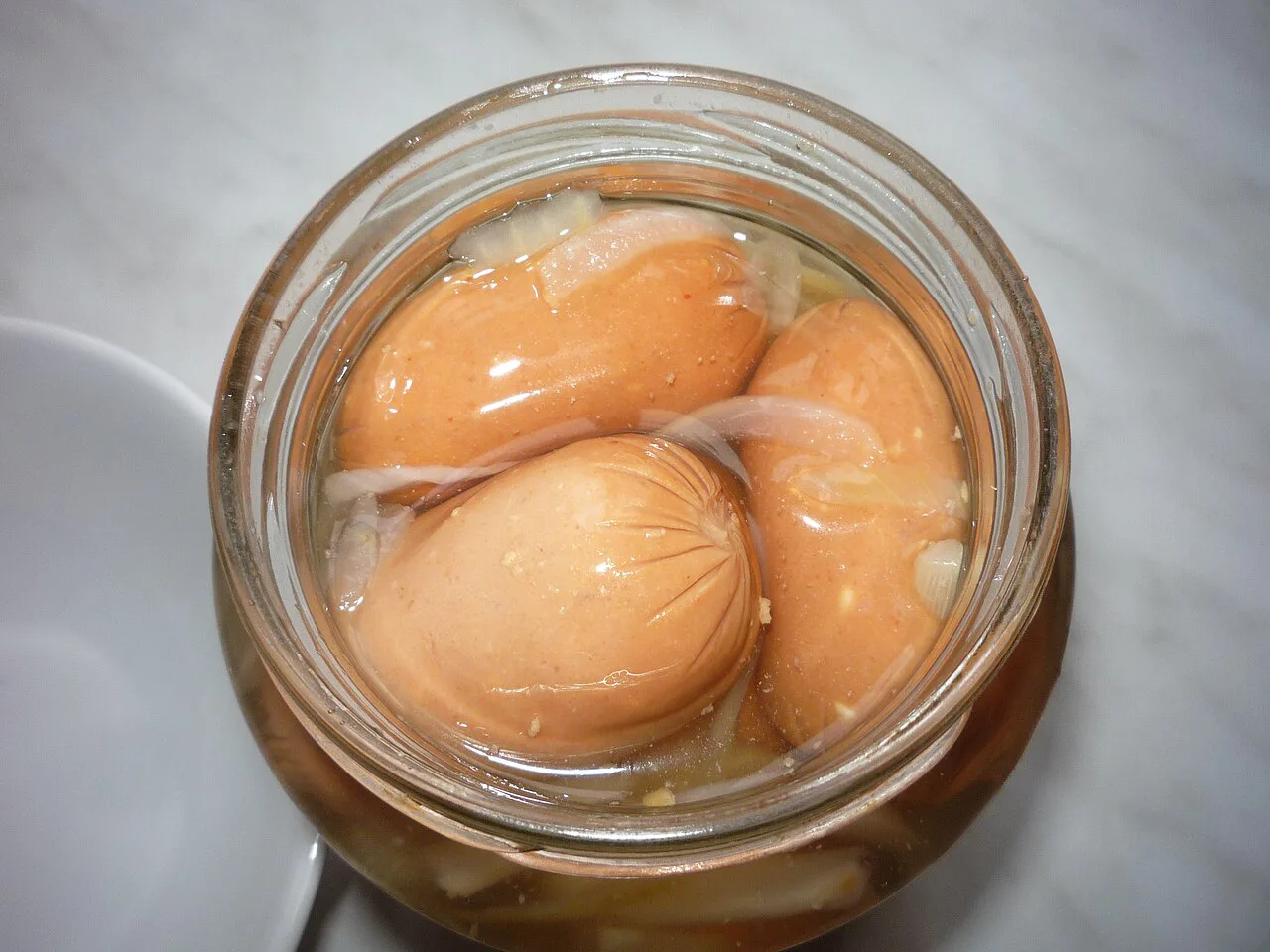
Utopenec is the singular and utopenci the plural, and the word means "drowned man" or "drowned men." The joke is visual: the sausages lie fully submerged in liquid inside the jar, so they look drowned. Czech pub food is full of this kind of deadpan naming, and knowing the pun helps you recognize the dish on a handwritten snack board even when the English menu is missing.
The name: Utopenec is the singular and utopenci the plural, and the word means "drowned man" or "drowned men." The joke is visual: the sausages lie fully submerged in liquid inside the jar, so they look drowned.
Brine time: The sausages need time in the brine before they are worth eating, and the same recipe says the jar should rest in the fridge for about a week, though it adds that they are already edible after two days.
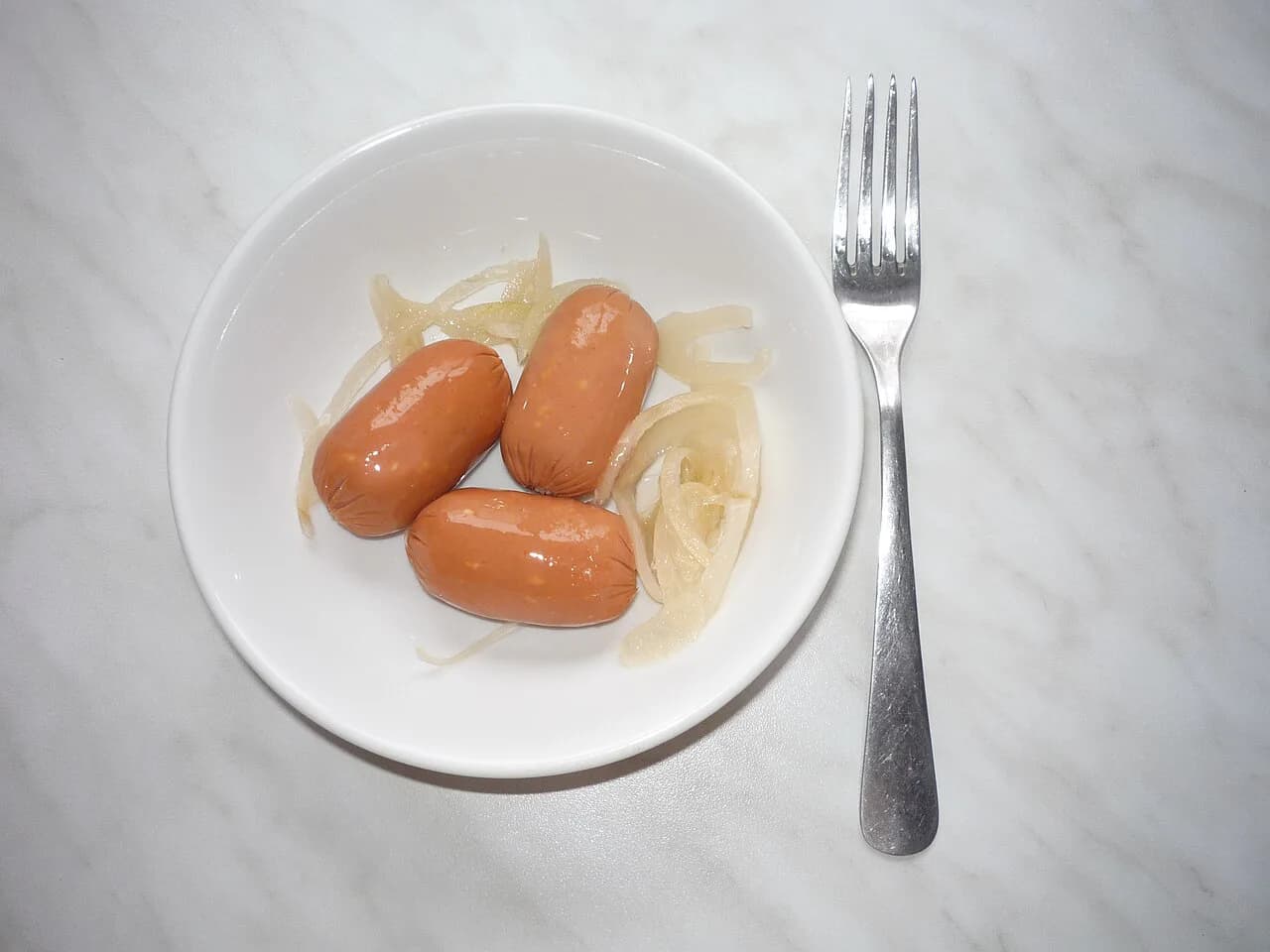
Served: A portion arrives cold, usually sliced or halved, with the onion from the jar and a piece of bread on the side.
The jar: sausages, onion, vinegar brine
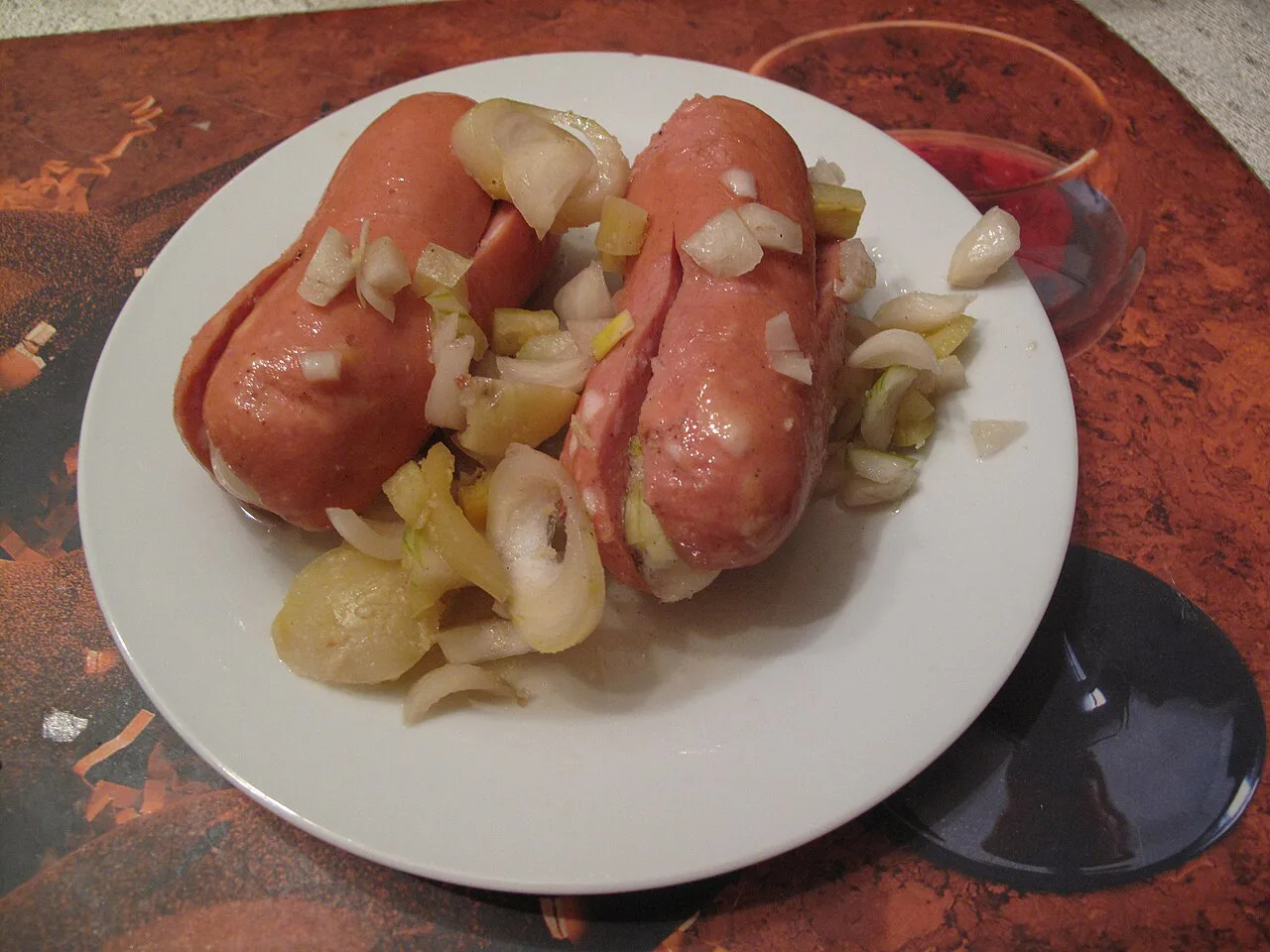
The core ingredients are špekáčky, the fat Czech sausage sold at butcher counters and campfires, plus onion and a vinegar brine. A home recipe calls for 2 kg of špekáčky and 800 g of onion with 750 ml water, 500 ml vinegar, salt, sugar, allspice, whole peppercorns and hot peppers, which shows the proportion of vinegar to water that gives the snack its bite. The brine is briefly simmered, cooled, then poured over the layered sausage and onion, so the raw onion stays crisp while the sausage cures.
Variations exist, and one Slovak kitchen blog adds chilli peppers and a little sauerkraut to the jar alongside the standard spices as the author's own twist. Those additions are a matter of taste rather than a rule, and the version you meet in a pub will follow the house's own proportions. Expect a tangy, salty, faintly sweet profile with a chilli kick in some jars and none in others.
How long they are left to sit before eating
The sausages need time in the brine before they are worth eating, and the same recipe says the jar should rest in the fridge for about a week, though it adds that they are already edible after two days. That gap matters if you plan to buy a jar to take home: a freshly made jar will taste much sharper and less rounded than one that has had a week to settle. Treat the resting time as part of the recipe, not an optional step.
Because the snack is preserved in vinegar and kept cold, it travels well in a sealed jar, and the Toprecepty.cz recipe notes that the sealed jar is stored in the refrigerator during that resting period. Do not assume a jar left on a shop shelf has the same shelf life as one kept cold, and check the label rather than guessing how long an opened jar keeps.
How utopenci are served
A portion arrives cold, usually sliced or halved, with the onion from the jar and a piece of bread on the side. The classic recipe recommends serving them with fresh bread, and that is the practical way to eat them: the bread soaks up the brine and softens the vinegar hit. They are not a meal in themselves, so treat a portion as something to share over a beer rather than a lunch order.
Where utopenci sit among Czech pub snacks
Utopenci are one of a family of cold beer snacks that Czech pubs keep ready, alongside pickled camembert and beer cheese, all of which are assembled ahead rather than cooked to order. That puts them in a different category from hot pub plates such as goulash or fried cheese, and it explains why they can reach the table so fast. If you are building a snack board, order two or three cold items and a round of bread rather than a single large plate.
For a sense of where the snack fits in the wider kitchen, think of it as the sharp, cold counterpoint to the creamier, heavier dishes that anchor a Czech lunch. A plate of Svíčková na Smetaně with houskové knedlíky is a sit-down meal, while utopenci are what you eat standing at a pub table before dinner.
How to order utopenci and what to expect
Ask for utopenci by name, and expect a question about portion size or whether you want it with bread, since pubs sell them by the plate rather than as a main. The word is pronounced roughly oo-TOH-pen-tsee, and pointing at the snack board works as well as speaking if the menu is only in Czech. If the server offers a jar to take away, ask how long it has been resting; a jar made that morning will be much sharper than one that has sat for a week.
If you are unsure about the vinegar, order one portion for the table rather than a jar per person, and let the bread do the work of softening the brine. Pubs do not always list utopenci on a printed menu, so scanning the chilled snack counter or asking what cold snacks are available is the quickest route. Prices vary by pub and are not fixed, so check the menu or ask before ordering rather than assuming a standard charge.
Taste, texture, and who will like it
The sausage stays firm and fatty, the onion keeps its crunch, and the brine carries most of the flavor, which is why the dish reads more like a pickle than a meat plate. The chilli and allspice in the jar give a warm, slightly sweet edge to the vinegar, and the fat in the sausage softens the acidity. Travelers who enjoy pickled foods usually take to it quickly, while those who find vinegar aggressive may prefer to start with a single slice alongside something milder.
The snack pairs naturally with a pilsner, and the salt and acid make it a good opener before a heavier Czech meal. It is also a low-commitment way to try a classic pub item: one small portion costs little and tells you whether the rest of the cold snack board is worth exploring. If you enjoy it, the pickled camembert and beer cheese on the same counter are the logical next orders.
Order It Cold, With Bread
Utopenci are a cold pickled-sausage snack, not a main course, and the right way to try them is one shared portion with bread and a beer. Order by name, expect a sharp vinegar brine with onion and spice, and let the bread balance the bite. If the jar is offered to take home, ask how long it has rested and keep it cold as the recipe intends.
Explore more Czech Republic guides
Sources
Notes for your Czech trip
Optional updates to our Czech town guides.
You might also like


Continue reading
More guides you'll find useful