Things to Do in Olomouc: Squares, Churches, Museums and the Clock
Olomouc packs a UNESCO column, a Socialist Realist astronomical clock, baroque fountains and two art museums into one compact old town.
On this page
Olomouc deserves a full day, not a quick stop between trains. The old town stacks a UNESCO-listed column, a rebuilt astronomical clock, baroque fountains and two serious art museums inside a walk of a few minutes, which is why the city works better as a base for Moravia than as a dash from Prague. This guide groups the sights by square and street so you can walk one compact loop, then fit the museums, the cathedral and the clock show around it without crossing town twice.
Why Olomouc rewards a full day rather than a quick stop
The historic core is small and walkable, so the risk is not distance but timing. Morning suits the squares and the cathedral; the museums then fill the middle of the day, and the clock show gives you a fixed point to plan around. If you give the city only two hours, you will see Horní náměstí and leave, which misses the fountains, the churches and the collections that make Olomouc distinct from every other Czech old town. The city's tourism portal lays out the sights and the guided walks in one place.
Olomouc sits in the central-eastern part of the Czech Republic, with Brno to the south and Prague well to the west. It is also a large university city, so the streets around Palacký University carry a student rhythm that keeps the center lively outside peak season. That mix of a baroque set piece and a working, studious city is the reason to stay overnight rather than tick the square and move on.
Horní náměstí: the Holy Trinity Column, the town hall and the astronomical clock
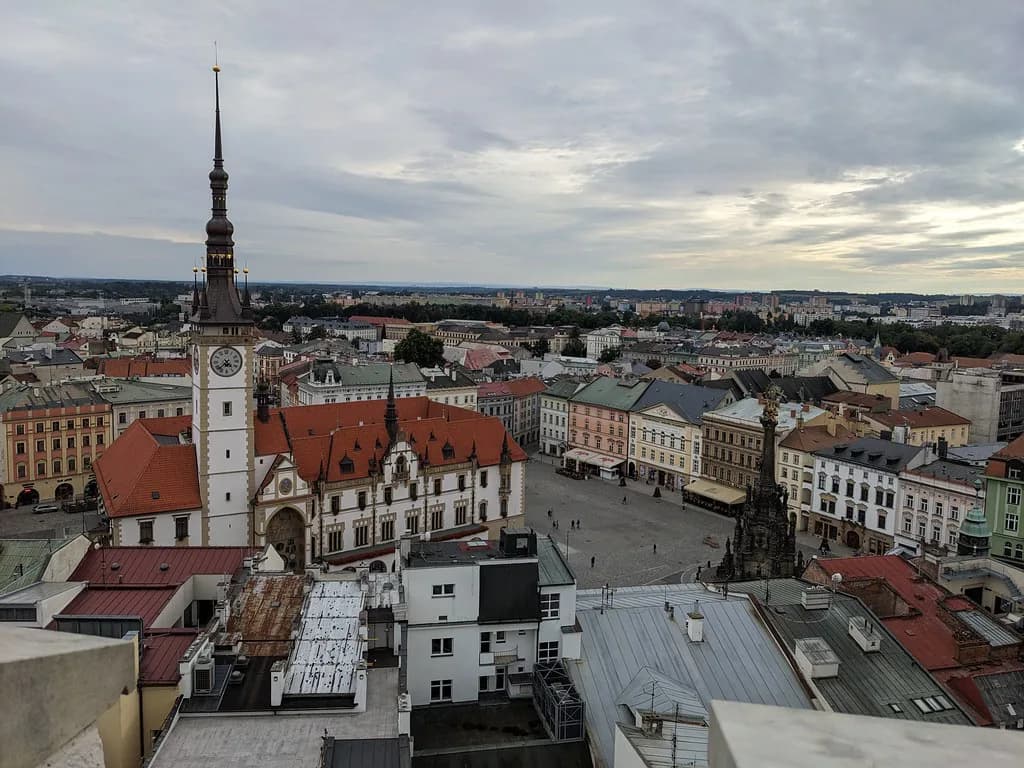
Horní náměstí is the anchor of any visit, and three of the city's signature sights sit on or beside it. The Holy Trinity Column in the middle of the square is the city's UNESCO monument, a baroque composition of saints and ornament built in the first half of the eighteenth century as thanks for the end of a plague that had been circulating in the region. Look for the small chapel built into its base, and walk around the full circumference rather than stopping at the front, because the carving changes on every face.
The town hall closes the square, and its north side carries the astronomical clock. The original clock was destroyed at the end of the Second World War, and the present one was reconstructed between 1947 and 1955 in Socialist Realist style, so instead of saints you get workers, farmers and other proletarian figures picked out in mosaic and gold. That is the detail to hold onto: this is a twentieth-century rebuild, not a medieval mechanism, and it makes the clock one of the more unusual monuments in the country.
The column has at times been under scaffolding and covering during restoration work, which changes the photograph you get. Treat a clear view of it as a bonus rather than a guarantee, and if the monument matters to your trip, the information center on Horní náměstí in the town hall is the place to ask before you build your morning around it.
What the astronomical clock show involves and when to stand in front of it
The clock comes alive every day at noon, when its figures move and a small crowd gathers beneath it. Arrive a few minutes early to secure a spot with a clear view of the dial, because the space directly in front fills quickly and the show is short. Outside that daily noon performance, the clock is simply a large, decorated facade worth studying for its mosaic and its unusual figures.
The noon timing sets your day. Plan the cathedral and the squares before it, stand for the show, then break for lunch in the old town and give the afternoon to a museum. If you are in Olomouc on a Monday or Tuesday, note that both Olomouc art museums are closed on those days, so the clock and the churches carry the visit instead.
Lower Square and the baroque fountains that link the two squares
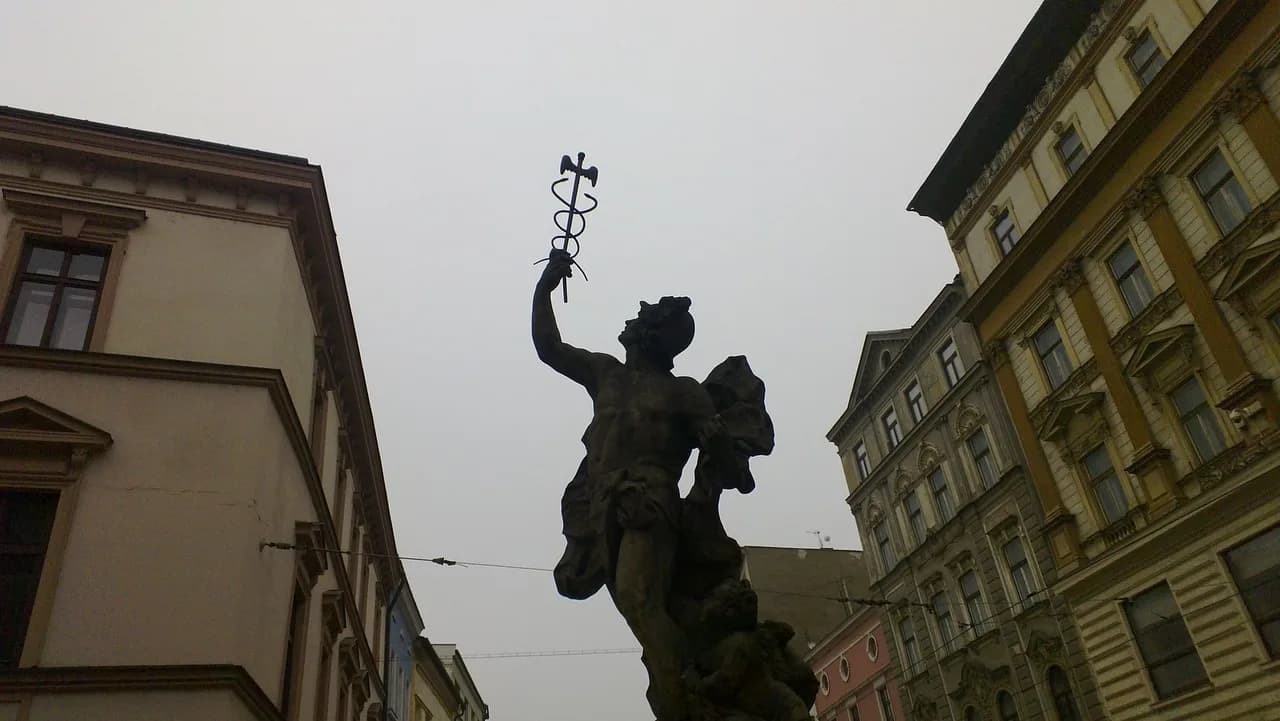
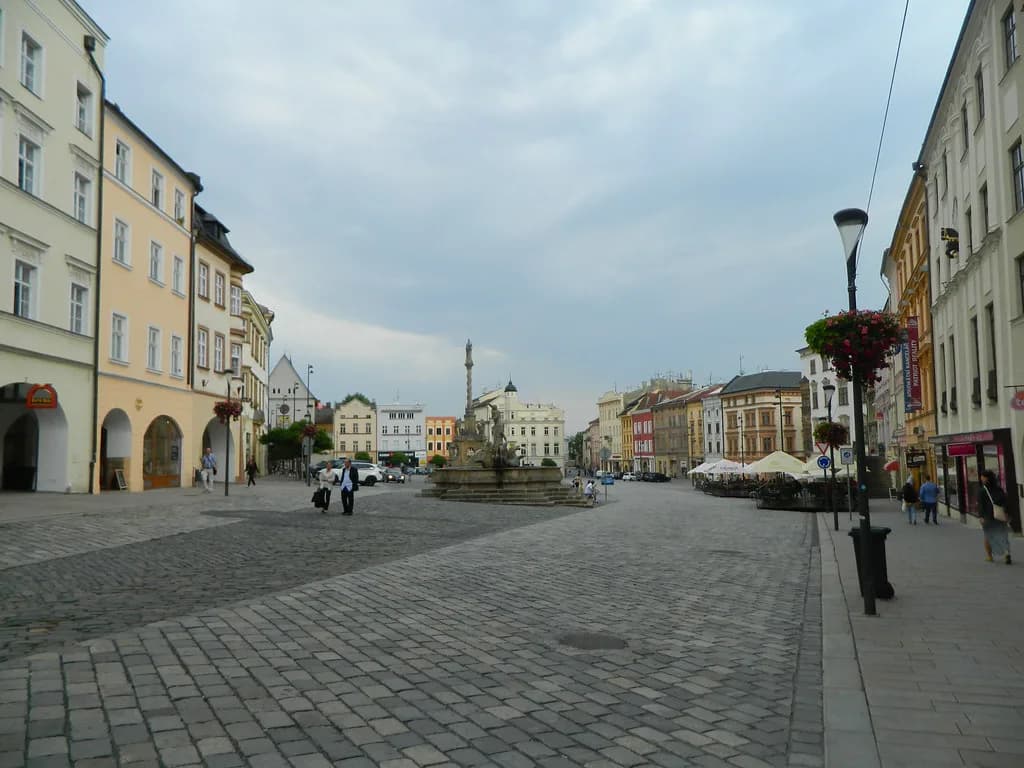
Dolní náměstí, the Lower Square, sits a short walk south of Horní náměstí and forms the second half of the old town's public living room. The route between them passes baroque fountains that are easy to walk past if you are looking at your phone; each has its own figure and its own story, and together they give the center a watery spine. Slow down on this stretch and treat the fountains as individual pieces rather than decoration.
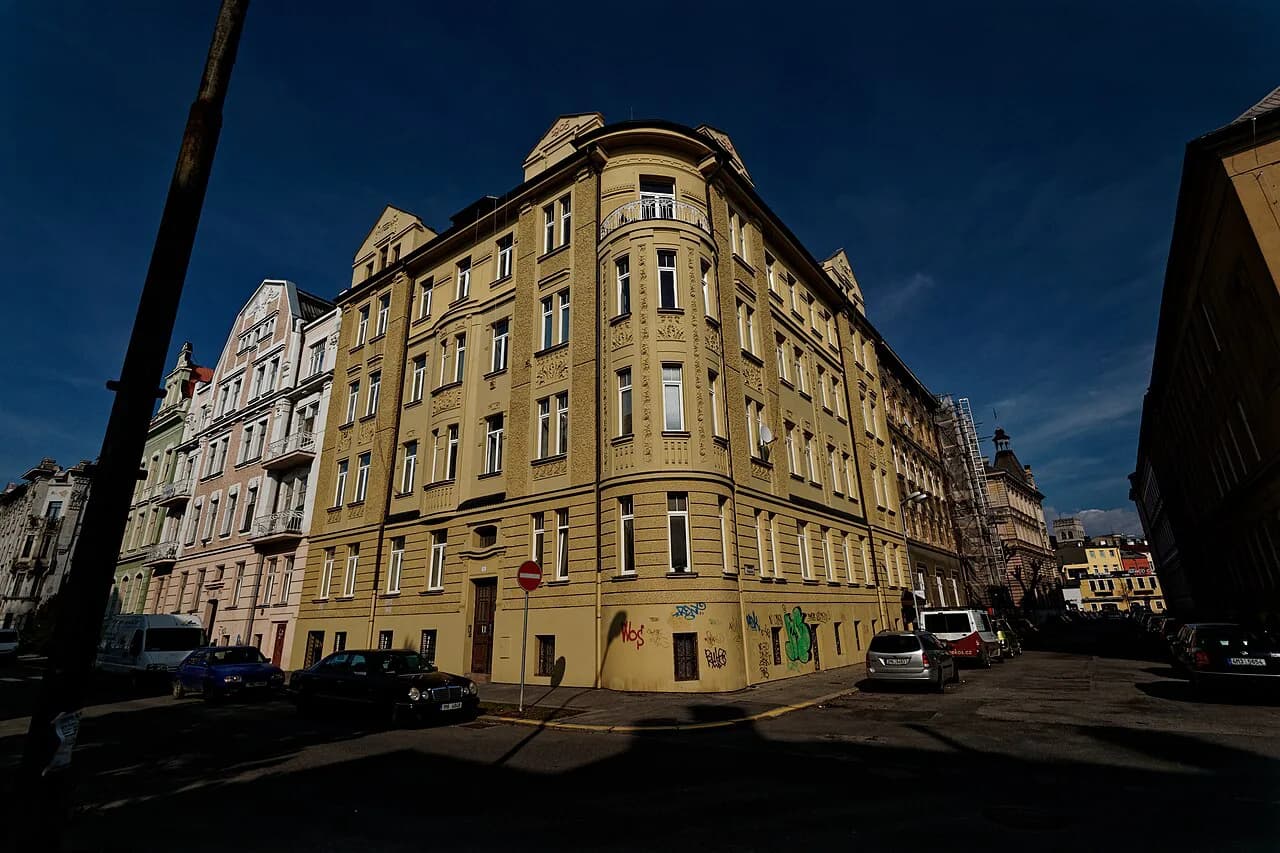
Beyond the fountains, the old town streets between and around the two squares hold pastel townhouses and a street-art scene that has grown up alongside the baroque. Wander without a fixed target for twenty minutes and you will find the city's everyday face, which is the part most day-trippers skip. This is also where a self-guided walk pays off, because the pleasure is in the sequence of small squares and lanes rather than any single monument.
The churches worth stepping into
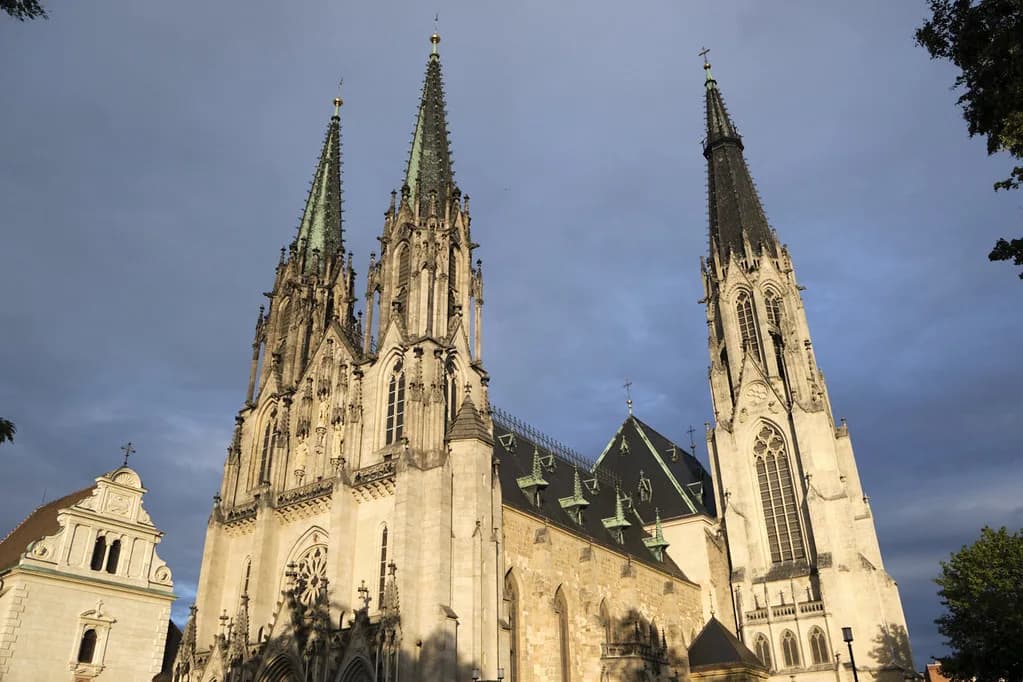
St. Wenceslas Cathedral is the city's most imposing church, listed among the top sights by the city's tourism portal, and its towers are the landmark you will see from across the center. The cathedral is a working religious building rather than a museum piece, so step inside quietly, look at the nave and the chapels, and check the entrance for any notice restricting access during services. Even a short stop adds a different register to a day that is otherwise baroque squares and museum vitrines.
The Minor Basilica of the Visitation of the Virgin Mary is the other church that belongs on the loop, also listed among the city's top sights by the tourism portal. Treat both churches as an hour together rather than a checklist: one is monumental, the other more intimate, and the contrast is the point. If you have limited time, the cathedral wins on scale, but the basilica rewards anyone who wants a quieter interior.
Church towers: what a tower visit adds
The tower at St. Maurice Church is one to look for if you want the classic view over the rooftops and the column. Go early or late in the day for clearer light and fewer people on the stairs, and skip it if stairs in a confined space are not for you. Confirm current opening before you climb, since tower access is separate from the sightseeing loop below.
Tower visits also give you a practical sense of distance: once you see how close the squares sit to the cathedral and the museums, you can stop worrying about transport inside the center. Everything on this loop is on foot, and the only decision is the order in which you take it.
The Archdiocesan Palace and the interiors you can tour
The Archdiocesan Palace is one of the sights the city promotes for guided visits, and it is the place to see period interiors rather than a gallery of objects. Tours are the way in, so check the information center for the languages and times offered during your stay, since a palace interior makes far more sense with explanation than without. Pair it with the cathedral, which stands close by, so that the archbishop's world and the city's main church are seen together.
Villa Primavesi is the other interior the tourism portal singles out, a modern house open for tours, and it gives a sharp change of mood from the baroque and the ecclesiastical. Choose the palace for old-world interiors and the villa for early twentieth-century architecture, or take both if you are staying overnight. Neither is a large museum, so each fits into an hour rather than an afternoon.
Museum of Modern Art and Archdiocesan Museum: which one fits your interests
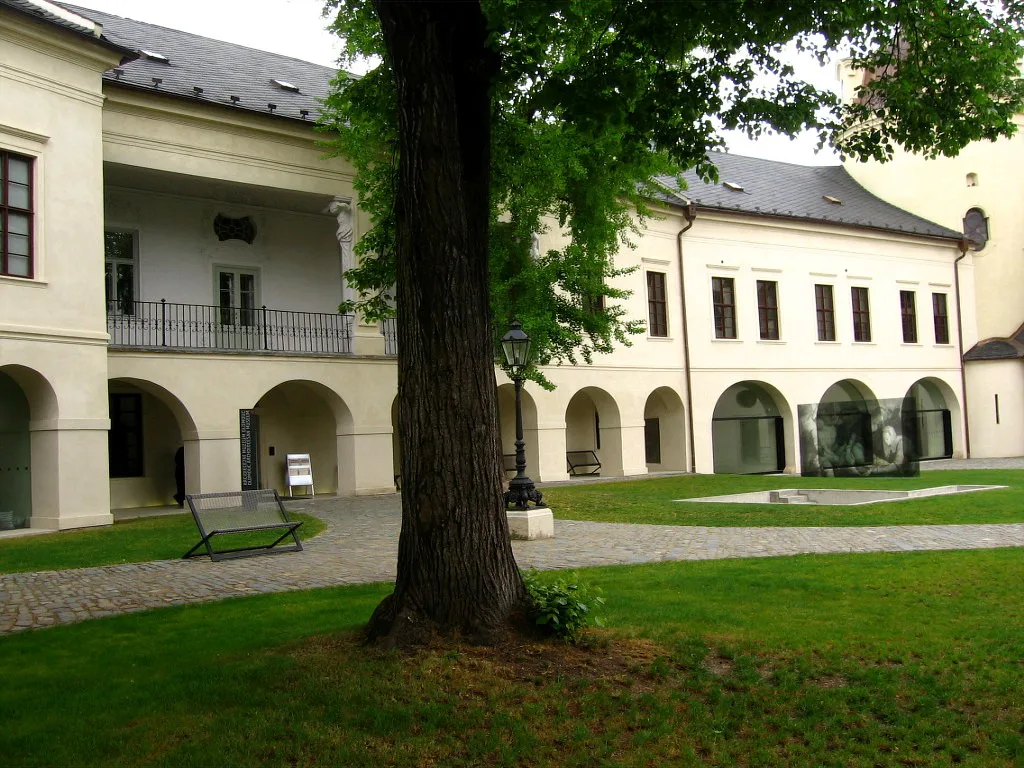
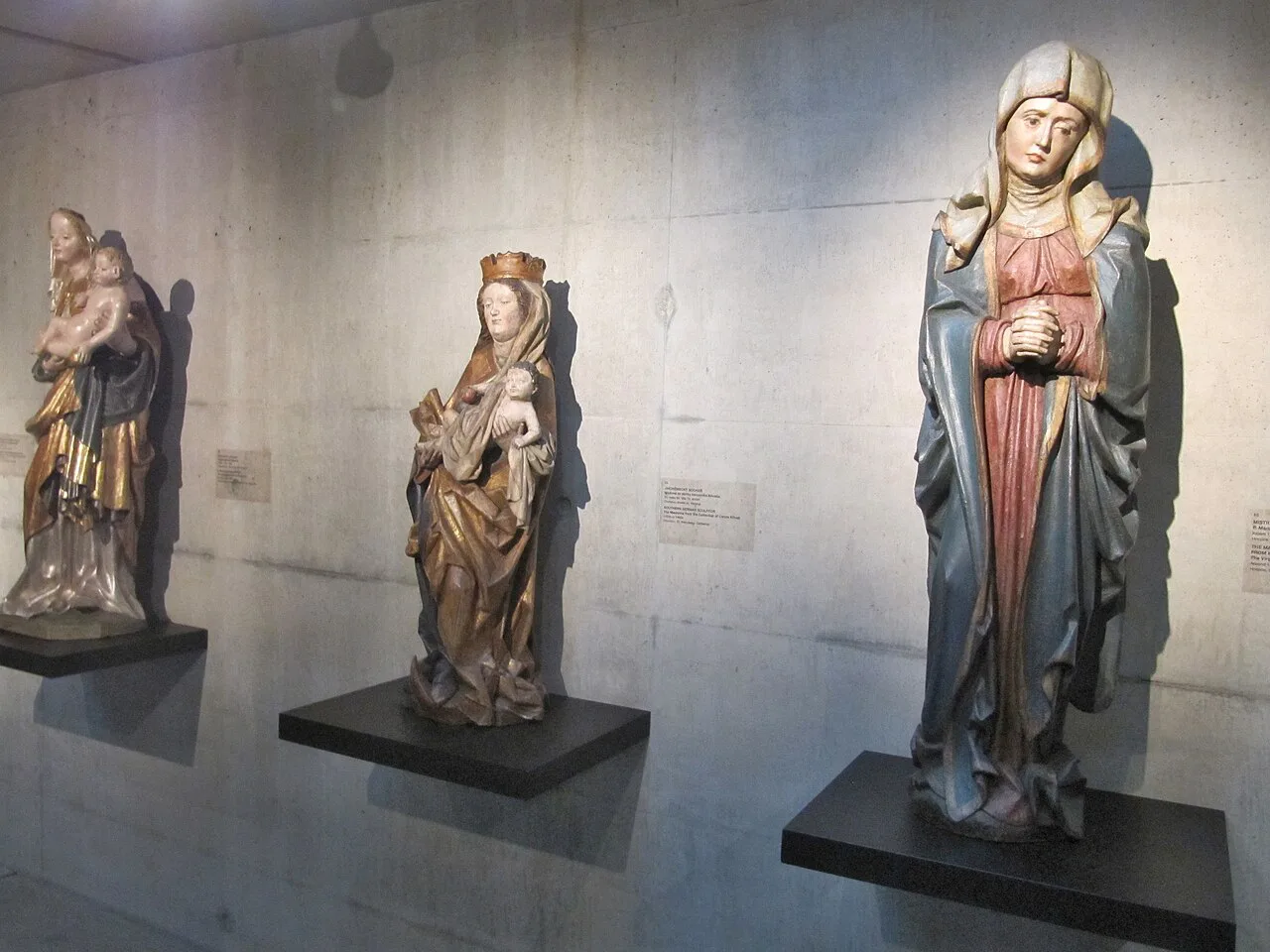
The two art museums split by subject, which makes the choice easy. The Museum of Modern Art handles modern and contemporary work, while the Archdiocesan Museum focuses on sacred art and the church's collections in a historic setting. If you like twentieth-century painting and changing exhibitions, start with modern; if you want carved altarpieces, liturgical objects and a sense of the diocese's wealth, take the Archdiocesan Museum. The museum's own site lists current exhibitions and the ticket options for each building.
Both buildings belong to the same institution, so a visit to one tells you what is on at the other, and the pair is close enough to combine if you have a long afternoon. If you only have time for one and you have already seen a lot of baroque churches, the modern collection balances the day. If the churches left you wanting more context, the sacred art does the opposite.
Opening days and hours at the two art museums
Both Olomouc art museums keep the same rhythm: closed Monday and Tuesday, open Wednesday to Sunday from 10:00 to 18:00. That single fact decides your itinerary, since a Tuesday visit pushes you toward the squares, the churches and the towers instead. The same institution also runs the Archdiocesan Museum in Kroměříž, which keeps different hours, so do not assume the Olomouc schedule applies if you plan to continue east.
Hradisko Monastery and the edge-of-center sights
Hradisko Monastery sits at the edge of the center and is worth the walk for anyone who wants to see how far the monastic city extended beyond the old town. It is a supplement, not a substitute for the squares, so treat it as a late-afternoon stop rather than the first thing you do. The walk out also shows you the ordinary streets that most visitors never see.
If you have a car or a spare morning, Svatý Kopeček lies outside the center and adds a pilgrimage church and a view to the trip. It requires a separate journey rather than a detour on foot, so save it for a second day or for a route that already heads out of town.
Guided walks and the self-guided options
The information center on Horní náměstí, inside the town hall, is where to ask about the city's guided walks. The portal advertises guided tours both on foot and by boat on the Morava, along with a mobile guide you can follow on your own. For a first visit, a guided walk gives you the chronology and the anecdotes in a single pass; for a repeat visitor, the mobile guide leaves you free to linger at the fountains.
The Olomouc region card is the other thing to ask about at the counter, since it bundles entry and experiences rather than a single ticket. Whether it pays depends on how many museums and paid interiors you plan to enter, so price out your list first.
Food and drink in Olomouc: what to eat and where the local specialty fits
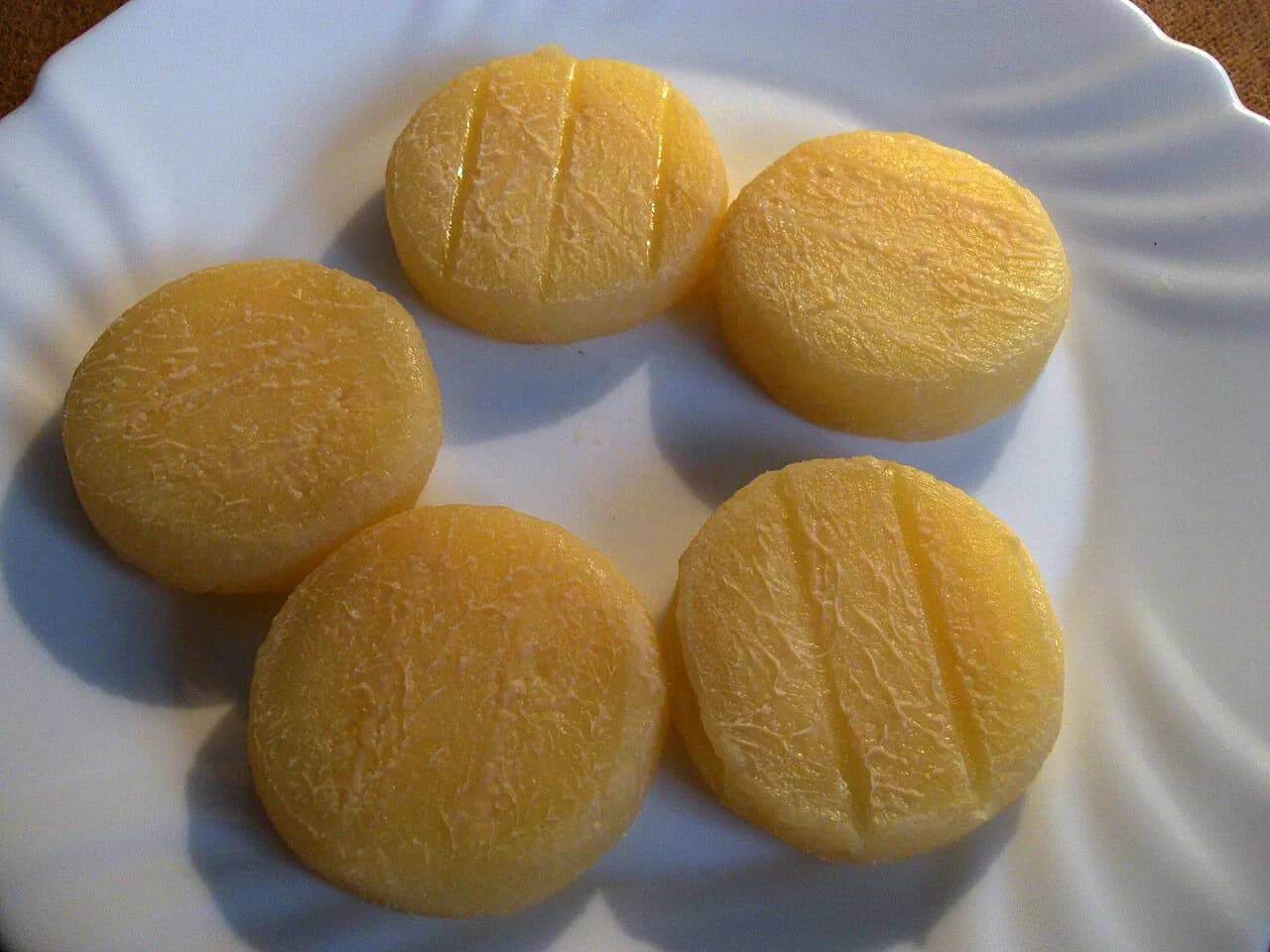
Olomouc has its own cheese, tvarůžky, a pungent ripened variety that appears on menus across the city and has a festival of its own in the events calendar. It is not a mild cheese, so order it once as a starter or on bread before committing to a main course built around it. The city's food scene also runs on student budgets, which keeps the everyday restaurants honest.
For the sit-down meal, use the city's own food listings and then narrow by what is close to your walking loop, so lunch does not cost you a tram ride. The portal keeps a food and drink section alongside its sight listings, which is a reasonable starting filter before you compare menus.
A beer town beyond Olomouc worth knowing is Litovel, a Haná brewing town north of the city, if you are extending the trip rather than staying inside the center. It makes sense as a half-day add-on rather than a spur-of-the-moment evening trip.
How the old town is laid out and how long each cluster takes
Think of Olomouc as three clusters. The first is Horní náměstí with the column, the town hall and the clock, which takes about an hour with the noon show. The second is Dolní náměstí with the fountains and the streets between, another hour at an unhurried pace. The third is the cathedral, the churches and the museums, which is the afternoon.
Add a tower climb and one museum and you have a comfortable full day. Add the palace, the villa and both museums and you need two. The distances are small enough that the real constraint is opening hours and tour times, not geography.
Getting to Olomouc from Prague and fitting it into a Moravia route
Olomouc is a long day trip from Prague by train, a bit over two hours each way, and that is the honest argument for staying at least one night. As a stop on a Moravia route it works far better: come from Prague, continue to Brno or on toward Přerov, and let Olomouc be the middle of the journey rather than a return ticket.
Within the city, the old town is on foot, and the information center publishes the public transport, parking and shared-mobility options for the parts beyond it. If you are coming by car, sort out parking before you arrive rather than circling the center.
For the next stops, Brno is the obvious southern continuation with its own museum and architecture circuit, while Přerov lies on the Bečva beyond Olomouc and suits a slower day. Either way, keep Olomouc as the anchor and build the route around its full day rather than treating it as filler between larger cities.
Book the noon show, then build the day around the museums
The practical order is simple: squares and cathedral in the morning, the clock show at noon, lunch in the old town, then a museum in the afternoon while the art museums are open. That sequence puts the fixed point in the middle of the day and leaves the flexible sights on either side, so an unexpectedly long queue never wrecks the plan.
Check the information center's tour times and the museum hours when you arrive, since both set the shape of the day more than distance does. If you want the wider Czech picture before you commit, the same approach works in other spa and Moravian towns, including the walks laid out for Karlovy Vary.
Explore more Olomouc guides
- Litovel: A Haná Brewery Town on the Morava
- Museums in Olomouc
- Olomouc Fountains
- Přerov: A Moravian Town on the Bečva, Beyond Olomouc
- Svatý Kopeček in Olomouc
- Where to Eat in Olomouc
- Olomouc Cathedral (St Wenceslas Cathedral)
- Olomouc Cheese (Tvarůžky)
- Olomouc History
- Olomouc Map
- Olomouc Sightseeing Tours
- Olomouc Walking Tour
- Sovinec Castle
Frequently Asked Questions
What is Olomouc famous for?
The Holy Trinity Column on Horní náměstí, a UNESCO-listed baroque monument, and the astronomical clock on the town hall, rebuilt between 1947 and 1955 in Socialist Realist style with workers and other figures in place of saints. Add the baroque fountains, St. Wenceslas Cathedral and two art museums, and you have the short list.
How long should you spend in Olomouc?
A full day covers the two squares, the cathedral, a tower climb and one museum at a comfortable pace. Give it two days if you want both art museums, the Archdiocesan Palace and the walk out to Hradisko Monastery, and stay overnight so the trip from Prague does not eat the day. Note that both Olomouc art museums are closed Monday and Tuesday.
When do the Olomouc art museums open?
Both the Museum of Modern Art and the Archdiocesan Museum in Olomouc are closed Monday and Tuesday and open Wednesday to Sunday from 10:00 to 18:00. The institution's Archdiocesan Museum in Kroměříž keeps different hours, so check separately if you plan to continue east.
When does the astronomical clock perform?
The clock comes alive every day at noon, when its figures move and a crowd gathers beneath it. Arrive a few minutes early for a clear view of the dial; outside that performance it is a decorated facade worth studying for its mosaic and Socialist Realist figures.
Sources
Notes for your Czech trip
Optional updates to our Czech town guides.
You might also like
Continue reading
More guides you'll find useful