Přerov, Czech Republic: What to See in Moravia's Bečva River Town
Přerov pairs a preserved heritage zone with a Renaissance chateau holding the Comenius Museum. Here is what to see and how to fit it around Olomouc.
On this page
Přerov is worth a half-day if the Brethren and Comenius thread interests you, and a couple of hours if you mainly want the chateau museum and a walk along the Bečva. The town spreads across both banks of the river in central Moravia and serves as a regional cultural and administrative center, with a preserved heritage zone at its core. This guide covers the three stops that justify the detour, how they line up on foot, and how the town slots into a route built around Olomouc.
What Přerov is and where it sits
Přerov lies in the heart of Moravia on both banks of the Bečva, at roughly 49°27' north and 17°27' east, and functions as the cultural, social and administrative center of its region. Settlement here reaches back to the early Stone Age, documented by the archaeological finds at Přerov-Předmostí that the city describes as world-famous. The first written mention of the town dates to 1141, and King Přemysl Otakar II raised it to royal town status in 1256.
Those are historical markers, not a promise of a monument-heavy old town. The visitor's Přerov is compact: a heritage zone of burgher houses, a chateau, a main square and a river walk. Treat the deep archaeology as context for why the town mattered, and spend your hours on the streets and buildings you can actually enter. For context on the bigger city nearby, see the Olomouc Old Town guide.
How to read the center
The preserved town heritage zone holds burgher houses from the 15th and 16th centuries, remnants of the medieval walls with a gate, and the chateau itself. This is the area to walk first, because the pieces sit close together and reward slow looking rather than a checklist. Enter from the square side and work toward the river.
Přerov's story runs through the Pernštejn and Žerotín families and through the Unity of the Brethren, the evangelical church whose scholars included Přerov native Jan Blahoslav and Jan Amos Comenius. Knowing that thread turns the streets from pleasant backdrops into a specific Moravian story. If you want the wider Czech context for this kind of town, the Olomouc history guide covers the region's larger arc.
The chateau and the Comenius Museum
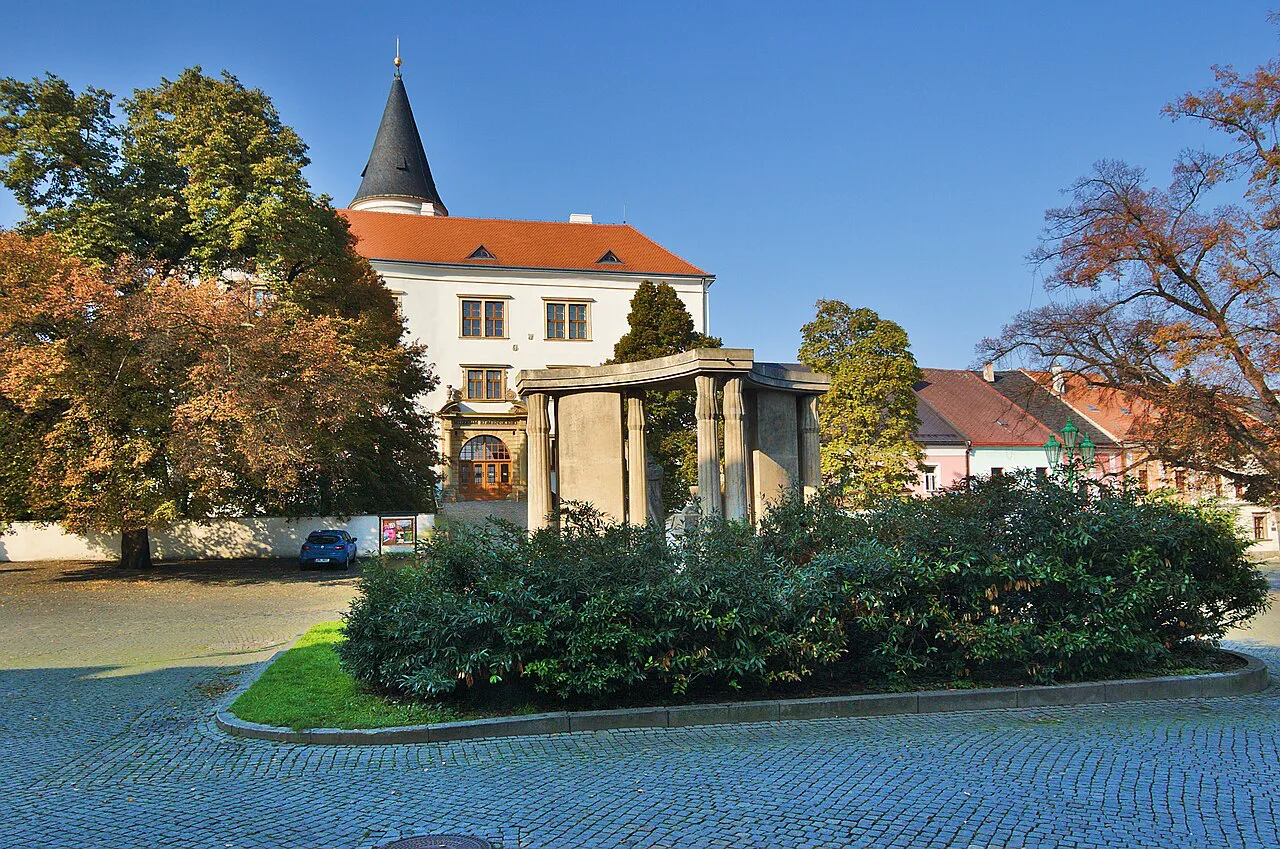
The chateau, reworked in Renaissance style, now houses the Muzeum Komenského, and it is the single strongest reason to stop in Přerov. Pair it with the surrounding walls and houses and you have the core of the visit. The city does not publish ticket prices, opening hours or tour formats on its overview page, so confirm them with the museum before you build a day around it.
Budget your time around the museum first and let the streets fill whatever remains. If you are comparing Moravian museum stops, the guide to museums in Olomouc gives you a benchmark for scale and content.
Náměstí T. G. Masaryka and the Městský dům
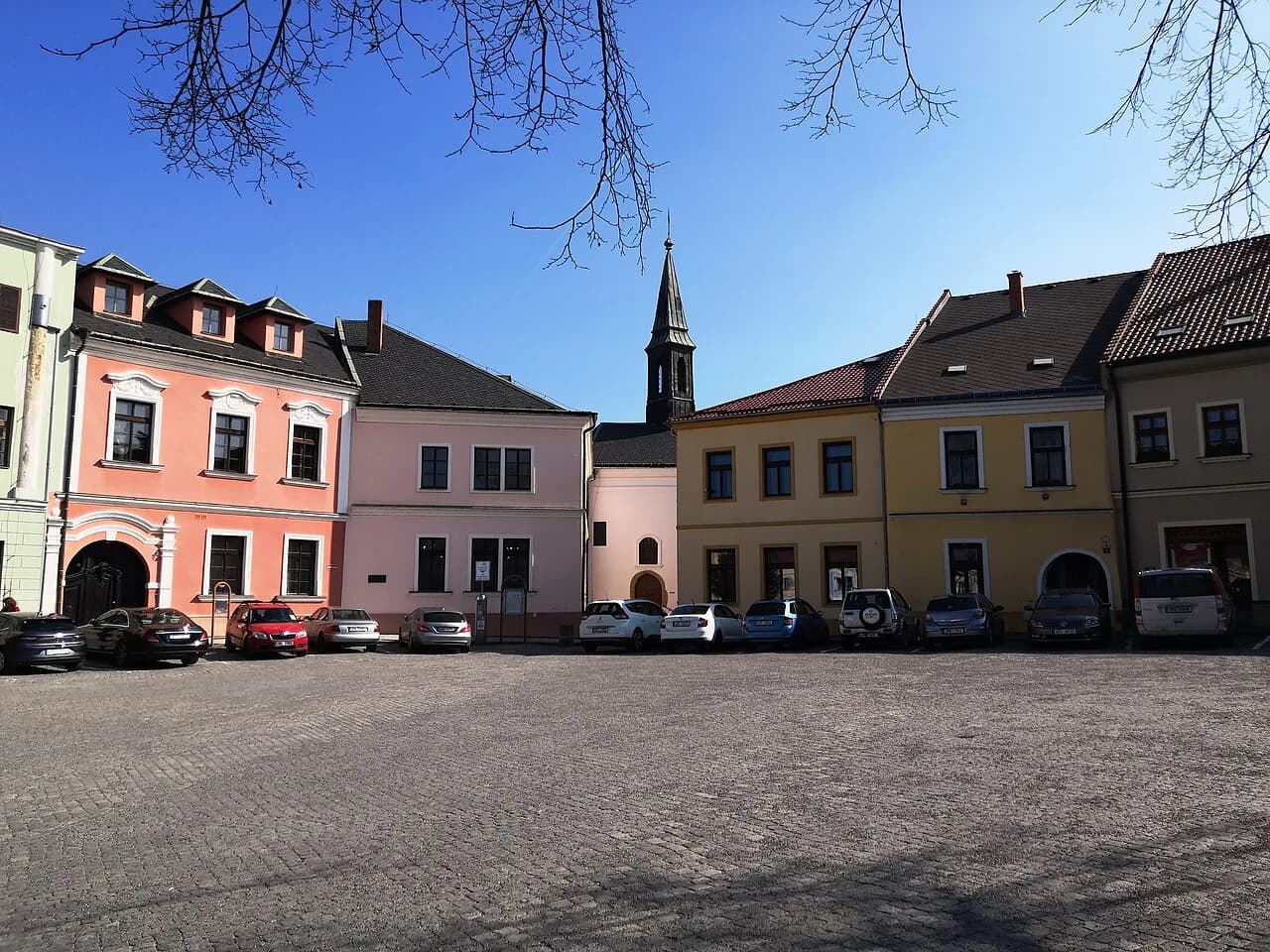
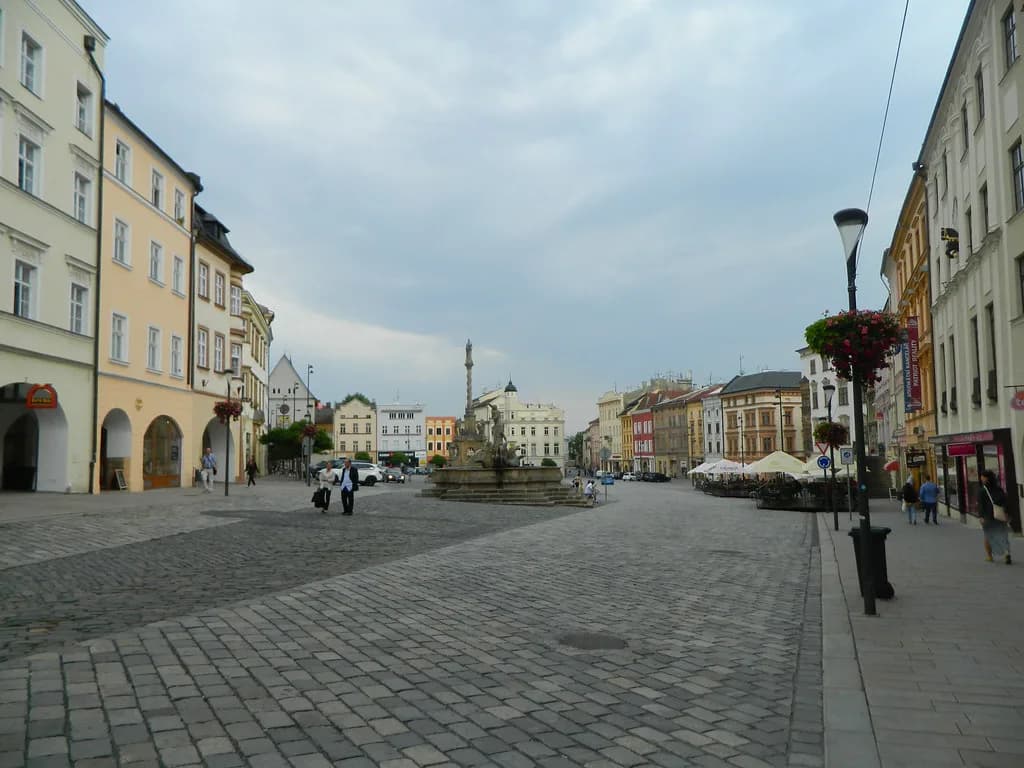
Náměstí T. G. Masaryka is anchored by the Městský dům, built in 1897 in Neo-Renaissance style with rich stucco work and Art Nouveau touches. It remains the town's cultural and social venue, hosting theater performances, concerts and social events; the Czechoslovak Jazz Festival, a tradition dating to 1966, is the best known of them. Read the jazz reference as history, not as a calendar item to plan around.
From the square, Mostní ulice leads down to the Bečva embankment, which makes the square a natural hinge between the old center and the river. Start here, cross to the embankment, and loop back through the heritage zone rather than retracing your steps.
The Unity of the Brethren Memorial on the embankment
The Památník jednoty bratrské is an outdoor exhibit opened in 2016 on the exact spot where archaeologists uncovered the remains of the Brethren settlement in 2012 and 2013: a Brethren house with a school and a prayer hall. That excavation is what makes the memorial more than a plaque. It shows you the ground the community actually occupied.
Because it is outdoors on the embankment, it fits naturally between the square and the bridge rather than requiring a separate trip. Give it a focused stretch of attention, then continue across the river.
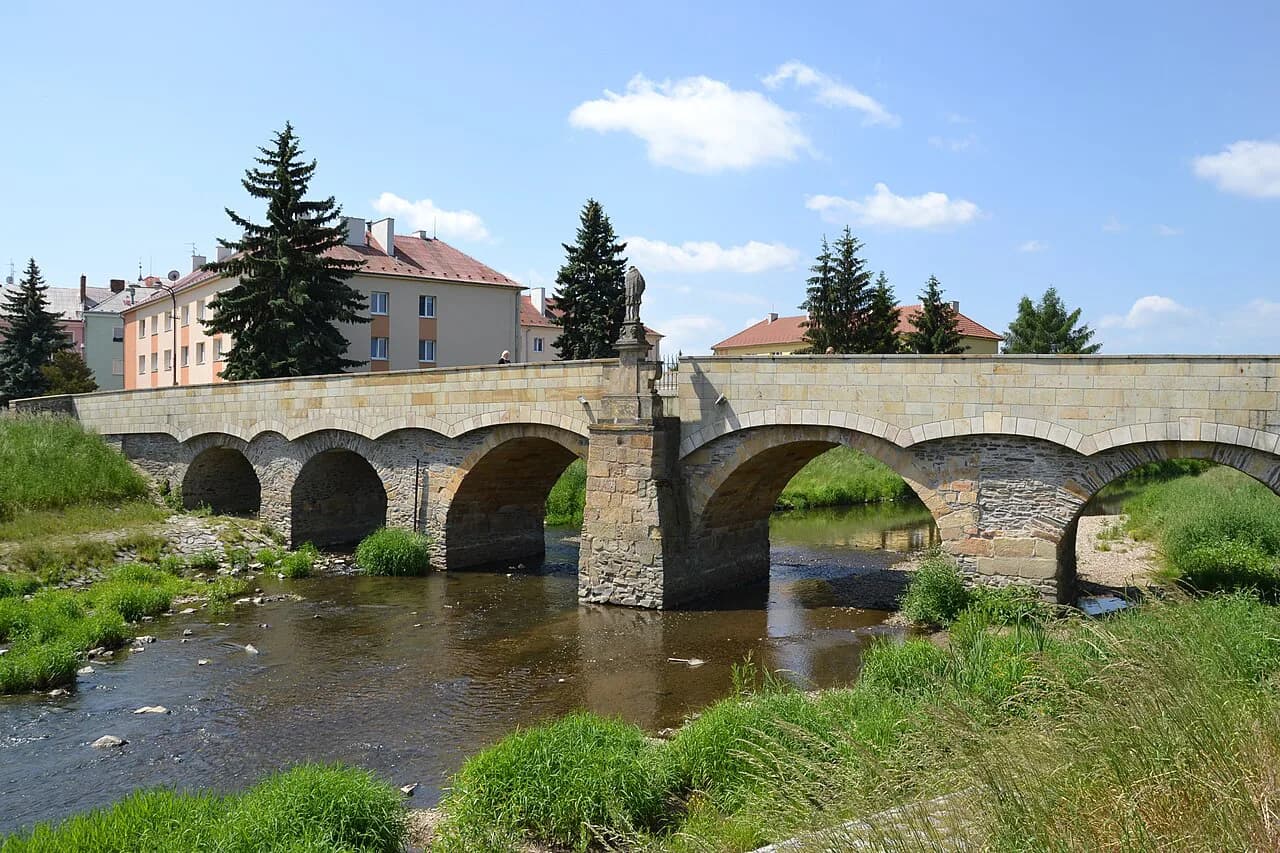
Park Michalov and the Tyršův most
The Tyršův most, a modern bridge the town treats as a contemporary landmark, links the embankment to Park Michalov. The park covers 17 hectares and has been a cultural monument since 1992. Beside it sit the lagoon area, a skatepark, a BMX track and a disc golf park, with outdoor gym equipment in the park and lagoon area.
Treat this as the walkable tail of the visit, not a separate attraction to schedule. It gives you a green finish after the museum and memorial, and the bridge crossing ties the two halves of town together.
How long Přerov takes
Sequence the day on foot: Náměstí T. G. Masaryka first, then Mostní ulice down to the Brethren memorial on the embankment, then the chateau and museum in the heritage zone, then across the Tyršův most to Park Michalov. That order keeps the river as a spine and avoids backtracking.
A focused stop covering the museum, the heritage zone and the embankment fits comfortably into part of a day; add the park if the weather is good. Přerov is a working regional center with a compact heritage zone, so it rewards a short, deliberate visit rather than a full day of filling time.
Getting there and fitting it into a Moravia route
Přerov works best as a stop alongside Olomouc rather than a destination on its own, and the two together give you a strong Moravian pairing. Build your Olomouc base from the things to do in Olomouc guide, then slot Přerov in as a half-day. If you want a structured day in the bigger city, the Olomouc walking tour covers the center efficiently.
The trade-off is honest: Přerov is not a UNESCO town and does not have Olomouc's monument density. Its appeal is the specific Brethren and Comenius story plus a chateau museum in a compact, lived-in center. Travelers who want postcard squares should weight their time toward Olomouc's old town and treat Přerov as the quieter counterpoint.
For a wider loop, Svatý Kopeček in Olomouc and the Haná brewery town of Litovel both sit in the same orbit and pair well with a Přerov stop. Choose based on whether you want a pilgrimage hill, a brewery town or the Brethren story, rather than trying to collect all three in one day.
Where Přerov's story fits
Přerov's identity is bound up with the Pernštejn and Žerotín families and with the Unity of the Brethren, the tradition that produced Jan Blahoslav and Jan Amos Comenius. That is the thread to carry away: a small Moravian town whose intellectual reach ran far beyond its size. The chateau museum, the heritage zone and the embankment memorial each tell a piece of it.
Is Přerov worth the stop between Olomouc and Zlín?
Yes, if you want the Comenius Museum in its Renaissance chateau, a walkable heritage zone and the Brethren memorial on the Bečva, and you are already in the Olomouc area. No, if you are chasing dense monument squares; Olomouc delivers those better, and Přerov asks for a shorter, more focused visit.
Explore more Olomouc guides
Frequently Asked Questions
How do you pronounce Přerov?
The ř is the tricky sound for English speakers: roughly a rolled r blurred with a ž sound, so Přerov comes out approximately like 'P-rzhe-rof', with the stress on the first syllable. Practicing the ř on its own before the rest of the word helps.
What is Přerov known for?
Přerov is known for its preserved town heritage zone with 15th- and 16th-century burgher houses and medieval walls, the Renaissance-reworked chateau that houses the Muzeum Komenského, and its connection to the Unity of the Brethren, including Jan Blahoslav and Jan Amos Comenius. The outdoor Brethren memorial on the Bečva embankment marks the site excavated in 2012 and 2013.
Sources
Notes for your Czech trip
Optional updates to our Czech town guides.
You might also like
Continue reading
More guides you'll find useful