Kutná Hora: A Guide to the Silver Town, Its Bone Church and St Barbara's
Plan a day in Kutná Hora: the Sedlec Ossuary, St Barbara's Church, the Italian Court and the silver mine, with ticket prices and the route from Prague.
On this page
Kutná Hora is the best single day out of Prague for anyone who wants medieval architecture with a story behind it: a town that grew rich on silver, spent the money on churches, and now holds two UNESCO-listed halves about a mile apart. Give it a full day rather than a half, because the Sedlec Ossuary and St Barbara's Church sit at opposite ends of town and the walk between them is part of the experience. This guide covers what each sight contains, the ticket prices in Czech koruna, the closures that catch people out, and how the town fits a route from Prague or onward through Moravia.
A Silver Town on the UNESCO List
Kutná Hora's historic center, including the Sedlec abbey and ossuary and the Cathedral of Our Lady, was inscribed on the UNESCO World Heritage list in 1995 because its urban fabric preserves buildings of exceptional architectural quality, above all St Barbara's Church. The wealth behind all of it came from silver mines, which made the town a royal city in the 14th century and paid for both the late Gothic church and the Baroque rebuilding at Sedlec.
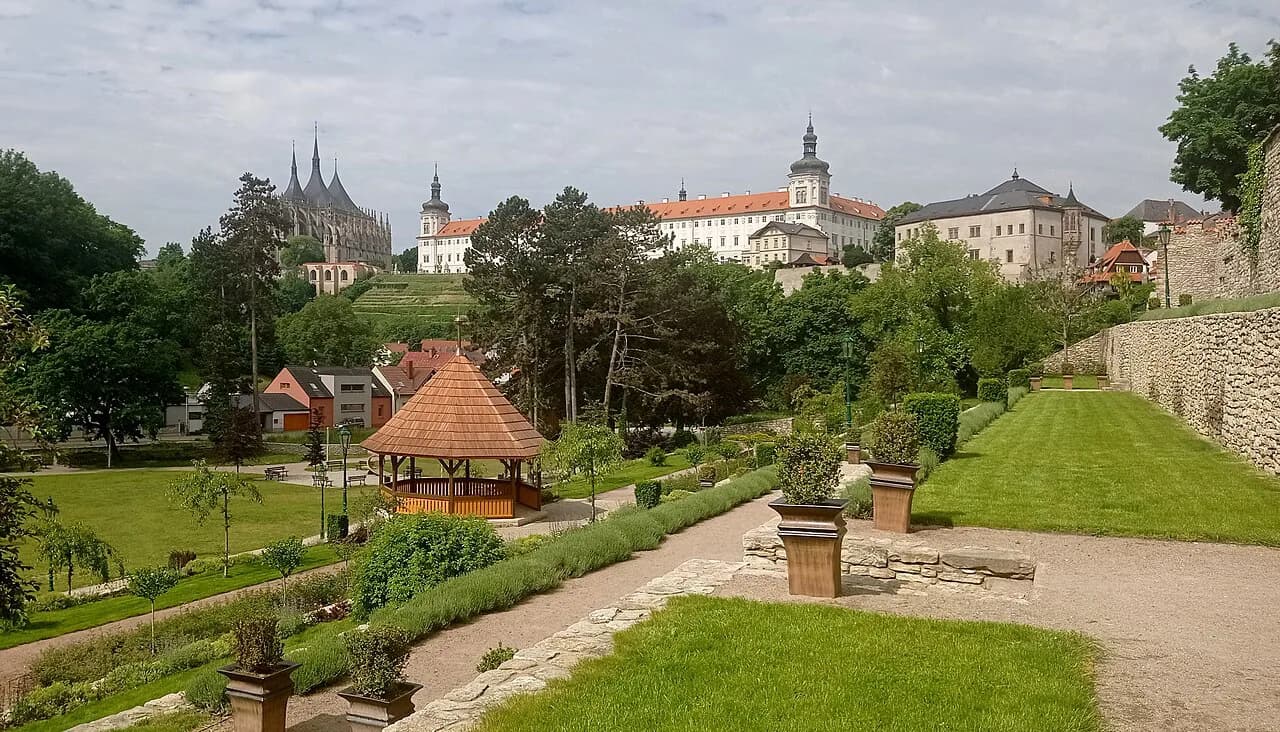
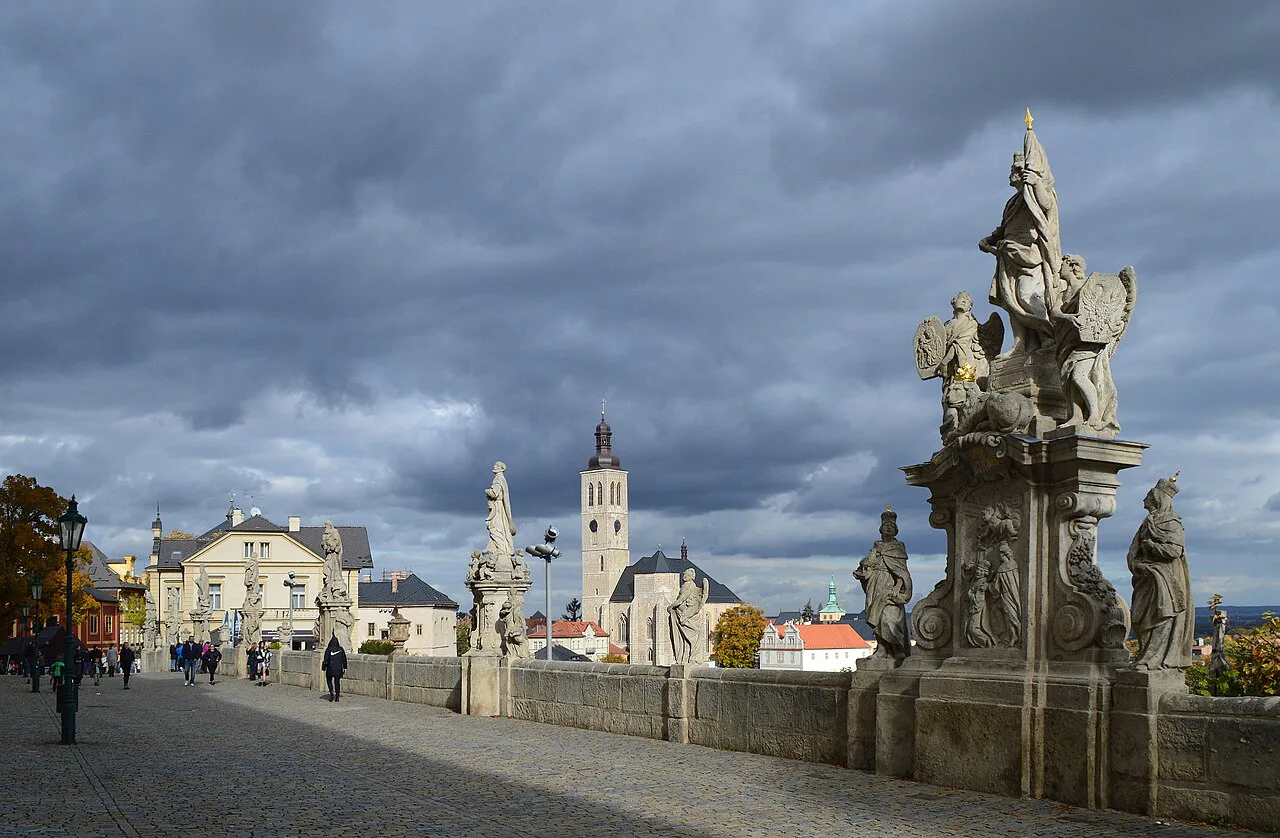
The pairing is what makes the town unusual: at Sedlec you get the solemn, slightly unsettling art of the bone chapel and the light-filled Baroque-Gothic cathedral, and at St Barbara's you get soaring Gothic grandeur. Visitors consistently note the shift in mood between the two, which is why they belong in the same day rather than one being skipped. The walk between them also passes the town's shophouses, the former Jesuit College and a terrace that photographs like a smaller Charles Bridge.
How the Town Is Laid Out
Kutná Hora has two poles. Sedlec, with the ossuary and the Cathedral of Our Lady, sits near the main railway station on the north side; the historic center with St Barbara's Church, the Italian Court and the old town streets clusters on the other side. The station that most day-trippers use is on the Sedlec side, so many travelers see the bones first and then walk or ride down into the center.
Walking between the two halves is entirely doable but involves cobblestones and a gentle slope, so comfortable shoes matter more than a bus schedule. Local buses shorten the link if you are pressed for time or visiting on a short winter daylight window. The center itself is compact enough to cover on foot once you are in it.
The Sedlec Ossuary: What Is Inside
The Cemetery Church of All Saints with the Ossuary is decorated with the bones of roughly 40,000 people, arranged into a chandelier, the Schwarzenberg coat of arms, garlands and other ornaments. It is a working religious space and a memorial, and visitors describe the atmosphere as contemplative rather than frightening. That framing is the right one to carry in with you.
Photography rules inside have been reported inconsistently, so read what is posted at the door rather than relying on advice from other travelers. An adult ticket is cited at 220 CZK, which you can buy on site or in advance online. Keep voices low and expect the chapel to be busiest when tour groups from Prague arrive in the late morning.
St Barbara's Church and the Jesuit College Terrace
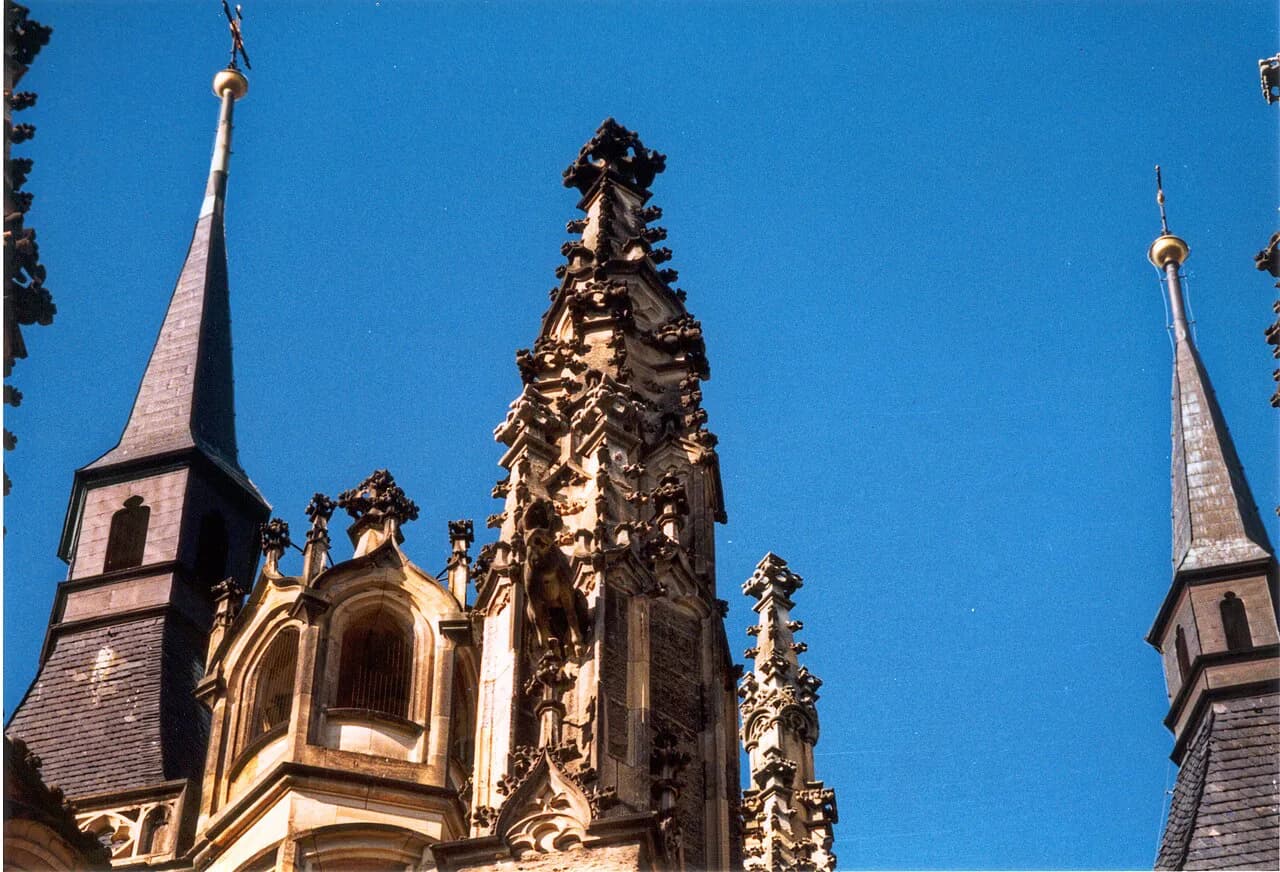
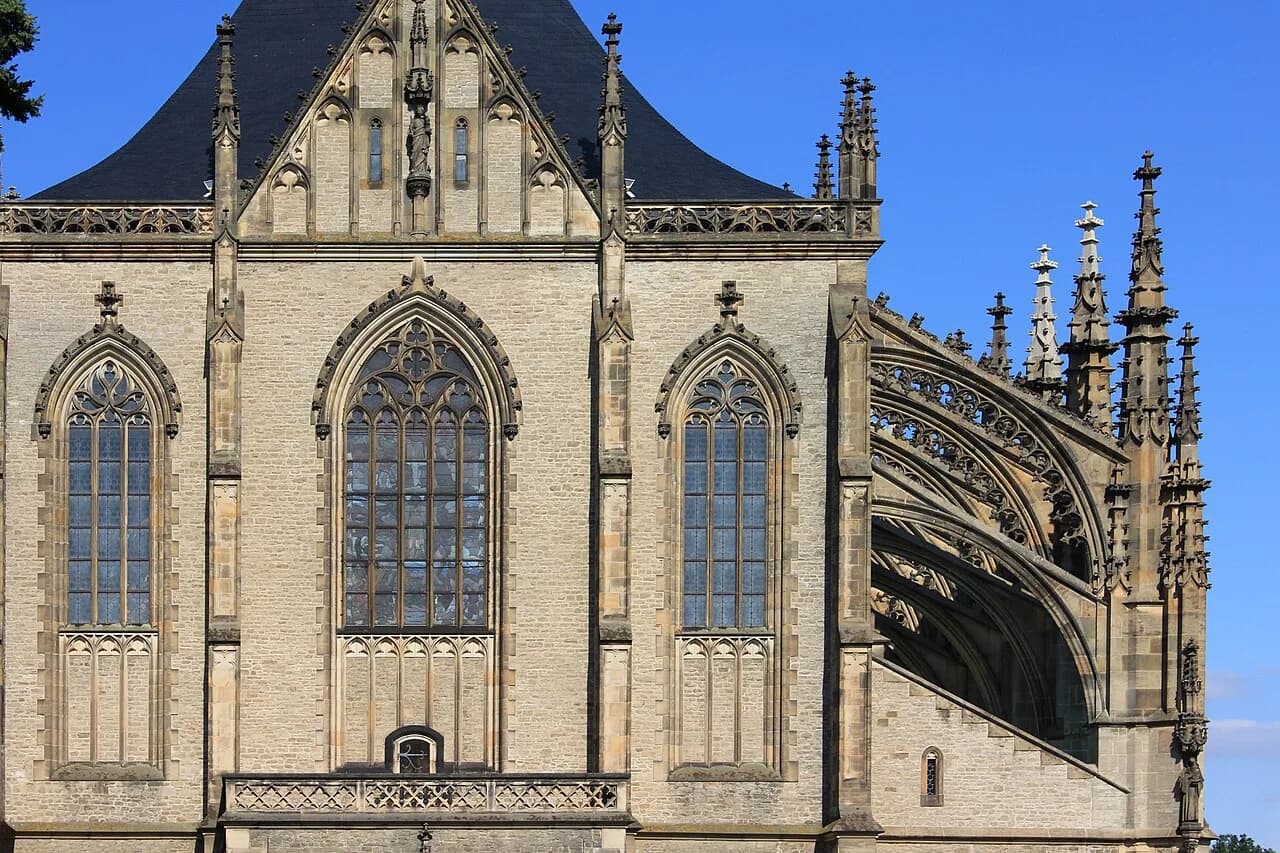
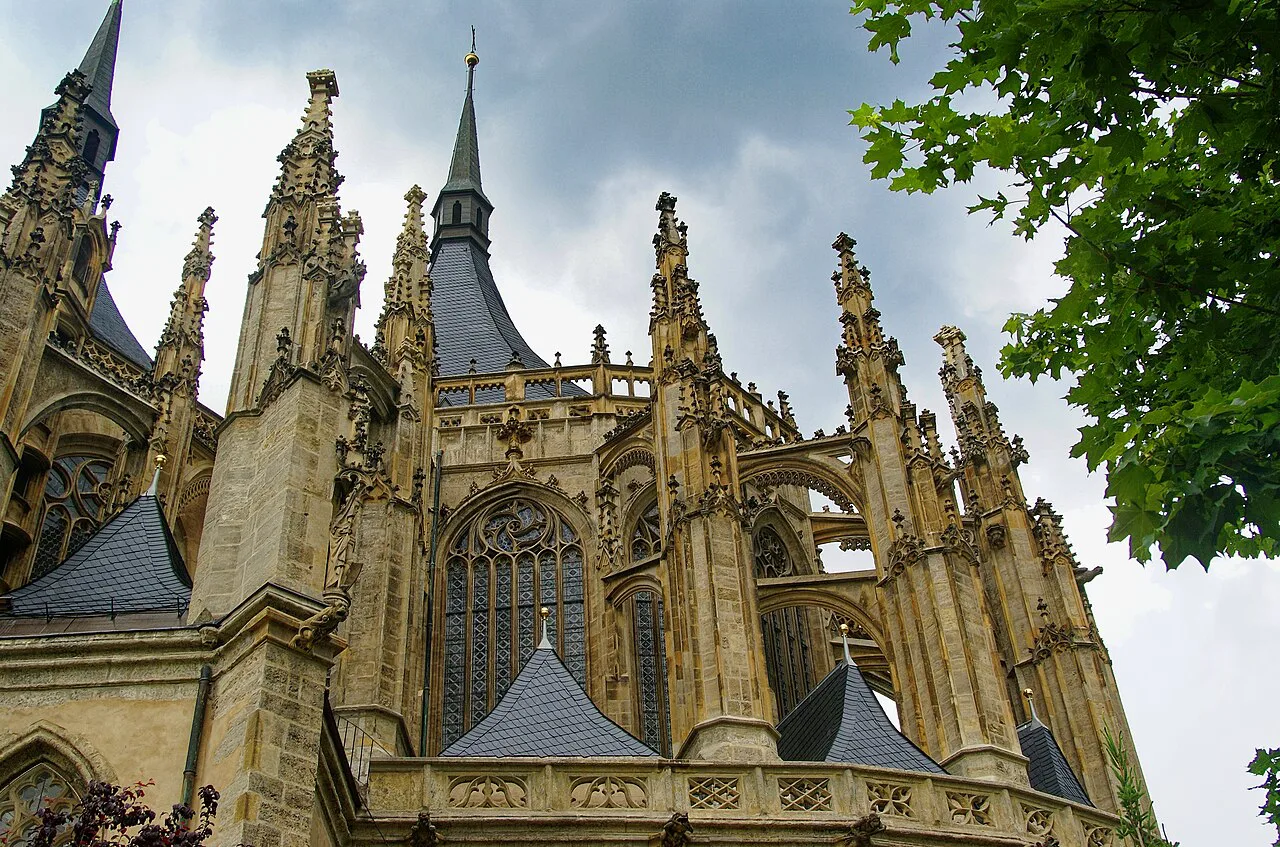
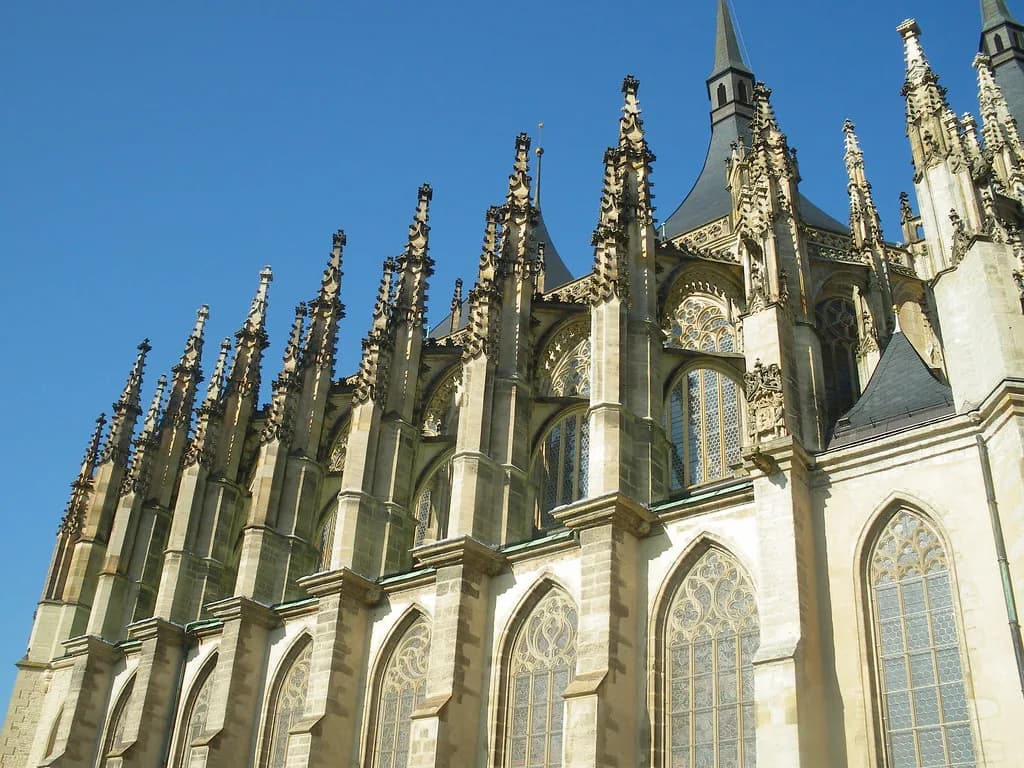
St Barbara's Church is the reason many people rate Kutná Hora above the more famous stops: late Gothic vaulting, flying buttresses and stained glass, with frescoes inside that depict secular mining life rather than only saints. It was built by the wealthy mine owners and remains the symbol of the town. Entry is by ticket, cited at 180 CZK per person and bought on site.
The terrace in front of the former Jesuit College, lined with Baroque statues, is one of the best viewpoints in town and the classic spot for photographing the church. Below it, paths lead past the Italian Court and give a view back over the center. Allow time to stand still here rather than treating it as a photo stop on the way to the door.
The Italian Court, the Royal Mint
The Italian Court (Vlašský dvůr) was the royal mint where Prague groschen were struck, and at its peak it sat at the center of the medieval European economy. Today visitors tour the historic interiors and learn how the coins were produced, and the mint offers several tour routes rather than a single circuit. Only some of those routes are available in English, so ask at the ticket desk which ones are running in your language before you commit.
In summer the Italian Court is cited as open from 9 a.m. to 6 p.m., with shorter hours outside the season, so it is the sight most likely to need a morning slot if you are visiting in spring or autumn. Pair it with the old town streets around Palackého náměstí rather than trying to squeeze it in after St Barbara's.
The Czech Museum of Silver and the Mine Tunnel
The Czech Museum of Silver explains what paid for everything else in town, and its highlight is an underground tour where visitors put on helmets and walk former mining tunnels. It is a genuinely physical experience, with tight passages and stairs, so it is not the place for anyone uneasy in enclosed spaces. The museum offers two main routes, so decide in advance whether you want the tunnels or the exhibits.
Two closures catch people out: the museum is closed every Monday and completely shut through February, and its opening hours shift with the season. If your trip is built around a Monday in Kutná Hora, plan Sedlec and St Barbara's for that day and leave the museum for another visit.
Sedlec Cathedral: The One Most People Skip
The Cathedral of the Assumption of Our Lady at Sedlec, about a mile and a half from the historic center, was rebuilt in the early 18th century by Jan Blažej Santini in his Baroque-Gothic style, a combination he used here for the first time. It sits a short walk from the ossuary but is often passed over by day-trippers heading straight for the bones. Admission is cited at 150 CZK per person, and a combined cathedral-plus-ossuary ticket is cited at 220 CZK.
In summer the cathedral is cited as open daily from 9 a.m. to 6 p.m., opening at 11 a.m. on Sundays. That Sunday start is worth noting if you plan to begin at Sedlec, because the ossuary and the cathedral will not open at the same moment.
The Old Town on Foot
Beyond the headline sights, the center rewards a slow loop: the Stone House (Kamenný dům), the Church of St. James, the Ruthardka walk and the view from GASK. These are the stops that turn a checklist day into a walk through a town that still feels lived in. The old town streets also hold the colorful houses, hidden courtyards and shophouses that give Kutná Hora its character.
A viewpoint near the Italian Court looks back over the rooftops, and the terrace by St Barbara's covers the postcard shot from the other direction. One of the houses near the center is locally nicknamed the drunken house for its crooked facade, a small detail worth knowing as you walk past.
Tickets and Prices in CZK
The costs to budget per person are modest by Western European standards. The Sedlec Ossuary adult ticket is cited at 220 CZK, St Barbara's Church at 180 CZK, Sedlec Cathedral at 150 CZK and the cathedral-plus-ossuary combined ticket at 220 CZK, which makes the combination the obvious money decision if you plan to see both at Sedlec. Treat these as the cited figures rather than permanently fixed prices.
The Italian Court and the Czech Museum of Silver, including its mine-tunnel tour, are priced separately from the Sedlec sites. Prices are not quoted here; confirm them at the ticket desks when you arrive, since the museum runs two main routes and tunnel groups are limited.
Opening Seasons, Hours and Closures
Kutná Hora runs on a summer and off-season rhythm. Sedlec Cathedral keeps summer hours from 9 a.m. to 6 p.m. (Sundays from 11 a.m.), and the Italian Court is cited as open 9 a.m. to 6 p.m. in summer with shorter hours the rest of the year. Elsewhere, plan around posted seasonal hours rather than assuming a fixed daily schedule. The Czech Museum of Silver closes every Monday and all of February.
That means autumn and winter visits need a plan B: check current hours before you travel and build the day around what is open rather than around a fixed route. A Monday in February is the worst combination in town, with the Czech Museum of Silver shut entirely.
Seeing Both Halves of Town
The walk from Sedlec down to St Barbara's takes in the shophouses, the Jesuit College and the terrace, and it is the best free sight in town. Budget roughly half an hour of walking between the two halves, more if you stop to photograph the views. Local buses help if you are short on time or the weather turns.
If you only have a half day, choose one half rather than rushing both. Sedlec alone gives you the ossuary and the cathedral in a compact area near the station, while the center alone gives you St Barbara's, the Italian Court and the old town streets.
Getting There from Prague
Kutná Hora sits about 80 km east of Prague, and the train is usually the best option: direct services connect Prague Main Railway Station with Kutná Hora several times per day and the journey takes about an hour. Driving takes roughly an hour and fifteen minutes depending on traffic, with parking available throughout town though spaces in the center can be limited in peak season.
On a longer route, Kutná Hora fits naturally between Prague and Moravia, so it can be a stop on the way to Brno rather than a there-and-back day trip. The station that direct trains from Prague use is on the Sedlec side, which makes the bones a sensible first stop.
Where to Eat Between Sights
The center has plenty of places to break the day, including Pivnice Dačický on Rakova, Restaurace u Havířů on Šultysova, Cafe 21 on Komenského náměstí, Factory Bistro on Česká and Restaurant Mincovna at Hotel Opat on Husova. Near Sedlec, Havířská Bouda is the practical stop before or after the ossuary.
Lunch in the center is the natural midpoint between St Barbara's and the Italian Court, and it also lets the midday tour groups move through while you sit. Traditional Czech dishes and local lagers are the reliable order in the pivnice-style places.
Morning Versus Midday
Kutná Hora draws far fewer people than Prague, but it still has a group wave, and the ossuary is the pinch point because organized day trips tend to combine it with St Barbara's. Arriving at Sedlec in the morning puts you ahead of that wave, and reaching St Barbara's after lunch often means a quieter church.
Staying overnight changes the town entirely: the center empties in the evening and St Barbara's after sunset is one of the most striking sights in Bohemia. If your schedule allows a night here, the morning crowds stop mattering.
Morning at the Bones or the Church?
Start at the Sedlec Ossuary if you want to beat the coach groups, then walk down through the center to St Barbara's and finish at the Italian Court before its summer closing time. Reverse the order if you are arriving by car and want the center's museums first. Either way, one full day covers the town without rushing.
If you have a spare half day, Kačina Chateau and Žleby Castle sit within reach of Kutná Hora and make a natural second stop on a driving route. Confirm hours and tour languages before you set out, since both run on seasonal schedules.
Explore more Kutná Hora guides
Frequently Asked Questions
What is Kuttenberg called today?
Kuttenberg is the German name for Kutná Hora, the Czech town about an hour east of Prague by train. The Czech name is what appears on timetables, tickets and station signs, so use Kutná Hora when booking.
How long do you need in Kutná Hora?
A full day covers the Sedlec Ossuary, Sedlec Cathedral, St Barbara's Church, the Italian Court and a walk through the old town. A half day is enough for one half of town only, since the sights sit about a mile apart.
Can you visit the Sedlec Ossuary and St Barbara's Church on the same ticket?
No. They are separate admissions, and the combined ticket that is offered pairs the ossuary with Sedlec Cathedral rather than with St Barbara's. Budget for each site individually when planning.
Sources
Notes for your Czech trip
Optional updates to our Czech town guides.
You might also like
Continue reading
More guides you'll find useful