Kutná Hora Old Town: What to See on Foot, Square by Square
Kutná Hora old town splits into an Upper and a Lower Town. Here is what to see on foot, from the squares up Barborská street to St Barbara's Cathedral.
On this page
Kutná Hora old town is best walked as one continuous line, from the Lower Town squares up Barborská street to St Barbara's Cathedral. The historic center is split into an Upper Town and a Lower Town on the slope above the Vrchlice valley, an irregular medieval plan that grew fast during the silver rush of the 13th century. This route covers both halves, the Italian Court and the silver museum, and treats Sedlec as a separate trip outside the center.
How the old town is laid out: Upper Town and Lower Town on the Vrchlice slope
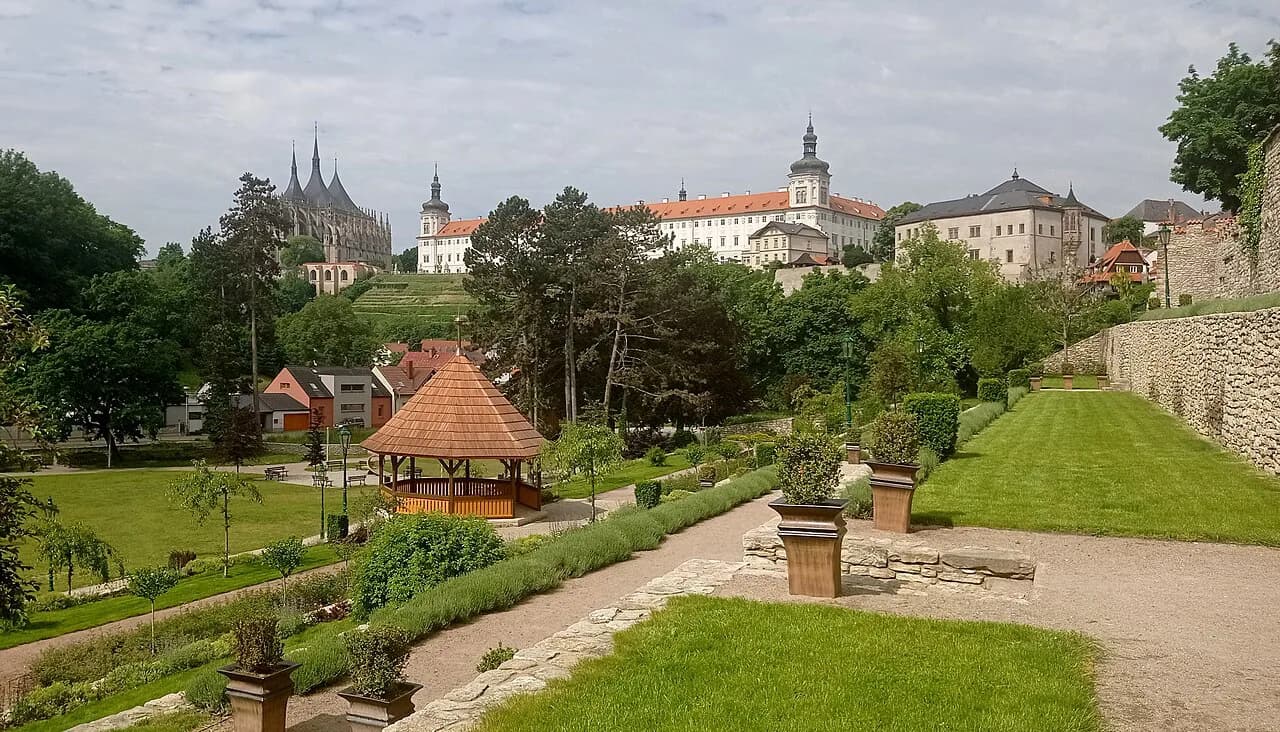
Kutná Hora's historic core climbs from the southeast to the northwest, and the principal monuments cluster in the upper part. The Organization of World Heritage Cities describes the center as an Upper Town and a Lower Town whose complexity reflects the rapid growth of a silver-mining boom town. That shape matters on foot: you are not crossing one flat square but climbing between two levels. Our Kutná Hora guide covers the rest of the town's sights.
The town was the second most important city in Bohemia after Prague under Wenceslas II, when a monetary reform and a new mint in 1300 made it the place where the Prague groschen was struck. The UNESCO listing, granted in 1995, covers the historical town center together with the Church of Saint Barbara and the Cathedral of Our Lady at Sedlec. That listing is a useful frame for the walk: the center and the two churches are one story told in two locations.
Plan the climb in one direction and take your time on the slope rather than zigzagging back down. Reading the center as two connected levels rather than one square is the single decision that makes the rest of the visit simple.
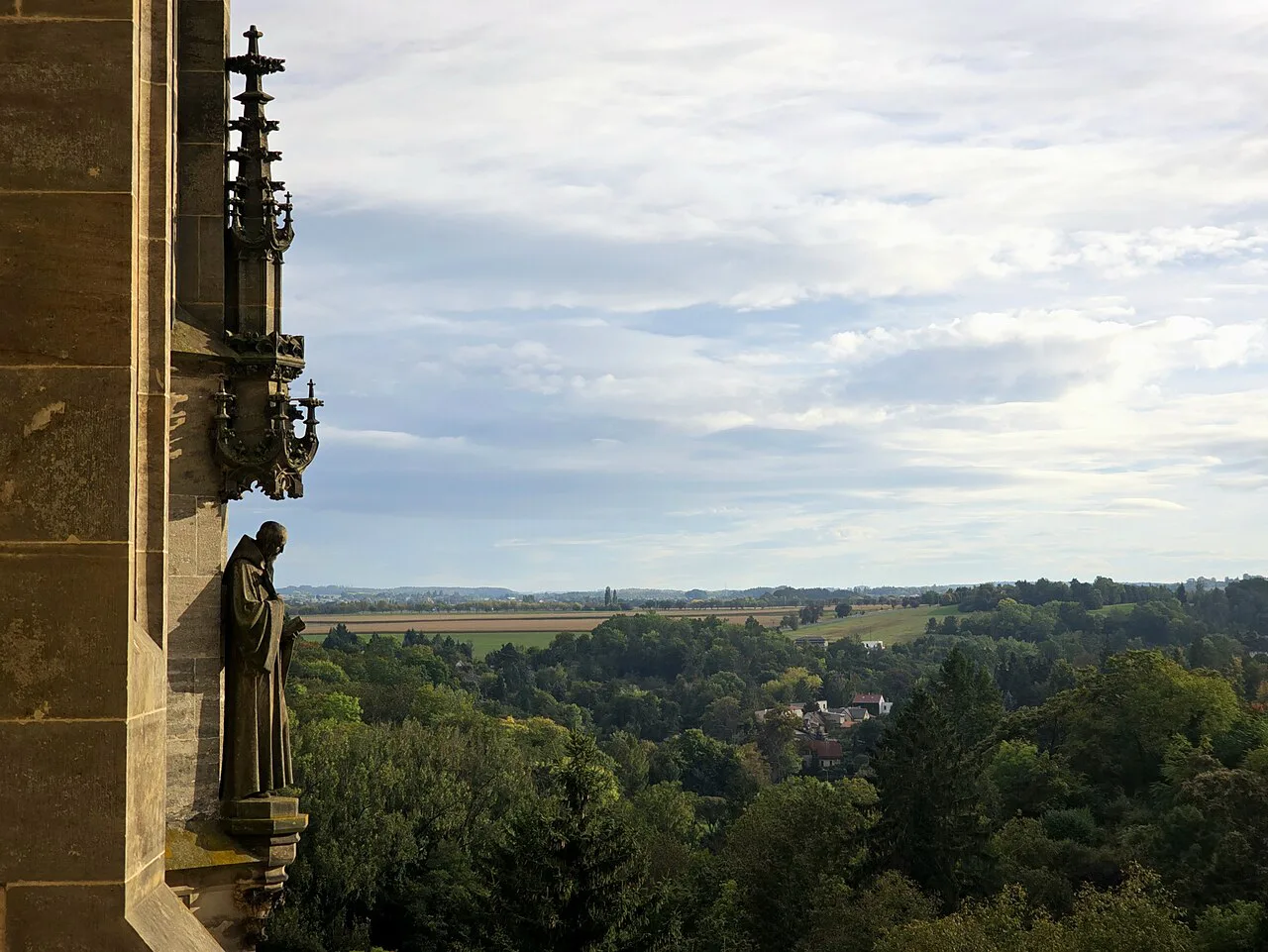
Start in the Lower Town: squares, arcaded houses and the Vrchlice valley
Begin low among the streets of the Lower Town, where the houses were erected on medieval bases and carry Gothic, Baroque or Classical fronts. The OWHC notes that Kutná Hora was known for its very high arcades, dismantled in the 19th century but partly reconstructed, so look at the ground-floor arches as you cross the lower squares.
This lower half is where the town feels lived-in rather than monumental, and it is worth a slow loop before the uphill stretch. Keep the Vrchlice valley edge in view on your left as a rough compass toward the cathedral ridge.
The Italian Court and the royal mint: what the tour covers and the language question
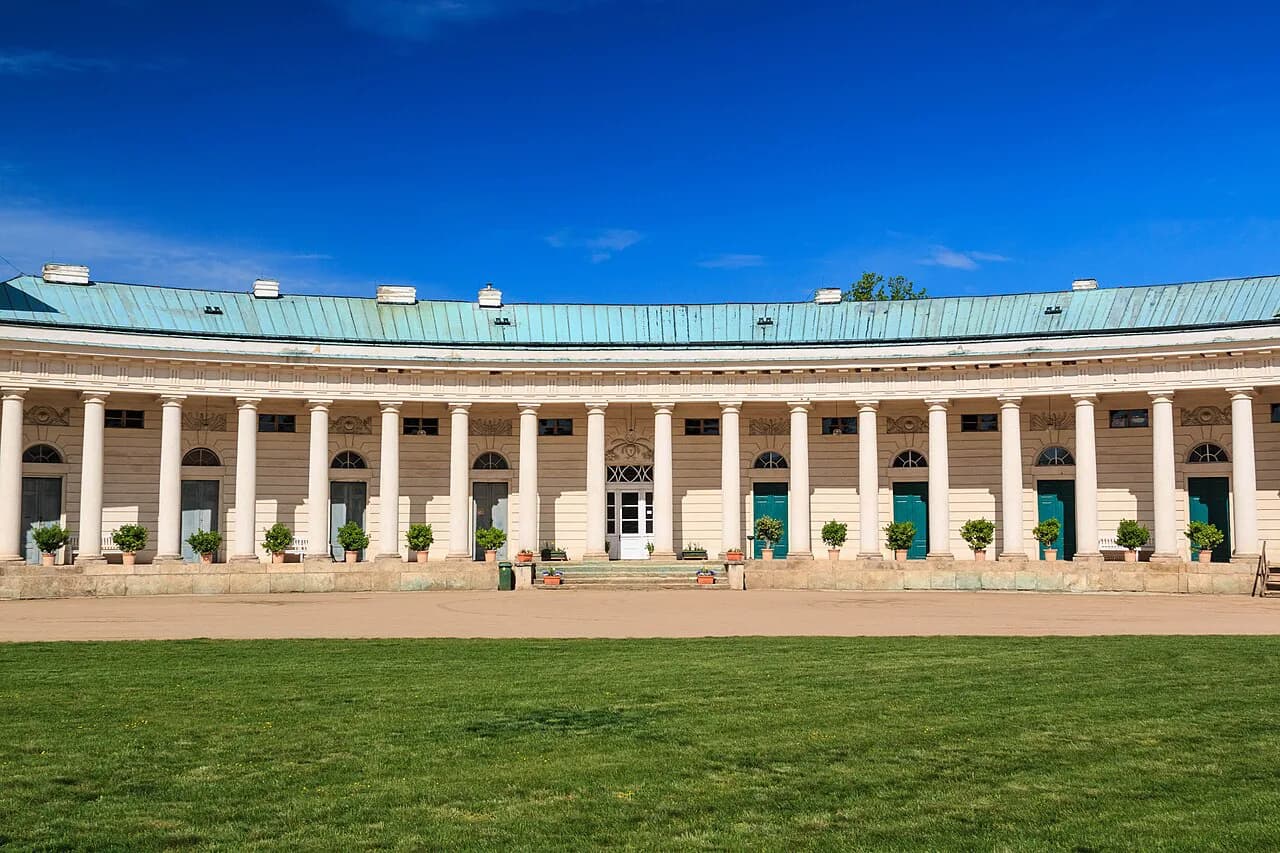
The Italian Court served as a royal residence and the mint, and a new mint was built here in 1300 as part of the monetary reform that produced the Prague groschen. Visitors join a guided tour, reported at about 45 minutes, that includes the royal chapel; the same account describes a coin-striking activity at the end where you dress as a mint worker and make a coin.
The language is the practical catch. That tour can run in Czech, with a guide offering bits of English and an English-language video at the end, so the interior still works even if you do not understand the commentary. Ask at the ticket desk which language the next departure uses before you commit.
The Czech Museum of Silver: going underground in the mining town
The Czech Museum of Silver takes visitors underground, roughly 60 meters down, into a real mine that shows the conditions silver miners worked in. Plan on about 1.5 hours for the whole experience, and book ahead if you want a tour in English.
This is the stop that explains why the town exists, so it earns its time even on a short visit. If you only have an afternoon, choose between the mine and the Italian Court rather than rushing both.
Walk up Barborská street: the Jesuit College terrace and the statues of saints
Barborská street is the spine of the route, climbing toward the cathedral past a terrace lined with statues of saints. The Jesuit College was built beside St Barbara's with the aim of converting locals to Catholicism, and today it holds an art gallery of contemporary and modern art.
Treat the terrace as the approach to the cathedral rather than a separate sight: it delivers the wide view back over the town and sets up your first look at the church. The gallery inside is the optional extra if the weather turns.
St Barbara's Cathedral: the late Gothic church the miners paid for
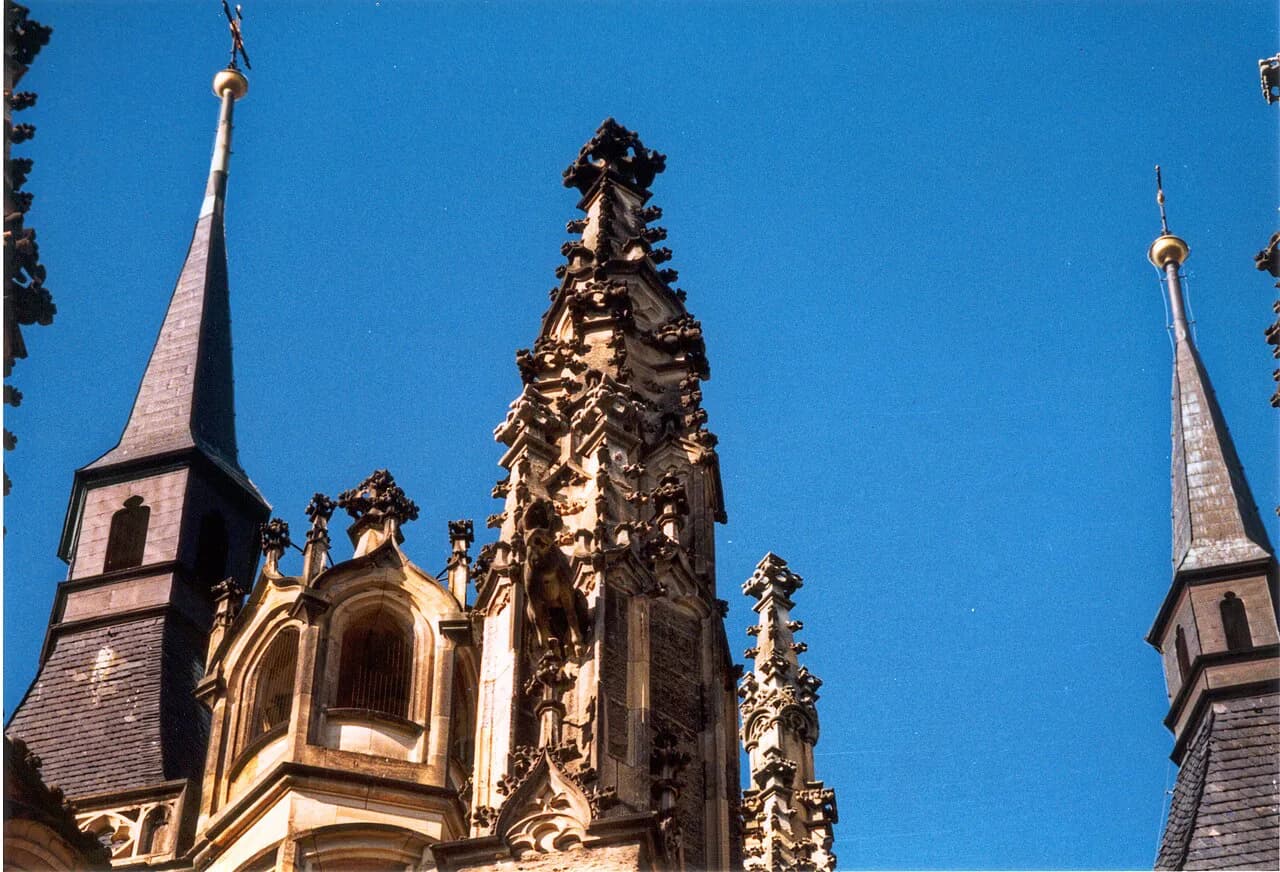
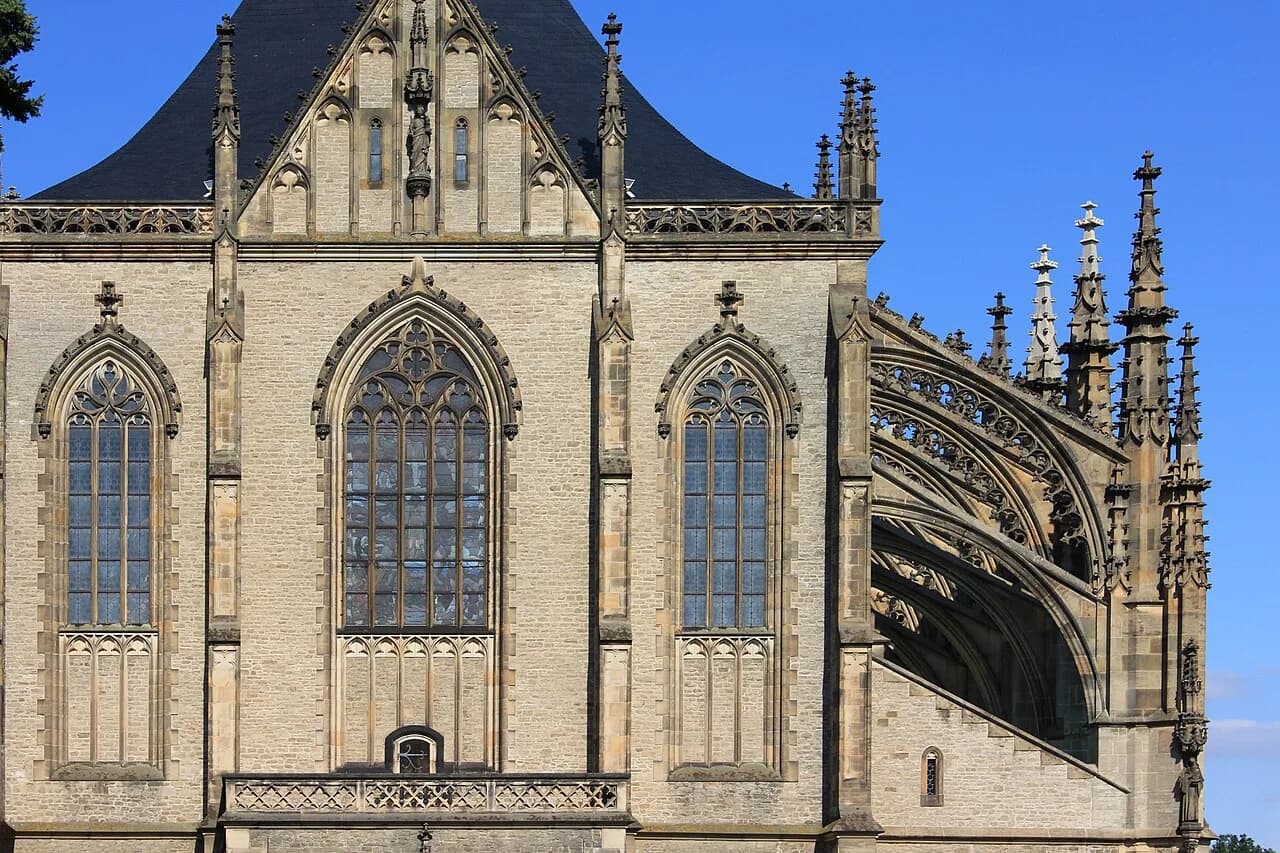
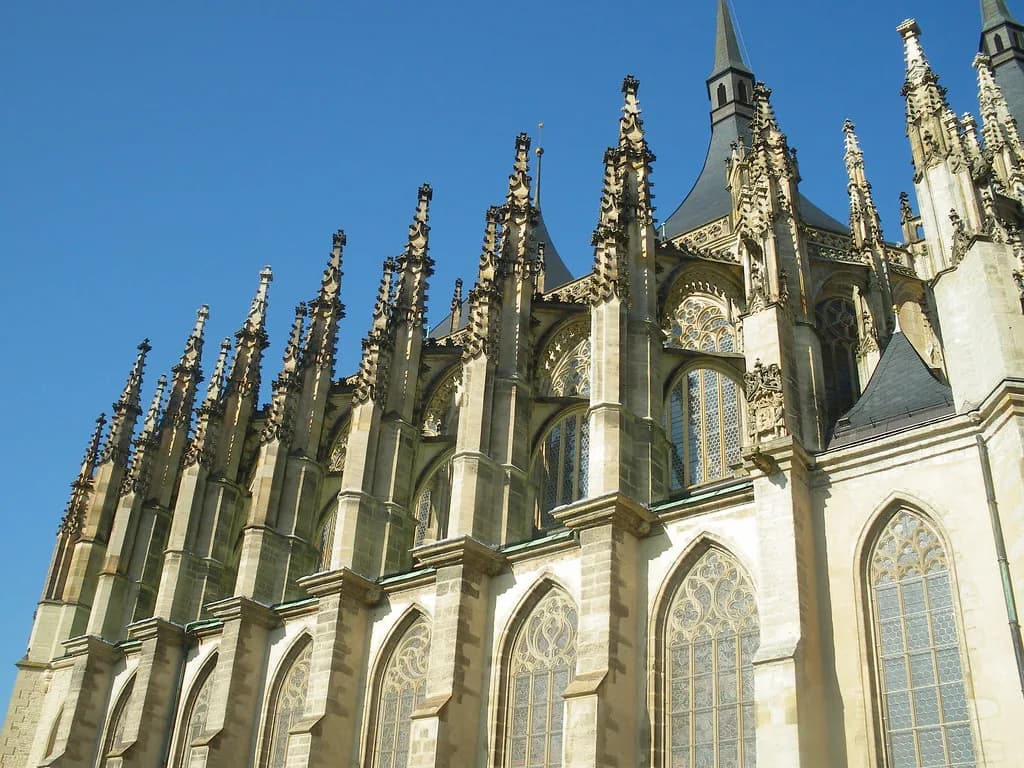
St Barbara's is the monumental centerpiece of Kutná Hora, a late Gothic church begun in the 14th century and built over the following centuries, its style integrating Baroque elements. The local silver miners funded its construction, which gives it a different relationship to the town than a church built by a bishop or a king. Our guide to Kutná Hora Churches covers it alongside the town's other religious buildings.
Inside, look for the tall ceilings and the giant frescoes, then step onto the outside terraces for the view back over the rooftops. Morning is singled out as the best time for photographs of the cathedral, and the approach street is quietest early.
Sedlec, outside the center: the Church of the Assumption and the ossuary
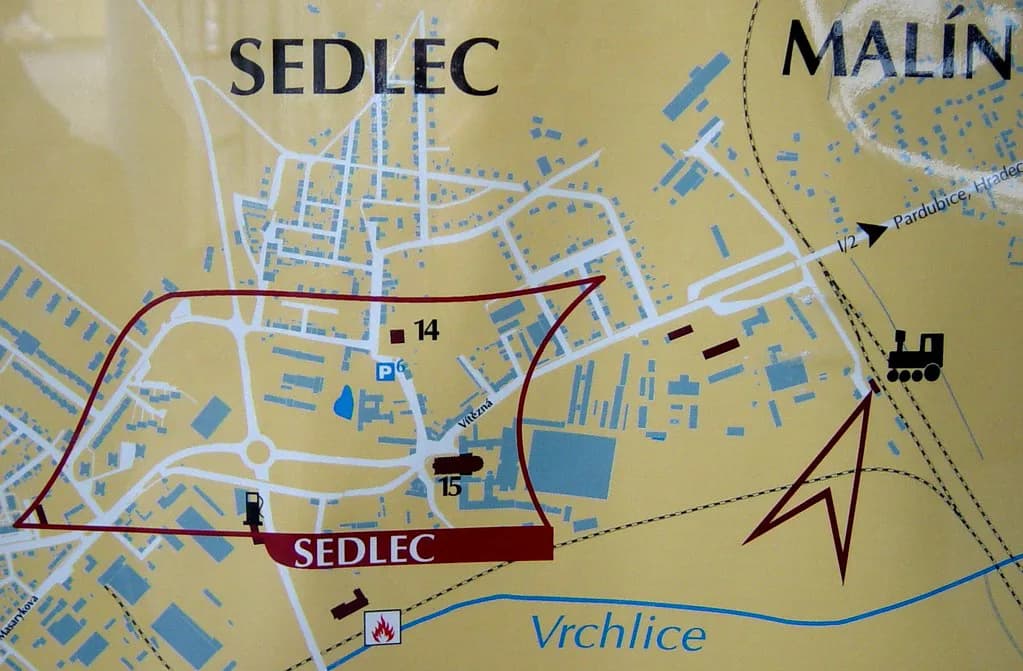
Sedlec is a separate destination from the center, and folding it into the uphill walk is the most common planning mistake. It holds two distinct sites: the Church of the Assumption of Our Lady and Saint John the Baptist at Sedlec, part of the UNESCO listing, and the Cemetery Church of All Saints with the Ossuary. Our Kutná Hora tours guide covers how to visit the underground sites.
The Sedlec monastery was destroyed by fire during the Hussite wars, and the city made a major artistic contribution to the late Gothic style in the years of rapid reconstruction that followed, which is why the church reads differently from the medieval center. Give Sedlec its own block of time, either before the center or after it, rather than treating it as a detour from Barborská street.
How long the old town needs on foot
The center itself is compact, but the sights stack up: the Italian Court tour, the mine at about 1.5 hours, the climb up Barborská street, the cathedral interior and terrace. One traveler account argues that a few hours only covers the headline church and misses the rest, and urges at least two full days for the area.
A realistic plan is a half day for the center alone, with the lower squares, one guided interior and the cathedral, and a second half day for Sedlec. If you have one day, walk the center in the morning and give Sedlec the afternoon.
Getting there from Prague
Kutná Hora sits in the Central Bohemian region, in the middle of a silver-ore district, and it works as a day trip from Prague by rail.
Check current train times and station details before you travel, since the pattern changes by season and day, and plan which end of town you want to reach first so the climb falls in your favor.
When to walk it: morning light at St Barbara's
Time the climb so you reach St Barbara's in the morning, when the light is best for photographs of the cathedral, and work the outside terraces and the approach street before the day gets busy.
Use the early hours for the uphill stretch and save a museum or a guided interior for later in the day, when you would rather be inside anyway. Give Sedlec its own early or late slot as well.
Which half of Kutná Hora to walk first
Walk the Lower Town first and climb to St Barbara's in the morning, then give Sedlec its own separate block rather than bolting it onto the same loop. That order uses the slope in your favor and puts the cathedral in the best light.
Book the mine ahead if you want an English tour, and accept a Czech-language Italian Court tour if that is what runs, since the royal chapel and the coin-striking still carry the visit. Before you go, confirm current opening days and tour times with each site.
Explore more Kutná Hora guides
Frequently Asked Questions
Where does the old town walk start in Kutná Hora?
Start in the Lower Town, among the arcaded houses, and loop slowly before the climb up Barborská street past the Jesuit College terrace to St Barbara's Cathedral. You are climbing between two levels rather than crossing one flat square, so allow time for the slope.
Can you visit the Italian Court and the silver mine in one day?
The mine takes about 1.5 hours and the Italian Court tour about 45 minutes, so together they occupy a good half day in the center. Fitting both alongside Sedlec in a single day is tight; give Sedlec its own half day.
Sources
Notes for your Czech trip
Optional updates to our Czech town guides.
You might also like
Continue reading
More guides you'll find useful