Kutná Hora History: Silver, the Royal Mint, and What Survives
Kutná Hora's history runs on silver: the mines, the royal mint that struck the Prague groschen, the Hussite wars, and the buildings that survive today.
On this page
Kutná Hora is famous for silver. Rich ore seams discovered at the end of the 13th century turned a modest settlement into one of Bohemia's wealthiest towns, and the churches, palaces and mint buildings that survive are the physical record of that boom.
This guide follows the town's history in the order it happened and attaches each chapter to a building you can actually stand in front of: the Italian Court where coins were struck, the Hrádek with its medieval mine, St Barbara's Cathedral built for miners, and the Sedlec monastery complex outside the center.
What Kutná Hora is famous for
The town's identity rests on three things that reinforce each other: silver ore, coin minting and the churches paid for by both. UNESCO lists the historical town center together with the Church of St Barbara and the Church of the Assumption of Our Lady at Sedlec as a World Heritage site, which tells you the historic core and the monastery suburb are treated as one connected story.
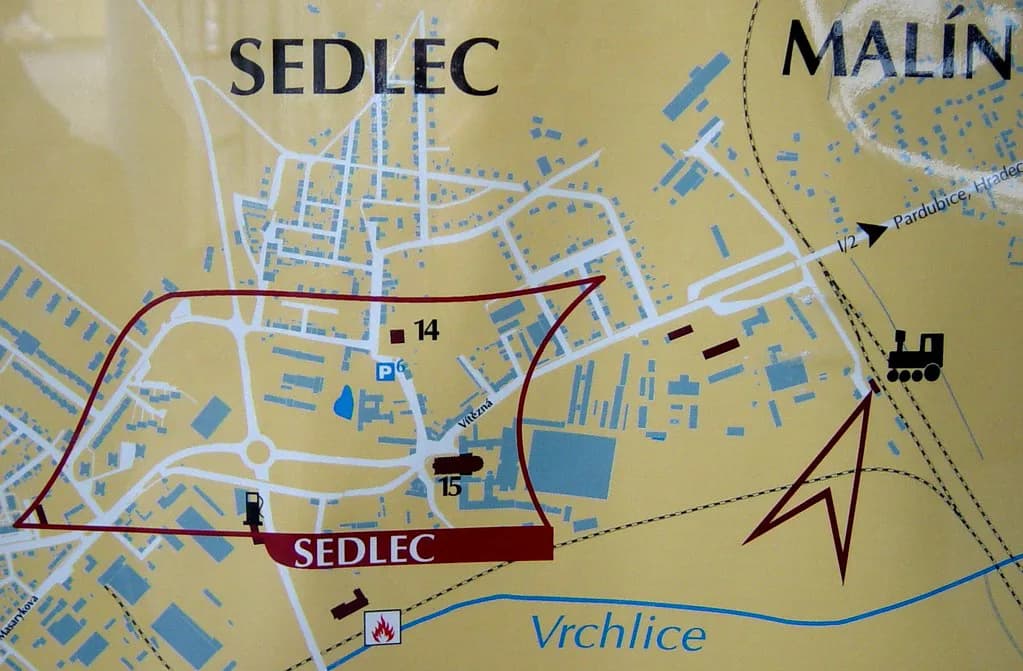
That matters for planning because Sedlec sits on the outskirts, separate from the town center, so the monastery cathedral and the ossuary are a distinct stop rather than something you pass on the way to the main square. Treat the Sedlec cluster as one half of your visit and the historic center as the other.
If you want the practical layout first — where the stations sit, how the streets climb — the Kutná Hora map lays out the center, Sedlec and the walking connections between them before you commit to an order.
Why silver made Kutná Hora rich
Silver mining began here at the end of the 13th century, and by the 14th century the town had become a major source of the metal for the Bohemian crown. UNESCO's inscription describes exactly this: the town developed as a result of the discovery and exploitation of rich veins of silver ore.
The scale was unusual. At one point the mine at Kutná Hora was the deepest in the world, and its silver was exported across a large part of Europe, which is the economic base behind every grand building in the center.
Money from ore explains the density of monuments in a town of this size: churches, a royal residence, a mint and merchant houses with decorated facades all cluster within a short walk. When you look at the Gothic facades on the old town streets, you are looking at mining profits converted into stone.
The royal mint and the Italian Court (Vlašský dvůr)
The Prague groschen, the currency of the medieval Bohemian state, was minted in Kutná Hora, and the Italian Court is where that happened. The complex began at the end of the 13th century, served as an aristocratic residence, and operated a mint; the first Prague groschen were struck in this building.
The Italian Court also has a political history beyond coinage: Vladislav of Jagiellon was elected King of Bohemia here in 1471, and the royal chapel from 1386 survives with a winged altar showing a relief of the dying Virgin Mary.
For a visitor, the Italian Court is the single clearest place to understand how the town's wealth worked, because the building combines the three functions that made Kutná Hora: residence, administration and mint. Put it early in your walk, before the churches, so the later buildings read as consequences rather than isolated monuments.
Hrádek: the small castle and the medieval mine
Hrádek, the small castle, became a royal residence in the early 14th century and now holds a museum about the town, mining and silver. Inside you can see a Renaissance coffered ceiling from 1493 and halls with late Gothic ribbed vaulting, so the building itself documents the transition from Gothic to Renaissance taste.
The reason to prioritize Hrádek is the mine: visitors can go down into a medieval mine shaft here, which is the closest you get to the working conditions behind all that silver. The castle also contains the medieval St Václav Chapel with wall paintings of Czech saints.
Pair Hrádek with the Italian Court if your interest is economic history, and save the churches for a separate stretch of the day. The two buildings together cover extraction and coinage, the full chain from ore to money.
St Barbara's Cathedral, the miners' church
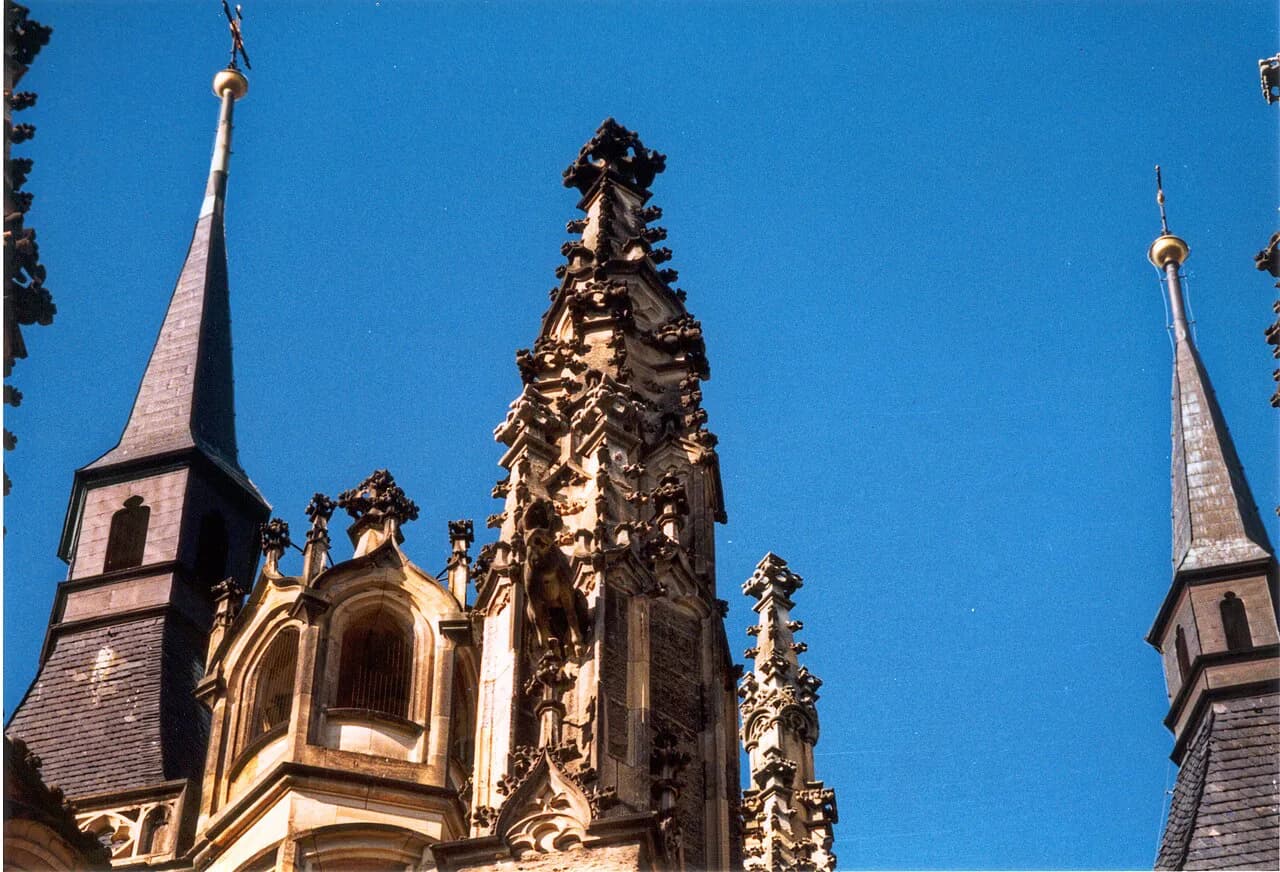
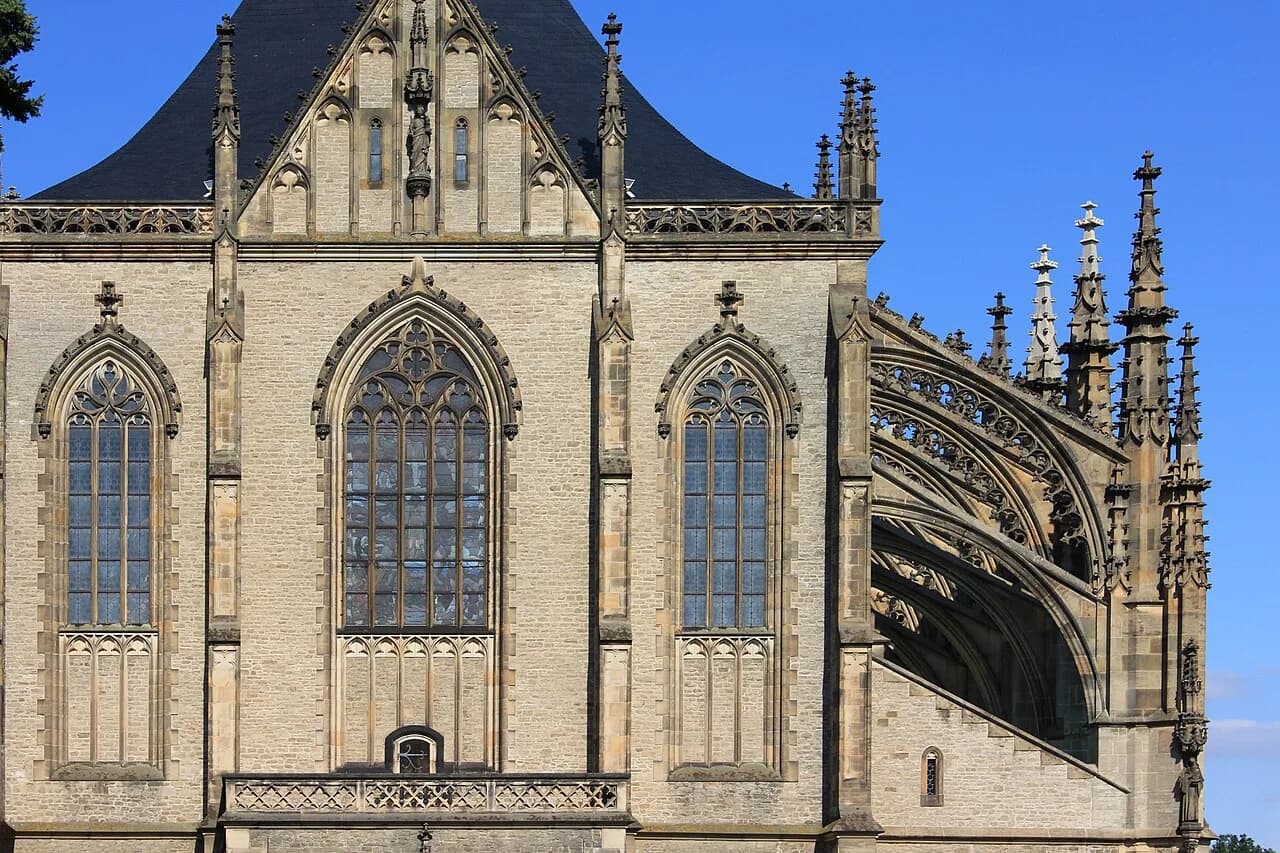
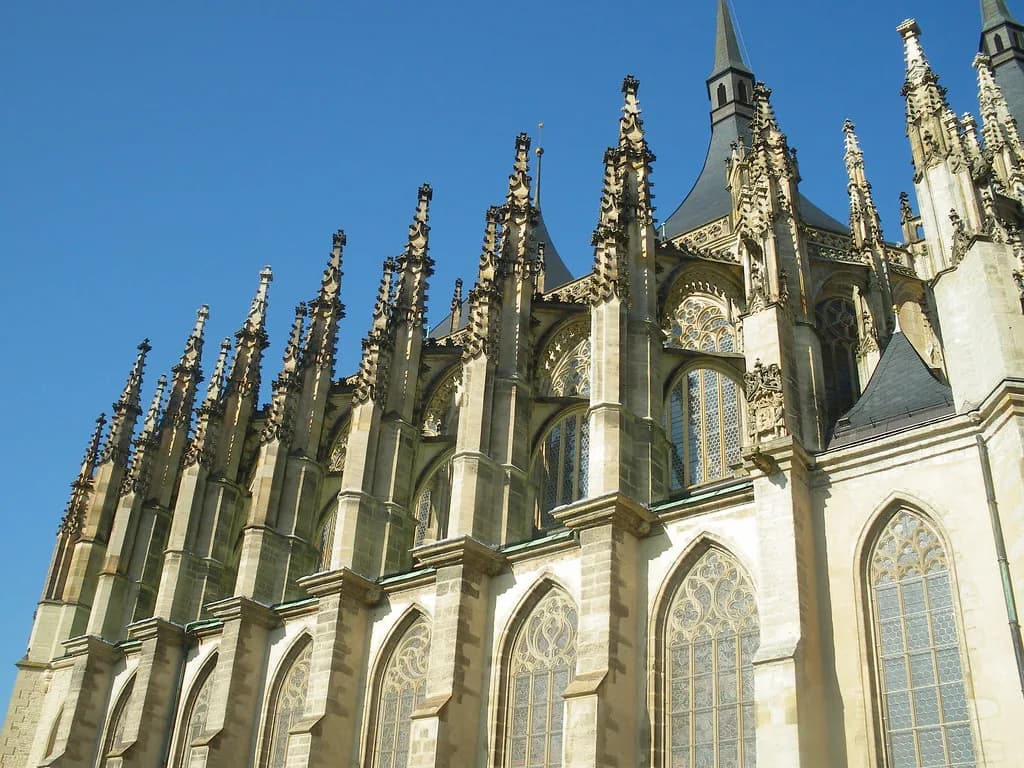
St Barbara's Cathedral is dedicated to the patron saint of miners, which tells you who paid for it. Construction started in 1338 and, after long interruptions, was finished in 1905, so the building is a layered record of Gothic ambition and later completion rather than a single-period monument.
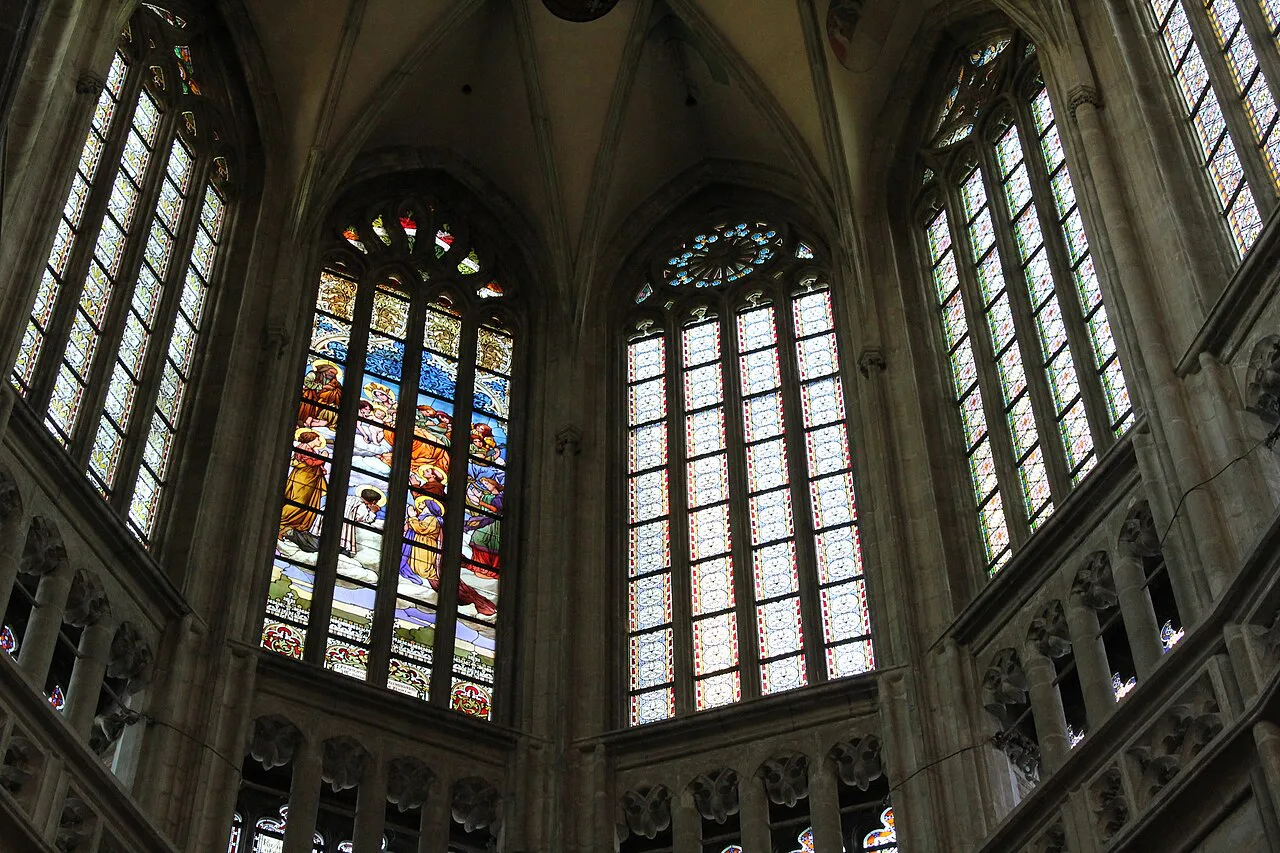
Look for the mining references inside. Late Gothic frescoes from the end of the 15th century include a Mint Chapel scene of miners striking Prague groschens with mallets, and the cathedral's stained glass dates from the late 19th and early 20th centuries, with the cathedral itself visible in the background of two windows.
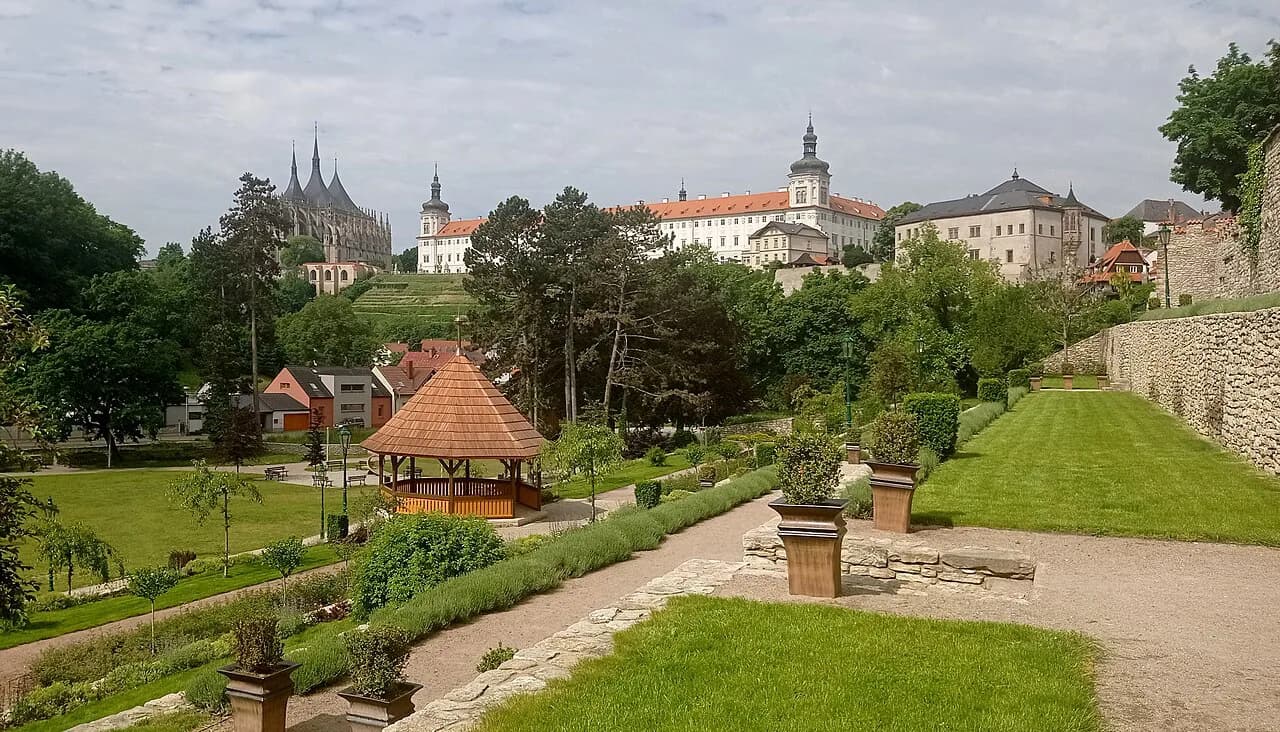
The approach is part of the experience: twelve statues of saints run from the former Jesuit College, now an art museum, up toward the cathedral, built between 1650 and 1716. For the interiors of this and the other town churches, the Kutná Hora churches guide covers what each one contains.
If your trip is built around church architecture, make St Barbara's Cathedral the anchor of the morning and work outward from it. The cathedral rewards time more than any other single interior in town, so give it a proper slot rather than a photo stop.
Sedlec: the monastery cathedral and the ossuary
Sedlec, on the outskirts, holds the oldest cathedral in the country: the Cathedral of the Assumption of the Virgin Mary and Saint John the Baptist, built from 1282 to 1320 and later renovated in Baroque Gothic style by Jan Blažej Santini-Aichel. It has been a UNESCO site since 1995 and contains three paintings by the Baroque master Petr Brandl.
Next to it stands the Cemetery Church of All Saints with the Ossuary, whose cemetery dates to the 13th century and holds plague victims and soldiers from the Hussite wars. In 1511 a monk arranged bones from abolished graves into pyramids, and the Schwarzenberg family bought the ossuary and surrounding land in 1784.
The two Sedlec buildings are physically close but historically distinct: one is a monastery church of European significance, the other a funerary chapel shaped by later fashion. See both, and don't let the ossuary crowd out the cathedral, which is the more important building architecturally.
Because Sedlec is separate from the center, decide early whether you visit it first or last; the practical solution is to do Sedlec on arrival or departure and the center in between. The Kutná Hora Attractions guide sets out all seven monuments as separate stops.
War, decline, and the later mining era
The Hussite wars of the 1420s and the Thirty Years' War devastated the mines and the town, and that double blow is the real explanation for Kutná Hora's loss of standing. The story is not a single golden age followed by quiet; it is boom, destruction, partial recovery and then a long second life.
Mining did not end with the Middle Ages. The town's mining era continued into the 20th century, and the mine operated from World War II until 1991, which is why the industrial heritage here feels more recent than the Gothic churches suggest.
Keep that timeline in mind when you read the townscape: the medieval core, the Baroque renovations and the industrial infrastructure belong to different centuries of the same industry. The old town is where those layers are easiest to see on foot, since the main squares and lanes contain the plague column and a late 15th-century twelve-sided stone fountain.
What survives from each period: a short walk-through of the sights
Start in the center with the Italian Court and Hrádek to cover minting and mining, then climb to St Barbara's Cathedral for the miners' church and its frescoes. Finish at Sedlec with the monastery cathedral and the ossuary, and you have walked the town's history in chronological order of what each building represents.
Between stops, the center rewards aimless walking: the Stone House, with its richly decorated Gothic facade and a lapidary holding fragments from St Barbara's buttresses, sits among streets that also hold the Baroque plague column and the twelve-sided stone fountain.
If you would rather follow a structured route with the sights in a sensible order, a guided Kutná Hora tour handles the sequencing and lets you see the center, the churches and Sedlec as one itinerary.
Read the whole town as a set of functions: the mint made the money, Hrádek housed the mine, St Barbara's served the miners' souls, and Sedlec served the dead. That framing keeps the sightseeing from turning into a list of unconnected old buildings.
Kutná Hora in numbers today
Kutná Hora has about 22,000 inhabitants, a modest size that explains why the historic core feels compact and walkable rather than metropolitan. Almost everything described here sits within a small area, with Sedlec as the one outlying piece.
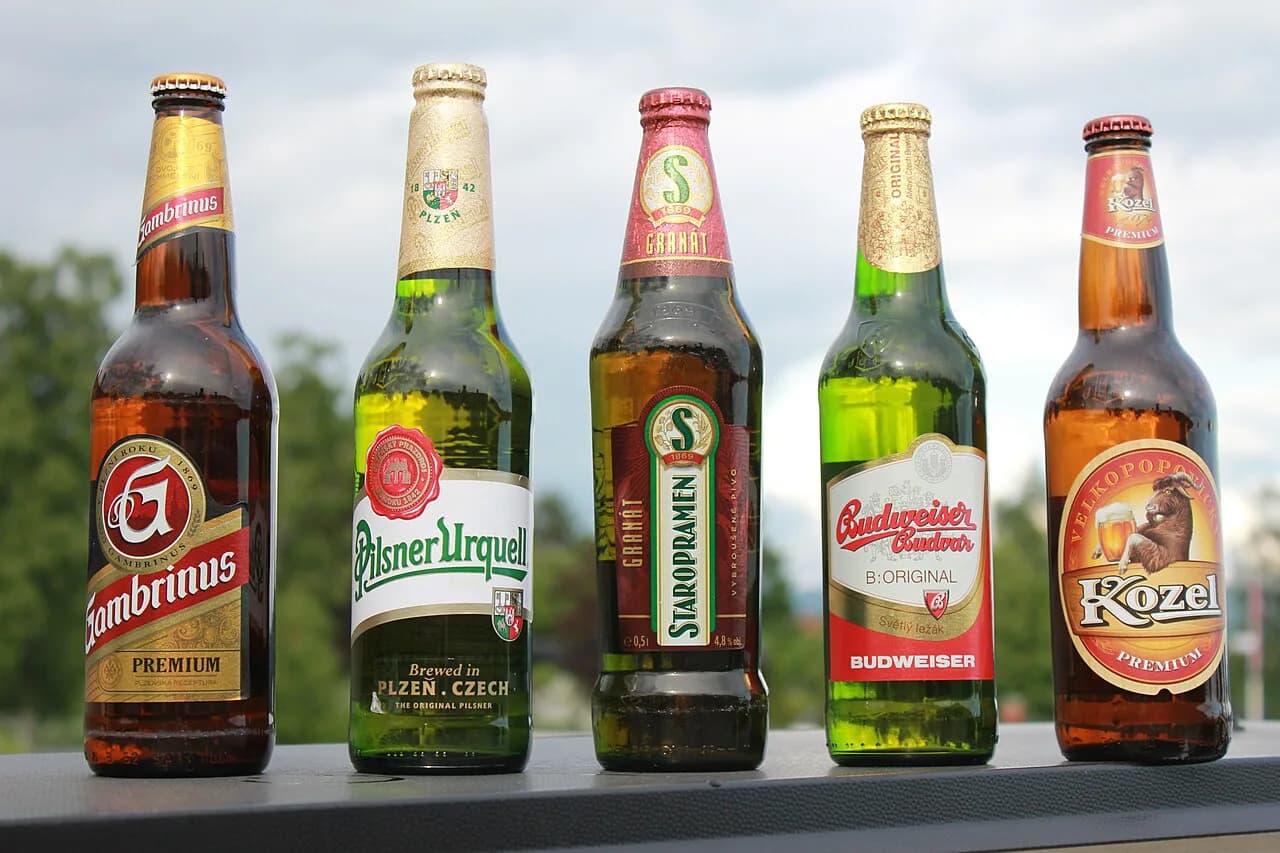
The practical consequence for a history-focused visit is that you can cover the mint, the mine and St Barbara's in one stretch of the day without transport, then handle Sedlec separately. Add a stop for Czech lagers at a Kutná Hora brewery if you want a break between the two halves.
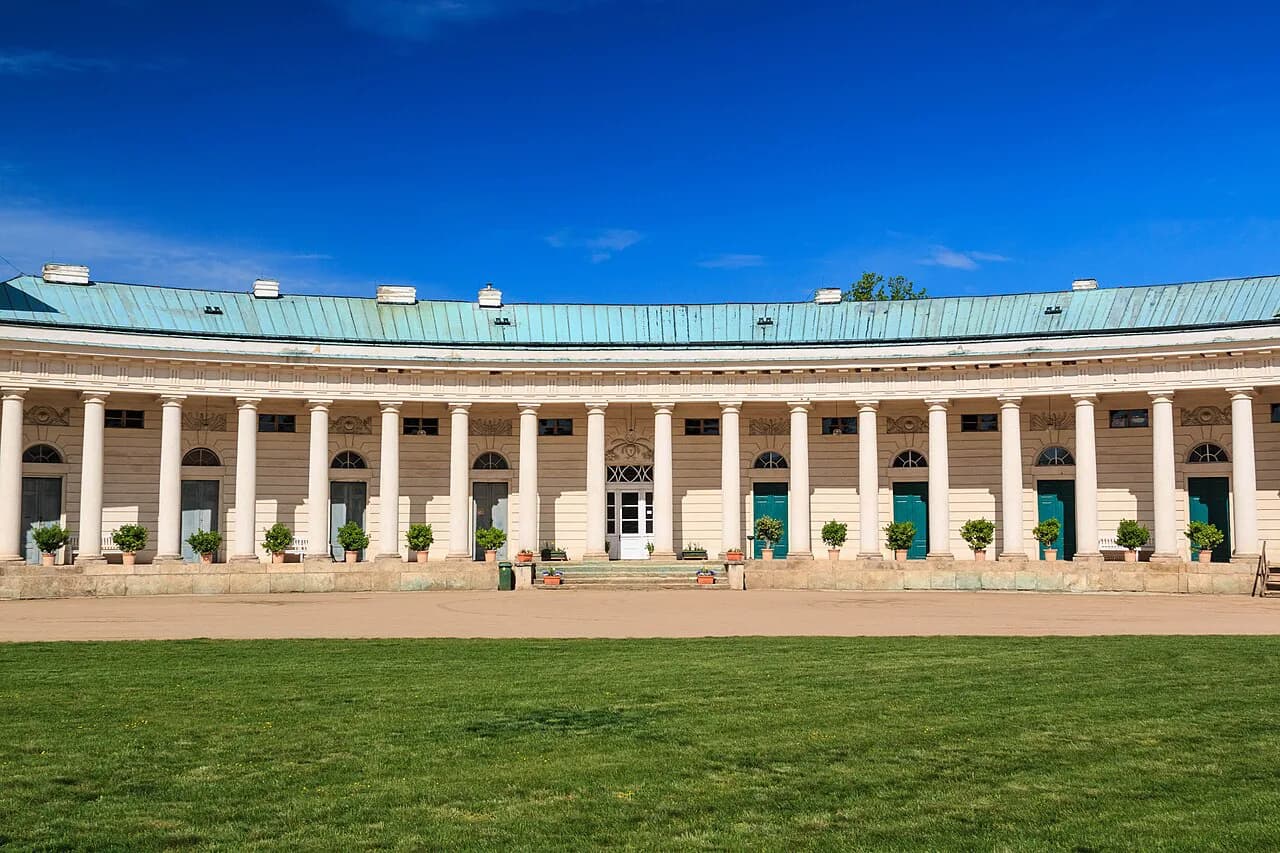
For admission, opening seasons and tour times at the individual monuments, check the official pages of each institution before you travel; those details change and should not be planned around a fixed assumption. If chateau interiors are your interest, Kačina Chateau and Žleby Castle lie in the surrounding countryside and make a natural extension of the same trip.
Which buildings to see first if history is your reason for coming
If Kutná Hora's history is what brings you, lead with the Italian Court and Hrádek, because minting and mining are the town's actual origin story, then give St Barbara's Cathedral the time it deserves as the miners' church. Sedlec comes second in importance but is separate geographically, so schedule it as its own stop rather than squeezing it between the squares.
The town's medieval boom, the Hussite and Thirty Years' War damage and the mining that ran into the 1990s are all visible in the buildings if you know which function each one served. Walk in that order and the sightseeing becomes a narrative instead of a checklist.
Explore more Kutná Hora guides
Frequently Asked Questions
What does Kutná Hora mean?
The town's origin story is silver: sources describe rich silver ore discovered at the end of the 13th century, which turned the settlement into one of Bohemia's wealthiest towns. UNESCO's inscription summarizes that discovery and the town's development from that point onward, and the mines, mint and churches are the record of it.
Sources
Notes for your Czech trip
Optional updates to our Czech town guides.
You might also like
Continue reading
More guides you'll find useful