Czech Beer: Lagers, Styles, Breweries and How to Order
Czech beer explained for visitors: pale, amber and dark lagers, gravity classes, Pilsner Urquell and Budvar, and how to order a draft in a Czech pub.
On this page
Czech beer means lager, not ale: the country built its reputation on cool-fermented, cold-conditioned beer. The Czech Republic also leads the world in per-capita consumption, with 184.1 liters a year reported by National Geographic Traveller. This guide explains the color and strength classes on a Czech tap list, the breweries behind the best-known brands, and how to order and pay for a draft without guesswork.
Two systems run in parallel on a Czech menu, and knowing both keeps you from ordering blind. The first is color; the second is a gravity class that loosely signals strength. Once you can decode those two labels, the rest of a pub visit becomes a matter of choosing a brewery and a pour size.
Czech beer is lager by default
Czech brewing is built on bottom-fermenting yeast and long, cold maturation, which is why the word ležák, meaning lager, shows up on labels and taps everywhere. National Geographic Traveller describes the local craft as deftly balanced bottom-fermenting beer made with patience and age-old techniques such as open fermentation and languid cold-conditioning. For a visitor, the practical consequence is that you are choosing among lagers of different colors and strengths, not among ale styles.
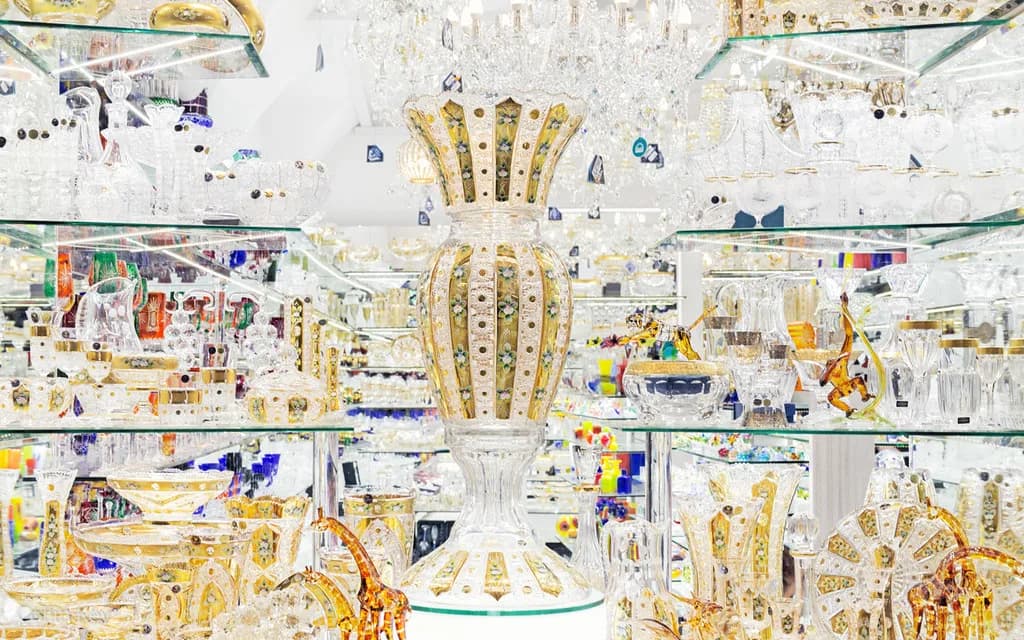
The raw materials are part of the story and part of the flavor. Soft water, Moravian barley from the east and Žatec hops from Bohemia, the same hop known abroad as Saaz, give Czech lager its clean bitterness. The source recounts a medieval royal order punishing anyone caught exporting its cuttings. Bohemian glass is another craft the region is known for, so Bohemian crystal makes a fitting souvenir stop on the same trip.
The three colors: světlé, polotmavé and tmavé
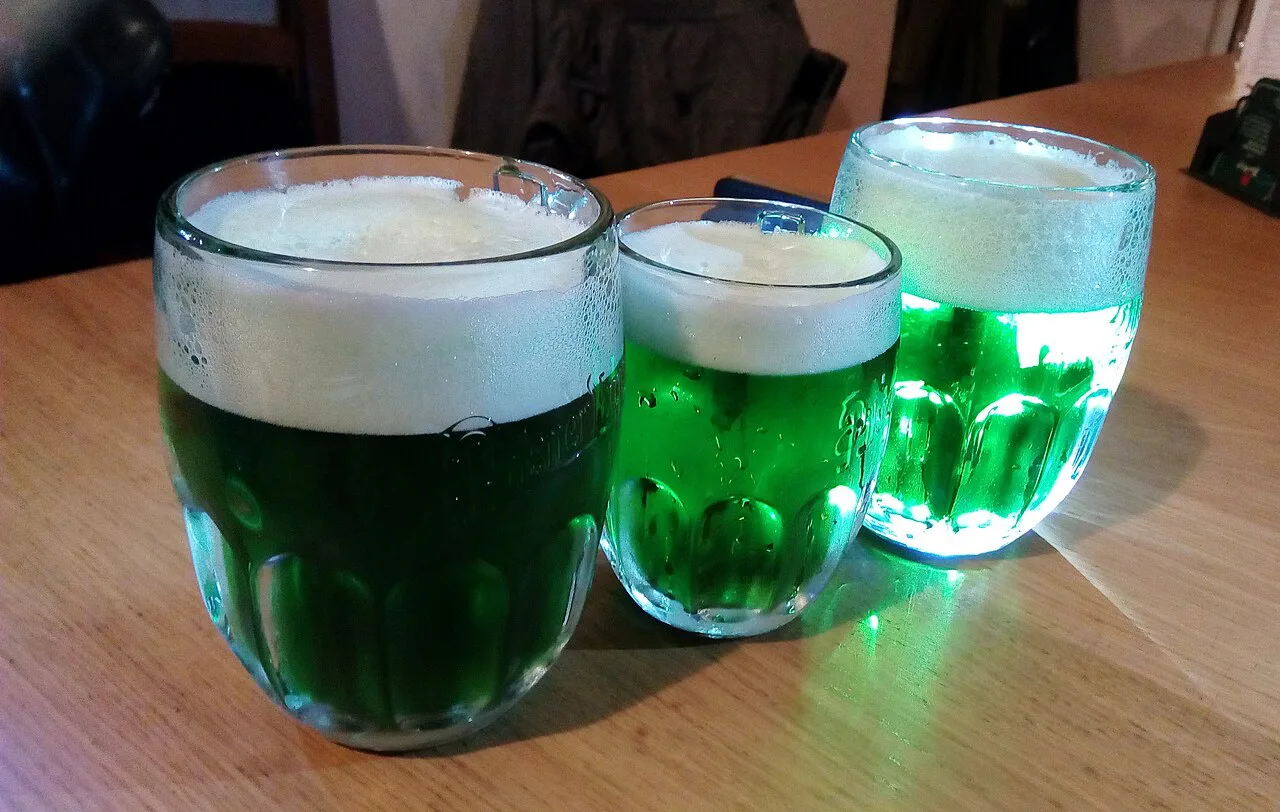
Czech lagers divide by color into světlé for pale, polotmavé for amber and tmavé for dark. Pale dominates the market and covers the pilsner-style beers most travelers picture. Amber is the middle ground and appears less often on ordinary taps, while dark lagers range from lightly roasted to genuinely malty.
If you only ever order one beer with a Czech meal, a pale ležák is the safe default because it cuts through dumplings and pork without overwhelming them. Dark beer works better as a slower second glass, especially in cold weather, when its roasted notes feel less like a thirst-quencher and more like a dessert.
Reading the numbers: výčepní, ležák and speciální
The strength system uses gravity classes tied to the original wort extract, measured in degrees Plato. Výčepní is the draft class at roughly 7 to 10 degrees Plato, ležák sits at 11 to 12, and speciální starts at 13 and above. That is why a tap list may read 10, 11 or 12 next to a beer name rather than an alcohol percentage.
A higher degree number generally means more strength, but the correspondence is approximate, so treat the number as a guide to body and alcohol rather than an exact figure. If you want a sessionable lunchtime beer, look for a 10; if you want something fuller with dinner, an 11 or 12 ležák is the usual choice. Specials above that range are heavier and worth sharing or saving for a long evening.
Why Czech lager tastes different from German lager
Czech and German lagers can look identical in the glass, yet they are brewed differently. Czech breweries often ferment cooler, around 7 to 10 degrees Celsius, and for longer, and they traditionally use decoction mashing, often a double decoction, even with modern malt. German lagers are more typically made with infusion mashing and finish drier.
The visible result is a slightly fuller body and a softer, rounder mouthfeel, because a little unfermented extract remains in the finished beer. A faint, near-threshold note of diacetyl can contribute to that rounded impression; a strong buttery flavor, by contrast, is a fault. Czech lager yeast also tends to attenuate less aggressively than German strains, which reinforces the fuller finish.
Pilsner Urquell and the pilsner style born in Plzeň
The pale lager that much of the world calls pilsner was first brewed in Plzeň in 1842, and the source notes that the people of Pilsen never patented it, so pilsners are now made everywhere. The original is still brewed in Plzeň (Pilsen).
Seeing the brewery itself is the most straightforward beer excursion from Prague, since Plzeň is reached by train and the brewery runs its own visitor program. The background on the style, the malt and the history is worth reading before you go so the tour means more than a walk through fermentation halls.
Budweiser Budvar and the Budweiser name dispute
The second famous lager birth is in České Budějovice (Budweis), home of Budweiser Budvar. The name causes endless confusion for US visitors because Anheuser-Busch sells a different beer as Budweiser in the United States; the Czech original is a separate company and a separate beer. Budvar stayed state-owned while other Czech breweries were bought by global groups, and the source describes local protests in České Budějovice when a sale was contemplated.
Budvar makes a naturally hazy, unfiltered and unpasteurized version blended from a young batch and a fully matured one, available only on draught and often compared to cask ale in its freshness. If a tap list offers Budvar Nefiltrované, that is the version to order rather than the standard bottle.
Kozel and the other brands on Czech taps
Beyond the two famous lagers, several brands recur in lists of popular Czech beers, including Staropramen, Braník and Kozel, alongside Pilsner Urquell and Budvar. A Czech tap list normally shows the beer's name and its gravity number, so you can read the strength class even when you do not recognize the brewery.
Kozel is one of those nationally known brands, and its beer is a useful reference point when you compare a small brewery's lager with a big-brand one.
Kutná Hora Zlatá 12 and small breweries beyond Prague
Small breweries are where Czech beer becomes interesting for travelers with a car or a train pass, and one named example is Kutná Hora Zlatá 12, described as a golden lager from a revived brewery that had been closed for years. It champions traditional methods, including double mashing, open fermentation and traditional cellars, so the beer is a reason to add Kutná Hora to a route that already includes the town's better-known monuments.
The pattern repeats across Bohemia and Moravia: breweries that kept open fermentation or their own cellars, often in towns better known for a square or a castle. Use a brewery directory to find one within walking distance of your next stop instead of detouring for an hour in the wrong direction.
How Czech beer is poured on tap
Czech beer is served from the tap in a few ways that differ mainly in how much foam arrives in the glass, so it is worth noticing what the person next to you has ordered before you choose. The beer itself does not change with the pour; only the balance of liquid to foam does.
A glass with more foam is lighter and softer to start, while a full pour is the normal companion to food. The same beer can feel drier or creamier depending on how it is drawn, so it is worth trying more than one pour.
Beer tours and brewery visits that fit a route
A brewery visit is the most direct way to see how Czech lager is made, from the brewhouse through fermentation and cold conditioning. Before you build a day around one, check what the tour actually includes and whether an English-language slot is available, since the offer varies by brewery.
Outside Prague, brewery visits range from large tours to small yards where you see the equipment up close. Some open only on fixed days, so confirm the schedule directly with the brewery when you book.
Beer spas: a Czech curiosity that fits a spa-town route
Beer spas turn the brewing obsession into a bath: a tub of warm water, beer, yeast and hops, usually with a beer to drink and a rest afterward. They are a novelty rather than a medical treatment, and they sit awkwardly on a tight day trip because a session occupies a good part of an afternoon.
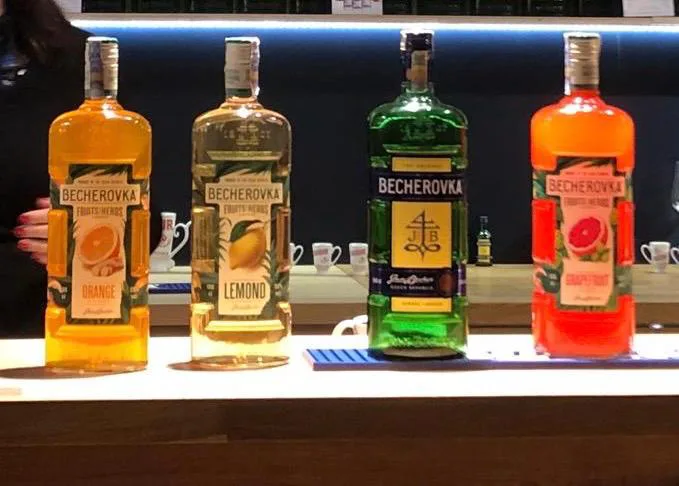
Treat a beer soak as the relaxed end to a spa-town day rather than the reason for the trip. If you are already planning a night in Karlovy Vary, a beer bath pairs naturally with the colonnades and a walk, and Becherovka is the other local drink worth knowing.
Ordering beer with Czech food
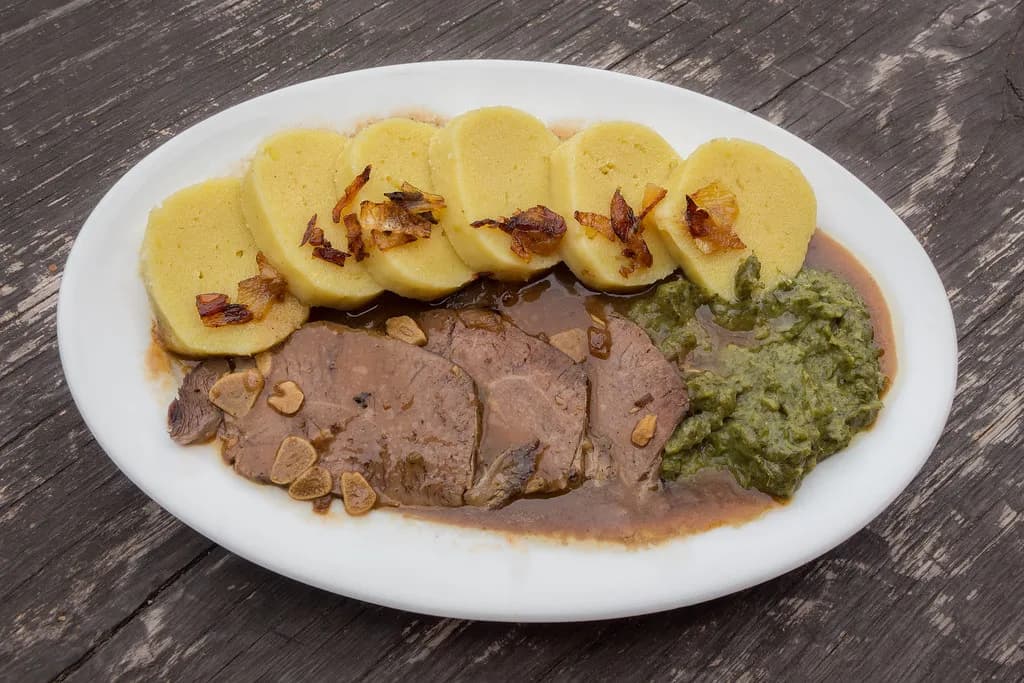
Czech beer is brewed to sit at the table, and the classic pairing is a pale ležák with roast pork, dumplings and cabbage or with a plate of fried cheese. The bitterness cuts the fat and resets the palate between mouthfuls, which is why the beer is often ordered before the food and refilled without comment. For a fuller picture of what lands on the plate beside the glass, our Czech Republic guide to Czech Food: The Dishes to Order, How Meals Work, and What to Drink covers the dishes and the ordering.
If you want something lighter with a heavy dish, a 10-degree výčepní is the practical choice; if the meal is long and the table is ordering more, an 11 or 12 ležák holds up better. Dark beer works with game and sweet dishes but can overwhelm delicate fish.
What Czech beer costs and how you pay
Czech beer is cheap by Western European standards, and prices are usually listed in koruna on a menu or a chalkboard rather than in euros. Drink prices vary by town, venue and beer, so read the list at the table before ordering a round for four. Whether a given pub takes a card or cash varies, so carry some koruna as a fallback.
Common mistakes visitors make with Czech beer
The first mistake is ordering a beer expecting an ale or a craft IPA; the default Czech tap list is lager, and asking for something hoppy and top-fermented will get you a blank look in a village pub. The second is reading the degree number as ABV, which leads people to underestimate a 12-degree ležák. The third is treating foam in the glass as a fault, when it is a deliberate part of the pour.
A further trap is ordering the nearest bottle rather than the draught; the draught beer is usually fresher and is the point of a Czech pub. If the venue has a tank with the brewery logo, that is the beer to ask for.
Which Czech beer stop belongs on your route
If you have one free day from Prague, Plzeň is the obvious choice for the pilsner story, which is the background to the Czech Pilsner. A shorter stop at a small brewery in a town you are already visiting can make better use of a travel day than a dedicated detour.
Build the rest of the trip around a small number of brewery stops and use the pubs in between to try the regional taps, since the beer you find by accident is often the one you remember. Confirm tour times and English-language slots directly with each brewery before you set the day.
Explore more Czech Republic guides
Sources
Notes for your Czech trip
Optional updates to our Czech town guides.
You might also like
Continue reading
More guides you'll find useful