Slivovice: What Czech Plum Brandy Is and How It's Drunk
Slivovice is a clear, strong Czech plum brandy served in small glasses. Learn how it is made and what it tastes like on a trip beyond Prague.
On this page
Slivovice is a clear, strong plum brandy from the Czech Republic, traditionally served neat in a small glass and often taken after a meal. It is a common drink rather than a rare curiosity, so you will meet it on tables and in shops across the country. This guide covers how it is made, what it tastes like, the names it appears under, and how to handle a bottle that carries no label at all.
What slivovice is
Slivovice belongs to the spirits category the Czech food atlas lists simply as a strong plum brandy, clear in the glass and intense on the nose. It is made from plums rather than grain or grapes, which is the whole point: the fruit carries through fermentation and distillation into the finished bottle. Treat it as a digestif and a pantry staple, not a cocktail base.
The drink shares a lineage with the rakija spirits of the Balkans, where the name derives from the word for plum, which explains why the same bottle turns up under different labels as you move across Central Europe. For a Czech trip, the useful frame is simple: this is the plum spirit of Moravia and Bohemia, and it is everywhere.
How slivovice is made
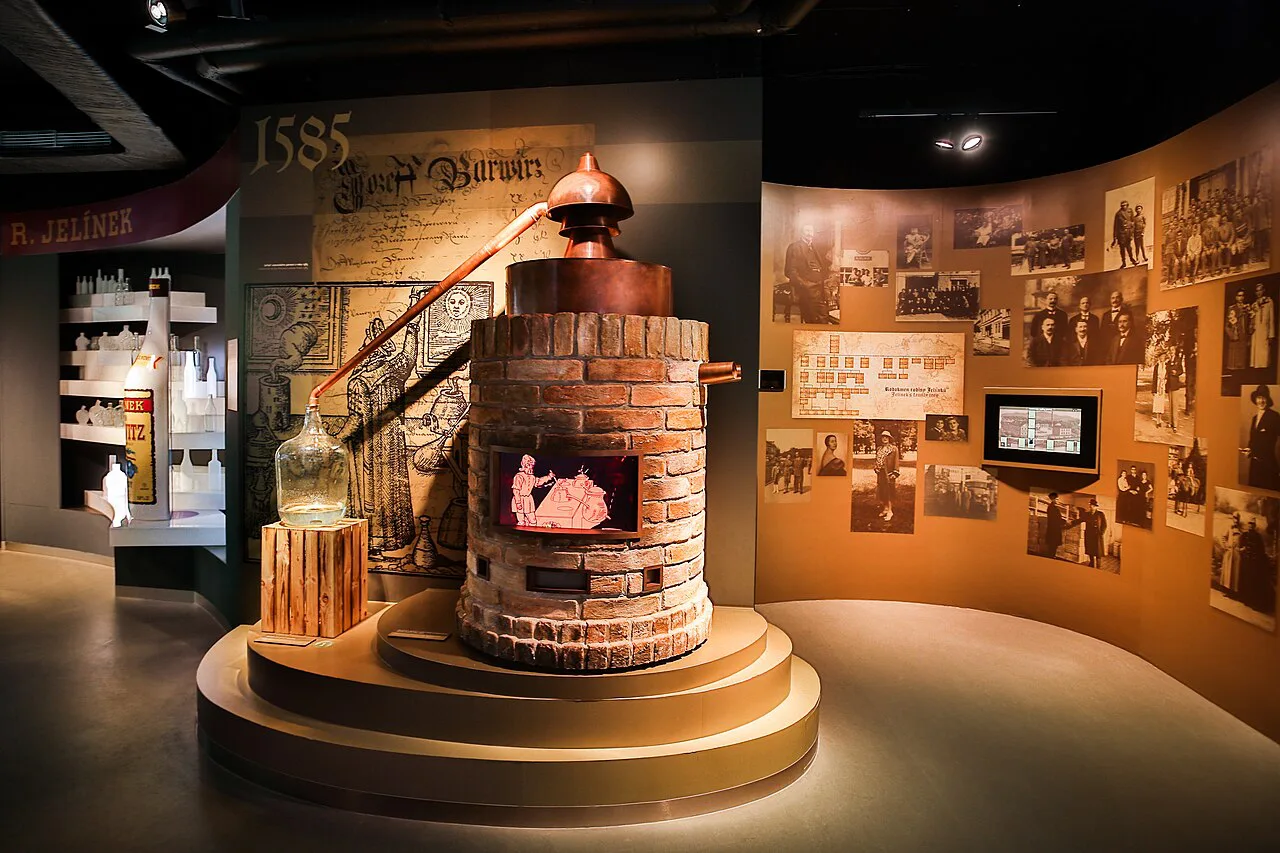
Ripe plums are fermented, then distilled, and the resulting spirit keeps a strong fruit character rather than tasting neutral. One producer describes the process as starting from ripe fruit and running through fermentation and distillation to reach the final aroma and flavor profile. Good slivovice smells of the orchard first and alcohol second.
Is slivovice the same as slivovitz? Yes. Slivovice is the Czech name, slivovica is the Slovak form, and slivovitz is the spelling most often used in English.
How strong is slivovice? There is no single figure. A Croatian slivovitz sold in the US lists 40.0% alcohol by volume, but that number applies to that bottle only.
Can I visit a Czech distillery? Czech distillery tours are not documented in the sources behind this guide, so plan around what you can confirm locally. Ask at a tourist information office in the town you are visiting, or check a producer's own website for visitor details before you travel.
Aging separates a rough bottle from a smooth one: some producers rest the spirit for years in wood or inert tanks, which rounds the edges and deepens the aroma, and one commercially sold slivovitz is described as a ten-year-aged spirit built for a more complex profile. Two bottles at the same strength can therefore taste quite different, so ask how old the spirit is before you commit to a larger bottle.
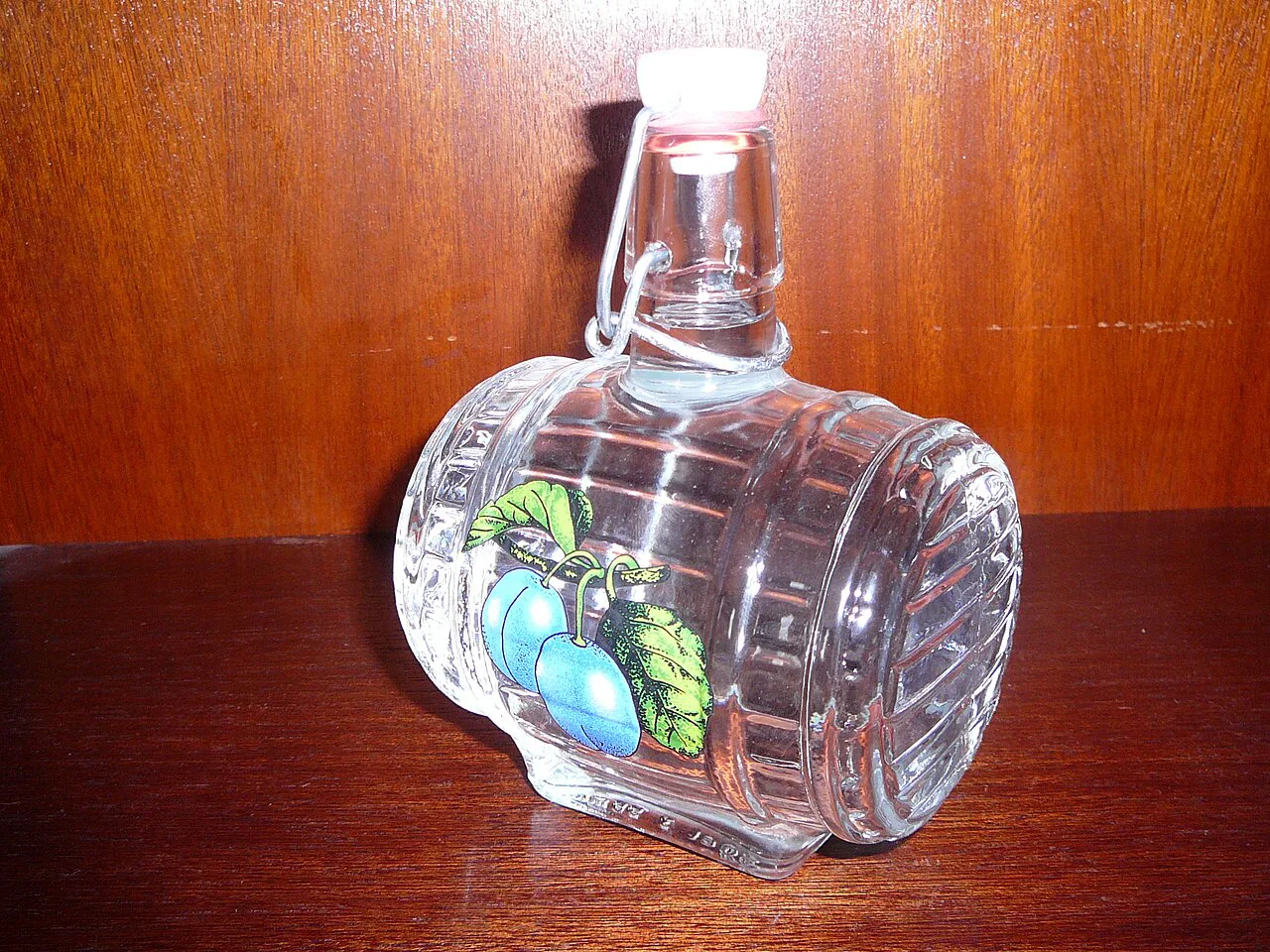
Home production is a long-standing tradition in plum country, and homemade batches vary widely in strength and smoothness because the fruit, the still and the maker all change the result. If someone offers you a glass from an unlabeled bottle, accept it as a hospitable gesture and sip slowly; the Czech approach to strong spirits is moderation with food, not speed.
What slivovice tastes like and how it is served
Expect a clear liquid with a fruity, intense aroma and a warm, powerful finish. The food atlas describes it as clear and strong, fruity and intense, served in a small glass, which is exactly how to picture it on a Czech table. It is a short, sharp punctuation mark at the end of a meal rather than a slow whisky-style sipper.
Serve it neat at room temperature in a small glass, and keep the pour modest. Chilling flattens the fruit, and mixing it into a long drink wastes the point of a plum spirit. If you are new to it, take a small sip first, let it sit, then decide whether you want more.
The social setting matters more than the glassware. Slivovice appears at family meals, celebrations and small toasts, and it is offered as a welcome rather than ordered in rounds. If you are pacing an evening of Czech Beer, keep slivovice as the closing note rather than the opening act.
Slivovice, slivovica, slivovitz: the same drink under different names
The same plum spirit appears as slivovice in the Czech Republic and as slivovica in Slovakia, and both are local names for what English speakers usually call slivovitz or plum brandy. The food atlas lists slivovice as the primary name with slivovica as a local variant. When a menu, a shop shelf or a bottle label uses a different spelling, you are almost certainly looking at the same drink, not a different category.
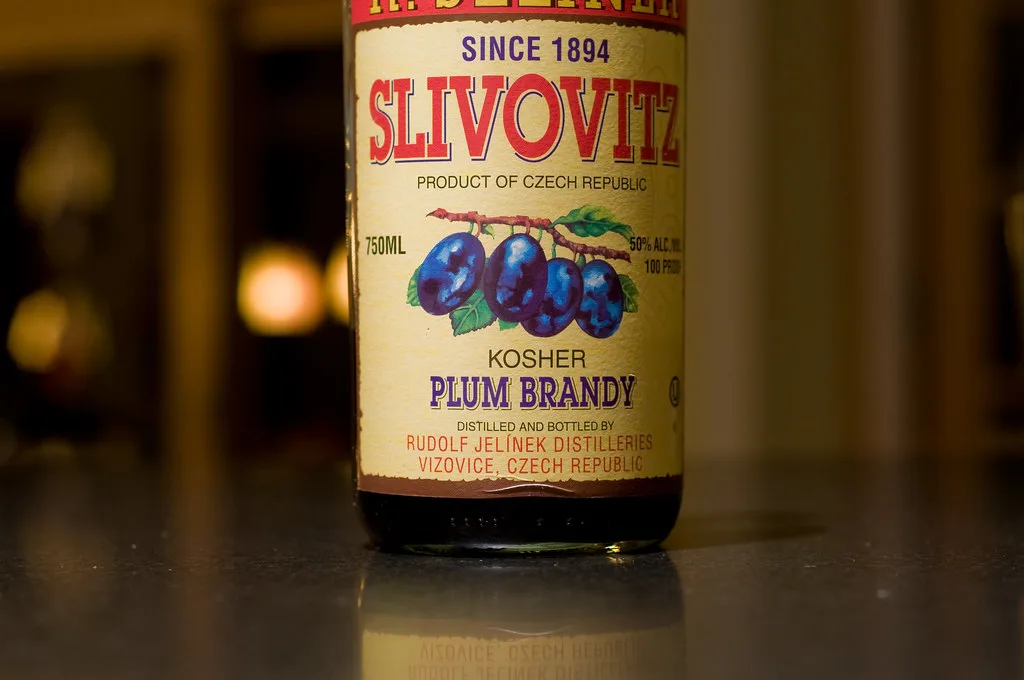
English-language bottles often use slivovitz, a spelling that travels well and shows up on exported products from outside the Czech Republic too. A label reading slivovitz is therefore not proof of Czech origin. Read the country of origin on the back before you assume you are buying a Czech bottle.
Alcohol strength: why the number varies
There is no single alcohol percentage for slivovice, because commercial bottles and homemade batches are made to different strengths. A Croatian Maraska slivovitz bottle sold in the US carries 40.0% alcohol by volume, which tells you about that product and nothing about Czech slivovice as a category. Use a label's ABV for the bottle in your hand, and ask before pouring from an unlabeled one.
That bottle is a useful reminder that slivovitz-style spirits are made well beyond the Czech Republic; the Maraska product is Croatian, not Czech. If origin matters to you, the back label is the place to check, and if strength matters, it is printed alongside.
Where slivovice fits on a Czech trip
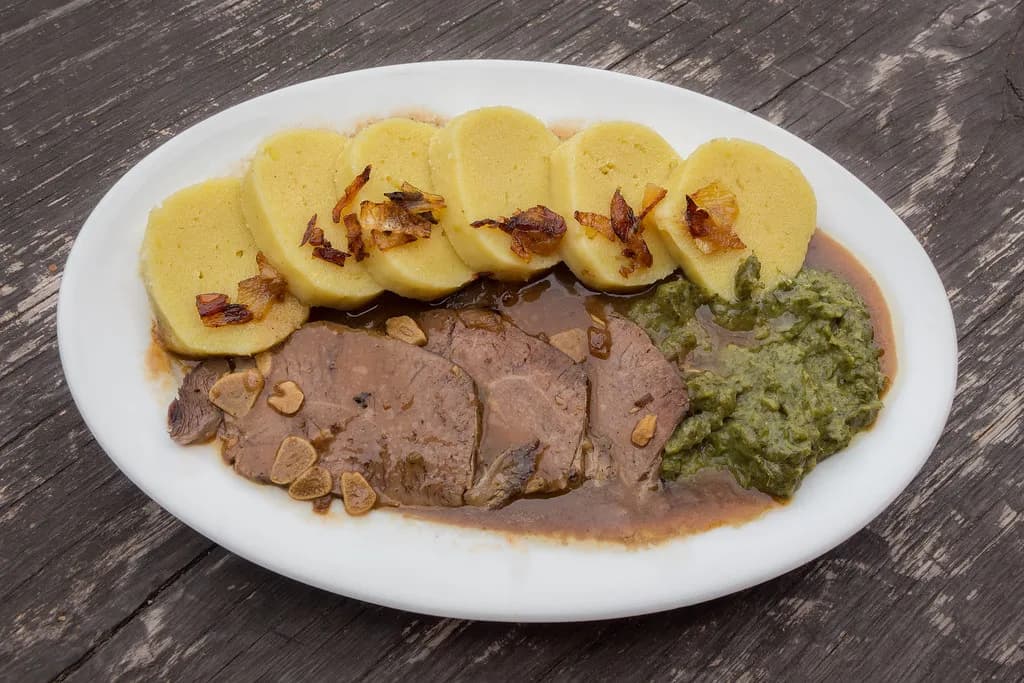
Treat slivovice as a table digestif you encounter in the course of a normal day rather than a reason to plan an evening around bars. It shows up after lunch in a restaurant, at a tasting counter, or as a gift bottle in a shop, and it pairs naturally with the savory Czech food you are already eating. If your trip is built around Czech breweries, slivovice is the fruit-spirit counterpart at the end of the meal.
Beer towns are where you will notice the contrast most clearly. A day in Plzeň (Pilsen) built around Czech Pilsner and its hop heritage ends well with a small plum brandy, and the same rhythm works in towns such as Kutná Hora. Think of it as the second half of a Czech drinking culture that starts with beer.
If you want a structured drinks afternoon, the country's beer experiences are easier to book than distillery visits. A Czech beer spa session is a known way to spend an afternoon, and it makes a sensible pairing with a plum brandy later rather than a substitute for one.
How to order slivovice and what to ask
Order it by name and specify the size: a small glass is the norm, and asking for slivovice in a restaurant will get you a short pour. If the server offers a choice, ask whether it is homemade or commercial, because that answer tells you more about the strength than any number on a menu. Then sip before you decide whether to order a second.
When someone pours from an unlabeled bottle at a table, ask what fruit it is made from and roughly how strong it is. Czech hosts will usually tell you, and it is a normal question rather than a rude one. If you are driving afterward, decline politely; the spirit is strong and the roads outside the cities are not the place to test your tolerance.
Knowing the difference between a light and dark lager makes it easier to read a drinks menu that also lists spirits, since the beer vocabulary carries over to how Czech venues describe a pour. Ask for a light, clear spirit if you want the fruit to come through first.
Buying a bottle to take home
Look for the country of origin, the fruit named on the label, the ABV, and whether the spirit is aged. A bottle labeled slivovice from a Czech producer is what you want; a slivovitz from elsewhere may be perfectly good but is a different product. Gift shops and supermarkets both stock plum spirits, so compare labels rather than assuming the prettier bottle is better.
Check your home country's customs allowance for spirits before you buy a large bottle, since the limit is set by your destination rather than by the Czech shop. A small bottle travels more easily and makes a better gift for someone who has never tried plum spirit. Wrap it well; glass and airport baggage do not mix.
If you already enjoy Czech herbal liqueurs, slivovice is the fruit-forward alternative to try alongside them. The two occupy different corners of the same after-dinner moment, and comparing them is a fair way to spend an evening without turning it into a bar crawl.
Should you order the slivovice or the beer?
Order the slivovice when you want a short, fruit-forward finish to a Czech meal, and order the beer when you want something to linger over. The two are not rivals; the pilsner tradition and the plum-spirit tradition simply occupy different parts of the same table. If you only have one evening beyond Prague, start with the beer and end with the plum brandy.
Explore more Czech Republic guides
Frequently Asked Questions
Is slivovice the same as slivovitz?
Yes. Slivovice is the Czech name, slivovica is the Slovak form, and slivovitz is the spelling most often used in English. All three refer to a plum brandy, though bottles sold as slivovitz can come from outside the Czech Republic, so check the country of origin on the label.
How strong is slivovice?
There is no single figure. A Croatian slivovitz sold in the US lists 40.0% alcohol by volume, but that number applies to that bottle only. Commercial Czech bottles and homemade batches vary, so read the ABV on the label or ask before pouring from an unlabeled bottle.
Can I visit a Czech distillery?
Czech distillery tours are not documented in the sources behind this guide, so plan around what you can confirm locally. Ask at a tourist information office in the town you are visiting, or check a producer's own website for visitor details before you travel.
Sources
Notes for your Czech trip
Optional updates to our Czech town guides.
You might also like

Continue reading
More guides you'll find useful