Czech Pilsner: What It Is and Where the Style Was Born
Czech pilsner is the golden lager style that began in Plzeň in 1842. Here is what makes it taste that way and what the brewery tour in Plzeň shows you.
On this page
Czech pilsner is the golden lager style that brewers in Plzeň created in 1842, and Pilsner Urquell remains the clearest reference point for it. The beer is pale, naturally carbonated and built on a clean hop bitterness rather than heavy malt sweetness. This guide explains where the style came from, what the ingredients and brewing method do to the flavor, how to order the three Czech pours, and how the Plzeň brewery fits a trip beyond Prague.
What Czech pilsner actually is
Czech pilsner is a bottom-fermented pale lager, which is why it is served cold, clear and golden rather than cloudy or dark. The style belongs to the wider family covered in this guide to Czech beer, which also includes darker lagers and wheat beers, so ordering a pivo in Plzeň does not automatically mean a pilsner. Knowing the difference helps when a tap list shows several styles side by side.
The style and the brand are separate things. Pilsner Urquell is one brewery in Plzeň, but the pilsner approach influenced brewers far beyond that city, and Czech taps list many lagers made in the same broad mold. Ordering by style rather than by brand gives you a better read on what a regional brewery is doing; the Czech beer brands guide covers the major labels.
Why 1842 and Josef Groll matter
Pilsner Urquell traces its recipe to 1842, when brewmaster Josef Groll introduced the first golden pilsner lager in Plzeň. The brewery still describes the recipe as untouched for more than 180 years, and it credits Groll with changing beer by brewing a pale beer in a country then known for darker styles.
That date is the anchor for the whole style: when Czechs talk about a pilsner, they are pointing back to a batch brewed in Plzeň rather than to a generic pale lager. It also explains why the Czech name for the town, Plzeň, sits inside the word pilsner itself.
The ingredients behind the flavor
Pilsner Urquell names three inputs that shape its beer: soft Plzeň water, sweet Moravian barley and bitter Saaz hops. The brewery says it has used only Czech ingredients since 1842 and will not change that, which is the practical reason the beer tastes the same in Prague as it does abroad.
Saaz hops supply the bitterness. If that bitterness is the part of pilsner you like most, note the hop variety by name when you read a tap list or a bottle label, and you will recognize it in other Czech lagers too.
How the brewing method shapes the taste
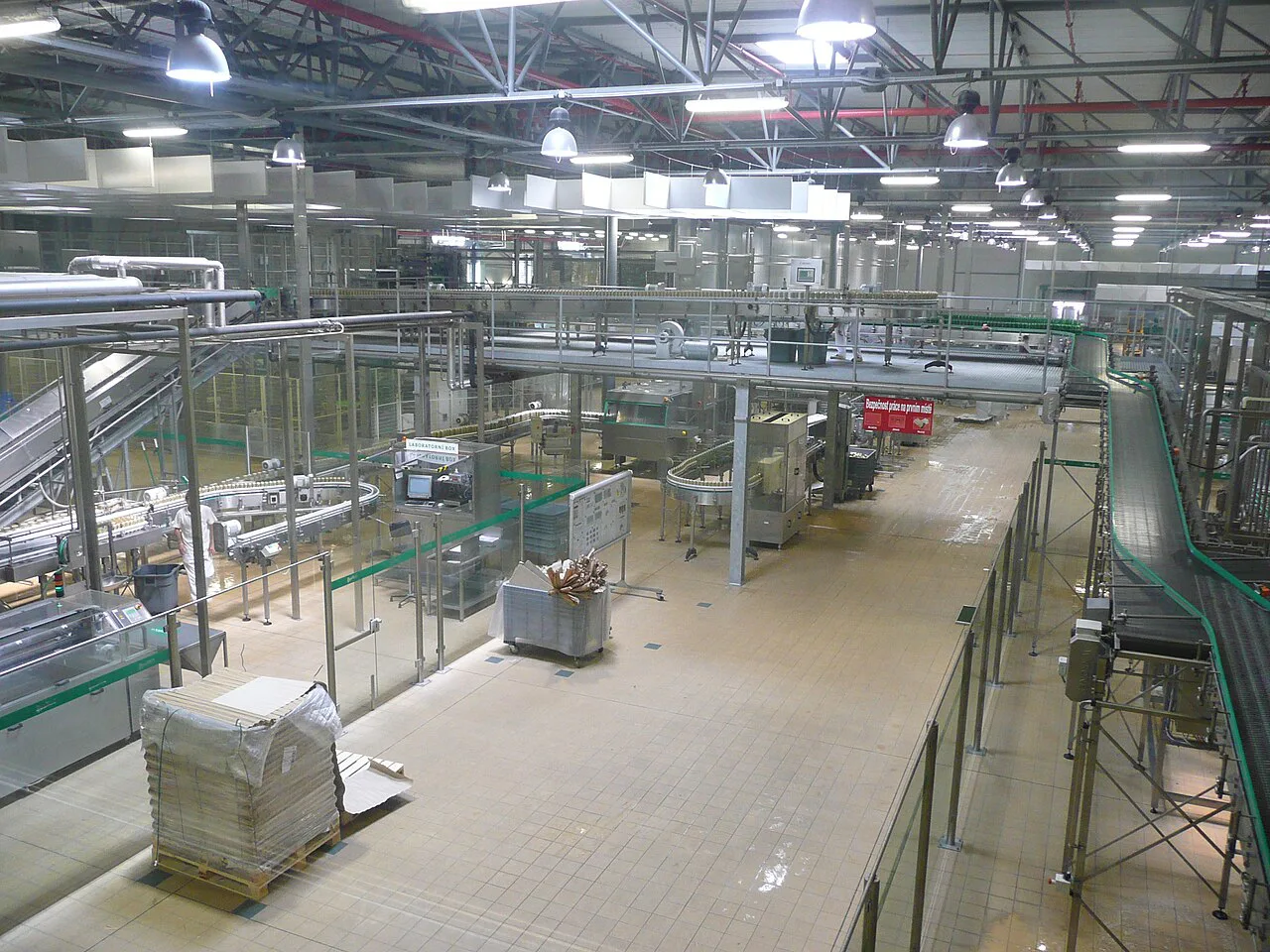
The brewery uses triple decoction and parallel brewing, methods it says take longer but protect the flavor. Triple decoction means heating a portion of the mash three times to add color and depth before the main brew, which is one reason the beer tastes maltier than a stripped-down industrial lager.
The result is a beer with a thick, wet head of foam that the brewery treats as part of the recipe rather than decoration. The foam seals in freshness and softens the hop bite, so how the beer is poured changes how it tastes in the glass.
What Czech pilsner tastes like
The signature balance is sweetness from the malt against bitterness from the hops, with natural carbonation giving a crisp finish. Drinkers notice subtle caramel tones up front and a clean, hoppy bitterness at the end, which is why Czech pilsner reads as refreshing rather than heavy.
Compared with many German pilsners, the Czech version leans slightly softer and rounder because of the water and the decoction method. That makes it an easy beer to drink alongside Czech food and a good benchmark when you taste other lagers on the same trip.
The three pours: hladinka, šnyt and mlíko
Czech taps pour pilsner three ways, and each one changes the ratio of beer to foam. A hladinka is the standard pour with a thick head, a šnyt gives you more foam and less beer, and a mlíko is mostly foam with a little beer underneath. The brewery states plainly that each has a different flavor because each has a different amount of foam.
Ordering is a practical decision rather than a trivia test. Ask for a hladinka when you want a full glass of beer, a šnyt when you want something softer and smaller, and a mlíko when you want the foam-forward taste the tapster can build. Pouring and glassware are part of the wider Czech beer culture, which shapes how the head sits in the glass.
Visiting the Pilsner Urquell brewery in Plzeň
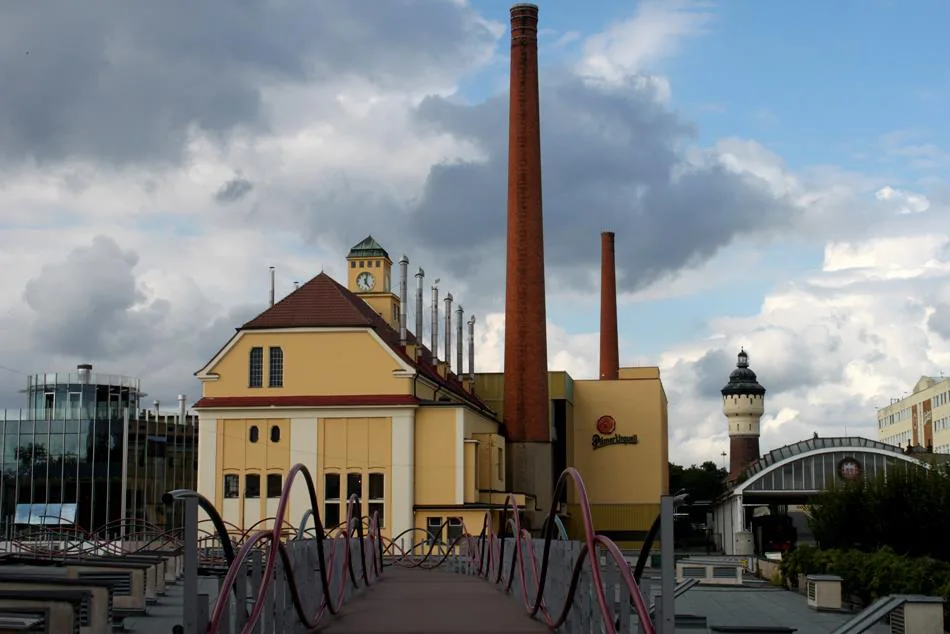
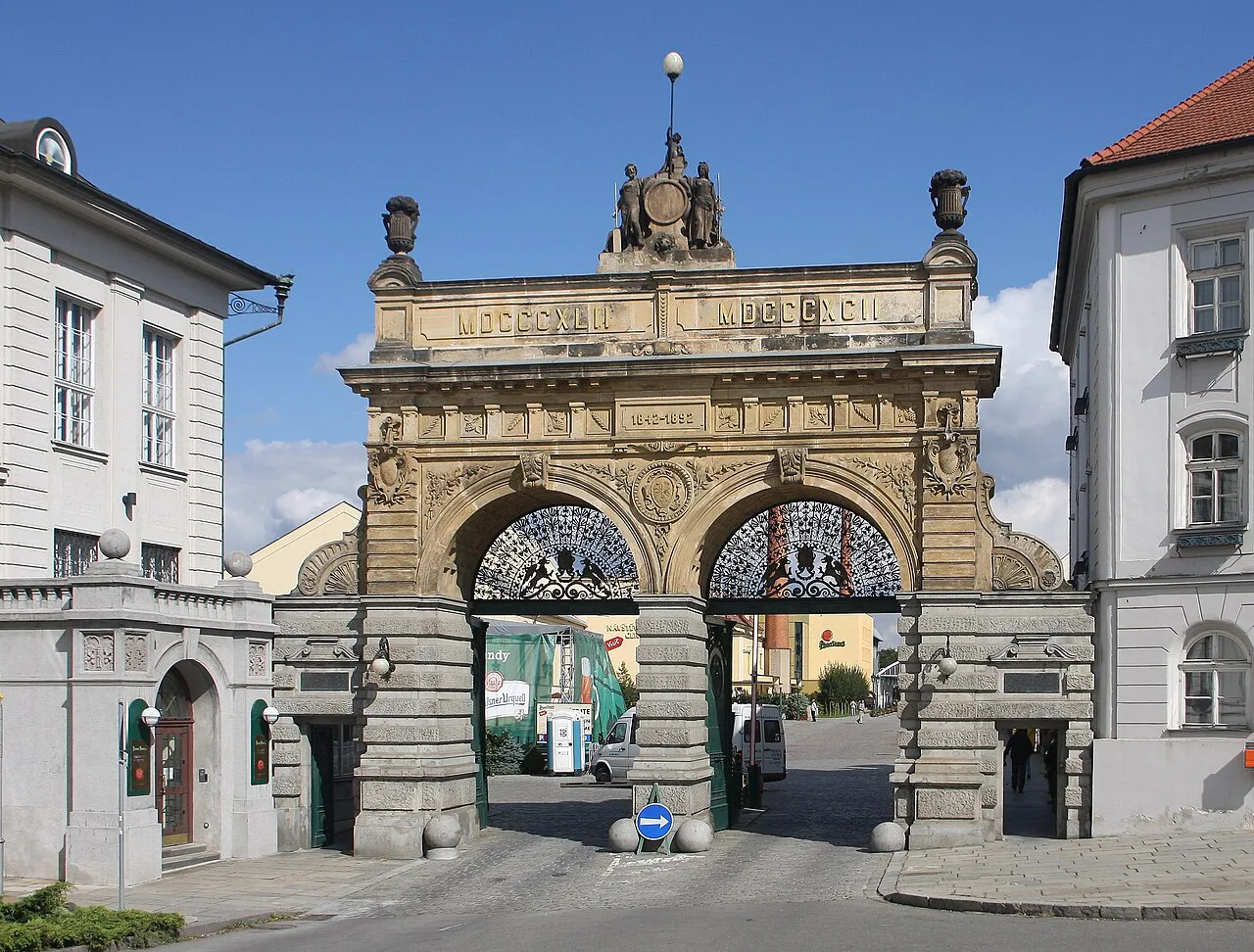
The brewery runs tours of its site in Plzeň, which the company places about an hour outside Prague and describes as the place where the original Pilsner is still made. A tour is the most direct way to see the cellars and the brewing equipment behind the beer you have been drinking.
Tour schedules, ticket prices and booking rules change with the season, and the brewery publishes them on its own site rather than through third parties. Check the official visitor pages for your dates before you build a day around the tour, and book ahead if you are traveling in summer.
Getting to Plzeň and fitting it into a route
Plzeň sits west of Prague and works well as a stop between the capital and the Bohemian spa towns or the German border. Trains and buses run between the two cities, but exact departure times and fares belong to the current timetable, so confirm them with the carrier for your date.
If you are routing east instead, Kutná Hora pairs a silver-mining history with its own beer scene and makes a natural second stop on a beer-focused loop from Prague. Planning two brewery towns rather than one gives the trip a shape beyond a single tour.
Beyond pilsner: other Czech drinks to know
Pilsner dominates Czech taps, but the country also produces distinctive darker lagers worth trying while you are in Plzeň or Prague. A tmavé pivo gives you the malt side of Czech brewing and makes a useful contrast to the pale pilsner you came for; the Czech beer styles guide explains the wider range.
Outside the beer world, Becherovka from Karlovy Vary is the herbal liqueur most travelers meet on a Bohemian spa trip, and slivovice is the plum brandy poured at celebrations further east. A Czech beer spa is a different way to spend an afternoon with the same local brewing tradition.
Should you build a trip around the Plzeň brewery?
Yes, if you want to understand why Czech pilsner tastes the way it does. The Plzeň brewery tour connects the 1842 story, the Moravian barley and Saaz hops, and the triple decoction method to a glass you can order afterward with a hladinka, šnyt or mlíko.
Skip it if your route is already full in Prague, Kutná Hora and the spa towns, and drink your pilsner wherever you stop instead. Either way, order by style, ask for the pour you want, and check the brewery's own site for current tour prices and times before you commit a day to Plzeň.
Explore more Czech Republic guides
Frequently Asked Questions
Is Czech pilsner the same as Pilsner Urquell?
No. Pilsner Urquell is a specific brewery in Plzeň that traces its recipe to 1842, while Czech pilsner is the broader style of pale bottom-fermented lager brewed in that mold. Many Czech breweries make pilsner-type beers, so order by style when you want to compare.
What does a Czech pilsner taste like?
It is crisp and refreshing, with subtle caramel notes from the malt and a clean, hoppy bitterness at the finish. Natural carbonation keeps it lively, and the thick foam head softens the hop bite. The brewery describes the balance as sweetness against bitterness, with Saaz hops supplying the aroma.
What are the three Czech beer pours?
A hladinka is the standard pour with a thick head, a šnyt has more foam and less beer, and a mlíko is mostly foam. Pilsner Urquell states that each pour tastes different because the amount of foam differs. Ask the tapster which one suits what you want.
Sources
Notes for your Czech trip
Optional updates to our Czech town guides.
You might also like
Continue reading
More guides you'll find useful