Babiččino údolí: Ratibořice Chateau and Grandmother's Valley
Babiččino údolí pairs Ratibořice chateau with a mill, a free timbered cottage and riverside paths tied to Božena Němcová's novel Grandmother.
On this page
Babiččino údolí, or Grandmother's Valley, is a half-day landscape walk beside Česká Skalice in eastern Bohemia, and its single free interior at Staré bělidlo makes it an easy stop even on a tight budget. The valley strings together a small chateau, a working-era mill, a timbered bleaching cottage, a weir and a landscaped park along the Úpa river, all tied to Božena Němcová's novel Grandmother. This guide names each stop in walking order, explains which buildings are staged literary settings rather than real family homes, and covers how the valley fits a route from Prague.
What Babiččino údolí is
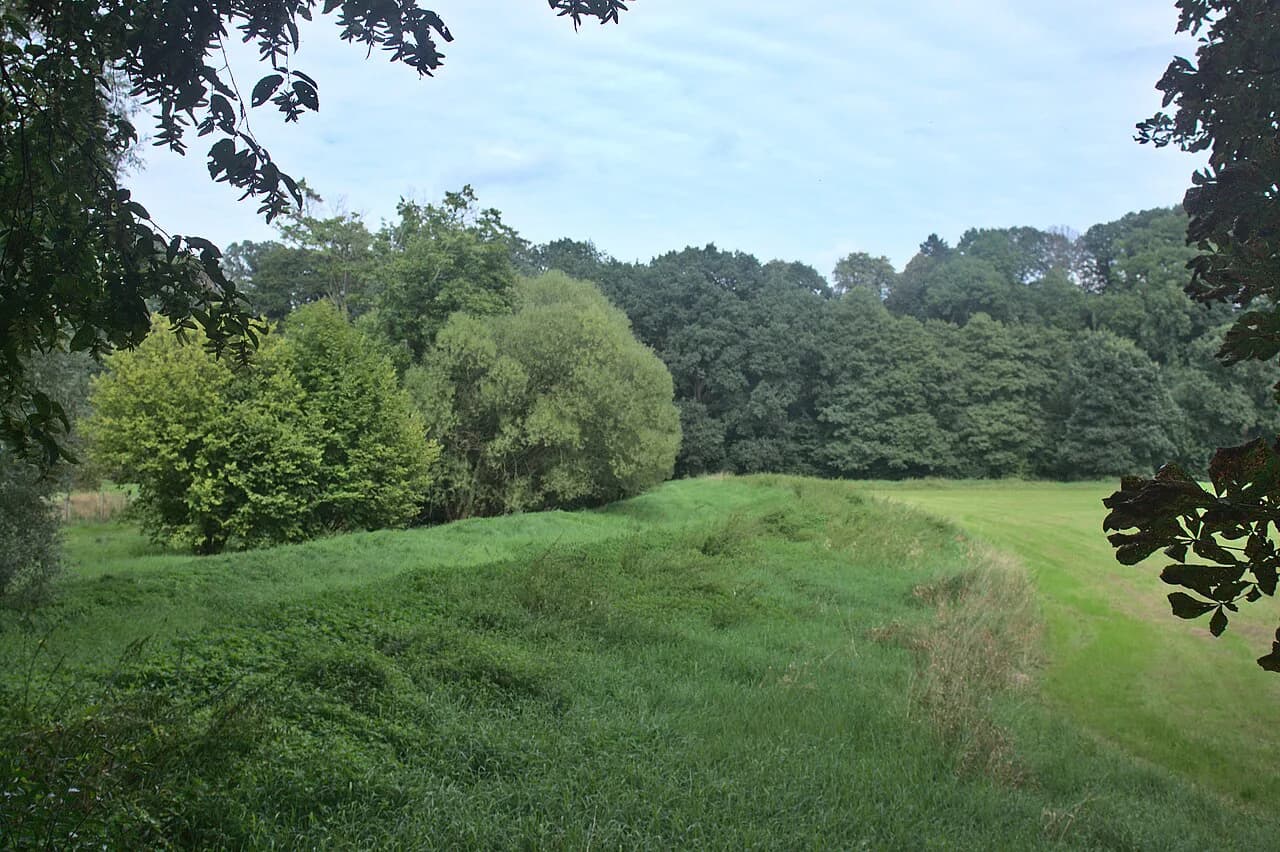
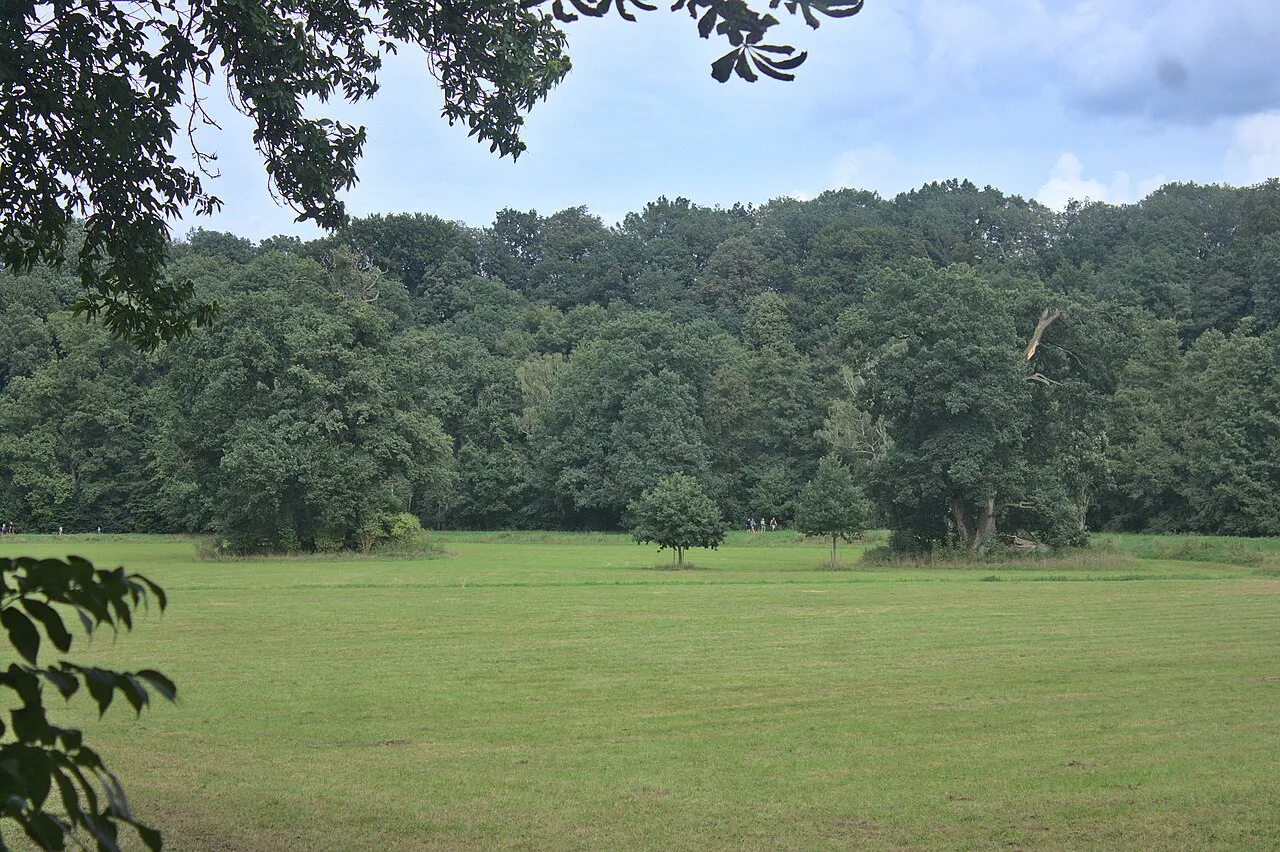
The valley runs north from Česká Skalice along the Úpa river, and it was the Smiřice doctor and writer Otakar Jedlička who gave it the Grandmother's Valley name in 1878. In 1952 the education ministry declared Ratibořice and the valley a state landscape and national reserve, and today the southern stretch from Česká Skalice to Slatinský mlýn is protected as a national nature monument with a broad buffer zone. Plan on a protected river landscape with buildings inside it rather than a walled sight with one entrance.
Because the valley is a linear landscape, your visit is a walk between stops rather than a circuit around a single ticket office. The protected status also means the paths and riverbanks matter as much as the interiors, so a visit works even when the buildings are shut. Budget two to four hours for a relaxed walk with the free cottage and the park.
Why the valley matters
Božena Němcová set the main action of Grandmother in this valley, which is why the buildings read as a literary landscape rather than a family homestead. The real family history is different in an important way: the Pankl parents, Němcová's mother and father, never actually lived in Staré bělidlo, although the writer spent a summer there with her children. The cottage that carries the novel's most famous scenes is therefore a reconstruction of memory, not the author's childhood address.
The real grandmother was Magdalena Novotná, and she died in Vienna in 1841 after falling out with her daughter Terezka and moving away from the Ratibořice estate.
The chateau at Ratibořice
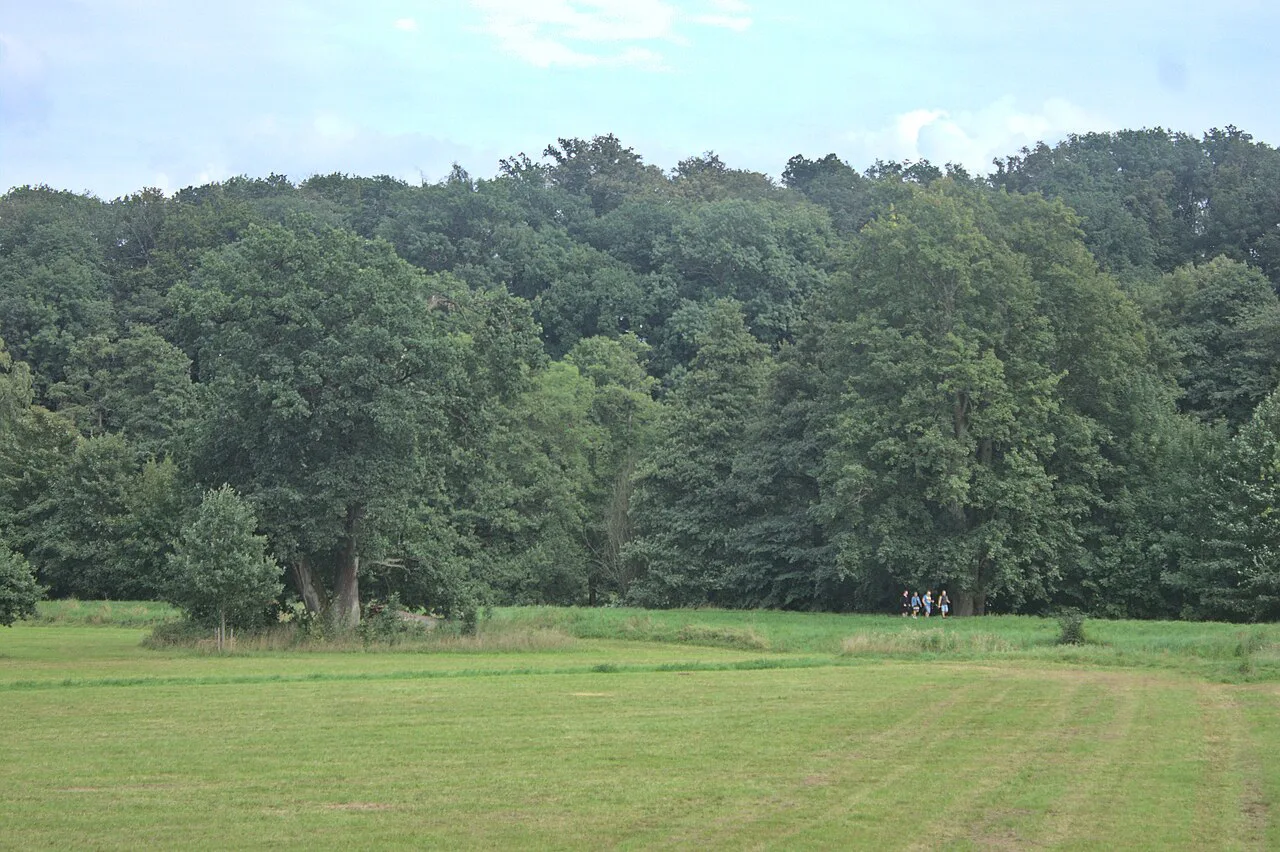
Ratibořice chateau is a one-story baroque building with a chapel, built in 1708 near the site of a deserted fourteenth-century fortress by Vavřinec Piccolomini, owner of the Náchod estate. A single-story wing for guests and servants was added in the eighteenth century. After Kateřina Zaháňská inherited Náchod and Ratibořice from her father, she had the chapel demolished in 1800 and the chateau rebuilt as a modern Empire-style residence.
Thanks to Grandmother, the chateau is best known as the summer seat of Duchess Kateřina Zaháňská. Read the building that way when you arrive: the interest lies in the scale of a small aristocratic summer house and its setting, not in a sprawling palace circuit. Check the seasonal opening before you plan a visit around the interior.
Rudrův mlýn: the stone mill
Rudrův mlýn is a single-story stone building whose largest part is the mill room, which occupies both the ground floor and the upper level. From the ground-floor mill room a door leads to the bakery and two vaulted chambers, while the upper floor held the miller's own two-room apartment and the Šalanda, the room where the milling hands sat. Miller Antonín Ruder acquired the mill through marriage in 1773.
Treat the mill as the technical counterweight to the chateau: one explains how the estate was furnished, the other how it was fed. The rooms are small and the layout is domestic, so it rewards a slower look at the bakery and vaulted chambers rather than a quick pass. Opening outside the season is limited, so check before making it the reason for your trip.
Staré bělidlo: the free cottage
Staré bělidlo is a timbered cottage with a shingle roof, finished on 17 July 1797 according to the inscription on its doorpost, by miller Antonín Ruder. In 1842 Ruder sold the mill and the bleaching house to the Náchod estate, and a single-story stone manor laundry was later built beside the cottage.
After 1945 the cottage was furnished with period folk furniture and household objects from the collections of the Božena Němcová Museum in Česká Skalice. Entry to Staré bělidlo is free, which makes it the easiest fixed stop in the valley to build into a walk.
The other stops in the valley
The Lovecký pavilon, or hunting pavilion, stands on the forest path from Ratibořice to Česká Skalice in the former pheasantry. It was built around 1800 as an Empire-style structure, with a portico of two Doric columns, shuttered windows and a broad triangular pediment framing its facade.
The sandstone Babička with Children sculpture is the work of sculptor Otto Gutfreund, with the architectural setting by architect Pavel Janák, and it is counted among the finest sculptural groups in Bohemia. Nearby, Viktorčin splav is the weir behind Staré bělidlo; its concrete and stone faces were temporarily clad in split logs before 1970 so it would look like the writer's childhood for a color film adaptation. That detail is a useful reminder of how much of the valley was arranged for the story.
The chateau park covers 5.58 hectares in an elliptical shape, blending into open woodland at its northern and southern edges, with the steep slope above the Úpa floodplain forming its east and west boundaries. Its highest point, at 305 meters above sea level, sits by the main entrance, while the floodplain below lies at 285 meters. The park is the calmest part of the valley and the easiest place to slow down after the built stops.
Walking the valley in order
The bridges give the walk its rhythm. Vilémův most is a stone bridge carrying the road from Zlič to Ratibořice, Bílý most is a wooden bridge near Viktorčin splav carrying the road from Ratibořice across the valley toward Žernov, and Červený most sits below the Rýzmburk arbor. Near Slatinský mlýn a wide concrete road bridge replaced an old iron structure in 1963, and wooden footbridges cross the river behind the Ratibořice mill, below the Žernov slope, under Boubín and at Havlovice near the Šiškovna.
A sensible sequence starts in Česká Skalice, follows the river north past the bridges to the mill and Staré bělidlo, continues to the weir and the chateau with its park, then returns by the hunting pavilion path. That order keeps the free cottage early and leaves the park for the quieter end of the day. Paths are riverside and uneven in places, so footwear matters more than distance.
Getting there from Prague
Česká Skalice is the access town, and the valley begins directly from it, so the last leg is on foot rather than by taxi. Trains from Prague toward the Náchod region pass through the area, but connections and timetables change, so confirm times in the official rail planner before fixing your day. A car gives more flexibility for combining the valley with other places in the region, since Holašovice in South Bohemia is a separate trip rather than an afternoon add-on.
By public transport, plan the valley as a loop that returns you to Česká Skalice rather than a one-way walk that strands you at a distant hamlet. Bus and train connections in this part of eastern Bohemia are thinner on weekends, which is the main argument for a car. Whichever you choose, keep the walking portion of the day together with the arrival and departure, because the valley has no internal transport.
What to budget in CZK
Entry to Staré bělidlo costs nothing, which makes the cottage, the bridges, the weir and the park a genuinely low-cost day out. The chateau and mill interiors are separate visits, and any admission prices are set by the site administration, so check the current CZK rates at the ticket office or on the official Ratibořice site rather than budgeting from an old figure. Carry cash for small admissions and for the walk back into town.
Trade-offs: seasons and timing
Staré bělidlo opens on a seasonal schedule rather than year-round; its published hours run from spring into autumn, with weekend-only opening in April before later spring and summer hours. The chateau and mill interiors are seasonal too, so an off-season trip is a landscape walk with the exteriors, the park and the free cottage rather than a full house tour. Read the published schedules in full before you set out.
The main path between the mill and the chateau carries the biggest share of walkers, so an early start or a late afternoon gives you the bridges and the weir with more room. The valley has no grand gateway to queue at, which means visitors spread along the path instead of concentrating, and the park absorbs them best. Pair the valley with a heritage village on another day rather than squeezing both into one.
Which stops to lock in before you go
Decide first whether you are going for the interiors or the landscape. If it is the interiors, confirm the chateau and mill opening days and tour times for your dates, then build the walk around them; if it is the landscape, the free cottage, the bridges, the weir and the park fill a half day without a ticket.
Either way, start from Česká Skalice, walk north in the order described, and keep a fixed return connection in mind. The valley rewards a slower pace than its modest size suggests, and the best moments are the quiet ones between the named stops.
Explore more Czech Republic guides
Sources
Notes for your Czech trip
Optional updates to our Czech town guides.
You might also like
Continue reading
More guides you'll find useful