Strážnice, Czech Republic: Open-Air Museum, Chateau and Folk Traditions
Strážnice pairs a chateau of folk instruments with an open-air museum of South Moravian village life. See what to visit and how the town is laid out.
On this page
Strážnice is worth a half day to a full day for two sights that sit almost side by side: the classicist chateau, home to the National Institute of Folk Culture and an exhibit of more than 400 folk musical instruments, and the open-air museum of South Moravian village life with its winegrower buildings and vineyard. It is a small town on the plains by the Morava River, below the slopes of the Bílé Karpaty (White Carpathians), and it treats folk tradition as living material rather than museum dust. This guide covers how the town is laid out, what each sight contains, the landscape around it, and how to fold it into a South Moravia route.
What Strážnice is and where it sits
Strážnice lies in Moravian Slovakia (Slovácko), in the flat land below the Bílé Karpaty, about 15 km northeast of Hodonín. The town is known for wine and folk traditions, and it hosts an international folklore festival each year. It is a modest place with a compact historic core and two museums that carry the weight of the region's culture.
Think of the visit in two halves. The chateau in town holds the National Institute of Folk Culture with its instrument collection, while the open-air museum sits at the edge of the historic core and spreads village buildings, cellars and a vineyard across open ground. Budget time for both rather than treating one as a footnote to the other, and leave room for the vineyards and river landscape outside town if the weather holds.
How the town is laid out
The first thing you notice in Strážnice are the bastions by the former Veselská and Skalická gates, remnants of the medieval town fortification. They frame the historic core, and walking between them gives you a quick read on how small the old town is: the chateau, the square and the lanes around it sit within a few minutes of each other. Start at the gates, orient yourself, and then choose your museum.
Do I need a car to visit Strážnice? A car makes the surrounding sights, such as the service-tree trail in Tvarožná Lhota and the Baťa Canal, far easier to reach. The town's two main museums sit within walking distance of each other in the historic core, so the town itself is compact enough to cover on foot once you are there.
How long should I spend in Strážnice? Allow half a day for the chateau exhibits and the open-air museum together, and a full day if you add the vineyards trail or a nearby countryside stop. The town core is compact, so most of your time goes to the two museums rather than to walking between them.
Are the museums open year-round? The chateau and the open-air museum follow their own seasonal schedules and do not necessarily open on the same days. Check the current opening days for your dates before you plan the trip around a single day.
This compactness is the town's main practical advantage. You do not need a car inside Strážnice, and you do not need to plan a sequence of tram or bus hops as you would in a larger city. The trade-off is that both headline sights draw on the same pool of visitors, so arriving early leaves you more space in the chateau exhibits before the middle of the day.
The chateau: folk culture in a classicist shell
The classicist chateau houses the National Institute of Folk Culture, and its signature exhibit is a collection of folk musical instruments with more than 400 objects, many paired with sound recordings of the individual pieces. That audio element is what separates it from a case-by-case instrument display: you see the instrument and hear what it did. Set aside real time here rather than treating it as a lobby on the way to the open-air museum.
The chateau also holds exhibitions tied to Moravian folk culture, including the 'Lidový oděv na Moravě' folk dress display and an exhibition on folk musical instruments in folk culture. The building is a cultural institute first and a furnished aristocratic interior second, so arrive expecting exhibits and displays rather than a room-by-room tour of noble life.
Skanzen Strážnice: the village museum
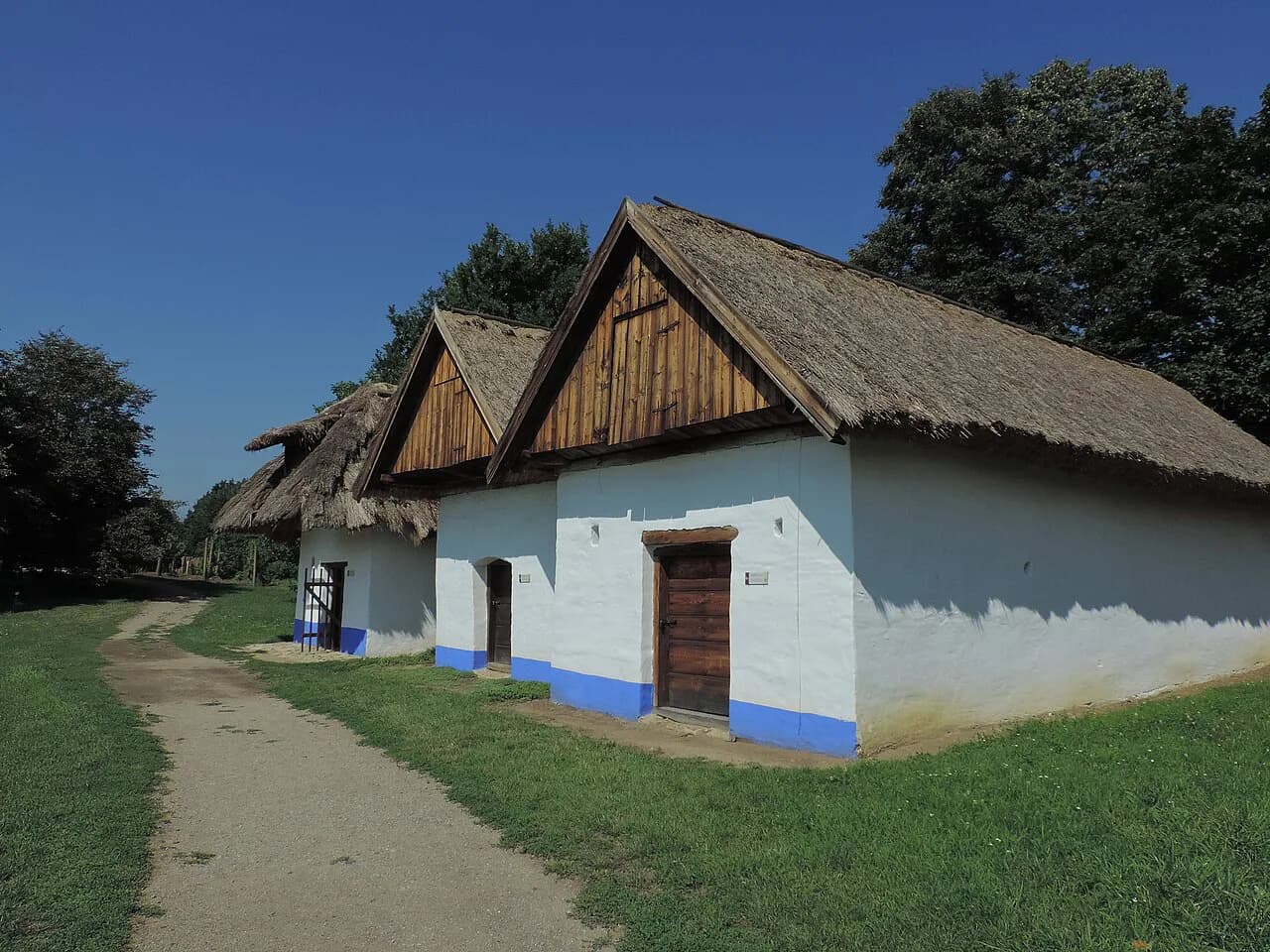
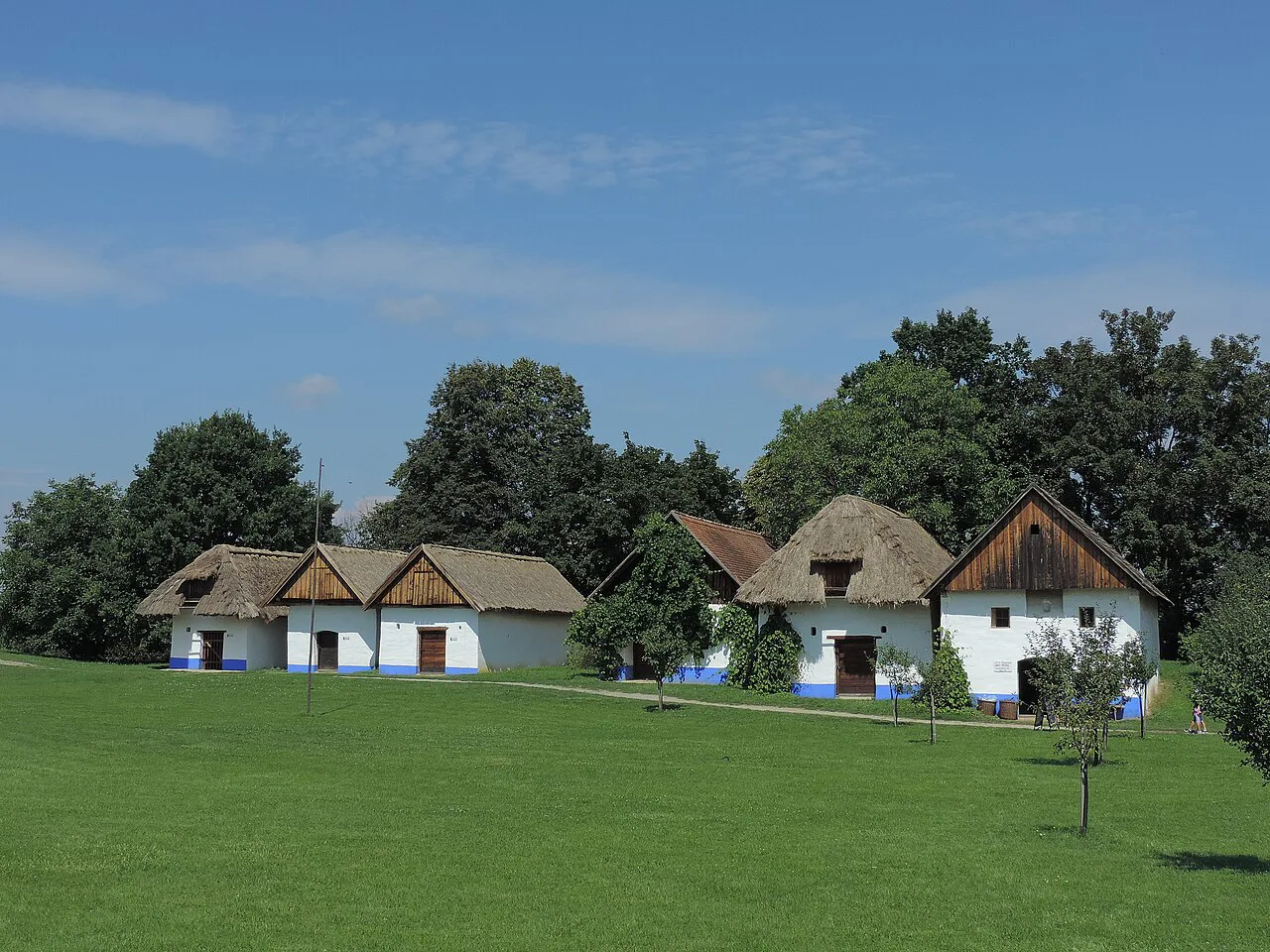
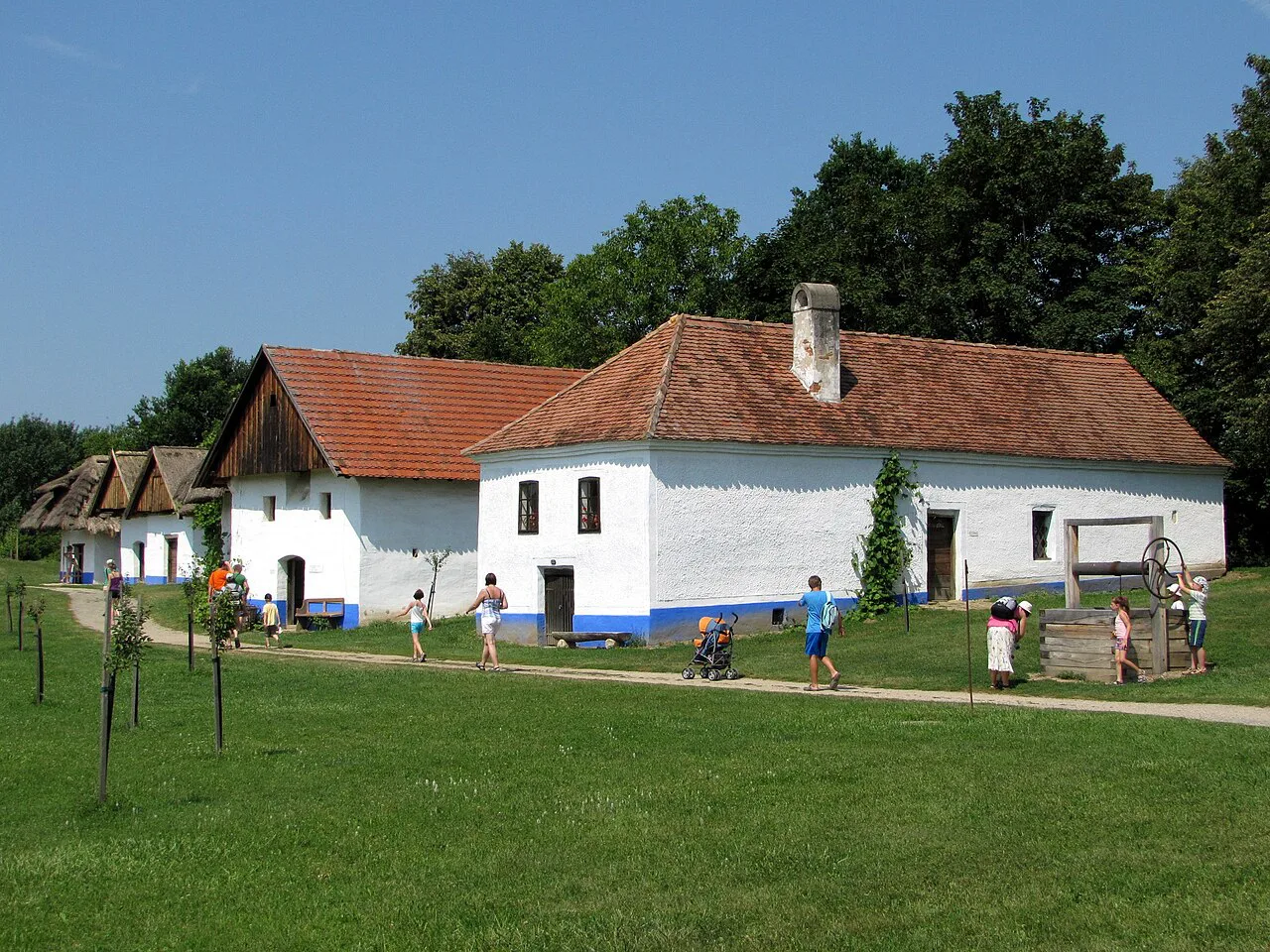
The open-air museum, Skanzen Strážnice – Muzeum vesnice jihovýchodní Moravy, reconstructs village life in southeastern Moravia, and its most distinctive section is the complex of winegrower buildings with their original interior fittings, plus a working vineyard. This is the part that connects the museum to the landscape around town: the cellars and vines are not props but the region's actual economy, relocated into a visitable form. Walk the winegrower section slowly; the interiors are where the details live.
Beyond the cellars, the museum assembles village buildings and farm structures from the surrounding region, so the visit works as a walk through a compact version of the countryside you drove or trained through. For context on how this kind of open-air museum fits the wider Czech picture, our guide to Czech villages covers the tradition of preserving rural buildings, including the wooden town of Rožnov pod Radhoštěm and the log-house valley of Grandmother's Valley.
The folk dress of Moravia and folk musical instruments exhibitions at the chateau complement the open-air buildings, so plan the chateau and the skanzen as one cultural pair rather than two unrelated stops. Do the chateau first if you want the indoor, labeled context, then walk the skanzen with that background in mind.
Oskeruše: the service tree of Slovácko
The service tree, oskeruše (Sorbus domestica), is treated as the tree of Slovácko, and the largest concentration grows in the foothills of the Bílé Karpaty around Strážnice. The Oskerušová stezka, the service-tree trail, runs through this country, and in Tvarožná Lhota you find the Muzeum oskeruší, where saplings and products such as must, marmalade, tea, compote and brandy are sold. It is a specific, local excursion rather than a general countryside walk, and it rewards travelers who like their landscape with a subject.
Treat the trail as a half-day add-on rather than a main sight. The museum and trail are outside Strážnice, so you need a car, a bike or a plan for local transport, and the countryside is flat and exposed. If you are already visiting the open-air museum, the service-tree stop extends the same theme of regional plant culture into the actual landscape that produced it.
Around town: vineyards, the Baťa Canal and Salaš Travičná
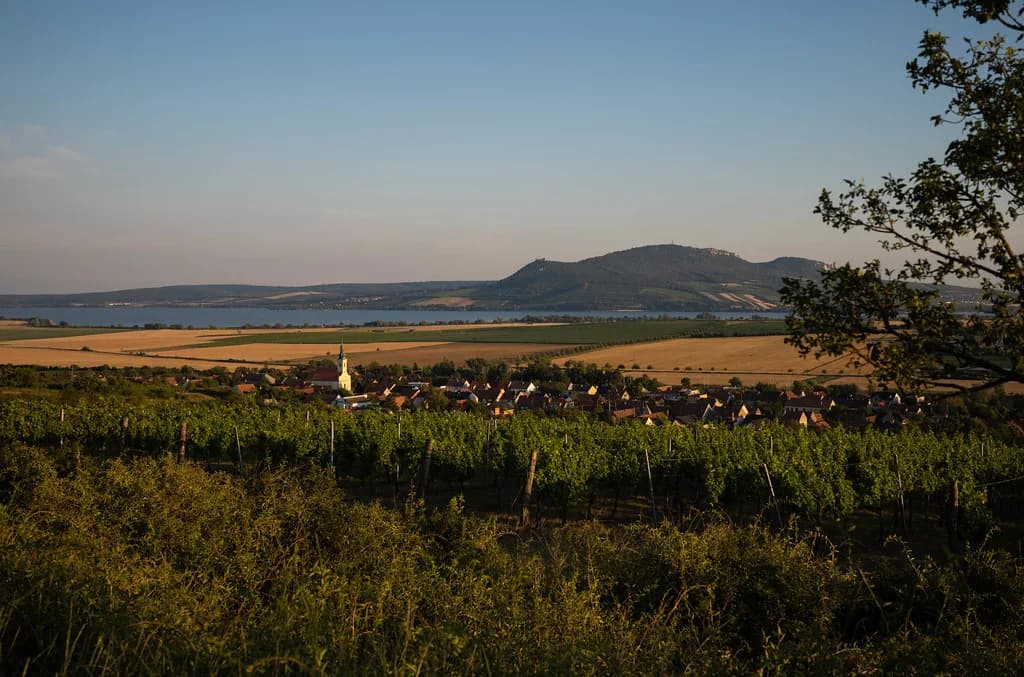
The Strážnice vineyards trail suits both cyclists and walkers and runs past wine cellars to Žerotín hill, which has vineyards and a wide view back over the town. Add the Moravian wine trails or a trip on the Baťa Canal if you want to stretch the day, and families often combine the town with Salaš Travičná, a lookout with a small open-air museum in nature where you can find an arboretum of native Bílé Karpaty trees and taste local produce such as goat cheese, mead or must.
These are outdoor options that depend on weather and season, so they work best as a second-day plan or an afternoon extension rather than the core of a Strážnice visit. The town's museums are the reliable program; the vineyards and the canal are the bonus. If you are comparing rural Czech towns for a longer trip, the village of Holasovice offers a very different model of preserved countryside architecture, and Slavonice has its own historic core and folk character.
Getting there and fitting it into a South Moravia route
Strážnice sits in the Hodonín district of the South Moravian Region, northeast of Hodonín, and it works as a stop on a loop through Moravian Slovakia rather than as a standalone destination from Prague. Travelers coming from Prague usually base themselves in Brno or Hodonín and approach by road; check current train and bus connections with the national timetable before you commit to a schedule, since service patterns change.
Pair Strážnice with the wine country and the Baťa Canal for a full day, or with the Bílé Karpaty foothills if you want the service-tree trail. For a wider southern Moravia route, the village of Holasovice makes a natural comparison point for anyone interested in vernacular architecture, and the same trip can include a look at how different regions preserve their rural buildings.
What to know before you go
The chateau and the open-air museum run on seasonal schedules and may not keep the same hours, so confirm opening days for your dates and plan the two sights on the same day only if both are open. The international folklore festival fills Strážnice once a year, and if your dates overlap it, expect a different town: busier streets and a program built around performances. At other times the visit is calm.
Prices and tour formats are set by the individual venues, so check the current listings before you go and carry Czech koruna for small purchases.
Strážnice as a complement to a South Moravia route
Yes, if you are already traveling through Moravian Slovakia and want one place that explains the region's folk culture in depth. The chateau's instrument collection and the open-air museum's winegrower buildings and vineyard together give you more than a single museum stop, and the surrounding vineyards, service-tree trail and Baťa Canal extend the visit into the landscape.
For travelers chasing preserved villages instead, Holasovice and Slavonice offer different angles on the same rural story. The chateau and skanzen together give you more than a single museum stop, and the surrounding vineyards, service-tree trail and Baťa Canal extend the visit into the landscape.
Explore more Czech Republic guides
Frequently Asked Questions
Do I need a car to visit Strážnice?
A car makes the surrounding sights, such as the service-tree trail in Tvarožná Lhota and the Baťa Canal, far easier to reach. The town's two main museums sit within walking distance of each other in the historic core, so the town itself is compact enough to cover on foot once you are there.
How long should I spend in Strážnice?
Allow half a day for the chateau exhibits and the open-air museum together, and a full day if you add the vineyards trail or a nearby countryside stop. The town core is compact, so most of your time goes to the two museums rather than to walking between them.
Are the museums open year-round?
The chateau and the open-air museum follow their own seasonal schedules and do not necessarily open on the same days. Check the current opening days for your dates before you plan the trip around a single day.
Sources
Notes for your Czech trip
Optional updates to our Czech town guides.
You might also like
Continue reading
More guides you'll find useful