Štramberk: The Hill Town Under the Trúba Tower
Štramberk packs a hilltop tower, timber houses and a cave into a small Moravian town. Here is what to see and when the Trúba tower opens.
On this page
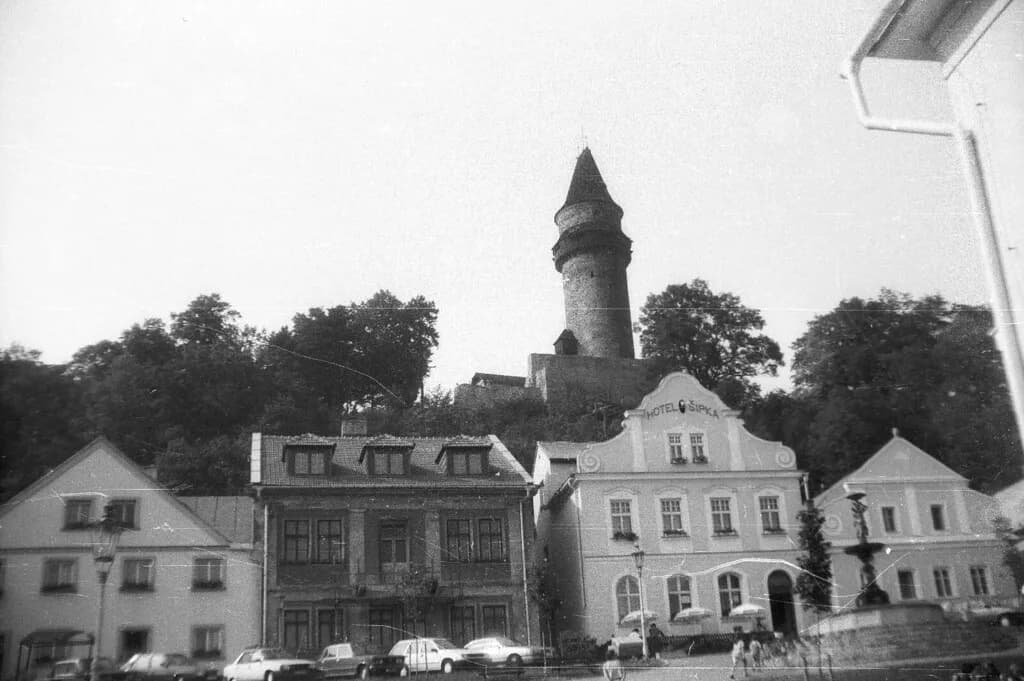
Štramberk is a short, concentrated stop built around one vertical sight: the Trúba tower on its hill, with the old town tumbling down the slope beneath it. It rewards two to three hours rather than a full day, and it slots neatly into a Moravian route between Olomouc and the Beskydy foothills near Kopřivnice. This guide covers the tower and what is inside it, the cave on Kotouč hill, the timber houses of the center, and how to pace the visit.
The single most important planning detail is the calendar, not the map. The tower keeps genuinely seasonal hours and shuts on Mondays for most of the year, so a Tuesday-to-Sunday window in spring, summer or early autumn is the practical choice. The tower and the cave on Kotouč hill run on separate calendars, so plan each rather than arriving late for both.
Where Štramberk sits in the Beskydy foothills
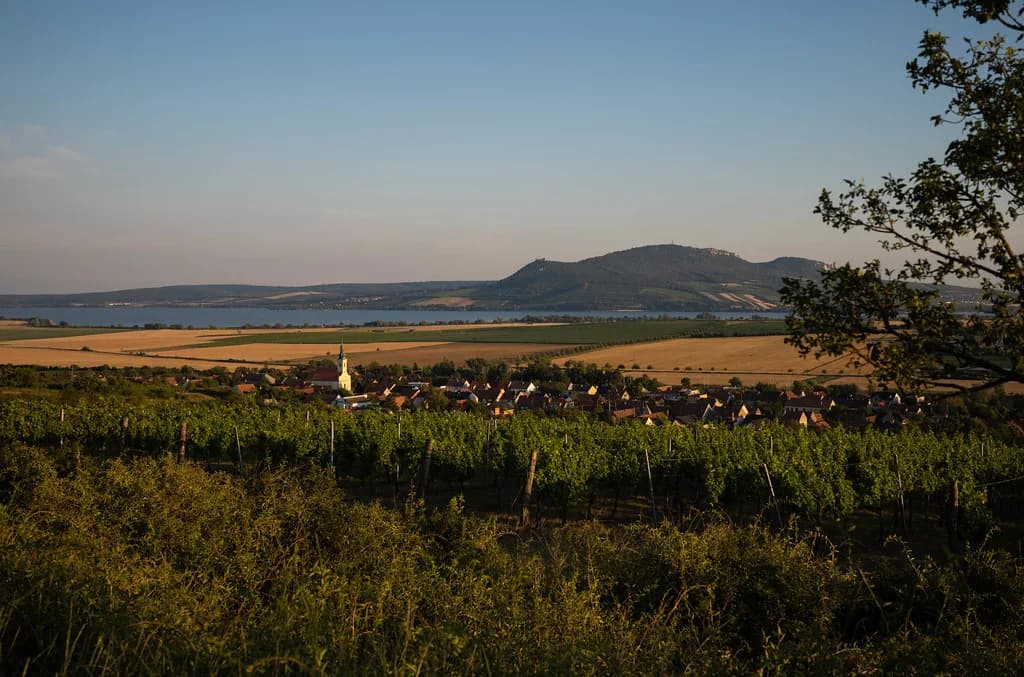
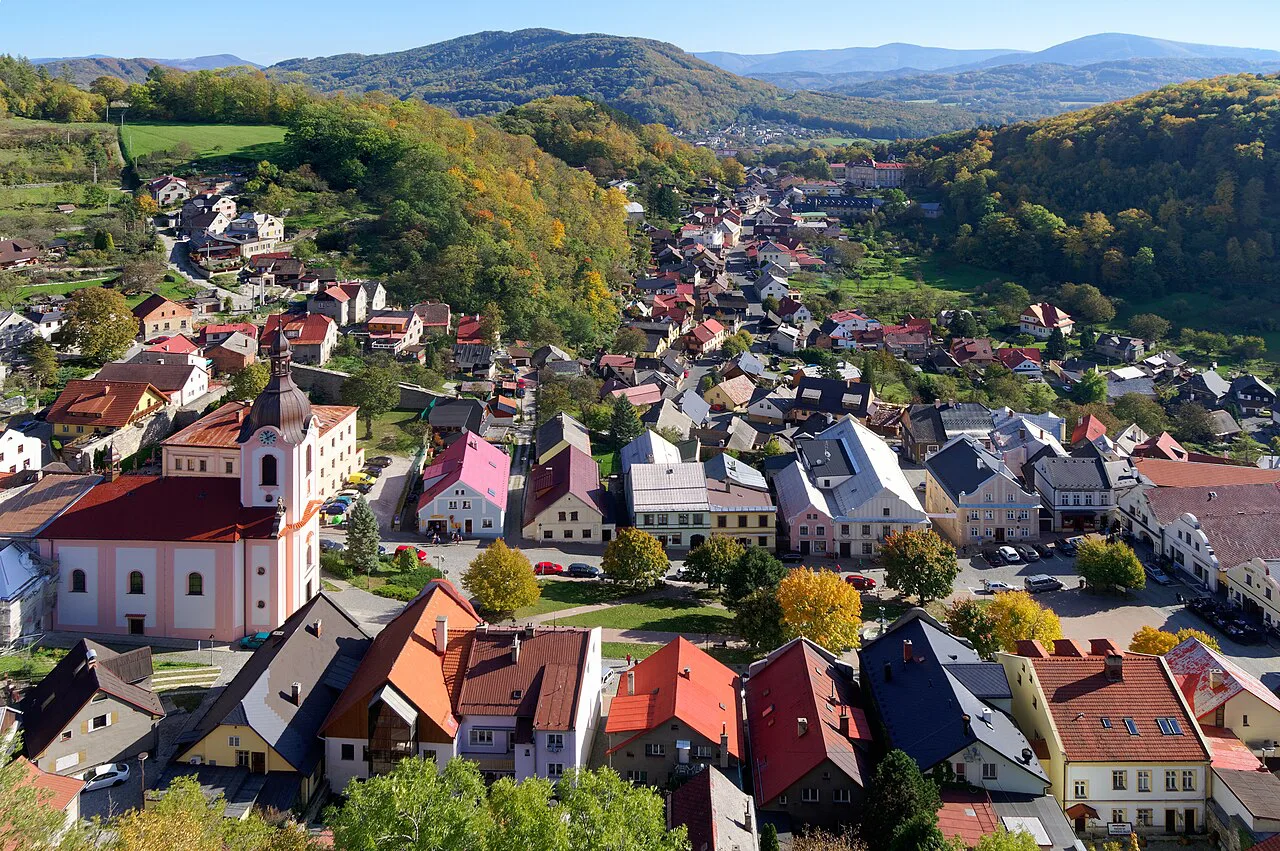
Štramberk lies in the Moravia-Silesia region at the edge of the Beskydy mountains, close to Kopřivnice and within reach of Frýdek-Místek and Nový Jičín. The town is compact: the historic core sits on and below a limestone hill, and the tower crowns it. That geography sets the shape of a visit, because almost everything worth seeing is on the same slope and reachable on foot in a short loop.
Because it is small, Štramberk works best as a half-day stop folded into a wider Moravian itinerary rather than a base for several nights. Travelers touring the folk-architecture towns of the eastern part of the country will find the scale familiar; if you like the idea of small heritage towns strung along a route, the Czech villages collection is a good place to plan the sequence.
The Trúba tower: the climb and the view
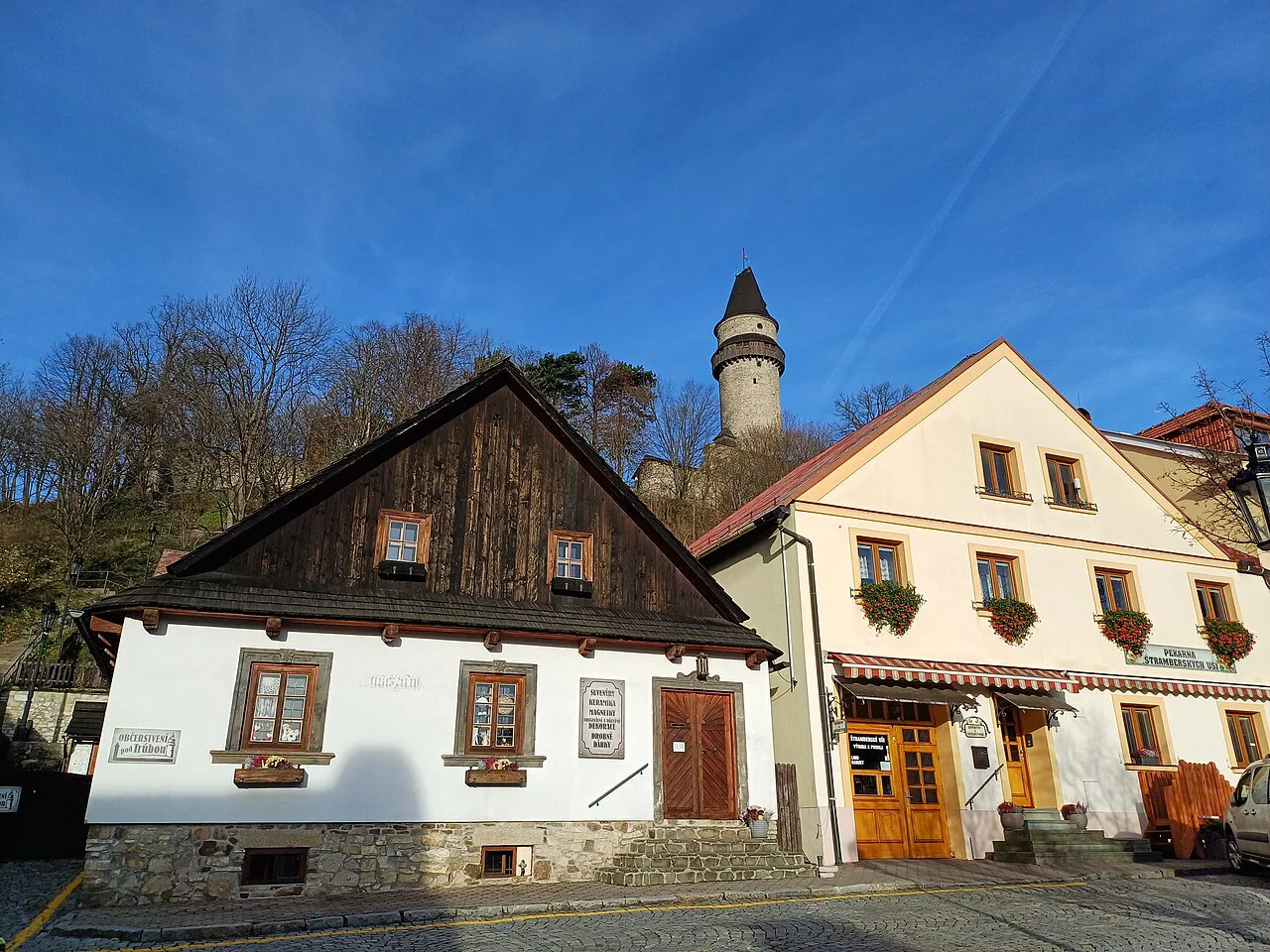
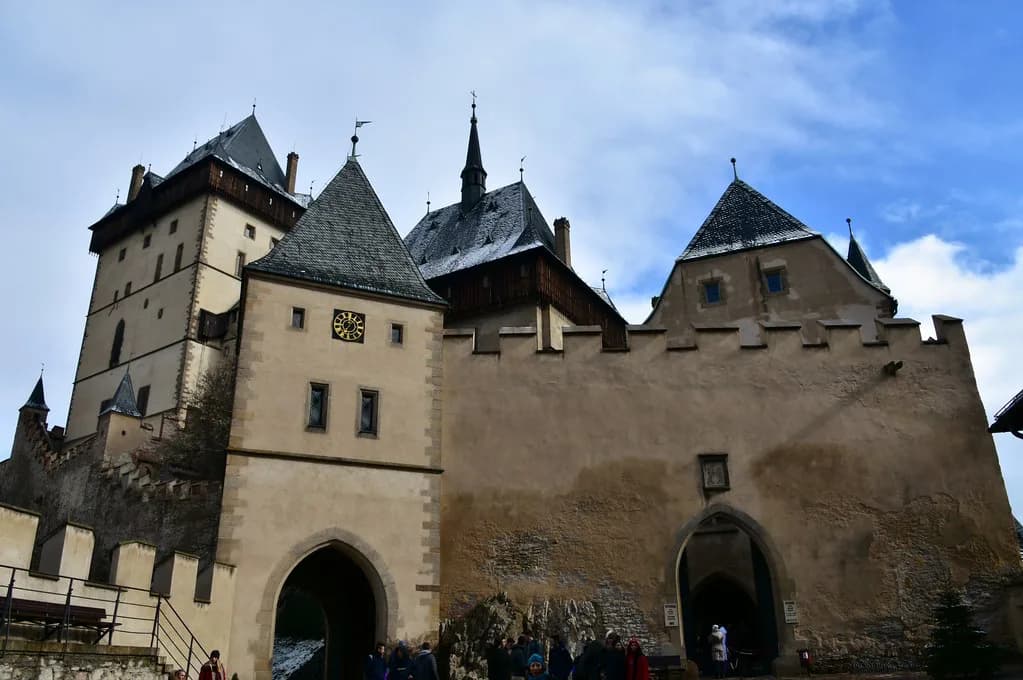
Štramberská Trúba is the tower on the site of the old castle, and climbing it is the reason most visitors come. From the top you look out over the town's roofs and across to the Moravian and Silesian lowlands and the surrounding hills. The tower is the surviving, dominant element of Hrad Štramberk, so treat the castle and the tower as one visit rather than two separate sights.
Inside the tower, an exhibition traces the town's memory, covering the castle, the tower's repair, the local tourist club and figures such as Dr. Adolf Hrstka. It is a useful indoor option when the weather turns on the exposed hilltop and gives context to the stonework you have just climbed.
Trúba opening seasons and hours by month
The tower's hours change month by month, and the pattern is worth memorizing before you set out. In April and October it opens Tuesday to Sunday from 9:00 to 12:00 and 12:30 to 17:00; in May, June and September the same Tuesday-to-Sunday days run 9:00 to 12:00 and 12:30 to 18:00; in July and August it opens daily, Monday included, 9:00 to 12:00 and 12:30 to 18:00. March and November are weekends only, 9:00 to 12:00 and 12:30 to 16:00, and January, February and December are closed.
The midday gap is the detail that catches people out: the tower shuts for half an hour around noon in every open month, so a late-morning arrival can find the door locked. Outside July and August, the listed opening days make Monday a closed day. Work the visit into a Tuesday-to-Sunday slot and plan to be at the tower either before noon or after 12:30 rather than at the boundary.
Practical tower notes: last entry and groups
The last visitor is admitted 30 minutes before closing, so the effective end of the day is earlier than the headline time suggests. Organized groups, such as school trips and coach tours, must announce their visit at least 14 days in advance. Out-of-hours access can be arranged in advance by phone on the number published on the tower's site, which is worth knowing if you are bringing a group on a tight schedule.
Weddings on the upper courtyard close the tower for about 90 minutes while the ceremony runs, which can interrupt an otherwise open afternoon. If the tower is the centerpiece of your stop, aim to arrive with time in hand rather than at the very end of the window. Travelers who prefer their heritage sights in a tidy order should build the tower in first and let everything else fill the remainder of the visit.
Jeskyně Šipka: the cave on Kotouč hill
Jeskyně Šipka is the cave on Kotouč hill, the wooded rise near the tower, and it belongs to the same chapter of the town's story. The hill, its cave, the tower and the Chata Dr. Hrstky all appear in the town's heritage narrative, so pairing them makes sense on a single walk. Budget the cave as a separate stop rather than an add-on squeezed in at the tower gate.
The cave is a natural complement to the built sight: after the climb and the exhibition, the walk over to Kotouč gives the visit some air and a change of scene. Check the cave's own opening arrangements before you rely on it, since a hillside cave and a stone tower rarely share the same calendar.
The town center: timber houses on the slope
Below the castle, the historic core climbs the slope in a tight knot of small-scale streets, the kind of compact Moravian townscape that rewards slow walking rather than a checklist. The town's information center and the Muzeum Zdeňka Buriana are listed among the town's sites, giving the center a second reason to linger beyond the architecture. Treat the lower town as a loop on the way up and down from the tower.
This is also where Štramberk connects to the broader story of Moravian small-town heritage. Towns of this size across the region keep their own character, and the Czech villages collection shows how compact Moravian stops compare with better-known places elsewhere.
How long Štramberk needs
Plan two to three hours for the tower, the exhibition and a walk through the lower town, and add time for the cave on Kotouč if you want to see it. The tower climb and the cave are the two elements that set the pace; the center itself is small enough to cover in a short stroll. Arriving before the midday gap gives you a clean run at the tower and leaves the afternoon free.
The honest trade-off is that Štramberk is a short stop, not a destination that fills a day on its own. Travelers who want a fuller day should combine it with the Beskydy foothills around Kopřivnice or with a larger Moravian town on the same route. Build the visit around the tower's opening window rather than around a fixed lunch time.
Getting there and fitting Štramberk into a Moravian route
Štramberk sits near Kopřivnice and Frýdek-Místek in the Moravia-Silesia region, which places it on the eastern side of the country rather than between Prague and Vienna in a straight line. Coming from Prague, the practical approach is a train or bus to the Kopřivnice and Nový Jičín area and then a short local connection; coming from Vienna, the route runs north through Moravia. Confirm current train and bus times with the national carriers before you commit to a connection, since the town itself is small and the last leg matters.
The stop fits naturally between Olomouc and the Beskydy, or between Brno and the eastern mountains, as a few hours of tower, timber houses and cave. Travelers who want to extend the heritage theme in the same region can look at Rožnov pod Radhoštěm, the open-air museum town in the Beskydy that pairs well with a Štramberk stop.
Štramberk against larger Moravian stops
Olomouc and Brno are the big Moravian draws, and Štramberk is not in their league for scale or for a full day of sights. Its advantage is concentration: one hill, one tower, one cave and a slope of timber houses within a few minutes of each other. That makes it a good punctuation mark on a driving or rail route rather than a rival to the cities.
If you are building a route around small heritage towns, Štramberk belongs with places chosen for a single strong feature. Holasovice, with its farmsteads ringing a village green, plays a similar role in a different part of the country and rewards the same short, focused visit.
Build the Štramberk stop around the tower's calendar
Decide the day by the tower, not the other way around: pick a Tuesday-to-Sunday slot in spring, summer or early autumn, arrive before the midday gap and leave room for the cave on Kotouč afterward. Outside July and August, Monday is the day to avoid. Two to three hours covers the climb, the exhibition and the walk through the timber houses below.
Then place Štramberk on the map as a few-hour stop in the Beskydy foothills near Kopřivnice, between Olomouc and the eastern mountains or on the way north from Brno. Confirm the tower's hours and the cave's arrangements for your dates before you travel, since both run on their own seasonal calendars.
Explore more Czech Republic guides
Frequently Asked Questions
What is Štramberk known for?
Štramberk is known for the hilltop Trúba tower on the site of Hrad Štramberk, the small historic core climbing the slope below it, and the cave Jeskyně Šipka on nearby Kotouč hill. The tower is the main sight and keeps seasonal hours, closing on Mondays outside July and August.
Can I visit the Trúba tower on a Monday?
Only in July and August, when the tower opens daily from 9:00 to 12:00 and 12:30 to 18:00. In April, May, June, September and October it opens Tuesday to Sunday, and in March and November it opens weekends only. January, February and December are closed. The last visitor is admitted 30 minutes before closing.
Is the tower open in winter?
March and November are weekend-only months, with hours of 9:00 to 12:00 and 12:30 to 16:00. December, January and February are closed. If a winter visit is the only option, plan around a November weekend and treat the tower as weather-dependent, since the hilltop is exposed.
Sources
Notes for your Czech trip
Optional updates to our Czech town guides.
You might also like
Continue reading
More guides you'll find useful