Bečov nad Teplou: Castle, Chateau and St Maurus Reliquary
Bečov nad Teplou centers on its castle and chateau, home to the Reliquary of St Maurus. Here is what each building holds and how to plan around tours.
On this page
Bečov nad Teplou earns its stop for one reason: the Reliquary of St Maurus, a permanent exhibit inside the castle and chateau complex, is described by the site itself as one of the most valuable goldsmith works in the Czech Republic alongside the crown jewels. The town sits about 16 km south of Karlovy Vary in the Slavkov Forest, which makes it a natural half-day detour on a west Bohemian spa-country route. This guide covers what stands on the grounds, which parts you can enter, how tours and tickets work, and how to fit Bečov into a driving day.
What Bečov nad Teplou is and where it sits
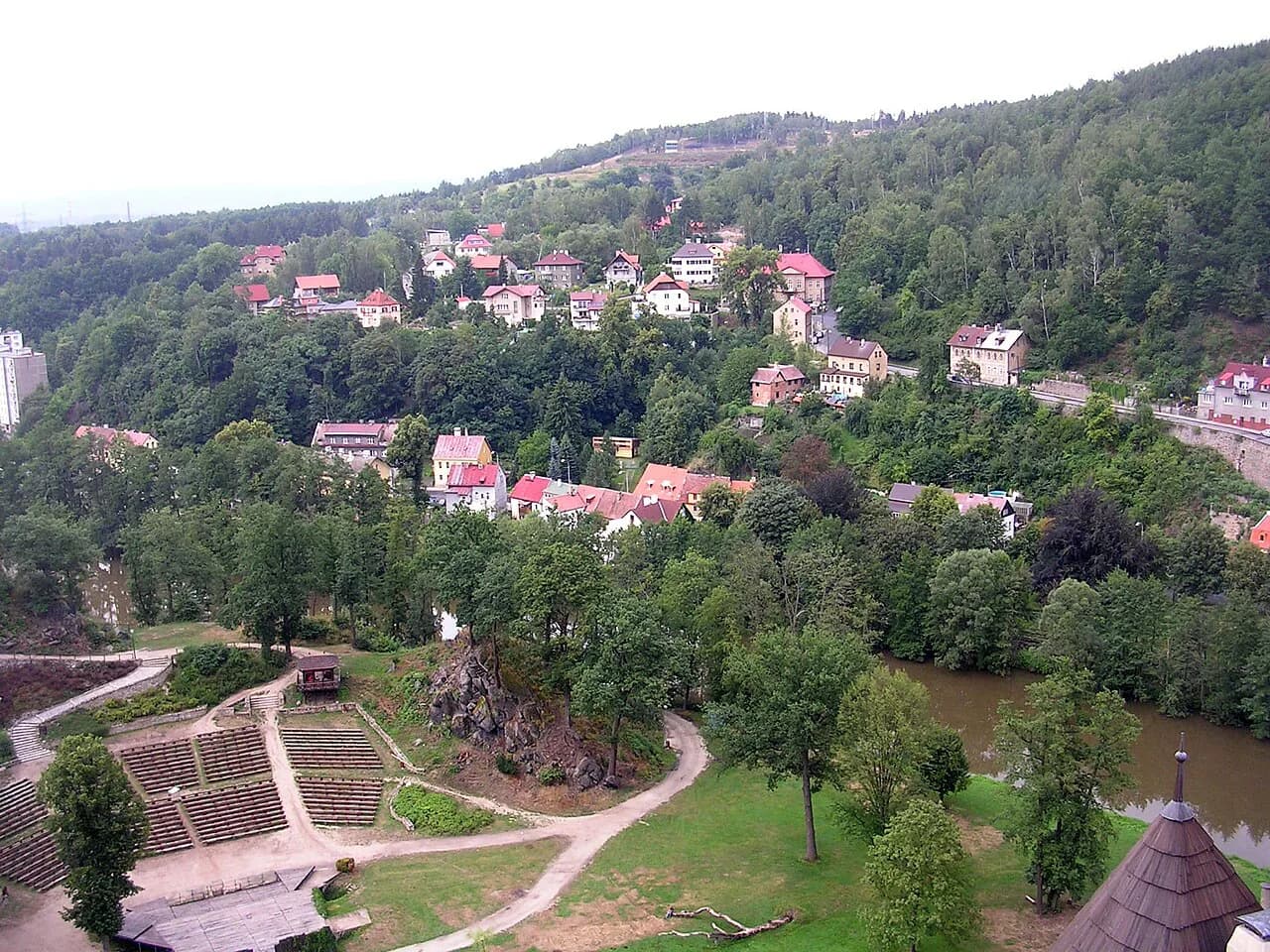
Bečov nad Teplou is a small town in the Karlovy Vary region, set in the Slavkov Forest with the hill Besídka rising to 713 m as its high point. It lies roughly 16 km south of Karlovy Vary, close enough to work as a half-day outing from the spa towns but far enough that it keeps a quiet, forested feel. The settlement grew around the castle and chateau, and that complex — not the townscape — is what draws visitors.
Think of Bečov honestly as a two-to-three-hour stop rather than a destination in itself, and the day works: you come for the reliquary and the interiors, then move on. Travelers touring the Czech spa towns often pair it with a spa-town morning or a string of small heritage sites on the same road.
Three buildings, one set of grounds
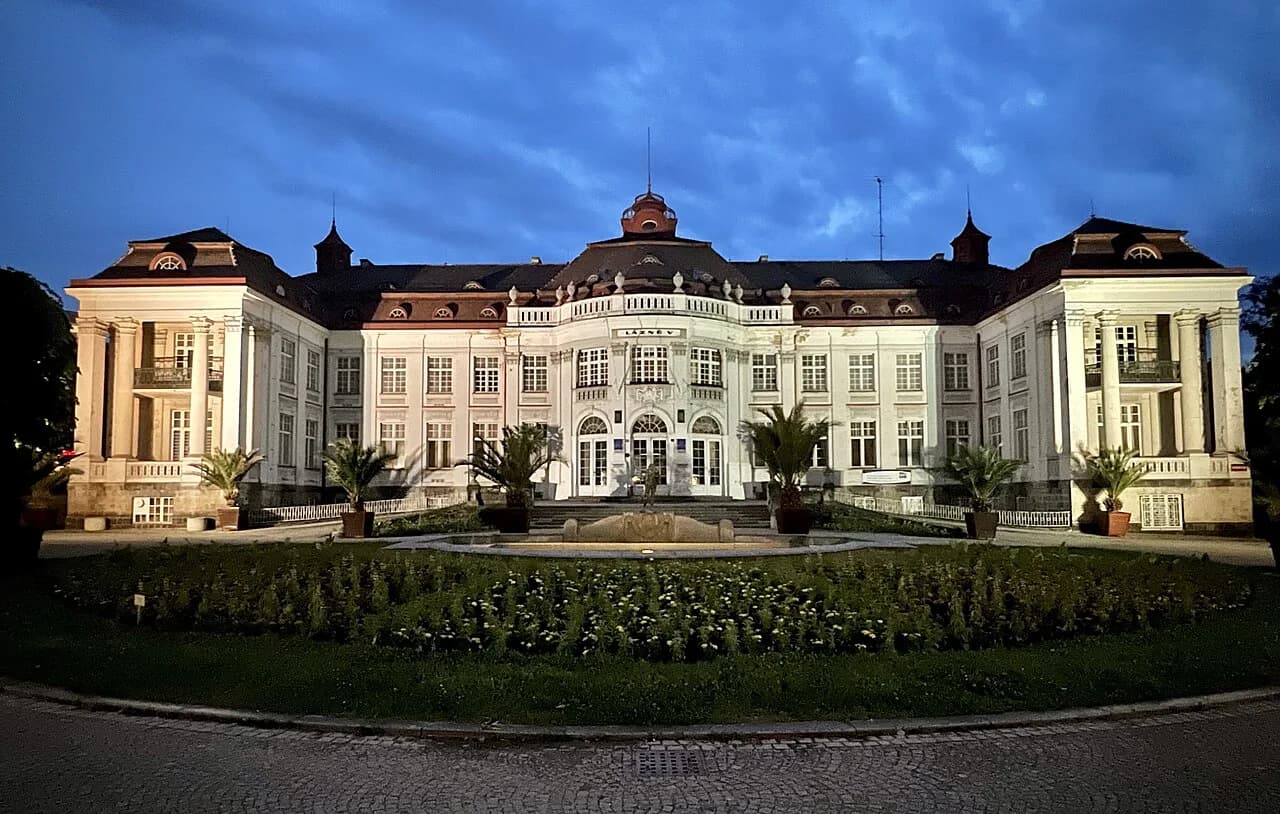
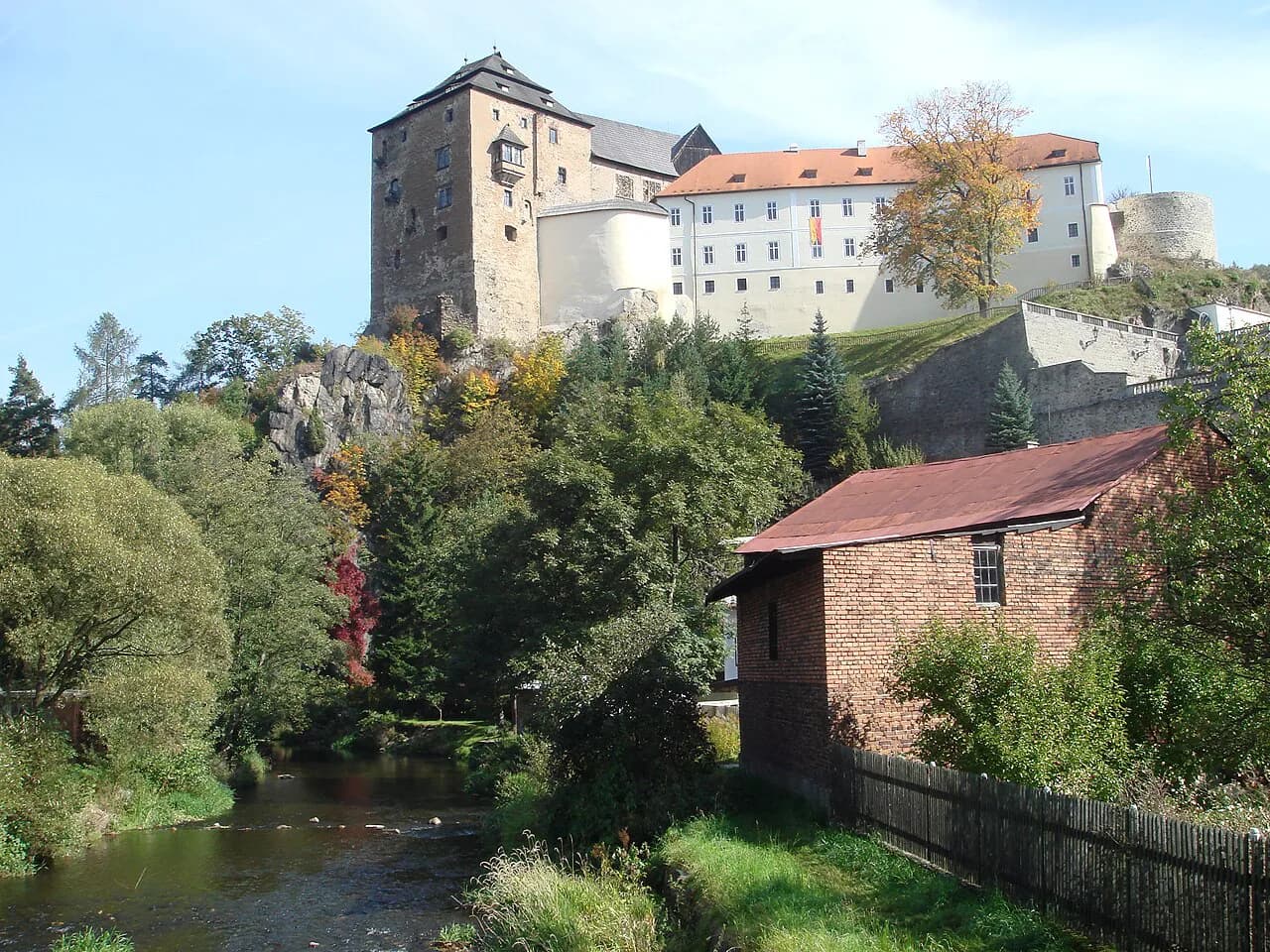
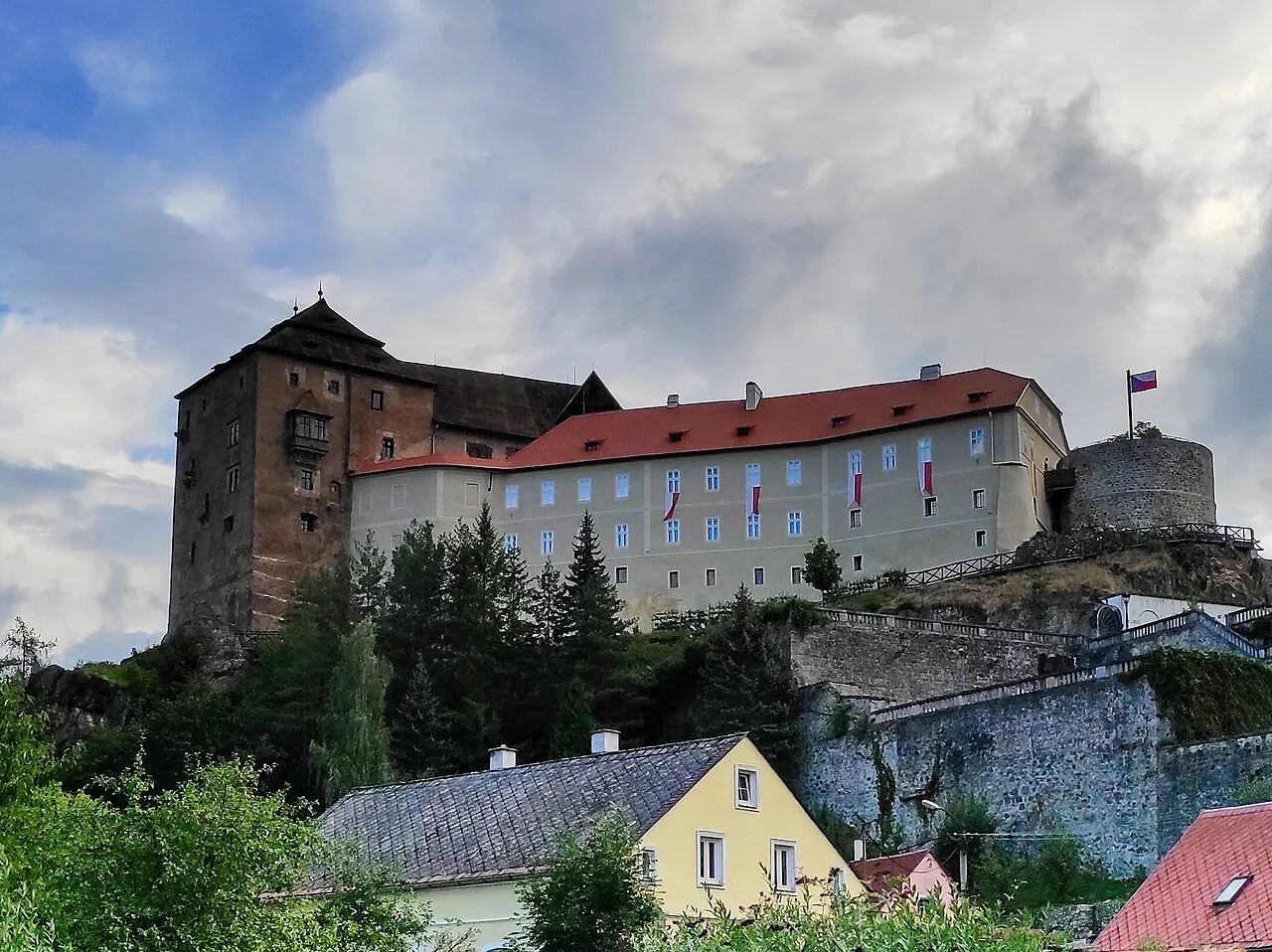
The grounds at Bečov bring together three distinct structures, and knowing which is which helps you read what you are looking at. The medieval castle is the oldest element, the Renaissance palace represents the site's later rebuilding, and the Baroque chateau completes the group as the most recent layer of the residence.
Because they stand together on one property, you do not travel between separate sites; you move through a single historic ensemble with a continuous story. That compactness is what makes Bečov efficient to visit, but it also means the visit is mostly about interiors, guided tours and exhibits rather than a sprawling park or a long walk.
The Reliquary of St Maurus and the Treasures of Bečov exhibit
The permanent draw is the reliquary of St Maurus, displayed as a permanent exhibit and described by the site as one of the most valuable goldsmith monuments in the Czech Republic, ranking with the crown jewels. Treat it as the reason to come, not a footnote on a castle tour.
The Treasures of Bečov display includes the reliquary but does not stop there. The site also documents the Tiara of Eleonora Beaufort-Spontin, tied to the family whose name recur at Bečov. When you plan, budget your attention for the treasury rather than treating it as a quick pass-through on the way to the state rooms.
Which buildings you can enter now
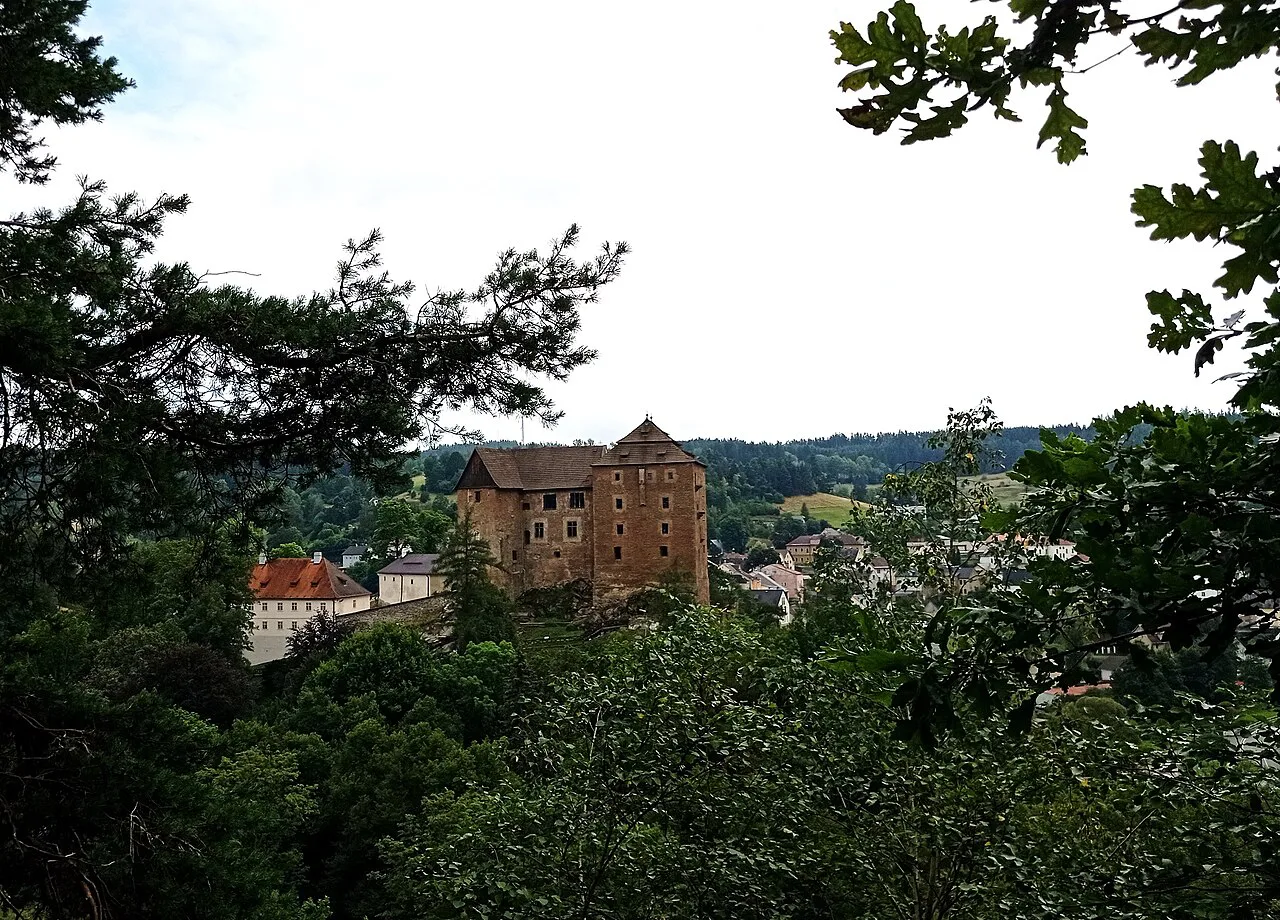
One practical point shapes any visit: the medieval castle is under reconstruction and is not open to the public. That is the official status, and no completion date is published, so do not build a trip around entering it.
What stays available are the chateau interiors, the Treasures of Bečov exhibit with the reliquary, and the grounds, including the visitor facilities the site lists. Because the castle closure removes part of the historic ensemble, the visit is more focused on the chateau and treasury than a full castle tour.
Tours and admission: how booking works
Bečov is run by the National Heritage Institute (NPÚ), the state body that manages most Czech castles and chateaux, and its tours follow the usual pattern: you join a guided circuit rather than wandering the state rooms freely. The site has dedicated pages for tours, opening hours, admission, discounts and online tickets, and that is where current specifics live.
Before you go, check two things on those pages: which circuits are running on your date and whether the tour you want is offered in English or only in Czech. Tour languages and daily tour times vary, and the site's own ticketing pages are the place to confirm both.
Plan around a guided format: you will move as a group, on a set start time, with a fixed duration. That suits travelers who like context but frustrates those who prefer to linger, so build slack into your day rather than scheduling the next stop tight against a tour.
Getting there from Karlovy Vary and the spa-country route
Bečov sits about 16 km south of Karlovy Vary, and the most straightforward approach on public transport is to use Karlovy Vary as your base and connect from there by bus or train, confirming times on the national timetable before you set out. By car the drive is short, which makes Bečov easy to combine with other stops in a single day.
If you are building a spa-town itinerary, Karlovy Vary and Mariánské Lázně (Marienbad) make natural anchors, and Bečov slots in as a heritage half-day between spa mornings. For a broader map of the region's bathing towns, the Czech spa towns overview covers the main stops and how they fit together.
Bečov also pairs with other same-road heritage sites, and the town's own site lists a set of nearby recommended trips — a keep-fit cycling route through the monuments of Krásno, a walking route through the center of Bečov, and the Homolka volcano — if you want more than the castle.
How much time to allow and how the grounds fit your day
Allow roughly two to three hours on site: time to join a chateau tour, work through the Treasures of Bečov exhibit and take in the grounds. Because the medieval castle is closed for reconstruction, you will not need a full day at Bečov, and the schedule depends on when your tour starts.
The site provides a grounds map and visitor information, along with practical notes on parking, accessibility, pets and refreshments, so you can plan arrival and breaks around the tour you book. Read those pages before you leave your base rather than arriving and hoping for a fitting slot.
Other heritage sites nearby on a driving day
Bečov's own site points visitors toward a cluster of nearby NPÚ properties: Kynžvart, Plasy, Valeč, Krásný Dvůr, Stekník and Duchcov. Any of these can extend a driving day, though each has its own tours and season, so check each site individually rather than assuming they run on the same calendar.
Around Karlovy Vary, Loket makes a complementary stop: a castle town above the Ohře river, which gives you a second castle on the same trip. Cheb sits farther west and adds a different border-town history if you are heading that way. For the spa side of the region, see the Czech Spa Towns guide.
If you want a contrasting spa town rather than a castle, Mariánské Lázně (Marienbad) offers a colonnade-and-springs day that pairs naturally with a Karlovy Vary base. Save Bečov for the half-day when you want the reliquary and chateau interiors rather than another promenade.
Is Bečov worth the detour from Karlovy Vary?
Yes, if you want one concentrated heritage stop with a genuinely rare object: the Reliquary of St Maurus, in a chateau you see on a tour. Go knowing the medieval castle is closed for reconstruction, and the visit becomes a focused chateau-and-treasury outing rather than a full castle day.
Book around a tour time, arrive by car or from Karlovy Vary, and allow a couple of hours on site before moving on to Kynžvart, Loket or back to the spa towns. The site's own tours, opening hours and ticket pages are where you confirm current details for your date.
Explore more Mariánské Lázně guides
Frequently Asked Questions
How do you pronounce Bečov nad Teplou?
The č in Bečov is a soft 'ch' as in 'church', so the name begins roughly 'BEH-choff'. Nad Teplou means 'on the Teplá', the river the town sits on. Czech diacritics mark the sounds; readers who treat č as 'k' will be understood but will not sound close to local pronunciation.
What does Bečov nad Teplou mean?
Bečov is the town name, and nad Teplou places it on the Teplá river — literally 'Bečov on the Teplá'. It is a geographic label naming the river rather than a translation of a personal name.
Is the castle open in winter?
The medieval castle is under reconstruction and is not open to the public at all, in any season. The chateau and the Treasures of Bečov exhibit run on guided tours; their seasonal calendar and daily tour times are published on the site's tours and opening hours pages, which is where to confirm your date.
Sources
Notes for your Czech trip
Optional updates to our Czech town guides.
You might also like
Continue reading
More guides you'll find useful