Františkovy Lázně Guide: Spa Town Layout, Springs and Sights
Františkovy Lázně is a small UNESCO spa town on a grid plan, with springs in neo-Classical pavilions and a park belt around the center. Here is how to see it.
On this page
Františkovy Lázně (Franzensbad) rewards two to three hours on foot: a compact grid of neo-Classical spa houses and villas, wrapped in parkland and dotted with mineral springs in their own pavilions. It is the smallest and quietest leg of the west Bohemian spa triangle, and the one where the town plan itself is the sight. This guide covers what the town is, how the grid and park belt work, what architecture to look for, a loop through the center, how long to allow, and how it slots into a Czech route.
What Františkovy Lázně is
Františkovy Lázně is a spa town founded in 1793 and named for the future Austrian Emperor Franz I. The number of mineral springs rising here drove the decision to establish the town, and those springs still structure how it looks today.
It belongs to the multinational UNESCO listing of the Great Spa Towns of Europe, the same entry that covers Karlovy Vary and Mariánské Lázně. For the wider picture, see our guide to the Czech Spa Towns.
Despite its modest size, the quality of its architectural landscape keeps it among the most important spa towns in Europe. Expect a place built for strolling rather than for monuments, and plan your time around the parks and pavilions rather than a checklist of interiors.
How the town is laid out: the grid and the park belt
The defining feature of Františkovy Lázně is its plan: streets laid out in a regular grid, unusual for a town founded when neo-Classical styles were in fashion. Learn the grid and you will rarely be lost, because blocks are short and the parks give you a reliable edge to navigate by.
Extensive parkland surrounds the spa core, and the individual springs sit in neo-Classical pavilions within that green ring. Treat the parks as the spine of a visit: walk the belt, step into each pavilion you pass, then cross into the streets beyond. If you are comparing the three spa towns, our guide to Czech Spa Towns sets out how they relate.
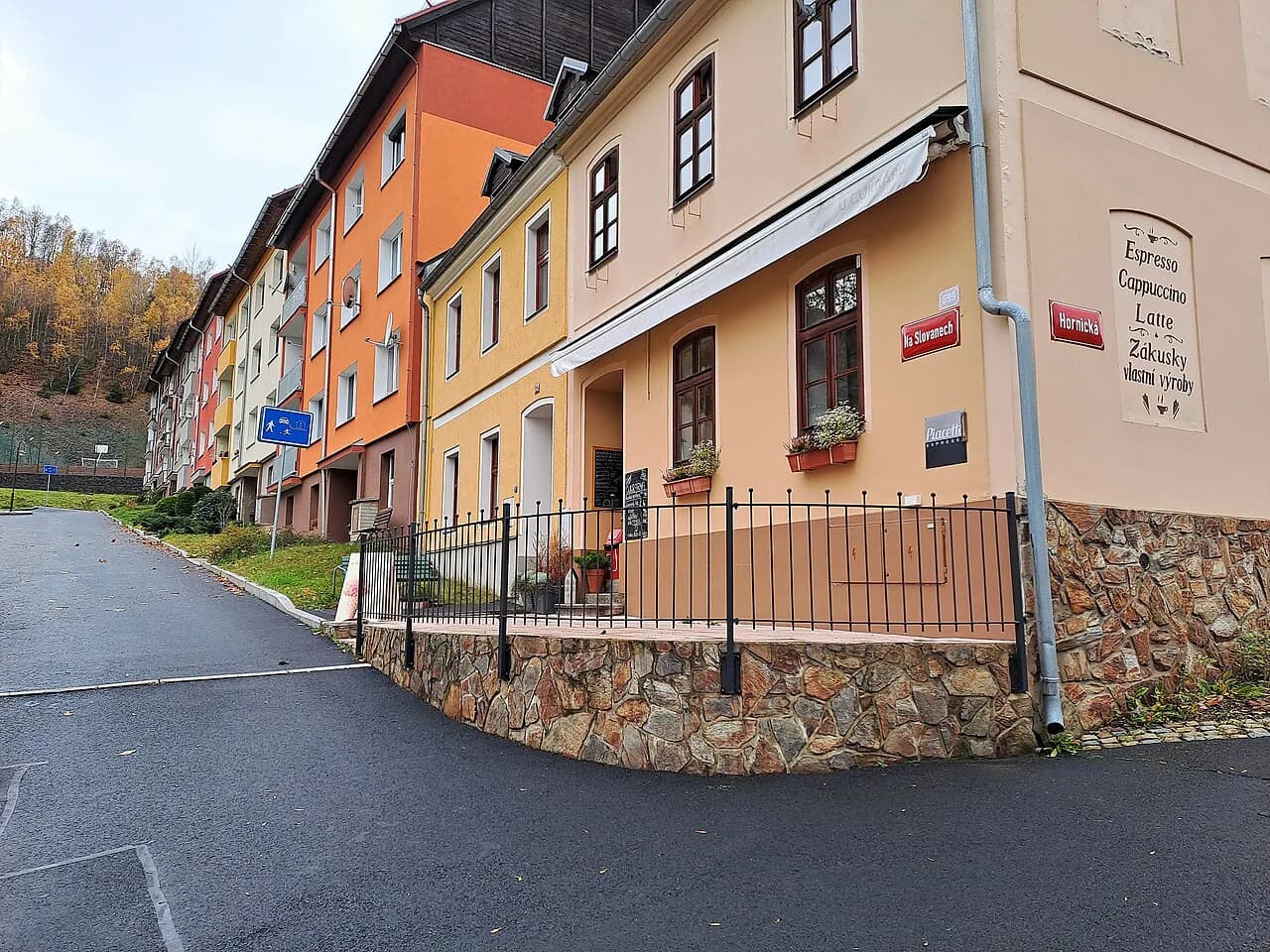
Beyond the parks lies the newer town, packed with spa houses and villas rather than grand set pieces. That contrast is the practical key to the place: the park belt is where you linger, and the grid beyond it is where you look at buildings.
The architecture to look for: neo-Classical and Empire spa houses
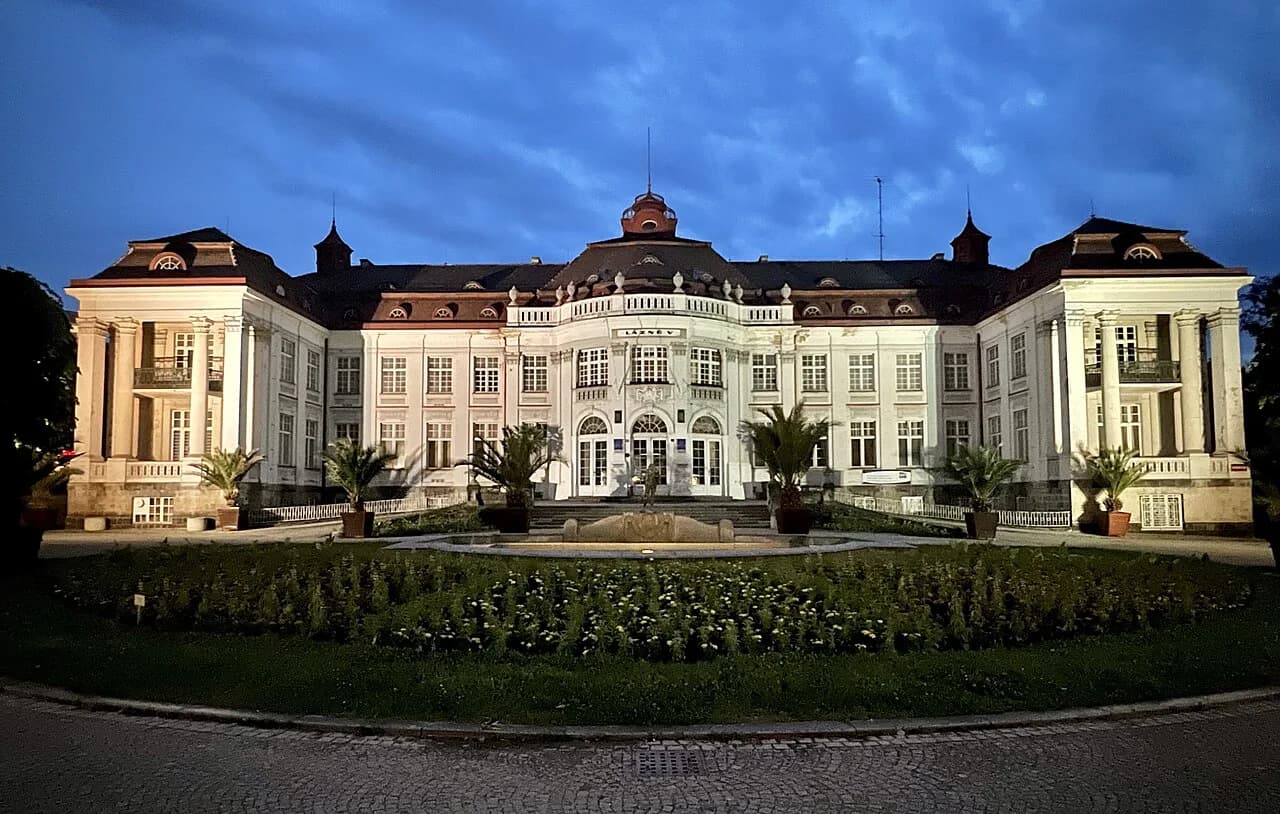
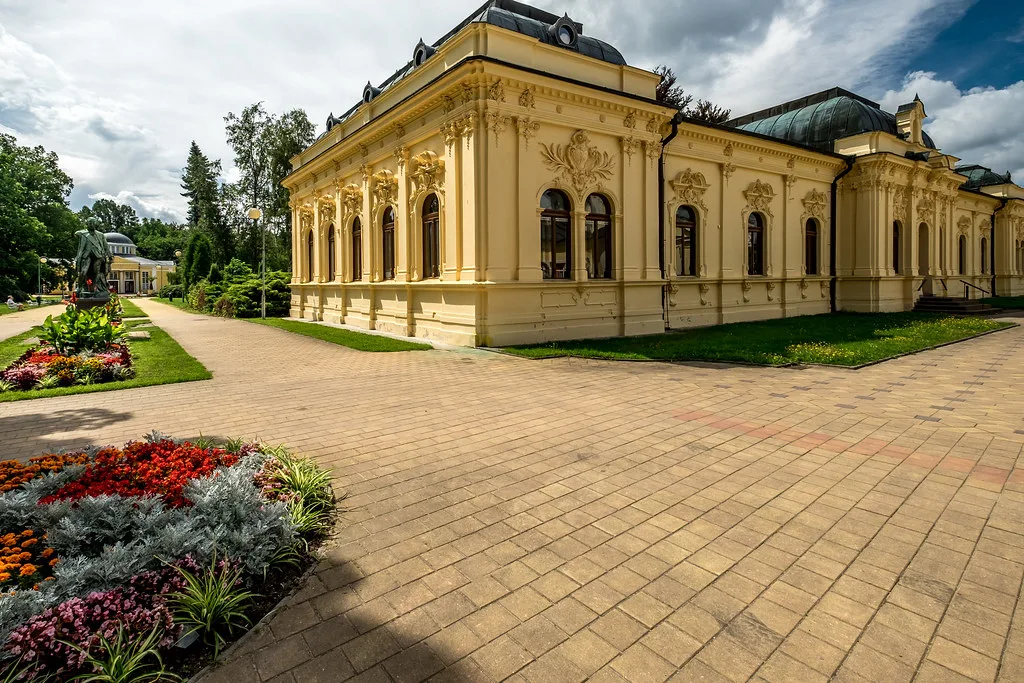
Even though the town was founded in the neo-Classical era, its buildings range across many later revival styles, so a single street can mix austere Empire fronts with looser nineteenth-century additions. Look at facades and entrance porticos rather than hunting for one star building.
The spa houses and villas beyond the parks carry the town's character, some built in the spirit of the Protestant faith. Read them as a street-by-street ensemble: walking two or three grid blocks in any direction from the parks gives you more than chasing individual addresses would.
The springs and pavilions on the ground
A colonnade-and-pavilion spa town works like this: each spring gets a small architectural frame, and you move between them outdoors along the park paths. In Františkovy Lázně the springs are housed in neo-Classical pavilions, which keeps a visit mostly roofless and weather-dependent.
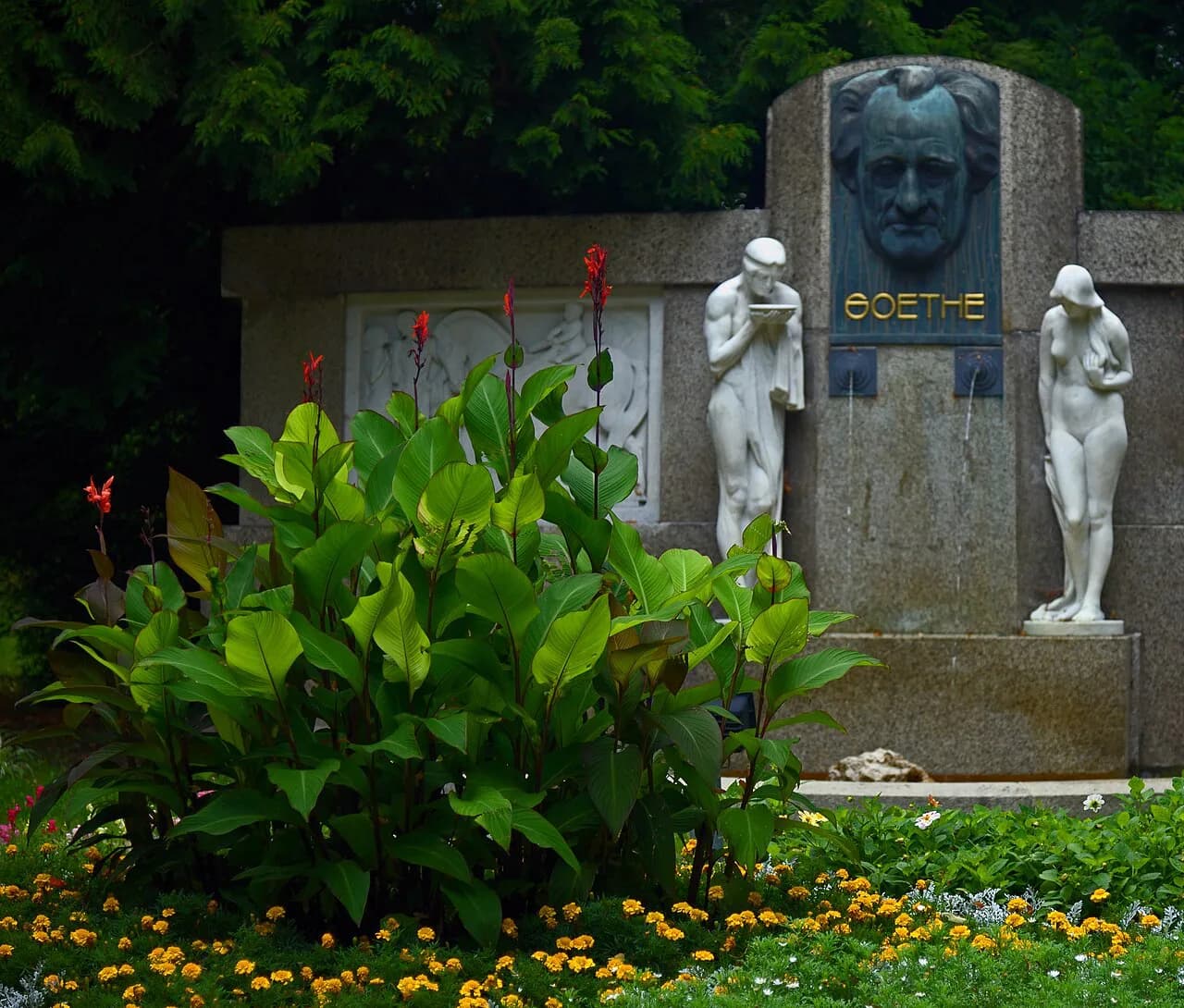
There are several named springs, and the individual pavilions are the stops on any short walk through the center. Whether you can taste the water freely at each one, and which pavilions are open in a given season, is best confirmed locally with the town's own information service rather than assumed in advance.
Bring a small cup if you plan to drink; that is standard spa-town practice and saves buying one on site. The springs themselves are the reason the town exists, so give the pavilions more time than the shopfronts around them.
Walking the center: a short loop
Start at the park belt and walk it in one direction until you have passed a run of spring pavilions, stepping into each. Then turn into the grid and cross a few blocks of spa houses and villas, keeping the green edge in view as your compass. This loop covers the town's two halves in about an hour to ninety minutes at an unhurried pace.
Because the grid is regular, you can shorten or extend the loop by whole blocks without losing your bearings. Save the architecture for the middle of the walk and end back among the trees, where the pavilions give you a natural finish.
Nearby, Mariánské Lázně (Marienbad) offers a fuller spa-town day with its own colonnade and singing fountain. Its tourist information center, Dům Chopin at Hlavní 47, can help with Mariánské Lázně arrangements, but for which Františkovy Lázně pavilions and interiors are open on your date, ask at Františkovy Lázně's own information point when you arrive.
Where it sits in the spa triangle
Františkovy Lázně, Karlovy Vary (Carlsbad) and Mariánské Lázně form the west Bohemian spa triangle, and all three belong to the same UNESCO listing. Františkovy Lázně is the smallest and least built-up, which makes it the easiest to see in a half day. For the broader spa context, see our guide to the Czech Spa Towns and our Mariánské Lázně (Marienbad) guide.
If you are based in Karlovy Vary for spa treatments, Františkovy Lázně works as a short contrasting excursion rather than a second spa stay. Travelers coming from Prague usually reach the region through Cheb, which sits close by and has its own castle and square worth an hour.
The quietness is the point here: fewer tour groups than Český Krumlov or Kutná Hora, and a town that reads as a place people still come to for the waters. If you want colonnades with more bustle and a bigger choice of cafés, Mariánské Lázně is the better base.
How long the town needs
Two to three hours covers the park belt, the spring pavilions, and a loop through the spa-house streets without rushing. Add time if you plan to sit in a park, and check locally for any organized guided walks rather than counting on one.
Pace it around the parks rather than the streets: mornings are quietest, and the open green ring means a hot afternoon is easier here than in a dense old town. The trade-off is that most of what you see is exterior, so rain sends you looking for covered colonnades instead of museums.
Getting there and fitting it into a route
Františkovy Lázně sits in the far west of the Czech Republic, close to the German border and to Cheb, which is the regional rail and road hub. From Prague, plan on reaching the region by train or car and treating Františkovy Lázně as a stop rather than a destination in itself.
Check current train and bus connections and journey times with the national timetables before you commit, and confirm how the town is served from Cheb or Karlovy Vary on your dates.
Two other stops fit the same trip: the castle above the Ohře river at Loket, and the spa town of Teplice further east. Loket castle gives you a medieval contrast to the spa architecture, while Teplice offers another spa-town center with its own spa houses and musical history.
Practical trade-offs
Almost everything that defines Františkovy Lázně, the parks, the pavilions, the facades, is outdoors. That makes it an excellent short stop on a dry day and a thin one in steady rain, when only the covered parts of the spa core give shelter.
A spa town's season matters: drinking cures and colonnade life peak in the warmer months, and some pavilions and interiors operate on seasonal schedules. Confirm the current opening pattern when you arrive, and treat any single building's hours as something to verify rather than assume.
Prices for any paid interiors or guided walks are quoted in Czech koruna on site; budget in CZK and pay in CZK.
Is Františkovy Lázně worth the stop?
Yes, if you want a calm, compact spa town you can read in an afternoon: the grid, the parks, and the pavilions deliver the essence of the west Bohemian spa triangle without the crowds. Skip it only if you need indoor sights or a full day of them, in which case give the time to Karlovy Vary or Mariánské Lázně instead.
Build the visit as a half-day loop from the parks through the spa-house streets, then move on to Cheb or Loket for a different kind of day. Sort out the regional train or bus times first, and confirm the pavilion openings when you arrive.
Explore more Mariánské Lázně guides
Frequently Asked Questions
Do you need a car to visit Františkovy Lázně?
No. The town is compact and everything described here is within walking distance of the park belt, so a car is only useful for combining it with nearby places such as Cheb or Loket in one day. Regional trains and buses serve the area; check current connections and times in the national timetables before you plan the day.
Is Františkovy Lázně the same as Franzensbad?
Yes. Franzensbad is the German name for Františkovy Lázně, and you will still see it on older maps and signage in this border region. The town was founded in 1793 and named for the future Austrian Emperor Franz I.
How does Františkovy Lázně compare with Mariánské Lázně for a spa visit?
Františkovy Lázně is smaller and quieter, with a regular street grid and springs in neo-Classical pavilions set in parkland. Mariánské Lázně is a larger spa town with a fuller colonnade scene and more choice of cafés, which suits a longer stay. Both belong to the same UNESCO listing of Great Spa Towns of Europe, so the choice comes down to pace rather than substance.
Sources
Notes for your Czech trip
Optional updates to our Czech town guides.
You might also like
Continue reading
More guides you'll find useful