Teplice, Czech Republic: Spa Town Guide
Teplice is a northwest Bohemian spa town built around thermal springs and a chateau park. Here is how the center works, which spa houses matter and how long to stay.
On this page
Teplice suits a half day to a full day, and it rewards travelers who treat it as a functioning spa town rather than a checklist of monuments. The center is compact: spa houses and the spa grounds sit within an easy walk of each other, so you can see the shape of the place without a car. This guide covers where Teplice sits on the Prague–Dresden axis, what the thermal springs are used for, which spa buildings to look for and how the town fits a longer Czech route.
Where Teplice sits and why travelers come
Teplice lies in northwest Bohemia, on the main corridor between Prague and Dresden, which makes it one of the easiest spa towns to add to a Czech trip without a detour. Travelers come for the thermal springs and the treatment tradition rather than for a picture-book medieval core, and the town is organized around the spa grounds and the chateau park. If you are comparing spa towns, it helps to see Teplice as one entry in a wider family of Czech Spa Towns rather than as a standalone curiosity, since the architecture and the ritual of the daily treatment round are what link them.
The town's spa identity is old and continuous, and the Lázně Teplice complex still runs treatment stays, relaxation packages and an outpatient treatment option alongside its pools. That mix matters for planning: you are visiting a place where people are genuinely taking a cure, so the rhythm of the day is morning procedures and afternoon rest, not sightseeing crowds. Budget your time around that rather than expecting evening entertainment in the spa buildings themselves.
The thermal water and what the baths treat
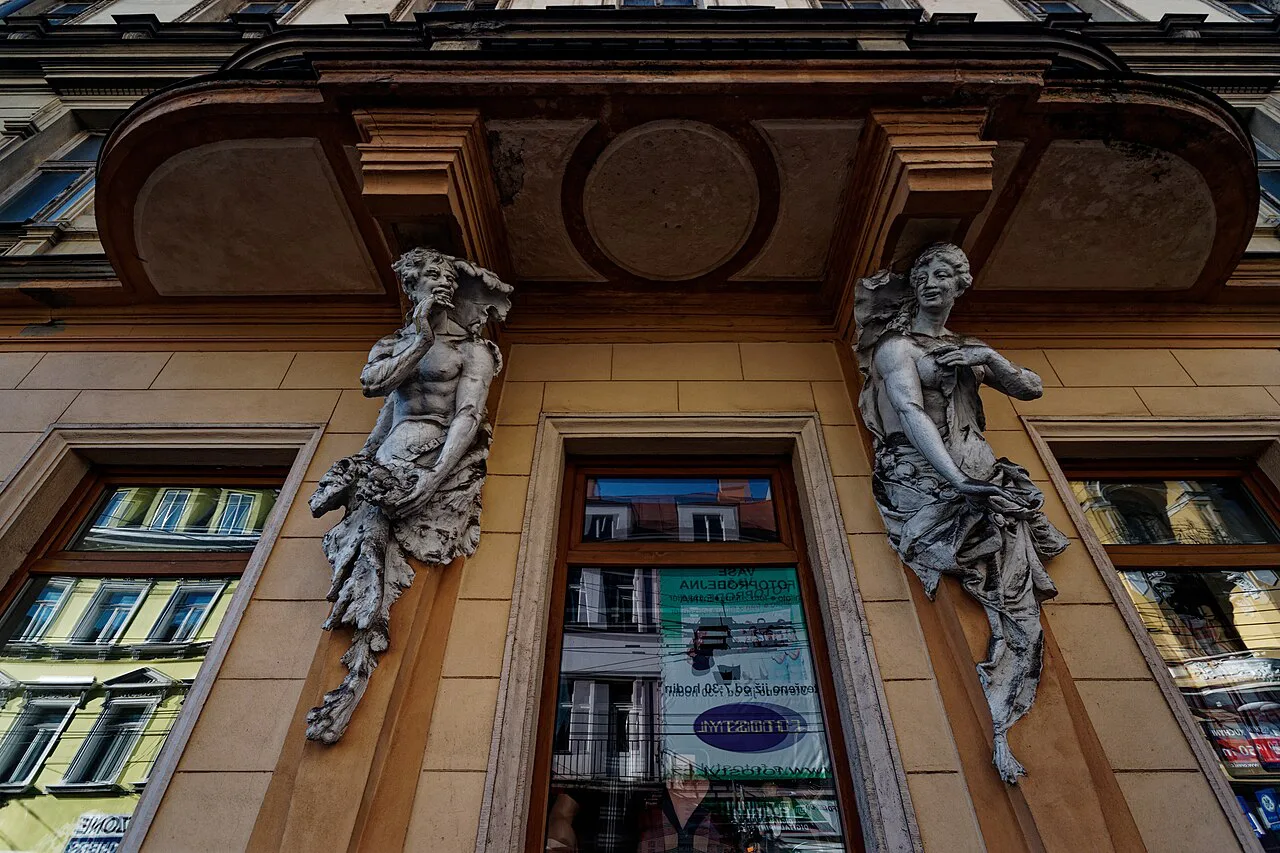
Lázně Teplice describes its focus as musculoskeletal care: back pain, joints and muscles, with the aim of keeping mobility going rather than only reacting to acute problems. Its water, drawn from the town's thermal springs, is presented as a mineral-rich source that supports joints, muscles and bones. Do not read that as a promise of a cure for any specific condition; it is the spa's own description of what its treatment program addresses.
A visitor can engage with this on three levels. Medical stays run through an indication list and, for Czech patients, insurance-covered programs; outpatient treatment exists for people who want procedures without a full stay; and relaxation packages sit alongside the treatment wing for travelers who mainly want the pools and massages. Decide which of those you actually want before you book, because they are sold as separate products with different lengths and contents. The spa's site lists the individual procedures, from traditional Thai massage to Ayurvedic treatments, so you can see what a stay would include.
Lázně Beethoven and the THERMALIUM pool
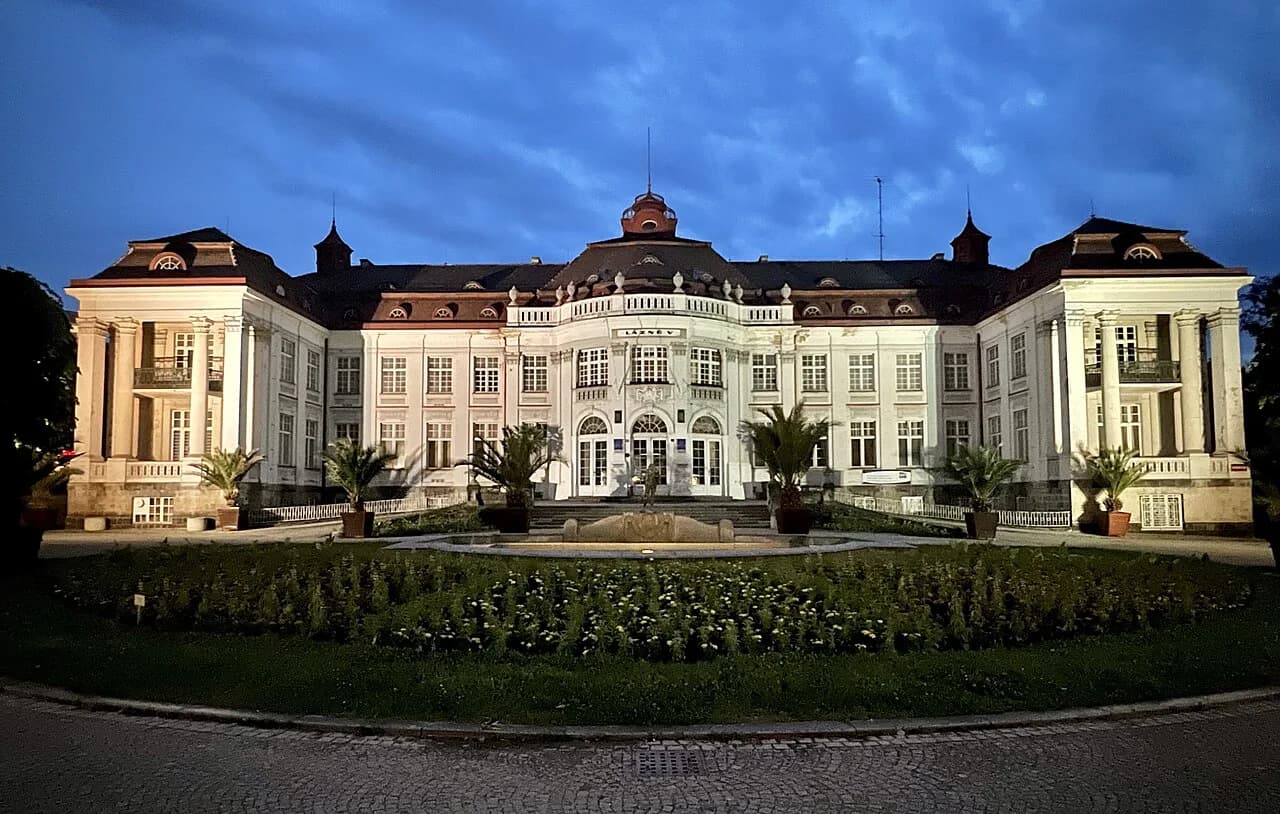
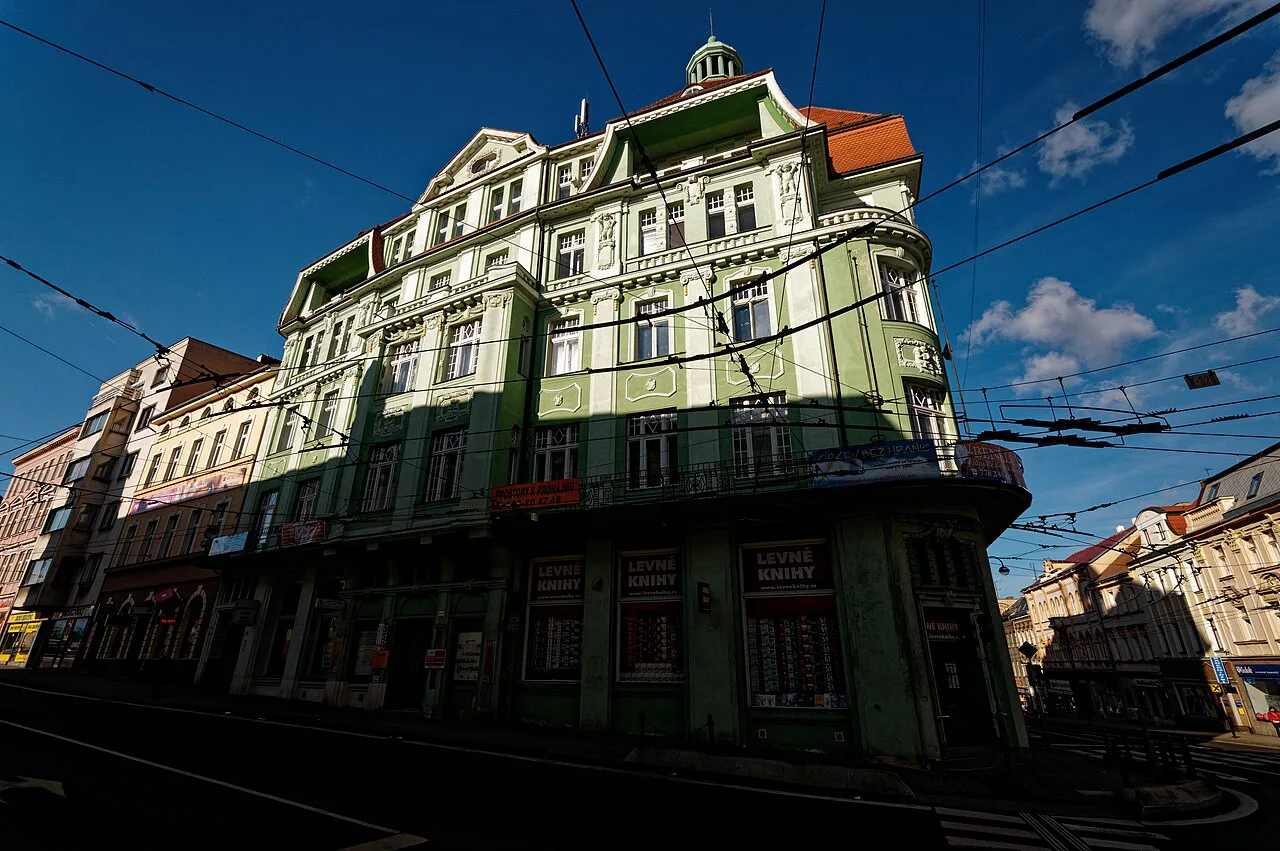
Lázně Beethoven is the flagship spa house, and the THERMALIUM pool sits inside it, filled with natural thermal mineral water. The pool is the centerpiece of the complex, and hotel guests can use it as part of a stay. That role is useful to know, because it means the thermal water is not confined to the medical wing.
The spa publishes opening hours and admission for THERMALIUM on its own page and sells tickets and gift vouchers through its e-shop, which is where you confirm the current pool schedule and entry price before you travel. If you want treatments rather than just a swim, the wellness and relaxation packages bundle the pool with massages and other procedures. Check which package includes pool access and which does not, since the naming is not always obvious from the package titles alone.
The Imperial Baths and the other spa houses
The spa district is a sequence of named buildings rather than one sight. Lázně Teplice lists Lázně Beethoven, Císařské lázně (the Imperial Baths), Kamenné lázně, Nové lázně, Lázeňský dům Jirásek, the Depandance and Sadové lázně, and walking between them is the most efficient way to read the town's spa architecture. The Imperial Baths in particular are connected to the wellness offering, with a wellness stay sold under the Císařské lázně name.
Treat this as an architectural walk rather than a series of interiors: the facades, the colonnade and the layout of the spa grounds tell the story, and you do not need a ticket for every building. Pick one or two interiors that match your interests — the THERMALIUM pool and one historic bath house — and spend the rest of your time outside. That approach keeps a short stop from turning into a queue of separate admissions.
Café Restaurant Beethoven and Sissi Café
Two named places inside the spa grounds give you somewhere to sit without leaving the complex: Café Restaurant Beethoven and Sissi Café. They are listed by the spa as part of its guest facilities, which makes them the practical stop for a coffee or a meal between the pool and the park.
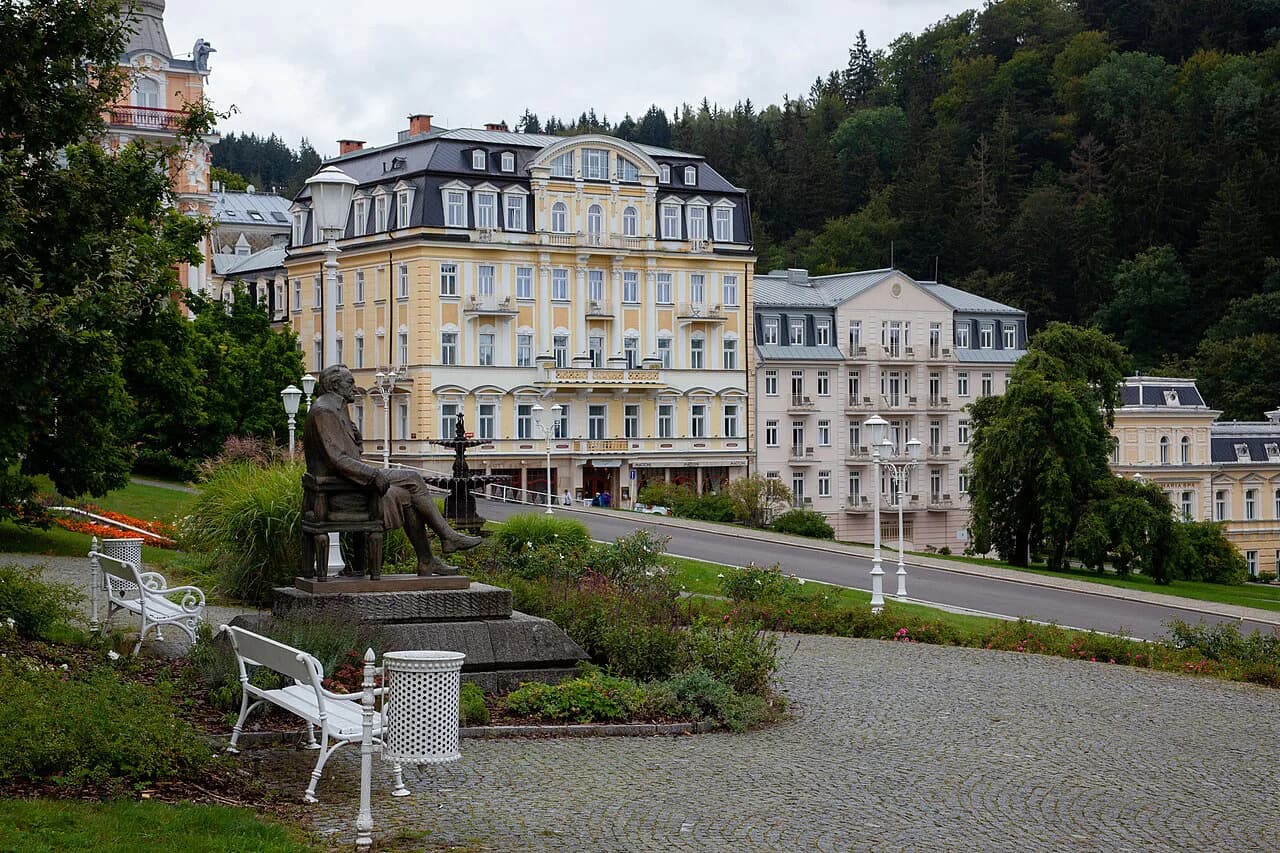
For a fuller sense of the spa town experience, compare the café-and-colonnade rhythm here with what you find in Mariánské Lázně (Marienbad), where the colonnade and the musical promenade define the day. Teplice is a smaller, more workaday version of that model, and the two make a sensible pair if you are touring the spa towns of western Bohemia.
The Beethoven and Judith connections the spa tells
Lázně Teplice builds part of its identity around two historical figures, and the spa's own history section tells both stories: Beethoven, and Judith, the subject of a separate historical page. The spa names its flagship house and its café after Beethoven, so the connection is not buried in a museum case but woven into how the place presents itself. Reading those pages before you arrive gives the buildings a narrative that the facades alone do not supply.
Treat these as the spa's own account rather than as neutral history, and enjoy them for what they are: the kind of local legend that explains why a spa town names its buildings the way it does. It is a short read that makes the walk through the spa district considerably more interesting. There is also a gallery of guests and a historical timeline on the same site if you want more depth.
How much time Teplice needs and where it fits a route
Give Teplice half a day for the spa grounds and a coffee, or a full day if you are booking a THERMALIUM session and a treatment. A swim plus a walk between the spa houses fills a comfortable morning, and the afternoon is best left for the center. If you are on a spa-focused tour, two nights lets you do a treatment program properly rather than squeezing procedures around sightseeing.
On the map, Teplice sits on the route between Prague and Dresden, which makes it a natural stop if you are driving or taking the train through the Elbe corridor. If your trip is built around historic towns rather than spas, Cheb and Loket are the obvious neighbors, and both are reachable in the same region.
Trade-offs: a working spa town, not a picture-book old town
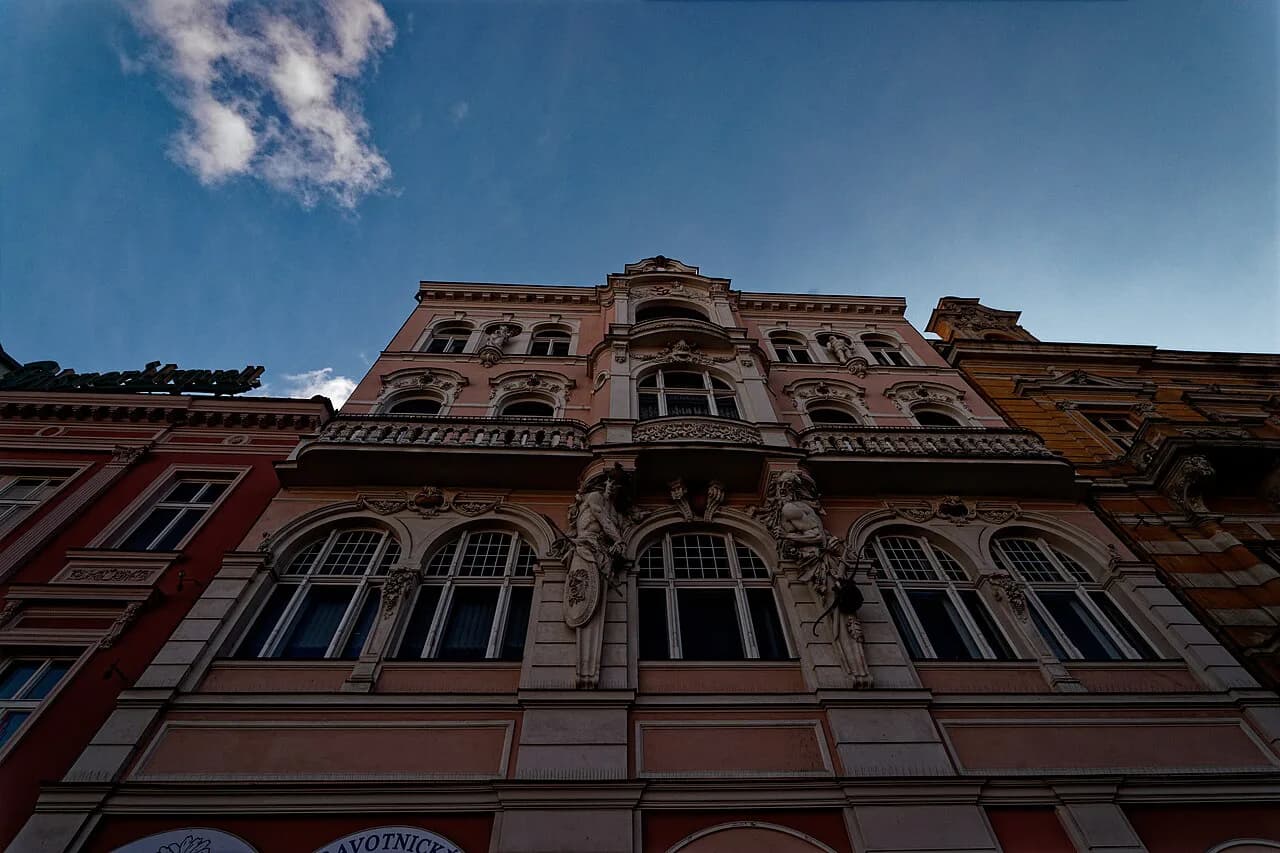
The honest trade-off is that Teplice does not have a UNESCO-style historic core to wander for hours. Its appeal is the spa complex, the thermal water and the chateau park, and travelers who arrive expecting a miniature Český Krumlov will be disappointed. If you want the colonnade-and-promenade version of the Czech spa experience, Mariánské Lázně is the stronger match.
What Teplice gives you instead is a functioning treatment town where you can actually use the thermal water rather than just look at a spring. For travelers driving between Prague and Dresden, that is a better use of a few hours than another square. Plan the visit around one pool session or one treatment, add the spa-house walk, and leave the rest of the day loose.
Is Teplice worth a stop on your route?
Make Teplice a stop if you want to use thermal water rather than photograph a colonnade, and if your route already runs between Prague and Dresden. Book the THERMALIUM session and one treatment in advance, confirm the current pool hours and admission on the spa's site, and leave the rest of the day for the spa houses. Skip it if a picture-book old town is the priority and put the time into Mariánské Lázně or Loket instead.
Explore more Mariánské Lázně guides
Frequently Asked Questions
Where is Teplice located?
Teplice is in northwest Bohemia, in the Czech Republic, on the corridor between Prague and Dresden. That position makes it a practical stop for travelers driving or taking the train between the two cities, and it puts the town within reach of the wider spa and castle country of western Bohemia.
Do I need to book Teplice spa treatments in advance?
Treatments and wellness packages are sold as separate products with different lengths and contents, so booking before you travel is a sensible way to secure a slot. The spa's site lists the individual procedures and the stays that include them, and its e-shop handles tickets and vouchers, which is also where you confirm what a package covers.
Can day visitors use the thermal pool in Teplice?
THERMALIUM, the thermal mineral pool inside Lázně Beethoven, is sold on pool tickets alongside its use by guests on spa stays. Check the current opening hours and admission on the spa's own page before you set out, since these are published there.
Sources
Notes for your Czech trip
Optional updates to our Czech town guides.
You might also like
Continue reading
More guides you'll find useful