Czech Spa Towns: Karlovy Vary, Mariánské Lázně and the Spa Triangle
Czech spa towns run from Karlovy Vary to Mariánské Lázně and Františkovy Lázně. Here is what each colonnade town offers and how to plan a spa visit.
On this page
Czech spa towns are small, walkable places built around mineral springs and colonnades, not resorts you need a week to understand. Karlovy Vary (Carlsbad) is the anchor of the western cluster listed among the Great Spa Towns of Europe, with Mariánské Lázně (Marienbad) and Františkovy Lázně (Franzensbad) nearby in the West Bohemian spa tradition. This guide maps the colonnade towns, explains the drinking cure and the difference between a day visit and a treatment stay. For the practical details, see the Loket castle.
A colonnade walk fits neatly into any western Bohemia route between Prague and Germany, even if you never book a treatment. A spa stay is a different trip: it comes with treatment schedules and, in some towns, a spa-doctor regimen that structures your mornings. In Karlovy Vary, balneologists (spa doctors) still prescribe the mineral waters, and one local drinking routine means measured quantities sipped from specified springs before eating.
What the Czech spa towns are and which ones anchor the West Bohemian spa triangle
Czech spa towns are settlements whose economy and architecture grew around mineral springs. In 2021 Karlovy Vary was recognized among the Great Spa Towns of Europe with a UNESCO World Heritage listing. The West Bohemian triangle conventionally pairs Karlovy Vary with Mariánské Lázně (Marienbad) and Františkovy Lázně (Franzensbad).
A spa agency listing Czech resorts names nine spa towns and 52 spa hotels across the country, from Karlovy Vary and Mariánské Lázně to Luhačovice and Jáchymov. That gives you a rough sense of scale: the western towns cluster, while Moravia has its own scene around Luhačovice. Use the agency list only for orientation, since its package prices are commercial offers rather than town entrance fees.
Pair the triangle with nearby sights if the waters alone won't fill your days. Bečov nad Teplou and Loket sit within reach of Karlovy Vary, and Cheb is another historic western Bohemia stop. A practical route is to base yourself in one western town and take the springs town by town rather than shuttling from Prague each morning.
Karlovy Vary (Carlsbad): the Teplá river boulevard and the Great Spa Towns of Europe listing
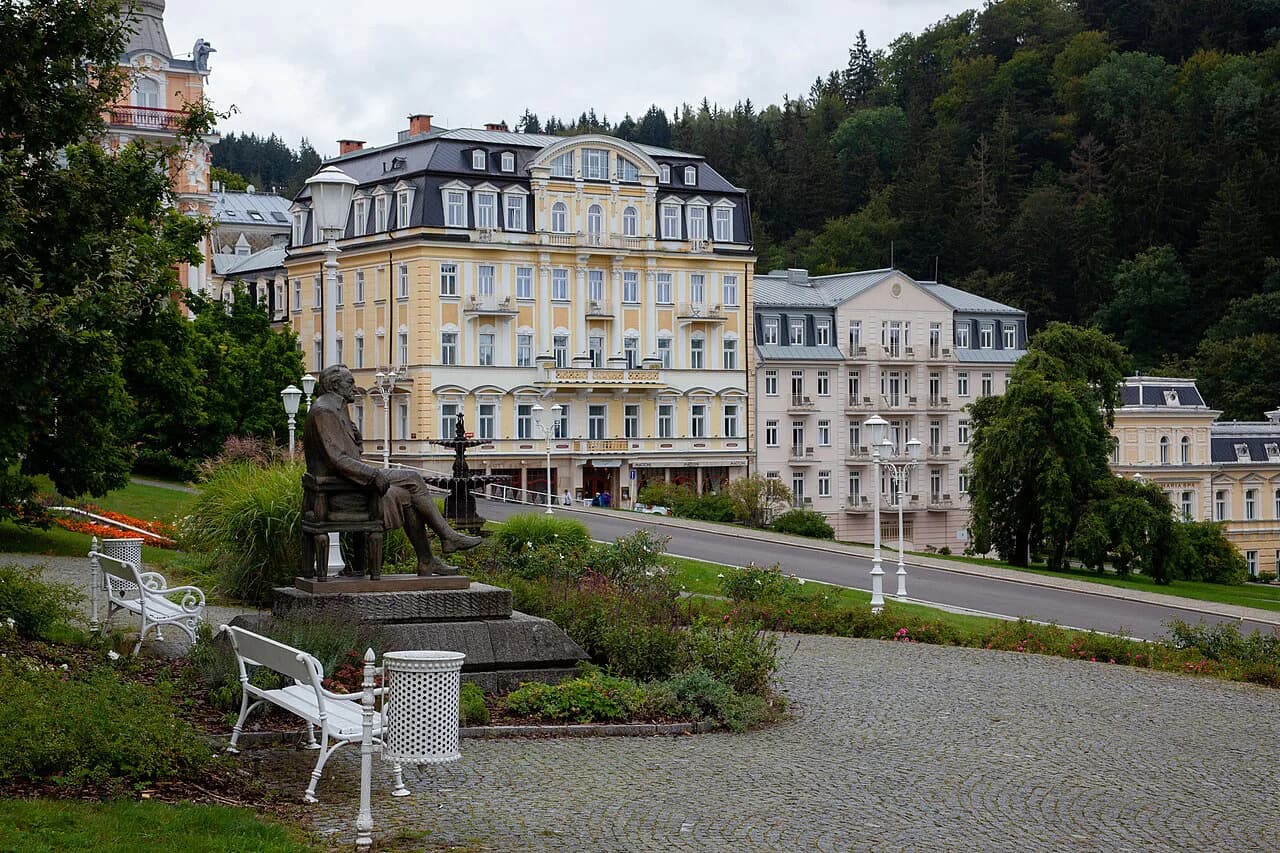
Karlovy Vary's center is a single promenade along the Teplá river, lined with pastel facades and embellished buildings. It is easy to orient yourself: the river runs through the valley, colonnades cluster on both banks, and the Grandhotel Pupp is a riverside landmark at one end. You do not need to hire a guide to navigate the town; the pleasure is walking it slowly and stopping at the springs.
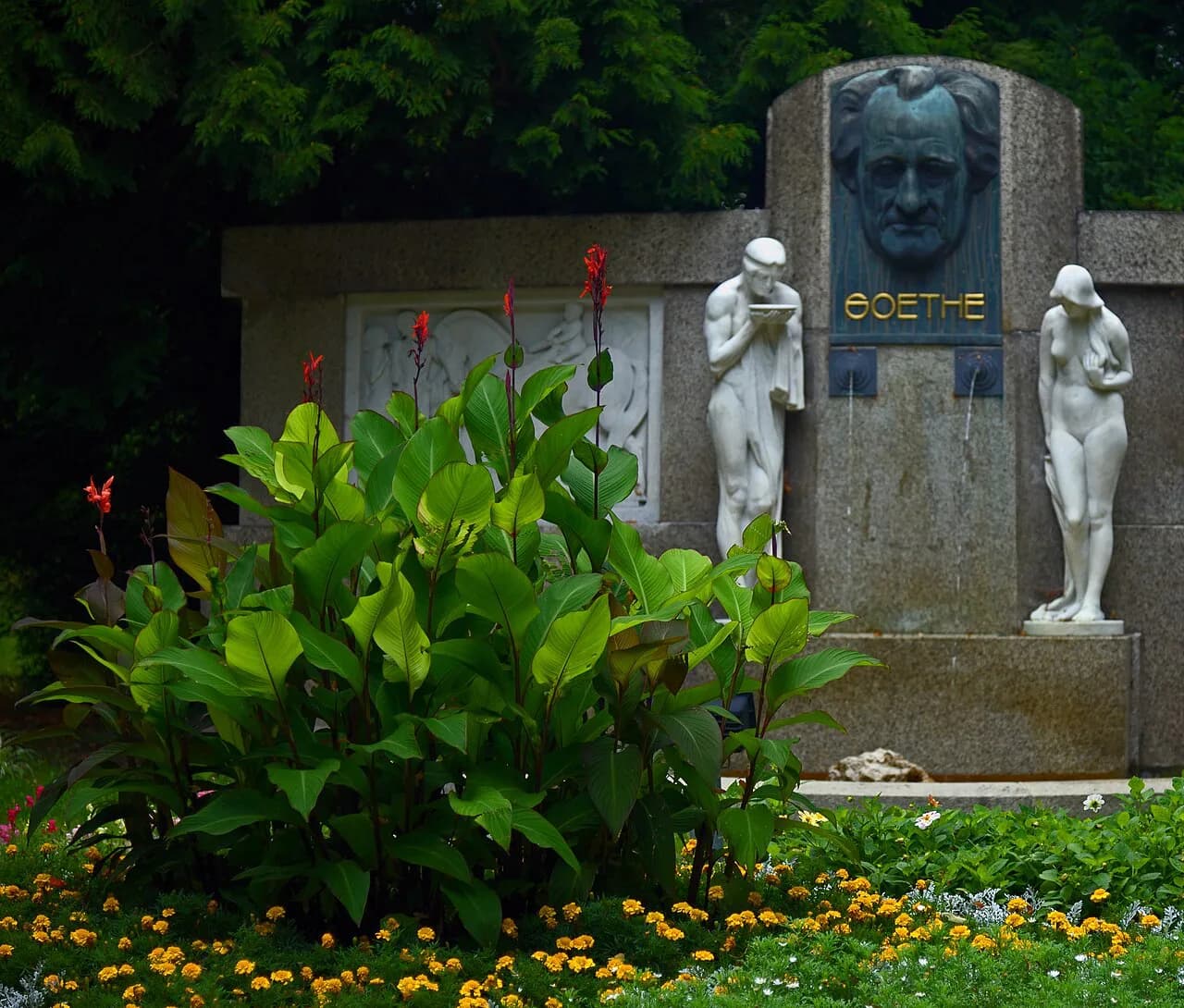
Karlovy Vary is named after Emperor Charles IV, and by tradition the town grew at the end of the 14th century after the discovery of a hot spring whose healing water was said to have cured his injured leg. Wealthy aristocrats from Russia, Poland and Saxony filled the town in the 17th century, and over the centuries its guests included Peter the Great, Goethe, Beethoven and Chopin. Today it draws visitors in large numbers, which means the river boulevard can be busy at midday.
Do not assume Karlovy Vary's hotels are all open to you for a dip. Most of the city's luxury hotel spas are offered exclusively to in-house guests, who buy a treatment stay rather than a day pass. That is a reason to plan your day around the colonnades and choose a specific public spa rather than expecting to walk into a hotel wellness floor.
The Karlovy Vary colonnades in walking order: Market, Mill, Park and Freedom
Walk the colonnades in river order and Karlovy Vary unfolds as one continuous promenade. Start at the Market Colonnade, a white 1883 timber structure with a lace-like frontage, then follow the Teplá to the stone-columned Mill Colonnade. The Park Colonnade has a domed cast-iron form, and the Freedom Colonnade sits like a gazebo further along.
At the colonnades, ever-running taps are labeled with each spring's name and temperature, so you can taste and compare. Vendors by the river sell the decorative ceramic spa cups designed for thermal sipping.
Allow at least two hours for the colonnade walk if you stop at the springs, and longer if you detour to a church or sit on a terrace. The route is essentially flat along the river, but the town's valley setting means side streets climb. If you have only half a day from Prague, pick the central stretch between the Market and Hot Spring colonnades rather than trying to cover everything.
How the drinking cure works at Karlovy Vary: a spa cup, the Vřídlo geyser and the 73°C spring
The drinking cure is a cultural routine, not a medical promise. The decorative ceramic spa cups are designed specifically for thermal sipping, and vendors sell them by the river. A guide in Karlovy Vary describes her regimen as measured quantities sipped from specified springs before eating, and locals credit it with their vitality.
At the main Vřídlo spring, the water runs at a piping 73°C and is the hottest and strongest in town. It is typically consumed only by those with specific needs, so most visitors instead inhale vapours from its 12-meter geyser. Do not drink the Vřídlo casually; use the labeled taps at the colonnades for tasting. The tepid spring water is briny and varies slightly by chemical makeup, and as a new sipper you are advised not to drink too much to avoid stomach upsets.
If you want to follow the drinking cure properly, ask at a spa house or a pharmacy counter about the regimen rather than guessing from a leaflet. For visitors without a booked treatment, keep to small sips and a cup you can refill, and skip the water entirely if you have any medical condition that restricts mineral intake. The discipline is in quantity and timing.
What a spa session looks like in Karlovy Vary at the publicly accessible Elisabeth Spa
Most hotel spas in Karlovy Vary close their doors to non-guests, but the Elisabeth Spa, known as Spa 5, takes a pragmatic approach to wellness and has been a spa since its inception in 1907. Its palatial premises mix chandeliers and faded grandeur with clinical practicality. Expect a menu that ranges from mineral baths, massages and facials to shockwave therapy.
A visit can include a salt cave, a pink cocoon with crystal walls and a salt-bed floor where you recline in blankets for 45 minutes. Individual bathing chambers are functional and no-fuss, with original stainless-steel bathtubs and thermal water gushing from copper taps. A separate clinic offers treatments such as an Indian head massage and a warming cinnamon body wrap.
Prices and treatment menus vary by season, so check the Elisabeth Spa's current offer directly rather than relying on any figure in print. Budget an afternoon if you want both a salt-cave session and a bath, since the two together run past an hour before changing time. If you only want to sample the waters, a colonnade hour costs nothing extra and leaves your budget for lunch.
Mariánské Lázně (Marienbad): mineral springs in a park setting and how it differs from Karlovy Vary
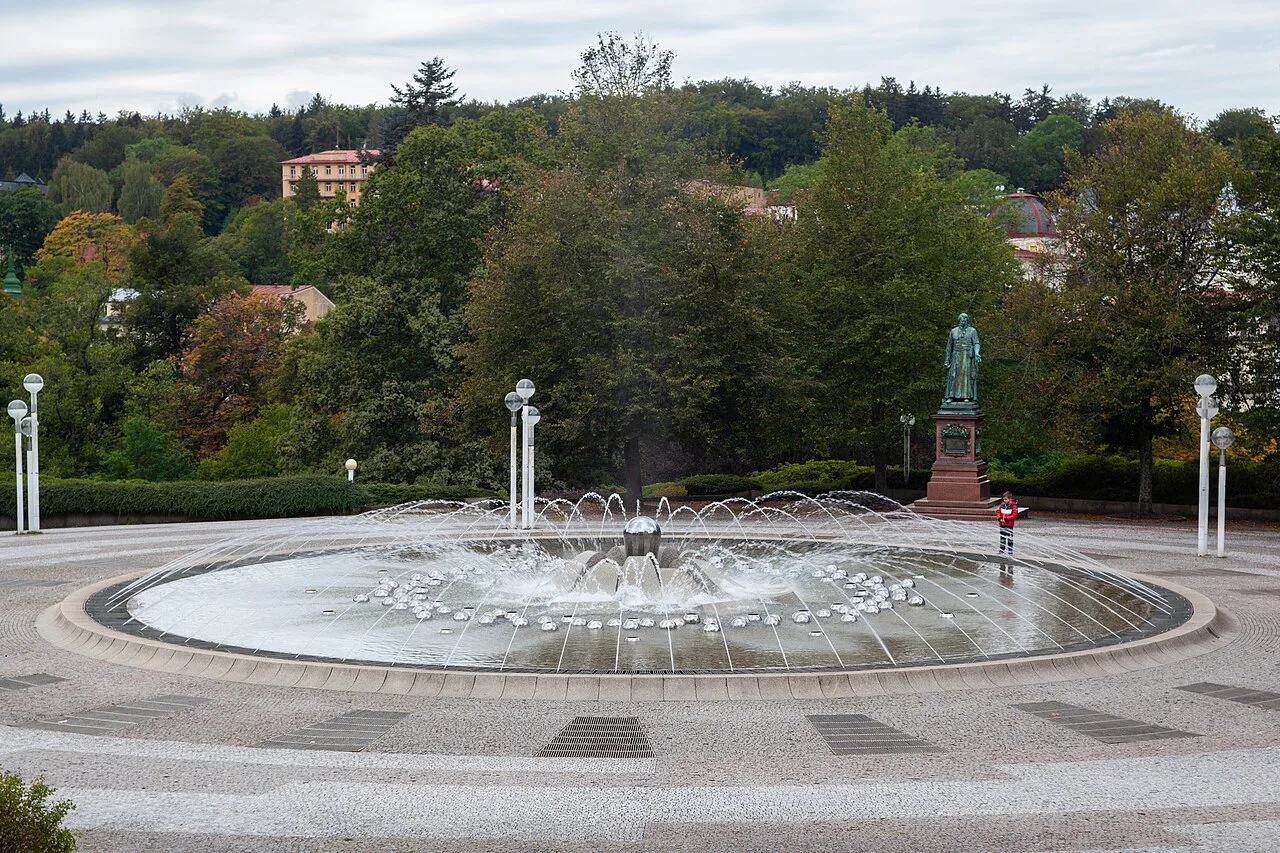
Mariánské Lázně (Marienbad) is the other major West Bohemian spa town, laid out in a green park setting with mineral springs rather than Karlovy Vary's tight river valley. The agency directory lists it alongside Karlovy Vary as a mineral spa. Where Karlovy Vary feels like a promenade, Mariánské Lázně feels like a garden you stroll through.
An agency directory lists Mariánské Lázně with 13 hotels and 45 treatment stays, though package rates quoted by an agency are not town entry fees. Mariánské Lázně's spa stays center on mineral-water cures and treatments rather than a riverside colonnade circuit. If your priority is a garden walk and a quieter pace, it offers a calmer alternative to the busier Karlovy Vary promenade.
Geography makes the pairing easy if you have a car: the two towns are in the same western Czech neighborhood, and you can cover both on a two- or three-night loop. On public transport, do one town well rather than trying to do both in a single day from Prague. Travelers who like order and greenery often prefer Mariánské Lázně's parks to Karlovy Vary's tighter valley.
Františkovy Lázně: the smallest of the triangle and its peat-bath tradition
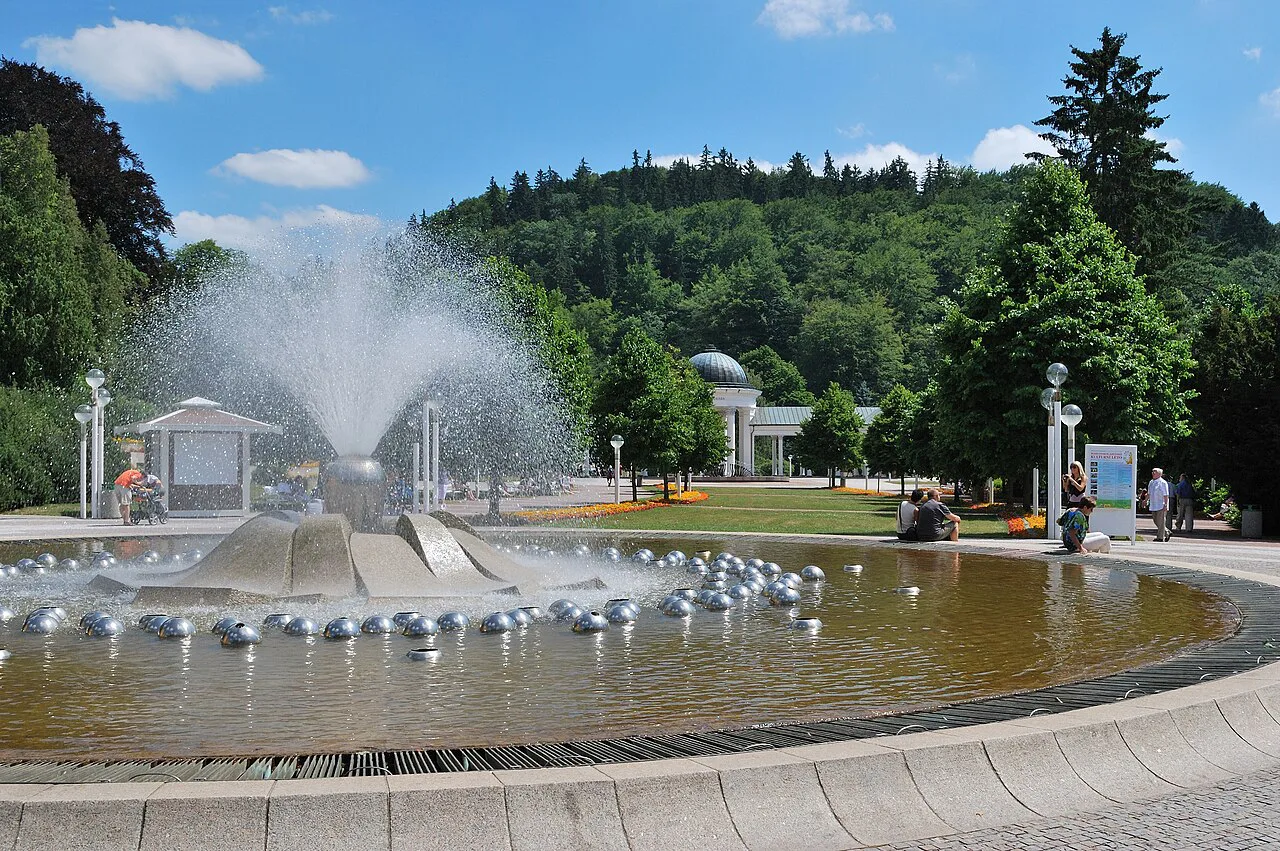
Františkovy Lázně (Franzensbad) is the smallest of the classic West Bohemian triangle, a compact town with a formal colonnade and a peat-bath tradition. It suits travelers who want a quiet historic center and treatments without the crowds of Karlovy Vary. The line of pastel buildings around the colonnade and the orderly squares make it easy to walk in an hour or two.
The spa agency lists Františkovy Lázně with ten hotels and 26 treatment stays, though again those figures are offer counts from a commercial agency rather than municipal data. The town's traditional cure is peat baths, which draw a different clientele from the mineral-water towns. If you are pairing towns, Františkovy Lázně makes a natural stop between Karlovy Vary and Cheb.
Jáchymov and the radon spa tradition
Jáchymov is a spa town with a distinct radon tradition. The agency directory lists it as a radon spa with two hotels and ten stays, which signals a small, treatment-focused place rather than a promenade town. It is not on the standard tourist trail, so if you are curious about the older European spa world it is worth a detour.
Treatments here are medical in character and should not be improvised. Ask the spa house directly about which therapies are offered and whether a referral is needed before you build a trip around it. Radon therapy is a regulated area, and a doctor's assessment matters more than a glossy brochure.
Luhačovice in Moravia: the other Czech spa town worth the detour
Luhačovice is the Moravian alternative to the western spa triangle. Its springs and colonnade tradition drew Czech and Slovak visitors before the border opened, and it has a quieter, more domestic atmosphere than Karlovy Vary. If your route runs through Brno or Olomouc, Luhačovice fits naturally.
Luhačovice is the Moravian counterpart among the Czech spa towns in the western agency directory, listed as a mineral spa with ten hotels and 36 treatment stays. If you want a treatment, book through a spa house or hotel before you travel, since same-day availability varies. Compare Luhačovice with the western towns less on architecture than on distance: it sits far from Prague, on the Moravian side of the country.
Does a spa town need a full stay or just a day? Colonnade hour versus treatment days
A colonnade walk in Karlovy Vary fits into two or three hours, which makes the town a practical stop on a western Bohemia route. A treatment stay is a different commitment: you will build your day around massage times, bath sessions and the spa diet rather than the promenade. Decide before you book whether you want the waters as a sight or as a regimen.
If you are choosing between towns, start with the scale of your visit. A day traveler gets the colonnades and a spa session in Karlovy Vary, while a two-night stay lets you add Mariánské Lázně's parks or Františkovy Lázně's quiet colonnade. Travelers seeking a longer cure should compare the agency offer lists and the towns' treatment menus.
The honest trade-off is that the most photographed town is also the busiest. Karlovy Vary's river promenade can feel crowded at midday, and the quieter beauties of Mariánské Lázně and Františkovy Lázně are only a short drive or bus hop away. Go early or late, and treat the popular colonnades as a morning walk rather than an afternoon one.
Getting to the West Bohemian spa triangle from Prague by bus or train and what each trip costs
From Prague, the bus to Karlovy Vary takes just over two hours, while the train takes around 3.5 hours. The bus fare is about 150 CZK one way, and you can buy tickets at Prague's Florenc bus station or online. For a day trip, the bus is the faster option, especially since the spa town itself is compact.
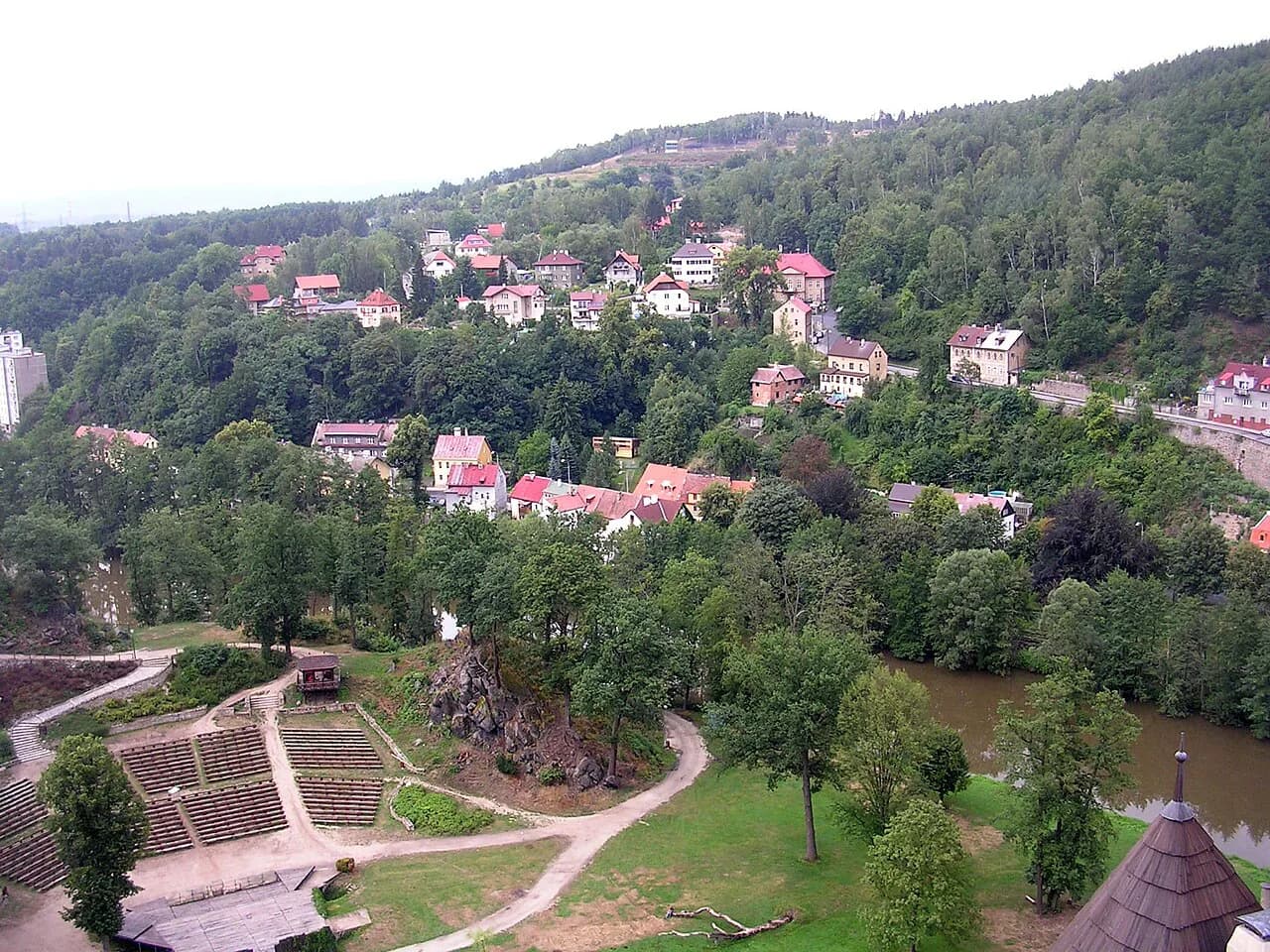
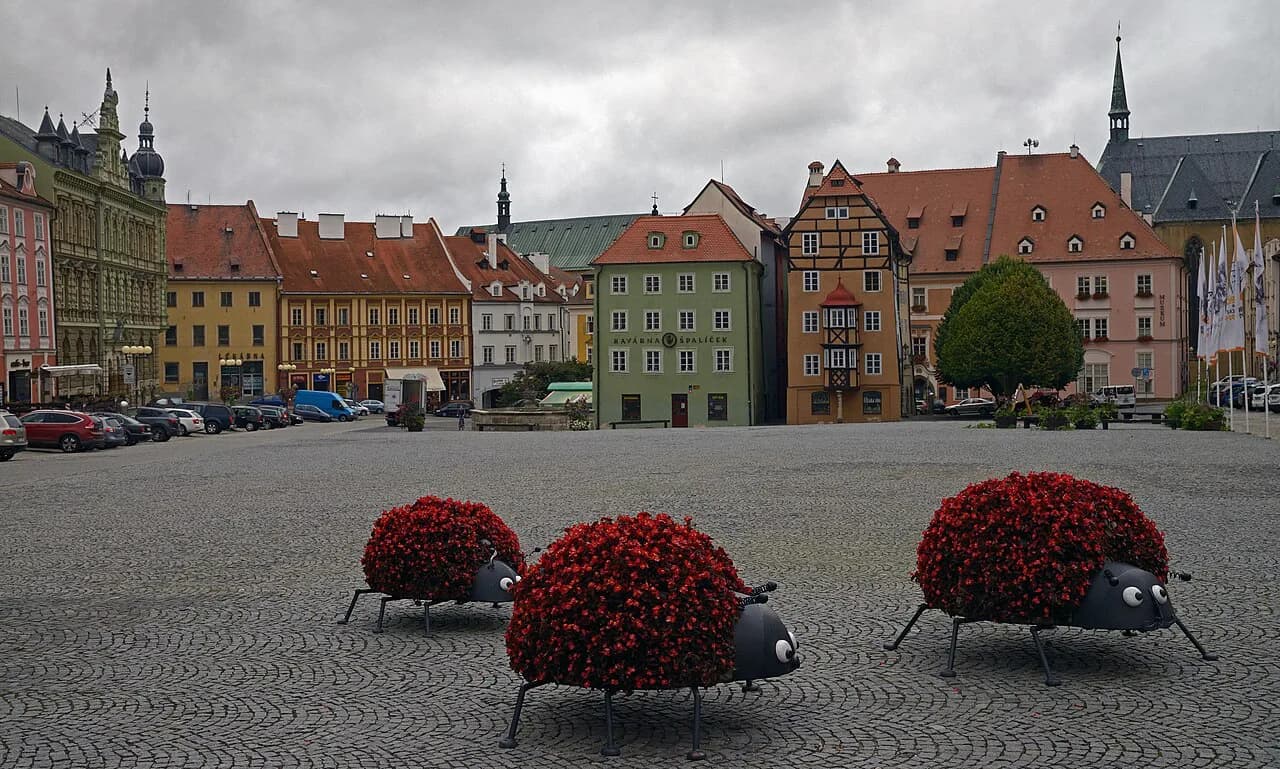
A different approach is to make Cheb or Loket your western base and loop through the spa towns by car. Loket's castle and Cheb's town square are both close enough to add a morning before or after your spa visit. This works best if you are driving between Prague and Germany anyway.
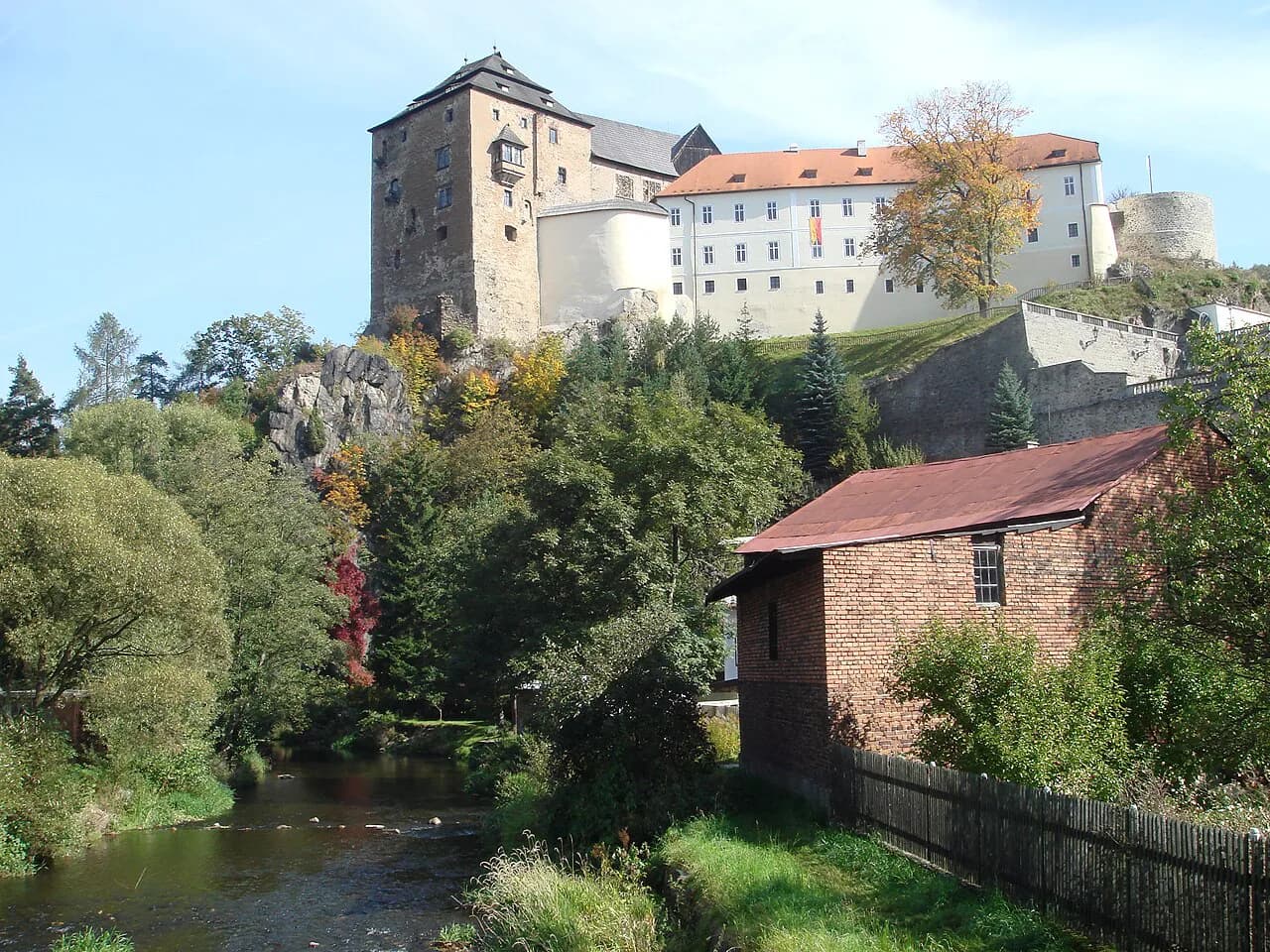
If you want a base away from the thermal crowds, Bečov nad Teplou gives you a gentler, castle-and-country alternative. Bečov's state castle and chateau is a worthwhile stop, and from there you can reach Karlovy Vary without sleeping in its busy center. For a different spa town experience, Teplice in northern Bohemia is a historic option known for its spa houses.
What things cost in CZK: spa treatments, spa-cure packages and entry-level stays
The only published figures for Czech spa stays in the available sources come from a commercial spa agency, which quotes package prices rather than town-level fees. Its listings include introductory treatments from around 54 EUR for Karlovy Vary and package prices running into the thousands of CZK for smaller resorts. These are agency offers, not the price of a colonnade visit.
Public transport gets you to the spa towns for around 150 CZK by bus from Prague, and spa treatments themselves vary by venue and treatment. A colonnade hour plus a cup of spring water requires no booking, while a day at a hotel spa is priced per treatment. Check the spa house's own menu and price list before booking rather than relying on an agency package.
If you want a spa stay with accommodation and treatment schedules, book through the town's official spa or hotel; if you want a casual taste, budget only travel, meals and a spa cup. A reasonable plan is to combine one paid spa session with a colonnade walk, which gives you both the culture and the cure without a package commitment.
Practical trade-offs: treatment schedules, spa-doctor regimens and how the towns fill at peak times
Spa towns run on treatment schedules, not tourist timetables. If you have a treatment booked, your day is planned around it, and a spa-doctor regimen can structure your mornings around measured spring-water sips before meals. Without a booking, you still get the colonnades and the promenade.
Peak times along the river boulevard make Karlovy Vary feel busy at midday, and the crowds thin toward evening. The practical answer is to walk the colonnades in the morning and save spa sessions and indoor sights for the middle of the day. Pack a sweater for the cooler colonnade interiors and for the breezy river valley.
Do not expect hotel spas to take walk-ins just because a town is famous; most of Karlovy Vary's luxury hotel spas are for in-house guests only. Build your plan around the publicly open options and the colonnades, and treat any hotel treatment as a bonus if you are staying there. If you are heading east to Moravia, make Luhačovice the quieter counterpart, where the pace is more domestic and the springs are the main draw.
Choose your spa town before you book treatment
Start with the kind of trip you want: a colonnade walk in Karlovy Vary, a garden-paced stay in Mariánské Lázně, or a quiet, peat-bath visit in Františkovy Lázně. If you want treatment rather than a stroll, contact a spa house directly and ask about availability and the current menu. If you want scenery between springs, add Loket or Cheb as a western stop.
Plan around the springs, not the package brochures: the colonnade walk is easy and needs no booking, and a treatment is optional. For the Moravian version, make Luhačovice a detour if your route goes through Brno or Olomouc. The simplest way to see a Czech spa town is often just to arrive, buy a spa cup and walk the colonnades.
Explore more Mariánské Lázně guides
Frequently Asked Questions
Can you drink the spring water in Karlovy Vary?
Yes, and drinking small amounts is part of the traditional cure, but do it with a proper spa cup and in measured sips from the labeled taps. The Vřídlo is the hottest and strongest spring, at 73°C, and is typically consumed only by those with specific needs rather than casual visitors, while the tepid springs at the colonnades are palatable but briny.
Do you need to book spa treatments in advance in Czech spa towns?
Book ahead if a treatment is the point of your trip, since schedules fill and spa doctors' regimens structure the day. For a casual visit, the colonnades need no booking, and you can walk and taste springs freely. Hotel spas may limit access to in-house guests, so confirm the policy before you rely on one.
How do Mariánské Lázně and Františkovy Lázně differ from Karlovy Vary?
Mariánské Lázně has a green, park-like layout with mineral springs and a calmer pace, while Františkovy Lázně is the smallest of the triangle with a peat-bath tradition. Karlovy Vary is the busiest and most architecturally dramatic, with a river promenade and a long run of colonnades.
How long does a colonnade walk in Karlovy Vary take?
Allow at least two hours if you stop at the springs and compare the colonnades, and longer if you detour to a church or sit on a terrace. The route is essentially flat along the Teplá, though side streets climb the valley. With only half a day from Prague, pick the central stretch rather than covering everything.
Sources
Notes for your Czech trip
Optional updates to our Czech town guides.
You might also like
Continue reading
More guides you'll find useful