Kozel Beer: The Velké Popovice Brewery, Dark Lager and Goat Mascot
Kozel is a Czech lager brewed in Velké Popovice since 1874. Learn its styles, strengths and goat mascot Olda, plus what the brewery tour covers.
On this page
Kozel is a Czech lager brand brewed at Velké Popovice, a village about 25 km southeast of Prague, where the brewery has operated since 1874. It is best known outside the Czech Republic for its dark lagers, though the pale Premium is the flagship. This guide covers each Kozel beer and its strength, the Ringhoffer origins, the goat mascot Olda, the Czech pouring styles and what a brewery visit involves.
If you are building a beer route beyond Prague, Kozel sits naturally alongside the country's bigger lager names and the wider map of Czech breweries, from Plzeň to smaller village operations. Everything below sticks to what the brewery publishes and to documented brand history, with the practical points that matter when you are choosing what to drink or deciding whether the trip out to Velké Popovice is worth it.
What Kozel beer is and where it is brewed
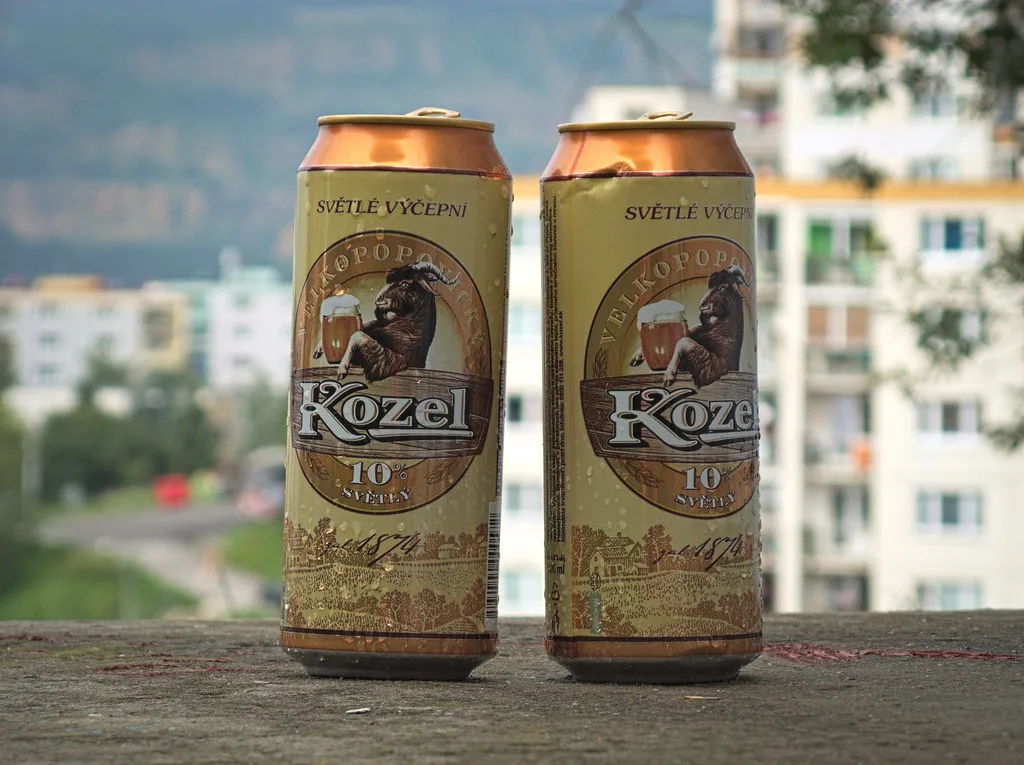
Kozel is a family of lagers produced by the Velkopopovický Kozel brewery in Velké Popovice, a village southeast of Prague, and the brewery has been running since 1874. The name Kozel means goat in Czech, a detail the brand leans into heavily. It is a working production brewery rather than a small craft operation, so the beers on draft in Czech pubs are the same brands sold in bottles for export.
The brewery describes its range around two signature lagers, Kozel Premium and Kozel Dark, plus a changing set of specialty beers. That makes Kozel a useful reference point when you are comparing Czech beer brands and want to see how a large village brewery positions its dark and pale lagers.
The Velké Popovice brewery and its 1874 origin
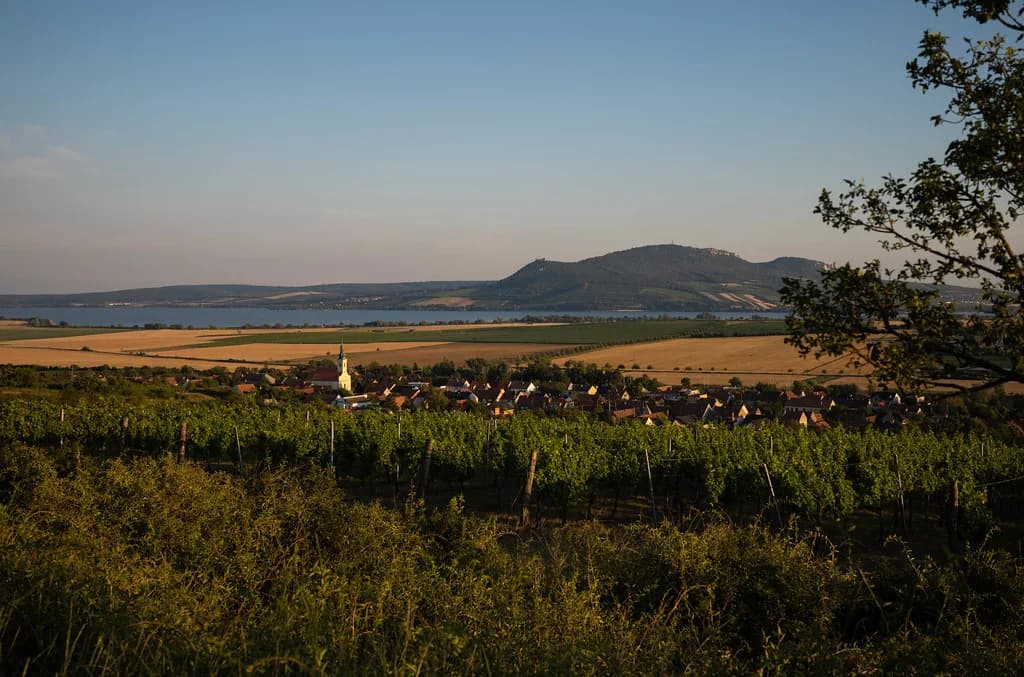
The brewery was founded in Velké Popovice in 1874, and the village setting remains part of its identity: the brewery calls itself a Czech village brewery that grew into an international brand. The site is roughly 25 km southeast of Prague, close enough to reach from the capital but far enough to be a deliberate stop rather than an incidental one, and brewing still happens on the original site.
For a beer route, Velké Popovice sits southeast of Prague in the same broad direction as Kutná Hora, so the two can fit on one day out from Prague if you are driving. The brewery's own site is where to confirm the current tour schedule and how to reserve, since those change by season. For the wider context of Czech brewing, see the Czech Beer guide.
The Ringhoffer family and how the brewery began
The brewery was founded by the Ringhoffer family, a prominent industrial family in the region, and the first batch in 1874 was a dark beer. That origin explains why dark lager has stayed central to the Kozel identity even after the pale premium became the flagship.
Kozel's history is a useful counterpoint to the better-known Czech pilsner story, where Plzeň and bottom-fermented pale lager dominate the narrative. A village brewery that built its name on dark beer shows how varied the Czech brewing tradition is beyond the famous pale lagers.
Kozel Premium Lager: malts, hops and 4.6% ABV
Kozel Premium is the flagship pale lager, made with three selected malts and the aromatic Czech hop Premiant, and bottled at 4.6% ABV. The brewery describes it as well balanced, with a welcome bitterness and full body, which is the profile to expect on draft. Using Premiant is one detail that sets it apart from the classic pilsner template.
At 4.6% ABV, Premium sits in the normal range for Czech pale lagers, so it is not a strong beer by local standards. Expect a sessionable pour that works with food rather than a heavy sipping beer, and the version most likely to be on draft in ordinary Czech pubs.
Kozel Dark: the light-bodied dark lager at 3.8% ABV
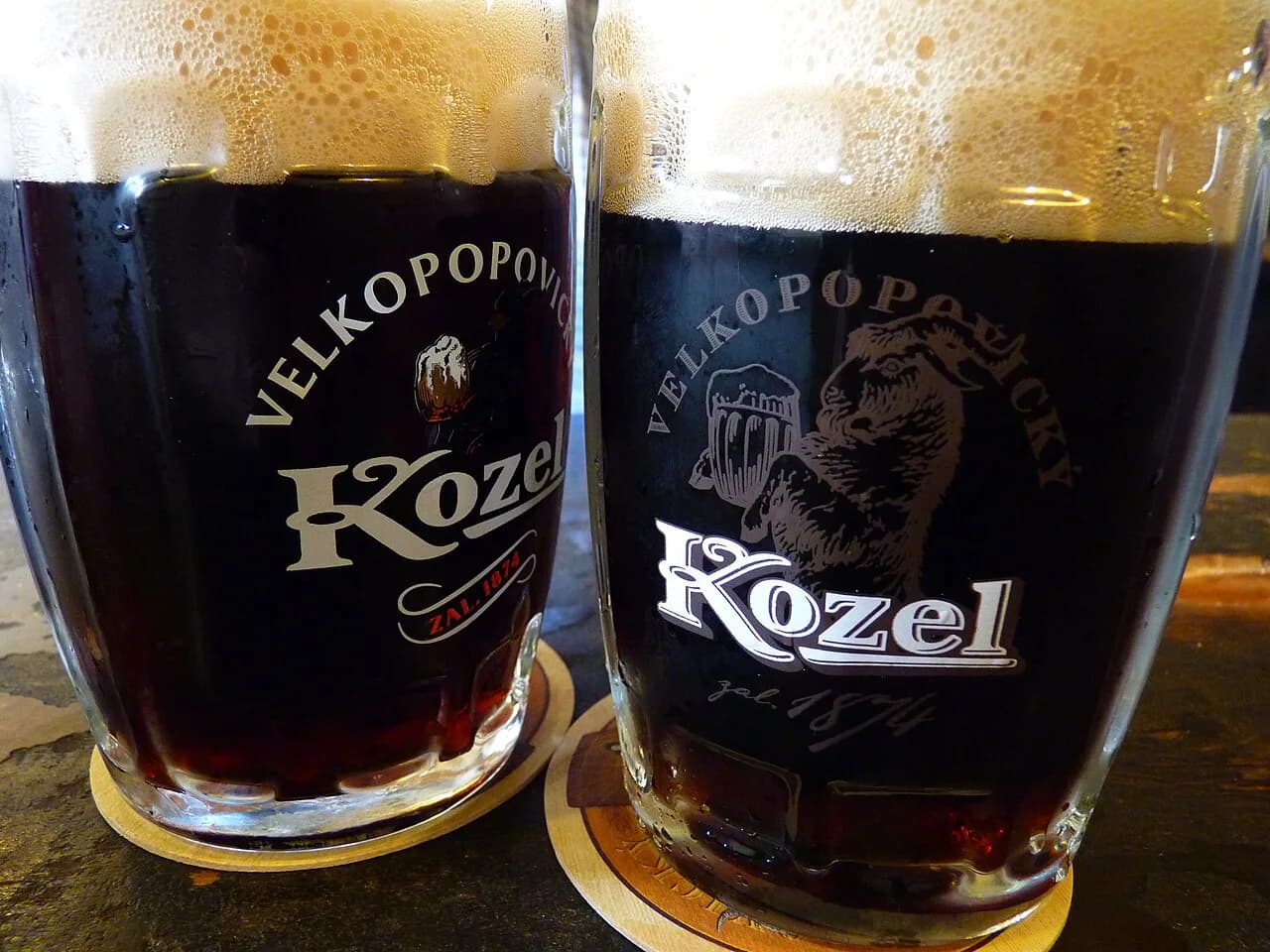
Kozel Dark is the beer most associated with the brand abroad. Despite the dark color, the brewery describes it as a light-bodied dark lager with a smooth texture and caramel taste, brewed from four different malts at 3.8% ABV. It is not a heavy stout-style beer: the roast character is mild and caramel sweetness dominates. If you are new to tmavé pivo, Dark is an approachable entry point.
Kozel Semi-Dark at 4.7% ABV and Kozel 0,0%
Kozel Semi-Dark is the half-bitter, half-sweet middle ground, made with four malts and bottled at 4.7% ABV, the strongest of the three standard lagers. Its ruby color and light hoppy flavor suit drinkers who find the dark too sweet and the premium too bitter. Kozel 0,0% is the non-alcoholic option, a 100% malt beer with a semi-dark ruby color and caramel notes.
The three core lagers, Premium at 4.6%, Dark at 3.8% and Semi-Dark at 4.7%, sit in a narrow strength band, so choosing between them is mostly about flavor. That is typical of Czech ranges, where pale, dark and semi-dark versions are parallel everyday beers rather than special-occasion products.
Olda the goat: the mascot and what Kozel means in Czech
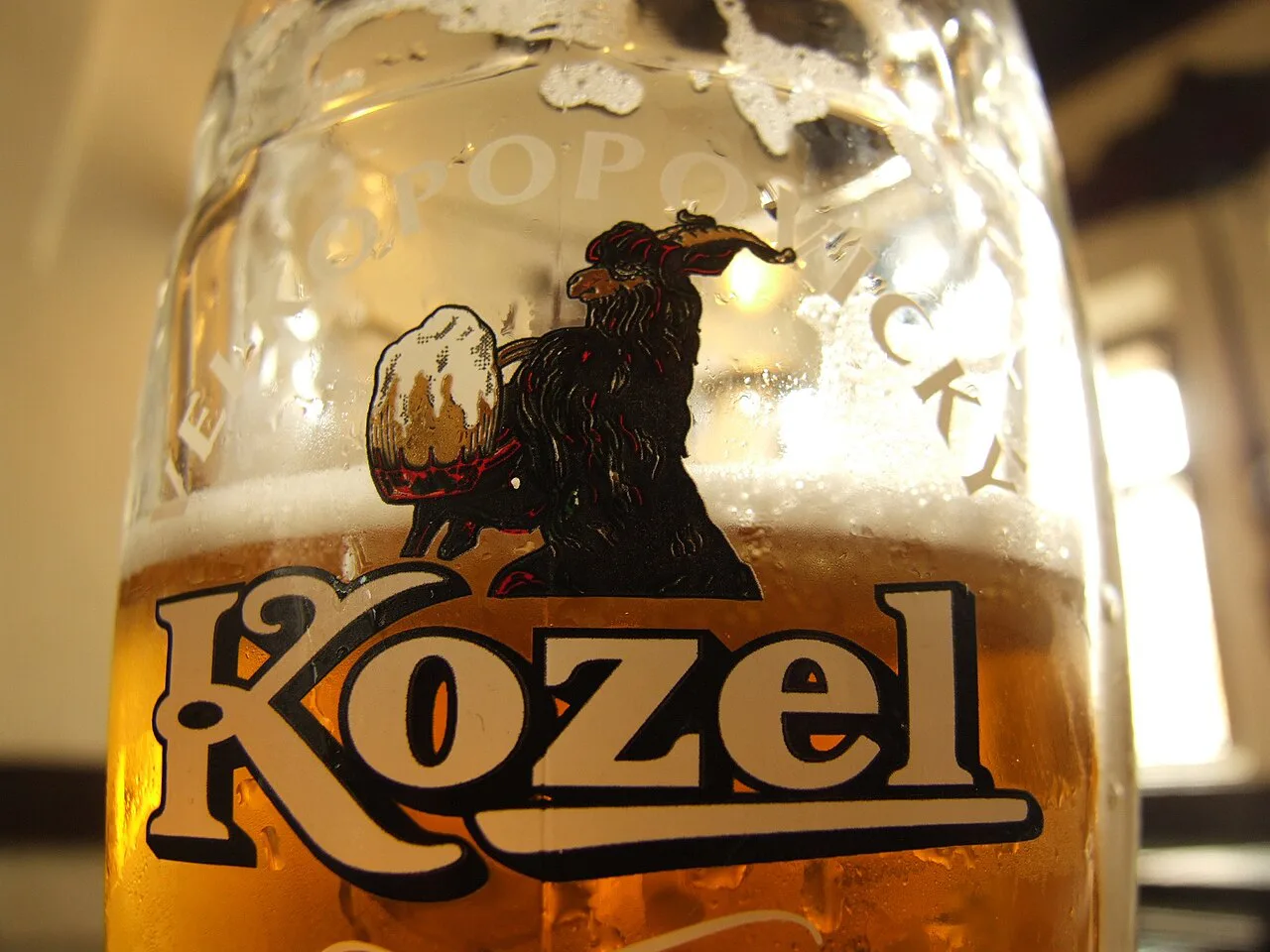
Kozel means goat in Czech, and the brewery has made the animal part of its identity: a goat has been the brewery mascot since the 1970s, and every goat there since has been named Olda, according to the brewery. Olda appears on labels and in marketing, including a template for stenciling the goat onto the foam of a dark beer. It is a small piece of Czech beer trivia that explains the goat imagery on taps and bottles across the country.
Czech pours: the hladinka perfect pour and Kozel Cut and Mix
The brewery promotes a set of Czech pouring styles, starting with the hladinka, a full glass topped with about three fingers of creamy foam to seal in freshness and flavor. It also describes combinations: Kozel Cut is half Premium and half Dark, poured pale first and topped with the dark, which floats; Kozel Mix blends the two for a ruby, sweeter pour. These are drinking formats rather than separate products, and they show how Czech beer culture treats pouring as part of the beer itself.
The brewery also lists sweeter presentation ideas, such as Dark with cinnamon over an Olda stencil or a glass rimmed with honey and cinnamon; treat Cut and Mix as the ones you are most likely to find poured in a pub. If the vocabulary of Czech pours interests you, the Czech Beer Styles guide explains the difference between a hladinka and a beer with a thicker or thinner head before you order.
Visiting the brewery: what the guided tour includes
The brewery runs guided tours through its active brewhouse and the production hall where bottles and kegs are filled, according to the brewery's own site. That makes the visit a look at a working production facility rather than a taproom stop, and it is the main reason to travel to Velké Popovice. Tour times, prices in CZK and booking requirements are confirmed on the brewery's site.
Seeing both a working brewhouse and a filling hall gives you the production side of the beer, from malt and hops to packaging, which is more than many brewery visits offer. If you have already toured a smaller craft brewery, the contrast with a large village operation is part of the appeal, so plan it as a half-day out from Prague rather than a quick stop.
The tap school: pouring Kozel the Czech way
After the tour, the brewery offers a tap school where visitors learn to pour Kozel in the traditional Czech way, with a dense foam head. It is a hands-on session rather than a tasting, and it teaches the technique behind the hladinka pour described above. The brewery lists it as a bookable add-on, so ask about it when you arrange the tour; learning a proper Czech pour gives you a reason to watch how beer is served for the rest of the trip.
Finding Kozel on draft and in bottles
Kozel is widely distributed in the Czech Republic, and the brewery's site includes a pub locator for draft Kozel, though the listings are only as current as the brewery keeps them. Premium and Dark turn up in ordinary pubs, and the brand is also sold in bottles and cans for home consumption and export. To try the full range, including Semi-Dark and the non-alcoholic version, the brewery or a well-stocked Czech supermarket is a safer bet than a single pub.
Whether Kozel is sold in the United States is not something the brewery's own materials confirm, so check with a local importer or retailer rather than assuming it is available, and expect prices abroad to vary by market. In the Czech Republic, beer prices are low by Western European standards but change from year to year, so read the menu or shelf label rather than relying on an old figure. If you want to branch out beyond beer, the Czech drinks scene also includes Becherovka and slivovice.
Should you make the trip to Velké Popovice?
Yes, if you want to see a working Czech brewery rather than another taproom, and the combination of a brewhouse tour, a filling hall and a tap school appeals. The brewery is about 25 km southeast of Prague and makes a reasonable half-day out from the capital. If you mainly want to drink Kozel, you can do that in pubs across the country without the trip, since Premium and Dark are widely available on draft.
Either way, confirm current tour times, prices in CZK and booking requirements on the brewery's own site before you commit to the journey. If you are planning a wider beer route, pair the visit with other Czech brewing stops rather than making it a standalone outing.
Explore more Czech Republic guides
Sources
Notes for your Czech trip
Optional updates to our Czech town guides.
You might also like
Continue reading
More guides you'll find useful