Český ráj (Bohemian Paradise): Rock Towns, Castles and How to Get There
Plan a trip to Český ráj (Bohemian Paradise): sandstone rock towns, castles, gateway towns, transport from Prague, and what to verify before you go.
On this page
Český ráj is worth planning as a landscape area rather than a single sight: several sandstone rock towns and a handful of castles spread across the countryside north of Prague, with Turnov and Jičín as the practical base towns. It was declared Czechoslovakia's first Protected Landscape Area in 1955 and was added to the UNESCO Global Geopark list in 2005, a status the region's tourism board treats as a badge of its varied geology. This guide covers what the rock towns and castles actually are, how to get there by train, bus or car, where the costs sit, and which constraints should shape your plan.
Expect to spend your time walking between and over rock formations, and expect castle visits to run on guided tours rather than free wanderings through halls. That combination of natural and built sights is why the area rewards a full day at minimum and two days comfortably, especially if you want both a rock town and a castle without rushing.
A Landscape Area, Not a Single Sight
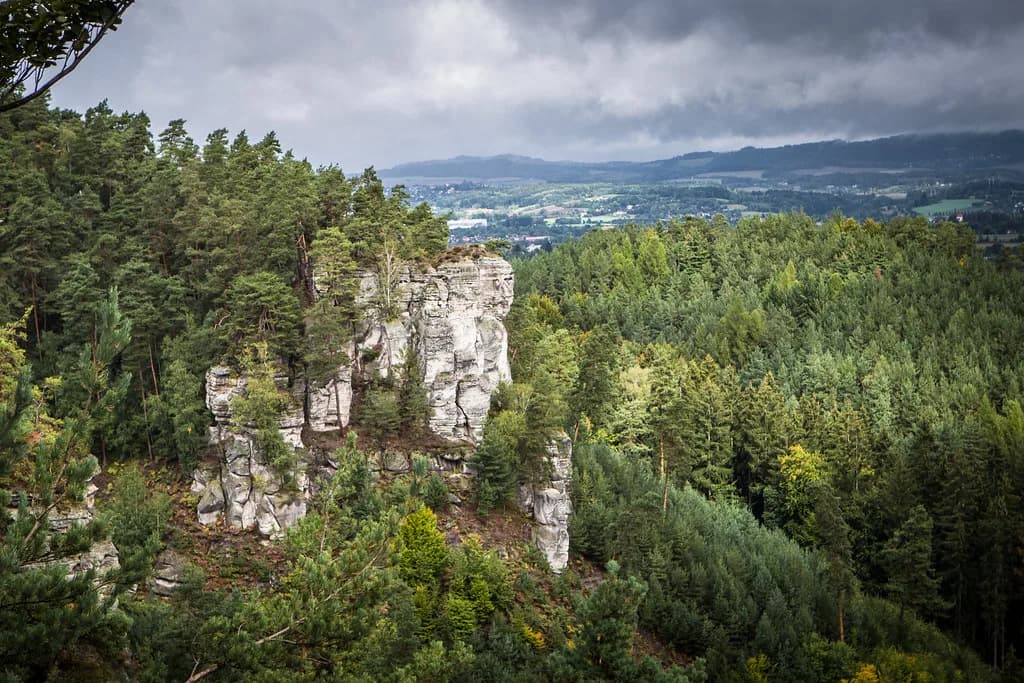
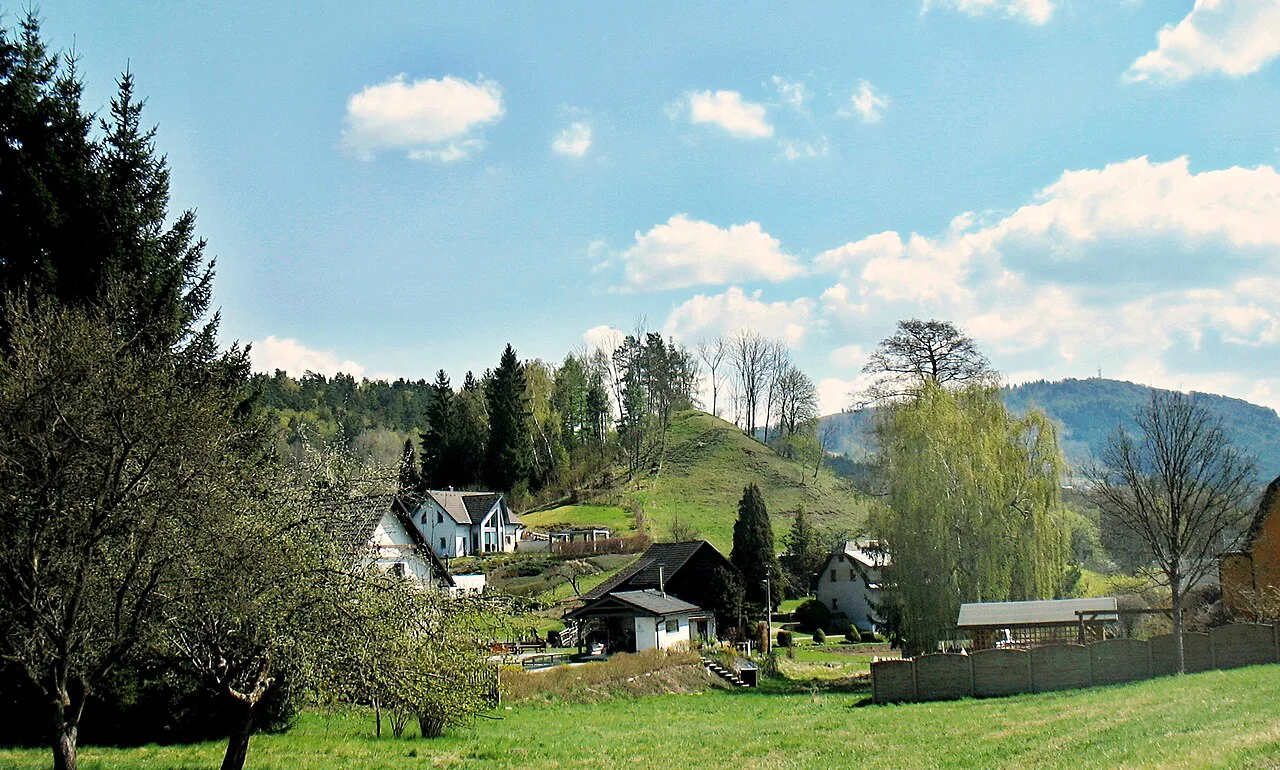
The protected area's variety comes from three geologically different zones meeting here: Paleozoic rock, Mesozoic sandstone and Tertiary volcanic hills. In practice that means dense forest, wetland meadows and streams alternating with dramatic sandstone towers, so the scenery changes within a short drive. The region's official tourism site is the clearest place to get a map of the area and see how the parts relate to each other.
People have lived here for more than 10,000 years, and the landscape carries that history in rock strongholds, medieval castles and later folk architecture. The name Bohemian Paradise comes from the celebrity visitors who began arriving in the 1870s, after the Sedmihorky Spa was founded in 1842 and became a favored retreat for the cultural stars of the day.
The Sandstone Rock Towns
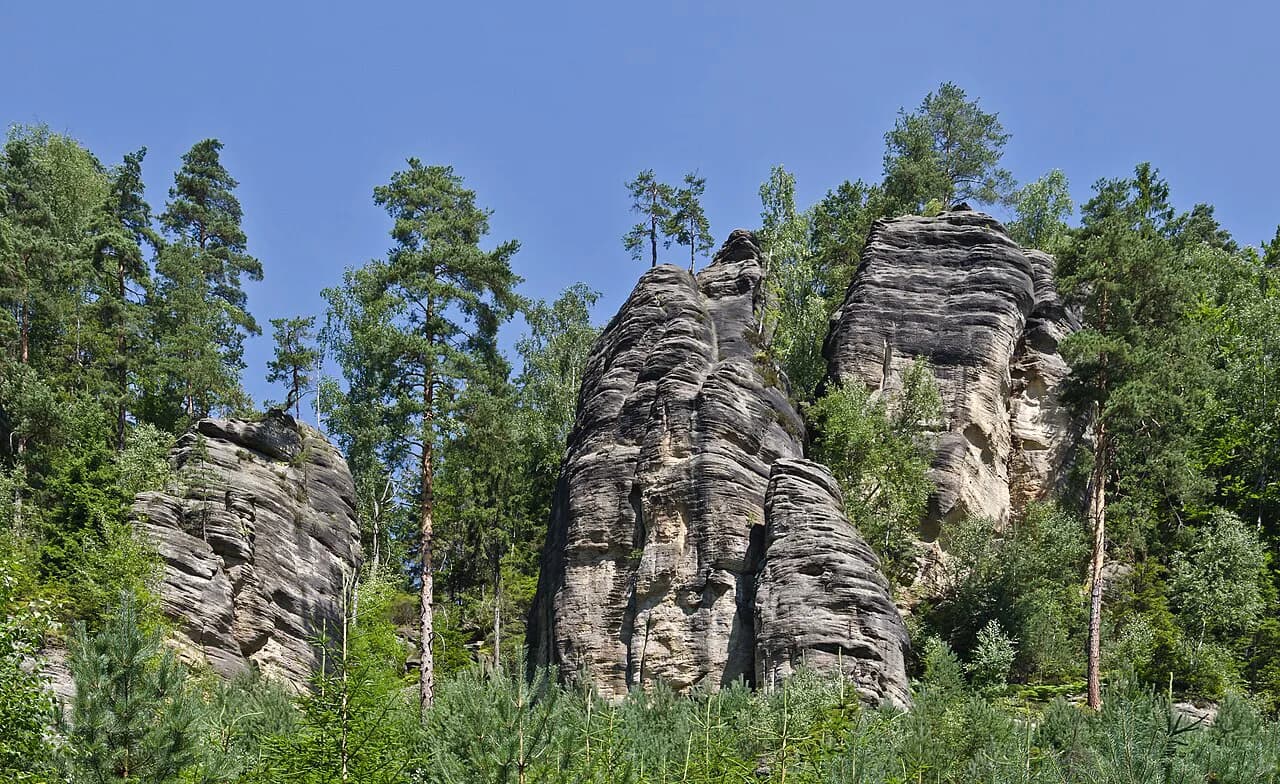
Prachov Rocks (Prachovské skály) is the best-known rock town and the usual first stop for travelers coming from Prague, sitting roughly five kilometers from Jičín. The formations are a protected site, and entry and the walking circuits inside are managed by the site itself; plan on a half day if you want to cover the main viewpoints without hurrying. Read more about the circuits in the dedicated guide to the Prachov rocks.
Příhrazské Rocks is a nature reserve with a whole agglomeration of rock-town features, dominated by a formation known as the Mare's Head. Further sights include the long crevasse called the Cold Passageway and a rock-carved tunnel near the village of Branžež. These are outdoor sites, so a wet or icy day changes the experience more than it changes the opening hours.
Drábské světničky, a rock fortress with chambers and passages cut into the sandstone and views over the surrounding country, has been closed for an indefinite period from 2021. The regional tourism board attributes the closure to mass tourism and wear on the sandstone. Do not build an itinerary around it; check the regional tourism site before you set out if it was the reason for your trip.
Castles and Chateaux: Trosky, Hrubá Skála, Kost and Valdštejn
Trosky castle is the area's signature silhouette, two towers on separate basalt plugs rising above the forest, and it is the sight most travelers picture when they think of Bohemian Paradise. The castle is reached from the village of Rovensko pod Troskami, and the climb to the gates is part of the visit. The Trosky castle guide covers the layout and what the towers actually contain.
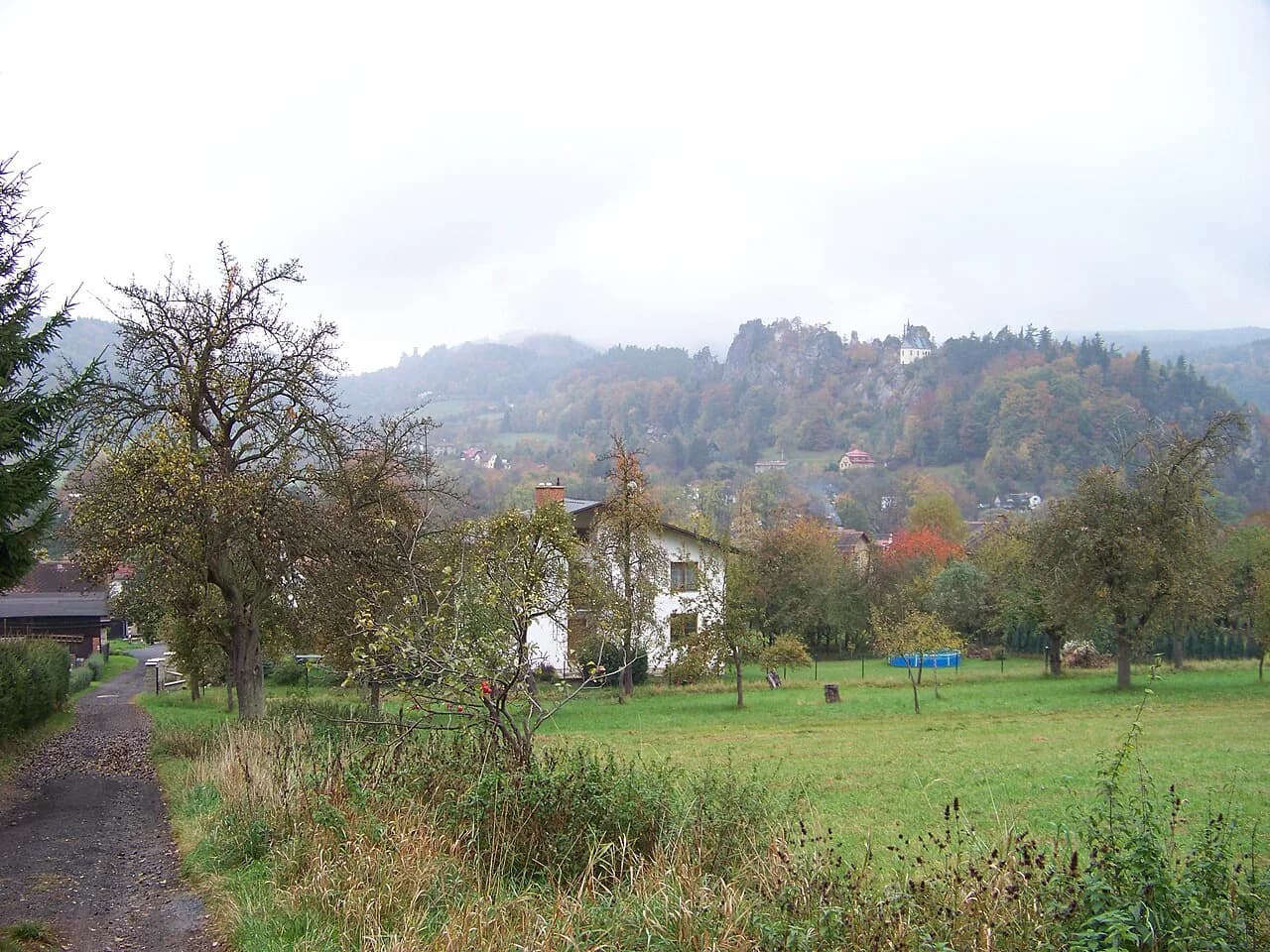
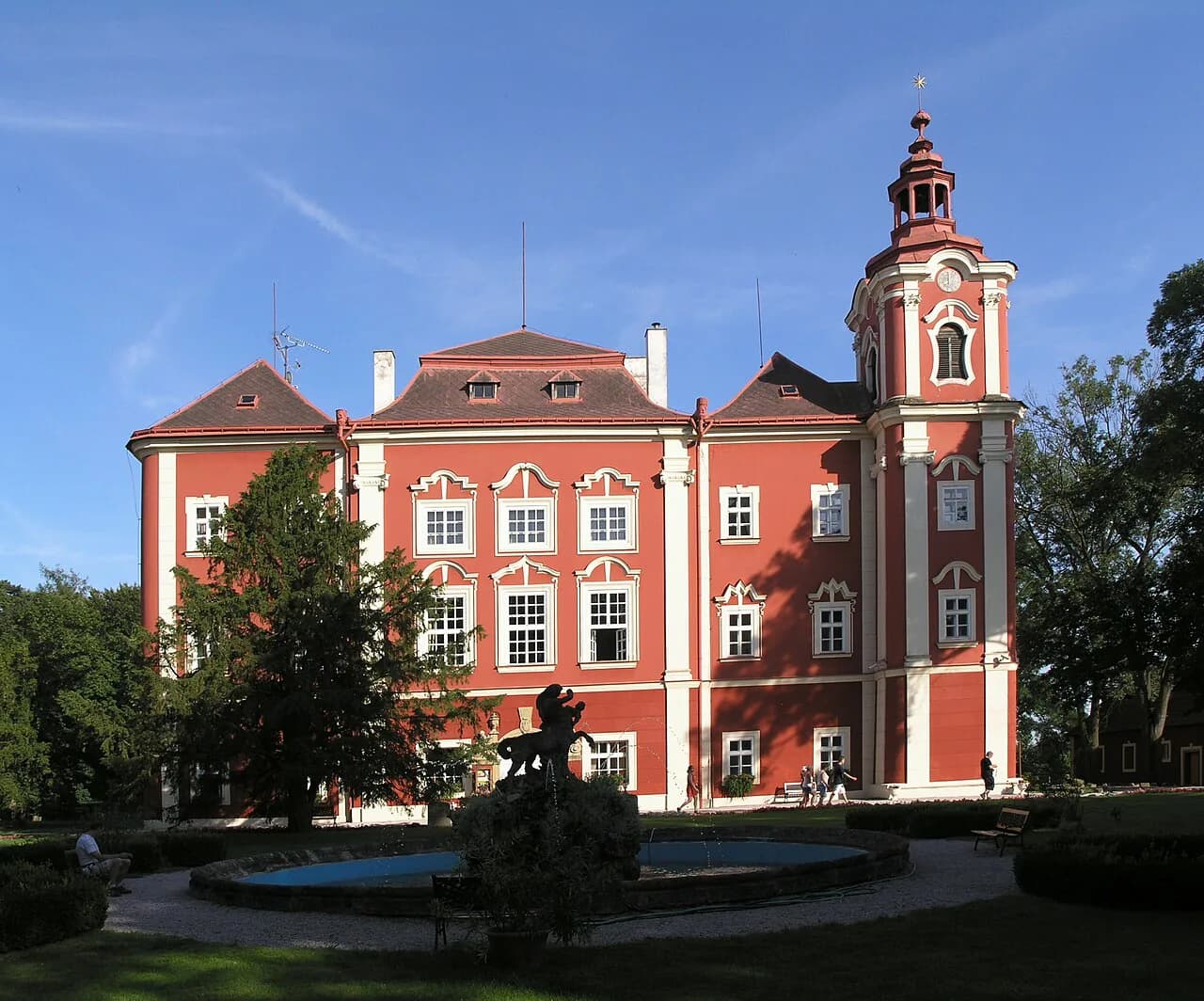
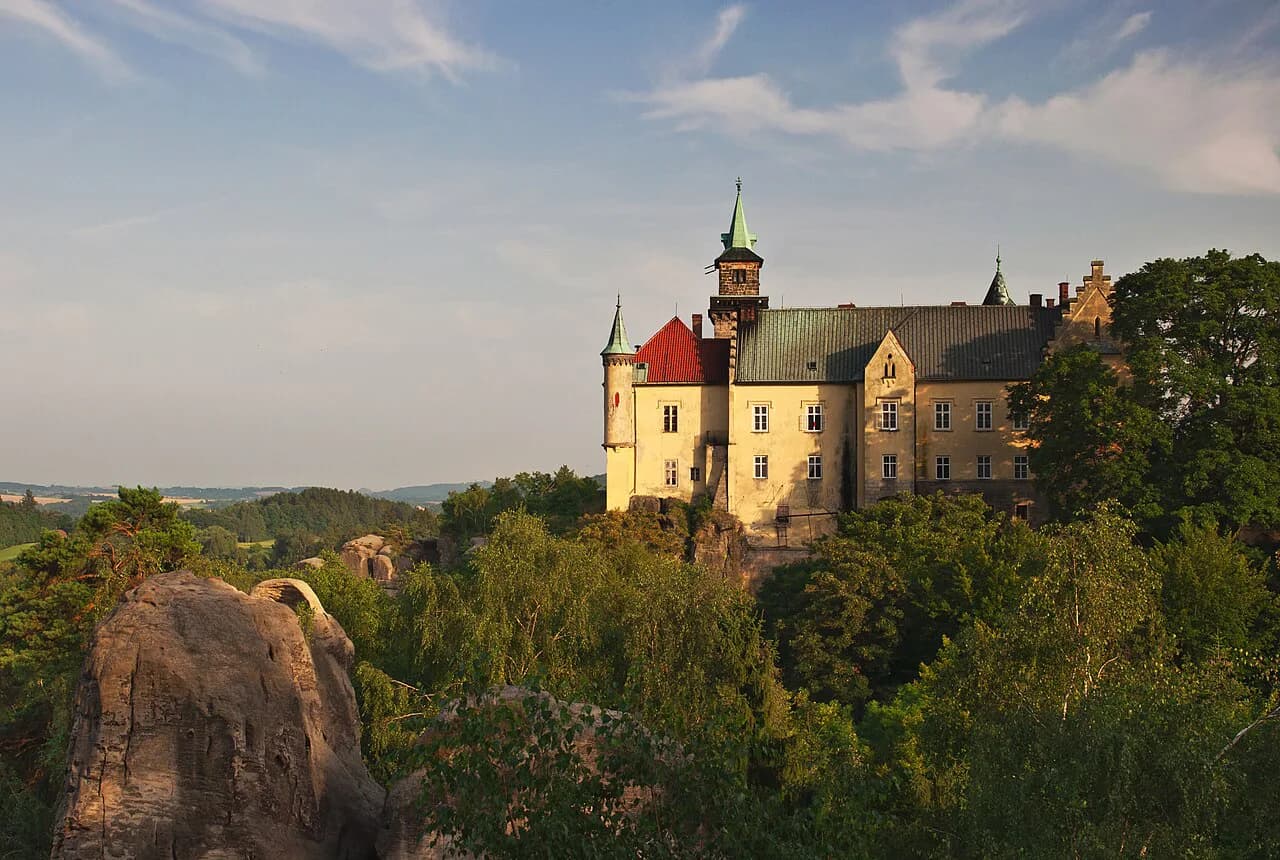
Hrubá Skála is a chateau perched on a sandstone ridge, with the rock formations dropping away on either side, and the village below is a natural stopping point between Trosky and Turnov. Valdštejn Castle sits on its own rock outcrop nearby and is reached on foot through the rocks, which makes it a good pairing with Hrubá Skála on the same day. Details of the approach and the tour are in the Valdštejn Castle guide.
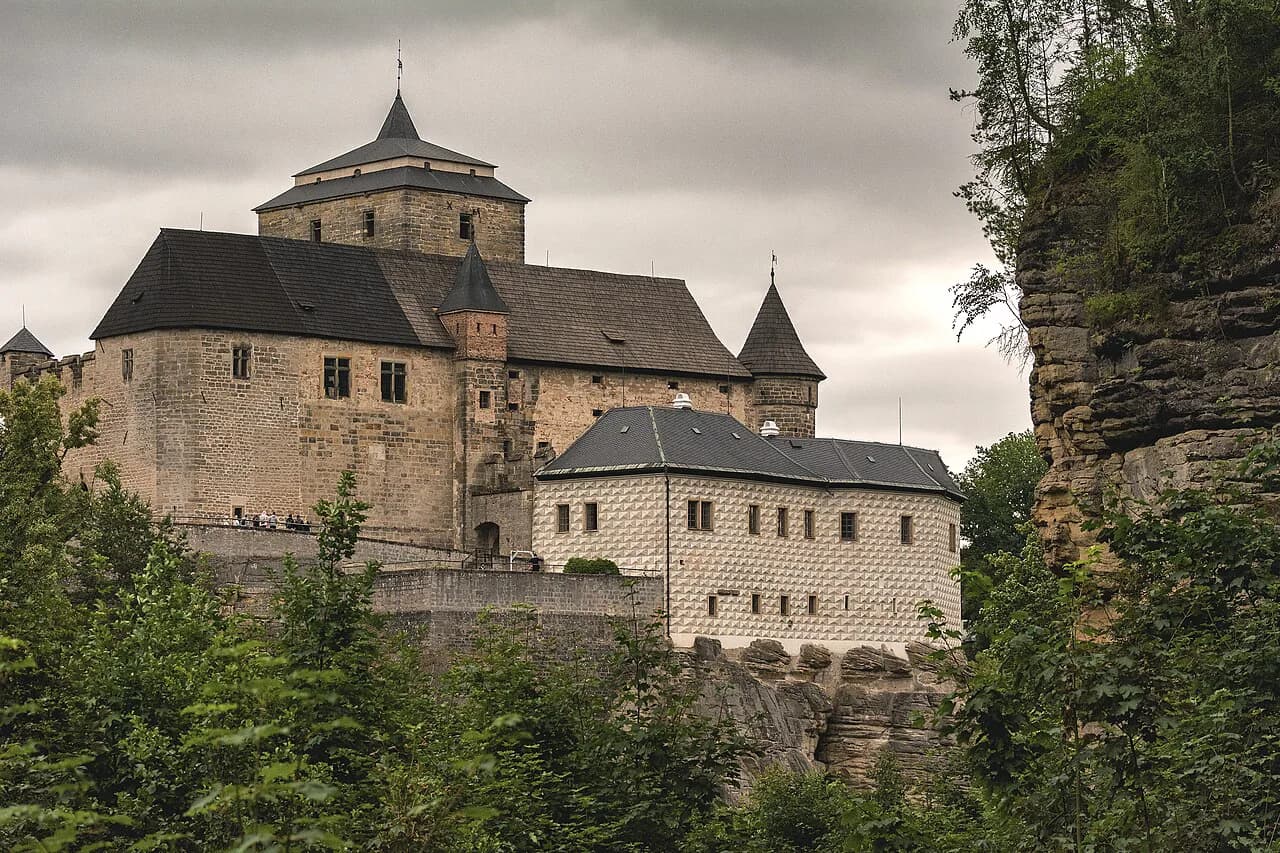
Kost castle is the best-preserved Gothic castle in the area and is often combined with Prachov Rocks on a single loop, since the two sit within a short drive of each other. Castle interiors in this part of the country are generally shown on guided tours with seasonal opening, so a castle day needs to be built around the tour schedule rather than treated as an anytime stop. The Kost castle guide explains the circuits and what to expect.
Base Towns: Turnov in the Middle, Jičín in the East
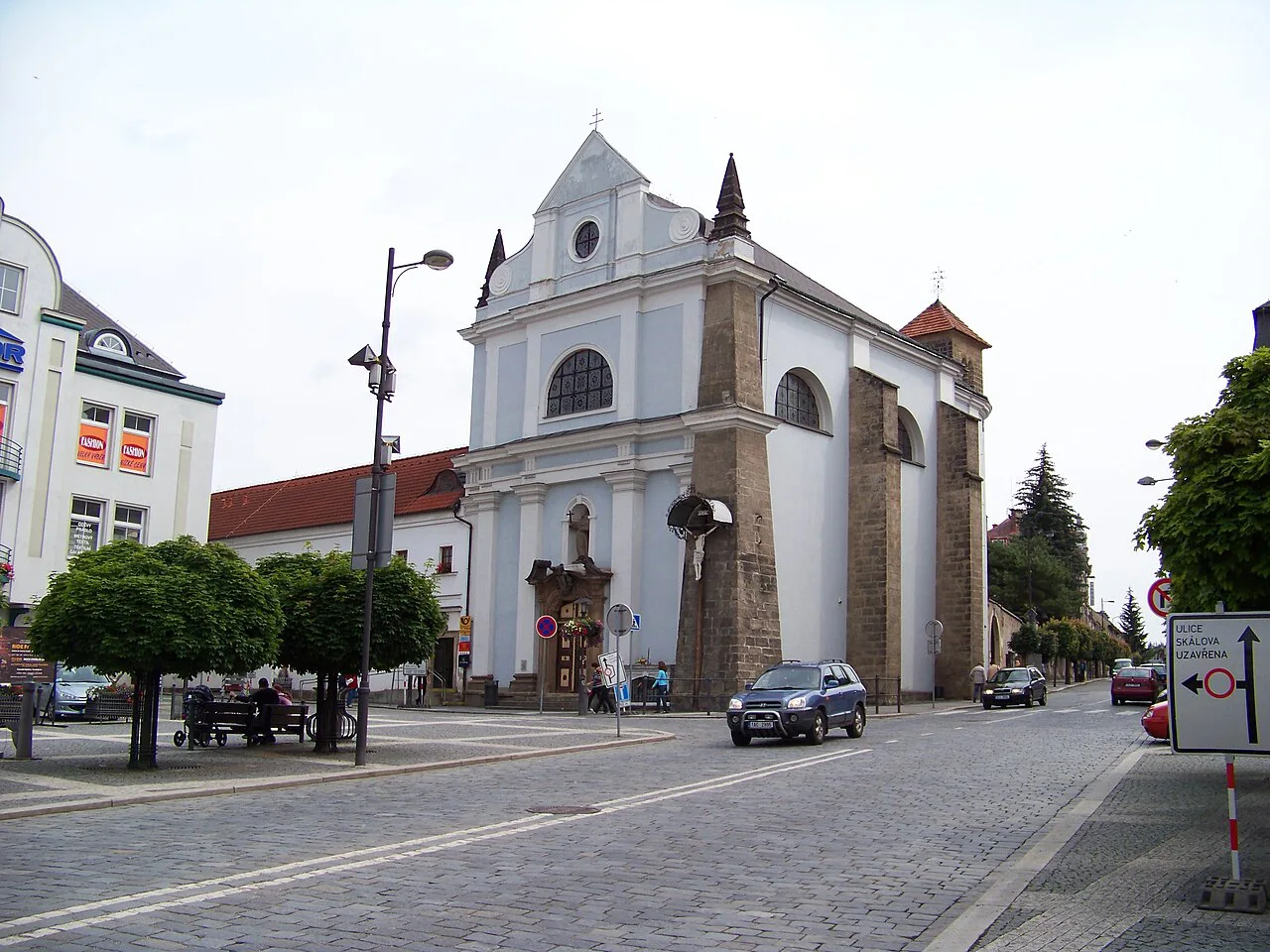
Turnov is the most practical base because it sits close to the center of the area, putting Trosky, Hrubá Skála, Valdštejn and Příhrazské Rocks within easy reach. The town itself is small, so treat it as a place to sleep and eat rather than a sight in its own right. Travelers coming by public transport often find Turnov the simplest arrival point.
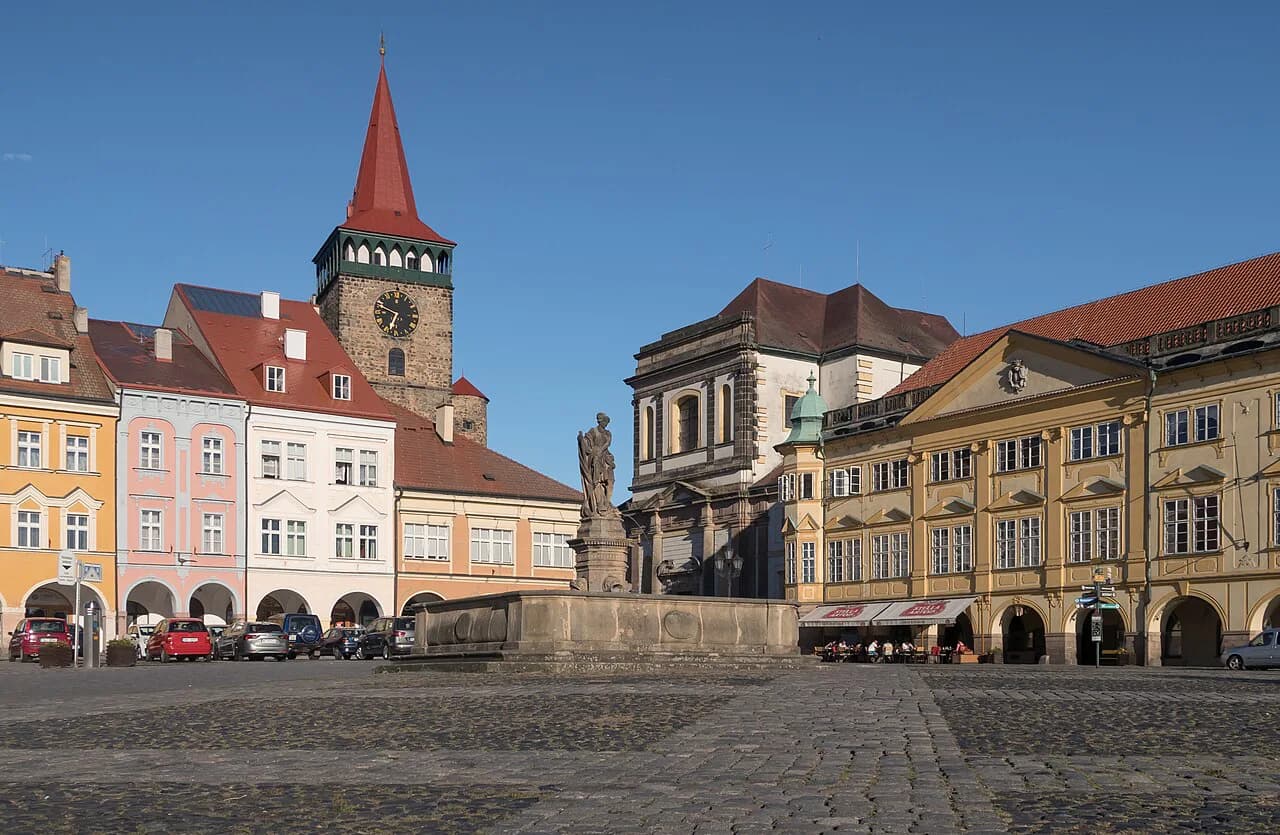
Jičín sits slightly further from the park's core but works well for the eastern side, especially Prachov Rocks, which are about five kilometers away. Jičín is the larger and more engaging town of the two, with a historic square and chateau, and it gives you something to do on an evening after a day in the rocks. The guide to Jičín covers the square, the chateau and how the town functions as a gateway.
Getting There from Prague
Buses to Turnov leave from Černý Most at the end of metro line B and take roughly an hour and twenty minutes, while trains from Prague's Hlavní nádraží run about every two hours and take a little longer. For Jičín, RegioJet buses from Černý Most run twice a day and take about an hour and a half, with trains from Hlavní nádraží taking significantly longer. These are approximate figures from a traveler's report, so confirm times on the current timetable before you commit to a return connection.
A car is the most flexible option by a wide margin, because the rock towns and castles are scattered across the countryside and public transport between them is thin. If you are relying on trains and buses, pick one base town and one or two sights rather than trying to cover the whole area. Drivers should note that the main tourist sites generally have paid parking.
Getting Around Inside the Area
Distances between the main sights are short by car: from Jičín you can reach most of the larger tourist sites in the area within minutes, and Prachov Rocks are about five kilometers from town. Parking at the bigger sites costs a small fee, around 70 CZK in a traveler's recent report. Taxis from Jičín and other towns run to the various parts of the park, with fares reported at around 200 CZK, which adds up quickly if you plan several hops in a day.
If you are on foot or using buses, treat the area as a set of separate outings rather than a single loop and confirm each leg before you go. The rock towns themselves are walked, often on uneven stone steps and paths, so allow more time than the map distance suggests.
Entry Fees and Costs in CZK
The Prachov Rocks charge an entrance fee, paid on arrival, and the regional tourism board's pages are the place to confirm the current amount before you travel. Parking at the main sites and taxi fares are the other cash costs of a day in the area, both small but worth having koruna for. Castle interiors are ticketed separately and are shown on guided tours, so budget for each castle you add rather than assuming one ticket covers the area.
How Long to Allow and How to Split the Day
One full day is enough for either a rock town plus one castle or two rock towns, but not for both categories done properly. Two days lets you give the Prachov Rocks a morning, spend an afternoon on Trosky or Kost, and still have time for Hrubá Skála and Valdštejn on the way through. Travelers based in Prague should plan on the journey out and back eating a meaningful part of the day, which argues for an early start or an overnight stay.
A sensible split is rocks in the morning while the light is good and the paths are quieter, castles in the afternoon when tours tend to run, and a base town in the evening. Building the day around castle tour times rather than the other way round avoids arriving at a closed gate.
Adršpach Rocks Are a Different Area
Adršpach Rocks, further east near the Polish border, are often confused with Český ráj but belong to a separate area with their own sandstone formations and their own entrance arrangements. If Adršpach is on your list, treat it as its own outing rather than a stop on a Český ráj loop. The Adršpach Rocks guide covers what the site involves.
Practical Constraints: Erosion, Seasons and Weather
The sandstone is fragile, and heavy foot traffic has already forced at least one site to close indefinitely, so stay on marked paths and accept that some routes may be restricted. Castle interiors open seasonally and are shown on guided tours, which means a castle that is open in summer can be shut in spring or late autumn. Check the castle's own page for the season before making it the centerpiece of a day.
The rock plateaus and viewpoints are exposed, so wind and rain hit harder up top than in the base towns, and stone steps get slippery. Sturdy shoes and a layer are more useful here than in a town-based Czech trip.
Where Český ráj Fits a Wider Czech Route
Český ráj sits north of Prague and works naturally as a two-day stop between the capital and the eastern part of the country, or as a counterweight to the heavily visited towns of Kutná Hora and Český Krumlov. Travelers heading east toward Adršpach or the Polish border can use the area as a first taste of Czech sandstone country before moving on. Coming from Vienna, it is a longer haul and fits better as part of a multi-stop Czech loop than as a single excursion.
Should You Build the Trip Around Rocks or Castles?
Build the trip around the rocks if you want the landscape that gave the area its name, and add one castle rather than three. Build it around castles if guided interiors and Gothic architecture are your priority, in which case Kost and Trosky make the strongest pair and the rocks become the scenery between them. Either way, base yourself in Turnov or Jičín, use a car if you can, and leave Drábské světničky out of the plan.
Explore more Turnov guides
Frequently Asked Questions
Is Český ráj worth visiting?
Yes, if you want sandstone rock towns and medieval castles in one compact area north of Prague rather than another city stop. The trade-off is that the sights are spread out, so public-transport travelers should pick one base town and a small number of sights instead of trying to cover everything.
What is the best time of year to visit Český ráj?
Late spring through early autumn gives you the best chance of dry paths and open castle tours, since castle interiors run on seasonal guided tours. The rock towns and viewpoints are exposed, so wind and rain are felt more strongly up on the formations than in the base towns.
Do you need a car to see Český ráj?
A car is the most flexible way to move between the rock towns and castles, which are scattered across the countryside. Without one, use Turnov or Jičín as a base and plan each leg around the train and bus timetable, confirming connections before you travel.
Can you visit Prachov Rocks and Trosky in one day?
It is possible by car, but tight: the Prachov Rocks deserve a half day on their own, and Trosky involves a climb to the castle gates. If you want both without rushing, stay overnight in the area rather than doing it as a day trip from Prague.
Are Adršpach Rocks part of Český ráj?
No. Adršpach Rocks lie further east near the Polish border and belong to a separate area with their own sandstone formations and entrance arrangements. Treat them as their own outing rather than a stop on a Český ráj loop.
Sources
Notes for your Czech trip
Optional updates to our Czech town guides.
You might also like
Continue reading
More guides you'll find useful