Castles Near Prague: Karlštejn, Konopiště, Křivoklát and More
Karlštejn, Konopiště and Křivoklát are the main castles near Prague. Compare what each tour shows, how long it takes, and how to reach it by train or car.
On this page
Karlštejn, Konopiště and Křivoklát are the three castles near Prague that most travelers can realistically visit, and each suits a different kind of day. Karlštejn is the Gothic hilltop castle, Konopiště is a chateau with art collections and a rose garden, and Křivoklát is a royal castle deep in the Berounka valley. This guide sorts them by what the tour shows, how much of a day each one takes, and how to plan the trip without a car.
All three are administered by the National Heritage Institute (NPÚ), which means the same structural rules apply everywhere: interiors are seen on guided tours, tours run in Czech by default, and the season is shorter than the calendar year. Knowing that in advance prevents the common disappointment of arriving at a closed gate or joining a tour you cannot follow.
Which castles near Prague are easiest to reach without a car
Karlštejn is the simplest car-free choice because the castle sits directly above the village of Karlštejn, which has its own train station on the line from Prague. The walk from the station up to the castle gate is short but climbs steadily, so allow extra time if you are carrying bags or traveling with someone who walks slowly.
Konopiště sits above the town of Benešov, southeast of Prague, and the chateau publishes its own arrival information for visitors coming by car or public transport. The grounds and the chateau itself are uphill from the town, so allow time for the climb rather than treating the last stretch as a quick stroll.
Křivoklát is the awkward one by public transport: the castle stands in the Berounka valley away from the main road and rail connections, so reaching it without a car takes longer and needs more planning than the other two. If you have no car and only one castle day, choose Karlštejn or Konopiště and save Křivoklát for a trip with wheels.
For exact departures and journey times, use the Czech national rail planner or the operator's own timetable rather than a generic map estimate. Castle websites list contact details and arrival notes, but they do not publish train schedules, so the rail planner is the reliable source for the day you travel.
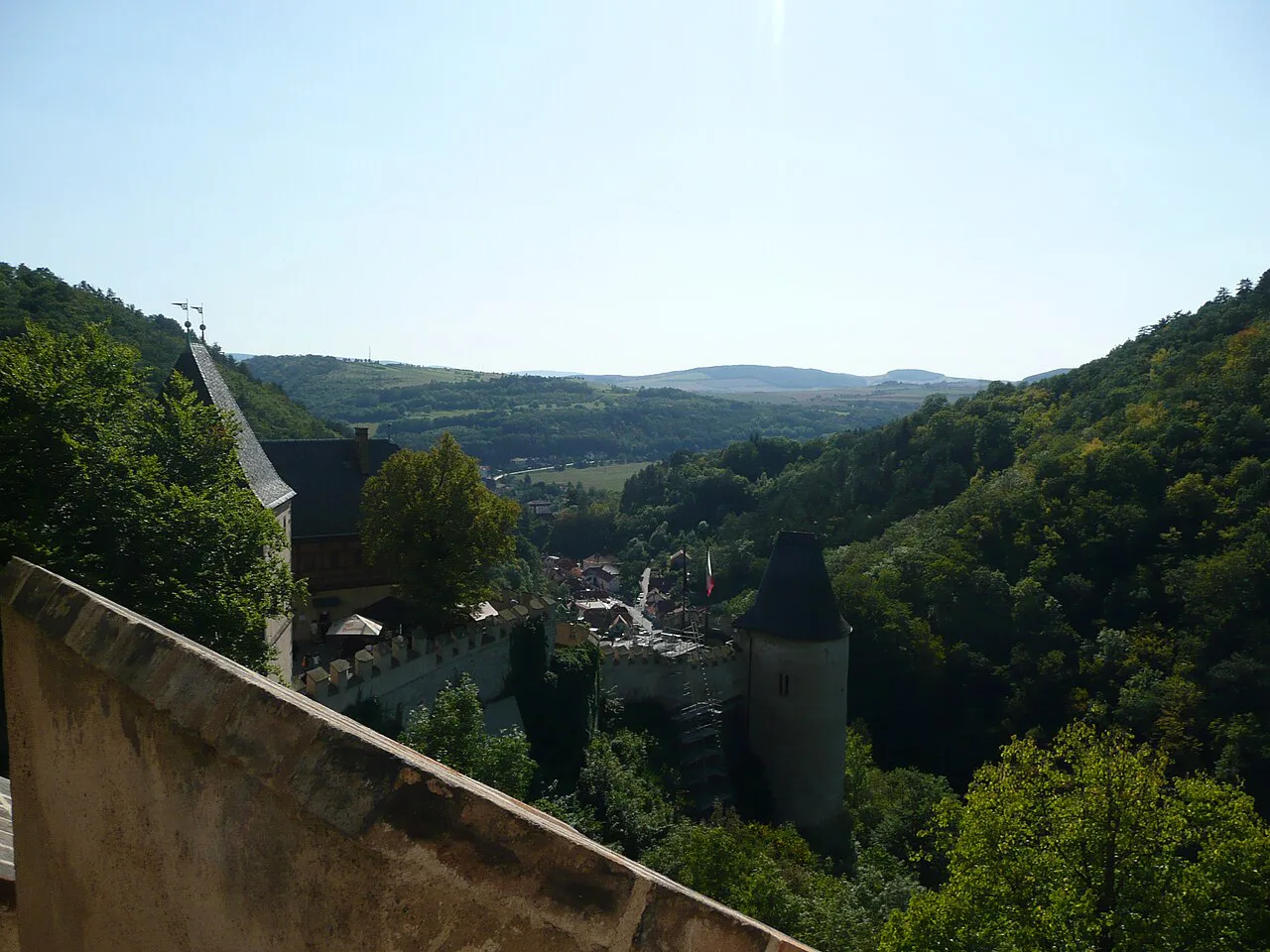
Karlštejn: the Gothic hilltop castle and its tour circuits
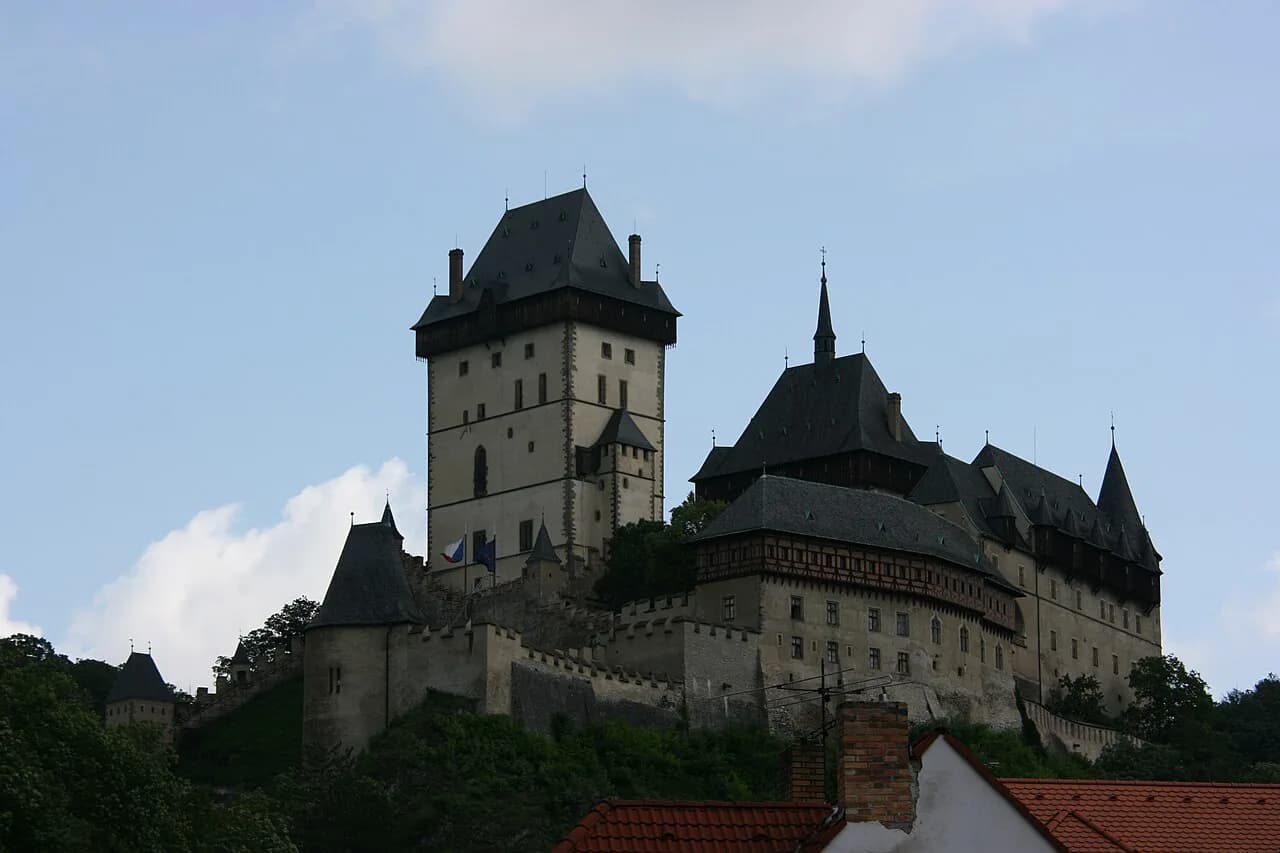
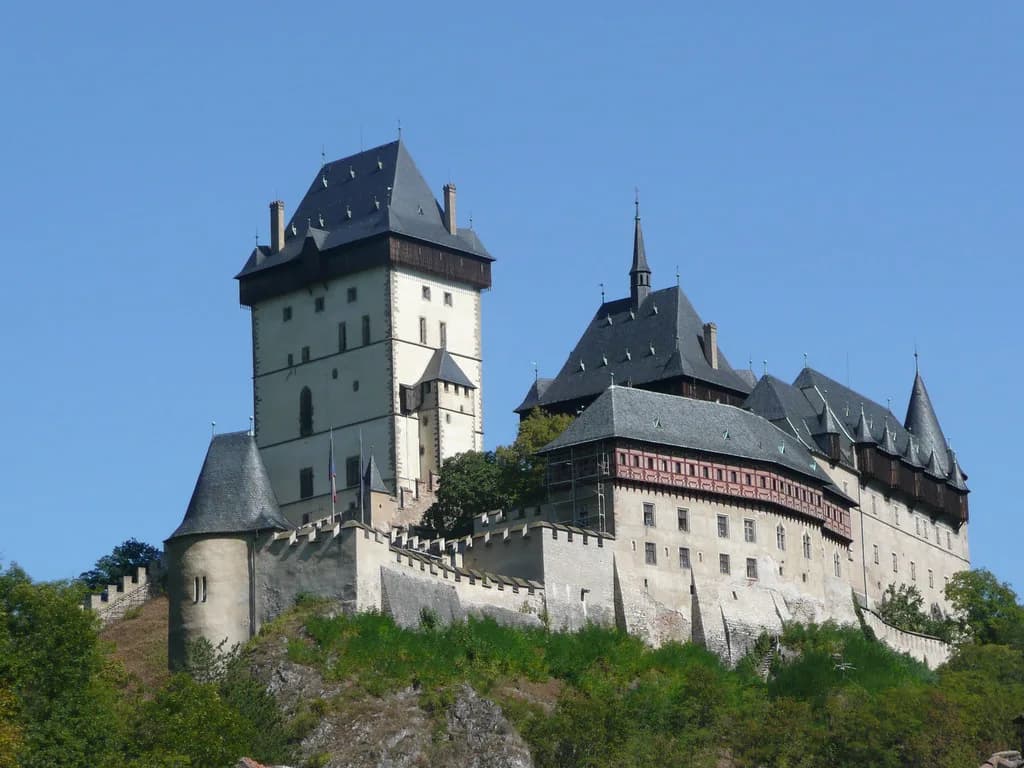
Karlštejn was built as a royal castle and treasure house, and its reputation rests on the medieval interiors rather than on size or setting. The castle keeps a dedicated section on its website for tour circuits, opening hours, admission and reservations, which is the place to see exactly what is being sold on your date before you commit to the train.
The visit is a guided tour rather than a free walk through rooms, and the castle offers more than one circuit at different lengths and depths. Circuits differ in what they include and in how demanding the route is, so read the circuit descriptions on the official site and pick deliberately instead of taking whatever is next.
The castle also publishes practical pages on photography and filming, drone use, parking, accessibility and bringing animals, which matters more here than at many sites because the approach is steep and the interiors are tight. Check those pages before you plan camera gear or a stroller.
If your priority is the classic Gothic castle image in the cheapest and quickest way from Prague, Karlštejn is the answer. The trade-off is that it is the most heavily visited of the three, so a midday arrival in high season means sharing the courtyard with several tour groups at once.
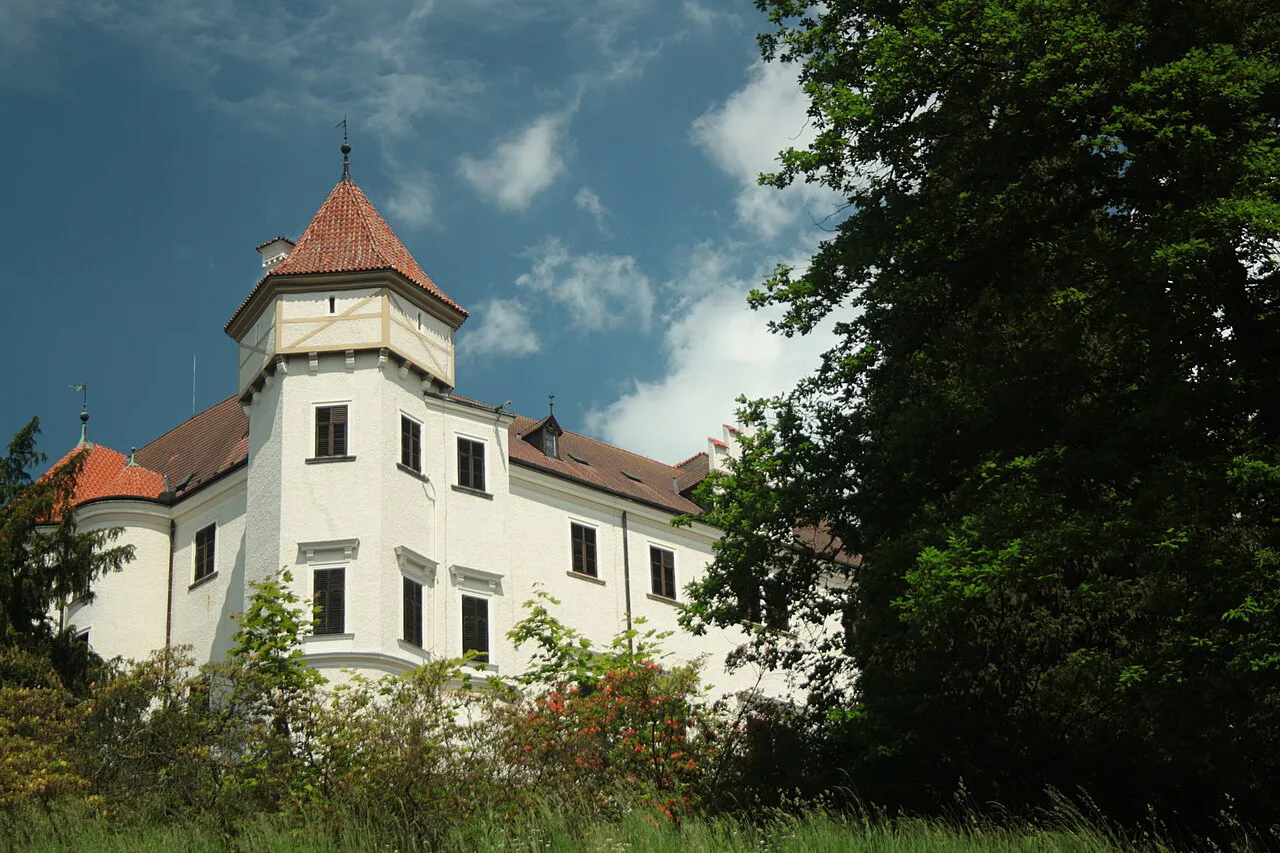
Konopiště: the chateau with the art collections and rose garden
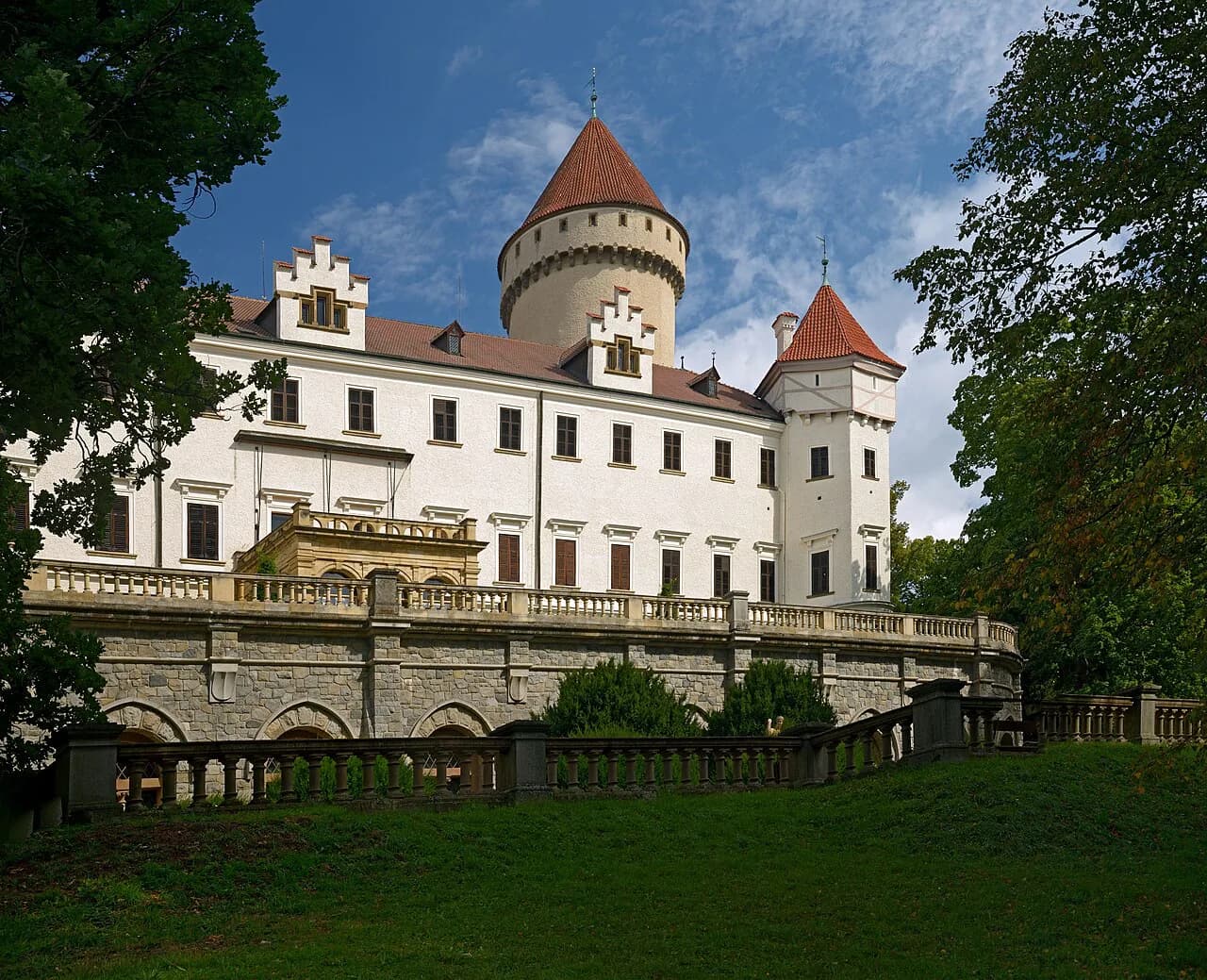
Konopiště is a chateau rather than a ruined medieval fortress, and its draw is the interior: rare art collections, technical curiosities and the furnished rooms of a residence that stayed in use into the modern era. The official site describes the building as one of the most significant monuments in the country and stresses the collections as much as the architecture.
Outside, the Růžová zahrada (Rose Garden) and the park give you something to do without a tour ticket, which makes Konopiště a good choice for a mixed group where not everyone wants an interior visit. The chateau publishes opening hours by month on its front page: April, May and September it opens 10 to 16:00, June 10 to 17:00, July and August 9:30 to 17:00, October 10 to 15:00, and in November weekends 10 to 15:00 with weekdays by arrangement.
Tickets, tour circuits and reservations are each handled on their own pages of the chateau site, so the sensible order is to pick a circuit first and then check the price and booking options for it. Arriving without a reservation works outside peak periods, but a weekend in July or August is where advance booking earns its keep.
Konopiště takes longer than Karlštejn because the grounds reward a walk and the chateau sits above town rather than beside the station. Budget most of a day if you want both an interior tour and the garden, and treat it as a half day only if you skip one of the two.
Křivoklát: the royal castle in the Berounka valley
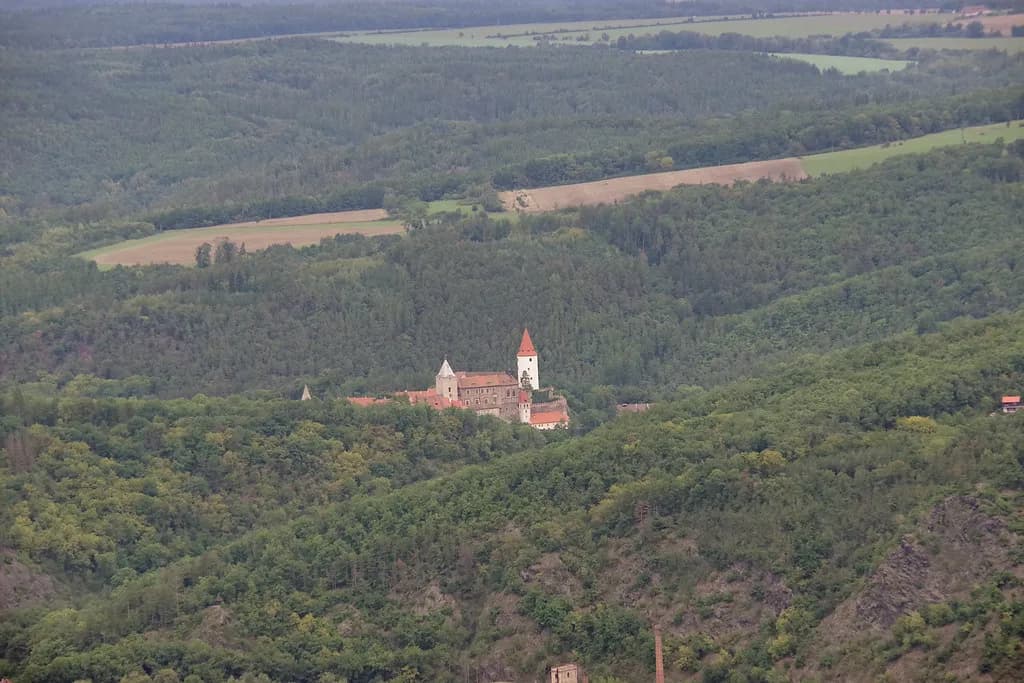
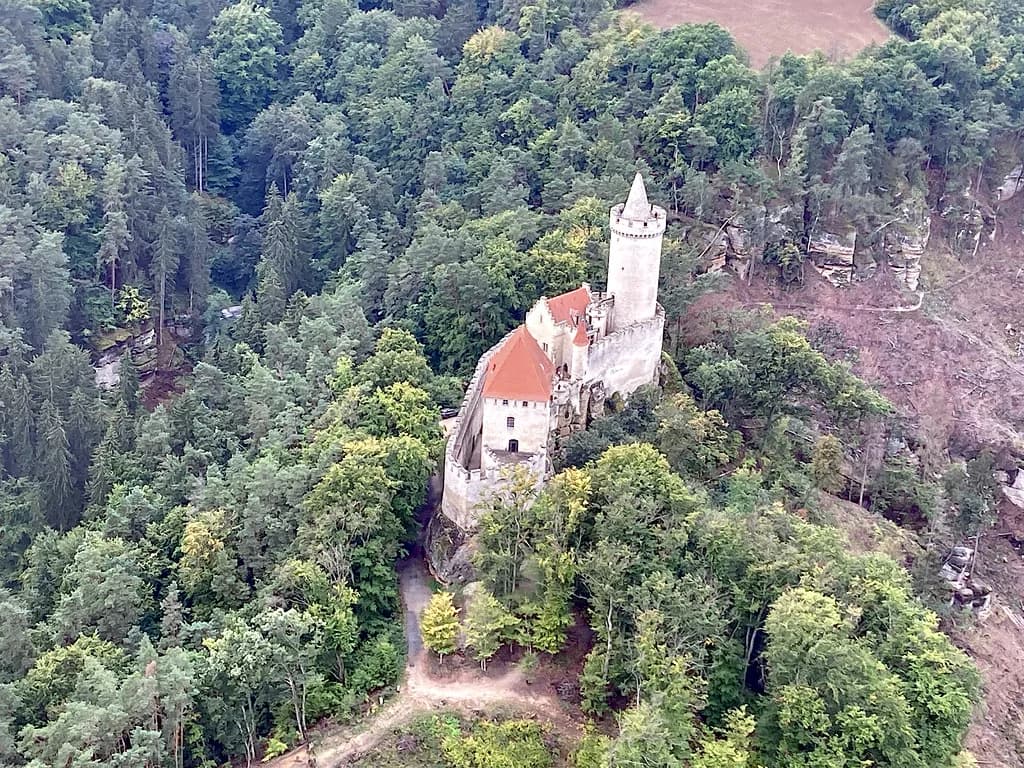
Křivoklát is one of the oldest seats of Czech princes and kings, and its website frames it as a fortress shaped by the Přemyslids, the Luxembourgs and the Jagellonians. The architecture carries that history in a way a rebuilt chateau cannot, with a stout cylindrical tower and a medieval core that is the reason to make the trip.
Like Karlštejn, Křivoklát sells guided tour circuits, and the castle publishes separate pages for circuits, opening hours and admission alongside directions and parking. The castle also runs an on-site restaurant and offers accommodation, which is unusual among NPÚ sites and makes an overnight in the valley a genuine option rather than an afterthought.
The location is the point and the problem at once: the castle sits in the Berounka valley surrounded by forest, which is why it feels remote and why the journey takes longer than the distance suggests. Travelers coming from Prague should plan the castle as the anchor of a full day, with the valley drive or the journey out as part of the outing rather than dead time.
The castle publishes current notices and a calendar of cultural events on its site, and those notices are worth a glance before a long journey because maintenance and restoration work can affect what is open. Whether the interiors are available on a given day is the one thing that can turn a two-hour drive into a wasted one.
Other castles worth the extra distance
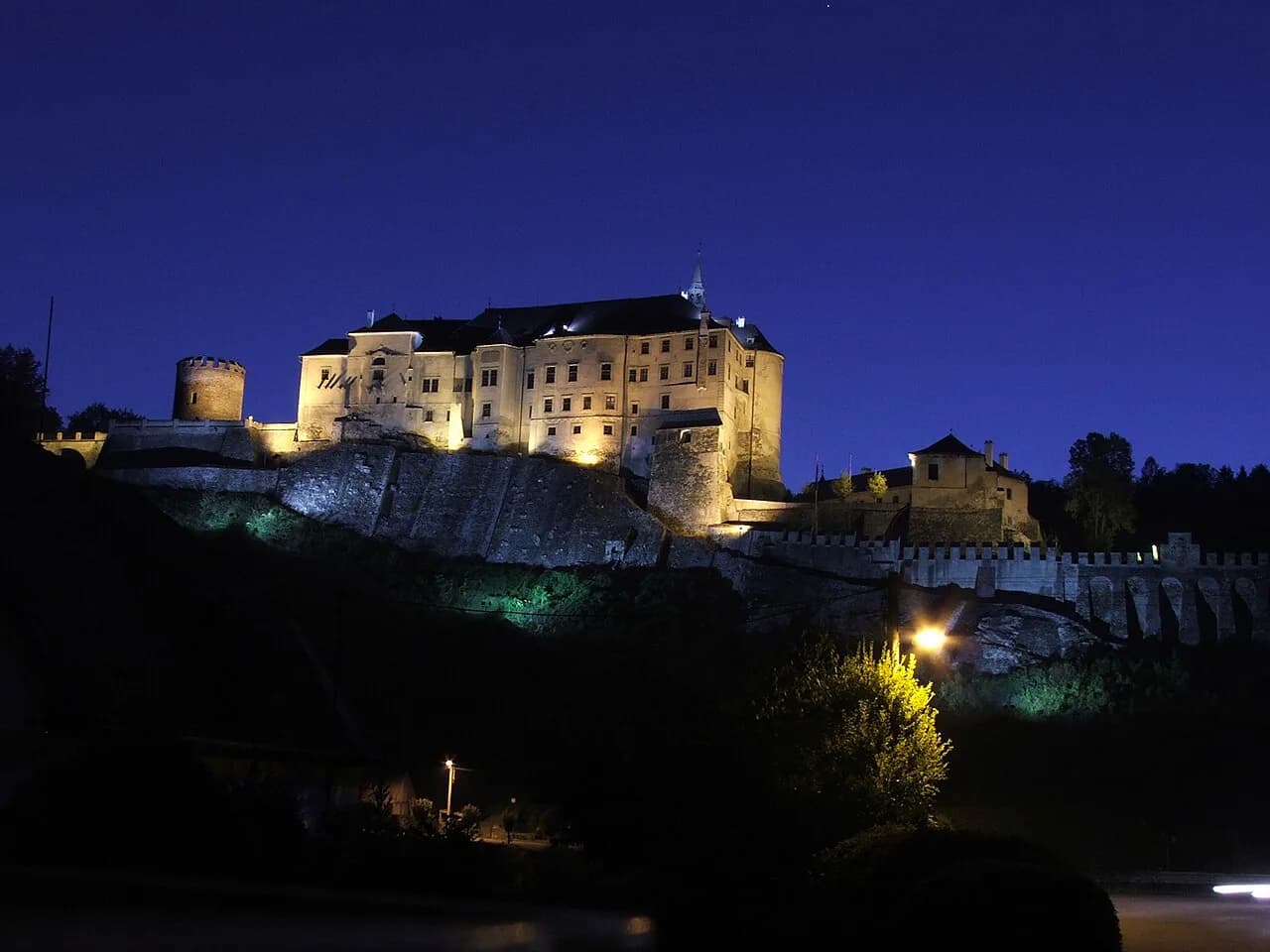
Once you have seen the big three, the castles further out reward travelers who have a car and an appetite for a slower day. Český Šternberk, Kokořín, Houska, Mělník and Nelahozeves each have their own official sites with circuit and season details, and each one is a distinct reason to leave Prague rather than a substitute for Karlštejn.
Český Šternberk is a genuine hilltop castle above the Sázava, still associated with the same family line, and its interiors are the draw. Kokořín sits in the sandstone landscape of the same name, where the castle is as much a landscape stop as an architectural one, and Houska is a remote fortress in the woods with a long history and a well-worn legend attached to it that the castle presents as legend.
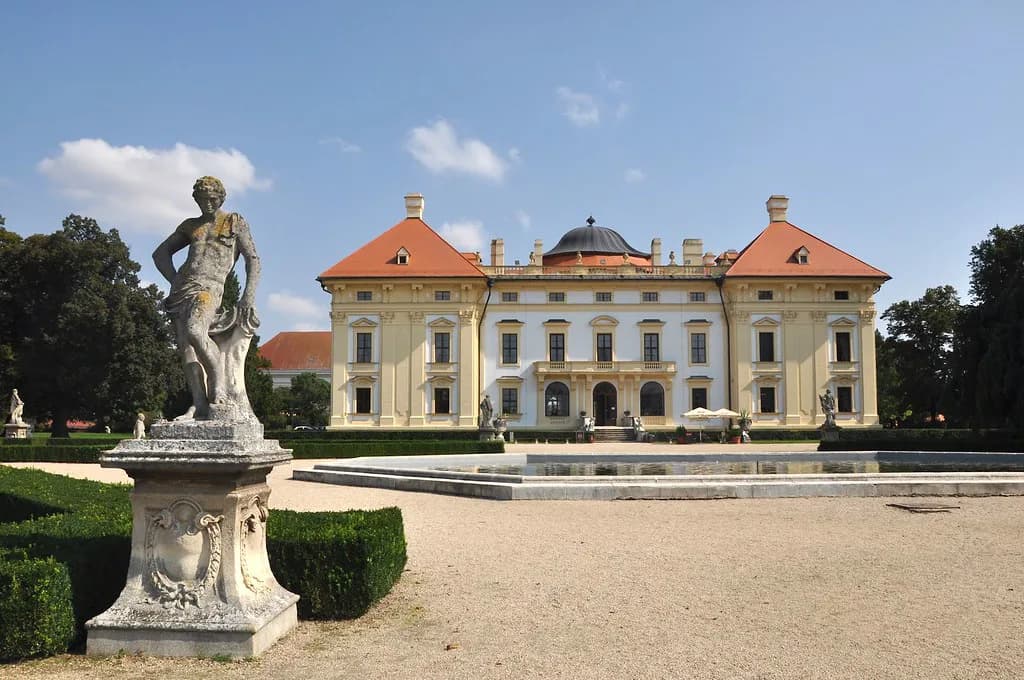
Mělník and Nelahozeves are both châteaux rather than castles, and both sit near the confluence of the Vltava and Labe north of Prague, which makes them a natural pairing on one drive. Nelahozeves is also associated with the composer Antonín Dvořák's birthplace in the village, so a chateau visit there can carry a second thread of interest.
These sites keep different calendars from one another, and several open only from spring through autumn. Check each official site before building a route around them, because a single closed gate can cost you half a day of driving on a loop that has no other stop.
What a castle tour actually covers, and when tours run in Czech or English
Interior visits at National Heritage Institute castles and châteaux are almost always guided tours sold as named circuits, and the circuit name tells you what you are buying: a shorter route through representative rooms or a longer one that includes the deeper parts of the building. Read the circuit list on the castle's own site before choosing, because circuits are not interchangeable and the cheapest one may skip the rooms you came for.
The default language is Czech, and English-language tours are usually offered on a limited schedule rather than every departure, sometimes only in high season or by prior arrangement. If your group needs English, book or confirm it in advance rather than turning up and hoping, and keep in mind that printed materials may be available even when a live English tour is not.
The season is the other constraint: NPÚ interiors typically open from spring into autumn, with winter visits limited to exteriors and grounds. That makes a December trip a walk around the castle rather than a tour through it, which is fine if you know it in advance and frustrating if you do not.
Prices vary by castle and circuit, and the castles publish current admission on their own pages rather than through a central price list. A combined ticket or a season pass can change the arithmetic, and each castle's admission page sets out discounts, so read that page for the specific site rather than assuming one price applies across the country.
Half day or full day: matching each castle to the time you have
For a half day, Karlštejn is the cleanest fit: a short train ride, a walk up, one circuit and back to Prague before evening. The structure of the day is simple, and the main cost is the crowd at midday rather than logistics.
For a full day, Konopiště gives you more to fill the hours, with the interior plus the rose garden and park, and Křivoklát gives you the most atmosphere per kilometer but demands the most travel. A full day means leaving Prague in the morning and accepting that you will not add a second castle on the same trip.
If you have a car and two days, pair Konopiště with Český Šternberk or Křivoklát for a loop through the countryside, and keep Karlštejn for the day you rely on the train. Trying to combine Karlštejn and Křivoklát in one day by public transport is where itineraries fall apart.
Practical notes: tickets, seasonal opening and booking ahead
Tickets are sold at the castle and, at several sites, online in advance. The official pages for admission and online tickets are the only reliable source for whether a given circuit is sold out or available on your date.
Book ahead for summer weekends, for any English-language departure, and for anyone with a tight schedule. Outside those situations, a weekday in spring or autumn is far more forgiving, and the castles are quieter as well as easier to book.
Because maintenance, restoration and special events can close parts of a castle at short notice, look at the current visitor information on the castle's site in the days before you go. That single check replaces a lot of guessing about whether the circuit you want is running.
Pick the castle that matches your day
Choose Karlštejn for the classic Gothic castle on the easiest car-free day, Konopiště for art collections and gardens on a full day out, and Křivoklát for a royal fortress in the valley when you have a car and time to use it. Travelers with extra days and wheels can add Český Šternberk, Kokořín, Houska, Mělník or Nelahozeves, each checked against its own official site before the drive.
Explore more Central Bohemia guides
Frequently Asked Questions
How many castles are there in the Czech Republic?
There is no single official count that travelers can rely on, because the number depends on whether you include ruins, châteaux and privately owned buildings. For planning, what matters is that the National Heritage Institute administers a large group of castles and châteaux with published circuits and seasons, and its own site lists the sites it manages.
Which castle near Prague is the most popular?
Karlštejn is the name most travelers associate with a castle day from Prague, and its fame rests on the medieval interiors and royal history rather than on size. Popularity also means crowds, so an early arrival helps more here than at Konopiště or Křivoklát.
Can I visit a castle near Prague in winter?
Interior tours at the National Heritage Institute castles generally run a spring-to-autumn season, so a winter visit usually means the exterior and grounds only. Each castle publishes its own opening calendar, and that is the page to check before a winter journey.
Sources
Notes for your Czech trip
Optional updates to our Czech town guides.
You might also like
Continue reading
More guides you'll find useful