Houska Castle: The Czech Fortress Built Over a 'Gate to Hell'
Houska Castle is a 13th-century Gothic fortress about 47 km north of Prague, known for its inward-facing walls and the pit beneath it. Here is what a visit covers.
On this page
Houska Castle rewards about half a day, not a full one: a guided interior tour, the separate PEKLEM exhibit if the legend interests you, and a walk in from the car park. The castle sits in the Liberec Region about 47 km north of Prague, a small Gothic fortress whose fame rests on a pit in the rock beneath it rather than on battles or royal residence. This guide covers what the tour actually shows, how the tickets are split, when the castle opens and how the approach on foot shapes the visit.
What Houska Castle is and why travelers seek it out
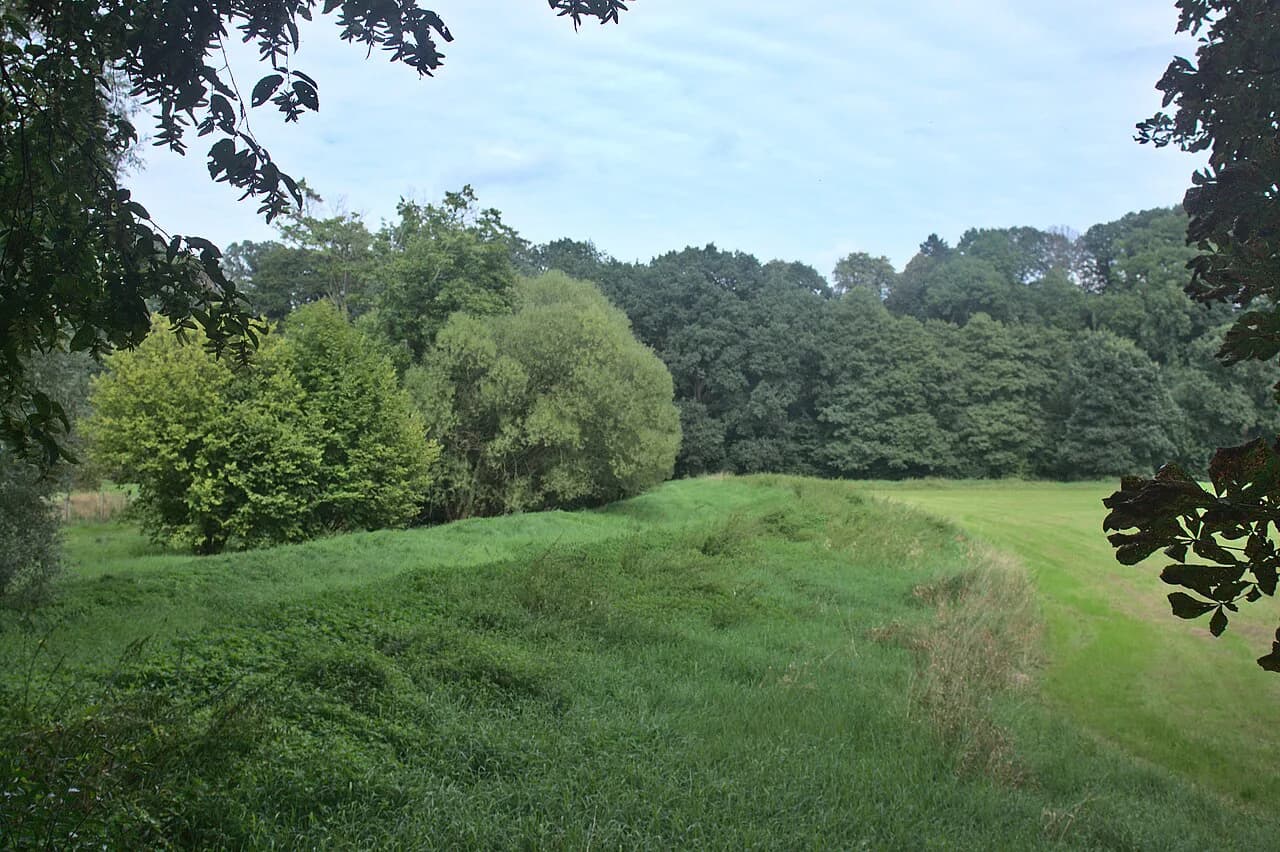
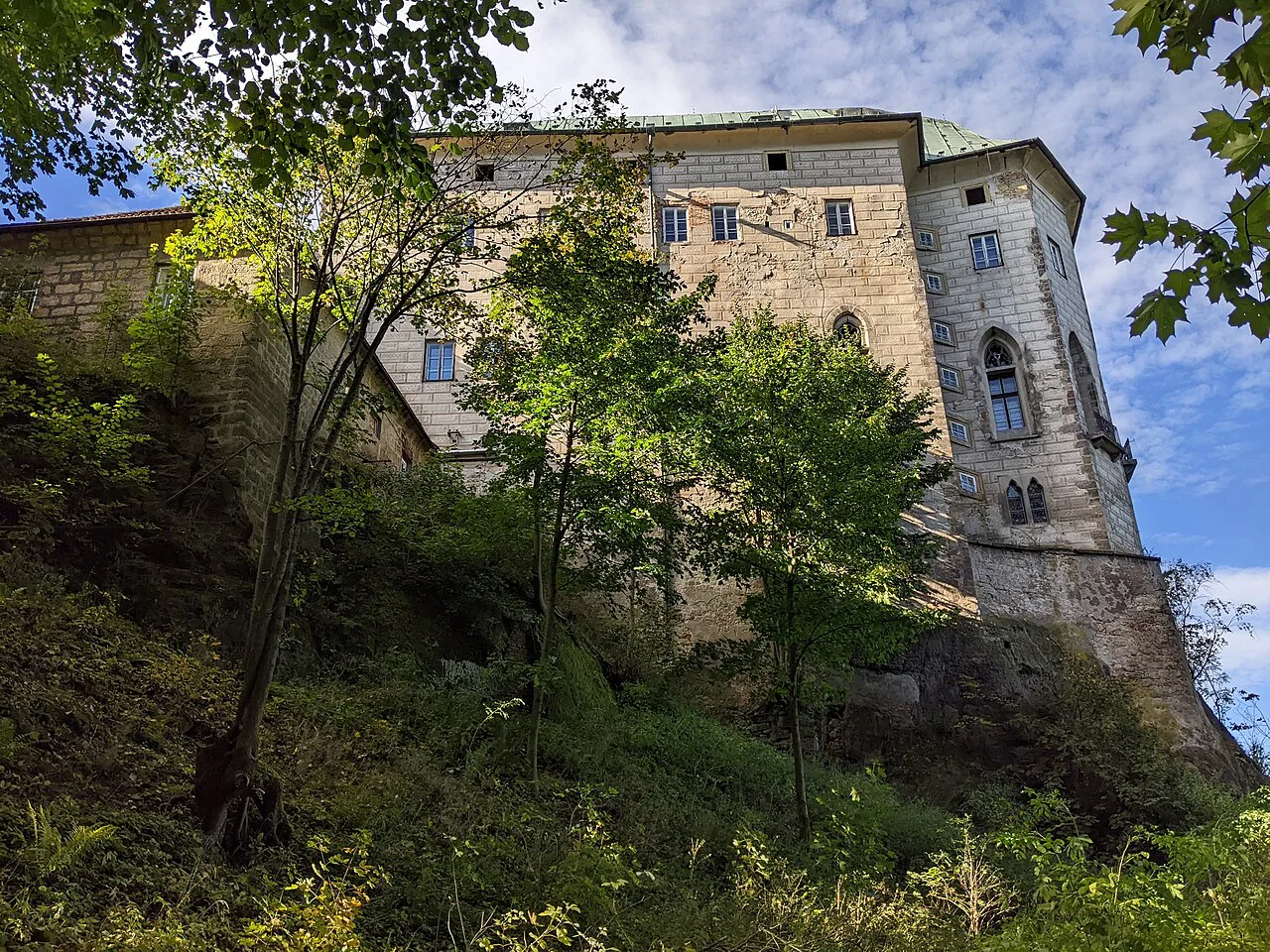
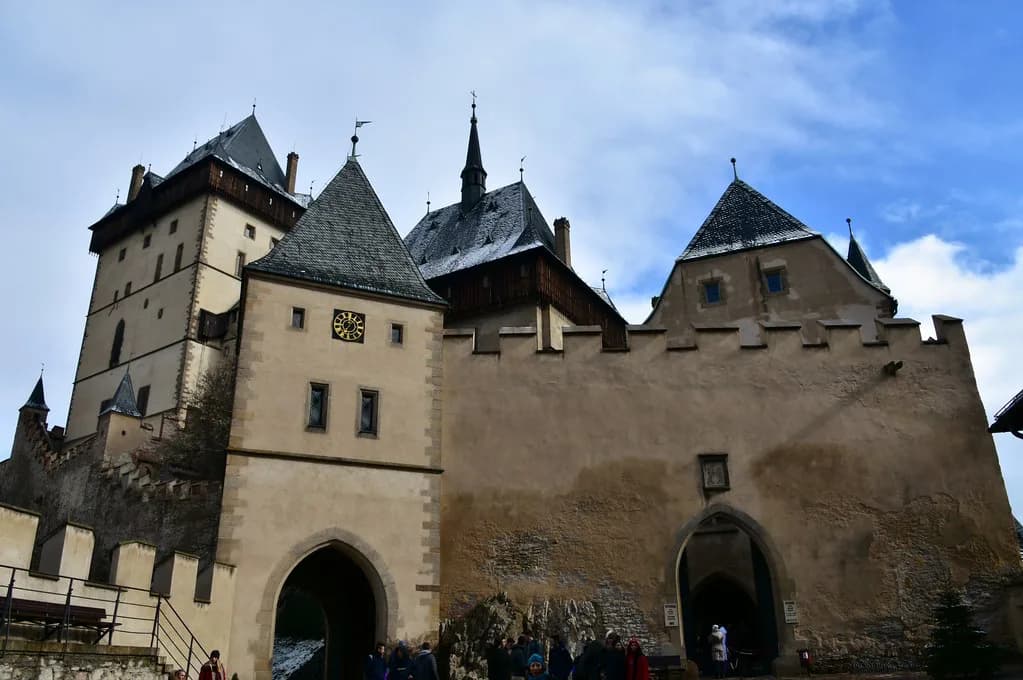
Houska is a 13th-century Gothic castle near the village of Houska in the Liberec Region, roughly 47 km north of Prague. Its plan is the reason it gets talked about: the fortifications face inward rather than guarding long outer walls, a layout that has fed centuries of speculation about what the builders were keeping in rather than out. The setting is remote, in wooded hills well away from major rivers and trade routes, which sharpens the sense of isolation the stories depend on.
The documented story is administrative. Ottokar II of Bohemia is credited with founding the castle in 1278 as a center for managing nearby estates, a practical purpose that sits oddly beside the legends attached to the site. If you are building a castle route north of Prague, Houska works as a compact stop rather than a headline destination; travelers comparing fortress types often pair it with the larger Czech castles that anchor longer itineraries.
The 'gateway to hell': folklore versus history
Local lore holds that the castle was raised over a bottomless pit, and that the inward-facing walls were meant to contain whatever came out of it. The best-known version of the story involves a prisoner lowered into the shaft who is said to have emerged white-haired and aged, a tale repeated in retellings of the legend rather than in any castle record. Treat it as folklore: it is a good story, told as a story, and the castle's own published material is the place to see how it presents the site today.
Later layers of the legend are equally unverified. Folklore places a Swedish magician named Oronto at Houska in the 1600s pursuing an elixir of life, and wartime rumors attach occult rituals to the chapel during the Nazi occupation. None of this is documented history, and the article you are reading will not dress it up as such. If ghost stories are the draw, the wider selection of haunted castles in the Czech Republic gives you a sense of how these tales travel from one ruin to the next.
What the guided tour shows: the chapel and the interior
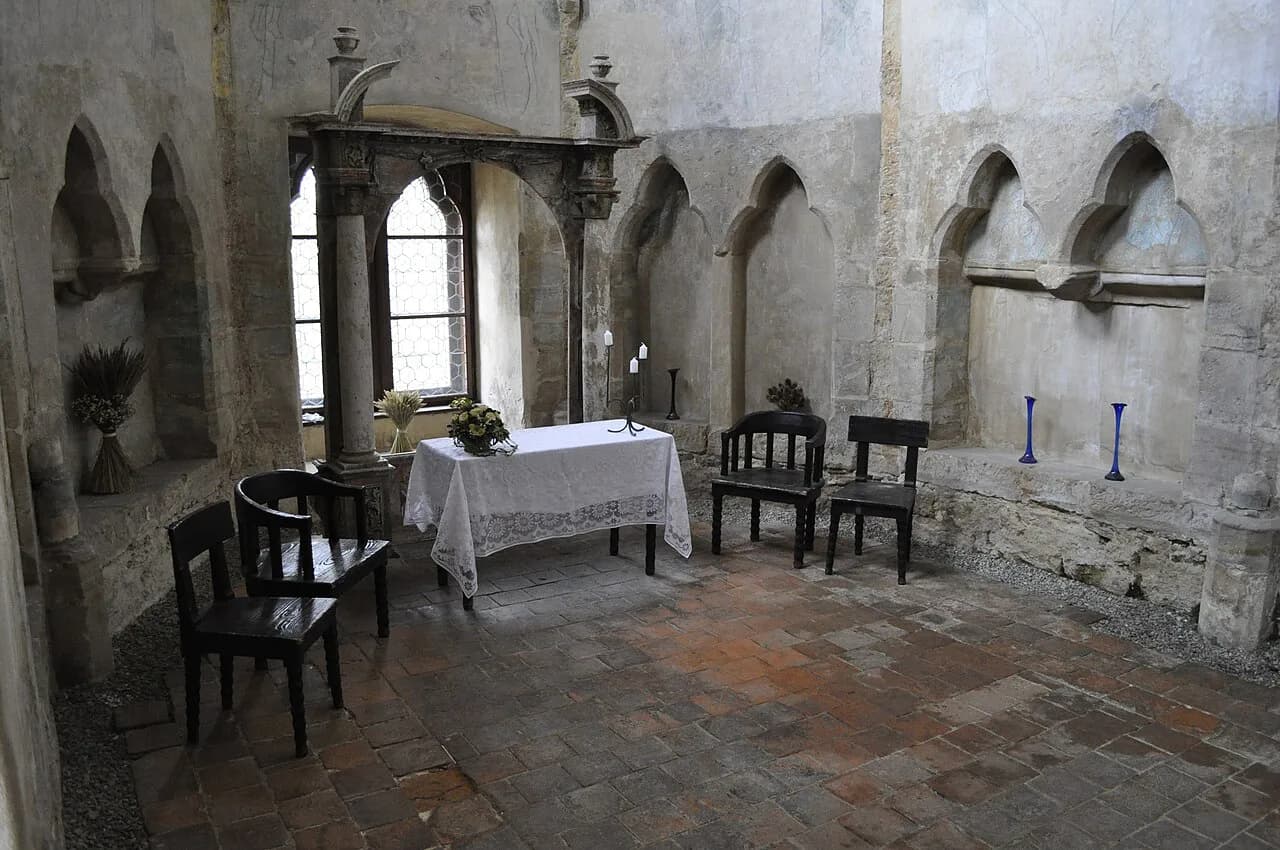
Visitors enter the castle on guided tours, so the interior is seen at a set pace rather than wandered at will. The highlight inside is the chapel dedicated to the archangel Michael, whose wall painting includes a figure that is half woman, half horse, drawing a bow — an image out of place in a 13th-century Christian chapel and the single most arresting thing on the tour. Look for it deliberately; it is easy to pass while following a guide's commentary.
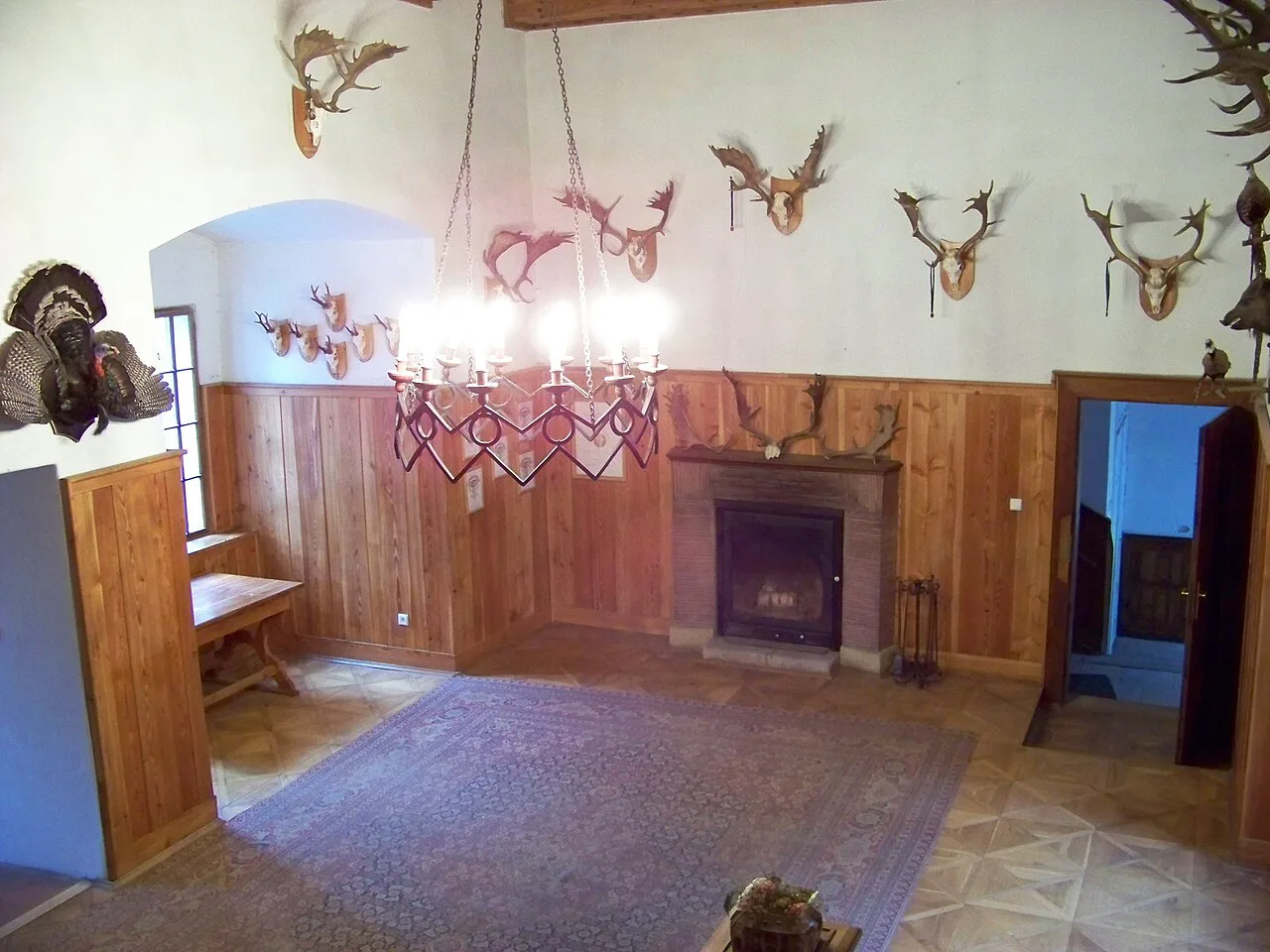
The rest of the interior leans into the legend, with devilish decoration, iron demons and a diorama of the underworld, plus upper levels that open onto views over the surrounding hills and forest. Tours depart on the hour, so a wait for the next departure is built into the visit rather than optional. Ask the operator about language availability for your date, since tour language is not something to assume.
PEKLEM, the mechanical inferno next door
PEKLEM is a separate attraction in the former carriage house, a mechanical inferno that you walk through on your own rather than with a guide. It carries its own ticket, distinct from castle admission, so decide before you pay whether the theatrical hell scene appeals or whether the guided tour alone is enough. Travelers with a taste for the macabre usually add it; anyone short on time can skip it without missing the castle itself.
Season and opening pattern
The castle's public season runs April through October, so a November-to-March trip north of Prague will not include Houska. Hours shift across the season: April and October are weekend-only, with October closing earlier in the afternoon, while May, June and September open Tuesday to Sunday and July and August run the longest days of the year. Tours start every full hour, and the last tour and courtyard entry fall an hour before closing, so arriving late in the afternoon is a real risk.
Holiday openings are published separately from the regular weekly pattern, which matters if your trip falls around Easter or a Czech public holiday. Rather than rely on a printed schedule, check the castle's own calendar for your date before you commit to the drive, because a closed gate at the end of a country road is a poor use of a morning.
Tickets in CZK
Admission is tiered rather than flat. The 2026 prices published for the castle are 180 CZK for an adult, 130 CZK reduced for children up to 15, seniors and students, and 520 CZK for a family ticket covering two adults and two children under 15. PEKLEM is priced separately at 80 CZK, and bringing a dog costs 40 CZK. Treat these as the published figures for that year, not a guarantee of what you will pay on a later trip.
Budget in koruna and expect to pay at the castle rather than in Prague; carrying some cash is sensible for a rural site, though card acceptance is worth confirming on arrival. If you are touring several fortresses, entry fees add up quickly, so decide which ones justify the guided-tour price and which you would rather see from outside.
Getting there: car, parking and the walk to the gate
Houska sits in the Liberec Region roughly 47 km north of Prague, and the approach is easiest by car. The car park is about 700 m from the castle gate, and that stretch is walked, which adds roughly 20 minutes round trip to the visit. Budget for it in wet weather and wear something that handles a forest path.
Public transport is the weak point. Bus schedules to the area are seasonal, and the operator advises against relying on them, so a train-plus-bus plan needs verification against current timetables before you count on it. If you are traveling without a car, a different castle with a reliable rail connection is the better use of a day.
How long to allow, and the hourly tour squeeze
Plan on at least 1.5 hours for the castle itself, an independent planning estimate rather than an official figure, then add the walk from the car park and any wait for the next hourly departure. Because tours leave on the hour, arriving ten minutes after one costs you fifty minutes; time your arrival for just before the hour and the visit runs smoothly. Pairing Houska with a second stop the same day is realistic if you drive and start early.
The trade-off is intimacy against convenience. Houska is small and its tour is short, so the journey matters as much as the interior; travelers who want a full day of castle rooms and courtyards should look at larger sites in the same family of Gothic fortresses, such as Pernštejn Castle in Moravia, and treat Houska as the atmospheric add-on.
Is Houska Castle worth the drive from Prague?
Yes, for travelers who want atmosphere, a strange chapel painting and a legend they can take with a pinch of salt — and who have a car. It is a modest castle with a short tour, so it earns the trip as one stop on a northern loop rather than as the destination of a whole day. If your interests run to Gothic architecture on a grander scale, spend the hours elsewhere and keep Houska for a trip when the route already passes nearby.
Build the day around the season: April through October only, hour-by-hour tour starts, and an earlier close in October than in midsummer. Check the castle's calendar and current prices before setting out, then leave Prague with enough margin to arrive before the hour rather than after it.
Explore more Czech Republic guides
Sources
Notes for your Czech trip
Optional updates to our Czech town guides.
You might also like
Continue reading
More guides you'll find useful