Kost Castle: Guided Tours, Tickets and What to See
Plan a visit to Kost Castle in Český ráj: what each of the four guided tours covers, ticket prices in CZK, the October weekend pattern and how to reach the castle.
On this page
Kost Castle is the fortress to pick in Český ráj (Bohemian Paradise) if you want original Gothic stone rather than a romantic rebuild: a tight cluster of palaces, courtyards and a chapel on a rocky promontory above a wooded valley. Allow roughly two hours on site, or closer to three if you take the full combined tour and stop at the castle restaurant. This guide breaks down the four guided circuits, the CZK ticket prices the castle publishes, the October weekend pattern, and how to reach the valley from Turnov and nearby bases.
What Kost Castle is and where it sits
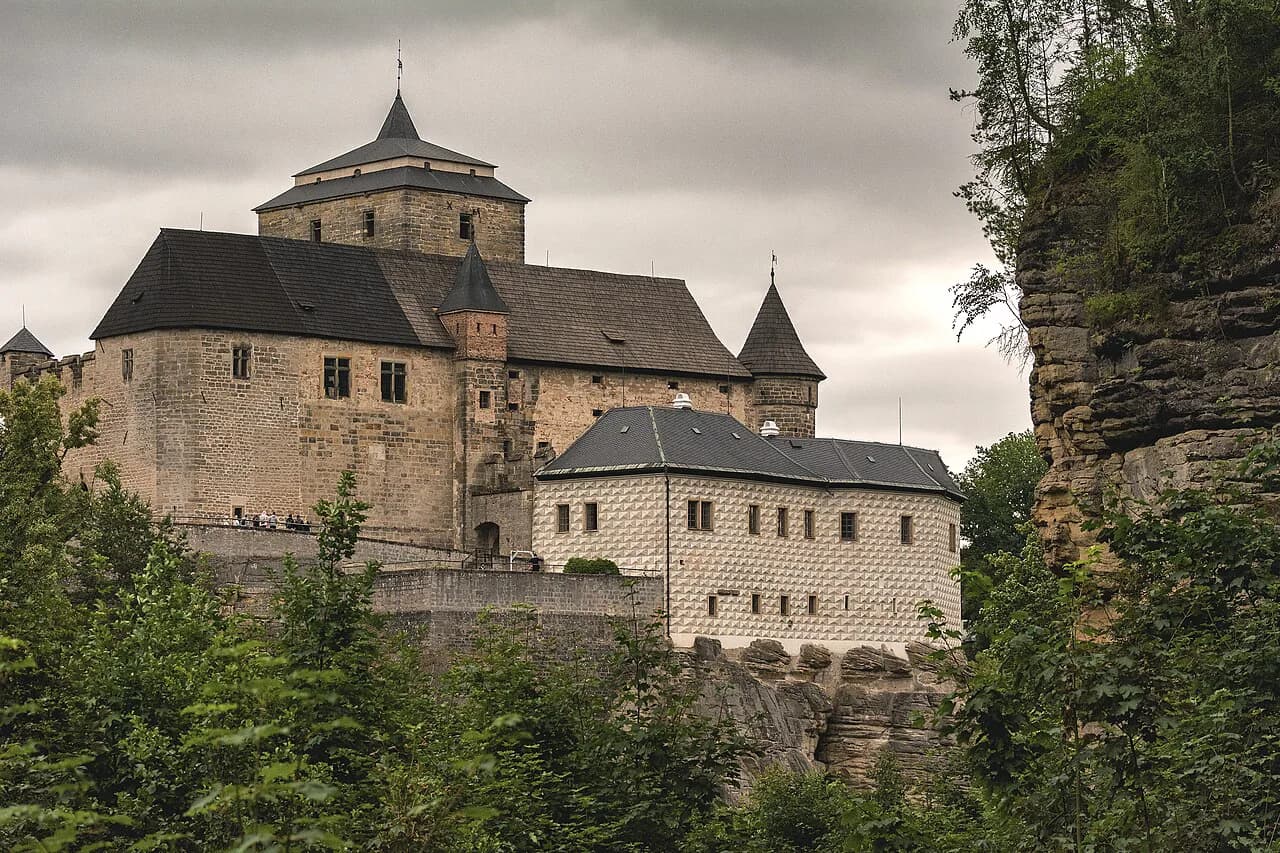
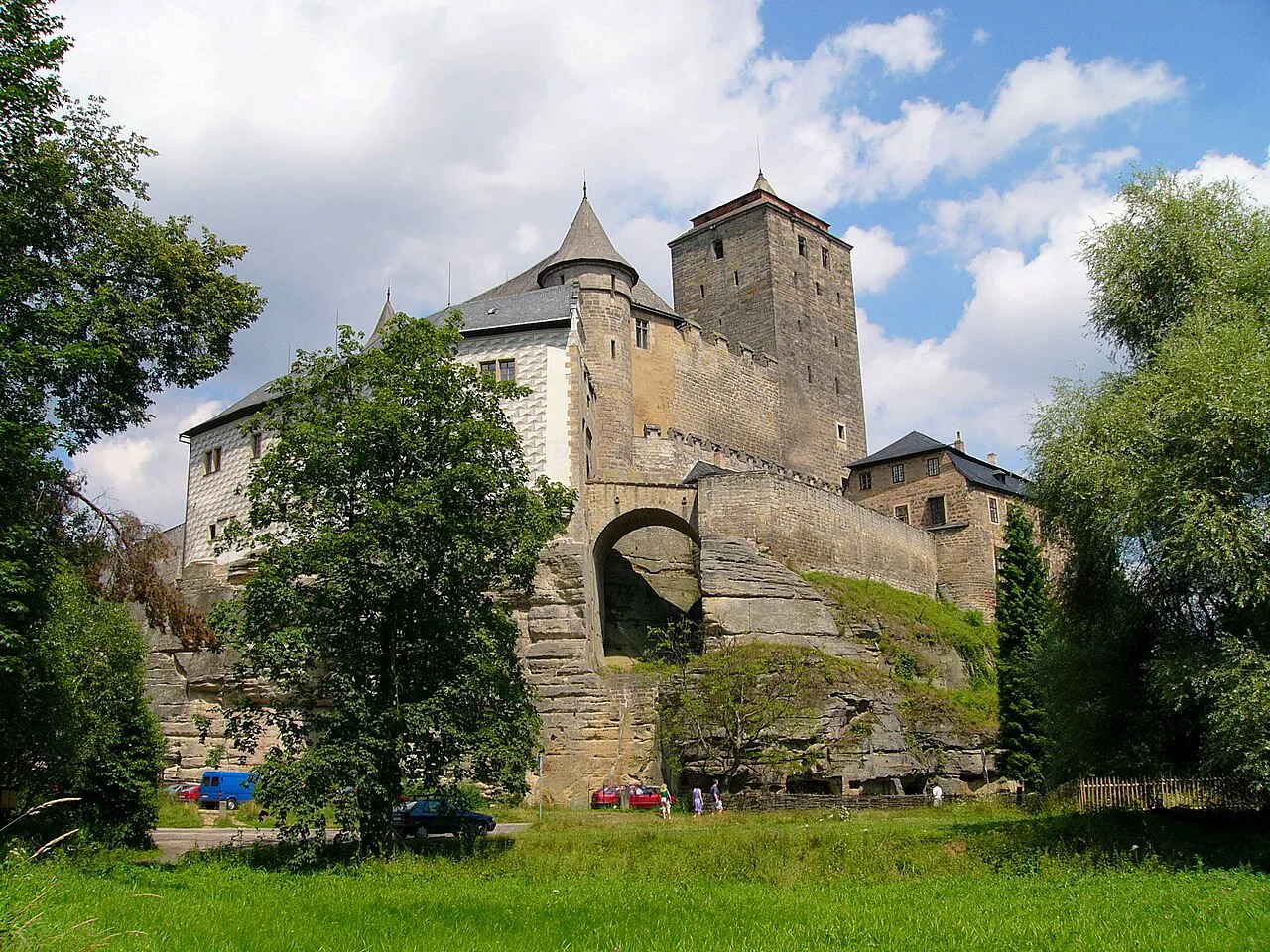
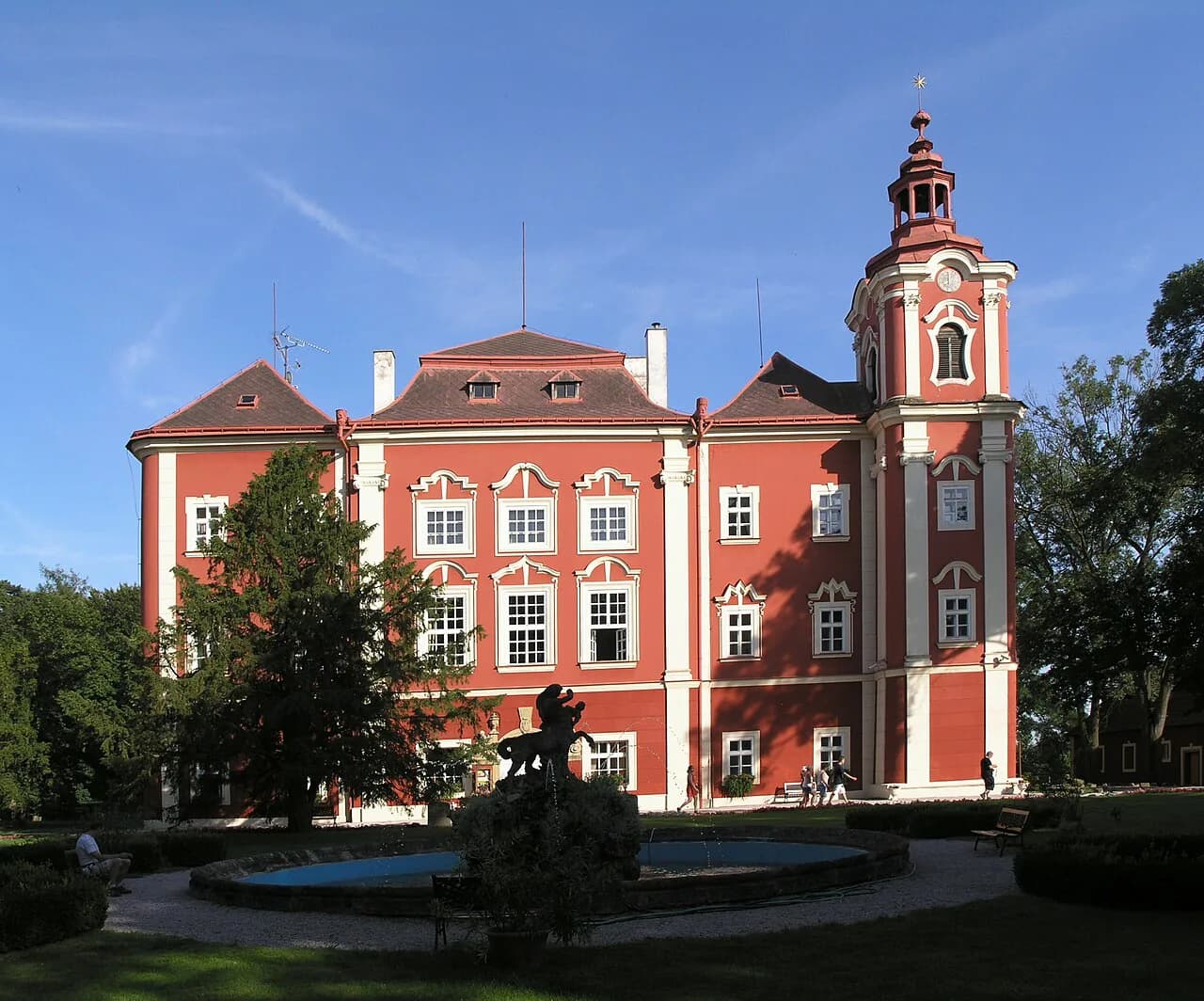
Kost stands in the Libošovice municipality of the Jičín District, in the Hradec Králové Region, on a low promontory above a chain of fishponds in the sandstone country northeast of Turnov. The castle's own site calls it the best-preserved Gothic castle hidden in the valley of the Bohemian Paradise, and the short version for a visitor is simple: small footprint, dense architecture, almost no later baroque overlay.
VisitCzechia describes the setting as a magical landscape of forests and sandstone rocks, with the castle sitting above fishponds whose dams could be broken in times of danger to turn it into a moated stronghold. That watery defense is the reason the silhouette is so compact: there is no sprawling outer bailey, just gates, a palace wing and the rock underneath.
The short history: Beneš of Vartemberk, the bone legend and the Kinský family
The castle's documented origin is 14th-century: Beneš of Vartemberk built a small wooden fortress with a defensive stone tower on the rocky promontory, and his son Petr, who held a high position at the court of Charles IV, began turning it into a larger stone castle. The castle presents that core as preserved to the present day.
The popular story that Jan Žižka, having failed to take the castle, declared its walls hard as a bone is a legend. The documented version is duller and better: the founder signed the founding charter with the Latin nickname Benesius de Costi, which Czech reading turned into Beneš of Kost — Kost meaning bone. Treat the Žižka line as a good story told on the tour, not as history.
Ownership passed through the Vartemberks, Biberštejns, Lobkowiczs, Černíns and Netolický families before reaching the Kinský family, whose name the castle's current operation carries. The castle's own history pages follow that chain century by century, and the guides work the same family stories into the palace rooms.
Castle layout: courtyards, the chapel of St. Anna and the black kitchen
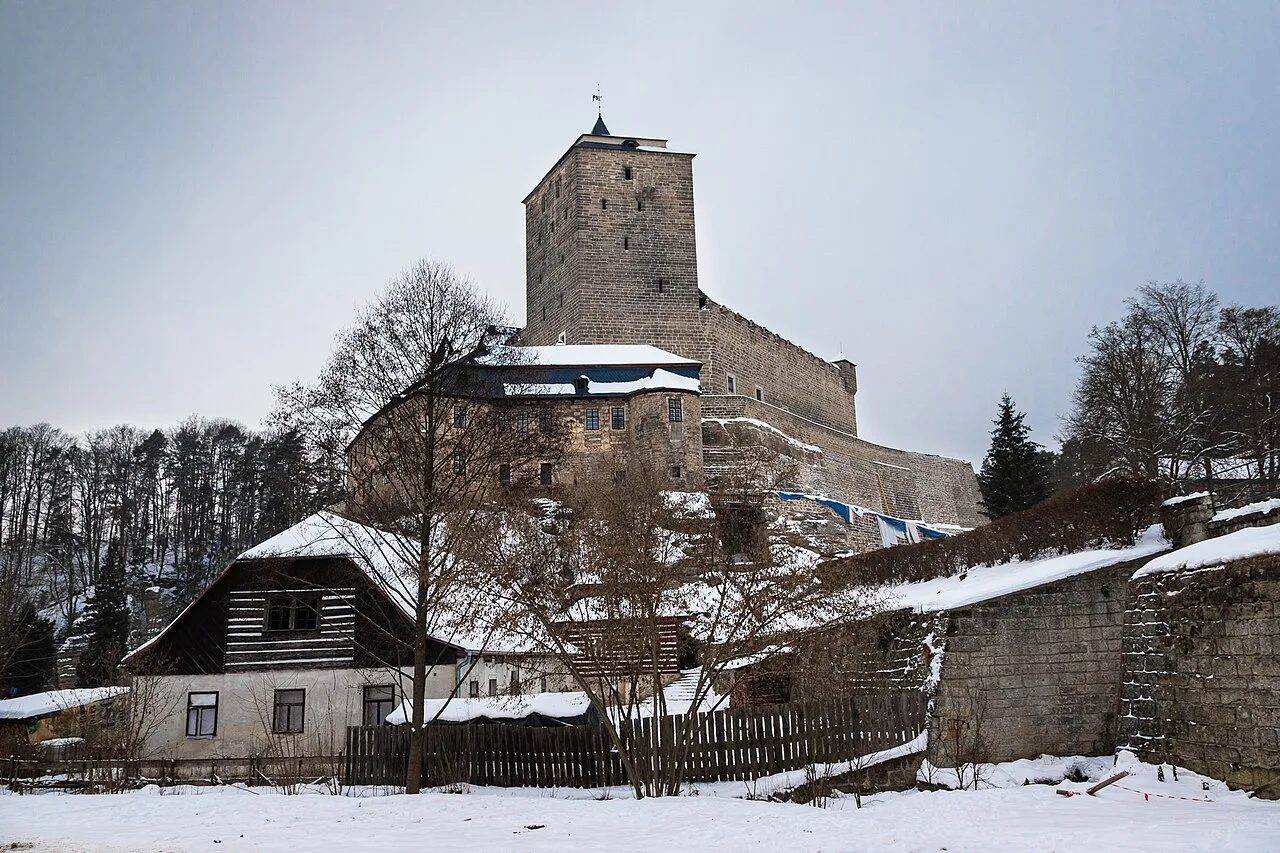
The layout follows the rock rather than a grand plan: you move through all the courtyards, past the palaces, and into the chapel of St. Anna and the black kitchen on every main circuit. The Bibrštejn Palace, built in the mid-16th century between the first and second gates above the Plakánek Valley, is the wing that gives the approach its dramatic drop on one side.
The armory inside holds a collection of rifles, pistols and other weapons, and the Sala terrena is the vaulted hall used for weddings and events. Because the courtyards come with the basic ticket, you never buy a tour that skips the outdoor spaces; what changes between circuits is how much interior and how much gruesome detail you get.
Guided tour circuits: Tour I (castle palaces) and what it shows
Tour I, The Castle palaces, runs 60 minutes and covers the fates of the castle's owners, the palace interiors, the armory and the Kinský family, plus all the courtyards, the chapel and the black kitchen. It is the standard choice if you want the architecture and the family history rather than the theatrical scares, and it suits most first-time visitors.
Tour II (medieval torture chamber): the guillotine, witch's cage and thumbscrew
Tour II is the same 60 minutes with a different center of gravity: the castle torture chamber, with a functional guillotine, a witch's cage and a thumbscrew, framed around Czech medieval law. It also walks you through all the courtyards, the chapel and the black kitchen, so you lose nothing of the building itself.
This is the circuit to pick with older children or anyone who wants the darker, more anecdotal side of castle life. Note that the torture content is presented as historical legal practice, not as a scare maze; expect a guide talking through instruments and punishments in a normal interpretive register.
Tour III (combined tour): 110 minutes and whether it suits small children
Tour III covers the entire castle in 110 minutes: all courtyards, the torture chamber, the palace, the Sala terrena, the chapel of St. Anna and the black kitchen. It is the only circuit that gives you both the palace interiors and the torture chamber in one visit, which makes it the efficient pick for a single stop.
The castle itself warns visitors to consider the length of this tour when coming with small children, since the explanation is detailed and the route is long. That is a real trade-off: nearly two hours of guided standing and walking is a lot for a five-year-old, and the shorter circuits let you leave before attention runs out.
Tour IV (short, wheelchair-friendly tour) and its July–August limit
Tour IV is the 40-minute short tour, covering either the castle courtyard or the chapel of St. Anna, and the castle describes it as wheelchair-friendly. It exists for quick stops and for visitors who cannot manage the longer routes through uneven palace interiors.
The limitation matters when you plan: the castle lists this tour as available only in July and August. Do not count on it in spring, September or the October weekends, and do not assume the rest of the castle is step-free just because this circuit is; the courtyards and palace route are a separate question.
Ticket prices in CZK for each tour
The castle publishes full admission of 220 CZK for Tour I and Tour II, 270 CZK for the 110-minute Tour III, and 130 CZK for the short Tour IV. Those are full-price figures; reduced categories exist and are set out on the castle's own ticket pages rather than assumed here.
Budget for a family by multiplying the full prices rather than guessing at discounts, and treat the CZK figures as the published rate rather than a locked-in future price. Tickets are sold through the castle's site, where the current season's prices and any reduced rates appear before you commit.
Season and opening pattern, including October weekend tours
Opening is not year-round daily. The castle's visitor information lists guided tours for October on Saturdays and Sundays, which is the pattern to plan around for late-season visits; outside that, check the season listing on the castle site before fixing a date.
Guided tours are the only way inside, so arrival time matters more than at a free-flow chateau: you join a departure rather than wander at will. Build in slack for the ticket desk and the walk up from the parking area, and confirm the day's departure times on the castle site, since the tour schedule is what governs your visit.
Getting to Kost from Turnov and nearby bases by car, train or bus
Kost is easiest by car. The castle's address is Podkost 1, 507 43 Sobotka, and there is parking near the castle, which shortens the walk in. From Turnov the drive is short through the Český ráj villages; from Jičín you approach from the other side of the same sandstone country.
By public transport, the practical pattern is a train or bus to Turnov or Sobotka and then a local connection or a taxi for the last stretch into the valley; the castle publishes a contact address and phone for booking queries. Rail and bus timetables change by season, so confirm the connection on the national timetable before relying on a tight transfer.
How long to allow on site, including parking and the restaurant U Draka
Count on 60 to 110 minutes for the tour itself, plus 20 to 30 minutes for parking, tickets and the walk in, which puts a Tour I visit at about 90 minutes and a Tour III visit at close to two and a half hours door to door. The castle lists a restaurant, U Draka, on site, so a lunch stop does not require driving out of the valley.
Pets are allowed at the castle according to its visitor information, which makes it a workable stop on a road trip with a dog, though the guided interiors are a separate question to raise at the ticket desk. The castle also hosts weddings and corporate events, so courtyards can be partly occupied on some days.
Nearby Český ráj stops that fit the same route
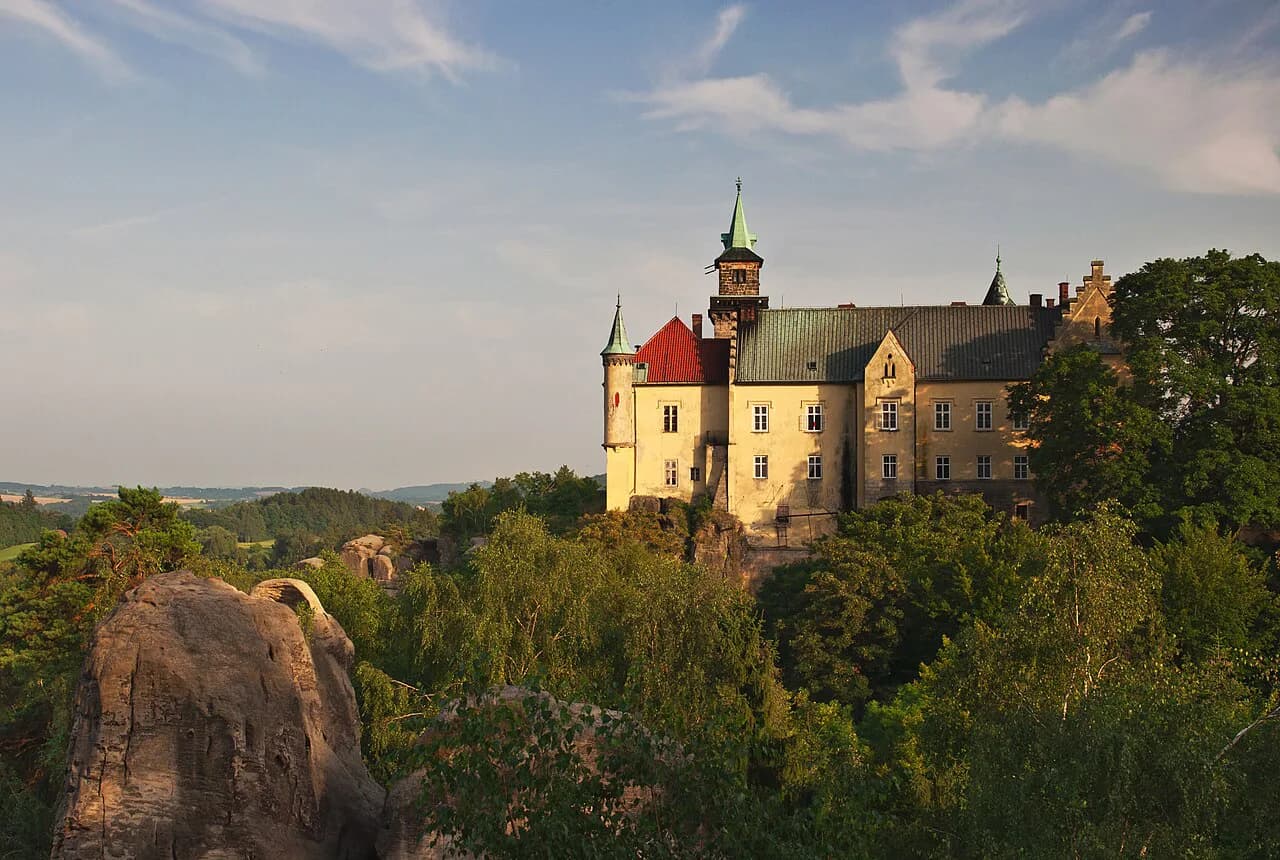
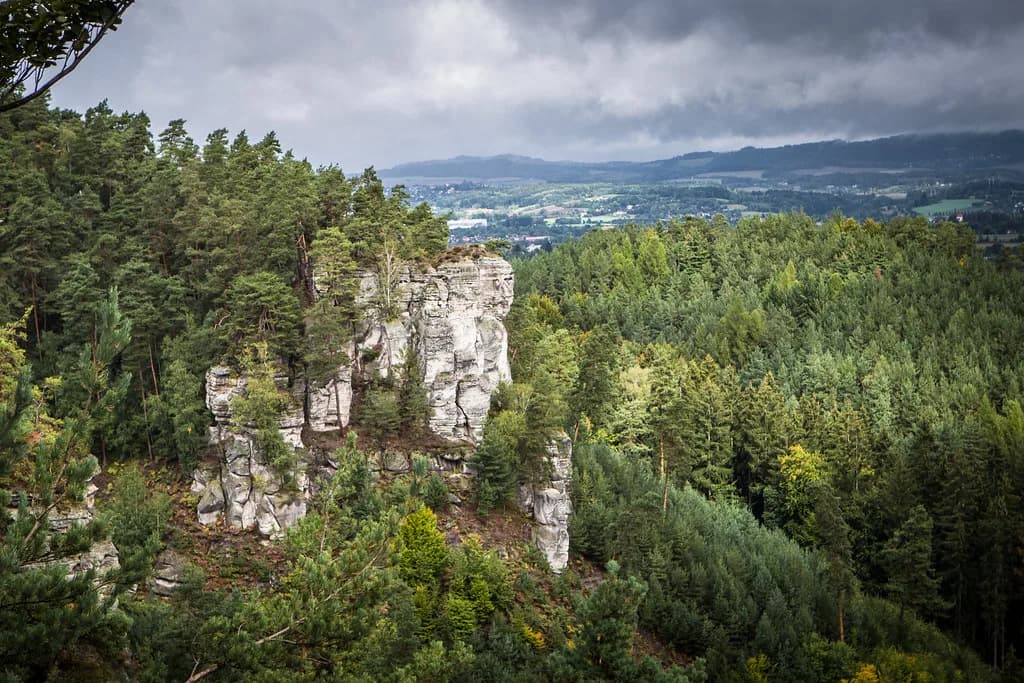
Kost pairs naturally with the sandstone landmarks of the region: Trosky Castle on its twin basalt spurs, Valdštejn Castle in the rocks above Turnov, and Hrubá Skála with its chateau on a rock terrace. Each is a separate half-day, so pick two per day rather than trying to chain all four.
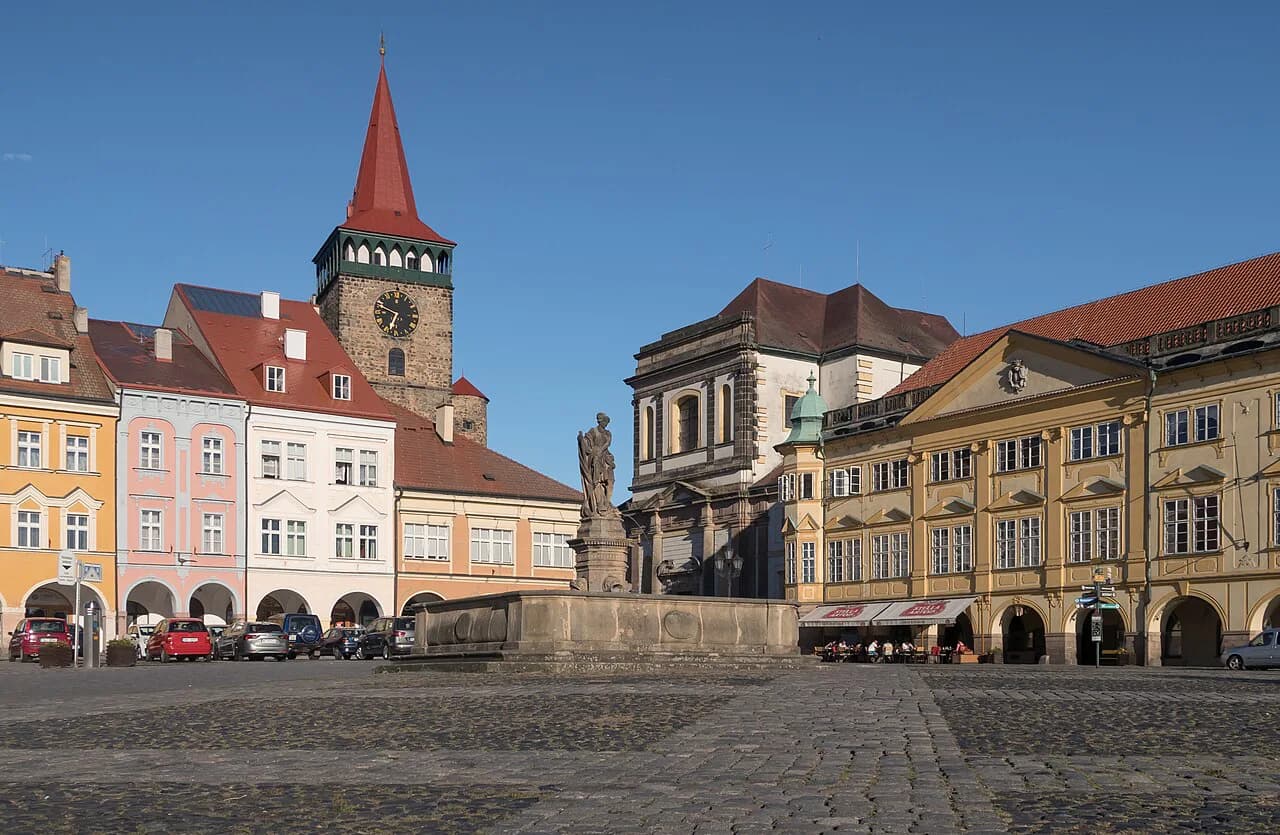
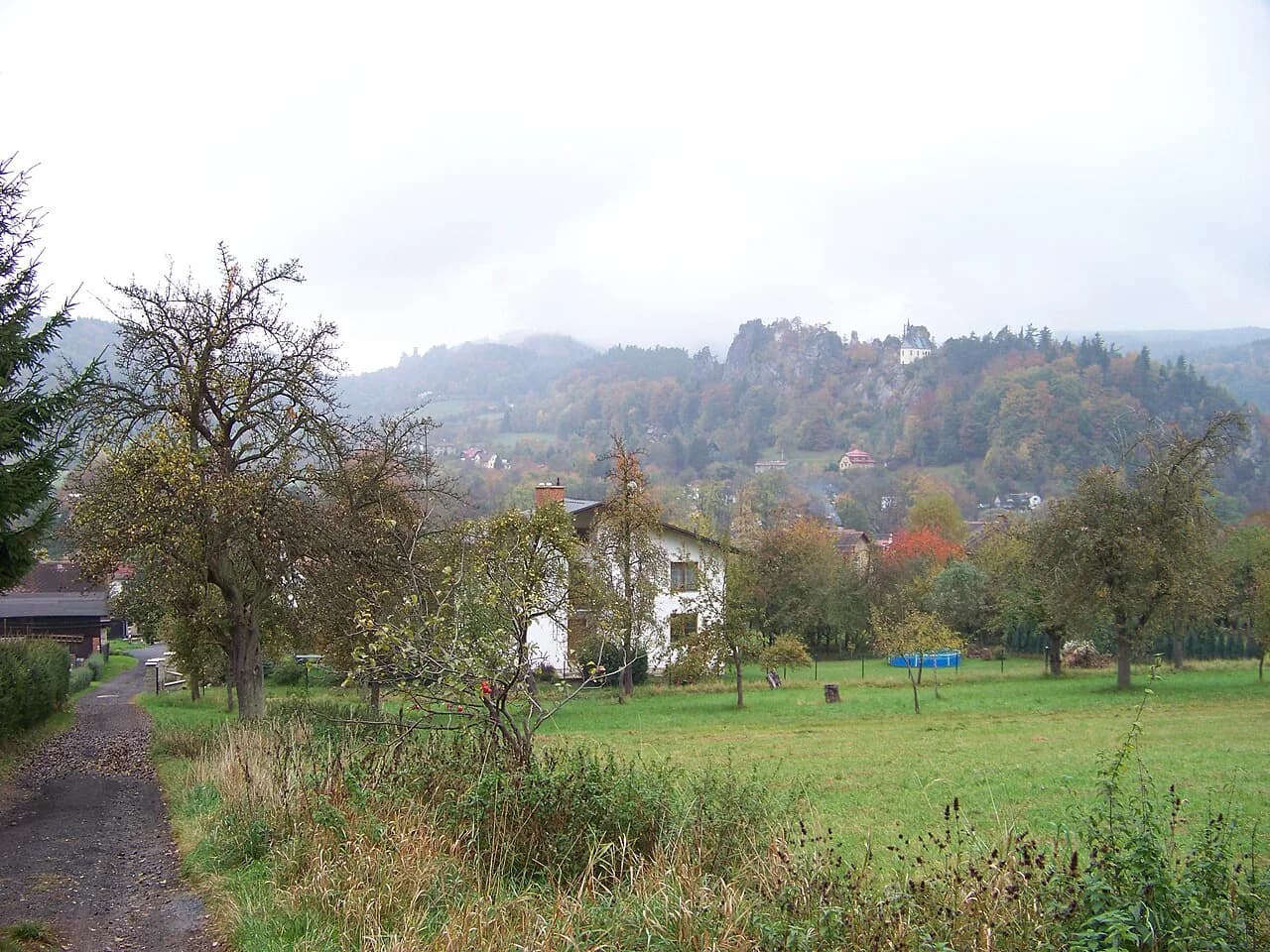
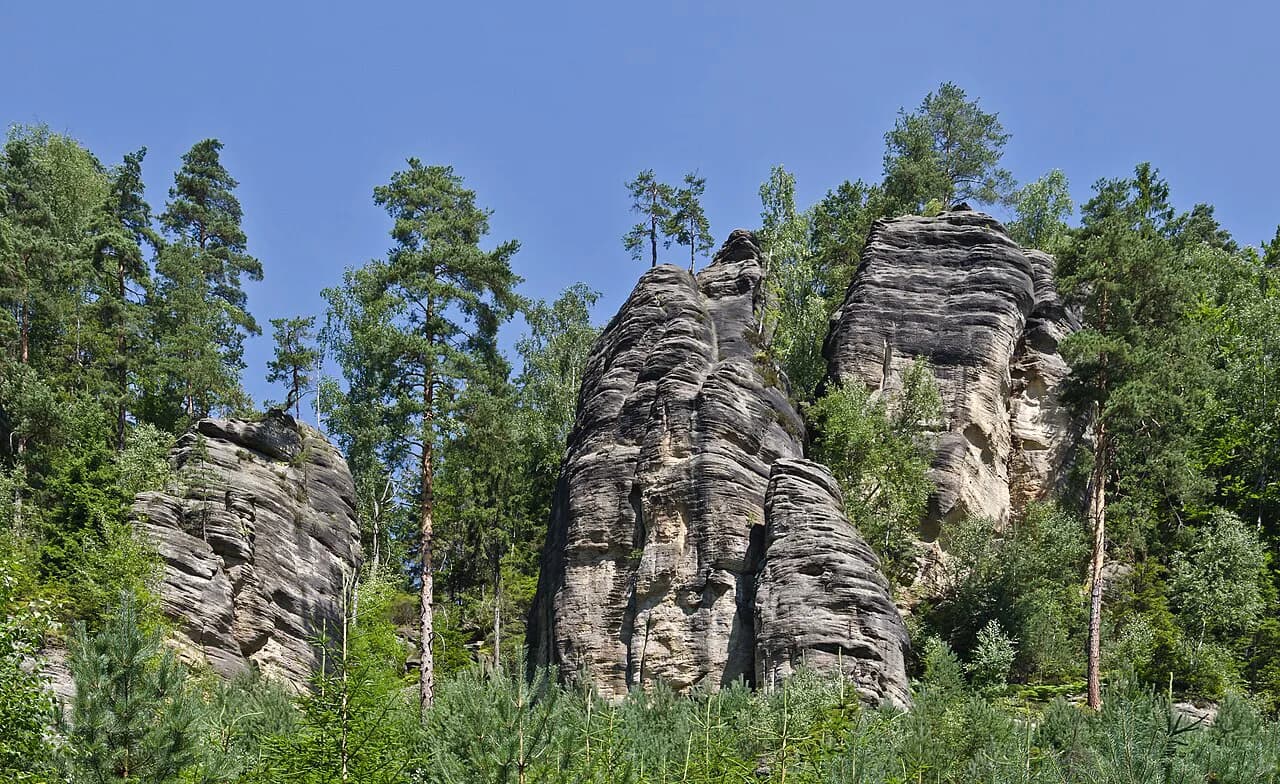
Walkers based in Turnov can add Prachov rocks or the Vranov ridge above Malá Skála, both of which sit in the same sandstone belt as Kost. Jičín, with its Wallenstein square and chateau, works as the town stop before or after the castle if you are coming from the east.
Which tour to book at Kost
Book Tour I if you want the castle's architecture and family history, Tour II if the torture chamber is the draw, and Tour III only if you have the time and no small children in the group. Tour IV is the one to remember for accessibility and quick stops, but it is a July and August option only.
Once your date is set, confirm the day's tour departures and ticket price on the castle site before you drive out, since the October weekend pattern is not the same as a summer daily schedule.
Explore more Turnov guides
Frequently Asked Questions
Do I need to book a guided tour at Kost Castle, or can I walk around on my own?
Every circuit at Kost is a guided tour, so you join a departure rather than exploring the interiors independently. Choose the circuit by length and content before you arrive, and check the day's departure times with the castle.
Is Kost Castle suitable for visitors with limited mobility?
The castle offers a 40-minute short tour that it describes as wheelchair-friendly, covering the courtyard or the chapel of St. Anna. It is listed as available only in July and August, and it does not by itself make the longer palace circuits step-free.
How long does the full Kost Castle tour take?
The combined Tour III runs 110 minutes and includes the courtyards, torture chamber, palace, Sala terrena, chapel and black kitchen. The castle advises considering that length when visiting with small children.
Sources
Notes for your Czech trip
Optional updates to our Czech town guides.
You might also like
Continue reading
More guides you'll find useful