Bohemian Garnet: Czech Red Garnet Jewelry Explained
Bohemian garnet is the deep red Czech pyrope garnet worn in clustered pavé jewelry. Learn what defines the style and how to judge a piece before buying.
On this page
Bohemian garnet is the deep red pyrope garnet mined in the Bohemia region, and the name also describes a jewelry style: small stones clustered in pavé settings with rose-cut facets so the piece reads as a mass of crimson sparks. This guide covers what the stone is, how the cut and setting create that look, and how to judge a piece sold as Bohemian garnet.
Bohemia was a kingdom that later became part of Czechoslovakia, and its deep red garnets were among the trades that made the region's reputation. The stones are still worked in the Czech Republic by artisans using old-world methods, which is why garnet sits alongside glass and porcelain in the country's craft story.
What Bohemian garnet actually is
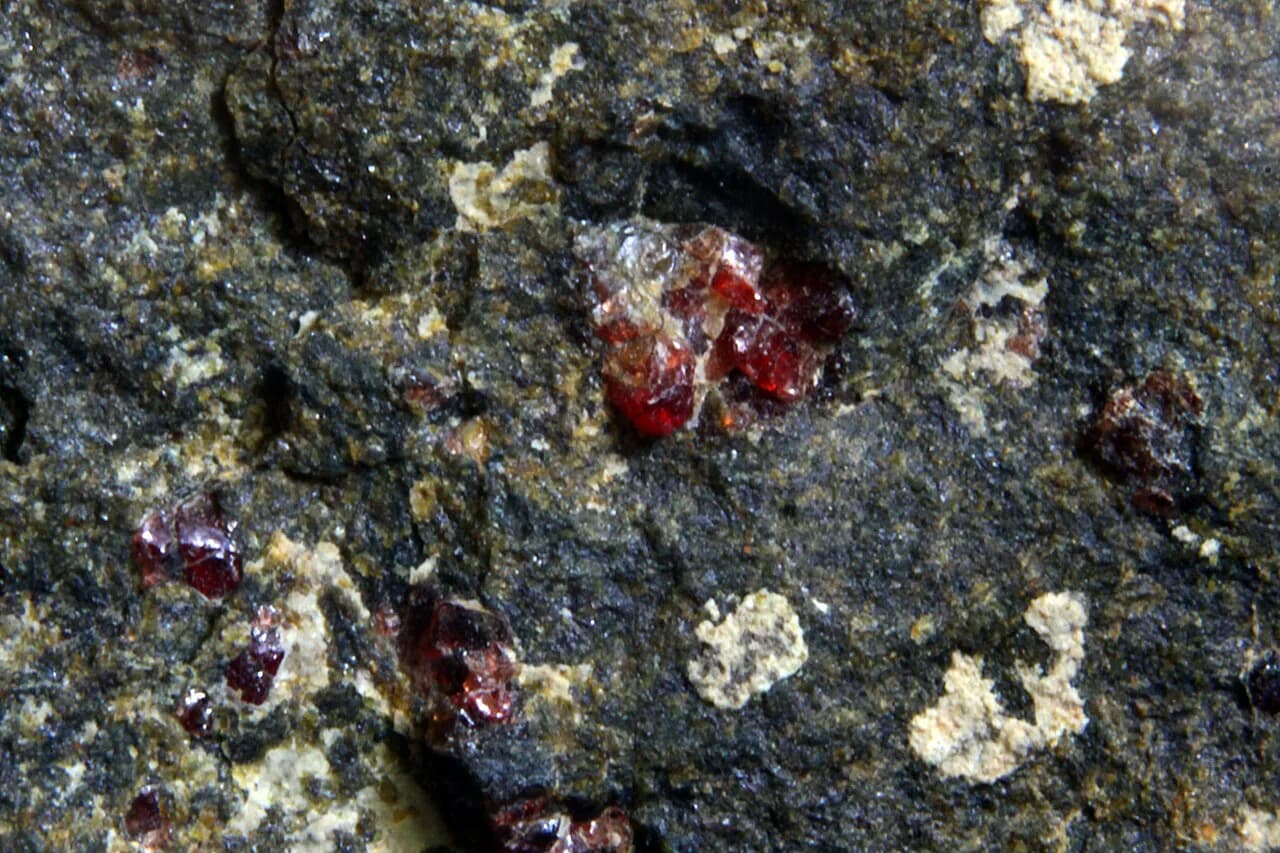
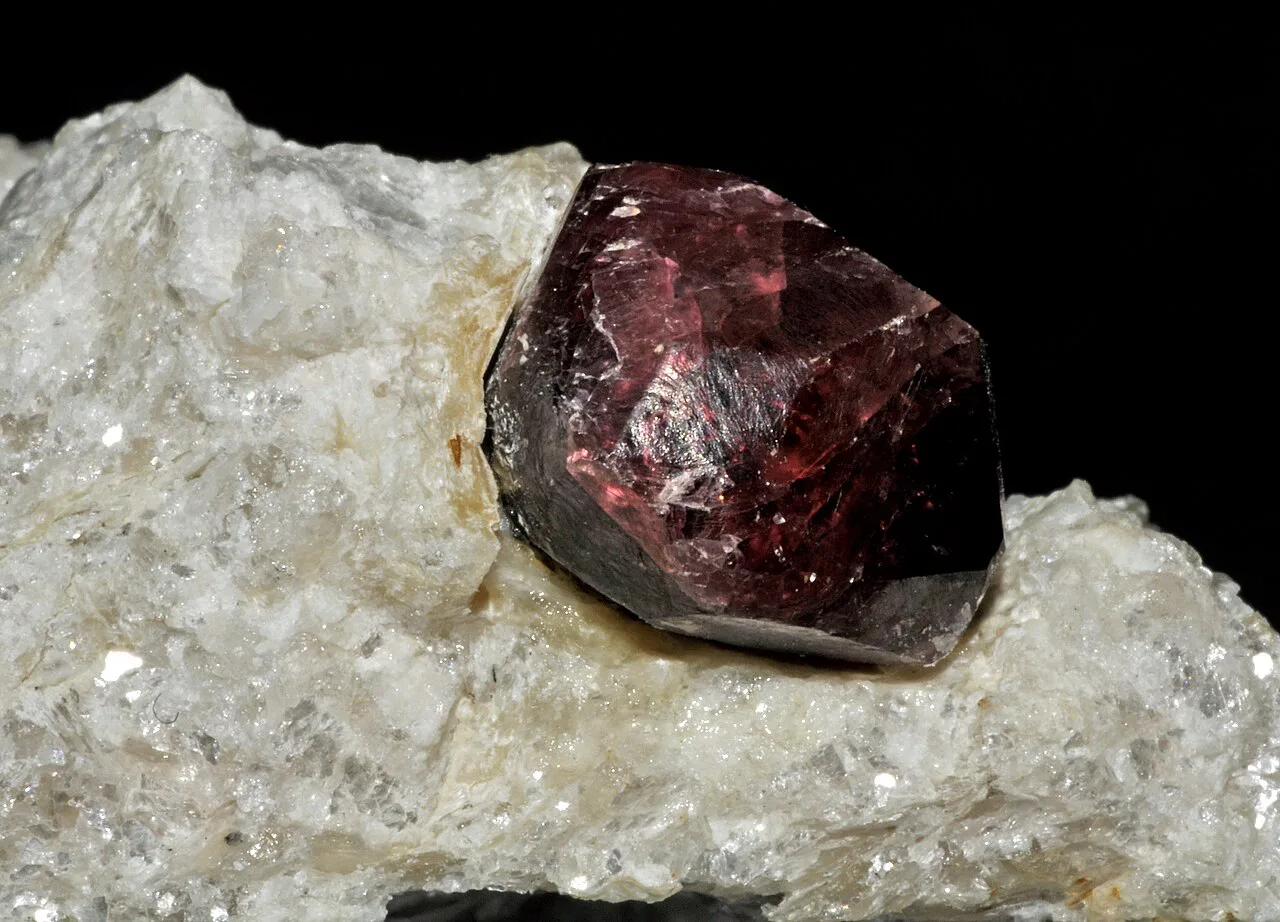
The stone behind the name is pyrope garnet, a dark red variety found in the Bohemia region. Garnet is the January birthstone, which gives the material a built-in audience beyond collectors of Victorian jewelry. What separates Bohemian garnet from any other red stone is less the gem alone than the way it is cut and packed together.
In the trade, the label is applied to pieces with certain defining characteristics rather than strictly to stones with a documented Czech origin. That is the first practical point for a buyer: a piece can look like Bohemian garnet jewelry without documented regional stone, and a seller's use of the term is not by itself a provenance document. Treat the phrase as a style description first and ask what evidence of origin comes with the piece.
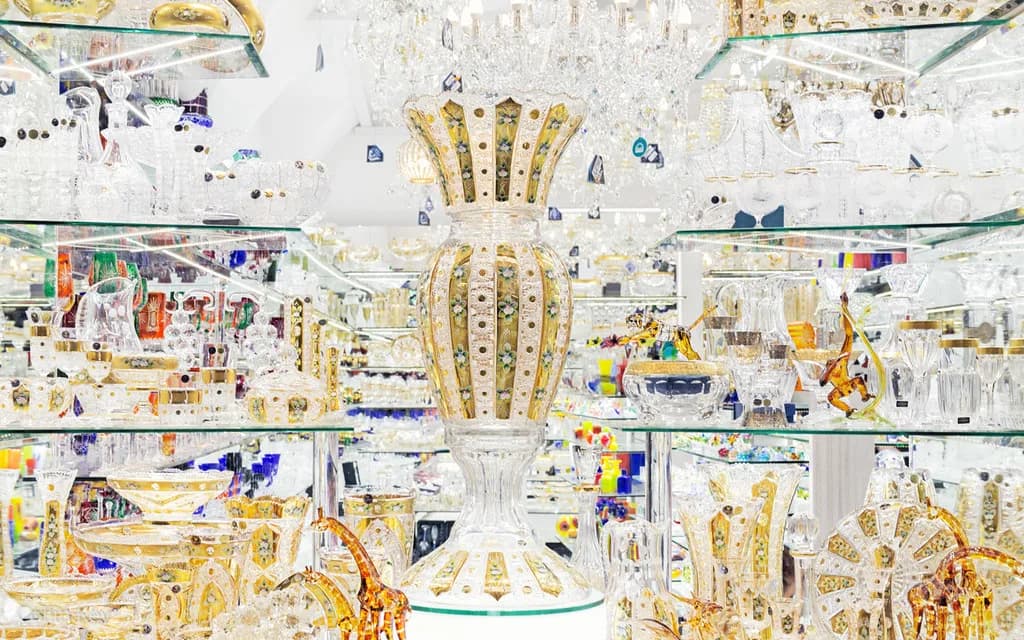
If you collect Czech craft more broadly, the same logic of regional material and local handwork runs through Bohemian crystal and the country's glassmaking towns. Garnet is the red counterpart to that clear, cut tradition.
Why the stones look like pomegranate seeds
The signature visual is a dense cluster of crimson stones that resembles the jewel-like seeds of a pomegranate. Two techniques produce it: pavé setting, which leaves as little metal visible as possible so the stones sit shoulder to shoulder, and rose-cut faceting, which throws light back from shallow facets and gives each small stone dimension.
Is all Bohemian garnet from Bohemia? Not necessarily. The term is often applied to jewelry with certain defining characteristics, such as clustered pavé settings and rose-cut garnets, so a piece can carry the name without documented origin in the Bohemia region.
How can I tell garnet from red glass? Rose-cut garnet shows shallow faceting and a deep, slightly dark red; a loupe view helps you see facet edges and evenness of color across a cluster. A jeweler's opinion is the practical check, and neither a loupe nor a seller's description replaces a proper gemological assessment on an expensive piece.
Is Bohemian garnet a good investment? Treat it as jewelry you wear rather than as an investment. The Victorian-era popularity explains why so much antique garnet exists, but the affordable metals used in much of it and the variation in condition mean each piece has to be judged on its own stones, setting and wear.
Because the look depends on many small stones rather than one large gem, the setting matters as much as the garnets. When you inspect a piece, check that the stones sit evenly, that the metal between them is minimal but still holds each stone, and that the overall surface reads as a continuous red field rather than scattered points. A gap-toothed cluster has lost the effect the style is built on.
Why the jewelry took off in the late Victorian era
Bohemian garnet jewelry became widely popular in the late Victorian era and stayed fashionable through the turn of the century. Part of the explanation is economic: much of it was crafted from less expensive metals, which kept finished pieces affordable to a broad audience and let the style spread quickly.
Victorian jewelry has regained attention in recent years, and antique garnet pieces now sit in the same collecting conversation as other nineteenth-century work. That is history rather than a live trend forecast, but it explains why so much of what you see for sale is old rather than new. When a seller describes a piece as Victorian, ask for the basis of the date, since style alone can be copied.
What to check before you buy
Start with the stone itself. Genuine Bohemian garnet is pyrope with the deep, slightly dark red the region is known for, and a jeweler should be able to tell you what the stones are. A loupe view helps: rose-cut garnets show shallow faceting and strong color, so look for even color and clean facet edges rather than assuming any red cluster is garnet.
Then examine the setting and the metal. The style was historically made in affordable metals, so wear at the prongs and a thin backing are common on older pieces and affect what you are willing to pay. Look at the back of the piece as carefully as the front, where replacement stones and repairs usually show.
Finally, be clear about the word Bohemian. Sellers apply it to pieces with the clustered pavé look, and that is a description of appearance, not a guarantee of Czech origin. Ask what documentation accompanies the piece and price it as jewelry you can examine, not as a documented antique.
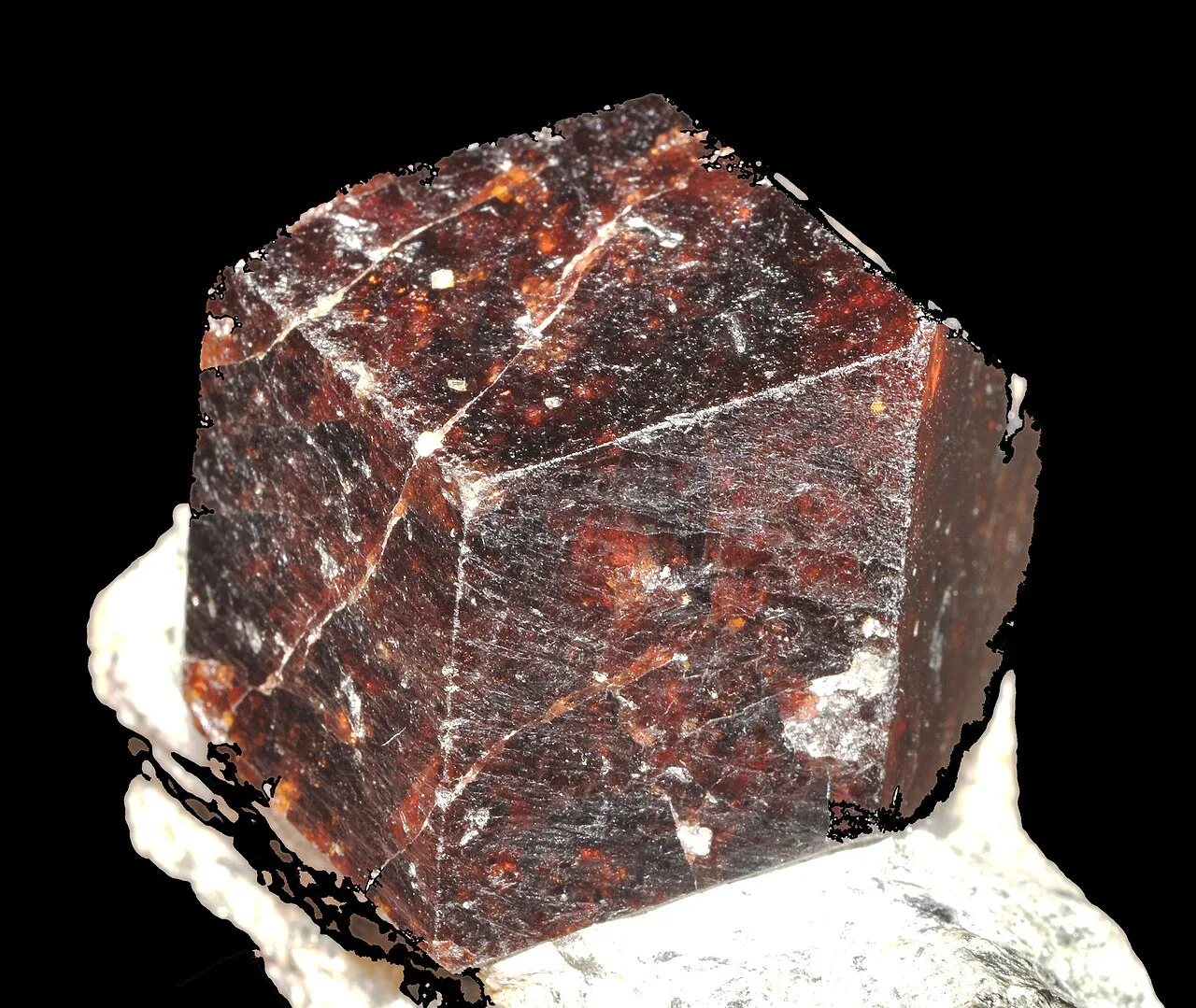
Where garnet jewelry is made in the Czech Republic today
Garnet jewelry is still produced in the Czech Republic by artisans working from original antique designs with natural pyrope stones. That continuity matters when you are choosing between an antique piece and a new one: the new work follows the old cluster patterns rather than reinventing them.
For a sense of how Czech decorative crafts are sold and how to separate real handwork from imported lookalikes, the same questions apply across the country's souvenir trade. The buying habits that serve you with garnet serve you with glass too.
If cut and faceted red stones appeal, Czech Glass offers a cheaper entry point into the same visual language, and the country's glassmaking towns are the places to see it made.
Bohemian garnet today: antique pieces and new work
Today the market splits between antique jewelry from the Victorian boom and new pieces made in the Czech Republic to old patterns. Antique examples carry the appeal of period work but come with the condition issues of any century-old setting; new work gives you a sound setting and the same clustered look.
Garnet also holds its own as a birthstone gift, since it is January's stone and its dark glamour suits winter wear. That gives a practical reason to choose a simple cluster piece over an elaborate one: it gets worn.
Anyone building a small collection of Czech crafts can pair a garnet piece with Czech porcelain or the country's glass beads, which use the same tradition of small, precisely made components.
Buying a garnet piece with your eyes open
Bohemian garnet is best understood as a stone plus a style: deep red pyrope, rose-cut and packed into pavé clusters that mimic pomegranate seeds. That combination, not the label alone, is what you are paying for, so judge the stones, the setting and the metal before you discuss price with a seller.
Prices vary by piece, stone quality and condition, and no single figure covers the category, so ask each seller for the price in Czech koruna or your own currency and compare like with like. A piece whose origin and materials are explained clearly is worth more of your attention than one that leans on the name alone.
Explore more Czech Republic guides
Frequently Asked Questions
Is all Bohemian garnet from Bohemia?
Not necessarily. The term is often applied to jewelry with certain defining characteristics, such as clustered pavé settings and rose-cut garnets, so a piece can carry the name without documented origin in the Bohemia region. Ask the seller what evidence of origin and materials comes with the piece.
How can I tell garnet from red glass?
Rose-cut garnet shows shallow faceting and a deep, slightly dark red; a loupe view helps you see facet edges and evenness of color across a cluster. A jeweler's opinion is the practical check, and neither a loupe nor a seller's description replaces a proper gemological assessment on an expensive piece.
Is Bohemian garnet a good investment?
Treat it as jewelry you wear rather than as an investment. The Victorian-era popularity explains why so much antique garnet exists, but the affordable metals used in much of it and the variation in condition mean each piece has to be judged on its own stones, setting and wear.
Sources
Notes for your Czech trip
Optional updates to our Czech town guides.
You might also like
Continue reading
More guides you'll find useful