Czech Glass: Bohemian Crystal, Beads, and Where to See It Made
Czech glass spans centuries of Bohemian crystal and beads. Here is what defines it, where it is made in the Crystal Valley, and how to see it made.
On this page
Czech glass is any glass made in the Czech Republic, a craft with deep roots in the historic region of Bohemia and a living industry that still runs today. The country's glassmakers produce everything from hand-blown art pieces to mass-produced pressed designs, and collectors increasingly treat the postwar era as an emerging market. This guide covers what makes Czech glass distinctive, where in the Crystal Valley you can watch it being made, and how to shop for it with a critical eye.
The practical takeaway for a traveler heading north from Prague: base yourself in Liberec, as the region's glass tourism is concentrated in north Bohemia, and plan around the hot shops, galleries and glass gardens that the region's factories open to visitors. Get factory addresses and visiting arrangements from the operators themselves, since tour schedules shift by season, and bring an open mind about what you will pay, as retail prices in shops are set by each maker and change over time. Sizes vary wildly, from pocket-sized pressed pieces to sculptural chandelier components, so think about luggage before you fall for something large.
What Czech Glass Is
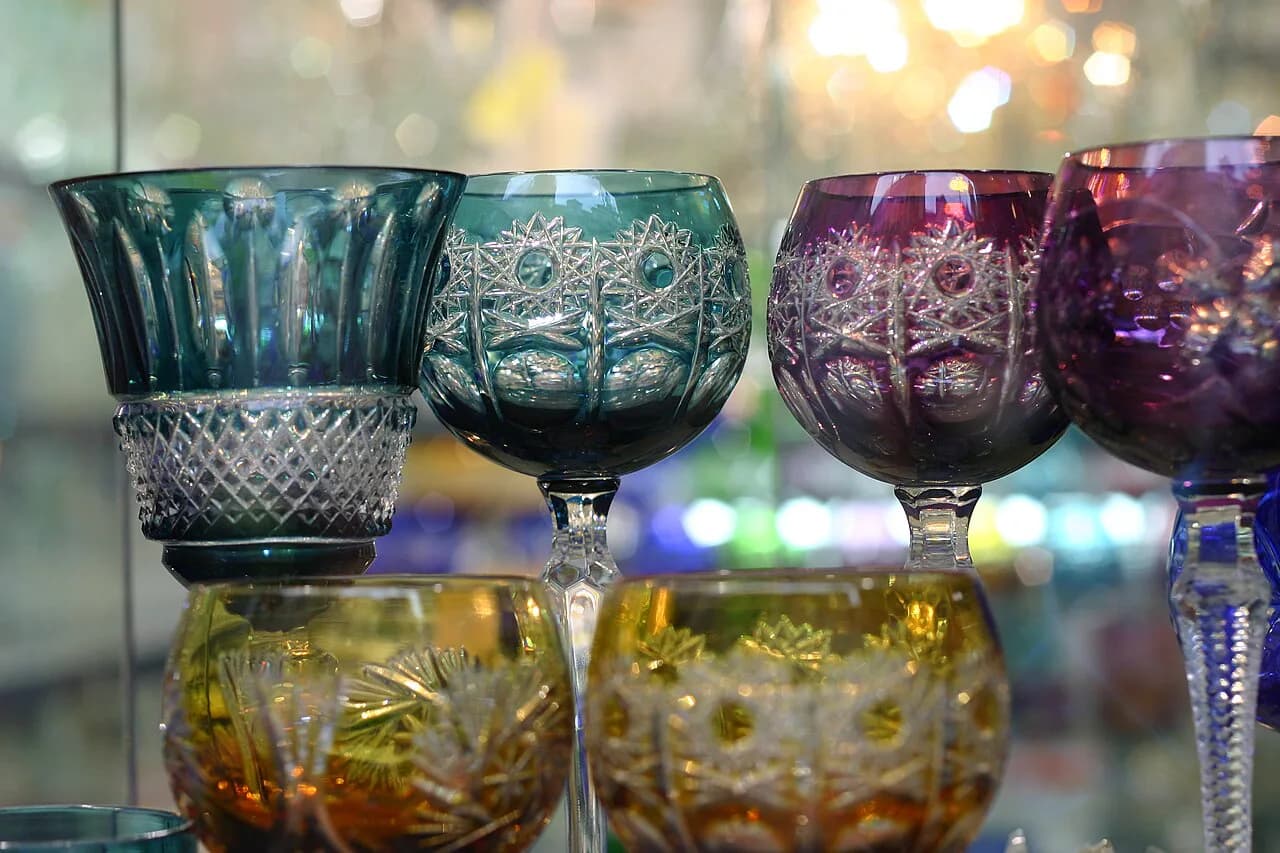
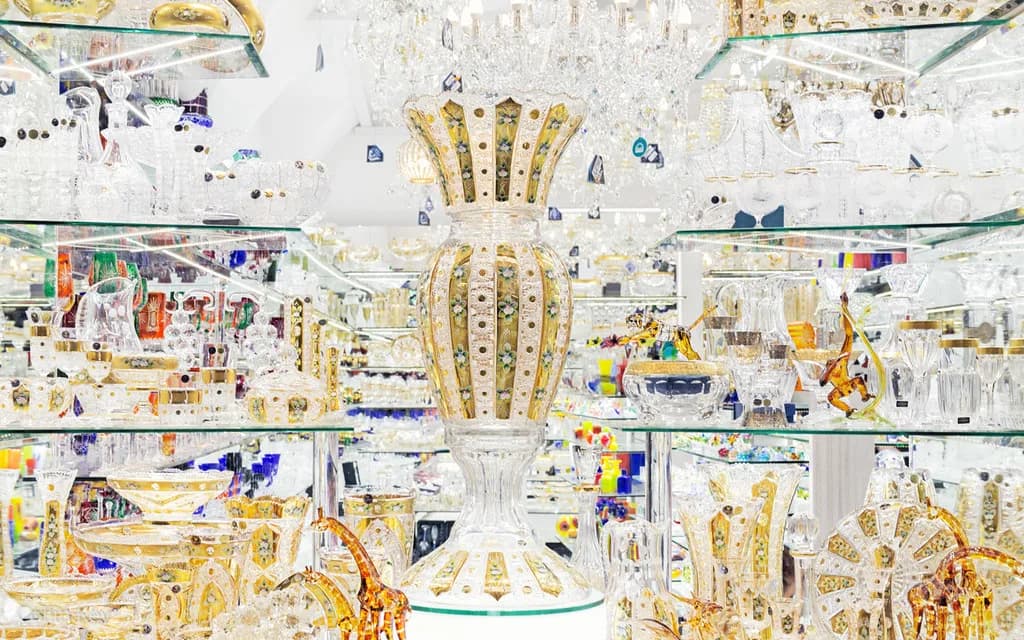
The broad label covers glass and crystal produced across the Czech Republic, including hand-blown goblets, chandelier parts, pressed decorative items and jewelry. The country's glass tradition grew from Bohemia's natural resources, and centuries of local know-how turned glassmaking into a national craft. That heritage is what underpins the broader story of Bohemian crystal, where heavy, brilliant cuts dominate the traditional tableware market.
Travelers often ask what a Czech crystal actually is. In practice the term is used loosely for the lead-rich, high-refraction glass the region has long made for chandeliers and stemware, though the market for it now competes with a huge range of other decorative glass. For the longer history of the table and lighting end of the trade, see the dedicated guide to Bohemian crystal.
Why Collectors Call Postwar Czech Glass the Next Big Thing
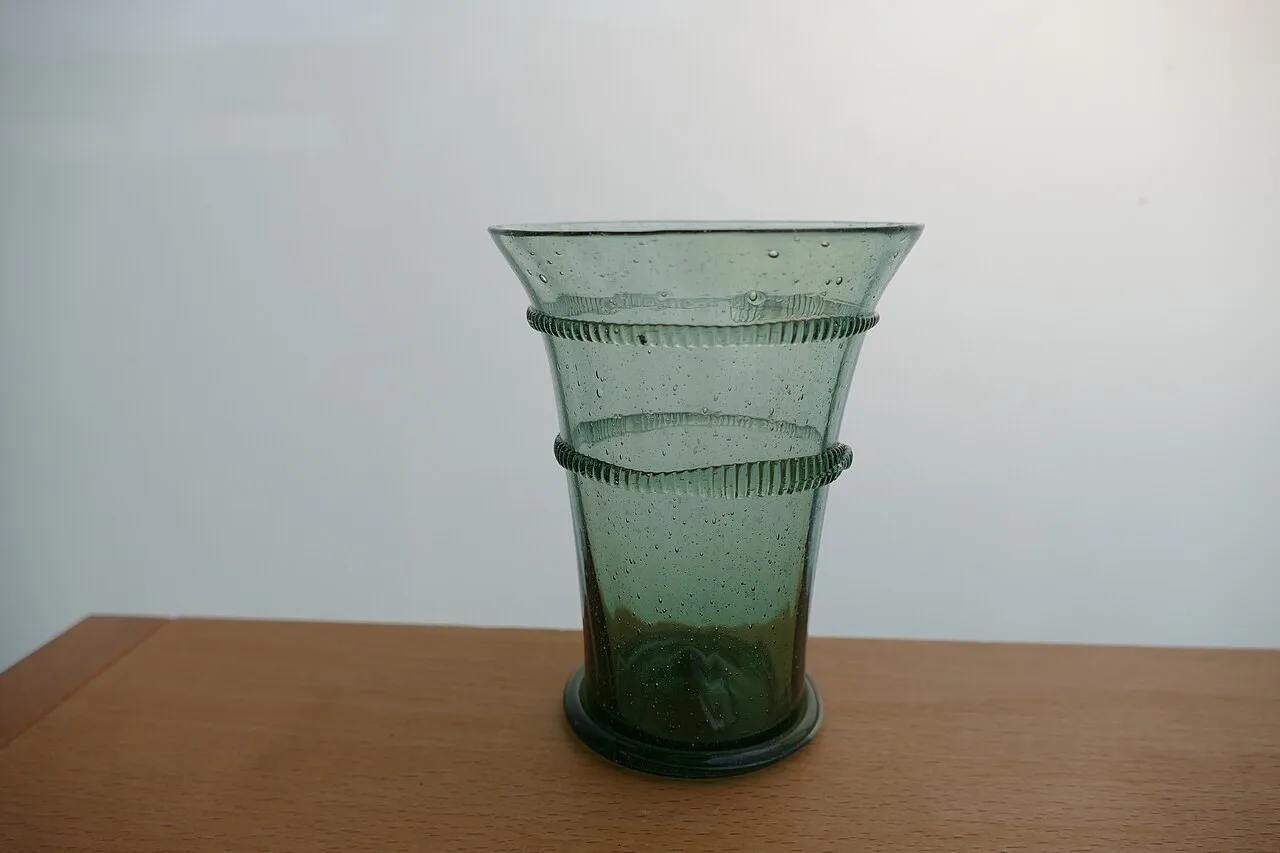
The argument for postwar Czech glass mirrors what happened with mid-century Murano: prices were low a decade or so ago, popularity was climbing, and the market has since moved. The dealer and author Mark Hill makes that comparison directly and expects better-documented pieces from 1945 to the late 1980s to follow a similar path. Buying now is a bet on knowledge catching up with the objects.
Where can I buy Czech glass beads wholesale? Bulk and wholesale terms are set by each supplier, so ask the seller directly about minimums and pricing. For Czech-made beads, specialist bead shops in the Czech Republic are the natural starting point, and online retailers stock teardrops, rounds, rondelles, hearts, flowers and seed beads.
Are Czech beads good quality? Czech beads are sold in a wide range of colors, shapes and sizes, including teardrops, rounds, rondelles, hearts, flowers and seed beads. When buying in person, check for even size, clean holes and uniform color across the strand.
The reason those decades are underappreciated is straightforward: the Iron Curtain cut off research and exposure for years, so designers from the Communist era are still being documented. Earlier Bohemian glass, by contrast, has been studied and understood for much longer, and fashion has moved away from many traditional antiques. That split is why a 19th-century piece and a 1960s piece can sit in the same case with completely different prospects.
The Crystal Valley in North Bohemia
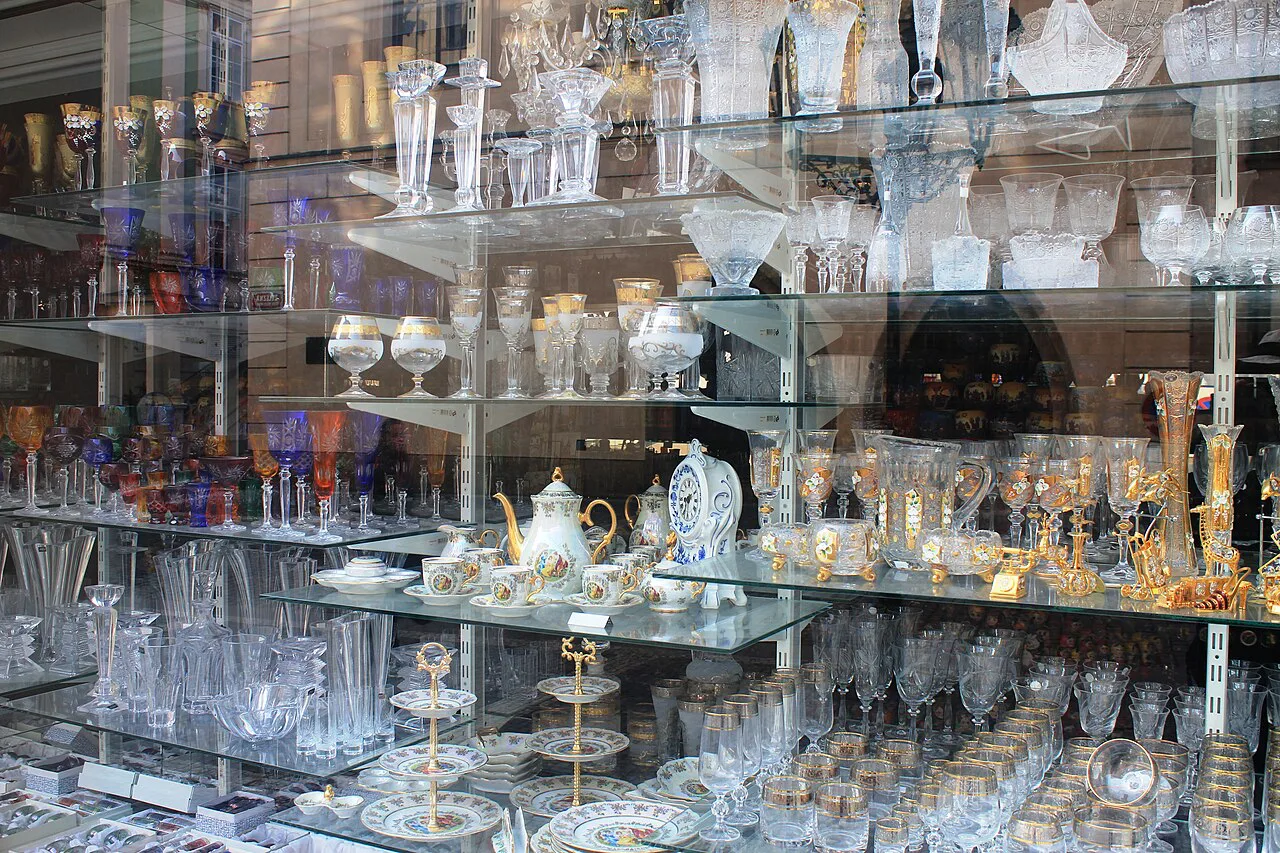
North Bohemia's so-called Crystal Valley is an entire glassmaking region, not a single factory, and it is home to more than 2,100 glassmakers. Liberec in north Bohemia makes a practical base for a few days of visiting, with factory visits, galleries and glass gardens in the surrounding region. Allow more than a single stop if you want both production and display, and treat the region as a loop rather than one excursion.
Watching Glassblowers at Work
A hot shop visit is the highlight for most visitors. At Pacinek, a family-run glassworks started by Jiri Pacinek with his brother and father-in-law, you can watch blowers shaping work at the furnace, then walk through a large gallery shop and an outdoor glass garden filled with handcrafted ornaments. The shop carries finished pieces, so it is a place to see the range of what the region makes before deciding what to look for elsewhere.
Lasvit offers a different setup: its complex includes the Cvikov Brewery, so you can eat Czech food while watching glass art take shape. Glass artists can rent hot-shop space there to produce their own work. Visiting hours, tour formats and admission are set by each operation, so confirm directly before building a day around one factory.
How to Recognize Czech Glass
Czech designers developed their own visual language while borrowing from Murano and Scandinavia, so expect abstract forms and a strong interest in how glass bends and reflects light. One tell is cold-worked cutting, a technique applied after the piece is formed that was not common on Murano, which often appears alongside blown shapes. Color matters too: a typical Skrdlovice combination pairs amber or brown with green, as in Jan Beranek's designs.
Training your eye takes time, and the most reliable route is a well-researched reference book rather than random online listings, where attributions are frequently wrong. Buying from a knowledgeable dealer is the other safe path. Once you have seen enough pieces in person, the shapes start to read as Czech at a glance.
Cut Versus Pressed Glass
Pressed glass was often made to imitate more expensive cut glass, and the two feel different in the hand. Run a finger along an edge: pressed pieces are more rounded and less sharp than cut ones. Pressed items also carry mold lines, either obvious or hidden as two or more straight vertical lines in the pattern, left where molten glass met the seams of the mold.
Signatures are rare on pressed work. It is nearly never signed by hand, though it may bear a raised or impressed name, country, patent or registration number that points to its origin. That makes a loupe or a phone camera useful when you are shopping, so you can check the base and any recessed marks before you commit.
Affordable Collecting and Sklo Union
The budget entry point is pressed glass, sold to collectors under the name Sklo Union, for the group of factories united in 1965. Examples of geometric designs by Vladislav Urban or Frantisek Vizner still turn up in charity shops for a few pounds. Writing in pounds, the UK dealer Mark Hill put the practical ceiling for a single piece at roughly under £150 even from specialist dealers, and noted a good collection can be built for under £50 per piece. Rarities cost more: Adolf Matura's Head vases of 1974 sit around £200. Treat these as the dealer's market observations rather than fixed prices, and expect CZK prices in Czech shops to differ.
Bohemian Beads and Costume Jewelry
Czech glass also means beads, and the country's beadmaking tradition feeds jewelry makers worldwide. Online bead sellers stock teardrops, rounds, rondelles, hearts, flowers and seed beads in a wide color range, which makes them a low-risk way to handle the material before committing to a larger piece. If beads are your focus, the dedicated guide to Czech glass beads covers beadmaking and where to buy.
Czech beads are sold in a wide range of colors and shapes, and specialist sellers stock teardrops, rounds, rondelles, hearts, flowers and seed beads. Inspect a strand for even size and clean holes when you buy in person, and compare colors across the strand before committing to a larger purchase.
Buying Advice for Visitors
Two habits protect you from a bad buy. First, invest in a reliably researched book instead of trusting internet attributions, which are often wrong. Second, buy from a reputable and knowledgeable dealer when you are spending real money, and treat factory galleries as a place to learn the market rather than the only source. For the wider picture of what is worth carrying home, see the guide to Czech souvenirs worth buying.
If your taste runs to red stones, Bohemian garnet is a separate tradition worth knowing, and the pyrope garnet set in rose-cut silver and gold is a classic local buy. The guide to Bohemian garnet covers what to look for in the setting and the stone.
Is the Crystal Valley Worth the Trip?
For most glass-curious travelers, yes: go to see glass made and to handle the range the region produces, not just to buy a souvenir. Base in Liberec, plan at least one hot shop visit at Pacinek or Lasvit, and leave room for the gallery and glass garden. Confirm current tour times and admission with each site before you set out.
Explore more Czech Republic guides
Frequently Asked Questions
Where can I buy Czech glass beads wholesale?
Bulk and wholesale terms are set by each supplier, so ask the seller directly about minimums and pricing. For Czech-made beads, specialist bead shops in the Czech Republic are the natural starting point, and online retailers stock teardrops, rounds, rondelles, hearts, flowers and seed beads.
Are Czech beads good quality?
Czech beads are sold in a wide range of colors, shapes and sizes, including teardrops, rounds, rondelles, hearts, flowers and seed beads. When buying in person, check for even size, clean holes and uniform color across the strand.
Sources
Notes for your Czech trip
Optional updates to our Czech town guides.
You might also like
Continue reading
More guides you'll find useful