Czech Porcelain: What It Is and Where to See It Made
Czech porcelain is a west Bohemian craft tradition, not one brand. See how Karlovy Vary and the Lesov workshop fit a spa stay, and what to know before you go.
On this page
Czech porcelain is a west Bohemian craft tradition rather than one factory or one brand, and the place to see it is the Karlovy Vary region, not Prague. The spa town's dining culture drew on porcelain works in the surrounding hills: the Thun factory has operated in several branches near Karlovy Vary since 1794 and is the largest porcelain producer in the Czech Republic. This guide explains what the workshop at Lesov shows a visitor, how to read the decoration on a piece, and how to fit an excursion into a spa stay.
Two names anchor the story for travelers. Thun is the industrial side, while the workshop at Lesov near the town keeps a small-scale handicraft tradition that began in 1901. One runs at factory scale, the other at a bench, and seeing both sides makes the shopping far more interesting than browsing shelves.
Czech porcelain in one paragraph
West Bohemia is the historic core of Czech porcelain, and Karlovy Vary is its natural base. The spa town has attracted visitors from across Europe since the 18th century, and they took part in the promenade, the elegant hotels, and the culture of dining on porcelain from Karlovy Vary. That demand built a cluster of factories and workshops in the hills around the town, which is why a porcelain hunt makes more sense here than in Prague.
The craft splits into two experiences. Industrial production fills sets and hotel services, while small manufactories turn out individual pieces where each cup or plate comes off the bench slightly different from the next. For a visitor, that distinction decides what to book: a works visit or a shop counter.
Why Karlovy Vary shaped Czech porcelain
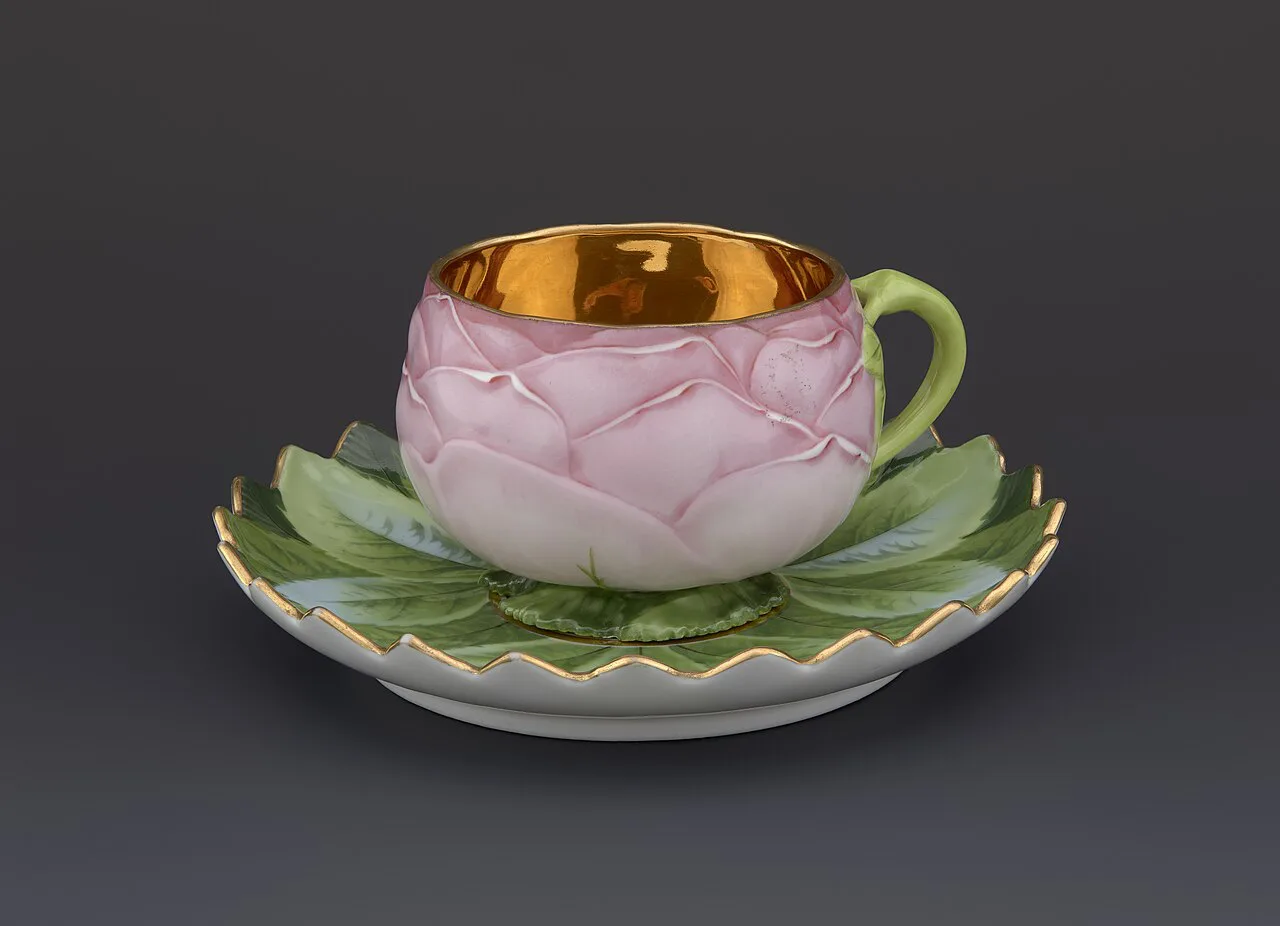
The spa town's dining culture created steady demand for tableware that could stand up to daily use in elegant hotels and still look refined in a dining room. Thun supplied much of it, and guests who came to take the waters went home having eaten off that porcelain, which tied the town's name to the material.
That history still shapes what you find today. Around Karlovy Vary there are factories where porcelain is mass-produced, and there are also small manufactories such as the one in the village of Lesov that specializes in handicraft. Both are legitimate stops, and both sell, but only one lets you watch a saucer take shape on a bench.
Where it is made: Thun and the workshop at Lesov
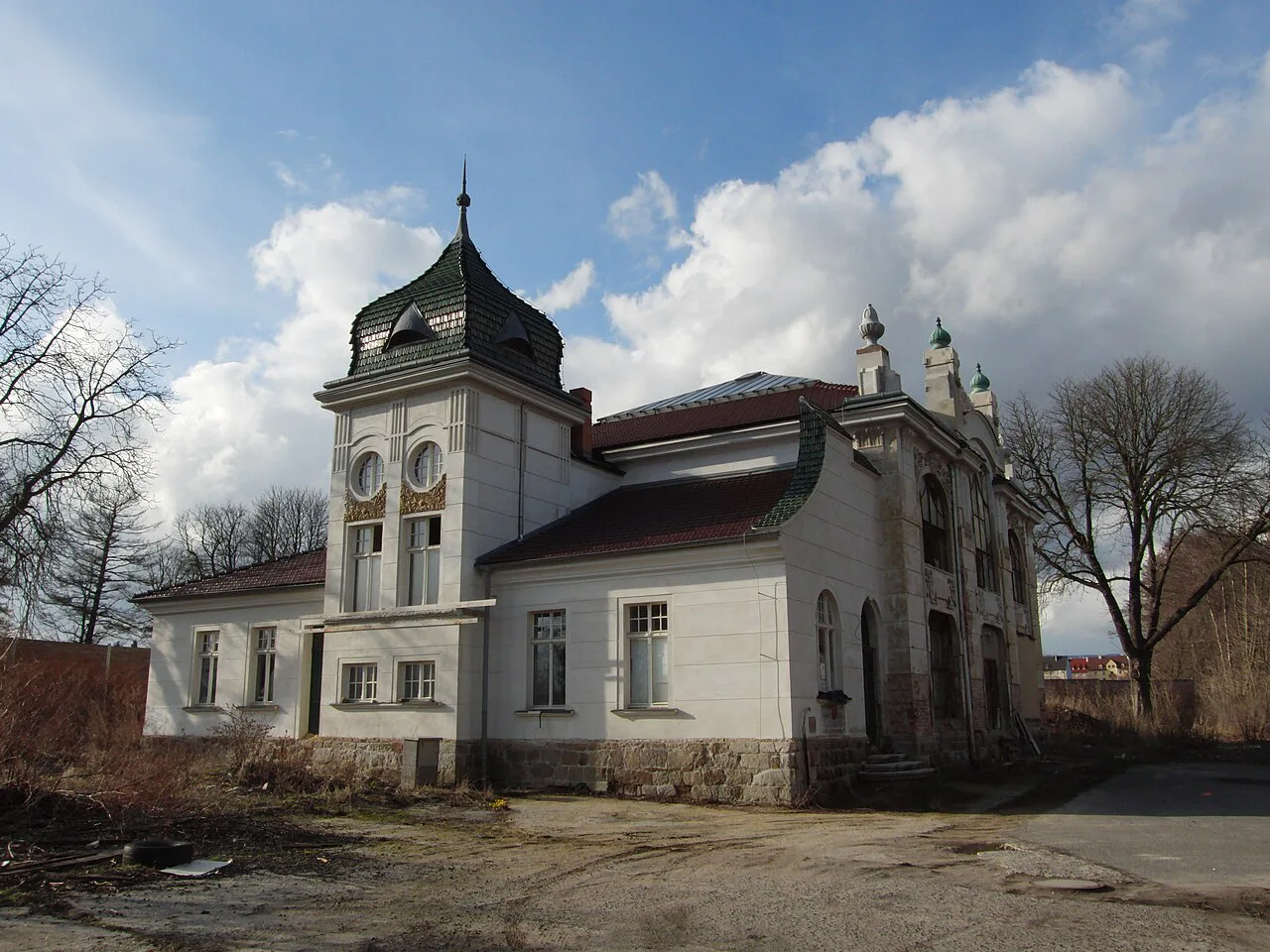
Treat the region as a ring of production rather than a single address. The Thun operation is the industrial anchor, with branches spread around the west Bohemian town. Lesov is a village workshop that still uses tools from the last century, so the two visits answer different questions: one about scale, the other about technique.
The Lesov workshop was founded in 1901 and continues a tradition of honest craftsmanship, so each piece of porcelain is an original. It has operated under the Ateliér JM Lesov / Thun Studio brand since 2012 and offers solitaires, dinner sets, and tea or coffee collections. The word studio is a fair signal of what to expect: small output, design-led, made by hand.
Ateliér JM Lesov in detail
The workshop's reputation rests on commissions as much as on daily output. At EXPO 58 in Brussels, a coffee collection designed by Professor Jaroslav Ježek won the Grand Prize. In 1999, President Václav Havel ordered a dinner set for Prague Castle from Lesov, designed by Jiří Laštovička, who has worked with the studio for years. Those two facts tell you the ambition of a forest workshop with a handful of craftspeople.
A workshop excursion is the core of a visit here. You see how a tea cup or saucer is made by hand, followed by hand glazing, which the workshop describes as requiring great patience and precision. The honest trade-off is that the work is slow and the output small, which is why the pieces carry more labor than a department-store set and why collectors follow the studio.
What a workshop excursion shows you
Expect an emphasis on process rather than a polished museum walk. Throwing a cup or saucer by hand, then glazing it, are two distinct skills, and the glazing step is where a piece can be quietly ruined. Watching one cycle makes it obvious why a hand-decorated plate is not interchangeable with a printed one.
The workshop asks visitors to book an excursion, so treat a Lesov stop as a planned appointment, not a walk-in. Group size, the language of the tour, available dates and any fee are set by the studio rather than published here; confirm them directly with the workshop before you build a day around the visit. The same applies to whether you can buy on the day you tour or order afterward.
Reading the design language
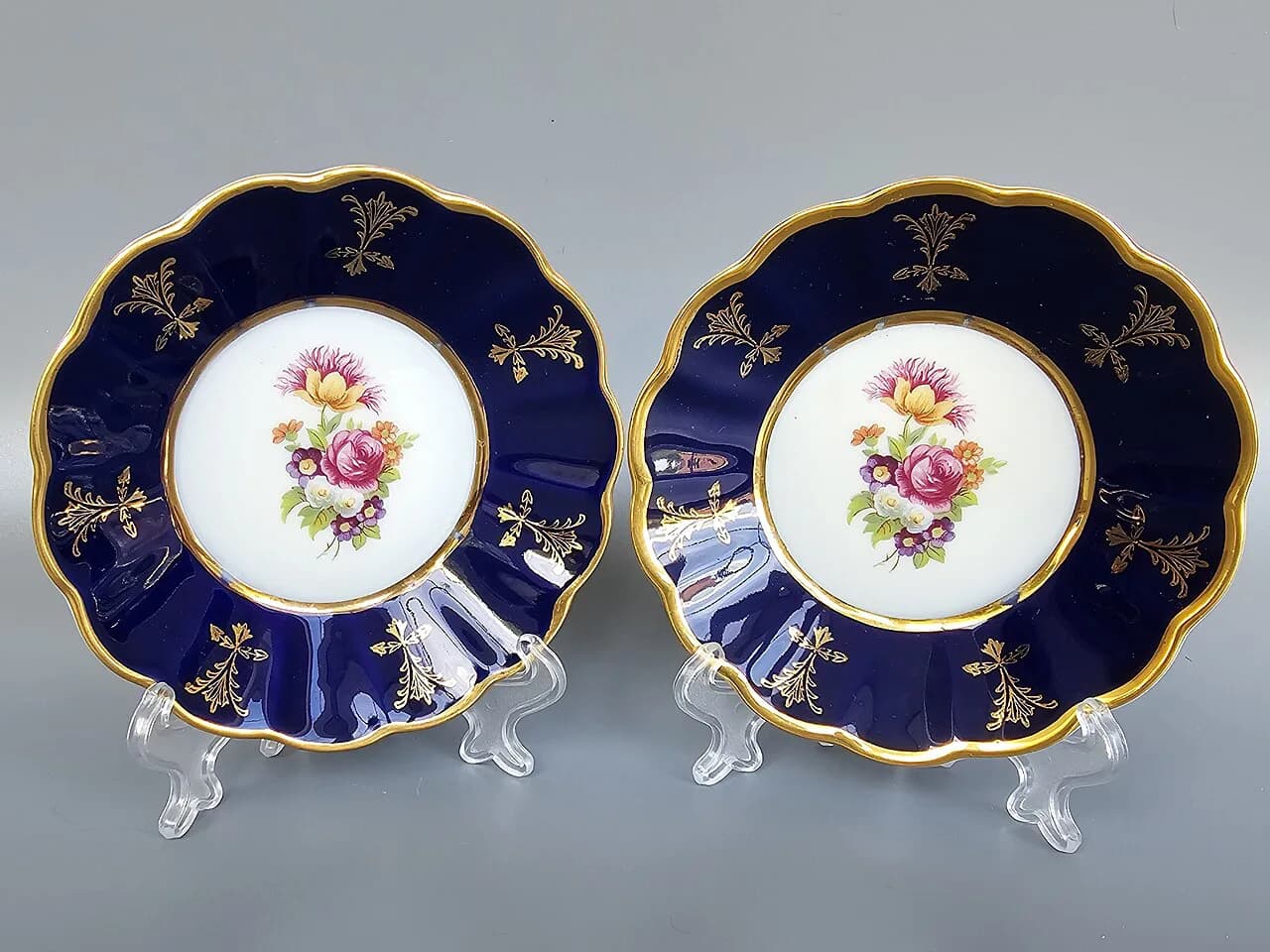
Color is the first clue to value. Lesov masters work in white porcelain decorated with glaze, real cobalt, gold or platinum, and they also experiment with metal and glass. Because cobalt, gold and platinum are applied by hand, a richly decorated piece carries more labor than a plain white one and should be judged on the crispness of the lines and the consistency of the pattern.
The collections give you something specific to look for. The Downton Manor collection, designed by Jiří Laštovička, is the purist choice, close to the British country-house style. At the other end, the Jules Verne tea set is richly decorated, with a teapot framed in metal around a glass opening so you can watch the tea settle. There is also an Antonín Dvořák collection decorated with parts of the composer's scores.
If you also want to see how the region's other bench crafts work, the glass side of west and northern Bohemia runs parallel to porcelain and pairs naturally with the same itinerary. Start with this guide to Czech glass traditions to see which towns to add.
Buying Czech porcelain
There are two routes to a purchase: the workshop's own shop when you visit, and its online store, which the studio runs under the Ateliér JM Lesov name. Solitaires, dinner sets and full coffee or tea services are all in scope, so decide before you go whether you are buying a single souvenir cup or building a service, because that choice changes how much room you need in your luggage.
Collectors value hand-decorated pieces because the artistic value of individual works rises over the years, and the studio counts foreign buyers as well as diplomats and film-festival guests. The practical rule: buy the piece you would actually use, not the one wrapped in the most gold, and keep the studio's own documentation with it. For a wider look at which Czech purchases hold up, see this guide to Czech souvenirs worth buying.
Prices vary widely by collection, size and decoration, so ask the studio for its current price list in koruna rather than budgeting from memory. To see how decoration and place-setting count push costs up on the retail market, a Czech porcelain retailer lists plate sets by shape, pattern and number of people served, from practical daily patterns to hand-painted gold.
Fitting a Lesov visit into a Karlovy Vary stay
Base yourself in Karlovy Vary and treat Lesov as a half-day errand rather than a destination in itself. The spa town gives you the colonnade walk, the hotels and the porcelain shopping, while the workshop is a village run out from town. Check the distance and the transport options against your own schedule, since no reliable timetable for this specific trip is published here.
Build the day around the excursion time you book, not the other way round. A morning slot leaves the afternoon for the spa center, and an afternoon slot frees the morning for the promenade. If you are coming from Prague, Karlovy Vary is the natural overnight base, and the workshop visit slots into a spa day without a separate trip.
Practical limits to plan around
The workshop is a working manufactory, so the tour depends on production being under way and on staff being free to lead it. Book the excursion in advance and ask what you will actually see on your date, because a bench visit is not a display case. The studio publishes its excursion offer through its own channels; times, group sizes and any charge come from there.
Confirm current excursion times, any fee and the language of the tour with Ateliér JM Lesov before you travel, and check that the shop will be open on your visit day if buying is the point of the trip.
Book the workshop before you book the train
Czech porcelain rewards a traveler who treats it as a craft to watch rather than a shelf to browse. Karlovy Vary gives you the spa setting and the Thun history, and Lesov gives you the bench, the glaze and the specific collections worth seeking out. Decide first whether you want a workshop excursion or a shopping afternoon, then build the spa day around that choice.
If clay is not your material, the region's glass and gem work make a natural second thread, and the pillar guide to Bohemian crystal sets out where those traditions live. Either way, book the visit before you commit to transport, since the excursion is the part with a fixed slot.
Explore more Czech Republic guides
Sources
Notes for your Czech trip
Optional updates to our Czech town guides.
You might also like
Continue reading
More guides you'll find useful