South Bohemia: Castles, UNESCO Towns and How to Link Them
South Bohemia packs Český Krumlov, Hluboká Chateau, Třeboň, Tábor and České Budějovice into a small region. Here is how to link them by car, train or bus.
On this page
South Bohemia rewards travelers who treat it as a region rather than a single day trip: Český Krumlov, Hluboká Chateau and České Budějovice sit within roughly an hour of each other, which makes a two- or three-night loop realistic. The region is a landscape of forests and fishponds studded with chateaux and historic towns, and its most celebrated places, Český Krumlov and the village of Holašovice, both hold UNESCO World Heritage listing.
This guide walks through the anchor sights first, then the quieter walled towns and small stops that fill the gaps between them. It finishes with how the rail and bus network actually reaches these places, how to build a route from Prague or from Vienna, and where the money goes in Czech koruna. Plan on a car for the castles and villages in between, and on trains for the bigger towns.
What South Bohemia covers and where its towns sit
South Bohemia occupies the southern Czech Republic, bordering Germany and Austria, with České Budějovice as its capital and largest city. Český Krumlov sits about 25 km southwest of that capital, Hluboká nad Vltavou is a short hop north of it, and Třeboň and Jindřichův Hradec lie east toward the border. That compactness is the region's great advantage: no transfer on a sensible loop takes much more than about 40 minutes by car.
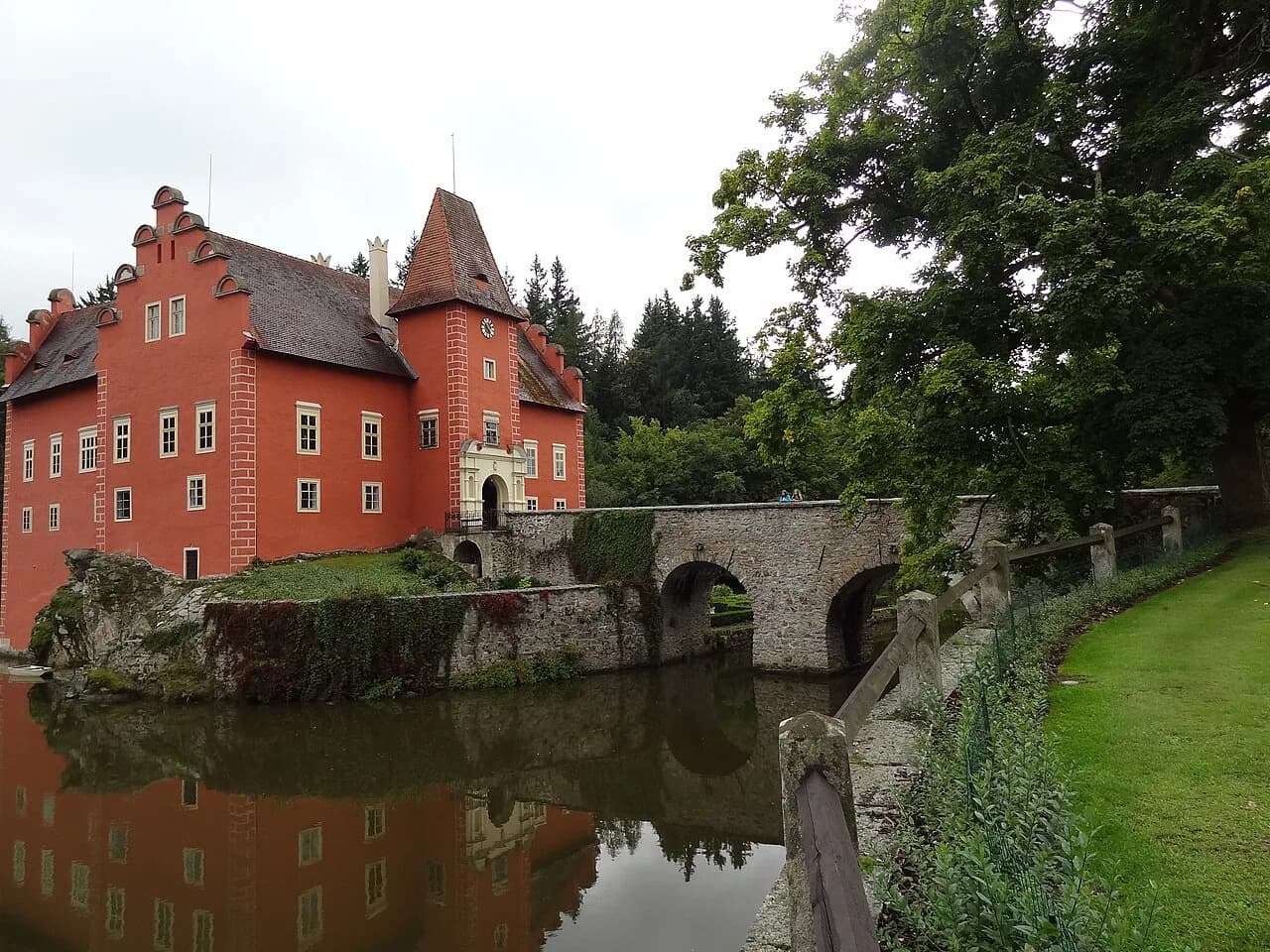
Treat the region as three clusters. The Vltava cluster is České Budějovice, Hluboká and Český Krumlov; the pond cluster runs from Třeboň to Jindřichův Hradec; and the northern fringe holds Tábor, Písek and the castles of Blatná and Zvíkov. Holašovice, a UNESCO-listed village of rustic farmsteads, sits close enough to České Budějovice to fold into a driving day rather than an overnight.
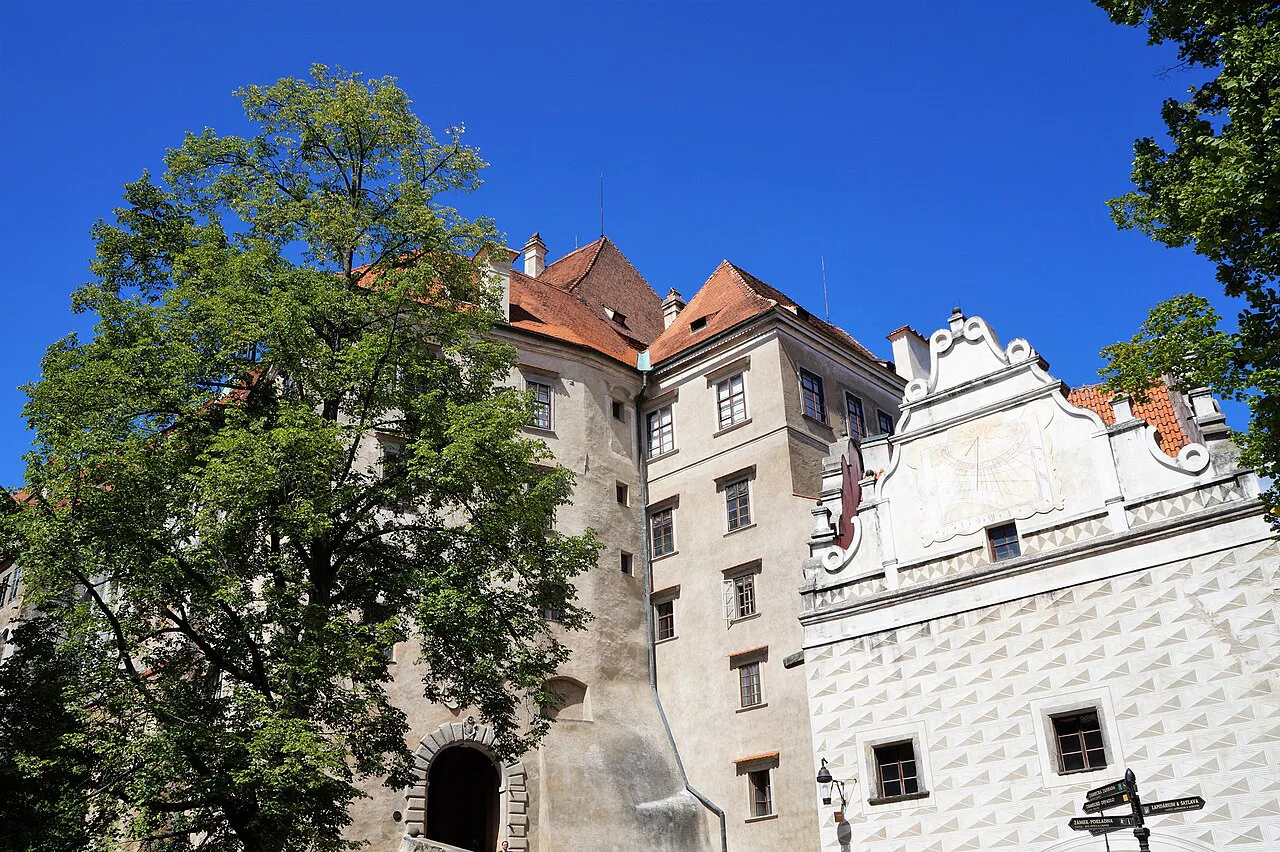
The anchor sights: Český Krumlov, Hluboká, Třeboň and Holašovice
Four places carry most of the region's reputation. Český Krumlov packs a riverside old town under a vast castle; Hluboká nad Vltavou Chateau supplies the fairytale silhouette; Třeboň pairs a Renaissance center with a fishpond landscape; and Holašovice preserves a compact set of rural baroque farm buildings. If you have one overnight only, build the day around Český Krumlov and Hluboká, which share the same stretch of the Vltava.
The rest of South Bohemia stays noticeably quieter than Krumlov, which draws day-trippers up from Prague. That gap is worth planning around: give the famous town an early start, then spend the afternoon in a castle park or a smaller square where the crowds thin out. The region suits a slow pace, with walkable historic centers and short hops between them.
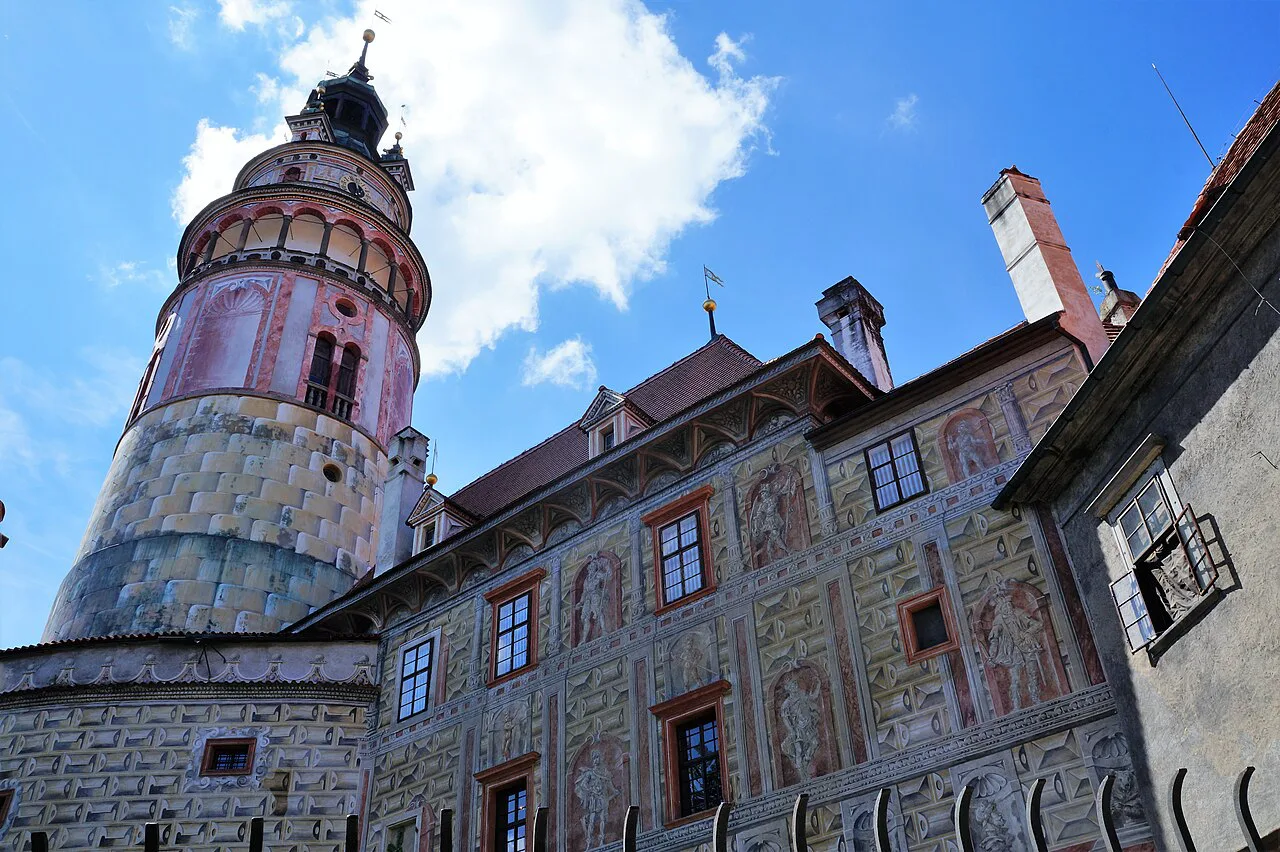
Český Krumlov: the Vltava bend and the castle above the old town
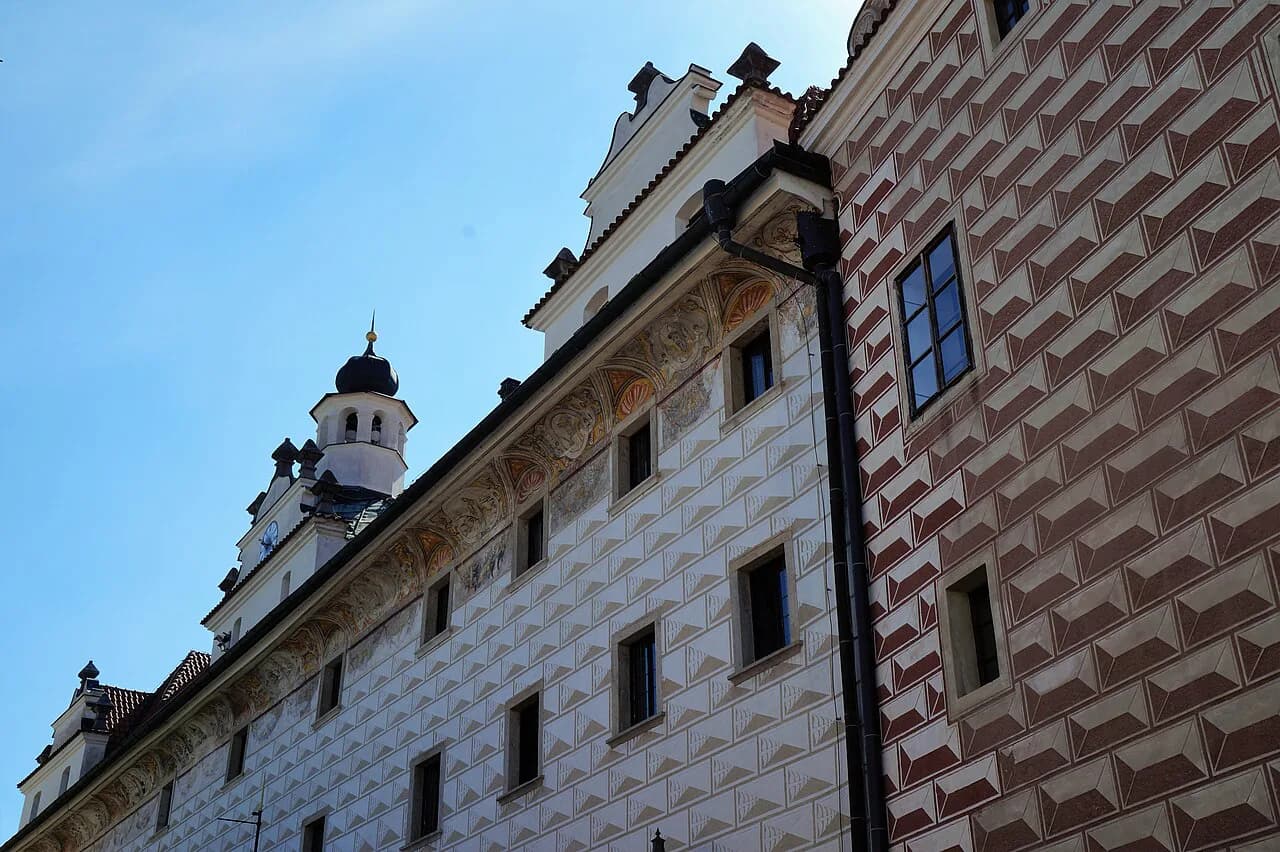
Český Krumlov wraps around a double bend of the Vltava River, with the old town on the low ground and the castle complex climbing the ridge above it. The castle ranks second in size only to Prague's, and its painted Renaissance tower and extensive gardens are the postcard images most travelers arrive expecting. The layout means almost everything is on foot once you park or step off the bus, but the cobbles and slopes punish thin-soled shoes.
Timing decides the quality of a Krumlov visit. Coach groups arrive from Prague around the middle of the day, so the old town lanes and the main viewpoints fill between late morning and mid-afternoon. Start at the castle viewpoints early, walk the old town while it is still calm, and save the river-level lanes or the gardens for the busy hours, when a shaded park beats a crowded street.
Hluboká nad Vltavou Chateau: the Windsor-inspired exterior and the park
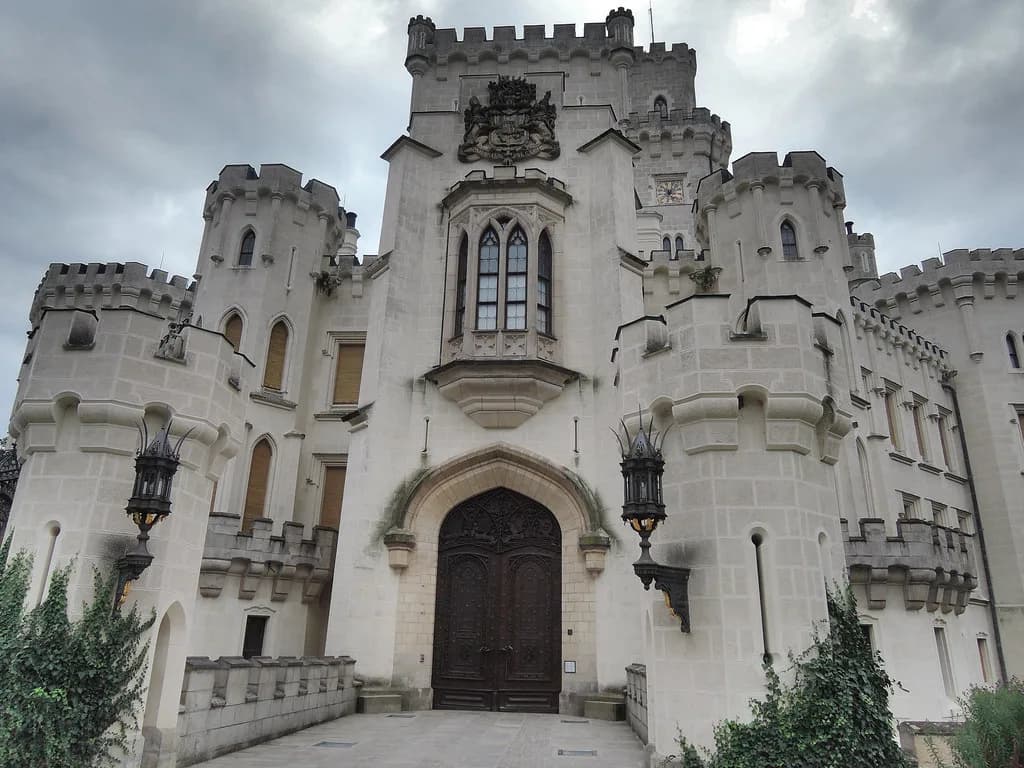
Hluboká Chateau is the region's most photographed building, a neo-Gothic pile modeled on Windsor Castle and rebuilt by the Schwarzenberg family in the 19th century. The exterior, with its towers and pale stonework, is free to admire from the grounds, and the landscaped park around it absorbs a lot of visitors without feeling crowded. Many travelers rate the grounds and gardens as the highlight even when they skip the interior.
The state rooms are shown on guided tours run by the National Heritage Institute, not by wandering at will, and the interior has been restored in period style. That touring arrangement shapes the visit: you book a slot, you move through in a group, and the commentary and timing are set by the circuit you choose rather than by your own pace. Interior circuits typically run in the main season rather than year-round, so a winter trip may mean an exterior-only stop.
Hluboká works as an easy half day from České Budějovice, since the chateau town sits only a few kilometers north of the city. Pair the park with the city's main square in the afternoon rather than trying to combine Hluboká with Krumlov in the same half day; the driving is short but the two visits each deserve a couple of hours.
České Budějovice (Budweis): the square, the Samson fountain and Budvar
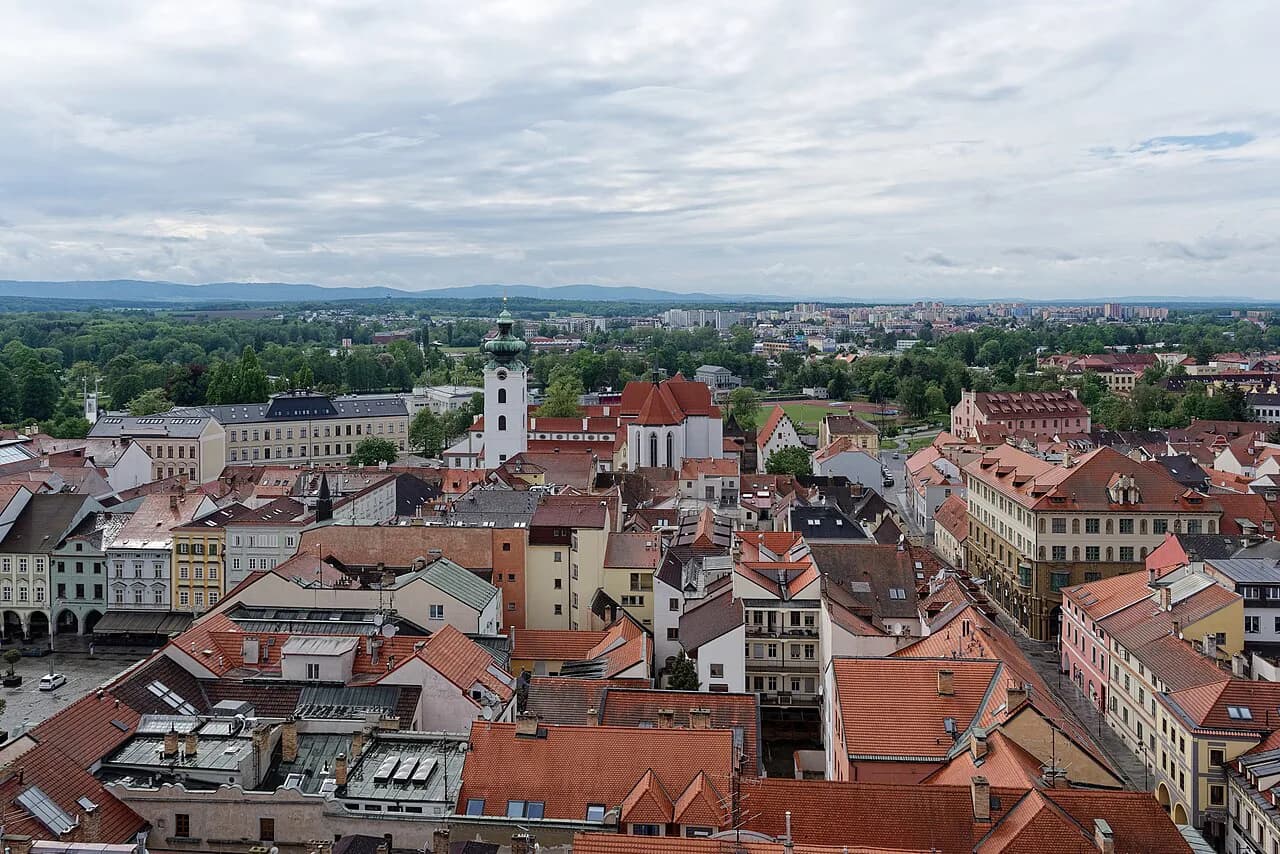
České Budějovice (Budweis) is South Bohemia's capital, a university city built around Přemysl Otakar II Square, one of the largest town squares in Europe. The Samson fountain sits at its center, ringed by arcaded burgher houses, and the square is the natural orientation point for a short city walk. The city's beer history, as the home of Budvar, gives it a second identity beyond the handsome architecture.
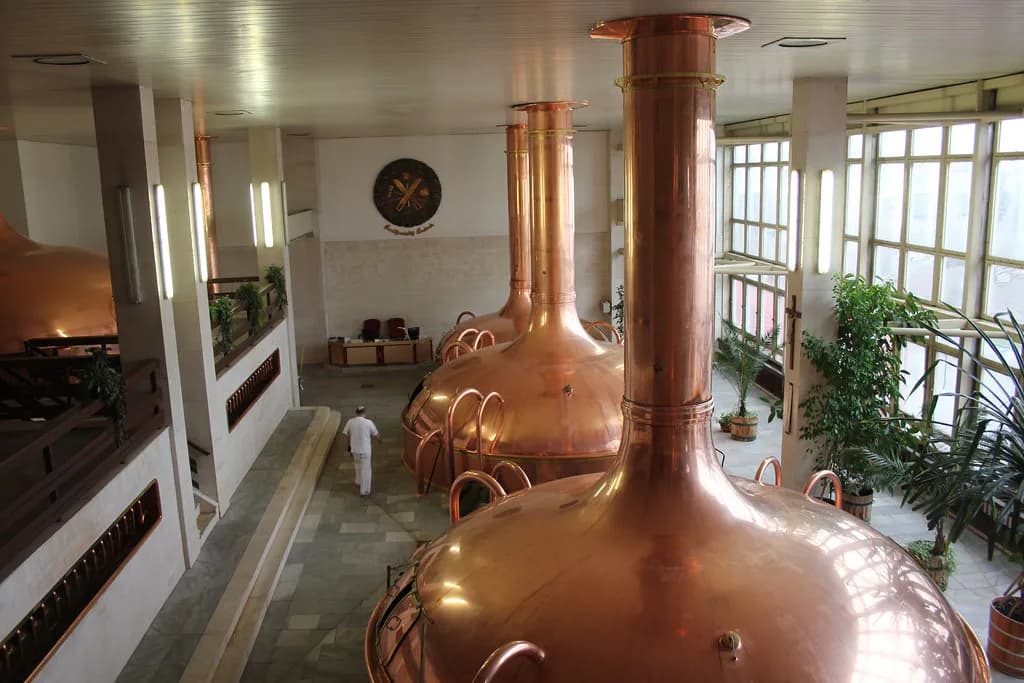
Budvar, the brewery behind the Czech Budweiser name, is the reason many visitors stop here at all, and a brewery visit gives shape to an otherwise leisurely day in the city. The city rewards a few unhurried hours rather than a checklist of sights: the square, the streets around it, and a brewery stop are enough for most itineraries passing through.
Prague is roughly two hours away by road to České Budějovice, which makes the city the natural first or last stop on a South Bohemian loop. Vienna is farther, about two and a half hours by car, so travelers coming from Austria usually enter the region from the south rather than through Prague.
Třeboň: fishponds, a Renaissance center and the Schwarzenberg tomb
Třeboň grew rich on fishponds, and the engineered water landscape around it still defines the town. The historic center is compact and walkable, with a Renaissance character that survived because the town stayed a quiet provincial place rather than a capital. It suits travelers who want a slower stop between the bigger names.
South of town, the Schwarzenberg tomb is a separate stop that needs its own transport, whether a car or a taxi from the center. On a South Bohemian driving loop, it fits neatly on the way toward Jindřichův Hradec rather than as a walk from the square.
Tábor and Jindřichův Hradec: two quieter walled centers
Tábor brings a different history to the region: a Hussite stronghold with a preserved old town on a ridge above the river. Žižkovo Square anchors the center, and the lanes around it reward an unhurried morning before the day-trippers arrive. It fits naturally on the northern edge of a South Bohemian route, especially if you are driving in from Prague.
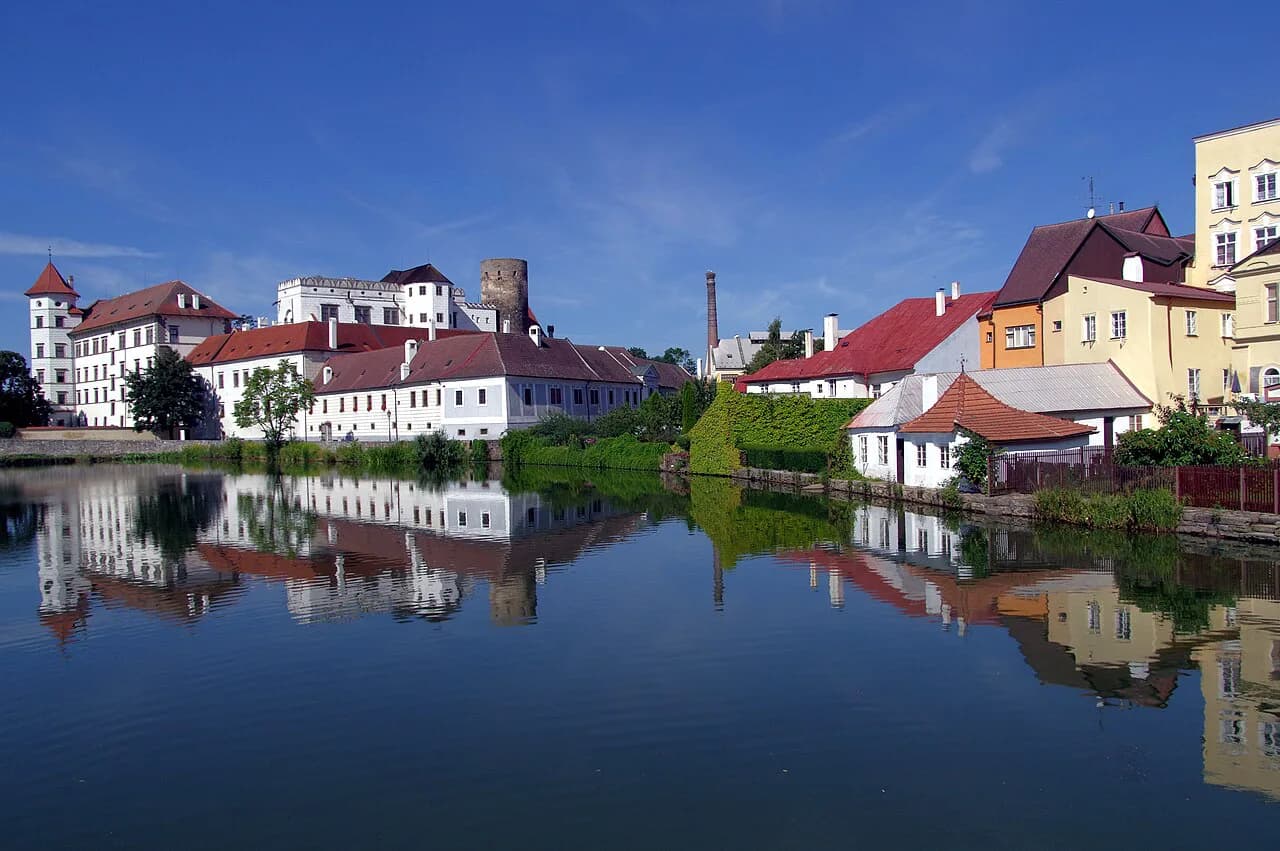
Jindřichův Hradec sits farther east and gets a fraction of Krumlov's attention despite a colorful center and a substantial castle complex. It is the kind of town that rewards a wander rather than a strict plan, and it works well as an overnight that breaks a longer loop.
Kratochvíle Chateau, a Renaissance hunting lodge near Netolice, adds a smaller, quieter chateau stop between Třeboň and the bigger towns. It fills a half day neatly when you want a break from the crowds.
Písek, Prachatice, Slavonice and Zvíkov: smaller stops worth a half day
Písek holds one of the country's oldest stone bridges and a compact old town that makes an easy half-day stop en route between Tábor and the southern towns. It is the sort of place travelers tend to skip and then wish they had not.
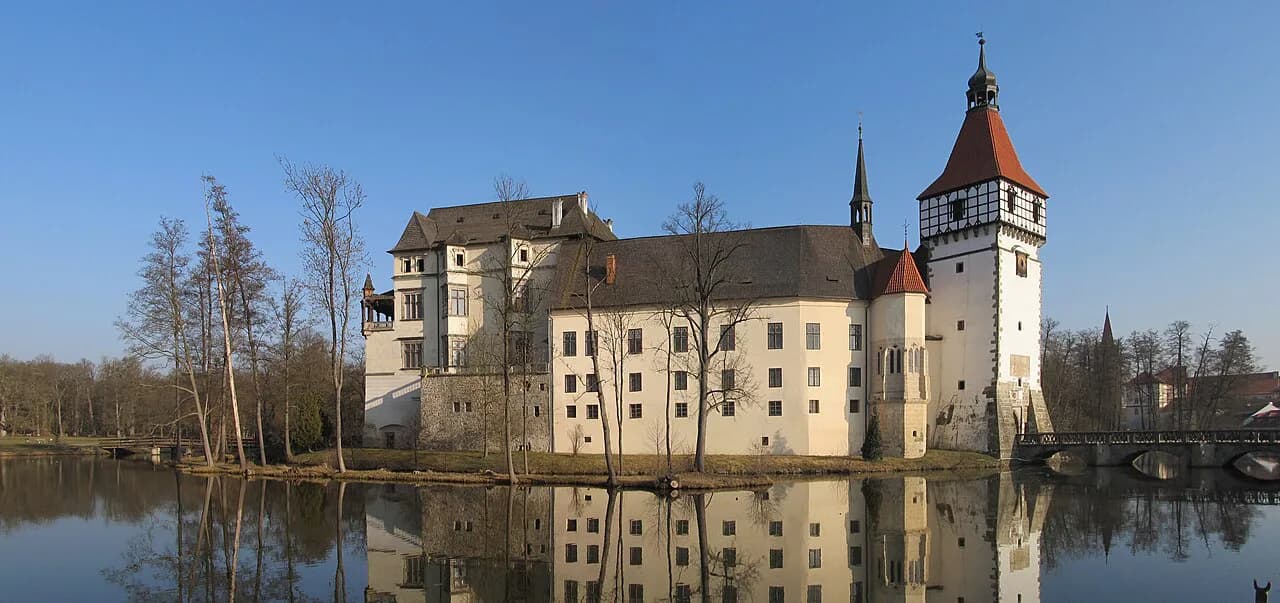
Blatná Castle is one of only a handful of preserved water castles in the country, which makes it a distinctive stop on a driving route. It sits west of Tábor toward the region's edge, so it fits best on a northern approach rather than on the main Krumlov–Budějovice corridor.
Prachatice and Slavonice preserve their historic centers with far less traffic than Krumlov, and Zvíkov Castle sits dramatically above the confluence of the Vltava and Otava rivers. Of these, Zvíkov is the most atmospheric and the least reachable without a car.
Lipno Reservoir and the Schwarzenberg Canal: water and cycling
Lipno Reservoir is the region's summer playground, a broad stretch of water with cycling and water sports that suits a day of active recovery between castle visits. A treetop walk adds an elevated view over the lake and forest.
The Schwarzenberg Canal, a historic timber-floating channel, is another water-related draw for walkers and cyclists, and it pairs naturally with Lipno on a driving day. Neither is a substitute for the town stops; they are recovery days on a longer loop.
How to move between the towns: car versus train and bus
Trains and buses connect the bigger towns, and the Czech network makes České Budějovice a useful hub for onward travel. The problem lies in between: the castles, the Schwarzenberg tomb, the villages and the smaller stops really need your own wheels. A car converts a chain of rail waits into a comfortable loop; public transport converts it into a series of carefully timed legs.
Driving here is calm compared with Prague, and the border crossings from Germany and Austria are seamless. What you need to plan for is old-town parking and narrow streets: book a compact car rather than an upgrade, and expect tight historic centers and small parking spots.
If you travel without a car, base yourself in České Budějovice or Český Krumlov and pick a few reachable stops rather than trying to cover the whole region. Public transport favors the bigger towns, so a rail-based trip means concentrating on the famous names and treating the smaller castles as optional.
Building a route from Prague or from Vienna
From Prague, drive south toward Tábor or Písek first, then work into the Vltava cluster around České Budějovice, Hluboká and Český Krumlov, finishing east at Třeboň or Jindřichův Hradec. A loop of several days lets you add the small stops without turning every day into a transit day. Reaching České Budějovice from Prague takes roughly two hours by road.
From Vienna, enter the region from the south and start with Český Krumlov or Jindřichův Hradec before moving north toward České Budějovice and Hluboká. Vienna to the region takes about two and a half hours by car, which makes a southern approach realistic for travelers already in Austria.
Both routes work best if you avoid changing base every night. Pick two towns — one on the Vltava, one in the pond cluster — and drive out from each, returning in the evening instead of repacking daily.
Where to base yourself for two nights or four
České Budějovice is the practical base: it is the transport hub, it has the widest range of services, and Hluboká, Holašovice and even Krumlov are within easy reach. It also lets you spend a day in the city itself without feeling you are wasting time on transit.
Český Krumlov is the atmospheric base: staying inside the old town lets you see it early and late, outside the day-trip window. The trade-off is higher prices and a center that empties of locals in the evening.
For four nights, split the stay: two nights in Krumlov or Budějovice, then two in Třeboň or Jindřichův Hradec to cover the eastern side of the region without long daily drives.
Costs in Czech koruna: tickets, tours and everyday spending
South Bohemia generally costs less than Prague, which is part of its appeal for travelers on a midrange budget. Prices stay reasonable compared with Western Europe, and everyday spending on food and drink reflects that.
Castle and chateau interiors are ticketed separately from their grounds, and touring arrangements vary by site and season, so the ticket price depends on the circuit you choose. Bring Czech koruna for small purchases, and check the current price list at the site's official ticket office or the National Heritage Institute pages before you fix a budget.
What to skip when time is short
With a single day in the region, skip the far-eastern towns and the water-based stops, and concentrate on Krumlov in the morning and Hluboká in the afternoon, using České Budějovice as the pivot. That trio gives you the region's signature images without a punishing drive.
With two days, add a second night in České Budějovice and one of Třeboň or Holašovice. Skip Lipno unless the water and cycling are the point of your trip; it takes time better spent on the historic towns.
Which base should you book first?
Book České Budějovice as your first base if you are arriving from Prague or Vienna by public transport, then add one night inside Český Krumlov to see the town before and after the day-trip crush. Reserve castle interiors as fixed slots and leave the rest of the day open.
Czech koruna is the currency, castles are guided tours rather than free wanderings, and the region rewards a slow pace. That is enough to start planning a loop that fits your own travel style.
Explore more České Budějovice guides
- Blatná Castle
- Budvar Brewery
- Hluboká Castle
- Jindřichův Hradec
- Kratochvíle Chateau
- Lipno: The Treetop Walkway and Lake Area at Lipno nad Vltavou
- Prachatice
- Písek
- Rabí Castle
- Tábor, Czech Republic
- Třeboň: A Renaissance Chateau Town Among Fish Ponds
- Zvíkov Castle
- Červená Lhota Castle
- České Budějovice (Budweis)
- Šumava National Park
- Landštejn Castle
- Rožmberk Castle
- Vimperk: Castle, Square and Šumava Gateway in South Bohemia
Frequently Asked Questions
What is the currency in South Bohemia?
The Czech koruna, usually written CZK. Cards are widely accepted in the bigger towns, but carry some cash for small stops, village cafes and castle ticket offices.
Do you need a car to see South Bohemia?
No for the bigger towns, yes for the castles and villages in between. Trains and buses connect České Budějovice, Český Krumlov and Tábor, but places such as Holašovice and the Schwarzenberg tomb are far easier with your own wheels.
Is Bohemia a separate country today?
No. Bohemia is the western historical region of the Czech Republic, and South Bohemia is one of its parts. The country has been called Czechia in short form since 2016, but the regional names and the koruna currency remain.
How many nights should you spend in South Bohemia?
Two nights covers Český Krumlov, Hluboká and České Budějovice at a relaxed pace. Four nights lets you add Třeboň or Jindřichův Hradec and one or two of the smaller castles without rushing.
Sources
Notes for your Czech trip
Optional updates to our Czech town guides.
You might also like
Continue reading
More guides you'll find useful