Ostrava: Dolní Vítkovice, the Mining Museum and How Long to Stay
Ostrava pairs the Dolní Vítkovice ironworks with Masaryk Square, a 13th-century castle and a mining museum. Here is what to see and how long it takes.
On this page
Give Ostrava a full day, not a half one. The walkable center around Masaryk Square is compact, but the reason to come — the Dolní Vítkovice ironworks complex — sits outside the old heart and is visited on organized tours, so it needs a scheduled slot. Walk from the train station into the cobblestone center in about 15 minutes by tram and you are in a city of pastel facades, a neo-Renaissance cathedral and a museum that explains how coal built the place. This guide covers the center, the industrial sites, the castle and the tower, then how to reach Ostrava from Prague or Vienna and how to fit it into a Moravia-Silesia route.
Where Ostrava sits in Moravia-Silesia
Ostrava lies in the Moravia-Silesia region of the Czech Republic, close to the Polish border, and it grew rich on coal and iron rather than on aristocratic palaces. That makes it a different kind of Czech city from Český Krumlov or Telč: the monuments here are blast furnaces, mine shafts and a 13th-century castle, with the traces of heavy industry kept as heritage rather than cleared away. Come expecting working-city energy and you will read the place correctly; come expecting a painted old town and you will spend the day looking for something that is not there.
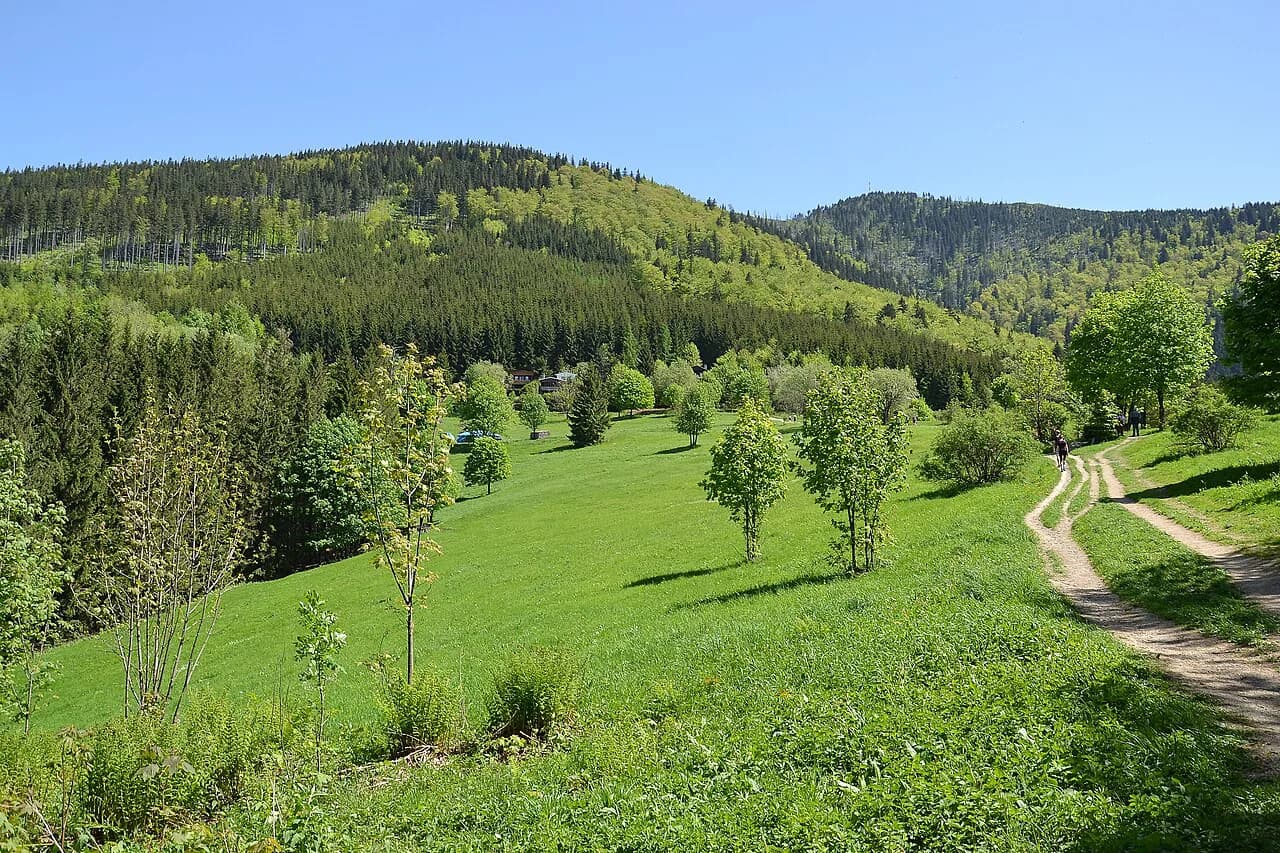
The city is also a genuinely good base for the Beskydy mountains, which begin a short hop to the southeast. Towns such as Štramberk and Hukvaldy belong to that same day or the next one, and pairing the industrial city with the hills gives you the two halves of this corner of the country: smokestacks on one side, wooded ridges on the other.
How the center is laid out
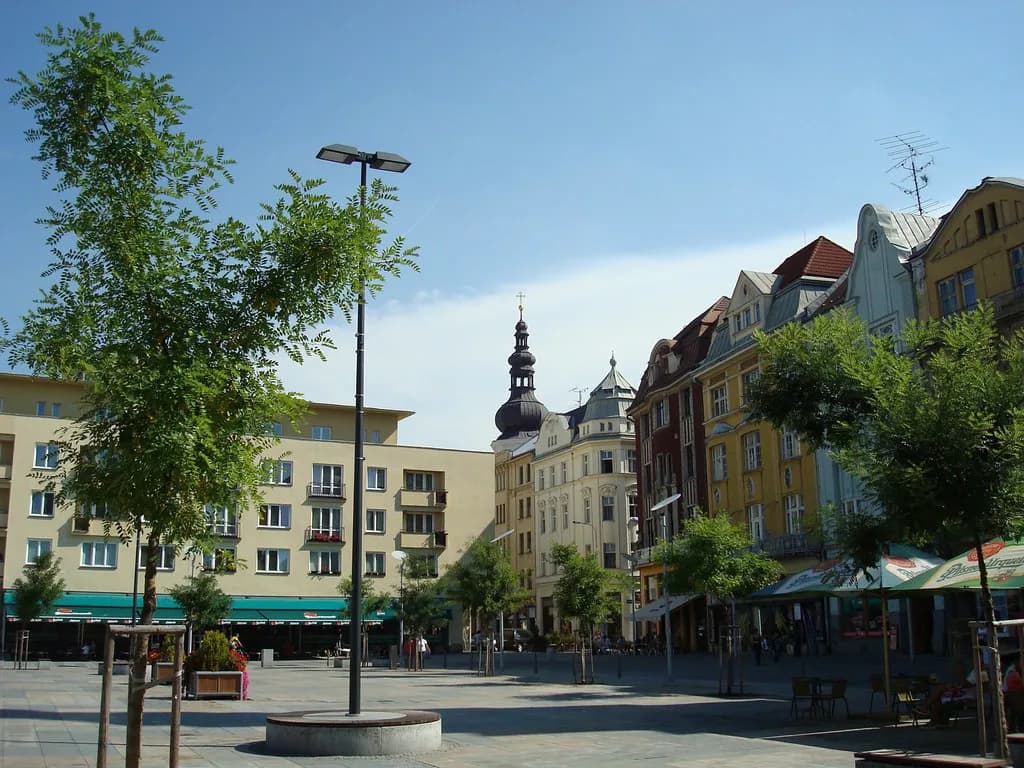
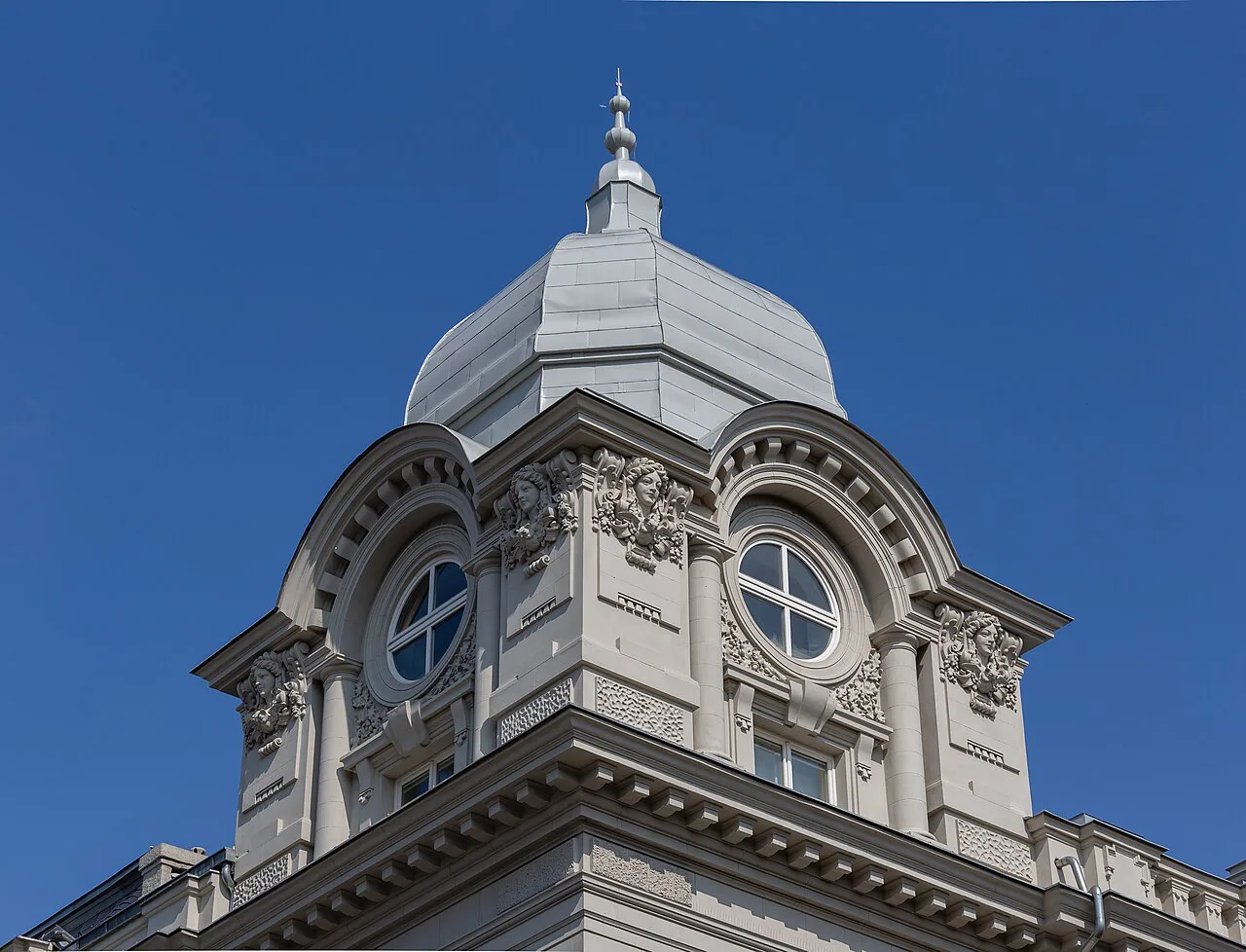
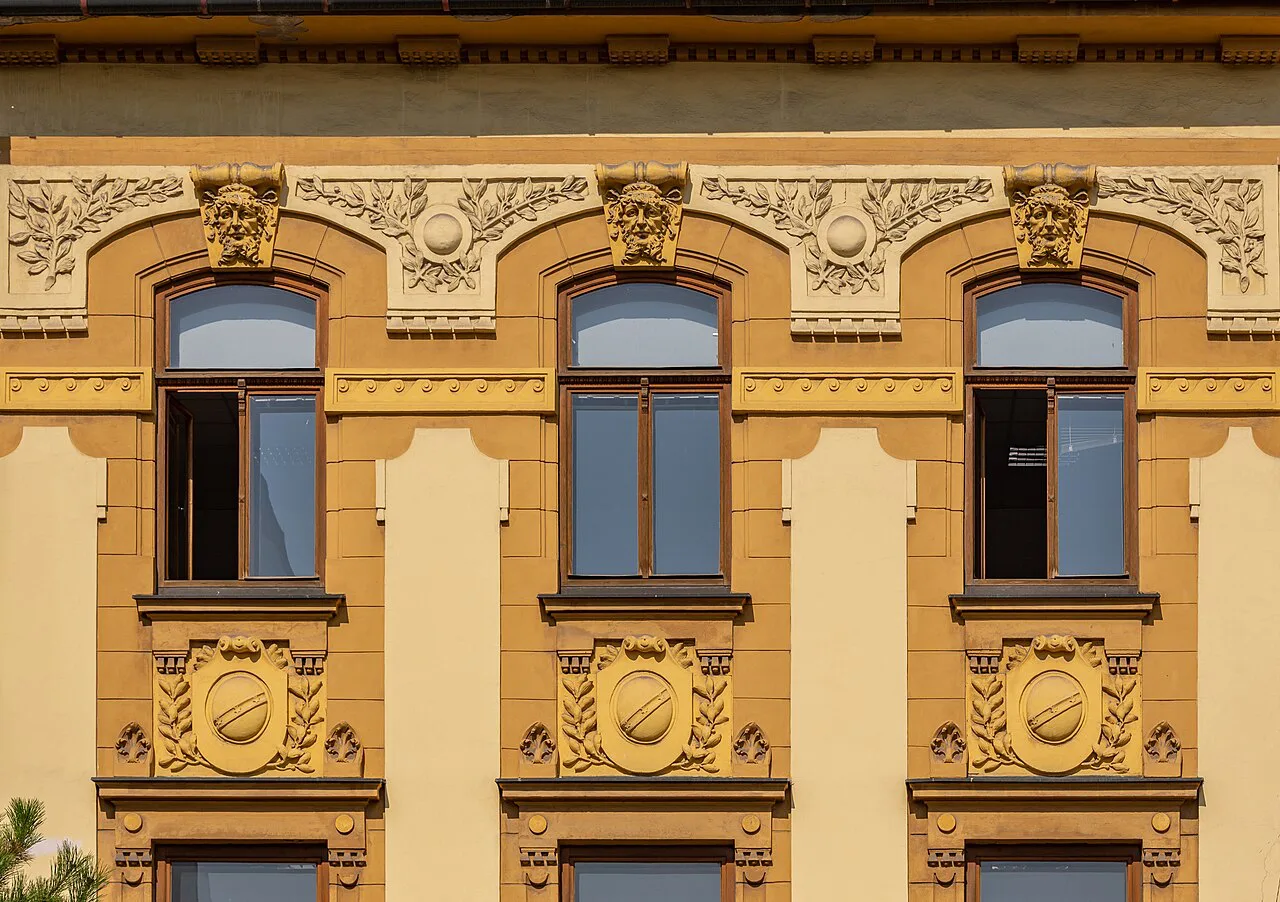
Almost everything you want in central Ostrava clusters around Masaryk Square, a broad cobbled space lined with cafes and restaurants whose outdoor tables face the pastel-colored facades the Czech lands do so well. The square has hosted markets since the Middle Ages, and the Ostrava Museum stands right on it, so you can read the city's story — founding, war, the end of communism, mining, archaeology — before walking the streets it describes. A 15-minute tram ride links the train station with this heart of the city, which makes arrival simple even with luggage.
Two blocks from the square rises the Cathedral of the Divine Savior, a neo-Renaissance church with a richly detailed interior: statues, free-standing columns and a gilded copper canopy over the altar cross. It is an active cathedral rather than a museum piece, so step in quietly and treat it as a short pause in the walk rather than a sight to schedule. Outside, the streets around Masaryk Square reward slow wandering more than any single address.
Stodolní Street, the strip the city is known for after dark, is quiet and largely shuttered by day, so it earns a passing look on your way between the square and the river rather than a stop of its own. The Ostravice River runs through the middle of the city and gives you a straightforward orientation line when you are deciding which direction to walk next. Plan the center as a two- to three-hour loop and you will see it without rushing.
Dolní Vítkovice: the ironworks complex
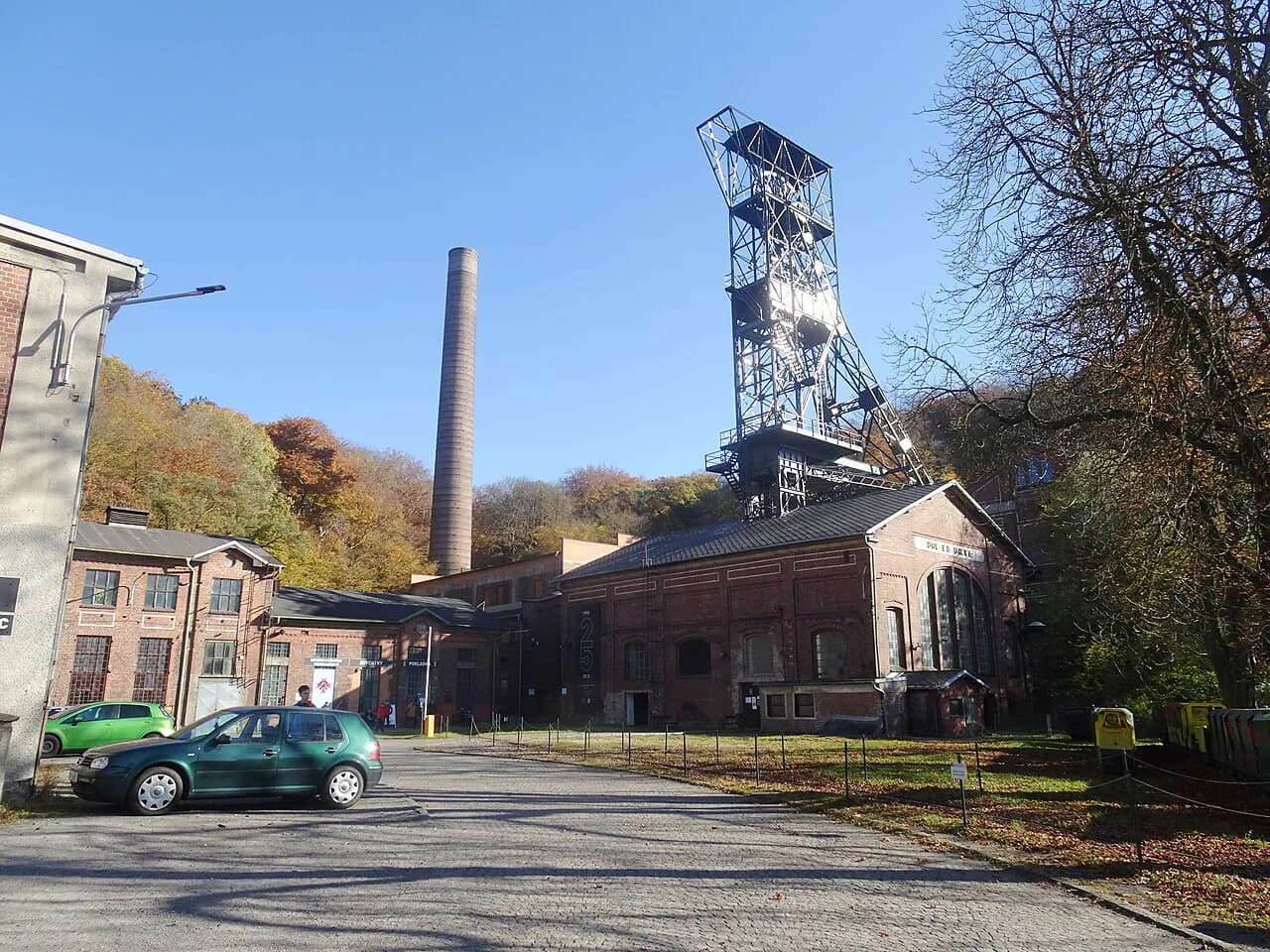
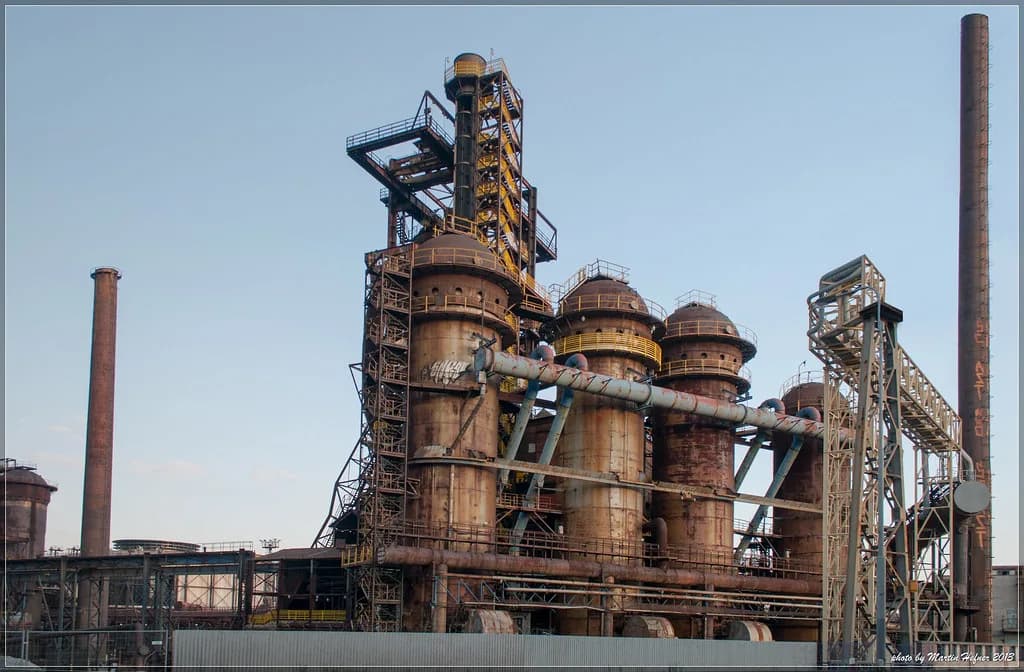
Start with Dolní Vítkovice, the number-one sight in the city and one of the rare places in Europe where every stage of iron production once happened inside a single district. The blast furnaces, coke plant and mine buildings have been kept rather than demolished, and the complex is a Czech and European cultural heritage site that is gradually being converted into a venue for events and entertainment. Walk in and the scale does the work: it feels less like a museum than a film set of heavy industry.
Guided tours are available for visitors who want the industrial processes explained, so treat Dolní Vítkovice as something you book into rather than stroll through at will. The tower gives a panoramic view over Ostrava, and even travelers with no interest in furnaces tend to come away impressed by the size of it all. Building it into your day as a fixed block of two to three hours is realistic; squeezing it between two other stops is not.
The Bolt Café on site serves refreshments among the ironwork, though seating is limited, which matters if you arrive at a busy moment. The complex is also the setting for the Colours of Ostrava music festival held nearby each July — background rather than a reason to time your trip, since the site is worth seeing on any ordinary day.
Landek Park: the mining museum
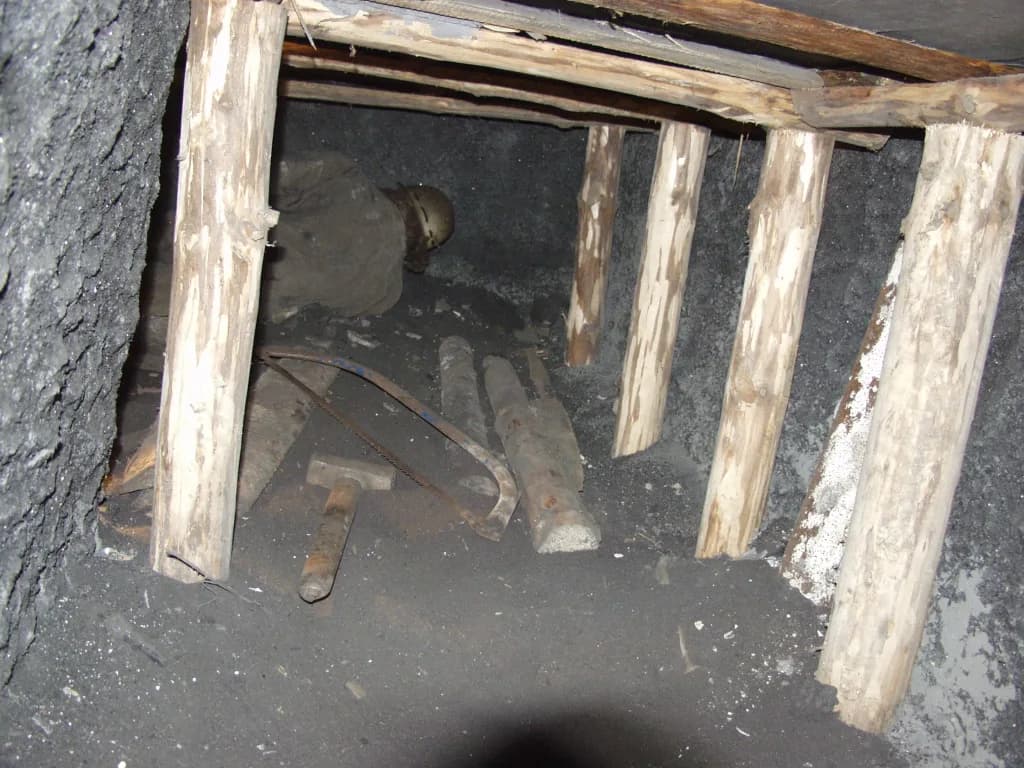
Landek Park covers the other half of Ostrava's industrial story: coal rather than iron, presented at a mining museum on the hill above the Odra and Ostravice rivers. Where Dolní Vítkovice shows you the surface plant and the furnaces, Landek is where the underground work and the miners' world are interpreted, so the two sites complement each other instead of repeating. If you only have time for one industrial stop, choose Dolní Vítkovice for the visual drama and Landek for the human history.
Landek sits outside the center, so it takes a separate trip by tram or bus and does not combine neatly with a walking loop around Masaryk Square. Give it its own half-day block, and check the museum's published opening times for the day you plan to go before locking it into the schedule. That is the single detail most likely to reshape a tight itinerary.
Silesian Ostrava Castle
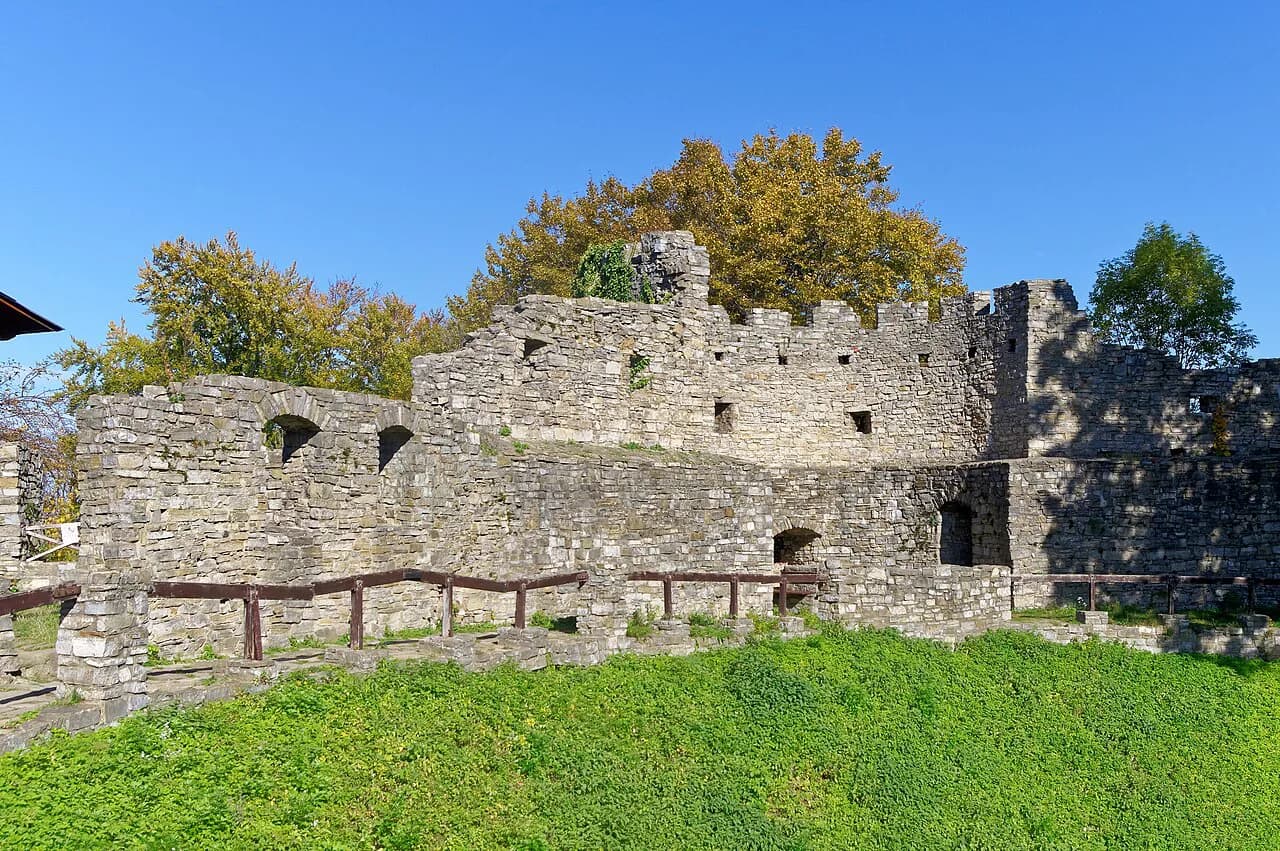
Silesian Ostrava Castle, less than a mile from Masaryk Square, dates to the 13th century, when it was built to protect medieval trade routes, and it later housed fighters on more than one side during the Thirty Years' War. Inside you see the fortress, a chapel and the coats of arms of the families who owned it across the centuries, which makes it a compact lesson in local power rather than a grand royal palace. For a city associated with industry, it is a useful reminder of how old the settlement actually is.
The New City Hall viewing tower
The New City Hall tower is the landmark to climb when you want to see how the city fits together. It stands in the old town area, easy to spot from the street, and the observation deck gives a rooftop panorama of Ostrava that on a clear day reaches across the border into Poland. The building also sells Ostrava-branded souvenirs, so it works as a two-in-one stop: a view and a gift in the same visit.
Do the tower before or after Dolní Vítkovice rather than in the middle of it — the two views are genuinely different, one from the civic center and one from the ironworks, and seeing both explains the layout of a city that spreads across several districts. If haze closes in, the tower is the stop to drop.
How much time Ostrava needs
A half day covers the center: Masaryk Square, the cathedral, the Ostrava Museum and, if the visibility holds, the New City Hall tower. A full day lets you add Dolní Vítkovice, and a generous day adds Landek Park or the castle as well. Because the industrial sites sit apart from the old town, the time you save by skipping a taxi or tram between them is smaller than the time you lose by arriving without a tour slot.
Ostrava Zoo is the option for travelers with children or a spare afternoon, and it is a substantial attraction in its own right rather than a small city menagerie, so it belongs on a second day rather than squeezed into the first. The National Moravian-Silesian Theatre gives the evening a cultural option if you are staying over.
Getting there from Prague and Vienna
Ostrava is straightforward by rail from Prague, with Leo Express, RegioJet and ČD all running the corridor and competing on price; in 2026 the lowest one-way fares quoted were 149 CZK with Leo Express, 159 CZK with RegioJet and 169 CZK with ČD. Those are figures from that year rather than a booking quote. From Vienna the connection runs through Břeclav and Přerov, and direct trains cover the distance in a few hours.
From Ostrava's station, a tram ride of roughly 15 minutes puts you in the old center near Masaryk Square, which is the practical arrival step most guides skip. Czech Railways also sells multi-day unlimited passes for travel around the country, useful if Ostrava is one stop on a longer loop through Moravia.
What things cost in CZK
The Czech koruna is the currency throughout Ostrava, and cards are widely accepted, but keep some cash for trams and small kiosks. Ostrava's own transit authority publishes its fare tariff, so check that rather than budgeting from Prague prices.
For food, read the menu and the ticket desk or official page for the venue you plan to enter rather than budgeting from a single figure, since restaurant and admission prices vary by site.
Where Ostrava fits on a route
Ostrava works best as a stop on a Moravia-Silesia loop rather than a Prague add-on: come east through Brno, spend a day here, then continue into the Beskydy. Hukvaldy, with its castle ruin and its connection to the composer Leoš Janáček, is the natural next stop in the hills.
If you head west instead, Jihlava makes a sensible break on the road back toward Prague, and Kopřivnice, with its Tatra truck heritage, suits travelers who enjoyed the industrial side of Ostrava. Keep the pieces in order and the region rewards you with variety: furnaces, a castle ruin, a mountain ridge and a historic town within a couple of hours of each other.
Practical timing and tour languages
Industrial sites keep their own seasons, and guided tours at Dolní Vítkovice are the part of the day most likely to constrain you, so fix that slot before you plan anything else. Tours may run in Czech unless an English-language departure is published for your date, so check the organiser's listing when you book. The same applies to the castle and museum: a Monday closure or a shortened winter schedule is common in the Czech Republic, and one phone-free look at the official page saves a wasted tram ride.
Build the day around fixed times rather than geography: pick your Dolní Vítkovice tour, then fill the hours before or after with the walkable center, and hold Landek or the zoo in reserve for a second visit. That ordering keeps the one timed element from dictating the whole trip.
Book the ironworks tour first
Decide on Dolní Vítkovice before anything else, because that booked slot determines whether Ostrava is a half day or a full one. With the tour time fixed, the center — Masaryk Square, the cathedral, the museum and the tower — slots in around it without stress. Then choose one addition: Landek for mining, the castle for medieval history, or the zoo for a slower afternoon.
If you are continuing east, add Hukvaldy Castle and a stretch of the Beskydy to the same trip; if you are looping back west, break the journey in Jihlava or Kopřivnice. Either way, Ostrava rewards a night rather than a rushed stop, and the industrial landscape is far more memorable than its reputation suggests.
Explore more Ostrava guides
Frequently Asked Questions
How far is Ostrava from Prague?
Ostrava sits in the far east of the Czech Republic, in Moravia-Silesia near the Polish border, and the rail corridor from Prague is served by Leo Express, RegioJet and Czech Railways. Journey times and fares change, so check the operator's timetable for your date when you book.
Which country is Ostrava in?
Ostrava is in the Czech Republic, in the Moravia-Silesia region close to the Polish border. It is the country's main coal and steel city and its industrial heritage sites are the principal reason to visit.
What currency do I use in Ostrava?
The Czech koruna, written CZK, is the currency used in Ostrava and everywhere else in the Czech Republic. Cards are widely accepted, but carry some cash for trams and small purchases.
Sources
- Panduan wisata Ostrava-City District 2026: tempat wisata, kuliner, hotel & itinerary | Trip.com
- Let’s enjoy sightseeing in Ostrava, the Czech Republic’s proud industrial heritage and mining town! – skyticket Travel Guide
- One Of The Largest Cities In The Czech Republic Boasts Historic Sites And Retro Charm
Notes for your Czech trip
Optional updates to our Czech town guides.
You might also like
Continue reading
More guides you'll find useful