Ostrava Zoo: Exhibits, Botanical Trails and Planning a Visit
Ostrava Zoo pairs animal houses like the House of Evolution with six kilometers of botanical trails and a safari train. Here is what to see and how to pace it.
On this page
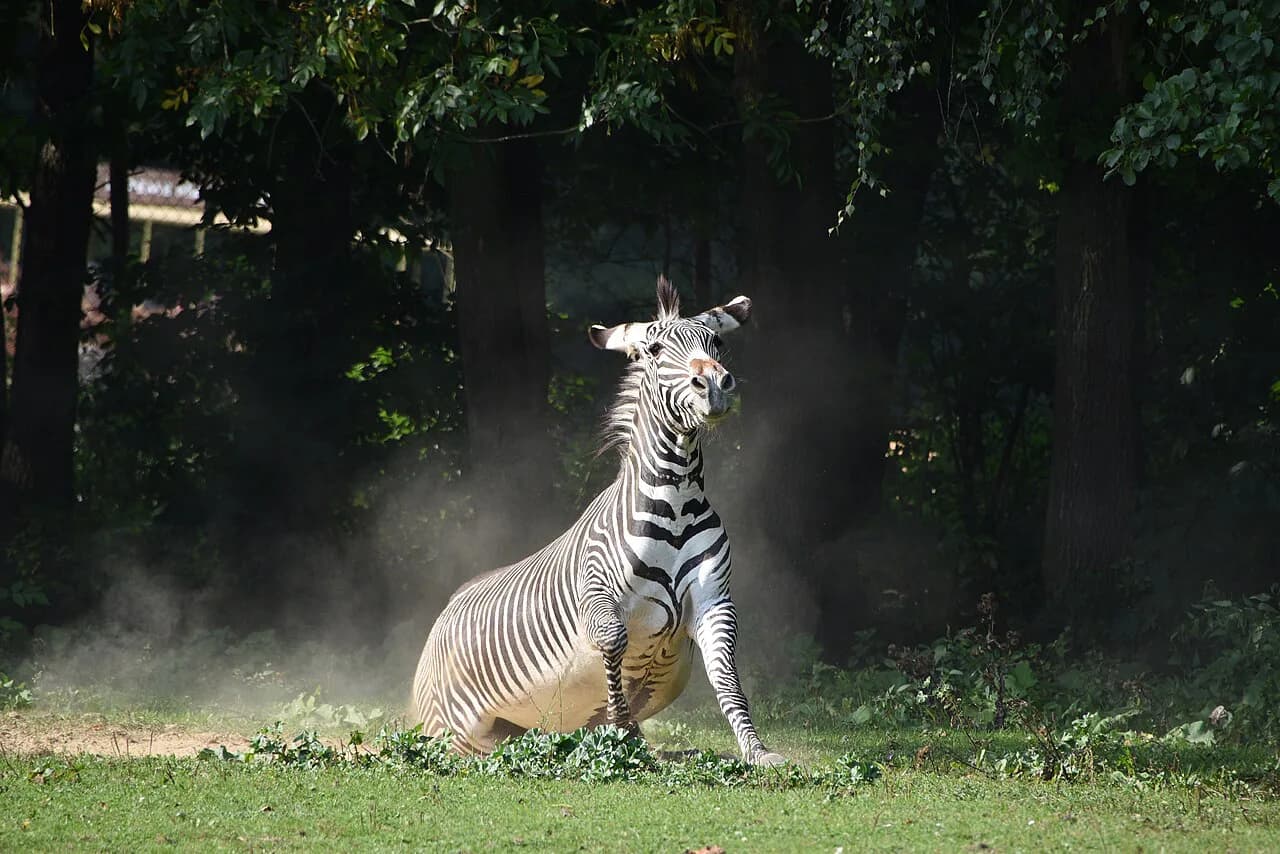
Ostrava Zoo is a full-day zoo, not a two-hour stop, because the animals and a six-kilometer botanical park sit on the same grounds. The zoo describes itself as the second-largest in the Czech Republic by area, with nearly 4,000 animals on site. This guide covers the headline exhibits, the botanical trails, family logistics and how to pace the grounds; it stays within what the zoo itself publishes.
It sits at Michálkovická 2081/197, on the city's eastern side, so plan on reaching it by public transport or car rather than walking from the historic center. Build the visit around one half of the site rather than trying to cover every house and every trail in a single push.
Ostrava Zoo in brief
The zoo's own count is nearly 4,000 animals across a site it calls the second-largest in the country by area. That scale is the single planning fact that shapes everything else: the grounds are big enough that the animal houses and the botanical park are genuinely separate outings. Treat the indoor houses as the anchor and the trails as the second layer.
The zoo organizes the site around exhibits and animal groups, with a separate Botanical Park of three named trails. Exhibits include a rainforest house, an amphibian house, mixed-species enclosures and a safari train, so a rainy or hot day has indoor options beyond the outdoor paths.
Where the zoo is and how the grounds are laid out
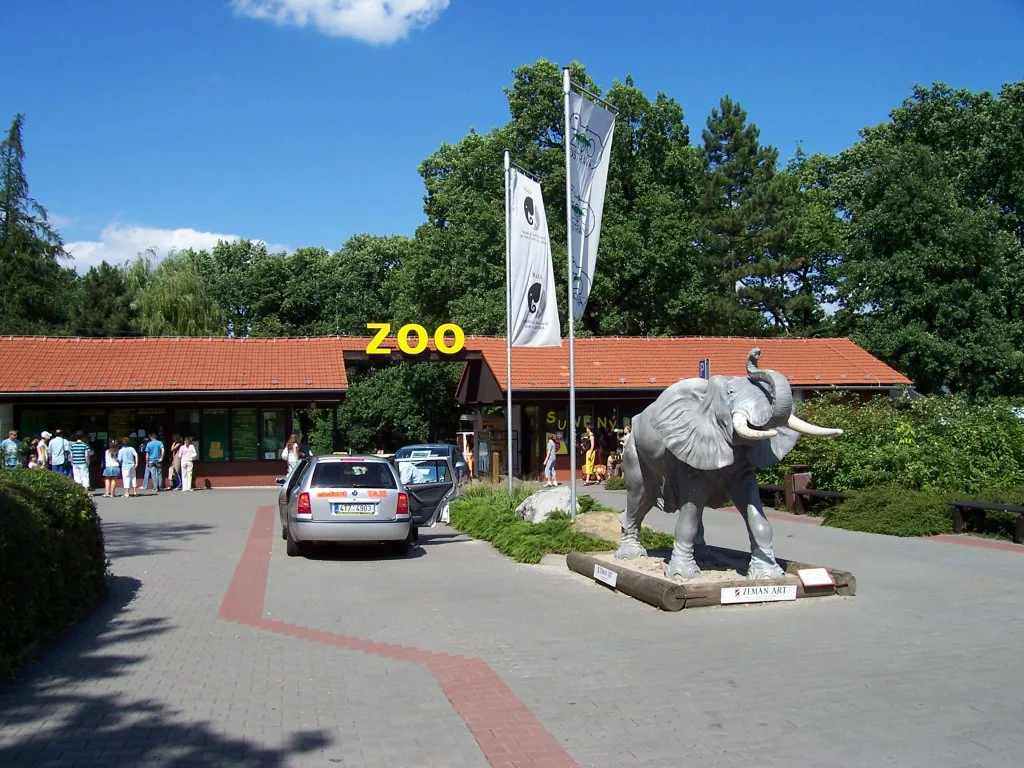
The address is Michálkovická 2081/197 in Ostrava, with a map and contact details on the zoo's site. The grounds split into the exhibit and animal areas on one side and the Botanical Park trails on the other, with the Saola Restaurant and family facilities as landmarks in between. Pick up the printed plan or download the PDF the zoo publishes, since the scale makes wandering inefficient.
Because the site is spread out, the sensible approach is to pick one entrance-to-exit loop rather than zigzagging between the far corners. Families with small children should plan around the playgrounds and the cart loan, which the zoo lists as visitor services.
Headline animal houses
The House of Evolution is the newest large building, home to over 200 animals spanning mammals, birds, reptiles, fish and invertebrates, with a rainforest atmosphere, a waterfall and a 30,000-liter pond. The zoo says its Diana monkey breeding group is the largest in the world and that the upper floor looks down on primates in the canopy layer, which makes it the first stop for anyone interested in animals rather than plants.
The Amphibiarium covers frogs, salamanders and other amphibians, and Tanganyika puts hippos and crocodiles under one roof. Papua is the zoo's largest aquatic-terrestrial exhibit, Chitwan is a large natural enclosure for bears and langurs, and Vadtha ni – the Gibbon Temple is billed as a sanctuary for rare primates. Together these houses fill a half day before you reach any trail.
The Safari Express and how it fits a visit
The Safari Express is the zoo's train, described as taking riders through Africa, India and then Persia. It is a way to cover ground and see the layout without walking every path, which matters on a site this size. Fares and departure times are not listed on the zoo's exhibit pages, so confirm them at the entrance or on the tickets and opening hours page when you arrive.
The Botanical Park: three trails worth their own visit
Three trails make up the Botanical Park, totaling six kilometers, and the zoo counts 450 wild plant species, trees around 190 years old, and 8,000 rhododendrons and azaleas. It says its rhododendron and azalea collection is the largest in the Czech Republic and Slovakia. That makes the park a genuine second reason to come, not a decorative backdrop between enclosures.
The named trails each have a focus: the Rhododendrons trail concentrates the flowering shrubs, the Bonsai and ornamental trees trail covers shaped trees, and the Wetlands trail features models of oversized amphibians. Pick the trail that matches the season rather than trying to walk all three in one visit.
The Shadow Path and the Water Path
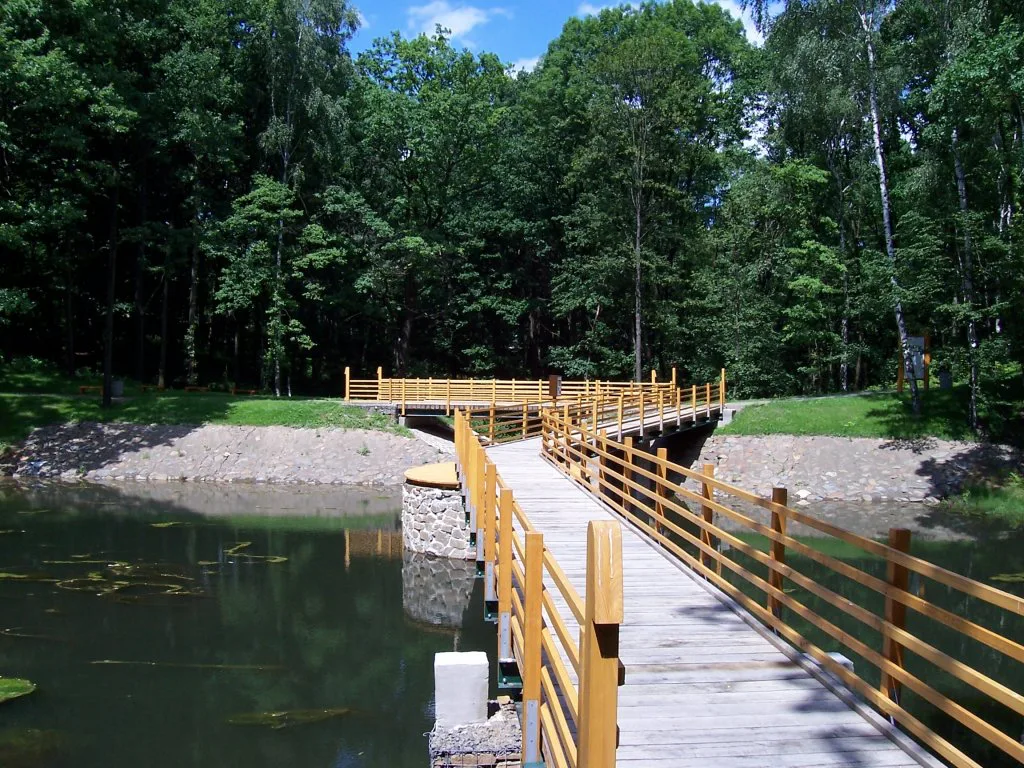
The Shadow Path is a suspended footbridge and wooden walkways through a forested valley, and the Water Path is a walk to explore wetlands, forest pools and ponds with fish. Both are outdoor, so they work best in dry weather and when you still have energy after the houses.
The farm, the playgrounds and the Water World
A petting yard at the farm gives children a chance to get close to domestic animals, which balances the more distant species. The Water World play area sits near the Saola Restaurant, so families can pair water play with a meal stop.
Practical logistics for families
The zoo lists baby-changing facilities, a family restaurant, playgrounds, a wooden cart to borrow and a wheelchair to borrow. Dogs are not allowed. The site publishes a plan as a PDF and a JPG, and sells admission online, so you can sort out the basics before you arrive.
For planning around the rest of the city, Ostrava: Industrial Heritage, a Castle and a City Center Worth a Day covers the wider layout, and Dolní Vítkovice and the mining museum at Landek Park make natural companions to a zoo morning. Those are separate half days, not add-ons to the same afternoon.
How much time the grounds realistically take
Plan a full day. The houses and animal exhibits alone can absorb half a day, and the six kilometers of botanical trails are a separate commitment. Trying to see every exhibit and all three trails in one visit means rushing both, so choose the House of Evolution, one or two other houses and a single trail as a realistic core.
If the weather turns, shift to the indoor houses and skip the trails; if it is hot and clear, do the trails early and the shaded houses at midday. The zoo's annual reports, published on its site, give a year-by-year record of the institution's work if you want that context.
Where Ostrava Zoo fits a wider Czech route
Ostrava is the eastern anchor of a route that otherwise runs through Moravia, so the zoo works well as a full day within a longer stay rather than a quick stop between Prague and Kraków. Hukvaldy and the Beskydy mountains offer a different kind of day, and Kopřivnice adds industrial history to the mix.
Is Ostrava Zoo worth a day?
Yes, if you have children or an interest in plants, because few Czech attractions combine nearly 4,000 animals with a six-kilometer botanical park. Give it a full day and pick your trails in advance rather than wandering. If you are short on time, the indoor houses are the priority.
Pair it with Dolní Vítkovice on another day to see industrial Ostrava, and check the zoo's own tickets and opening hours page before you go, since prices and hours vary by season and are not listed here.
Explore more Ostrava guides
Frequently Asked Questions
What is Ostrava Zoo best known for?
It is the second-largest zoo in the Czech Republic by area, with nearly 4,000 animals and a six-kilometer Botanical Park of three trails. Its headline houses include the House of Evolution and the Amphibiarium, along with the Safari Express train.
How long does a visit to Ostrava Zoo take?
Plan a full day if you want to see several animal houses and at least one botanical trail. The grounds are large, and the six kilometers of trails are a separate commitment from the exhibits.
Does Ostrava Zoo have indoor exhibits for rainy days?
Yes. The zoo describes the House of Evolution as a rainforest-style house and lists the Amphibiarium, Tanganyika (hippos and crocodiles under one roof) and Papua as its aquatic-terrestrial exhibit, so a wet day still gives you plenty to see without walking the trails.
Sources
Notes for your Czech trip
Optional updates to our Czech town guides.
You might also like

Continue reading
More guides you'll find useful