Landek Park in Ostrava: Mining Museum and Hill Guide
Landek Park in Ostrava holds the country's largest mining museum on a wooded hill, with a mine descent, chain changing rooms and a 1960s mining train.
On this page
Landek Park is worth a half day, not a quick stop: the Czech Republic's largest mining museum sits on a wooded hill in Ostrava-Petřkovice, and you can ride a cage down into the former Anselm mine as part of the visit. The same hill carries a 30,000-year-old mammoth-hunter site and a protected forest, so the trip splits neatly into an underground circuit and an above-ground walk. This guide covers both, the layout of the 35-hectare grounds, and how to reach them from central Ostrava.
What Landek Park is: the Anselm mine turned museum
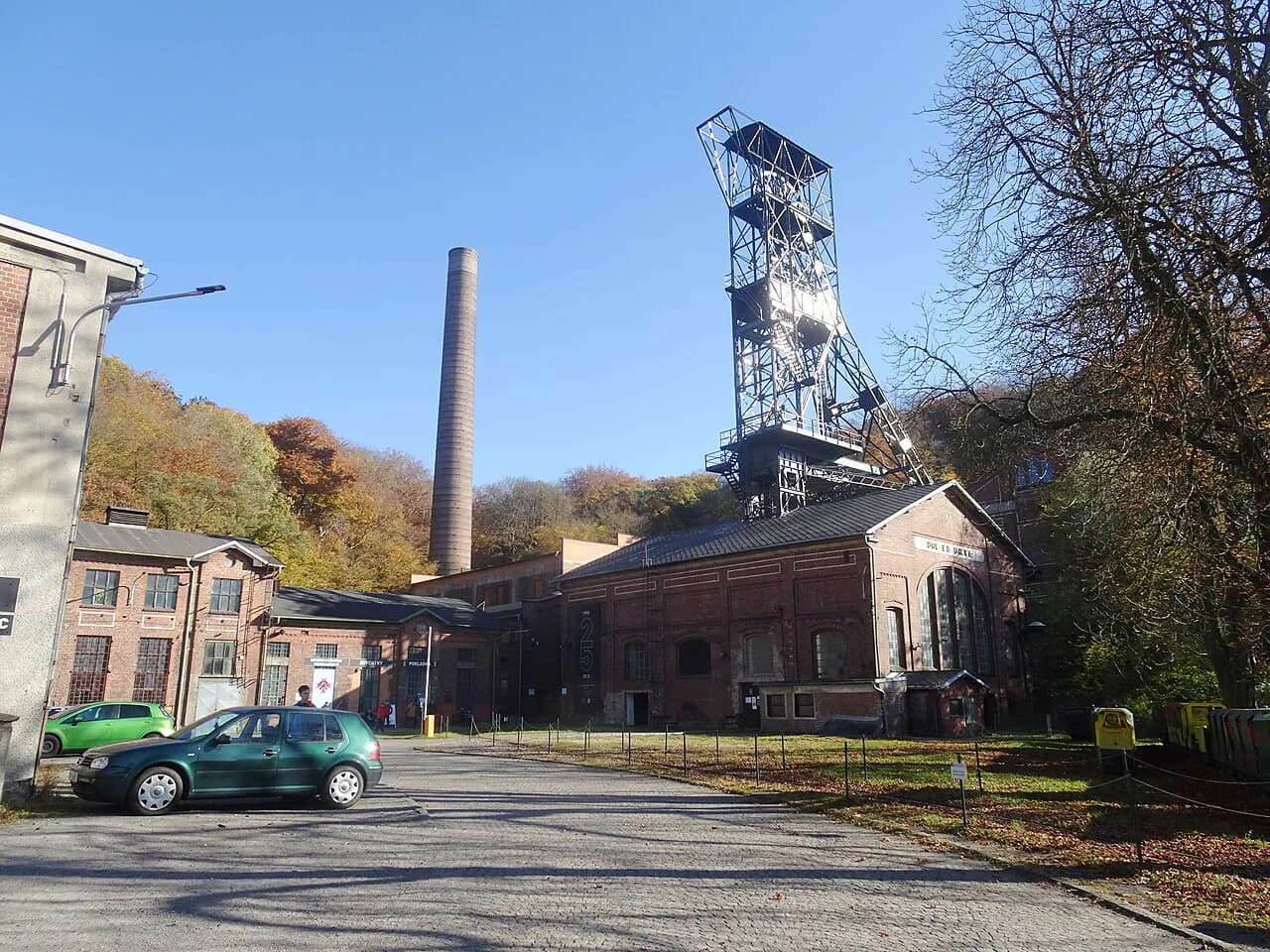
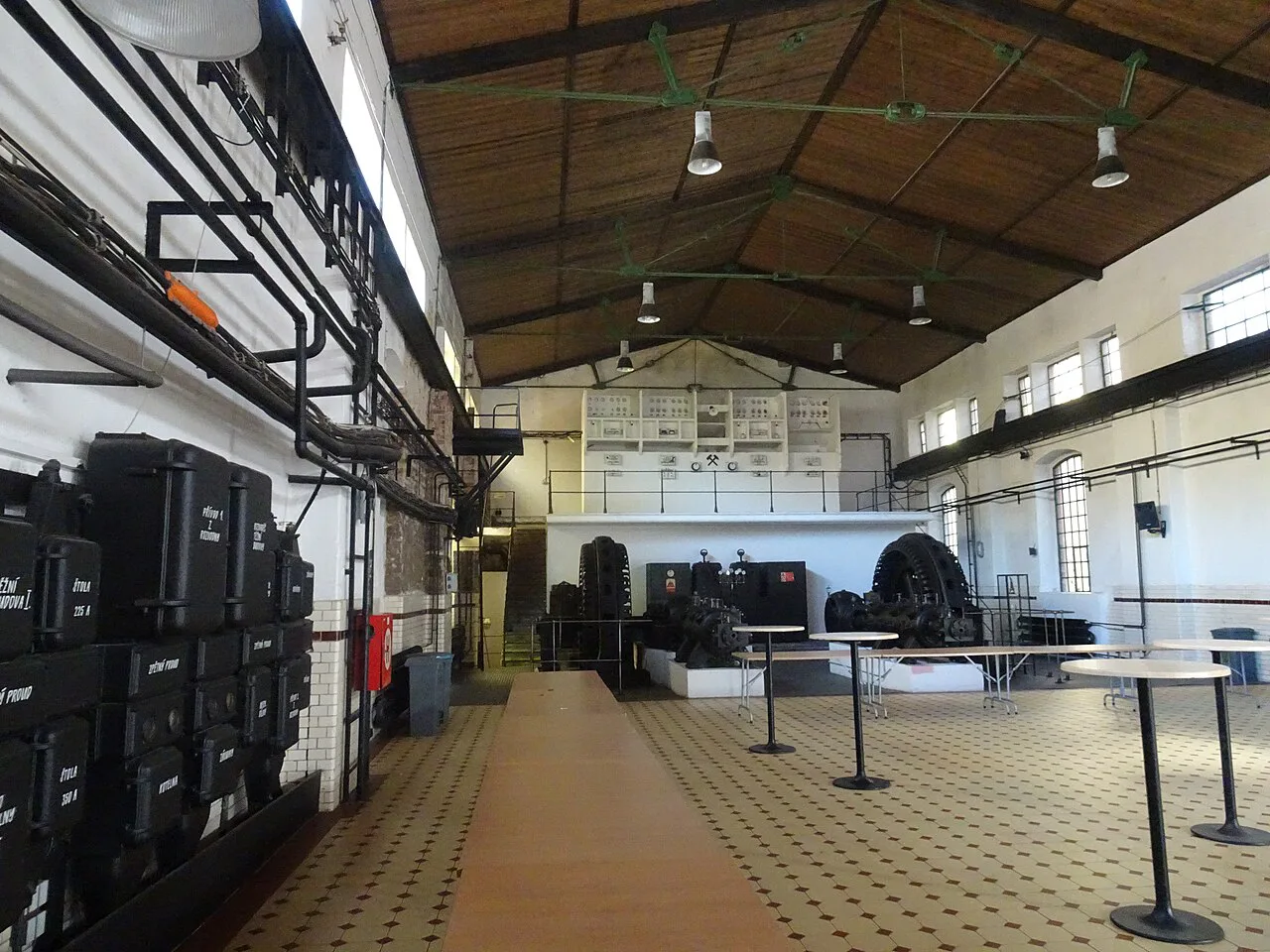
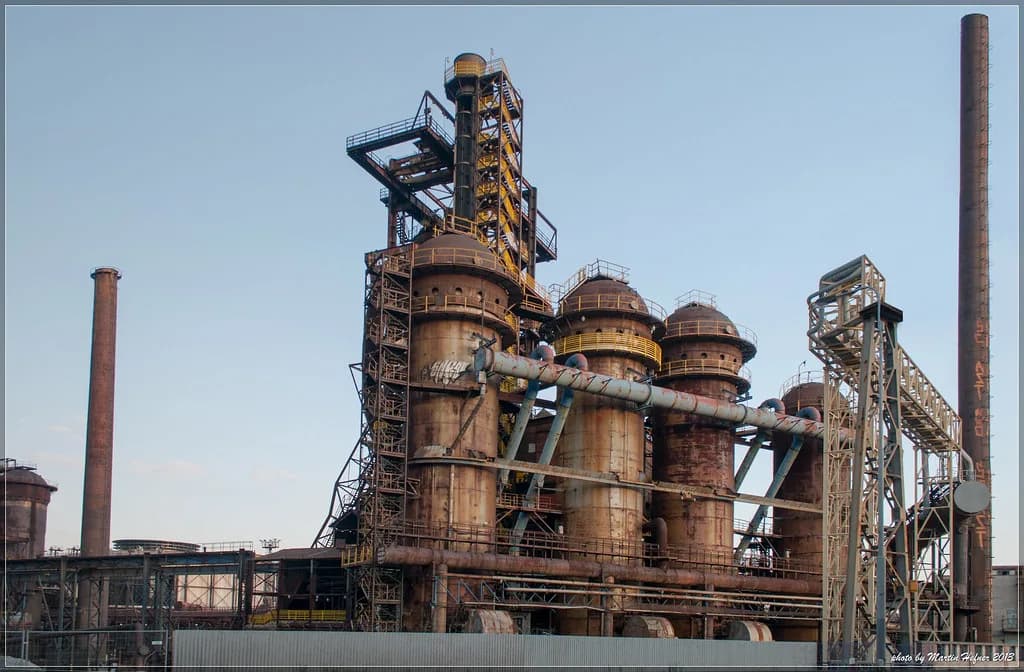
Coal mining on Landek probably began as early as 1789 and continued until 1991, and the closed works were converted into the country's largest mining museum. The site is the former Důl Anselm, the oldest shaft in Ostrava, and the mining museum was founded there more than 25 years ago. That double identity explains what you see: genuine pit buildings kept in place rather than a purpose-built exhibit hall.
The museum is not a single building. Landek Park spreads over 35 hectares and combines the mining museum with a sports and relaxation zone, a camp and places to eat, so a visit can be as short as the mine circuit or as long as an afternoon on the hill. Knowing which part you came for is the main planning decision.
Where Landek sits above the Odra and Ostravice
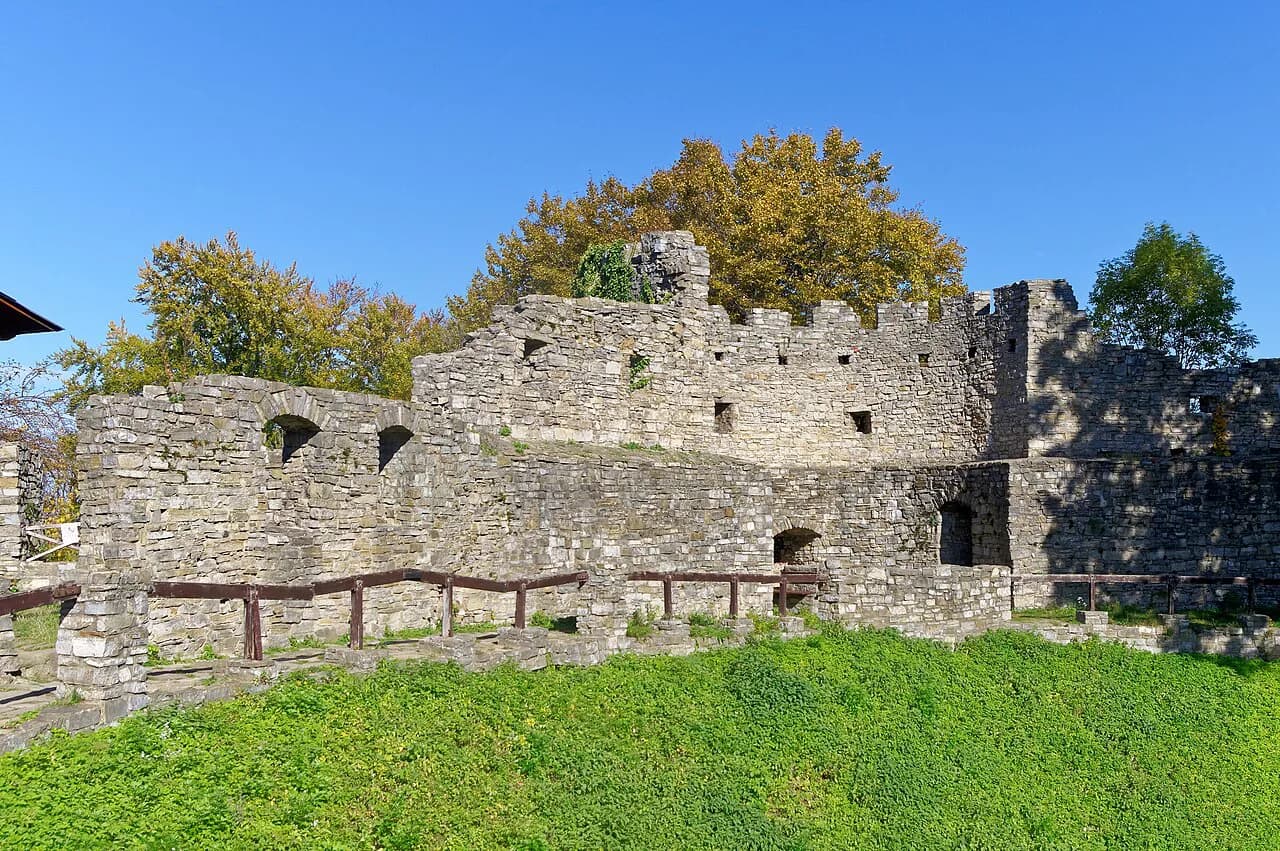
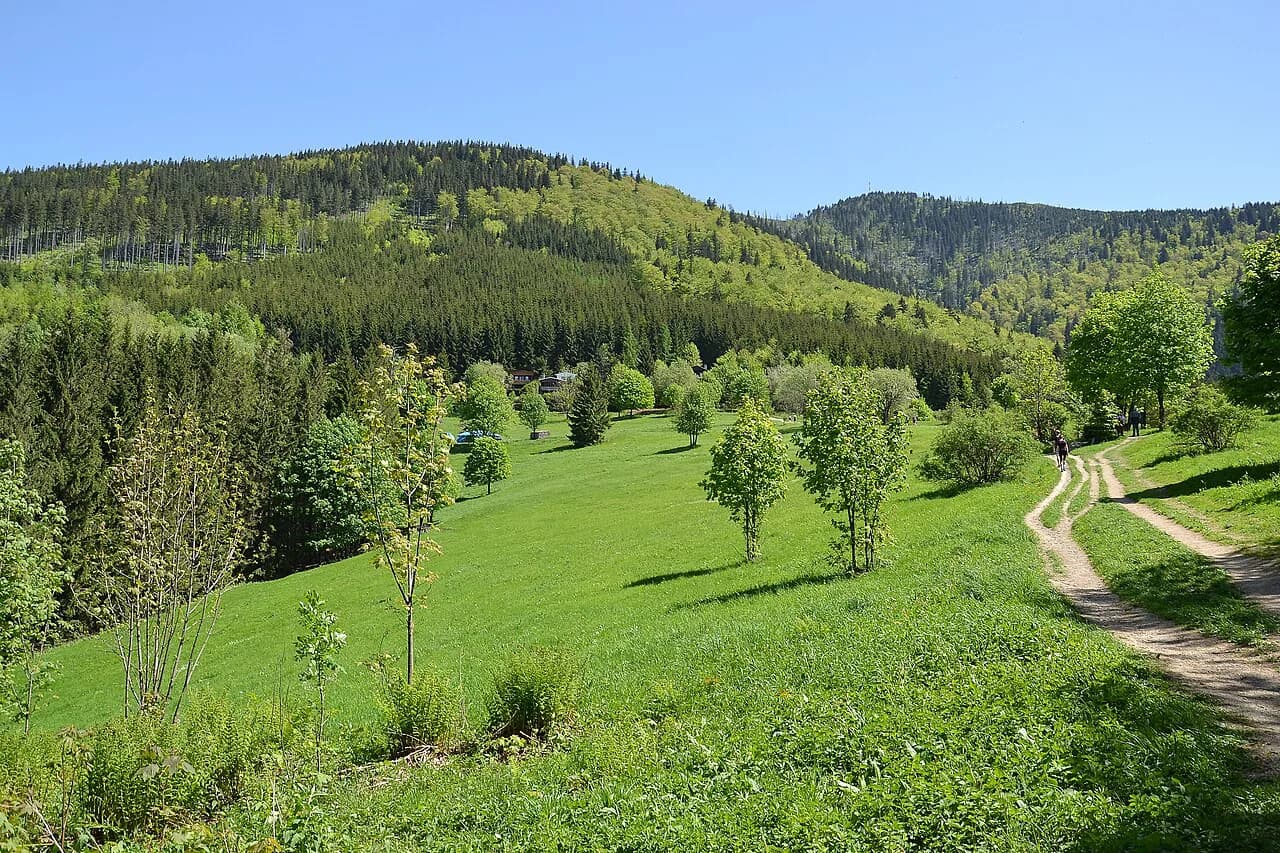
Landek is a hill of just 280 meters where the Ostravice meets the Odra, in the Petřkovice district on Ostrava's northern edge. The grounds lie close to the Přívoz district and are only a short distance from the city center, with the D1 motorway exit about 1.5 km away for drivers. The hill's position at the river confluence is also why the forest and the old mining works share one site.
For the wider city, from the Vítkovice ironworks to the historic core, see the guide to Ostrava: Industrial Heritage, a Castle and a City Center Worth a Day, which places Landek alongside the rest of the city's sights.
The mine descent and the underground corridor
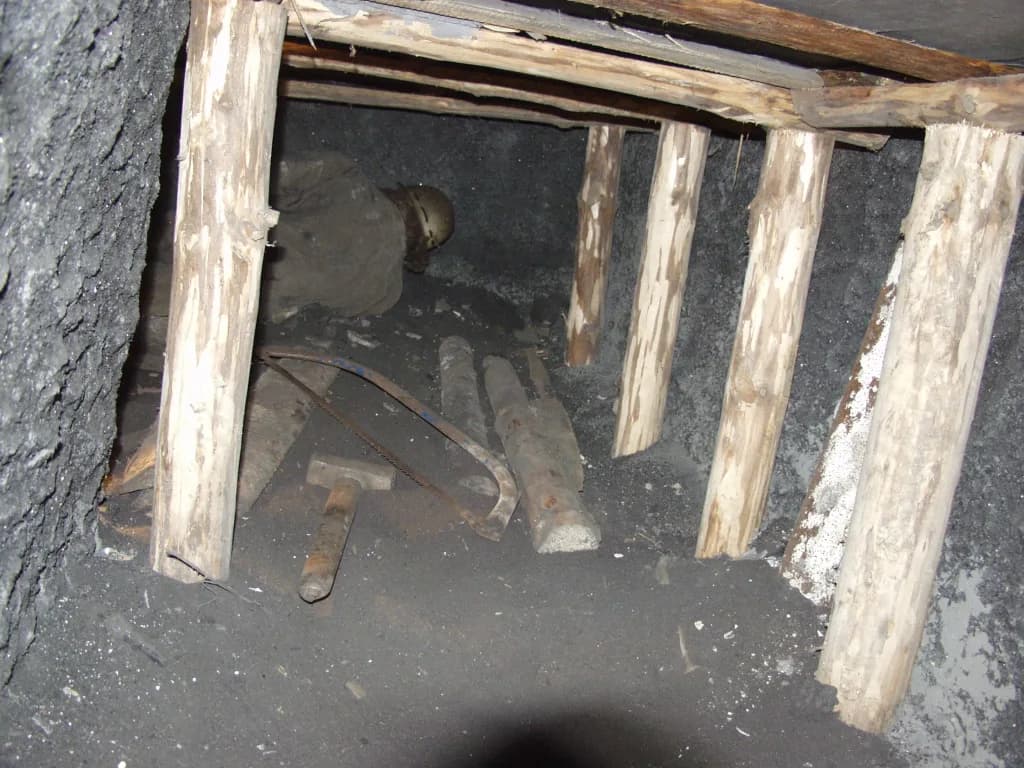
The centerpiece is the descent: visitors ride the mining cage down the shaft as a miner would, then walk a corridor about a quarter of a kilometer long that uncovers authentic mining workplaces step by step. The route is self-explanatory in structure but specific in content, and it is the reason to come. The circuit belongs to the mining museum, which is a technical monument in its own right.
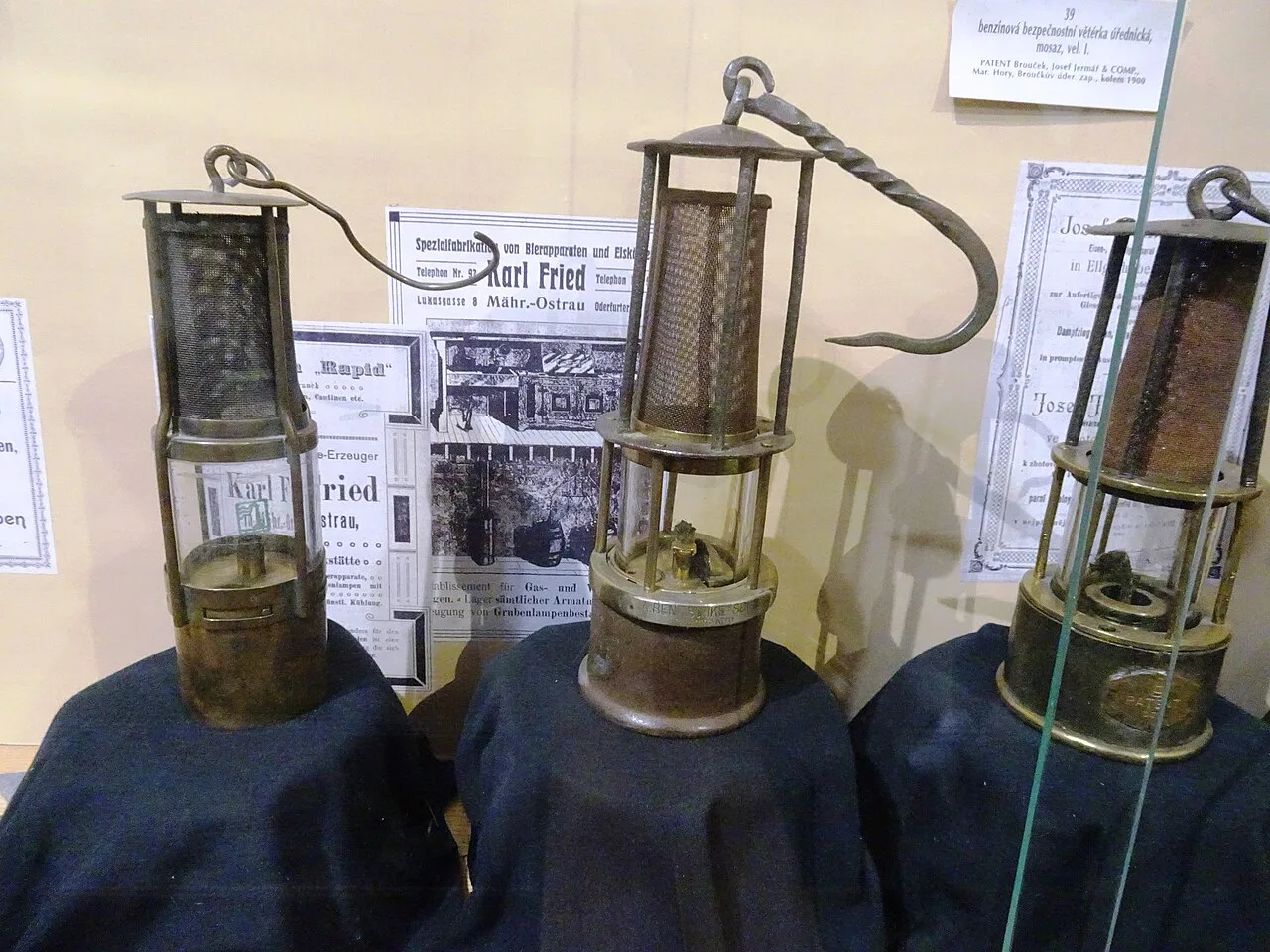
Above and below ground, the displays cover the working life of the pit: the chain changing rooms where miners dressed, drilling and mine-rescue equipment, and the shaft buildings themselves. The mine-rescue exhibition is a separate stop from the underground walk, so budget time for both rather than treating the descent as the whole museum.
Underground sections are cooler and damper than the hill above, so a layer helps even on a warm day; the descent is a genuine shaft ride, not a simulated one.
Above ground: mining train, coal seams and the lookout
Back on the surface, an original mining train from the 1960s runs through the grounds as a ride, and the chain changing rooms and mining machinery can be seen at close range. Because the train is historic rolling stock rather than a modern attraction, treat it as part of the museum's atmosphere rather than a theme-park ride.
The hilltop has its own geological draw: coal seams that reach the surface, a rarity that geologists come to see. A wooden lookout tower stands on the hill as well.
The mammoth hunters and the Petřkovická venuše
Long before coal, the hill held a mammoth-hunter settlement from the early Stone Age, around 30,000 years old, found in the 1920s during work on tennis courts. The famous find is the Petřkovická venuše, a figurine of a woman about 4.5 cm high carved from hematite, notably slender compared with other Venus figurines.
The original figurine is kept in Brno; Landek displays an enlarged replica, set near sculptures of a mammoth and its hunters. That matters for expectations: come for the story and the landscape setting, not for the original object in a case.
The hill: a protected forest on the walk
The whole hill is covered by a broadleaf forest that is rare in this region, with lindens, birches, oaks, hornbeams and maples, and beeches up to about 150 years old. With luck you may spot protected birds and beetles. The wooded slope is what makes Landek a walk as well as a museum, and the hill is a national nature reserve.
Children get a small zoo and a playground as part of the same site, and a ropes center adds a more active option for older kids and adults.
How the 35-hectare site is laid out
A site map helps before you arrive: the mining museum ticket office, the chain changing rooms, the mining train and the coal seams sit in the heritage part, while the sports and relaxation zone, the camp, the restaurant and the ropes center occupy the rest. The grounds have parking, toilets, showers and a cycle path running through.
Plan the ticket office first, then the underground circuit, then the hill walk, because the museum and the forest are separate experiences with different time costs. Travelers arriving by bike can roll straight in along the riverside path.
Guided tours with an animator
Landek Park offers two commented tours of the site led by an animator, aimed at visitors who want a thorough introduction rather than a self-guided look. Booking goes through the park's sports and tours contact, so arrange it before you travel if a guided walk is the point of your visit.
Describe your interests when booking: the mining heritage, the mammoth-hunter archaeology and the forest are distinct subjects, and a tour pitched at one will spend less time on the others.
How long to allow and when to go
Allow two to three hours for the mine circuit plus a walk on the hill, and add time for the train ride, the lookout tower and the ropes center if you use them. A half day covers the museum and the forest without rushing; a shorter stop means choosing one.
Mornings are the calmer choice for the underground circuit, and a weekday visit avoids the weekend family crowds on the hill. The site has open-air sections, so weather shapes how much of the forest walk is pleasant.
Getting there from central Ostrava
Drivers reach Landek from the D1 exit in about 1.5 km and park on site. Public transport users should note that the nearest tram stop is roughly 1 km from the grounds, which is a real walk at the end of a day underground.
Cyclists have the best approach: a cycle path follows the Odra past the park and continues toward the Poodří protected landscape area, so Landek makes a natural stop on a river ride.
Tickets and the Ostravacard discount
Admission is charged, and holders of the OSTRAVACARD!!! receive a 20% discount on the entrance fee. Ticket prices are set by the museum rather than listed in visitor summaries, so check the current rate when you buy.
Separate charges can apply to the sports facilities, the ropes center and the camp, which are run as part of the wider park's sports and recreation zone rather than the mining museum.
Who Landek suits
Landek works for travelers interested in industry and engineering, for families with small children thanks to the mini zoo and playground, and for cyclists who want a destination on the river path. Seniors looking for a quiet walk in the forest also fit, since the hill paths and the museum are separate choices.
Anyone uneasy in enclosed spaces should weigh the cage descent and the underground corridor before booking; the hill walk and the surface exhibits remain an option on their own.
What to pair with Landek
The natural pairing is Dolní Vítkovice, Ostrava's ironworks complex with its own industrial sights, which sits on the other side of the city. Adding both in one day is possible by car or bike but leaves little slack.
Přívoz, the city district just below the hill, is close enough to combine with a short walk, and the riverside cycle path links Landek toward the Odra corridor without a car.
Is Landek worth the trip out of the center?
Yes, if you want the mine descent and the mammoth-hunter story in one place: Landek Park delivers both on a forested hill, and the 20% Ostravacard discount softens the admission. Skip it if you have only a couple of hours in Ostrava and would rather stay in the center.
Check Landek Park's own site for the day's opening and tour arrangements before you set out, since the underground circuit runs on its own schedule.
Explore more Ostrava guides
Frequently Asked Questions
Is Landek Park free to enter?
No. Admission is charged, and OSTRAVACARD!!! holders get a 20% discount on the entrance fee. Ticket prices are set by the museum.
Do you need to book the mine tour in advance?
Two commented tours with an animator are offered, and booking goes through Landek Park's own contact. Arrange it before you travel if a guided tour is the reason for your visit.
How deep does the mine descent go?
You ride the mining cage down the Anselm shaft and then walk an underground corridor about a quarter of a kilometer long past authentic mining workplaces.
Is the Landek hill climb steep?
Landek is a hill of about 280 meters at the Ostravice–Odra confluence, with wooded paths rather than a mountain climb. The bigger effort is the walk from the nearest tram stop, roughly 1 km away.
Sources
Notes for your Czech trip
Optional updates to our Czech town guides.
You might also like
Continue reading
More guides you'll find useful