Hukvaldy: Castle Ruins, Janáček's Birthplace and the Game Reserve
Hukvaldy pairs a hilltop castle ruin with a game reserve and composer Leoš Janáček's birthplace, a short trip from Frýdek-Místek in the Beskydy region.
On this page
Hukvaldy is a small Lašsko village below a sprawling castle ruin, surrounded by a game reserve and known as the birthplace of composer Leoš Janáček. The castle, the reserve and the village make a compact half-day stop, which makes Hukvaldy an easy add-on to a trip built around Ostrava. This guide covers the ruin itself, the obora around it, the Janáček connection and how the pieces fit together on the ground.
What Hukvaldy is: a Lašsko village below a major castle ruin
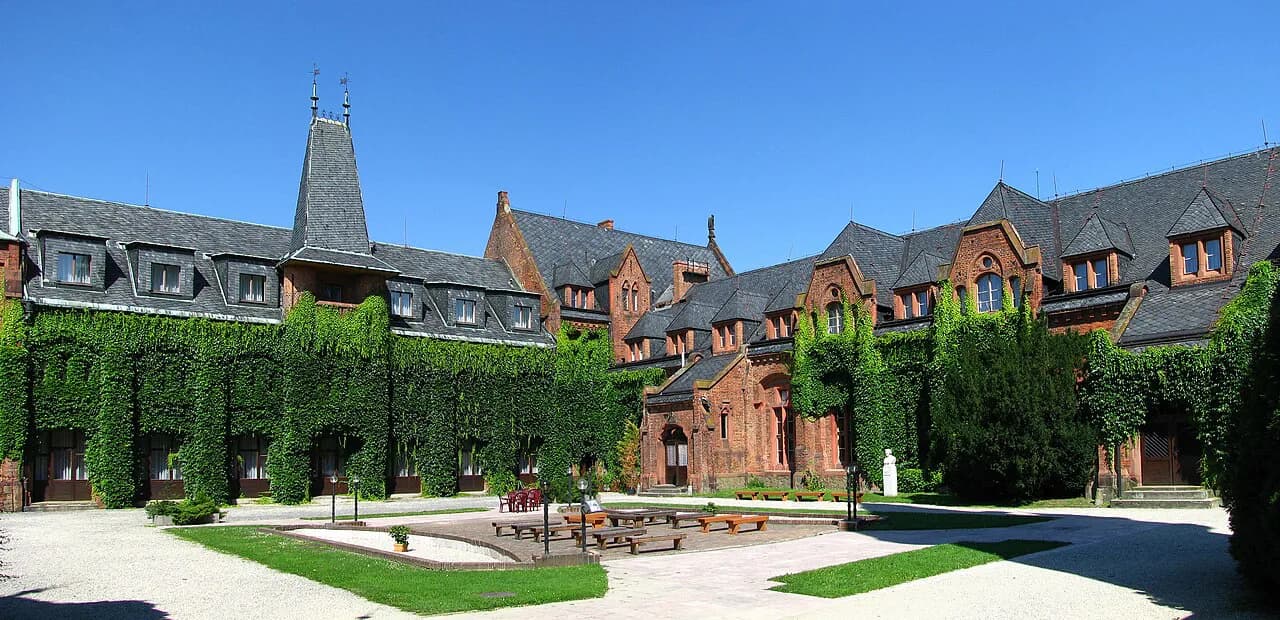
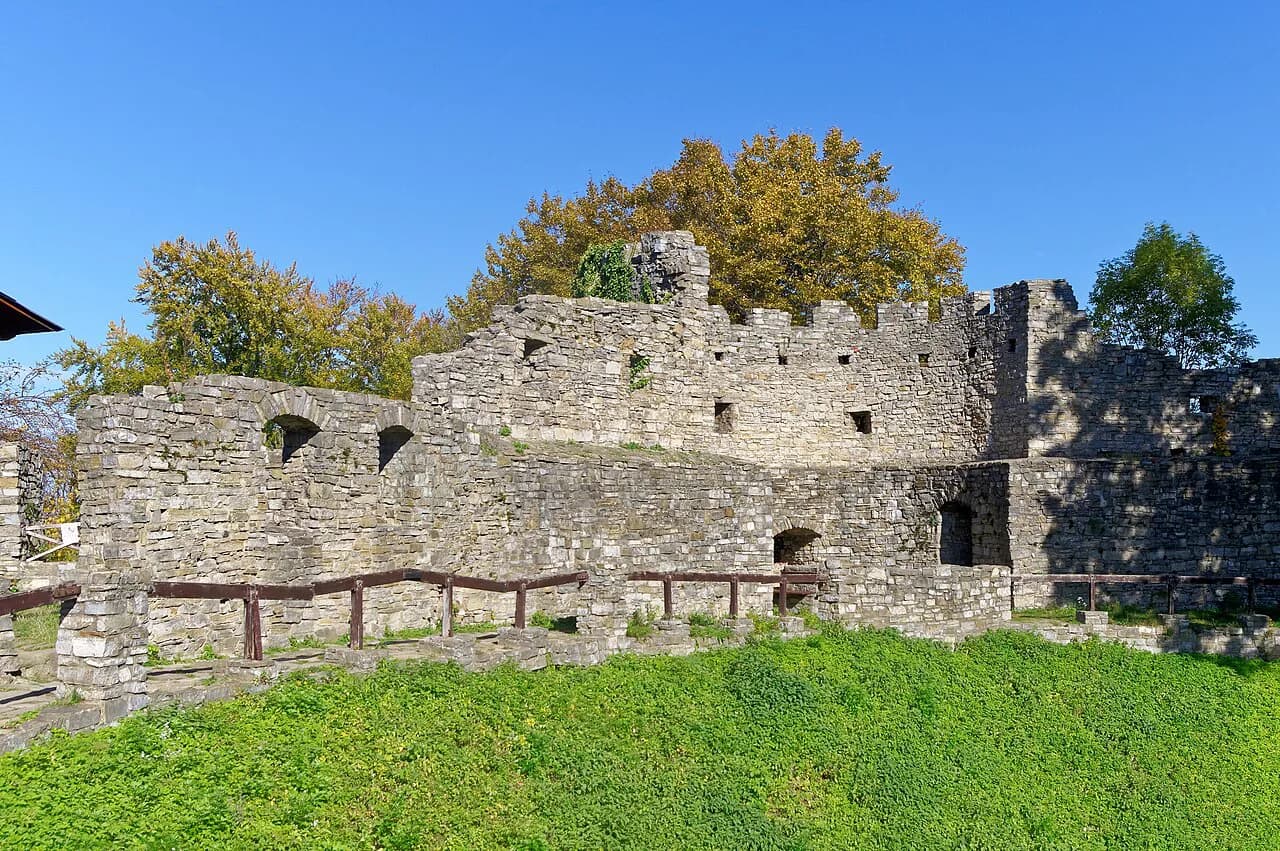
Hukvaldy sits in the Lašsko region, a corner of the Beskydy foothills with its own dialect and folk identity, and the village is described as the last purely Lašsko settlement at its center. Above the houses rises a castle ruin often described as the third-largest in the Czech Republic, a scale that comes from the length of its surviving walls rather than from furnished rooms. Treat that ranking as a description of size, not as a reason to expect a chateau-style interior tour.
The village and the castle hill are separate pieces of the same visit: the square and lanes sit low and the ruin sits high, with the game reserve wrapping the castle on its slopes. That layout matters when you plan, because the final stretch to the ruin is uphill whichever way you arrive. Budget your energy for the climb and leave the village streets for the way back down.
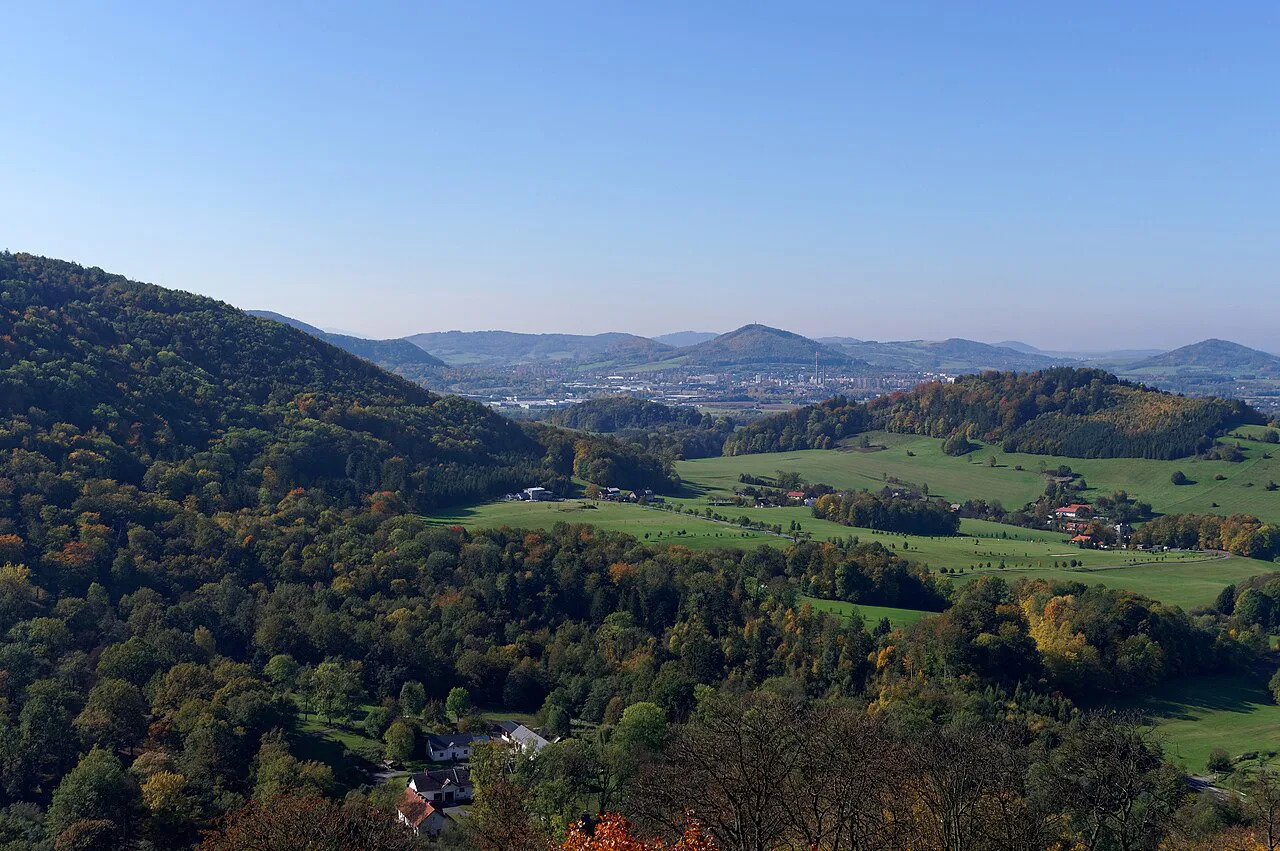
The castle ruin: a Gothic core from the 13th century
The castle was built as a Gothic stronghold between 1257 and 1285, and what stands today is the surviving masonry of that medieval core rather than a reconstructed residence. You read the site through its walls, gates and the shape of the ground, so a little preparation pays off: know that you are looking at ruins and the visit makes sense.
Hukvaldy is a major cultural landmark in the region, and the castle hosts annual events such as the Knights Pageantry and the Meeting of Spirits. The site also includes a summer amphitheater with strong acoustics, used for the international Janáček Hukvaldy music festival. None of that changes the basic visit: you come for the ruin, the views and the wooded approach.
Admission, opening hours and the season are set by the castle administration, so confirm the current calendar before you set out, since a closed gate is the main risk on an out-of-season trip. The castle listing gives a phone number (+420 558 699 323) as another way to check before you travel.
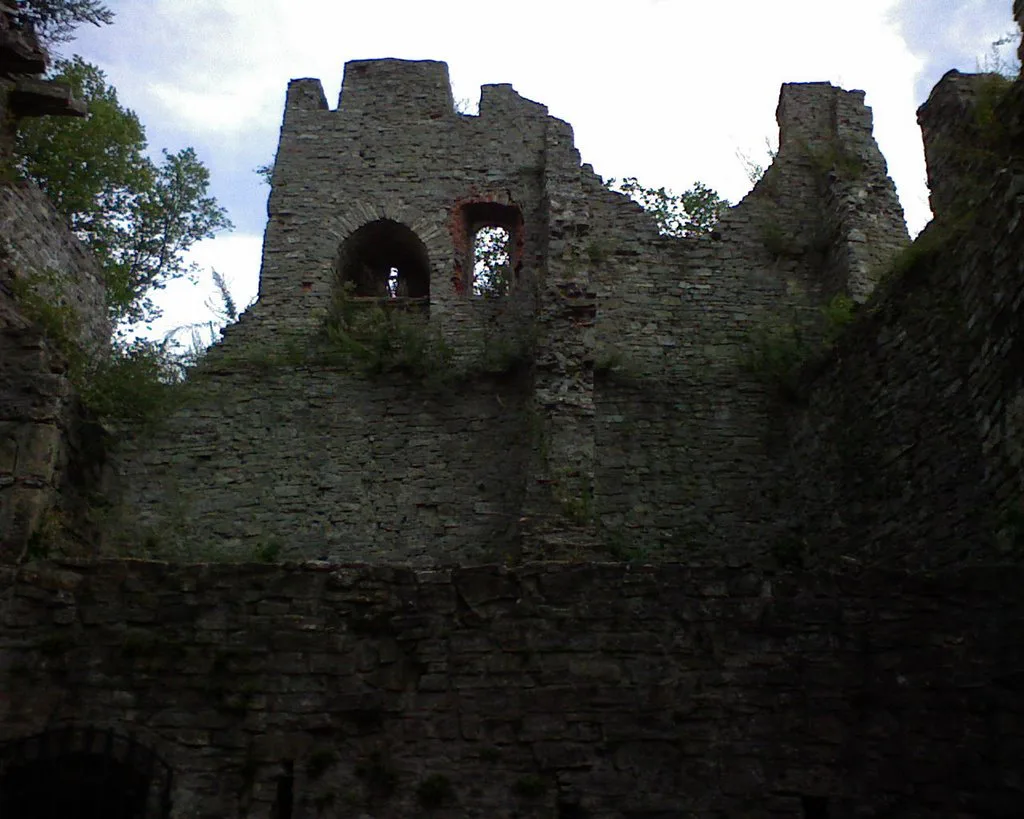
The game reserve (obora) around the castle
The castle is surrounded by a game reserve founded in the 16th century, and the wooded slopes are stocked with fallow deer and mouflon that visitors often see on the walk up. The reserve is why the approach feels like a forest park rather than a formal castle garden, and it is a destination in its own right for local visitors.
Practically, the obora means shade, uneven ground and a climb toward the castle, so wear shoes that handle rough paths and allow more time than the distance suggests. Keep to the marked paths and give the animals room. The reward is a quiet, wooded approach that most castle visits in the country cannot match.
Leoš Janáček's birthplace and the composer's village
Composer Leoš Janáček was born at Hukvaldy in 1854, and his name is woven through the village and the castle's cultural program. The village draws visitors following the composer's life, and the castle's surroundings are often part of that trip.
Look in the village for the sites tied to Janáček's life here; their visiting arrangements are separate from the castle's. Confirm the opening days and admission directly with the castle administration or the village before you build a trip around them, since a small memorial can keep shorter hours than a major castle. Pair them with the castle hill rather than treating them as a standalone stop.
The village center and square
Between the castle hill and the Janáček sites you pass through the village center, where the square and lanes carry the Lašsko character that distinguishes Hukvaldy from a generic castle stop. The walk down from the ruin drops you into ordinary village streets, which is part of the appeal. Allow time to wander rather than treating the center as a corridor.
The center is small, so the realistic plan is to see it on the way between the castle and the composer's house instead of scheduling a separate block. That keeps the day compact and leaves the uphill effort for the reserve.
How long Hukvaldy takes on foot
A sensible shape for the visit is a half day: the climb through the reserve, time inside the ruin, then the walk down through the village to the Janáček house and the square. The distances are short, but the gradient and the ruin's spread out over the hilltop add time.
If you are short on time, prioritize the castle and the reserve and treat the village as a pass-through. If the composer is your reason for coming, reverse the order and start in the village so the memorial house gets your freshest hour.
The summer amphitheater and the Janáček Hukvaldy festival
The castle site includes a summer amphitheater with notable acoustics, and the international Janáček Hukvaldy music festival is staged there regularly. The castle also hosts annual events such as the Knights Pageantry and the Meeting of Spirits. These are seasonal happenings rather than fixed daily features, so plan the castle visit on its own merits.
If a performance coincides with your trip, it can turn a ruin visit into an evening out, but confirm the program with the organizers before you rearrange your route. Otherwise, the amphitheater is simply part of the grounds you walk past.
Getting to Hukvaldy from Ostrava and Frýdek-Místek
Hukvaldy lies in the countryside near Frýdek-Místek, which is the nearest town and the practical base for reaching the village. The castle lies close to Frýdek-Místek and is reached by road from there, with the final stretch on village roads and then on foot through the reserve.
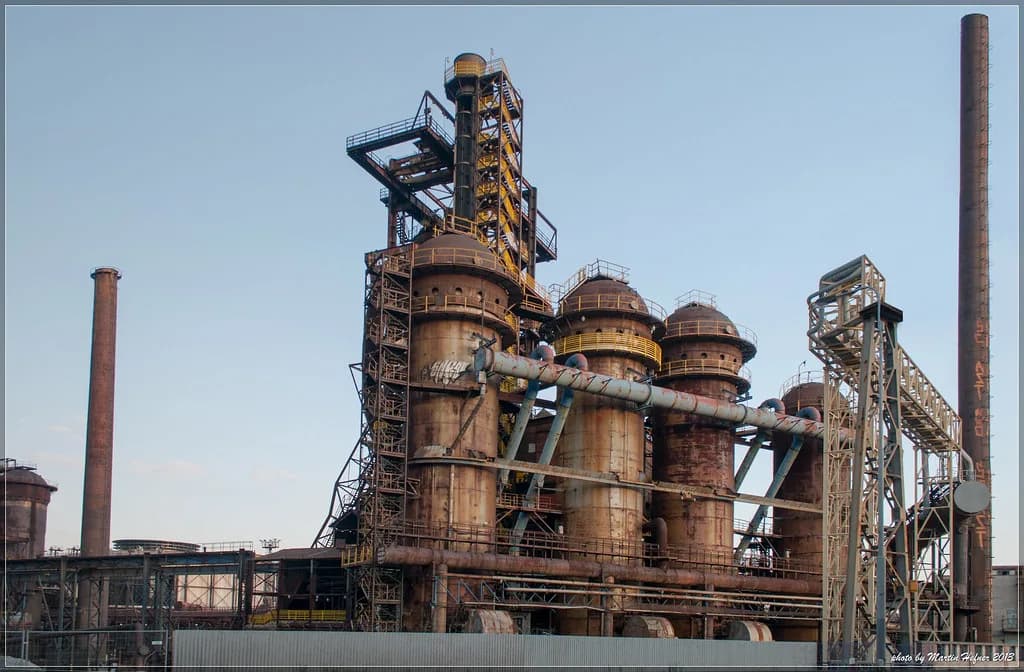
From Ostrava, Hukvaldy fits as a half-day outing, with Frýdek-Místek the nearest town on the way. Train and bus times change with the season, so check the current timetable for the day you travel rather than relying on a remembered schedule. If you are already exploring the Ostrava area, the industrial sights of Dolní Vítkovice make a natural pairing with a Hukvaldy afternoon.
Keeping the car for the day gives you the most flexibility around the villages and the castle hill. From the city, Ostrava: Industrial Heritage, a Castle and a City Center Worth a Day covers the sights that pair with this one.
What costs money and what is free
Castle admission is the paid element; set your budget around the castle ticket in Czech koruna and confirm the current price from the castle administration before you go, because admission is adjusted periodically. The village streets and the wooded slopes around the ruin are part of the everyday landscape.
The Janáček sites in the village have their own admission arrangements, separate from the castle, so plan for more than one potential ticket stop. A trip that skips the interior of one or the other still sees the village, the reserve and the castle walls.
When the castle is open: season and the risk of arriving outside it
Castle visiting in the Czech Republic commonly runs on a seasonal calendar, and Hukvaldy's gates follow the castle administration's schedule rather than a year-round promise. Arriving outside the open season would leave you with the reserve and the village but not the ruin itself, so confirm the calendar before you commit to the drive.
Check the current opening days with the castle administration before you commit to the drive, especially in the shoulder months at either end of the season. If the castle turns out to be closed, the walk through the obora and a look at the village still make a pleasant stop, but adjust expectations accordingly.
Build Hukvaldy into your Ostrava route
Hukvaldy works best as a half-day on foot built around the castle ruin, the game reserve and the Janáček connection, with Frýdek-Místek as the nearest practical base. Pair it with Ostrava's industrial sights and you get a day that mixes medieval ruins with the region's modern identity. Confirm the castle calendar and the village memorial's visiting days before you set out, then let the walk through the reserve set the pace.
Explore more Ostrava guides
Frequently Asked Questions
Is Hukvaldy Castle a ruin or a restored castle?
It is a ruin. The surviving Gothic masonry, built between 1257 and 1285, stands without furnished rooms, so you experience the walls, gates and hilltop setting rather than a chateau-style interior tour.
Do you need a guided tour to see Hukvaldy Castle?
The visit is built around walking the ruin and its grounds. Check the castle administration's own listing or phone line for what is offered on your date.
How far is Hukvaldy from Ostrava?
Hukvaldy lies in the countryside near Frýdek-Místek, the closest town, and within reach of Ostrava. Check current timetables for the day you travel.
Sources
Notes for your Czech trip
Optional updates to our Czech town guides.
You might also like
Continue reading
More guides you'll find useful