České Budějovice: Square, Black Tower and Budvar Guide
České Budějovice centers on Přemysl Otakar II Square, the Black Tower and the Samson fountain. See the sights, the Budvar brewery and how long to allow.
On this page
České Budějovice is worth a half day to a full day on foot, and it earns its place as a South Bohemia base because Hluboká Castle and Český Krumlov sit within easy reach. The historic center packs the main sights around and just off Přemysl Otakar II Square, so you can see the headline monuments without a bus or a taxi. Locals shorten the name to Budějce, the form you will hear in the street and see on the city's own tourism pages.
This guide covers the square and its landmarks, the churches and museums nearby, the Budvar brewery, the river confluence, a compact walking loop and how the town works as a base. It sticks to what the city's official tourism portal lists as its principal sights, and leaves prices and opening times to the moment you check them.
Přemysl Otakar II Square: the Samson fountain, the town hall and the Black Tower in one frame
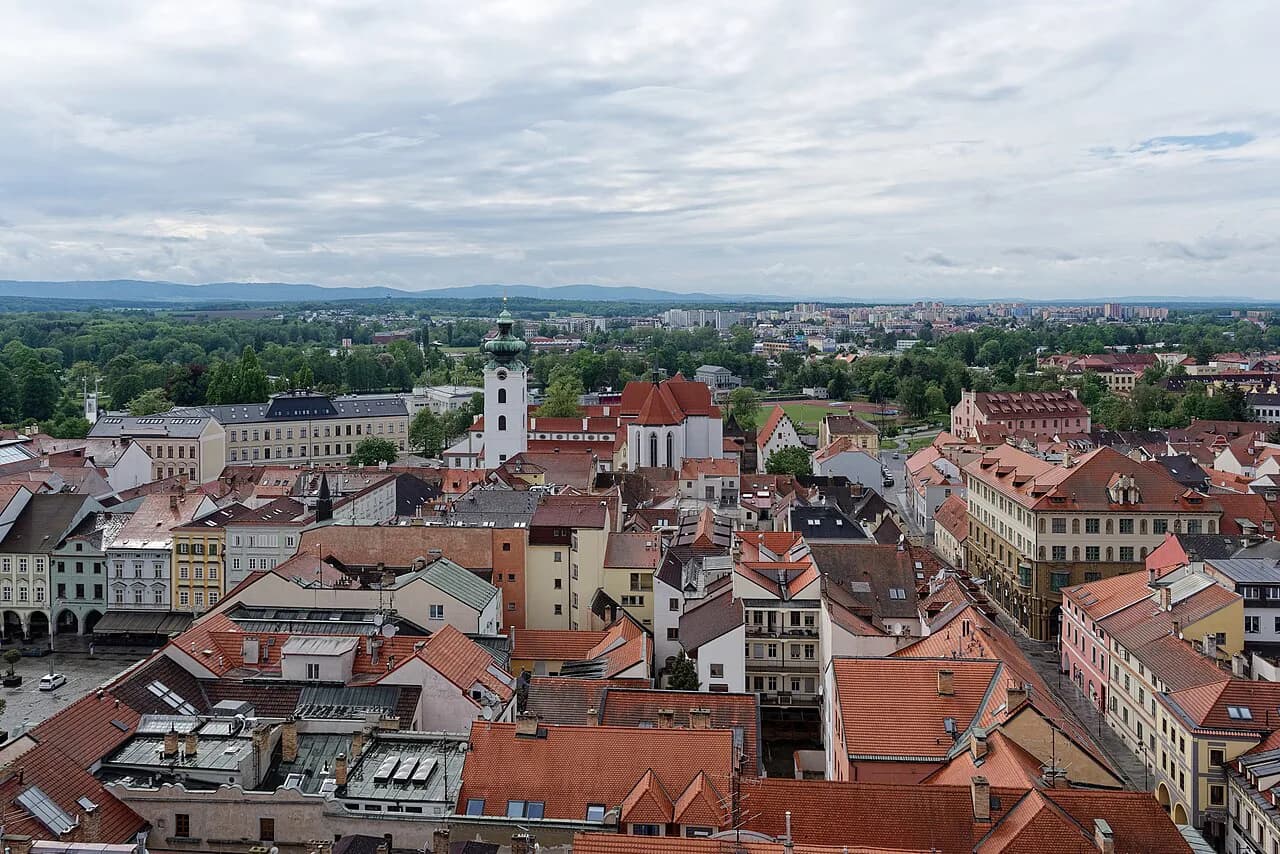
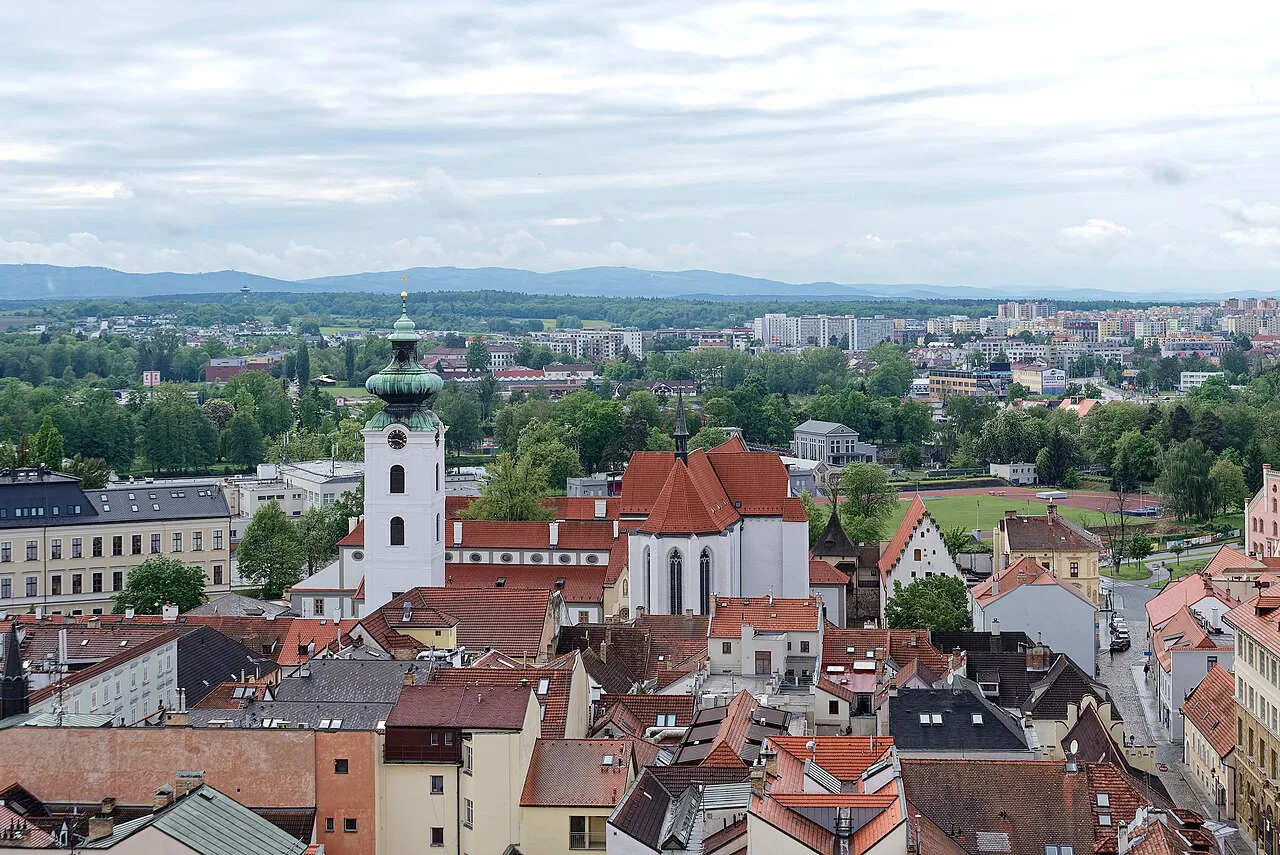
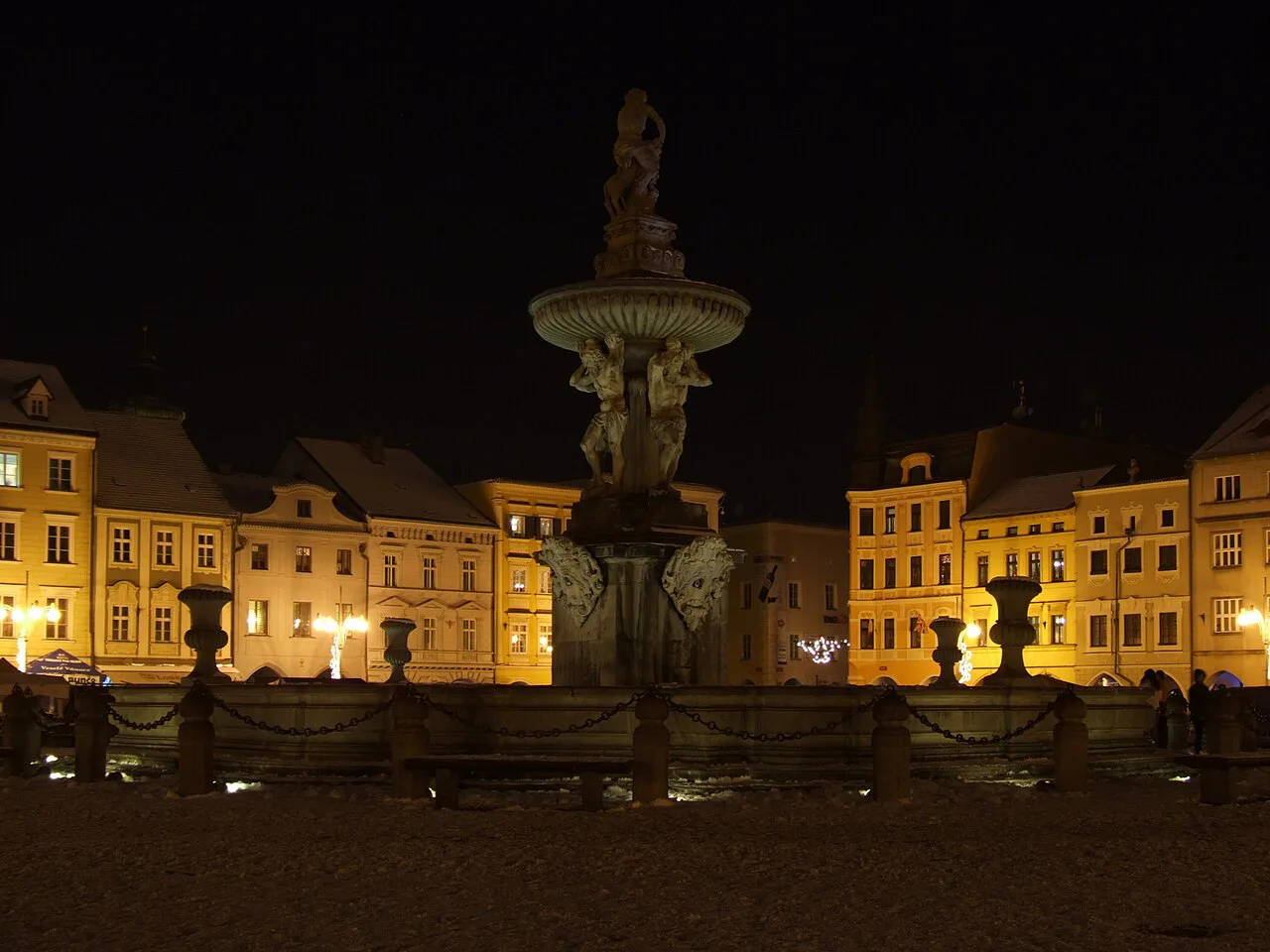
Přemysl Otakar II Square is the anchor of any visit, and its scale is the first thing that strikes you: the city's tourism portal calls it the second-largest square in the country. That size matters practically, because crossing it takes real minutes and the sights on its edges sit farther apart than they look. The Samson fountain, the town hall and the Black Tower all appear on the portal's list of the city's most beautiful places.
Treat the square as a compass rather than a single sight. Stand near the fountain and you can orient yourself toward the tower, the town hall and the arcaded houses that ring the open space, then pick a corner and walk outward. The arcades let you move around the perimeter in rain or midday sun without losing the view.
Climbing the Black Tower and what the view covers
Černá věž, the Black Tower, is the vertical landmark of the square and the obvious place to get your bearings from above. The city's tourism portal posts dated notices when the tower closes, which is the detail to watch: one such notice announced it would be shut on September 30, 2026.
The tower's height, admission and daily hours belong to whoever runs it on the day you go, so check the portal before you build a morning around the climb. If it is shut, the square itself still delivers the classic view of tower, fountain and town hall together, and the arcades give you a dry route around it.
The Samson fountain and the square's arcades as the town's living room
Samsonova kašna, the Samson fountain, sits in the middle of the square and works as the meeting point locals and visitors both use. The tourism portal lists it alongside the town hall and the Black Tower as one of the city's signature places, and the three read as a set when you photograph them together. The fountain is a landmark to walk around rather than a sight that needs its own appointment.
The arcades around the square are where the town feels lived-in: shops, cafés and passageways run under the upper floors, and the city's food listings include places such as Masné krámy and the Minipivovar Krajinská 27. Use them for a coffee or a plate of South Bohemian food between sights, and treat the square as a place to sit rather than a box to tick.
Katedrála svatého Mikuláše and the Piaristické náměstí corner
Katedrála svatého Mikuláše, the Cathedral of St. Nicholas, stands a short walk from the main square and appears on the tourism portal's list of the city's most beautiful places, as does the former Dominican monastery by Piaristické náměstí. Together they make the natural second stop after the main square, and the walk between them takes only a few minutes.
This corner rewards a slower pace than the big square: the buildings sit close together, the streets narrow, and you can see the cathedral and the monastery area without crossing the whole center again. Pair it with the square in one loop rather than treating it as a separate trip.
Jihočeské muzeum and the Alšova jihočeská galerie – Wortnerův dům for a rainy half-day
When the weather turns, the Jihočeské muzeum v Českých Budějovicích and the Alšova jihočeská galerie – Wortnerův dům give you two indoor options in the center, both listed on the tourism portal's roll of the city's best places. The museum covers the South Bohemian region, while the Wortner house is the gallery's town venue. Check each institution's own opening days before you commit an afternoon, since museum closure days vary.
Two collections in one day is realistic if you start early and keep the walking short between them, and both sit close enough to the square that you can retreat indoors without a long detour. If you have only one wet half-day, choose by interest: regional history and natural science at the museum, art at the gallery.
Budějovický Budvar: the brewery visit and why the name Budweis travels
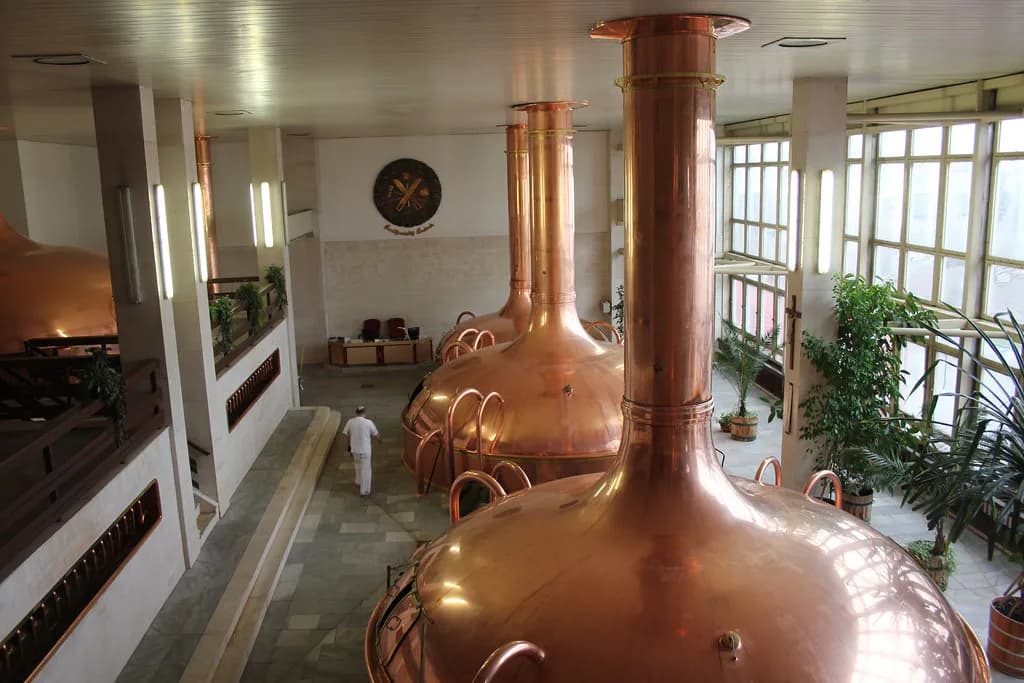
Budějovický Budvar is the brewery that made this town's German name, Budweis, familiar abroad, and the tourism portal lists it among the city's most beautiful places and things to do. The naming confusion is worth sorting out before you arrive: Budweis is the German form of Budějovice, which is why beer names from here and from the United States sound alike.
A brewery visit is the obvious indoor counterweight to the square, and the city treats beer as part of its identity alongside regional food. Tour content, times and ticket prices change, so book and confirm through the brewery rather than relying on a plan made months ahead. If the brewery is full, the town's beer story still reaches the table at places like Masné krámy.
The Vltava and Malše confluence, the náplavka and the commented river cruises
České Budějovice sits at the meeting of the Vltava and the Malše, and the tourism portal treats both rivers as part of the city's atmosphere. The portal's activities list includes commented boat cruises on the two rivers, including a historical commented cruise, which gives you a water-level view of the town instead of another street-level one.
The riverside, including the náplavka embankment, is a good place to end a walking loop, because the water and the bridges change the feel of the town completely after the stone square. Cruise schedules and prices are seasonal, so check the operator's listing on the day rather than assuming a departure.
Walking the center: a compact loop from the square to the rivers
A sensible loop starts on Přemysl Otakar II Square, takes in the Samson fountain, the town hall and the Black Tower, then slips to the cathedral and Piaristické náměstí before dropping to the rivers. The square's size means you should budget more minutes than the map suggests for crossing it, especially with photo stops. The whole circuit stays inside the historic center and needs no transport.
Add the museum or gallery only if you want an indoor block, and finish at the water rather than retracing your steps. The portal also lists the Stezka Vltavy among the city's draws, which is another way to follow the river rather than the streets.
Getting there from Prague and how the town works as a South Bohemia base
České Budějovice is the administrative and cultural center of South Bohemia, with roughly 97,000 residents in the city and about 170,000 in the wider agglomeration. The city's tourism portal points travelers to national timetables and to České dráhy for rail planning, and the municipal site keeps a transport section for getting around town.
Use the timetable tools to fix your train or bus rather than trusting a remembered duration, since connections and journey times change with the season and the operator. The city is also designated European Capital of Culture 2028, which the portal and the municipal site both highlight, so expect cultural programming to grow in the run-up. As a base, the town works because Hluboká Castle and Český Krumlov are close enough for day trips and you return to a real city in the evening.
Hluboká and Český Krumlov as day trips from town, and the trade-offs
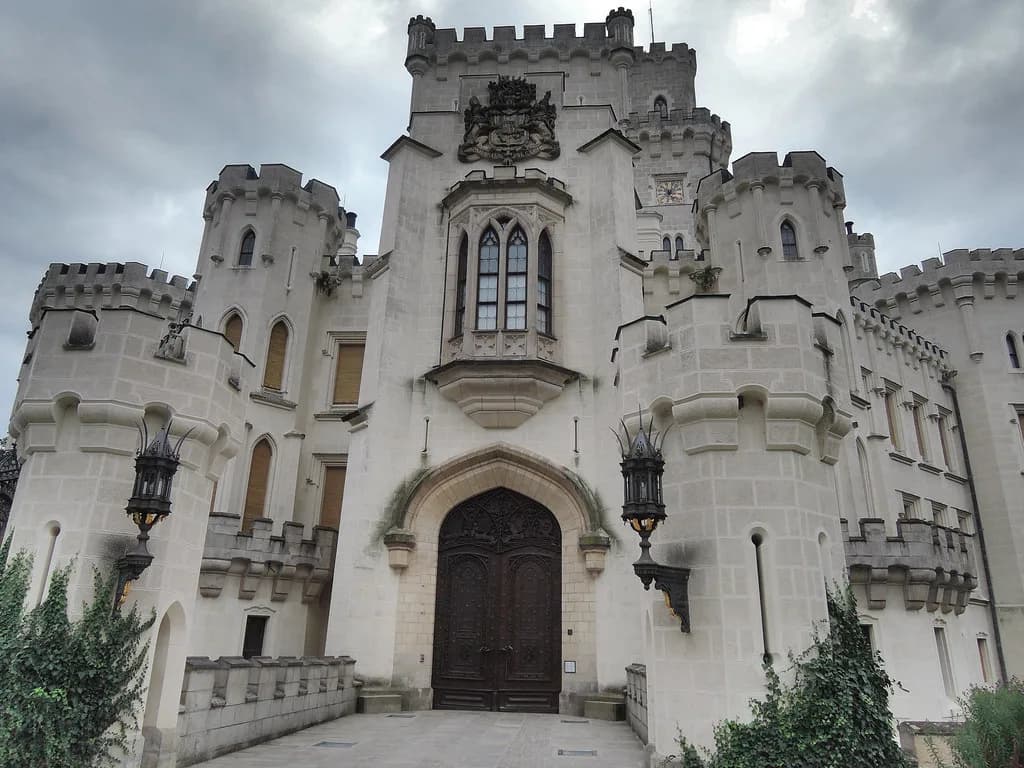
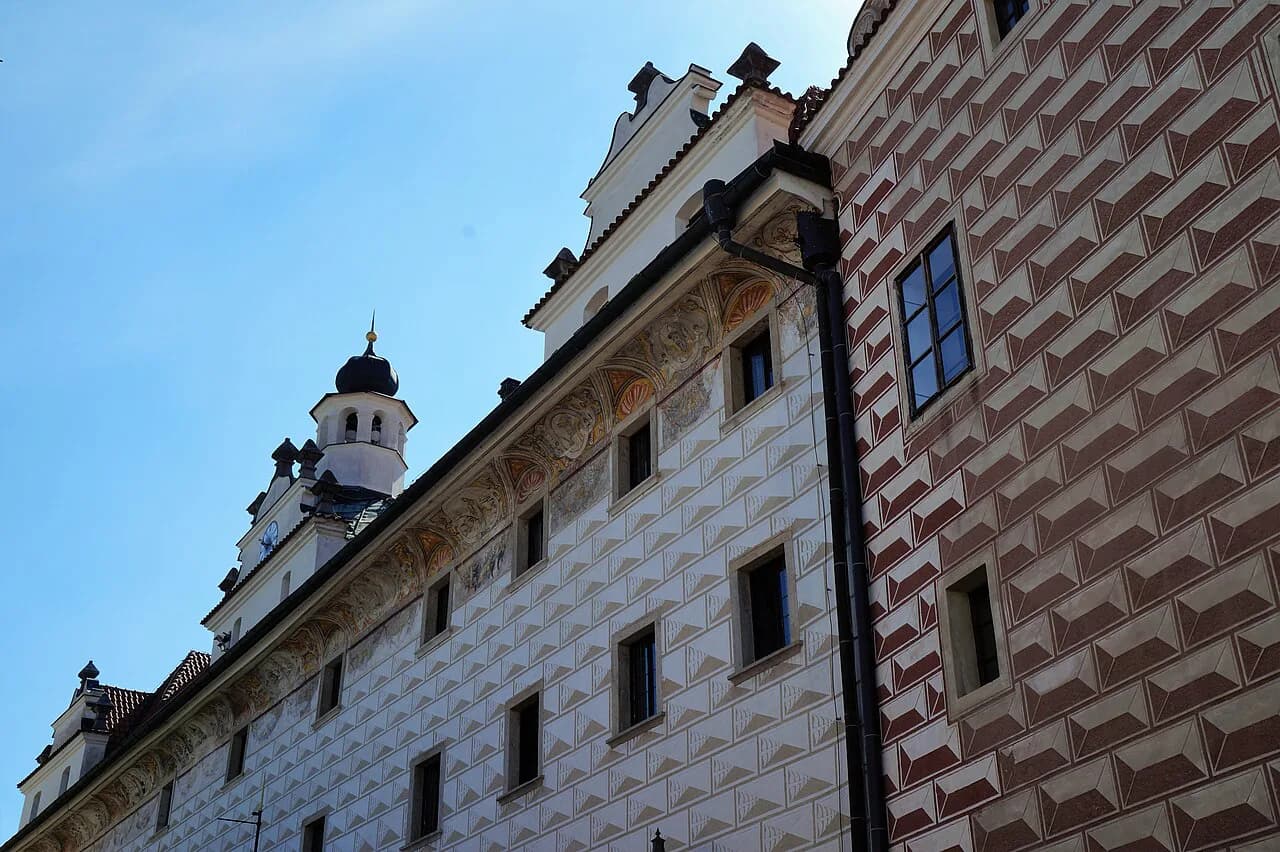
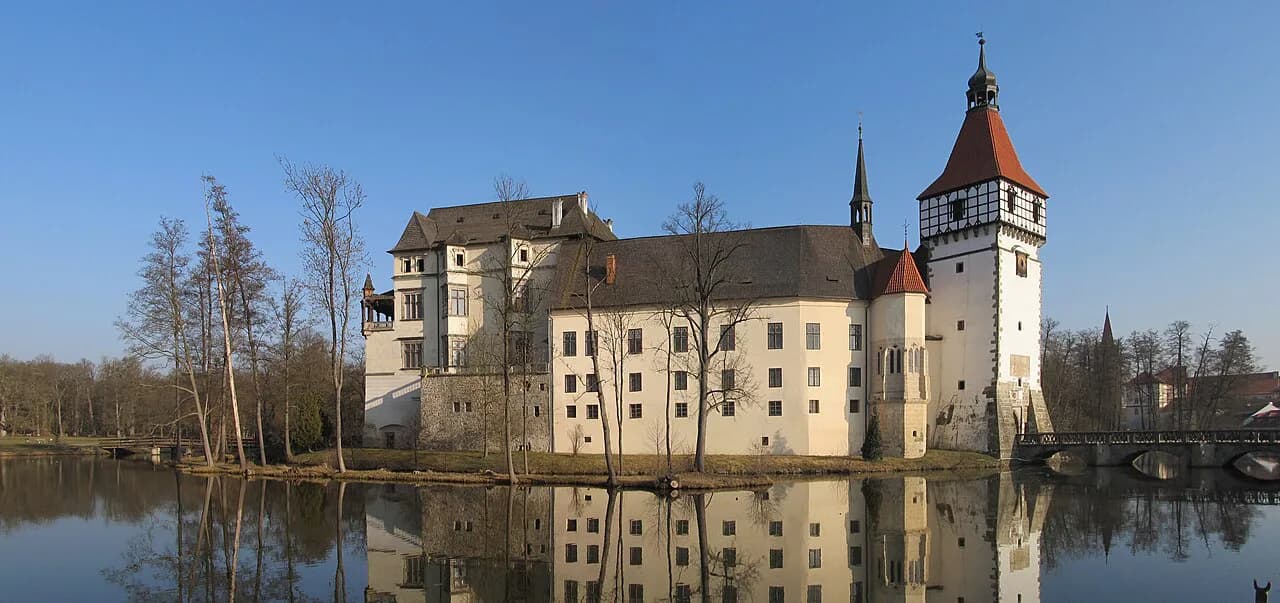
Hluboká Castle is the closest big excursion, and the chateau's state rooms are shown on guided tours, so your day depends on tour times rather than on simply arriving. The trade-off is that a tour in Czech is the default at many Czech monuments, so book an English tour if you want the commentary.
Český Krumlov is the bigger draw and the bigger crowd, and midday is when the old town is tightest. Go early or late in the day if you can, and treat the town as a full excursion rather than an afternoon add-on. Both trips work best from a Budějovice base, which saves you hauling luggage between towns.
If you have a car or a spare day, Třeboň: A Renaissance Chateau Town Among Fish Ponds makes a quieter alternative with its own chateau and pond landscape. Tabor Czech Republic sits in the same regional orbit and suits travelers who want smaller crowds than Krumlov.
How long České Budějovice needs, and where it fits on a Prague–Vienna route
Half a day covers the square, the tower, the cathedral corner and a river walk; a full day adds the museum or gallery and the brewery. Two nights makes the town a genuine base for Hluboká and Český Krumlov without rushing either. The center is compact enough that you will not spend your time in transit.
On a Prague–Vienna route, České Budějovice is a natural South Bohemian stop between the two capitals, and it pairs well with a chateau day at Hluboká and a Krumlov day before you continue south. Check rail connections for your dates rather than assuming a fixed pattern, and keep the town's own transport pages for the local leg.
The honest trade-off is that the town is a working regional city, not a preserved museum piece like Krumlov, so it gives you ordinary Czech urban life alongside the monuments. That is exactly why it works as a base: you get real food, real transit and room to breathe between the famous stops.
Build the Budějovice day around the square, then decide on the side trips
Start on Přemysl Otakar II Square, climb or at least circle the Black Tower and the Samson fountain, then add the cathedral corner and a river walk before you decide how far to push. If the weather holds, the brewery and the boat cruise fill the second half; if not, the museum and the gallery do. Keep the tower and the infocenter on your check list, because the city posts closures and holiday hours on its tourism portal.
Book the Hluboká tour and the Krumlov day according to your dates, and confirm the castle's tour language before you travel. The town rewards travelers who treat it as a base with a strong center rather than a box to tick on the way to somewhere else.
Explore more České Budějovice guides
Frequently Asked Questions
Which country is České Budějovice in?
České Budějovice is in the Czech Republic, in the South Bohemian region, where it serves as the regional capital. It sits at the confluence of the Vltava and Malše rivers and is the largest city in the area.
Why is the beer called Budweiser if the town is Budějovice?
Budweis is the German name of České Budějovice, so beer brewed here has long carried a name derived from the town. Budějovický Budvar is the local brewery that keeps that name today, which is why it sounds similar to the American brand.
Is České Budějovice a good base for Český Krumlov?
Yes. The town has rail and bus connections and a compact center, so you can use it as a base and make Český Krumlov and Hluboká day trips. Check the national timetable for the connection you plan to take.
Sources
Notes for your Czech trip
Optional updates to our Czech town guides.
You might also like
Continue reading
More guides you'll find useful