Lednice-Valtice Cultural Landscape: Chateaux, Follies and How to See Them
Plan a visit to the Lednice-Valtice Cultural Landscape, a UNESCO site in South Moravia with two chateaux, a minaret, a colonnade and follies in the woods.
On this page
The Lednice-Valtice Cultural Landscape is a single designed parkland in South Moravia, not two separate castles to tick off, and the best way to see it is as a loop between Lednice, Valtice and Mikulov. UNESCO inscribed the landscape in 1996 for its blend of Baroque, Neoclassical and neo-Gothic architecture set in a worked landscape, and the visitor site describes it as an estate of romantic chateaux, canals, ponds, forest trails and ornate follies. This guide covers what each seat and folly offers, how the distances shape your plan, and how to fit the landscape into a wider South Moravia route.
What the Lednice-Valtice Cultural Landscape is
This is a cultural landscape in the strict sense: centuries of work by the Liechtenstein family turned a borderland of medieval fortresses into a composed park of avenues, water and architecture, and the visitor site traces that story back to 9th-century Great Moravian strongholds at Pohansko. UNESCO's own listing stresses how architectural, biological and landscape features were shaped together over time, which is why the ponds and tree lines matter as much as the buildings. Plan your day around the outdoor pieces and the chateaux as a set rather than treating the chateaux as the whole visit.
The figures in circulation differ because they measure different things, so do not treat them as one number. UNESCO's own listing gives the inscribed property as 143 km², while the landscape's visitor site describes a wider public landscape and reports roughly half a million visitors a year. Either way the practical point is the same: the named features are spread across one large estate, so a plan that assumes a single compact park will not work.
The two seats: Lednice and Valtice
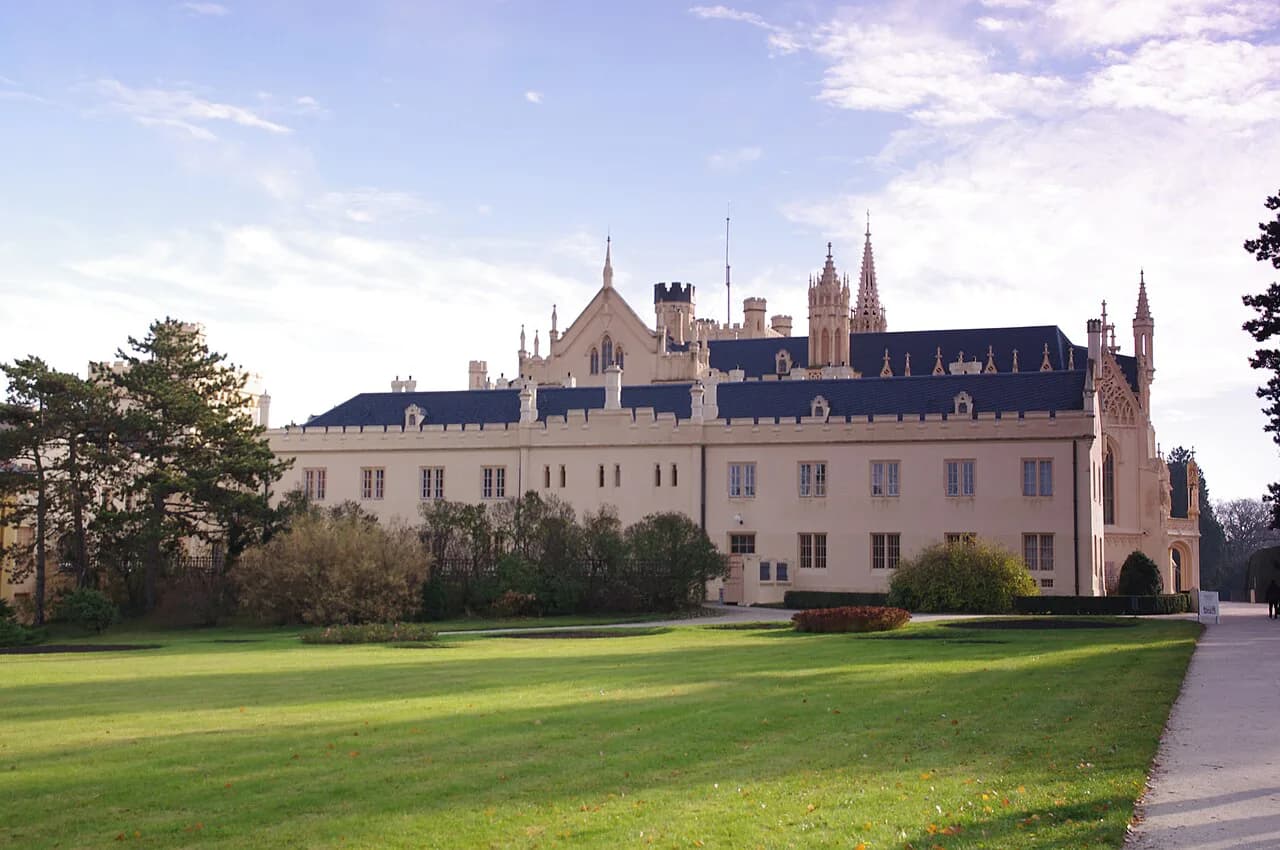
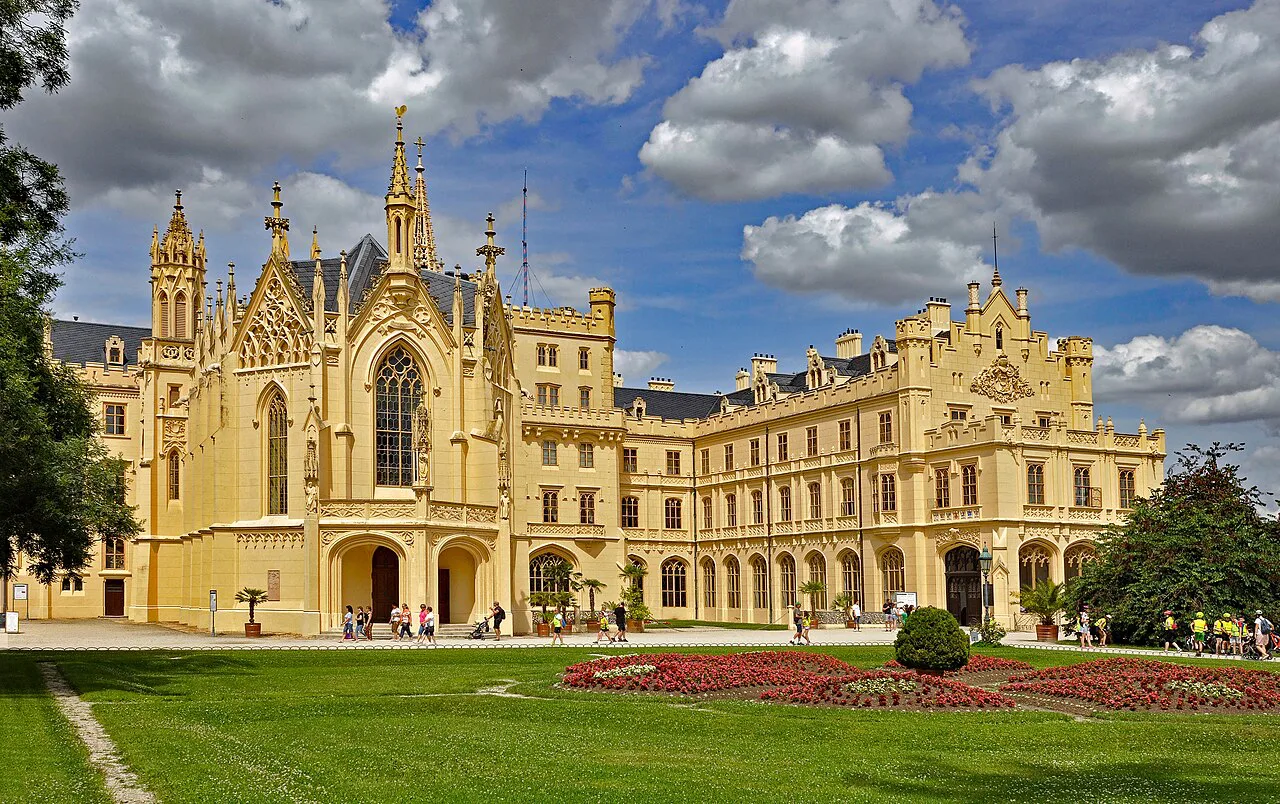
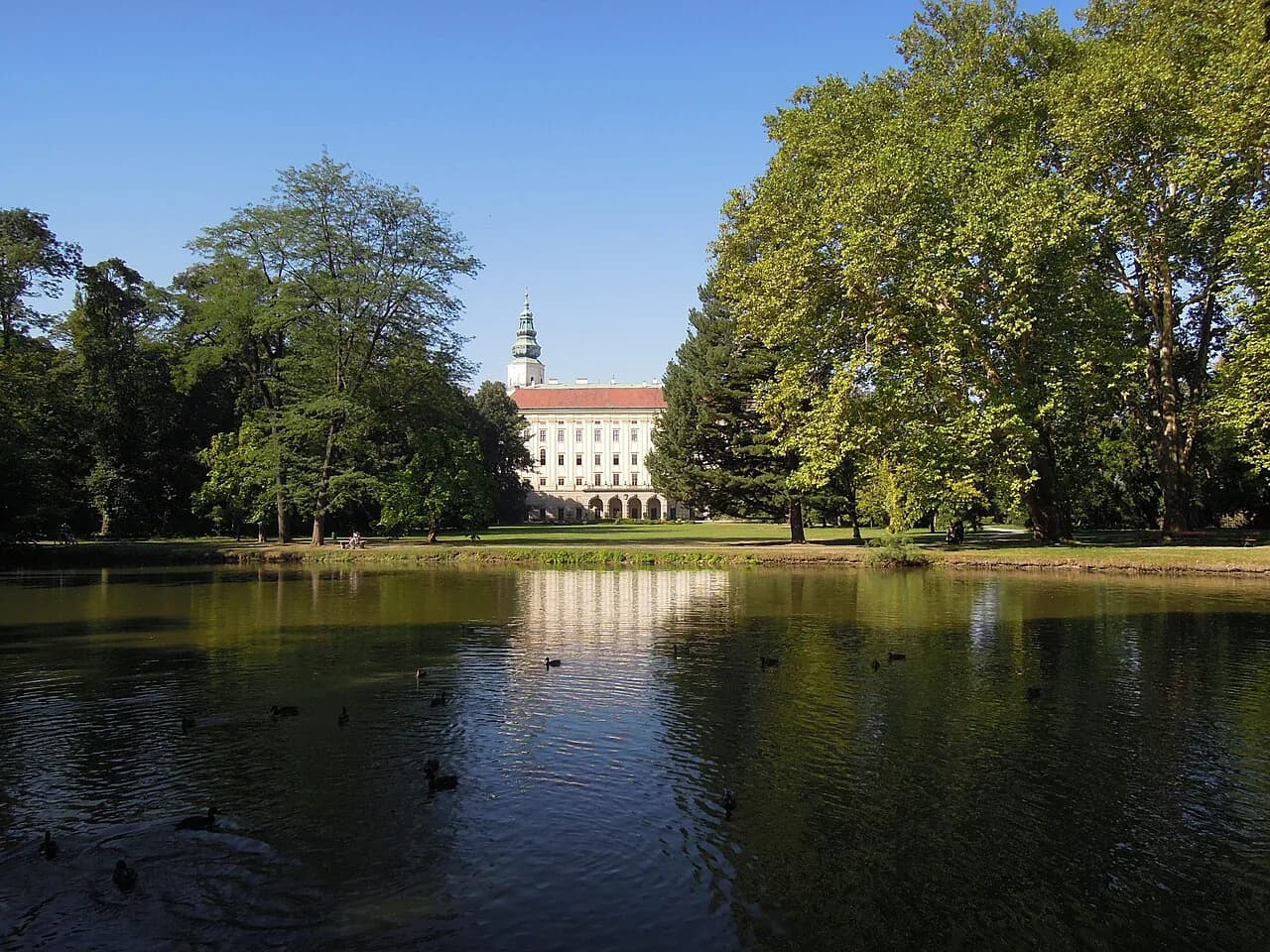
Lednice is the fairy-tale face of the estate, a Neo-Gothic chateau framed by manicured gardens, and the visitor site treats it as the romantic gateway to the landscape. Start here if you want the ornamental set piece, the gardens and the palm house within short walking distance of each other. For the architecture, the tour circuits and the state rooms in detail, the separate guide to Lednice castle covers what the chateau itself is like inside.
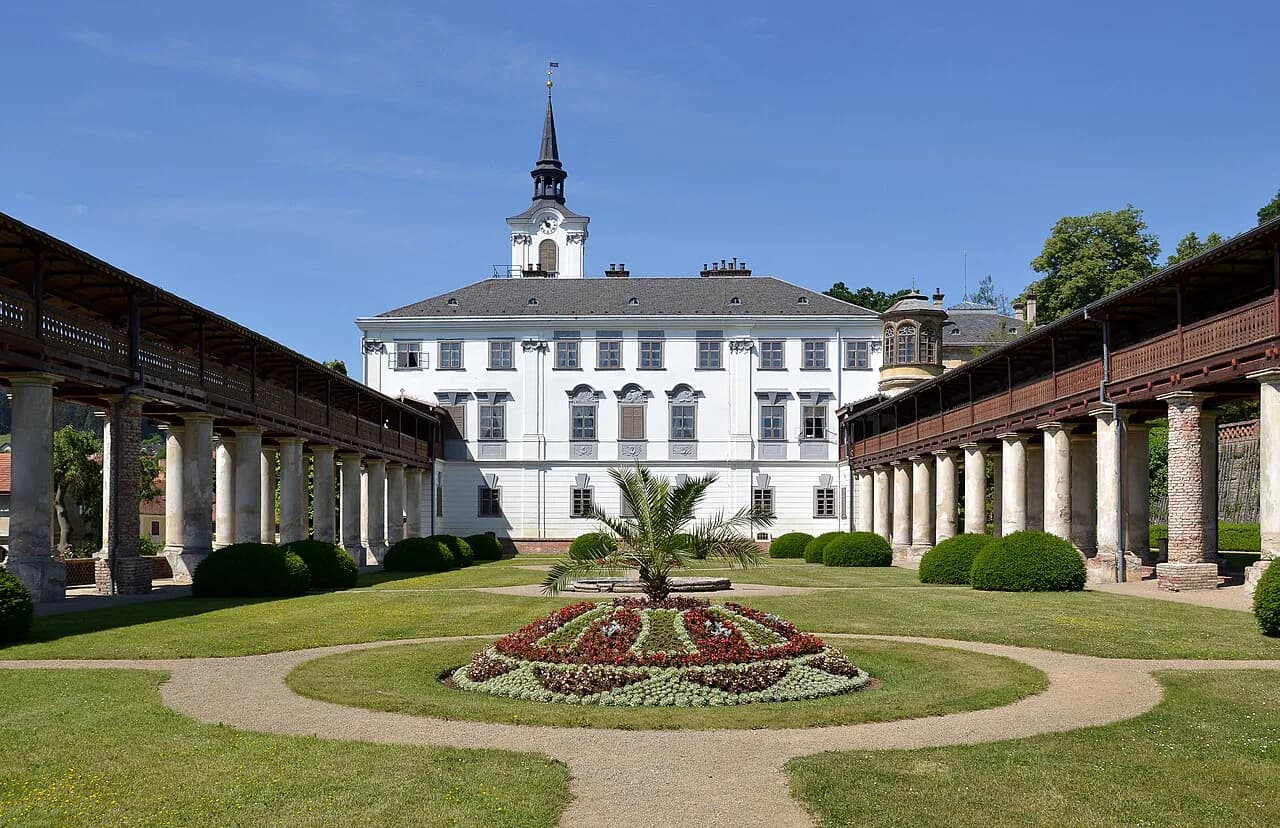
Valtice is the statutory counterpart: a Baroque seat that feels formal and grand, with the town laid out around it and the Wine Salon housed in the chateau. The visitor site pairs Valtice with hidden architectural gems in the surrounding woods, including the colonnade on Reistna above town. If you want the full picture of the chateau, the town square and the Liechtenstein legacy, Valtice goes deeper than this overview can.
Follies and landmarks worth routing to
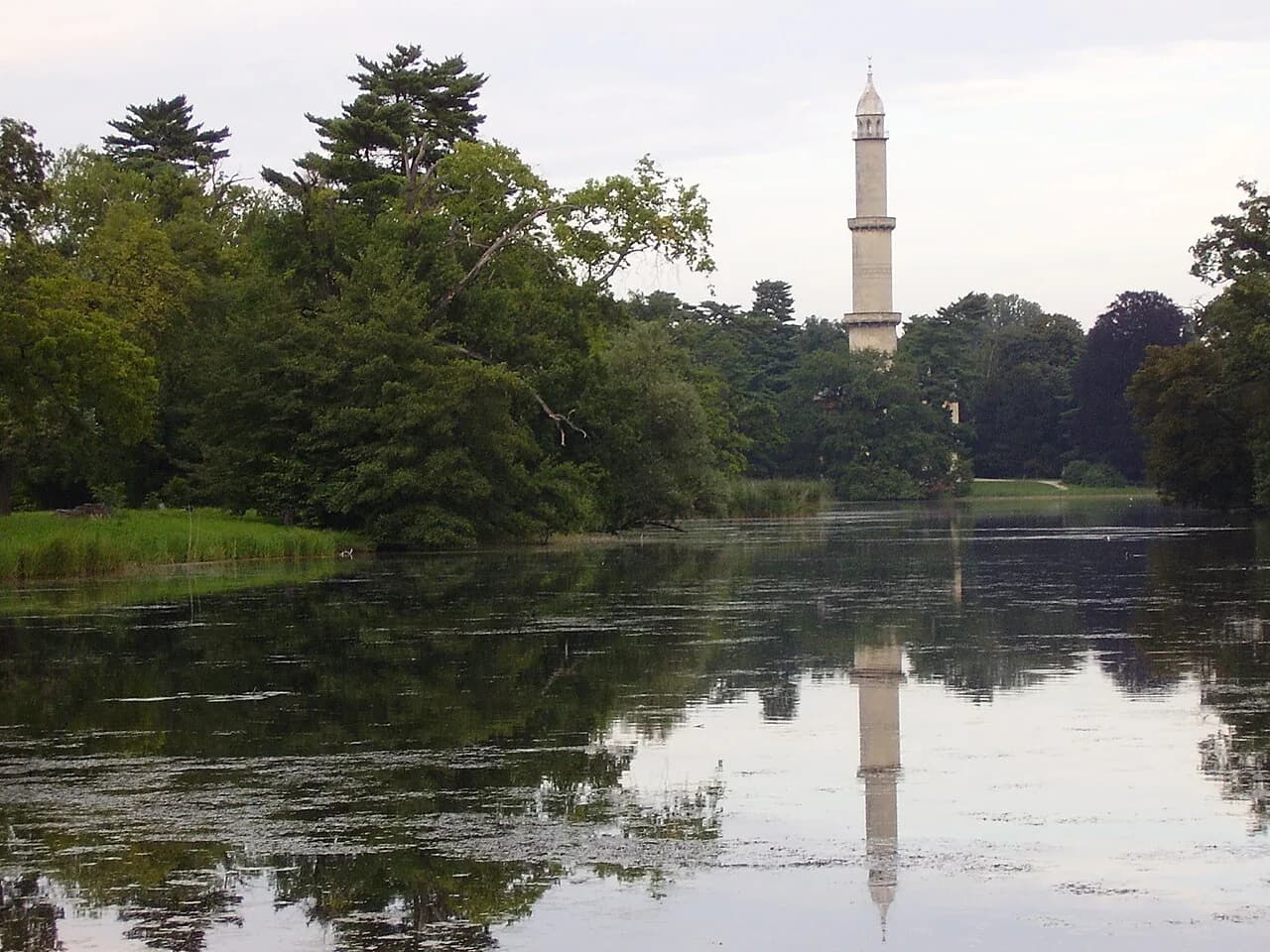
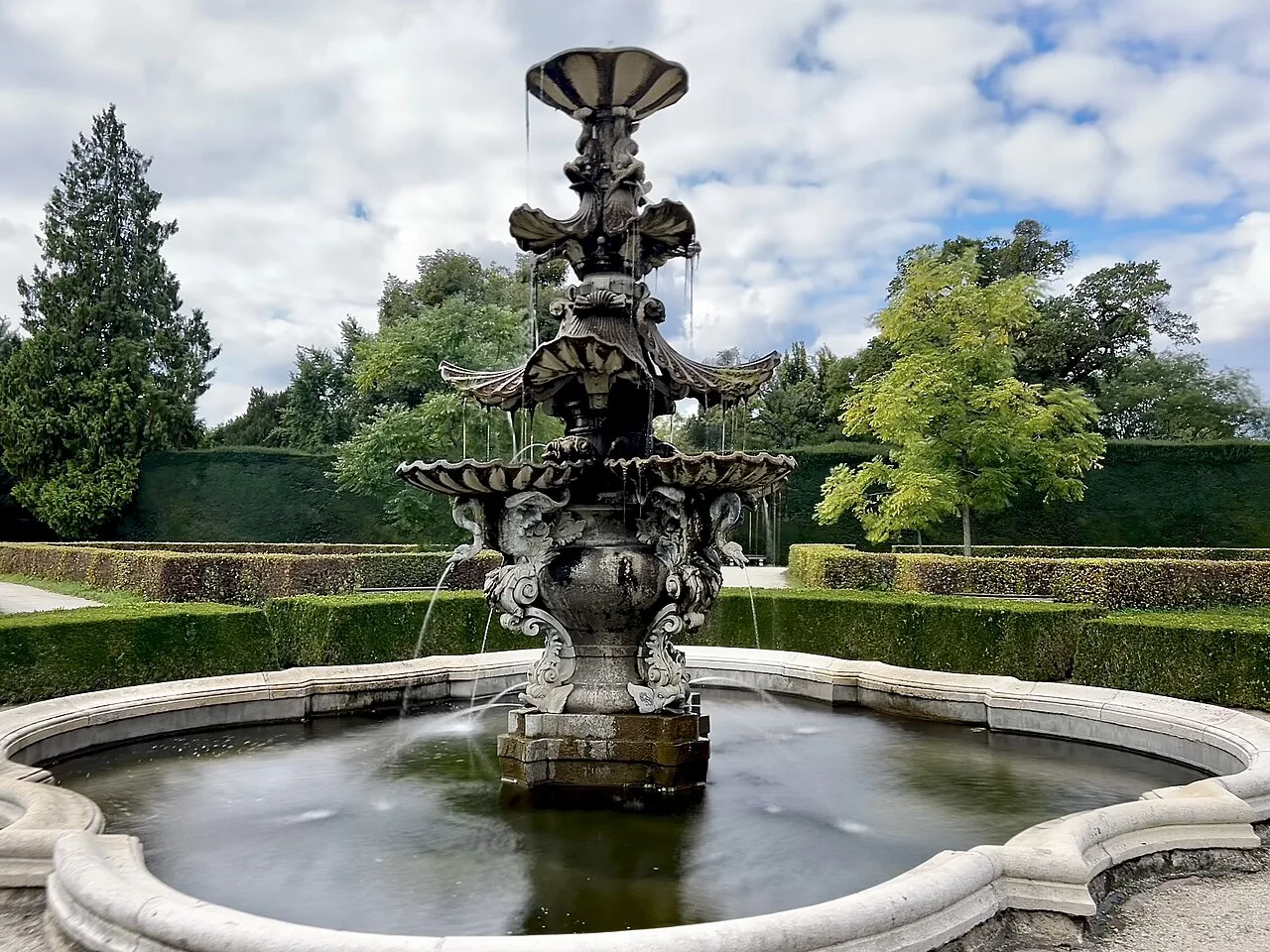
The landscape's signature pieces include the Lednice Palm House, the Lednice Park Minaret, the Reistna Colonnade at Valtice and Holy Hill at Mikulov, and each one justifies a stop on your loop. The Palm House is an iron-and-glass greenhouse holding roughly 250 species of tropical and subtropical plants, and the minaret is described as the tallest outside the Islamic world, with views across the whole UNESCO area and into Austria. The Reistna Colonnade is the Hardtmuth design the visitor site calls the best sunset spot in the site, which makes it the natural end of a Valtice afternoon.
Holy Hill sits outside the official UNESCO boundary but belongs to the same story, a pilgrimage site and protected nature reserve that widens the South Moravian frame beyond the two chateaux. The designer behind much of the estate's architecture, Joseph Hardtmuth, is profiled on the visitor site alongside the Bauer brothers, the botanical illustrators whose work explains part of why the planting still reads as deliberate. Knowing that the follies were designed as a sequence, not scattered decoration, changes how you route between them.
How big the landscape is and why distances change your plan
The three gateways, Lednice, Valtice and Mikulov, are close enough to combine but each rewards a different rhythm, which the visitor site sums up as walking, cycling, scenic driving and longer pauses. Distances are the real planning constraint: the named follies are spread through the estate and do not all sit beside the chateaux, so a plan built on foot alone will only reach what is close to one gateway. Decide first whether you are touring by bike or by car, then assign each half day to one gateway and its nearby follies.
A bike lets you link the chateau gardens, the minaret and the colonnade through the avenues and forest tracks in a way a car cannot, because you can stop at each folly without hunting for parking. A car is the better tool for combining Lednice and Valtice with Mikulov in a single day, since the towns themselves are compact but the landscape between them is not. Either way, budget your time around two or three named stops rather than trying to collect every folly.
Getting around: walking, cycling and scenic driving
Treat the estate as a network of routes rather than a single site with one entrance. The visitor site frames the choices as walking, cycling and scenic driving between the three gateways, and the parks around Lednice and Valtice are where walking pays off most because the gardens and the palm house are close together. Save the longer links, such as the climb to the Reistna Colonnade or the run out to the minaret, for the bike or the car.
For the rail and bus connections from Prague or Vienna, and the timetables that actually run, check the Czech national timetables before you fix dates, since no single schedule covers the whole loop and service patterns change by season. Build the landscape around your arrival in Mikulov or Valtice rather than around a fixed castle slot, and confirm the chateau tour times you want directly with the castle before you commit to a sequence.
Lednice in a half day: chateau, Palm House and park
A half day at Lednice works best in this order: the chateau and its gardens first, then the Palm House, then a walk through the park. The visitor site lists the Palm House and the minaret among the landscape's signature pieces, and the park around the chateau is where the gardens and palm house sit close together, which makes Lednice the easiest gateway to manage on foot and the natural choice if you arrive without a bike or car for the wider estate.
Chateau interiors at Lednice are shown on guided tours, so check the tour options and any seasonal opening pattern with the castle before you build the day around an interior visit; the gardens and park do not depend on tour times. If the interior is your priority, book the Lednice castle stop early in the day and leave the park and minaret for afterward, when the light on the water is better anyway.
Valtice in a half day: chateau, Wine Salon and the colonnade
At Valtice, pair the Baroque chateau with the Wine Salon inside it, then drive or cycle up to the Reistna Colonnade for the view back over the estate. The visitor site places the Wine Salon in Valtice and the colonnade among the landscape's signature highlights, and the colonnade is the piece to keep for late afternoon. The town around the chateau is compact, so the chateau and square fill an hour or two before you head uphill.
Because the colonnade sits above town rather than on the square, plan the transfer between the two and do not leave it for the last ten minutes of daylight. The Valtice guide covers the chateau and the town in more detail than this overview, including how the Liechtenstein seat is arranged for visitors.
Mikulov as the third gateway
Mikulov sits just outside the UNESCO boundary but the landscape's own visitor site treats it as the third gateway, with a dramatic skyline, pilgrimage routes and the white limestone cliffs of the Pálava Hills. That makes it the practical base for the whole loop: you get the town's castle and square, Holy Hill and the cliffs on one side, and Lednice and Valtice within a day's reach on the other. The Mikulov Attractions: 4 Visitor Guides hub pulls the town's separate sights together if you plan to spend more than an afternoon there.
Holy Hill is one of the oldest pilgrimage sites in Czechia and a protected nature reserve, and it is the piece that links Mikulov to the designed landscape rather than standing apart from it. For the town's castle, the Dietrichstein legacy and the Jewish quarter, the Mikulov Guide covers the walking layout in detail. The limestone hills above town get their own treatment in Pálava: The Limestone Hills Above Mikulov, Explained for Visitors, which is worth reading before you commit to a route.
Linking it to a South Moravia route
Use Mikulov as the hinge of a South Moravia loop from Prague or Vienna: arrive, see the town and Holy Hill, then take a full day for Lednice and Valtice before moving on. The landscape is one stop on a wider regional route, and the South Moravia guide sets the chateaux and follies alongside the region's other towns so you can see what else deserves a day. Kroměříž, with its own UNESCO-listed gardens and chateau, is the obvious second designed landscape to pair with this one.
If your route runs along the Dyje valley, Podyjí National Park is the natural outdoor counterweight to the formal gardens and follies here. Keep Prague and Vienna as access points rather than adding them to the itinerary, since the landscape itself needs a full day and a half at a comfortable pace.
Where to eat and what to budget in CZK
Budget by the interiors you actually plan to enter: the chateaux at Lednice and Valtice are visited on guided tours, and the castle each publishes its own tour types and ticket prices in koruna. The gardens, park and the estate's outdoor follies are open ground, so they add little to the budget beyond getting there. Beyond the chateaux, eat in the towns themselves, where the choice is widest, and carry koruna for the smaller stops.
Chateau entry at Lednice and Valtice is through the National Heritage Institute (NPÚ), and the ticket prices, tour types and seasons are published by the castle itself rather than fixed here. Set your budget around the number of interiors you actually plan to enter, since the gardens and park are open outdoor ground and the estate's follies sit out in the landscape.
Trade-offs: distances, tours and the busiest hours
The honest trade-off at Lednice-Valtice is time lost to distance: the named features are spread across the estate, so every extra stop costs a transfer by bike, car or on foot. Chateau interiors come on guided tours, which lock you into a schedule, so check the tour options and languages with the castle before you build the day around an interior. Pick two interiors and a few outdoor pieces and you will see the landscape properly; try for everything and you will spend the day moving rather than looking.
Crowds concentrate at the chateaux and the Palm House, so put those first thing and save the minaret, the colonnade and Holy Hill for the middle and end of the day. That sequence also puts you at Reistna for the sunset the site recommends, rather than fighting for space in the gardens at midday.
Which gateway should you start from?
Start at Mikulov if you are coming from Prague or Vienna and want a base with a town, a castle and a pilgrimage hill, then give Lednice and Valtice a full day between them. Start at Lednice if you have only a half day and want the chateau, the Palm House and the park on foot. Start at Valtice if the Baroque chateau, the Wine Salon and a sunset at the Reistna Colonnade are your priorities.
Explore more Mikulov guides
Frequently Asked Questions
What makes the Lednice-Valtice Cultural Landscape a UNESCO site?
UNESCO inscribed it in 1996 for the way architecture, planting and water were shaped together over centuries, producing a designed landscape rather than a single monument. The chateaux at Lednice and Valtice sit within parks, avenues and follies that were planned as one composition.
Do I need a car to see the follies?
No, but the distances between the minaret, the colonnade and Holy Hill are the constraint. A bike covers the forest tracks and avenues well, a car is better for combining all three towns in a day, and walking works for the gardens and park around each chateau.
How much does it cost to visit?
The chateaux are visited on guided tours run by the National Heritage Institute, and the castle publishes its own ticket prices in koruna for each tour. The gardens and park are open outdoor ground, while entry to the chateau interiors and any ticketed follies is priced by the site, so set your budget around the interiors you plan to enter.
Sources
Notes for your Czech trip
Optional updates to our Czech town guides.
You might also like
Continue reading
More guides you'll find useful