Pálava Hills Above Mikulov: What to See and How It Fits a Trip
Pálava is the limestone ridge above Mikulov in south Moravia, with Děvín, castle ruins and viewpoints. Here is what sits there and how it fits a route.
On this page
Pálava is the pale limestone ridge that rises directly above Mikulov in south Moravia, and it is best treated as a landscape rather than a hiking objective — a place to see villages, vineyards and viewpoints even if you never make a full ascent. Plan on half a day if you want to look around, and a full day if you want to walk the ridge itself. This guide explains what sits on and below the hills, how the protected landscape changes what you can do, and how the ridge slots into a route from Prague, Brno or Vienna.
The name confuses some English-speaking readers, because the question boxes that appear with this search often ask what palava means in Nigerian slang, what a palava expression is, or what palava sauce is made of. None of that has anything to do with the Moravian hills. Pálava is a Czech place name, and the hills, the protected landscape and the villages under them are what a visitor to the Czech Republic deals with.
What Pálava is and where it sits
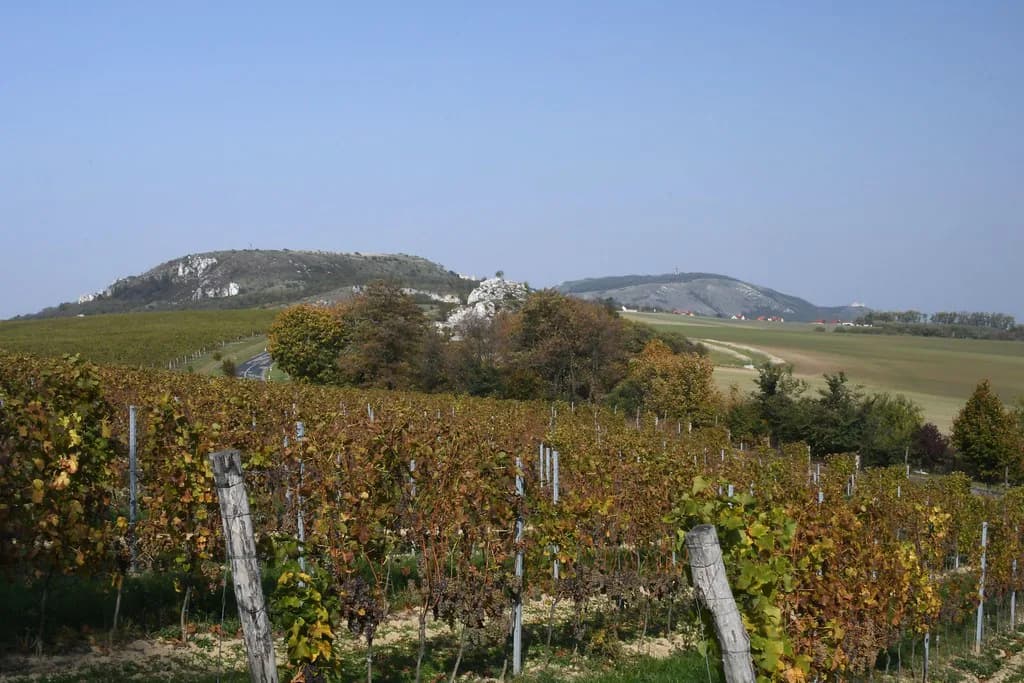
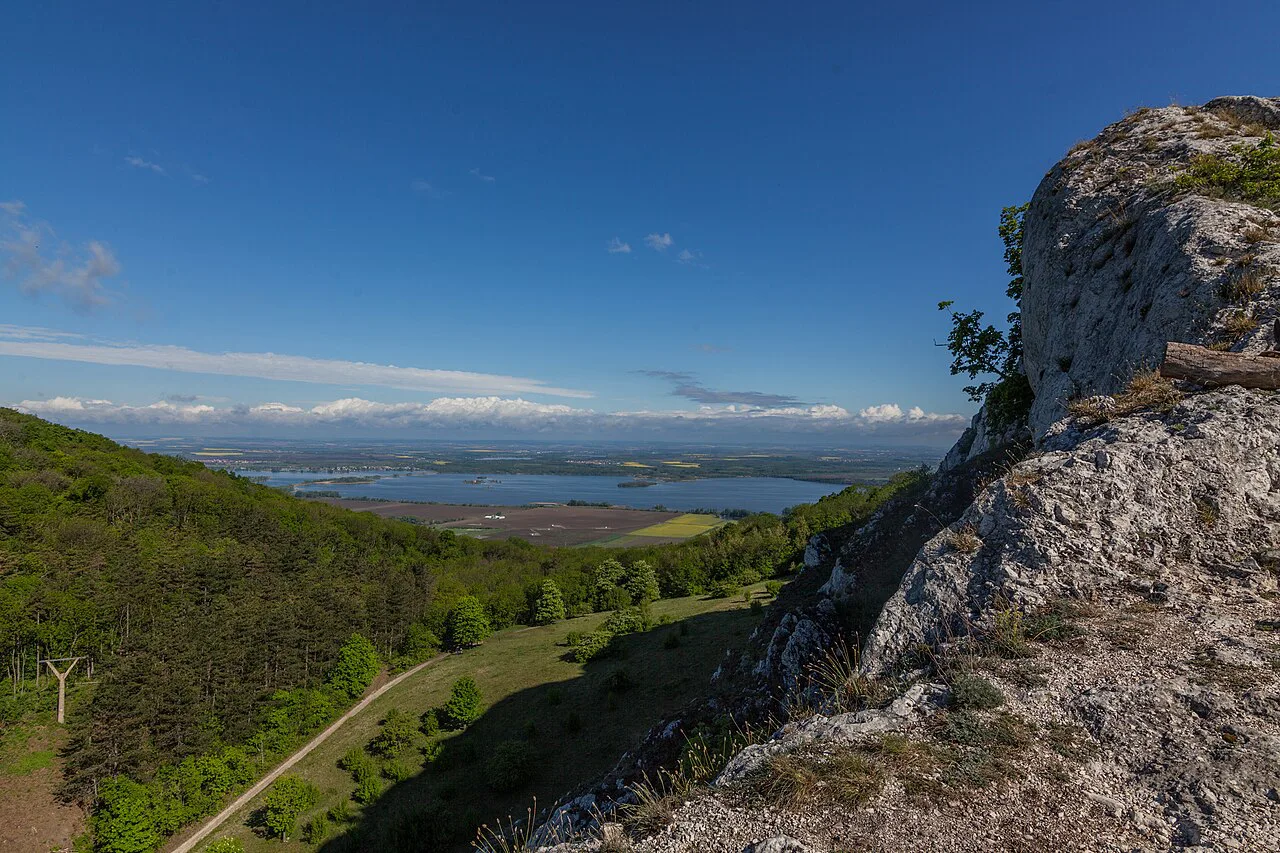
Pálava is the ridge of limestone hills that runs north from Mikulov, presenting a steep pale face toward the town and flattening into wooded plateau behind. The highest ground is Děvín, the summit the whole massif is built around, with the smaller wooded shoulder of Obora and the lower slopes closing in toward the villages. Because the hills begin at the edge of Mikulov, the ridge is not a distant excursion — you can see the whole shape of it from the town square before you decide anything.
The ridge sits in the very south of Moravia, close to the Austrian border, and that position is what makes the area so easy to bolt onto a wider trip. Brno is the natural Czech base, Vienna is the natural Austrian one, and the wine villages and chateaux of the Lednice–Valtice Cultural Landscape lie a short run east. The South Moravia Travel Guide sets out the wider region so you can see how Pálava connects to it.
A protected landscape, not a national park
Pálava is protected as a landscape area rather than a national park, and the protection is there for the habitat and the terrain rather than for the visitor experience. In practice that means you stay on marked paths, you do not pick plants or take rock, and the most fragile slopes carry restrictions that change how accessible they are at different times. Treat signs at the pathheads as the current rule and follow them rather than any advice from elsewhere.
The Czech national park system gives a useful comparison for how conservation shapes a visit. In Podyjí National Park, the smallest Czech national park, decades of restricted access left an exceptionally well-preserved river valley, and the same logic of protected terrain applies on a smaller scale at Pálava.
Děvín and the higher ground
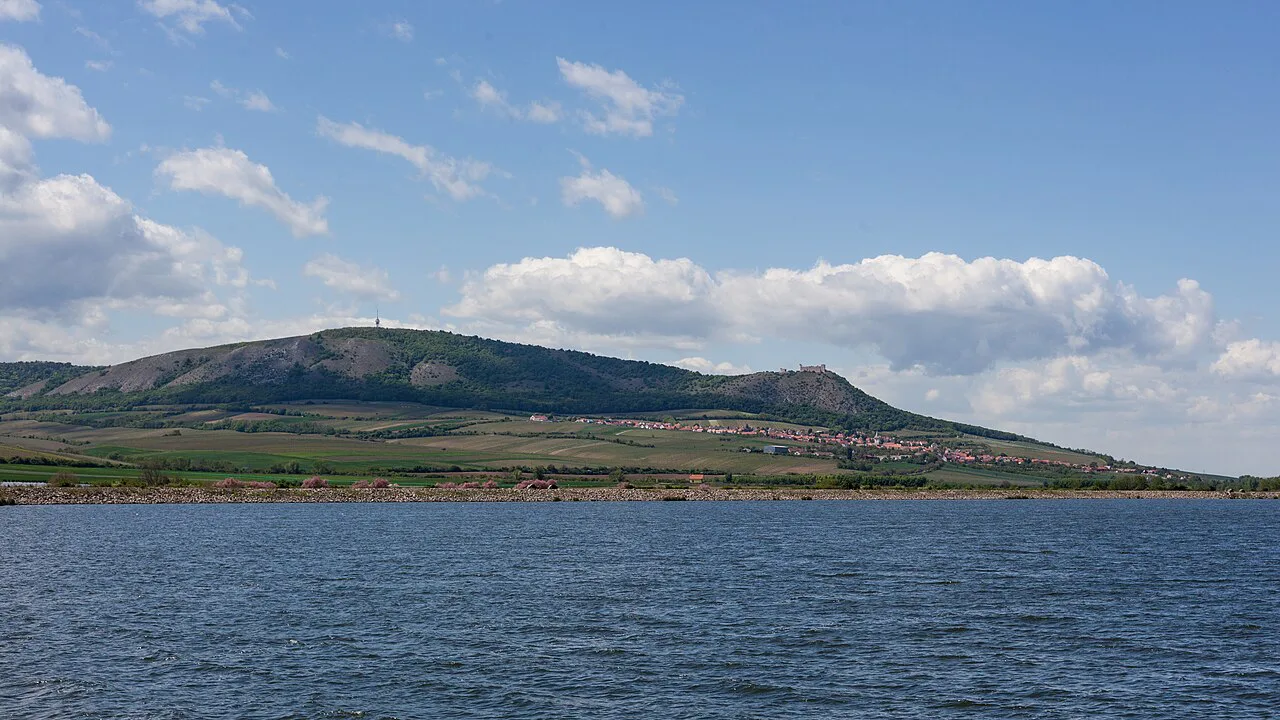
Děvín is the summit that gives the ridge its character: a long protected plateau that drops steeply on one side and more gently toward the village of Pavlov on the other. Reaching the top means gaining real height from the valley floor, so judge your own condition honestly before committing. The climb is best done in the morning, before the exposed limestone slopes hold the day's heat.
If a full ascent does not appeal, the value of Pálava is visible from much lower. The vineyards and lanes above Mikulov give you the classic view across the white face of the hills, and the villages along the foot of the ridge give you the same landscape with a bakery and a bus stop. That is the honest trade-off: the high ground buys you the panorama and the botany, the low ground buys you ease.
Castle ruins on the ridge
The ridge carries medieval castle ruins on its flanks above the villages, the kind of modest stone remnant that gives a walk a destination but will not fill a day on its own. What survives is fragments of walls and foundations on a wooded height, viewed for the position rather than for furnished rooms or exhibitions. Go for the site and the outlook, not for a castle visit in the NPÚ sense of a guided circuit.
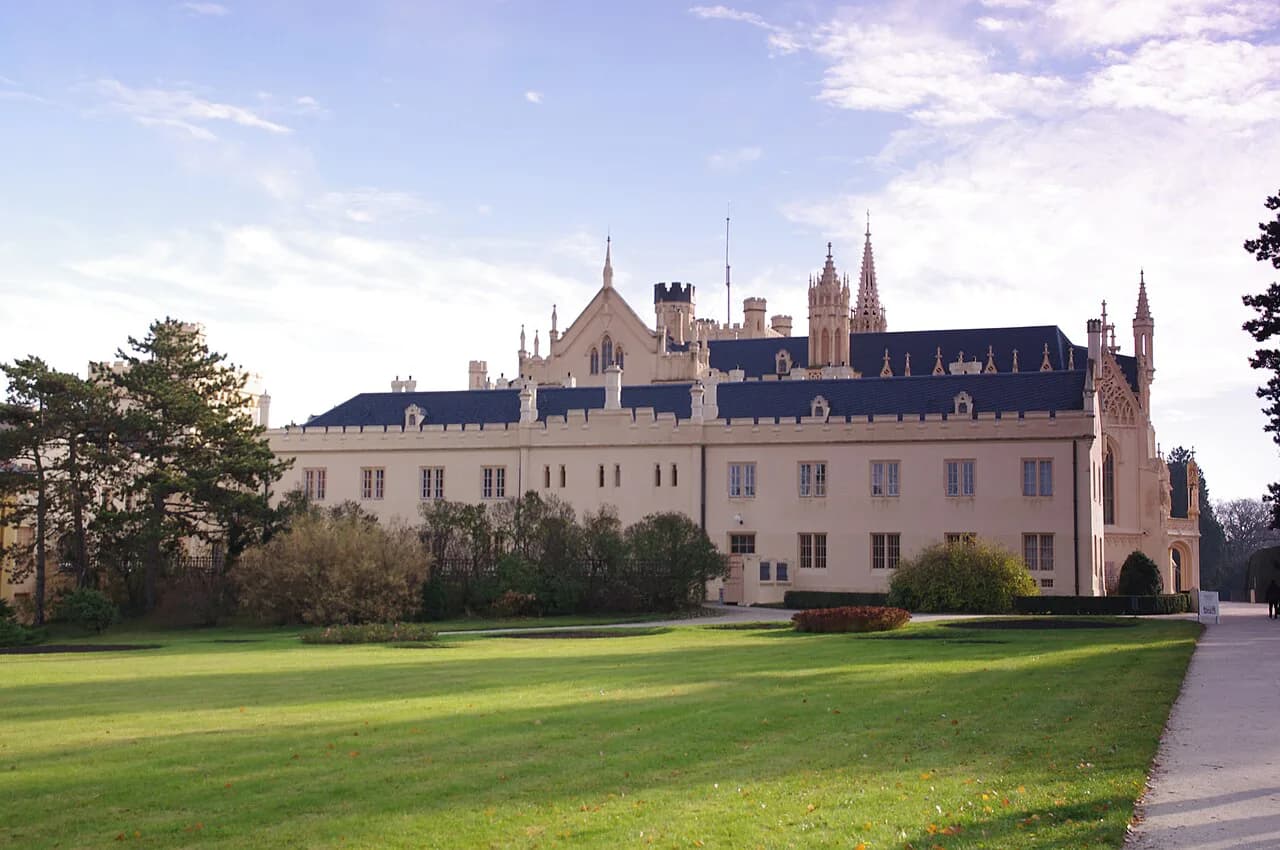
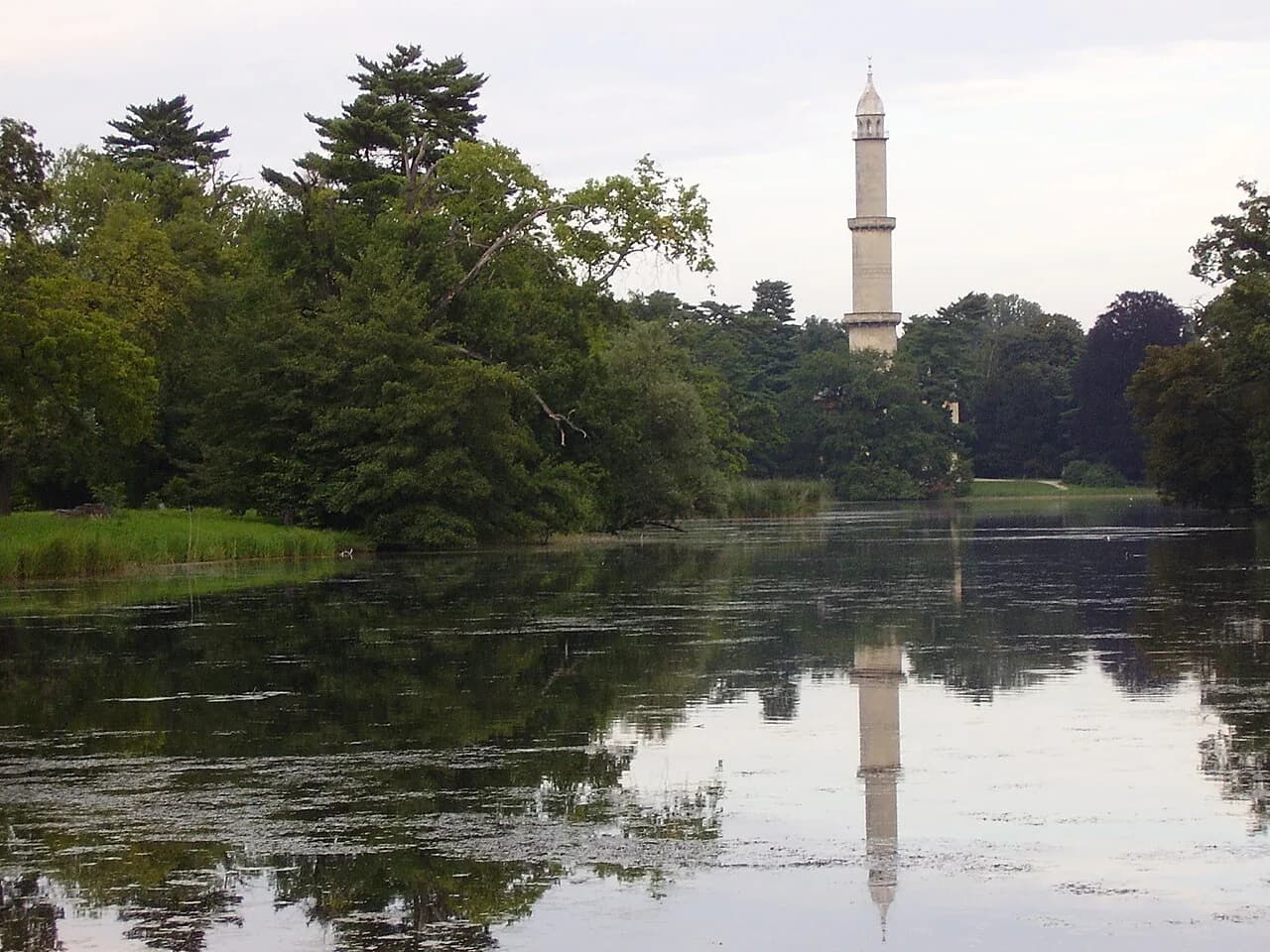
Lednice castle shows the opposite end of the spectrum, and the contrast is worth understanding before you cross the region. The minaret in the Lednice park was begun in 1797 and finished in 1804, a 60-meter tower reached by a spiral staircase of 302 steps, which is a very different proposition from a crumbling wall on a Moravian hill.
The villages that anchor a visit
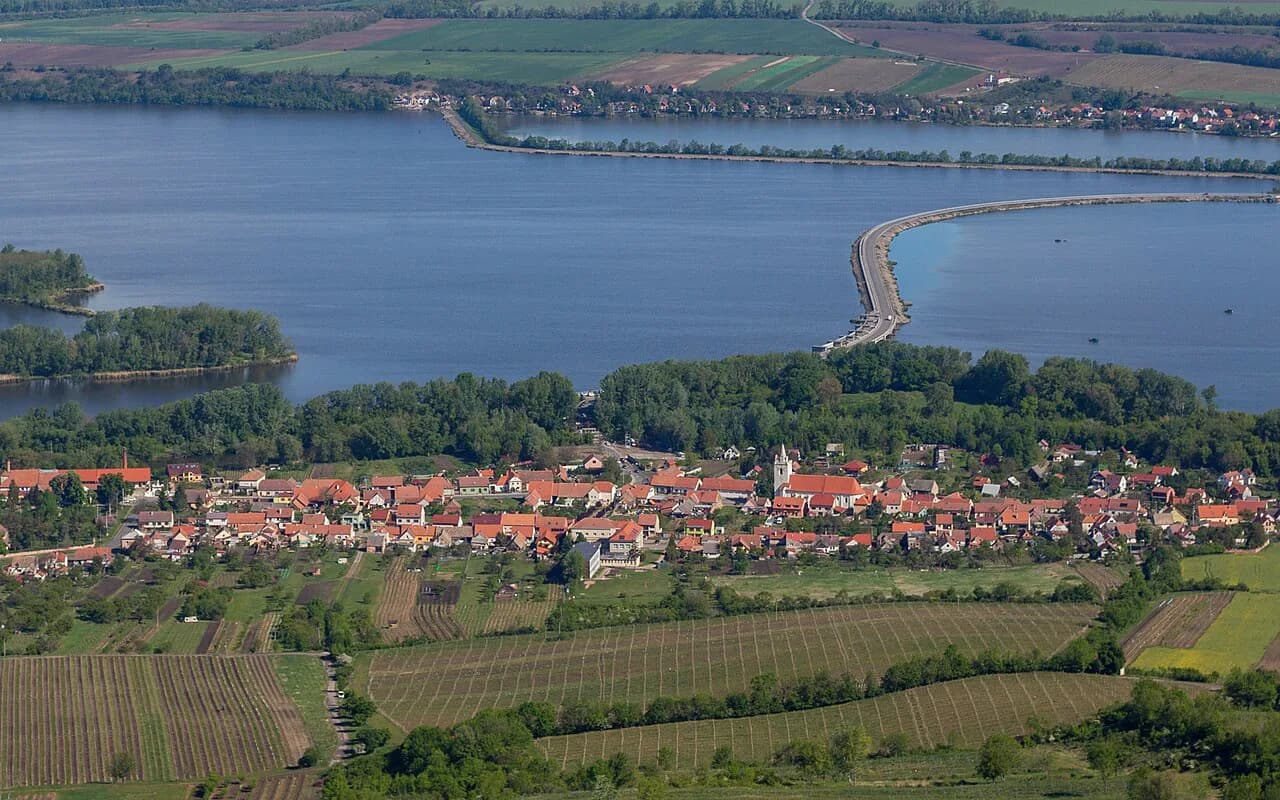
The villages below the ridge are what make Pálava navigable. Mikulov anchors the southern end with the castle, the square and the services; Pavlov sits beneath the ridge walls; Klentnice and Perná spread through the lanes on the northern flank; and Dolní Věstonice draws people for its archaeological fame and the Venus of Dolní Věstonice. Knowing which village you are aiming for turns a vague day in the hills into a plan.
Each village has a different feel, and the choice matters more than the map suggests. Mikulov is the busy one with the most to do on a rainy afternoon; Pavlov and Klentnice are quieter and closer to the walking; Dolní Věstonice suits anyone who wants the prehistoric story. Pick one as your base and treat the others as stops.
Getting there from Prague, Brno or Vienna
Brno is the practical Czech gateway. Trains run from Brno to Mikulov, and from Mikulov the villages under the ridge are reachable by regional bus, though services thin out in the evening and at weekends. A car removes that constraint entirely and lets you move between Mikulov, Pavlov, Klentnice and the Lednice area on your own schedule, which is the single biggest quality-of-life decision on this trip.
From Vienna the border is close and the drive short, so Pálava works as a day out from Austria as well as a stop on a Czech loop. From Prague, count on a longer run south with Brno in the middle; making Mikulov an overnight stop rather than a day trip is the sane choice. Check current train and bus times with the carriers before you fix a schedule, since regional services change.
How Pálava fits the wider south Moravia circuit
The strongest use of Pálava is as the western, landscape half of a south Moravia loop. Spend a day on the ridge and in the wine villages, then move east to the Lednice–Valtice Cultural Landscape for the chateaux, the parks and the minaret. The two halves are close enough to combine and different enough that neither feels like a repeat.
Beyond Lednice and Valtice, the region has more than enough for a second day. Znojmo, with its old town and its underground, sits to the west and makes a natural next stop.
The Znojmo underground is a genuine rainy-day alternative to a ridge day, and the town sits to the west as a natural next stop. If you want to compare scale, the Jihlava catacombs are described as the second largest labyrinth of underground passages in the Czech Republic after Znojmo.
Costs in CZK: what you pay for and what is free
The landscape itself is the free part: walking the lanes, looking at the ridge and wandering the villages costs nothing, and that is where most of the value of Pálava sits. What you pay for is parking, food, drink and any museum or castle interior you add, so budget for those rather than for an entry ticket to the hills.
For any specific ticket, ask at the information center in Mikulov or check the site's own page, because published prices change and a figure from last year is not a quote for today. The same caution applies to opening times at smaller sights along the ridge.
Season and timing: heat, exposure and crowds
Late spring and early autumn are the comfortable months here. Summer on the limestone is hot and exposed, with little shade on the upper slopes, so an early start matters far more than it does in a town. Winter strips the vineyards back and quietens the villages, which suits some travelers and not others.
Crowding at Pálava behaves differently from the famous Moravian set pieces. Mikulov's square and the Lednice park take the midday weight, while the villages and paths under the ridge stay calmer, so shifting your ridge time to the morning and your town time to the afternoon is a simple fix.
Where to eat and sleep in the villages
Mikulov has the widest choice of places to stay and eat, and it is the sensible base for a short visit because everything under the ridge is reachable from it. The smaller villages trade range for atmosphere and put you closer to the paths and vineyards. Book ahead in the warmer months, when the region fills with visitors.
Eating well here means eating locally: the region's kitchens lean on what grows around the villages, and a straightforward lunch in a village inn is a better use of an hour than chasing a destination restaurant. Check menus and hours on arrival rather than relying on a listing.
Is the ridge worth it if you will not climb?
Yes. Pálava rewards the traveler who never laces up boots, because the ridge is a view, the villages are the visit and the vineyards are the setting. Give it half a day from Mikulov, drive the lanes if you have a car, and use the ridge as the landscape half of a south Moravia loop with Lednice and Valtice.
Explore more Mikulov guides
Frequently Asked Questions
Where is Pálava?
Pálava is the limestone ridge immediately north of Mikulov in the far south of Moravia, close to the Austrian border. Děvín is its highest ground, and the villages of Pavlov, Klentnice and Perná sit along its foot.
Do you need a car to visit Pálava?
No, but a car makes it much easier. Trains reach Mikulov and regional buses serve the villages, with thinner service in the evening and at weekends. A car lets you move between the ridge villages and the Lednice and Valtice area on your own schedule.
Is Pálava a national park?
No. It is a protected landscape area, and the rules on marked paths and fragile slopes exist to protect habitat. Follow the signs at the pathheads.
Does visiting Pálava cost anything?
Walking the landscape, lanes and villages is free. You pay for parking, food and drink, and any museum or chateau interior you add. Ask in Mikulov or check the site's own page for current ticket prices.
Sources
Notes for your Czech trip
Optional updates to our Czech town guides.
You might also like
Continue reading
More guides you'll find useful