Lednice Castle: Tour Circuits, Tickets and the Estate Around It
Lednice Castle is a Neo-Gothic Liechtenstein chateau in South Moravia seen on guided tours. Here are the three circuits, ticket prices, gardens and season.
On this page
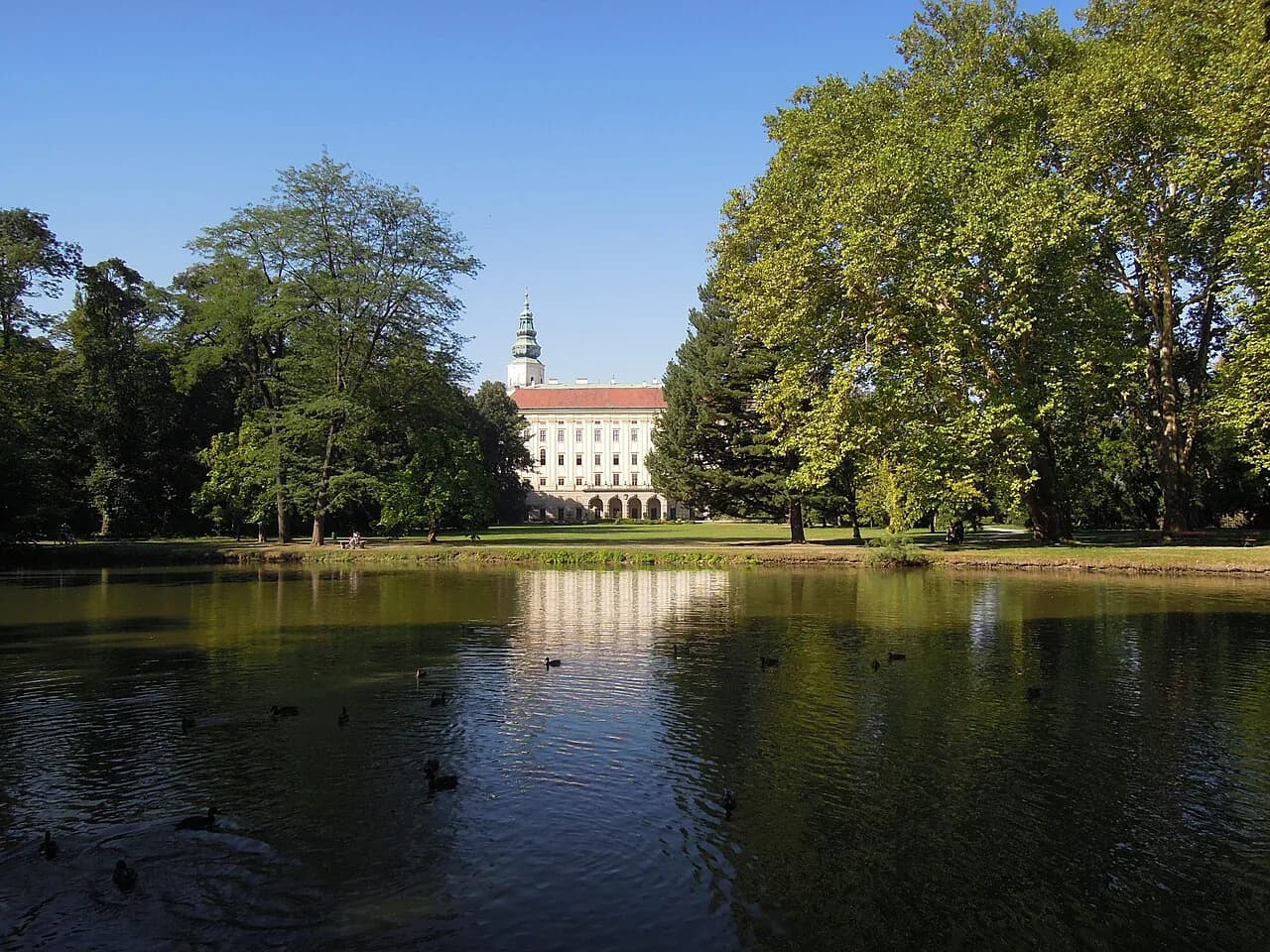
Lednice Castle is a fairy-tale Neo-Gothic chateau in South Moravia, and the interior is seen only on a guided tour that you should reserve ahead. Three separate circuits let you choose between the show rooms, the family's private apartments and a children's route, with the surrounding park, Palm House and minaret open on a different footing. This guide sets out what each circuit contains, what tickets cost in koruna, when the chateau opens, and how much of the estate to plan around it.
What Lednice Castle is
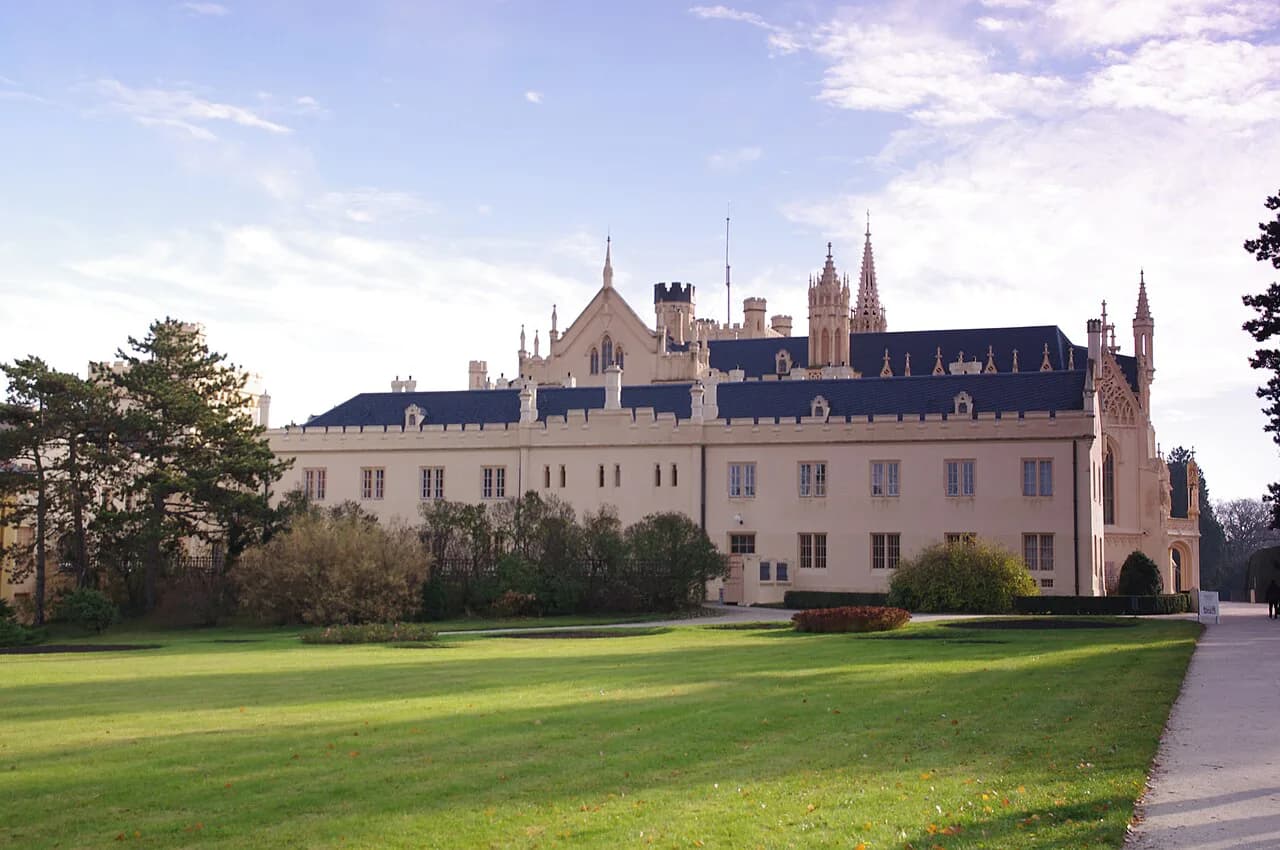
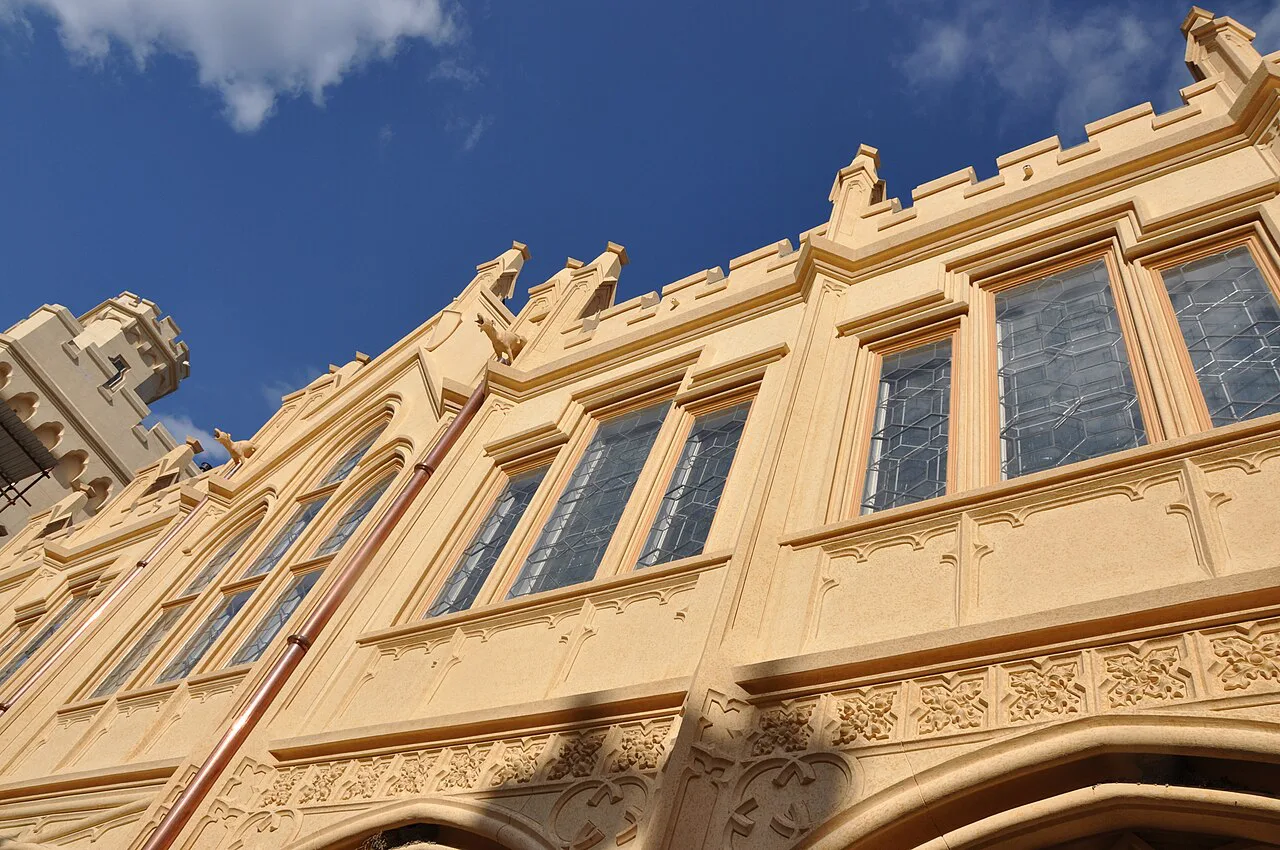
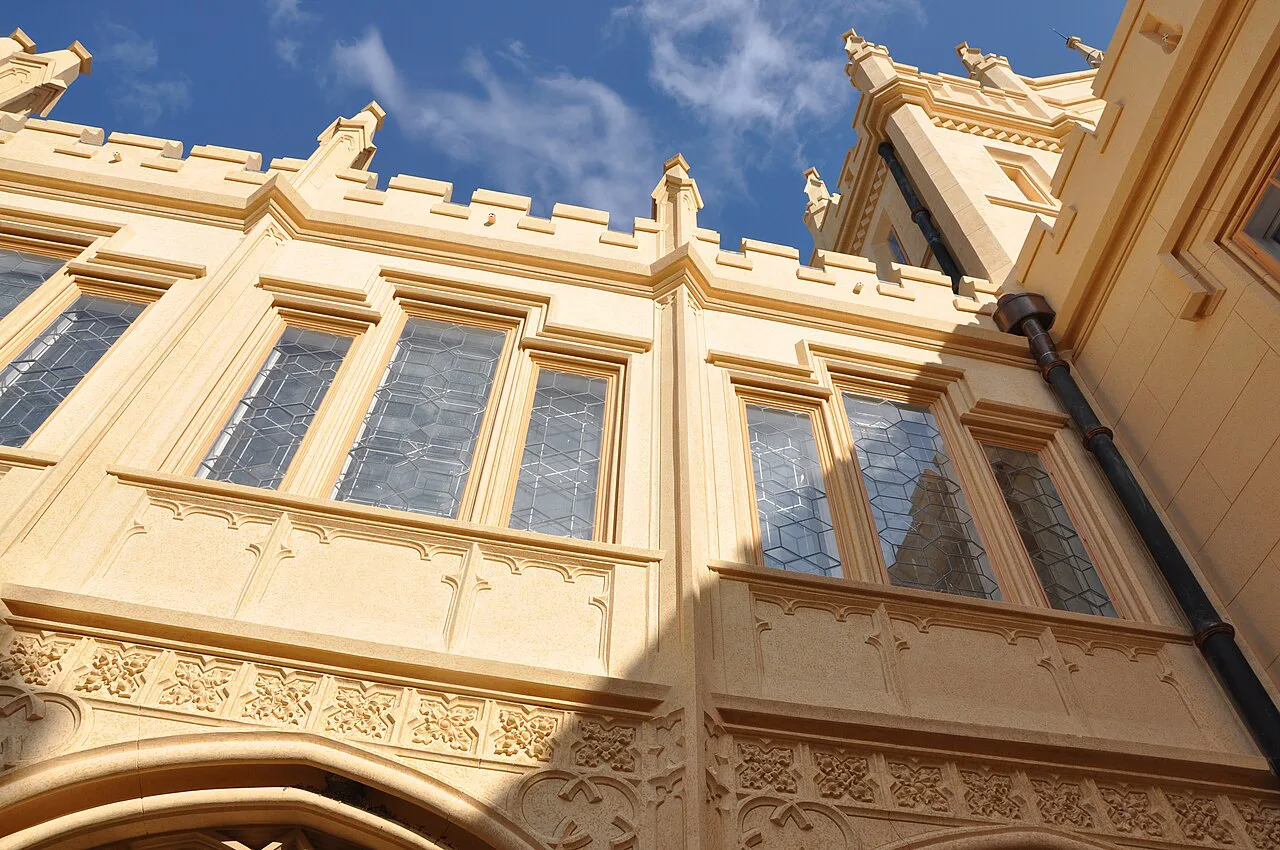
The chateau began as a Liechtenstein estate and was recast in the English Romantic Neo-Gothic style between 1846 and 1858 as a summer palace, which is why it reads more like a stage set than a fortress. The Liechtensteins held the estate for centuries, dated from 1322, until they moved away in 1938 and the Czechoslovak state took it over in 1945 and opened it to the public. Conservation work has continued since, so parts of the building may be under scaffolding when you arrive.
The chateau is the centerpiece of the Lednice-Valtice Cultural Landscape, a designed parkland of roughly 284 square kilometers that was inscribed as a UNESCO World Heritage Site in 1996 and now draws close to half a million visitors a year. Lednice, Valtice and Mikulov are the three gateways, and each suits a different pace. Lednice is the ornamental, garden-facing face of the landscape.
How the visit works
You cannot wander the chateau interior on your own: entry is by guided tour, and reservations are advised because the circuits fill. The park, the gardens and the follies outside the building work differently, with no booking needed for the Palm House or the minaret. Decide your ticket before you travel, since the three circuits are priced and booked separately.
If your dates matter, book the circuit you want in advance and keep the rest of the day flexible for the grounds. Arriving without a reservation risks spending your time in the park and skipping the rooms the chateau is known for. Tours are the standard format for Czech state chateaux, and English-language departures are not guaranteed on every circuit, so ask about language when you book.
The three tour circuits and what each shows
The representative rooms circuit covers the show spaces: the library, the Blue Music Hall and the Knights' Hall, the sequence most visitors picture when they think of Lednice. The private rooms circuit turns to the family's own apartments, furnished for daily life rather than display. The third circuit takes in the children's rooms together with the Puppet Museum, a shorter, lighter option that suits a mixed group.
First-time visitors should take the representative rooms if they take only one tour, because that is where the chateau's signature interiors sit. The private rooms reward travelers who have already seen a Czech chateau or two and want the domestic side rather than the ceremonial one. The children's circuit is the sensible pick when stamina is limited or the puppet collection is the draw.
Ticket prices in koruna
Ticket prices are reported as 300 CZK for the representative rooms, 300 CZK for the private rooms and 260 CZK for the children's rooms with the Puppet Museum. Confirm them when you reserve, since chateau pricing is revised. The English and French gardens are free to enter, and the Palm House and minaret need no reservation, with tickets bought on site.
Season and opening days
The chateau season runs from April 1 to October 31, and the building is closed on Mondays and public holidays. That makes a Tuesday-to-Sunday window the one to build a South Moravia itinerary around, and a Monday in Lednice a day for the park instead. A spring or autumn visit still gets you the gardens and grounds, which is why the shoulder weeks can be the better value.
What to look for on the interior tour
The library holds the piece most people remember: a spiral staircase carved from a single oak, assembled without nails or glue and cantilevered step by step with no central column. In the Blue Music Hall, look up at the carved Neo-Gothic wooden ceiling. The Knights' Hall supplies the medieval dressing of armor and heraldry that balances the light-filled rooms around it.
Smaller details carry much of the chateau's character, so slow down in the passages as well as the named halls. The Liechtenstein interiors mix romantic historicism with practical summer-palace comfort, and the contrast is easiest to see in the private apartments. Photography rules vary by room, so follow the guide's instructions on the day.
The Palm House
The Palm House is an iron-and-glass greenhouse from the 1840s, a cast-iron and glass structure built for the estate's plant collection and holding about 250 species of tropical and subtropical plants. It sits among the garden buildings and needs no reservation. Budget a separate half hour here rather than treating it as a corridor between the chateau and the park.
The minaret in the park
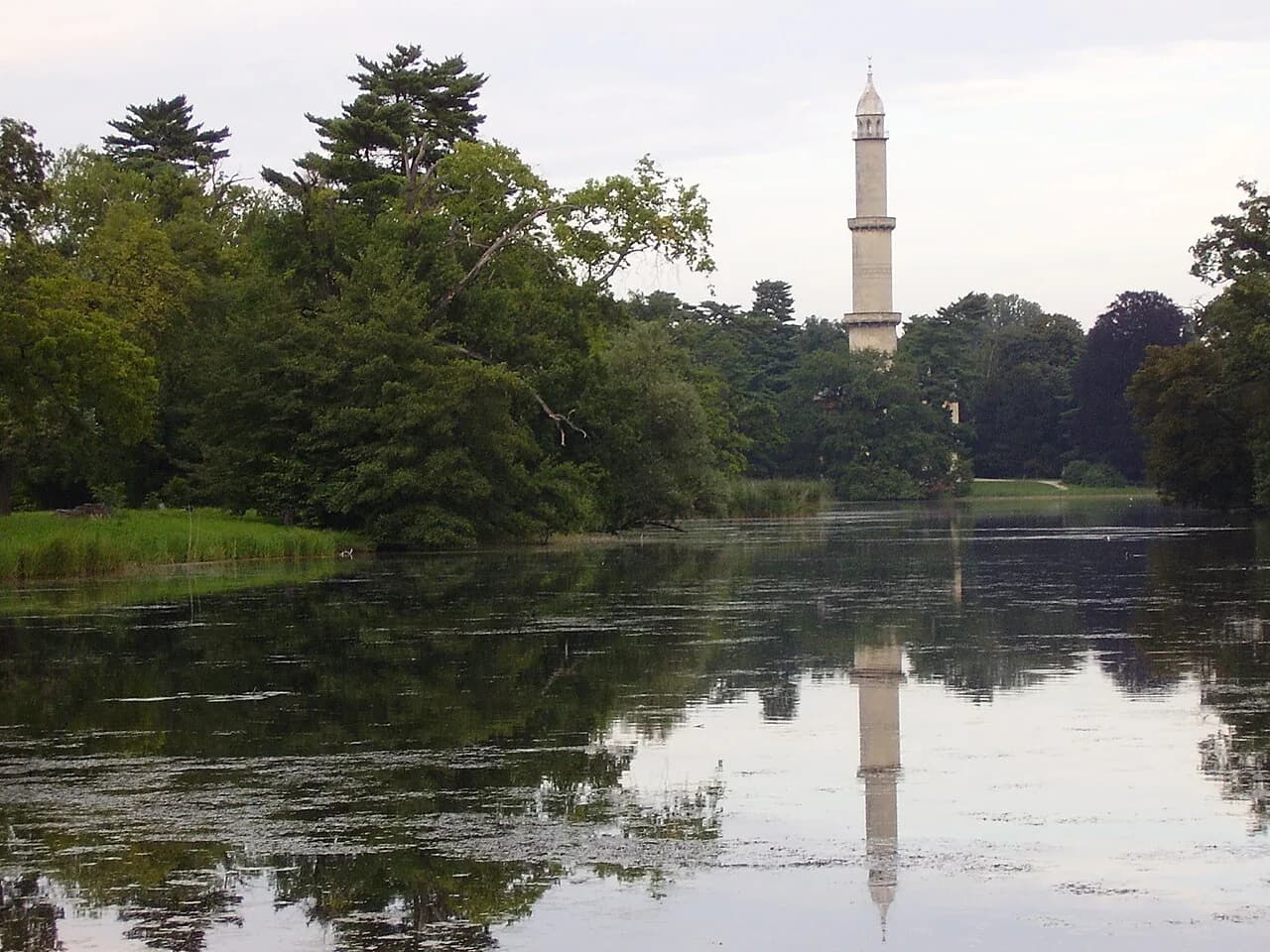
At the far end of the grounds stands the minaret, described as the tallest outside the Islamic world, with views across the UNESCO landscape and over the border into Austria. It is a folly rather than a place of worship, built to ornament the park, and it has become the estate's most photographed viewpoint. Walking there and back takes real time, so pair it with the garden paths rather than squeezing it in before a tour.
The wider estate is dotted with follies, and Janův hrad is the one to know: an artificial castle ruin built in 1801 by Joseph Hardtmuth for Prince Alois I of Liechtenstein, who wanted a romantic ruin on his land and had one constructed. It stands in the forested part of the landscape rather than beside the chateau. Reaching it is a separate excursion, which is why the distances matter more than the map suggests.
The landscape as a distance problem
The 284 square kilometers of the Lednice-Valtice landscape reward different rhythms: walking around Lednice's gardens, cycling between the follies, or driving between the three gateways. The Reistna Colonnade above Valtice is a Hardtmuth design, and the landscape guide recommends it for sunset photography. Picking one rhythm for the day beats trying to cover the whole estate on foot; the Lednice-Valtice Cultural Landscape guide is a good place to plan the pieces.
Getting there and getting around
Lednice sits in the South Moravian countryside near Mikulov and Valtice, close enough to combine but far enough apart that transport needs planning. Rail and bus services and their timetables change with the season, so check the current connections from your base before fixing your day. Driving gives the most flexibility for the follies scattered across the estate.
If you are staying in Mikulov, Lednice is a straightforward excursion, and the Mikulov Attractions: 4 Visitor Guides cover the castle, the Holy Hill and the Jewish quarter for the other half of your day. From Prague or Vienna, Lednice works best as one stop on a longer South Moravia circuit rather than a dash from either capital. Give yourself a base in the region for at least two nights.
How much time to allow
Count the guided tour as roughly an hour, then add the Palm House and the walk to the minaret, and you are into half a day before you have seen the gardens properly. Travelers who want Janův hrad or the Reistna Colonnade as well should give the estate a full day or split it across two. Lednice is not a quick chateau stop, and the park is the reason.
Where Lednice fits a South Moravia route
A sensible route links Lednice with Valtice, whose chateau and Wine Salon anchor the other half of the UNESCO landscape, and with Mikulov, where the castle and the Holy Hill give you the region's dramatic skyline. Travelers heading north can add Vranov nad Dyjí Chateau above the Dyje valley, or continue toward Znojmo and its underground passages. Each stop deserves its own half day rather than a photo pause.
The broader South Moravia guide puts Lednice in context with the region's other chateaux, towns and landscapes. Mikulov makes the most practical base for Lednice, Valtice and the Pálava Hills, which rise behind the town. Build the route around the chateau's April-to-October season and Monday closures.
Which circuit should you book?
Book the representative rooms on your first visit, reserve a time slot before you travel, and leave the rest of the day for the Palm House, the minaret and the gardens. If you are staying in Mikulov, pair Lednice with the town's own sights and treat Valtice as a second excursion rather than a same-day add-on. The one thing to confirm is the tour language and your date, since the chateau runs only from April 1 to October 31 and closes on Mondays and public holidays.
Explore more Mikulov guides
Frequently Asked Questions
Do you need to book Lednice Castle in advance?
The interior is visited only on a guided tour, and reservations are advised because the circuits fill. The Palm House, the minaret and the gardens need no booking, so you can still see the estate on a day when the chateau tours are full.
How much does Lednice Castle cost?
Reported rates are 300 CZK for the representative rooms, 300 CZK for the private rooms and 260 CZK for the children's rooms with the Puppet Museum. Confirm the current tariff when you reserve, since chateau pricing is revised.
Is Lednice Castle open in winter?
The season runs from April 1 to October 31, with closure on Mondays and public holidays. Outside that window the interiors are not open on the regular tour schedule, so plan a spring-to-autumn visit.
Can you visit Lednice Castle without a guided tour?
Not the interior. The chateau rooms are seen only with a guide, while the gardens, the Palm House and the minaret in the park are open without a reservation.
Sources
Notes for your Czech trip
Optional updates to our Czech town guides.
You might also like
Continue reading
More guides you'll find useful