Dolní Věstonice: Paleolithic Site and Archeopark Pavlov Guide
Dolní Věstonice is where the Venus figurine was found. Learn what the site is, how it relates to Archeopark Pavlov, and how to plan the museum stop.
On this page
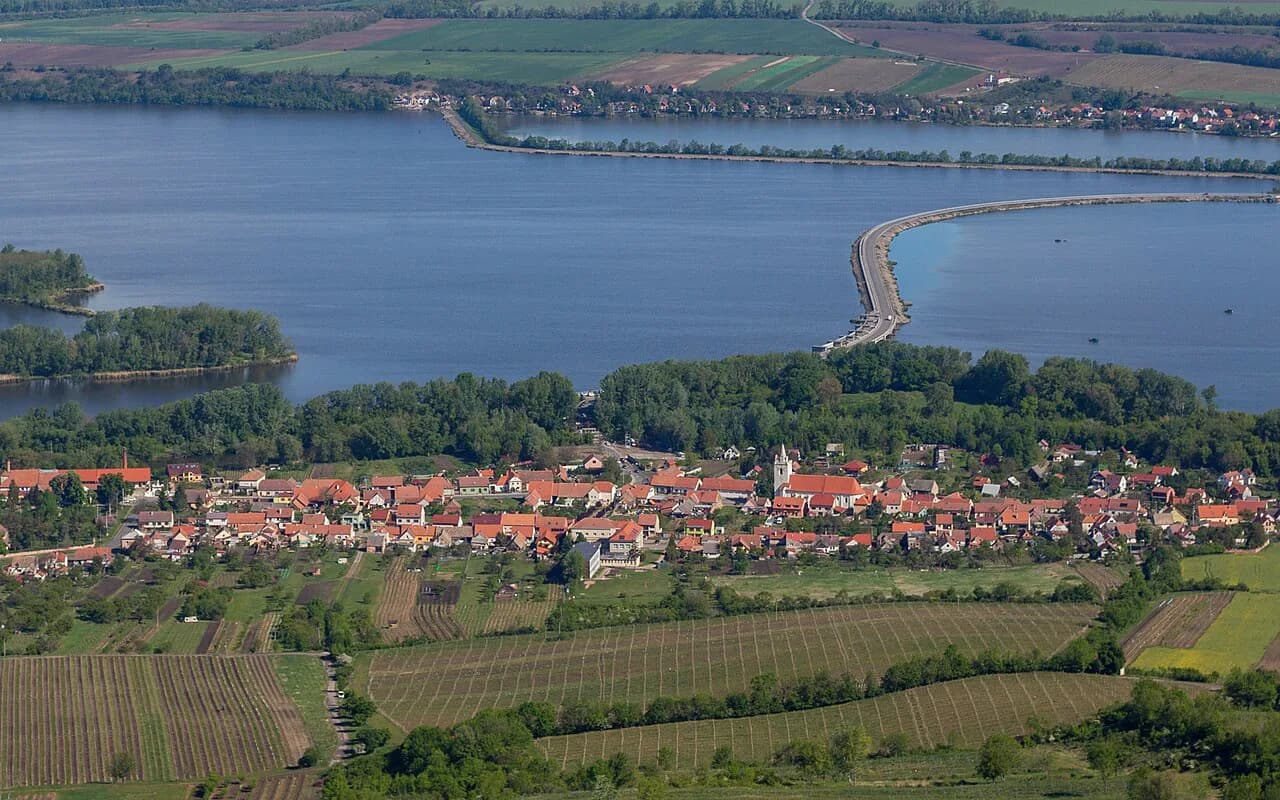
Dolní Věstonice is a small wine village under the Pálava hills near Mikulov in south Moravia, known for the Paleolithic finds made in the loess around it, including the famous Venus figurine. The village and the nearby village of Pavlov are the two points on the ground: Dolní Věstonice is where the finds were made, and Archeopark Pavlov is the museum in the neighboring village that presents the archaeology of this landscape.
This guide separates the two places so you do not arrive at the wrong one: the village and landscape at Dolní Věstonice, and the museum at Pavlov that explains the finds. It also places both within a Pálava day out from Mikulov or Znojmo. The wider region is covered in the South Moravia guide, which sets these villages among the broader cluster of small towns beyond Prague.
What Dolní Věstonice is and why it matters
Dolní Věstonice is a Moravian village at the foot of the Pálava hills, in the wine country near the Dyje (Thaya) River. It is known as one of the Paleolithic sites of Central Europe because of the finds in its loess soil, and it remains a working village with vineyards and village lanes rather than a reconstructed visitor attraction.
The valley setting explains the finds: a mild, sunny climate and fertile loess made this corner of Moravia attractive to hunters long before vineyards arrived. The broader protected landscape around the Pálava hills sits in the same corner of south Moravia as the wooded, river-cut Podyjí valley further west; VisitCzechia describes Podyjí National Park as an exceptionally well-preserved wooded river valley, the smallest Czech national park but among the most important natural sites in Central Europe.
Treat Dolní Věstonice as a place to understand rather than a place to tour. The fields, the village lanes and the museum at Pavlov carry the story, so if you want a single concrete stop, make it the museum and use the village as a short detour on the way.
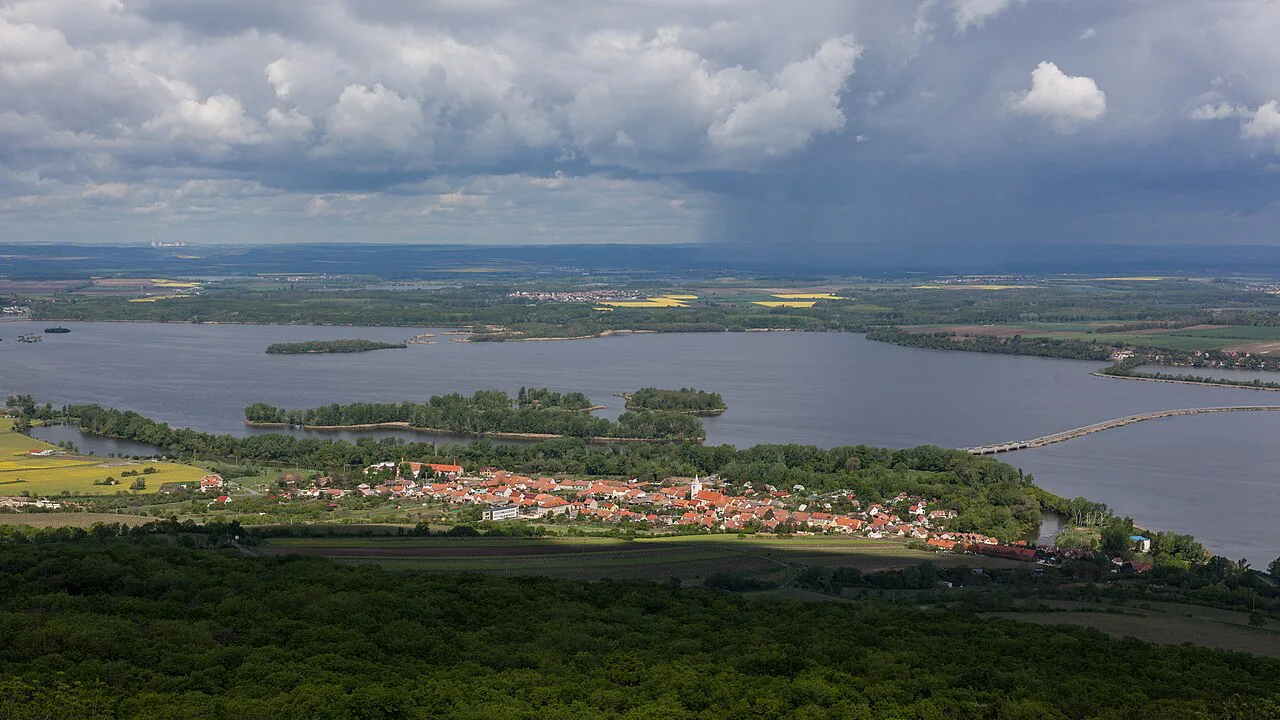
Where the site sits under the Pálava hills near Mikulov
Dolní Věstonice lies below the Pálava ridge, a few kilometers north of Mikulov. Pavlov, the village with the archeopark, sits close by, which is why a single outing can cover both without a long transfer.
Mikulov is the natural base: it has the shops, the castle and the connections, and the villages are a short drive or bus ride north. For the town itself and its sights, see Mikulov Attractions: 4 Visitor Guides before you build the day, and for the wider region see the South Moravia Travel Guide.
The landscape around the villages is protected, so expect vineyards, marked paths and small village streets rather than a large visitor complex at the site itself. Treat the car as convenient rather than essential, and check local signs for where parking is allowed.
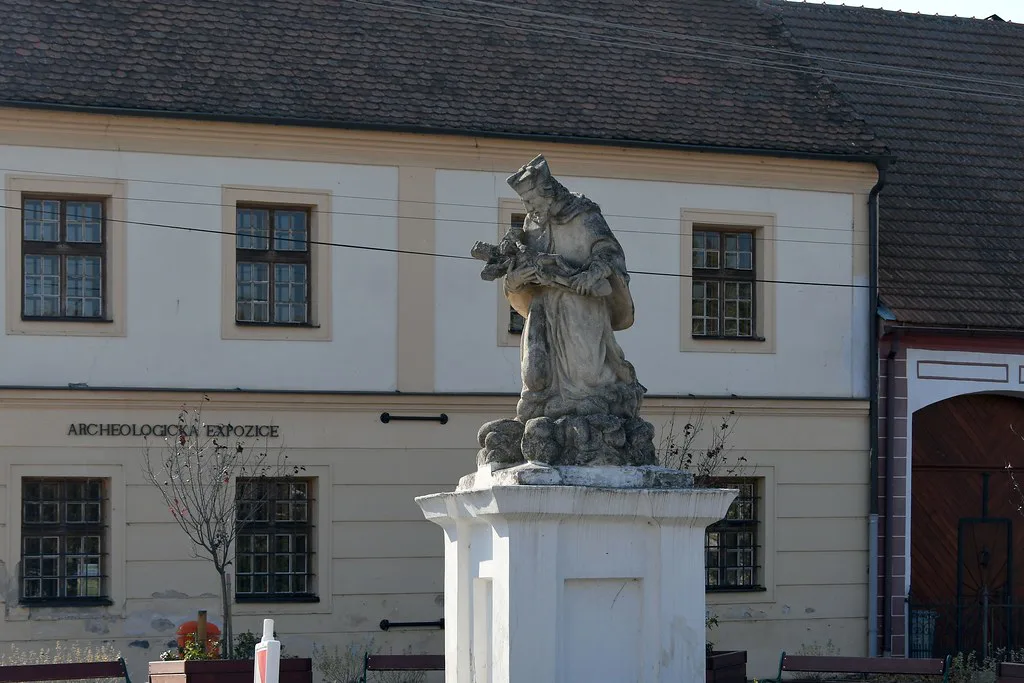
The Venus of Dolní Věstonice: what was found and what it is
The Venus of Dolní Věstonice is a small female figurine found at the site and dated to the Paleolithic. It is the object that put the village on the map and the reason travelers ask about the place at all.
The figurine is not something you see at the village; it belongs to museum collections, and the museum at Pavlov explains the story of the finds in context. If you want to see the object itself, ask at the museum which institution holds it and whether it is on display, rather than assuming.
Keep the visit grounded, because the value here is context rather than spectacle. A short museum stop with a good explanation of the finds will do more for you than a long walk across empty fields looking for a marker.
Archeopark Pavlov: the museum that explains the site
Archeopark Pavlov is the visitor museum for this Paleolithic landscape, in the village of Pavlov next to Dolní Věstonice. The building sits in Pavlov, not at the Dolní Věstonice site, so put the right name in your navigation and confirm the museum's current offer before you go.
Plan the museum as the anchor of the outing and the villages as the surrounding walk. Check the archeopark's own website and the Mikulov information center for current opening days and ticket prices in Czech koruna, and confirm whether commentary is in Czech or available in English if that matters to you.
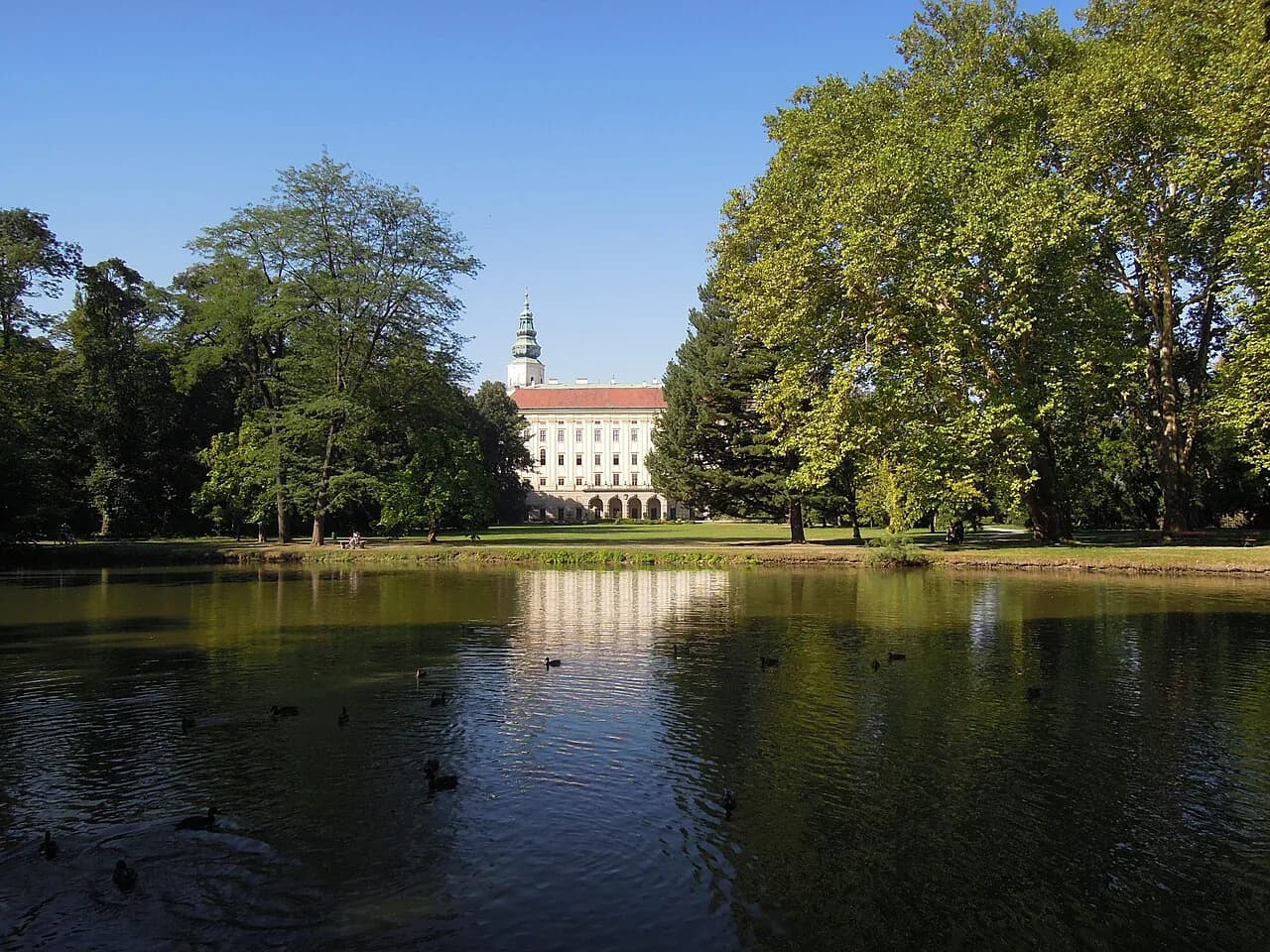
The museum is a natural companion to the region's other heritage stops, and the same day can be shaped around what is open. If your interests run to later architecture and gardens, the Kroměříž Guide covers the UNESCO-listed chateau and gardens east of here.
How to see the site and the museum in one visit
Do the museum first, then drive or walk the short distance to Dolní Věstonice to see the landscape the finds came from. That order gives you the explanation before the ground, which is the difference between a field and a Paleolithic site.
Allow roughly half a day for the pair, with the museum taking the bulk of it and the village a brief stop. If you are combining this with Mikulov's castle and square, split the day rather than cramming, and use the South Moravia Travel Guide to slot these stops into a route, and the Lednice Castle guide for the chateau and grounds further south, rather than treat them in isolation.
If the museum is closed on the day you have, the village and the surrounding Pálava paths still give you the setting, and you can return for the collection another time. That is the honest trade-off: the landscape is always there, while the museum needs to be open for the collections to make sense.
Getting there from Mikulov or Znojmo
From Mikulov, the villages are a short drive north on local roads. Znojmo is further west, so allow more time if you are coming from that side, and treat the Podyjí valley as a scenic detour rather than a shortcut.
Rail is limited in this corner of Moravia, so most travelers arrive by car or bus and use the villages as a base for the day. Check current timetables with the Czech national rail and bus operators before you commit, since service patterns can change by season and day of the week.
A car gives you the most flexibility for combining the museum, the village and a stop in Mikulov or Lednice, and the Lednice Castle guide picks up the chateau and its grounds from there. The trade-off is parking in small villages, so check local signage and arrive earlier on busy summer weekends.
How much time to allow and what to combine nearby
Half a day covers the archeopark and Dolní Věstonice comfortably, and a full day lets you add Mikulov or a stop in the Lednice–Valtice area. See the Lednice Castle guide for the chateau and its grounds, and the South Moravia Travel Guide for fitting the stop into a longer route.
For a change of scale, the chateau and town at Valtice sit within the same landscape and work as an afternoon add-on, described in the Valtice guide. Do not overplan: the archeopark, the village and one nearby town are enough for a satisfying day, and adding more turns the trip into a checklist.
Should Archeopark Pavlov be your main stop?
Yes, if you want to understand the Venus of Dolní Věstonice and the Paleolithic world beneath the Pálava hills. The village gives you the landscape; Archeopark Pavlov is where the find is explained. Plan around the museum's own calendar, confirm current opening days and ticket prices in Czech koruna on its site, and treat Dolní Věstonice as the short, worthwhile detour it is.
Explore more Mikulov guides
- Lednice-Valtice Cultural Landscape
- Mikulov Castle
- Mikulov: A South Moravian Town Guide Beyond Prague
- Podyjí National Park
- Pálava: The Limestone Hills Above Mikulov, Explained for Visitors
- Uherské Hradiště
- Valtice
- Vranov nad Dyjí Chateau
- Znojmo Underground
- Znojmo: A South Moravian Town Guide Beyond the Square
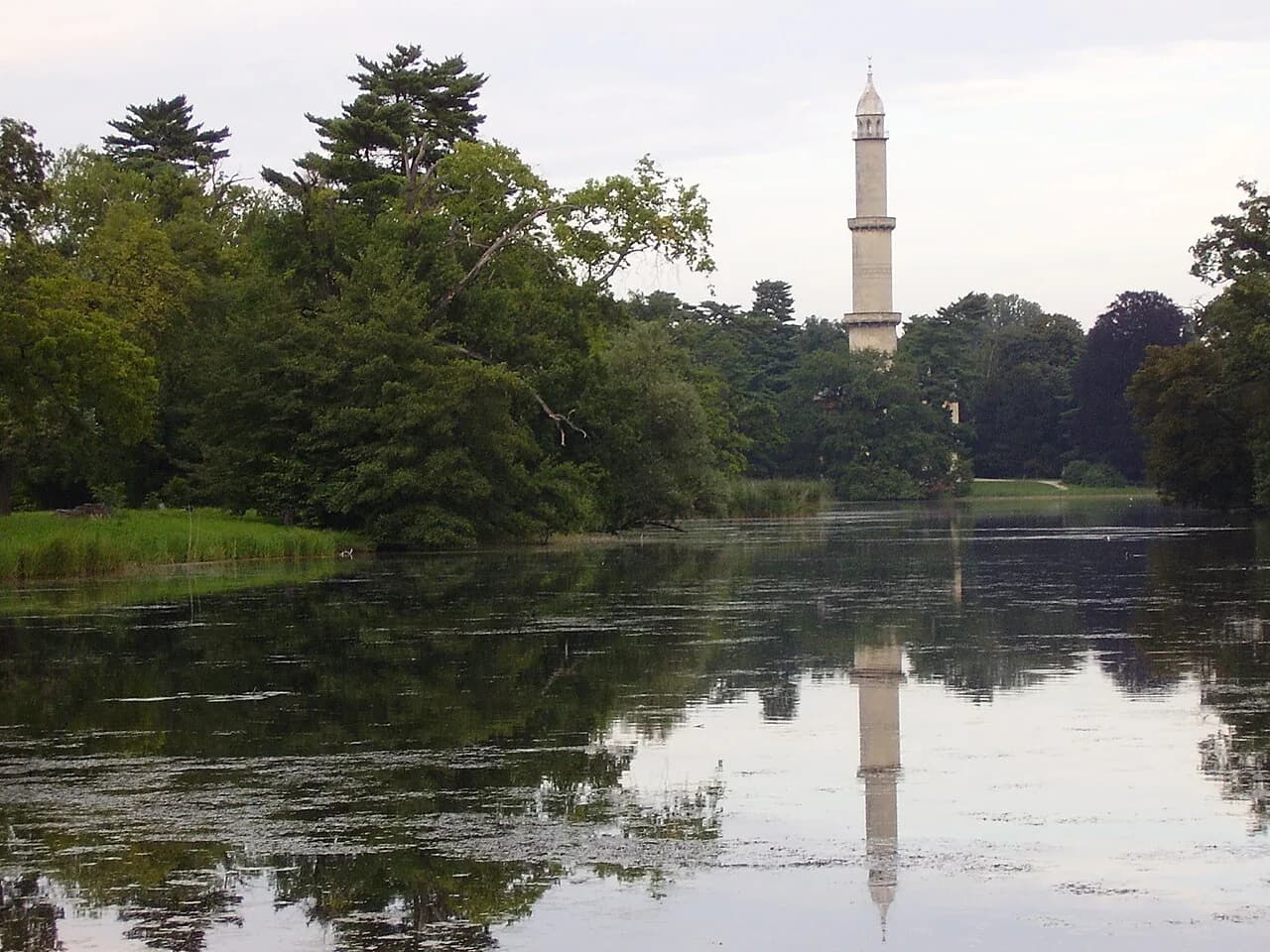
- Lednice Minaret
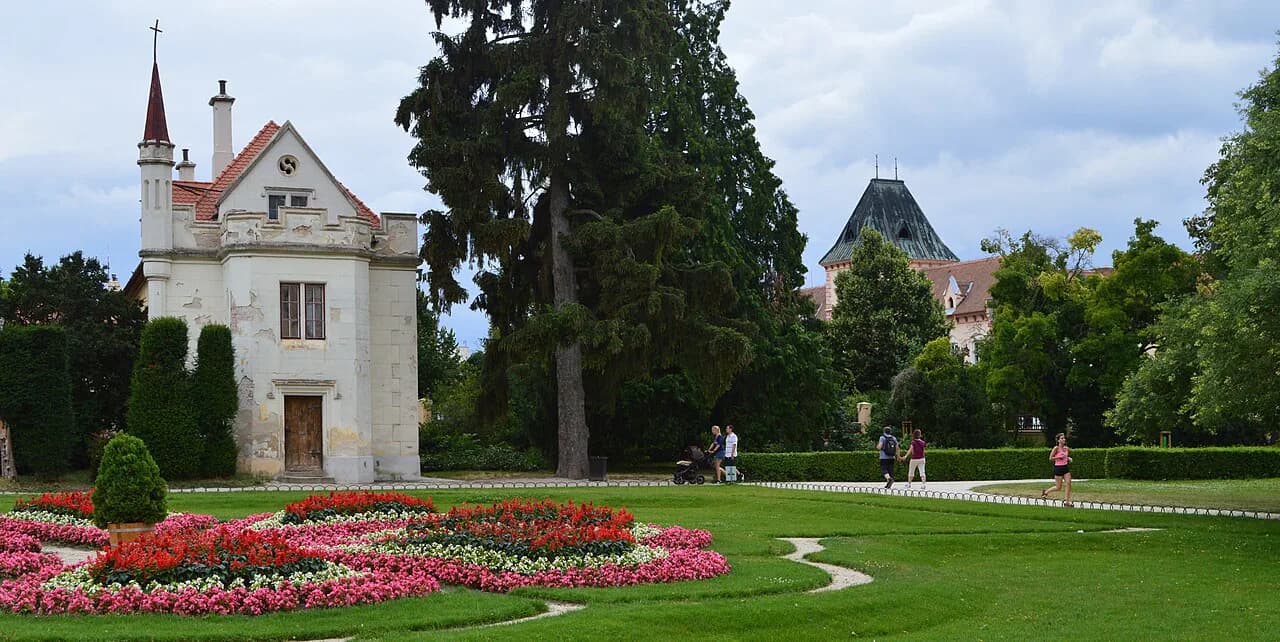
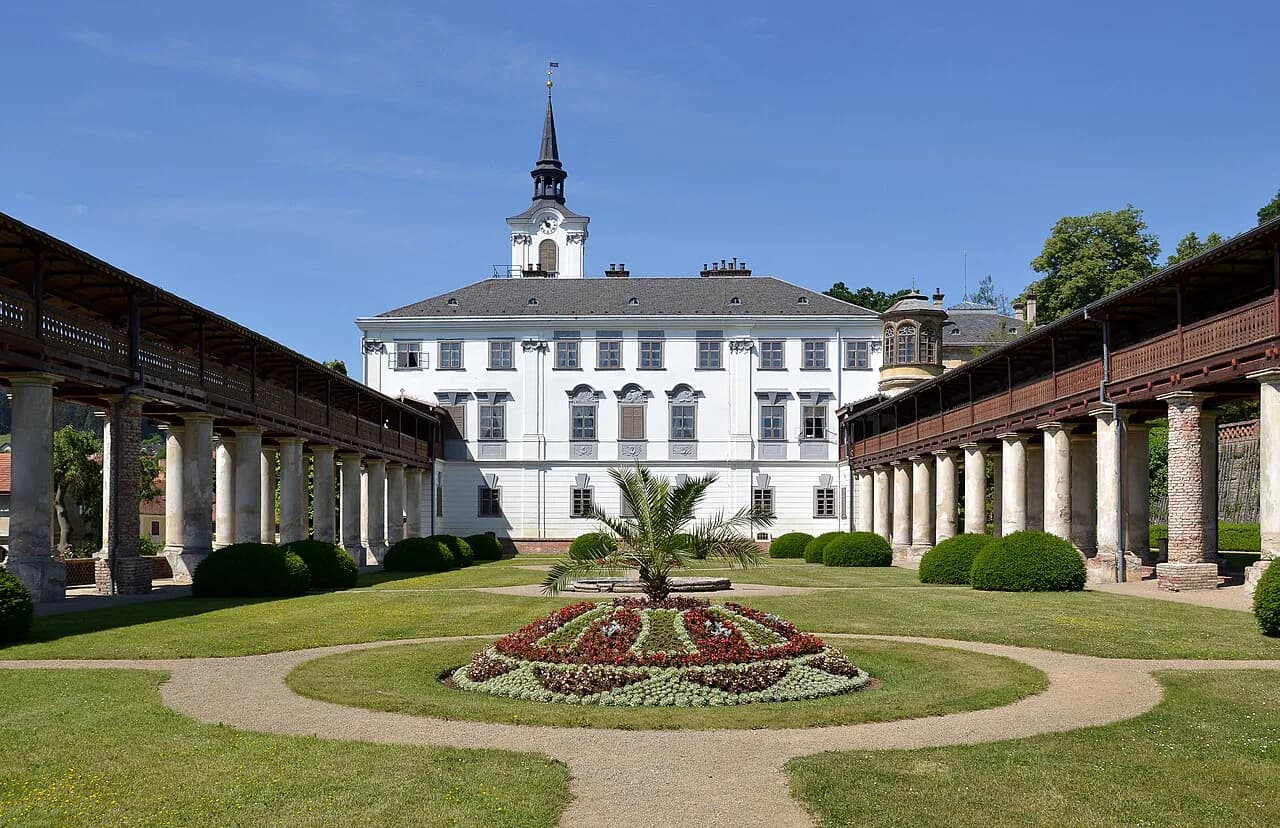
- Lysice Chateau
- Velehrad
Frequently Asked Questions
Is Dolní Věstonice worth visiting?
It is worth a stop if you are already in the Pálava area near Mikulov and want the context behind the Venus figurine. The village itself is small, so the museum at Pavlov is what makes the trip substantive.
Where is the Venus of Dolní Věstonice kept?
The figurine is held in museum collections rather than at the village site. Ask at Archeopark Pavlov or the Mikulov information center which institution holds it and whether it is currently on display, since loans and displays change.
Can you visit the archaeological site itself?
The site lies in and around a working wine village, not a reconstructed museum with gates. The interpretation and displays are at Archeopark Pavlov in the neighboring village, so plan your visit around the museum and confirm access conditions locally.
Sources
Notes for your Czech trip
Optional updates to our Czech town guides.
You might also like
Continue reading
More guides you'll find useful