Museums in Brno: Which Ones to Visit and What Each Holds
Brno's museums range from the country's second-oldest museum to a genetics room and a Romani culture collection. See what each holds and how to pick.
On this page
Pick three Brno museums, not seven. The Moravian Gallery in Brno is the country's second-largest art museum, the Moravian Museum is the second-largest and second-oldest in the Czech Republic, and the Museum of Romani Culture is described by the city's tourism board as the only museum of its kind in Europe — those three alone fill a full day. This guide sorts the city's collections by what they hold and where they sit, so you can build one walking loop instead of crisscrossing town.
Brno's museum landscape runs from encyclopedic institutions to single-subject places: a genetics museum dedicated to Gregor Mendel, a science center near the exhibition grounds, and a pavilion built around a mammoth. Several of them sit within easy reach of the things to do in Brno that already fill a first visit, which makes a museum morning easy to bolt onto the old town.
Which Brno museums are worth your time: the short answer
If you have one museum in you, choose the Moravian Gallery in Brno or the Moravian Museum, depending on whether you want art or everything else. With a second slot, add the Museum of Romani Culture for a subject you will not find covered this way elsewhere in Europe. Save the Technical Museum, VIDA! and Anthropos for a longer stay or for travelers with a specific interest.
Most visitors underestimate the walking. Brno's museums are not stacked on one square, and the Technical Museum sits in the northwest of the city, away from the center. Group the central galleries and the old town on one day, then treat the Technical Museum or VIDA! as a separate trip rather than trying to squeeze them in between coffee and lunch.
The museums set their own admission and timetables rather than sharing a citywide one, and those can shift by season and exhibition. Confirm the specific museum's opening days and current admission in Czech koruna with the institution before you go. That is the one piece of planning worth doing the night before.
Moravian Museum (Moravské zemské muzeum): the country's second-largest and second-oldest
The Moravian Museum is the second-largest and second-oldest museum in the Czech Republic, a status that goes back to an imperial decree of 1817 establishing a museum in Brno — the second in the Czech lands after Opava. Its founding is bound up with the Moravian-Silesian Society for the support of agriculture and natural sciences, and the institution still carries that breadth.
Practically, that means an encyclopedic collection rather than a single blockbuster: natural history, history and regional material under one institutional roof. Allow a half day if you intend to do it properly, and confirm which exhibitions are running when you arrive.
It is also the natural place to start if you want context before visiting castles and chateaux elsewhere in Moravia. The Brno history that shaped the city — its position as Moravia's capital, its industrial rise — is the background these collections explain.
Moravian Gallery in Brno: the second-largest art museum in the Czech Republic, plus its open depository
The Moravian Gallery in Brno is the country's second-largest art museum, and its open depository was the first of its kind in the Czech Republic. That depository is the reason to choose this gallery over another art collection: instead of a curated hang, you see how a museum stores and organizes its holdings, which suits anyone who likes the mechanics of collecting as much as the pictures.
The gallery's main building and its other sites are spread across the city center, so check which location you are heading to before you set out. If your time is short, pick one building rather than trying to cover the whole institution. Art-minded travelers should give it two to three hours.
If you would rather spend the morning outdoors, the free things to do in Brno include the squares and churches within a few minutes of the gallery, which makes a good pairing for a mixed day.
Museum of Applied Arts: the 19th-century building that now houses ART DESIGN FASHION
The Museum of Applied Arts is a Renaissance Revival building from the 19th century, and it now houses the Moravian Gallery in Brno along with the ART DESIGN FASHION concept. Come for the architecture as much as the display: the building is a landmark in its own right rather than a plain container for exhibits.
Because it is tied to the Moravian Gallery, treat it as part of the same visit rather than a separate museum. That is also where the ART DESIGN FASHION presentation lives, so travelers drawn to design and clothing should head here first.
Brno City Museum: the city's own collection since 1896
The Brno City Museum traces its history to 1896 and is the institution most directly concerned with the city itself, making it the obvious stop if you want Brno's own story rather than a national or regional collection. Confirm its current exhibitions and opening days before you set out.
Build it into a central walking day rather than treating it as a separate outing, and allow a couple of hours. Check the museum's own pages for current exhibitions and which of its sites are open on the day you plan to visit.
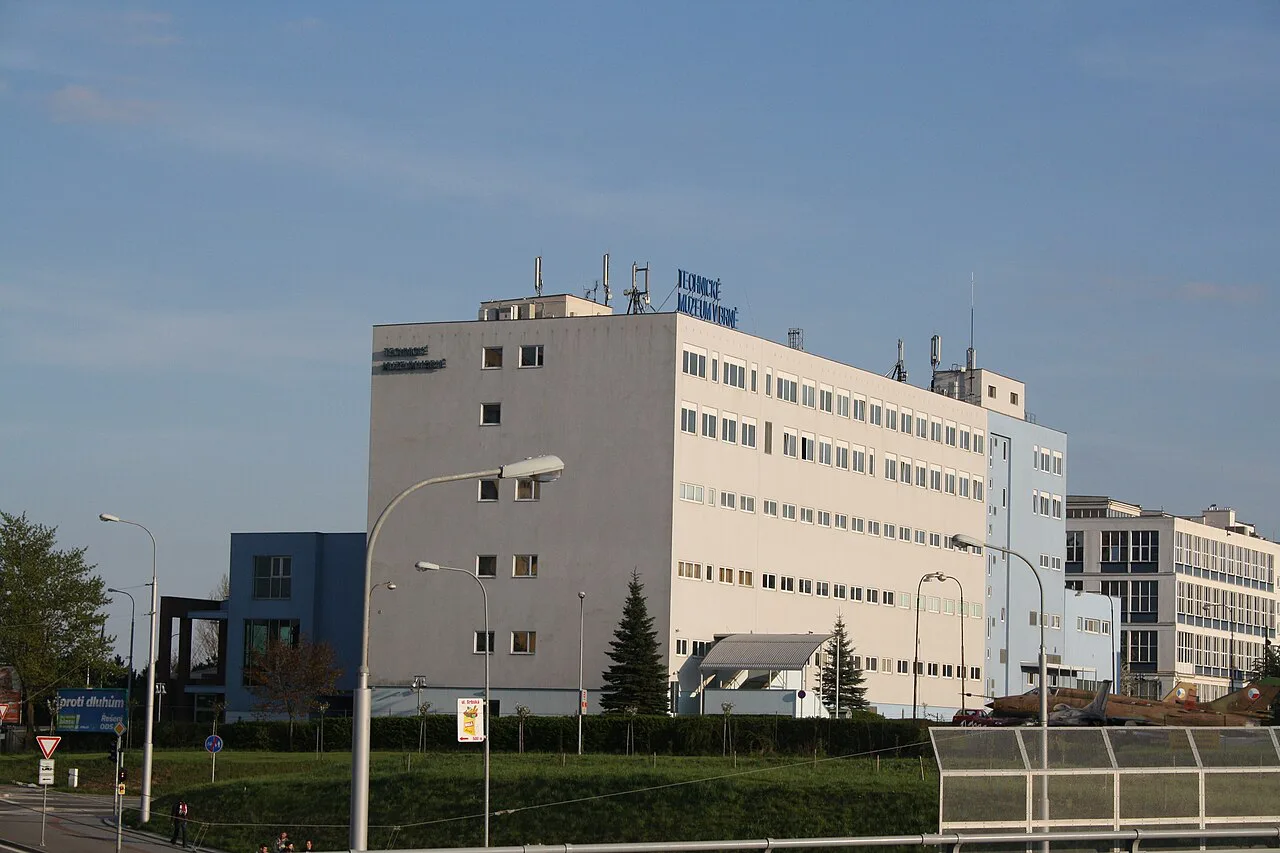
Brno Technical Museum: Moravia's largest technical museum in northwest Brno
The Brno Technical Museum is Moravia's largest technical museum and sits in the northwest of the city, away from the old town. That location is the main planning fact: it is not a place you stroll past, so decide deliberately whether to go.
It suits travelers interested in engineering, transport and industry, and it is large enough to absorb a half day. Pair it with something nearby rather than returning to the center in between. If your interests run to art and architecture, skip it without guilt.
Mendel Museum MU: where the father of genetics lived and worked
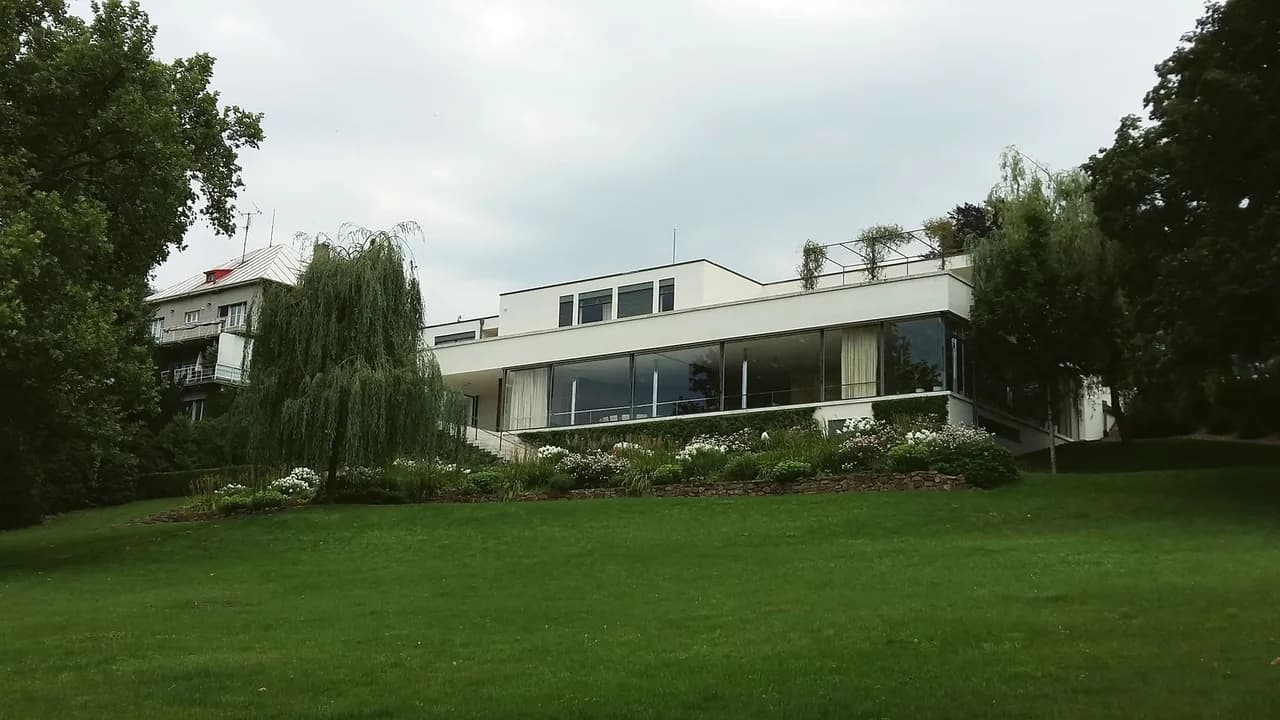
The Mendel Museum MU is the museum where Gregor Mendel, the father of genetics, once lived and worked. That single fact makes it the most focused museum in Brno: you are not browsing a broad collection but standing in the setting of one specific scientific achievement.
It is a compact visit, well under two hours for most people, and it combines naturally with the center rather than requiring its own trip. Travelers with any interest in science should put it above the Technical Museum on a short stay. Confirm the museum's opening days before you go.
Museum of Romani Culture: the only museum of its kind in Europe
The Museum of Romani Culture is described as the only museum of its kind in all of Europe, which makes it the most distinctive single reason to spend a museum morning in Brno. Its subject is Roma history and culture, treated as a collection in its own right rather than a footnote to another institution.
Give it real time rather than treating it as a quick stop, because the subject rewards reading. It fits comfortably into a central walking day alongside the old town, so confirm its opening days and plan it as a proper stop rather than a passing look.
VIDA! Science Centre near the Exhibition Grounds
VIDA! is billed as a science amusement park, and it lies close to the Brno Exhibition Grounds. That makes it the obvious pick for travelers who want hands-on exhibits rather than glass cases, and it pairs neatly with anything else happening at the exhibition centre.
It is a different kind of museum from the Moravian Museum or the gallery, so do not count it as one of your two history stops on a short visit. Think of it as a half-day in its own right, and check its schedule and admission before you travel across town.
Anthropos Pavilion: mammoth and early human history
The Anthropos Pavilion holds a giant mammoth, cave paintings and exhibits covering the oldest history of humankind. It is the one that most rewards a short, curious visit rather than a long study session.
It sits away from the central cluster, so fit it into the day you also do the Exhibition Grounds side of town. An hour or so covers it for most visitors.
Smaller collections: Diocesan Museum, Brno House of Arts, Wannieck Gallery, TIC Galleries, Mitrovský Summer Villa
Beyond the big institutions, Brno has a string of smaller places that work best as additions rather than destinations. The Diocesan Museum holds a permanent exhibition called Vita Christi on the life of Christ, while the Brno House of Arts presents itself as an open, modern institution and the TIC Galleries focus on contemporary art.
The Wannieck Gallery is one of the most significant surviving industrial landmarks in Brno, and the Mitrovský Summer Villa hosts exhibitions and concerts. If you want architecture with your art, these two give you a reason to leave the center. The Vašulka Kitchen Brno covers new media art, and the Arnold Villa stands as another piece of the city's cultural heritage.
Treat all of these as optional. On a two-day visit you will likely see one or two; on a longer stay they are what keep Brno interesting after the headline museums are done.
How the museums are spread out and how to group them in a day
Build your day in two clusters. The center holds the Moravian Gallery sites and the Museum of Applied Arts, plus the Brno City Museum, the Museum of Romani Culture and the Mendel Museum; the northwest and the exhibition-grounds side hold the Technical Museum, VIDA! and Anthropos. Do one cluster per half day and you avoid repeated tram rides.
A workable shape: gallery or Moravian Museum in the morning, lunch near the center, then Špilberk or the Romani culture museum in the afternoon. Use the Brno walking tour route to link the central stops without needing transport between them.
Ticket prices in CZK, opening days and guided-tour language
Each Brno museum sets its own admission, opening days and any guided-tour arrangements, and those change by season and exhibition. Confirm the specific museum's current admission in Czech koruna and its opening days directly before you travel, and ask whether tours are in Czech only or can be booked in English.
Where an English tour matters to you — especially at the Technical Museum or the gallery — ask ahead rather than assuming one runs on the day. Smaller institutions often arrange tours on request.
Which museum to skip if you have only half a day
With half a day, skip the Technical Museum and VIDA! and stay central. Choose one of the Moravian Gallery in Brno or the Moravian Museum, then spend the remaining time walking the center rather than adding a second ticket.
If you have already seen a lot of European art, swap the gallery for the Museum of Romani Culture, which gives you something no other Czech city offers. Either way, end the day with a coffee or a meal near the center rather than adding another ticket.
Where the museums fit around food, beer and the old town
Museums and meals pair well in Brno because the central institutions sit within minutes of the old town's squares. Plan lunch or an afternoon coffee between two visits rather than at the end of the day, when you will be tired and the best restaurants in Brno will be full.
If you want a drink after a museum afternoon, the Brno beer scene around the city's brew pubs makes a natural end to a Špilberk or gallery day, and it is a short walk from the center.
Build your Brno museum day around two collections
Choose the Moravian Gallery in Brno or the Moravian Museum as your anchor, add the Museum of Romani Culture if you have the time, and keep the Technical Museum, VIDA! and Anthropos for a longer stay. Group the central museums on one loop and the northwest ones on another, and you will spend your time looking at collections instead of riding trams across town.
Check each museum's admission and opening days for the day you plan to visit before you set out, and ask ahead if you want a tour in English. That single step removes most of the friction from a Brno museum day.
Explore more Brno guides
Frequently Asked Questions
Which Brno museum should I visit if I only have time for one?
Choose the Moravian Gallery in Brno if you want art — it is the country's second-largest art museum — or the Moravian Museum if you want an encyclopedic collection; it is the second-largest and second-oldest museum in the Czech Republic. Both are central, so either fits a single walking day.
Why is the Museum of Romani Culture worth prioritizing?
Brno's tourism board describes it as the only museum of its kind in Europe. Its subject is Roma history and culture, treated as a collection in its own right, and it sits close to the center, so it fits into a central walking day. Confirm its opening days before you go.
What does the Moravian Gallery's open depository show?
The Moravian Gallery in Brno opened the first open depository in the Czech Republic. Rather than a curated hang, it shows how the museum stores and organizes its holdings, which suits anyone interested in the mechanics of collecting.
Where is the Brno Technical Museum, and is it central?
No. The Brno Technical Museum is Moravia's largest technical museum and sits in the northwest of Brno, away from the old town. Treat it as a deliberate separate trip or pair it with the exhibition-grounds side of town rather than squeezing it between central stops.
Who was Gregor Mendel, and where can I learn about him in Brno?
Gregor Mendel is known as the father of genetics. The Mendel Museum MU occupies the place where he once lived and worked, making it a compact, focused stop that combines easily with the city center.
Do I need to book Brno museum tickets or English tours in advance?
Each museum sets its own admission, opening days and tour arrangements, and these shift by season and exhibition. Confirm the specific museum's current admission in Czech koruna and its opening days directly with the institution, and ask ahead whether a tour can be booked in English.
Sources
Notes for your Czech trip
Optional updates to our Czech town guides.
You might also like
Continue reading
More guides you'll find useful