Brno Exhibition Centre: The Výstaviště Fairgrounds and Architecture
Brno Exhibition Centre (Výstaviště) is a 1928 functionalist fairground with more than 130,000 sq m of halls, including the vast Pavilion P.
On this page
The Brno Exhibition Centre, known in Czech as the Výstaviště (VY-sta-vis-teh), is one of the largest exhibition complexes in Europe and the reason Brno is synonymous with trade fairs in Czech. It opened in 1928 on a site chosen deliberately between Prague and Bratislava, and its functionalist halls are the architectural draw even when no fair is running. This guide explains the layout, the pavilions worth studying, the recurring fairs that suit ordinary visitors, and how to reach the grounds at Výstaviště 1.
What the Brno Exhibition Centre is
The complex is run by BVV Trade Fairs Brno, which stages fairs and exhibitions on the exhibition centre grounds and provides the exhibition services around them. Its history reaches back to the Exhibition of Contemporary Culture held in 1928, the year the fairground itself first opened to mark a decade of independent Czechoslovakia. Since the 1950s the site has grown into what its organizers describe as a Central European Exhibition Centre, and the Czech word for trade fair is simply the city's name.
Size is the first thing to grasp: the grounds offer more than 130,000 square meters of net exhibition area, placing them among the world's largest exhibition centres. Around 50 trade fairs and other exhibition events take place there each year, drawing over a million visitors. That volume is why the fair calendar, not a fixed opening time, decides what you can see on a given day.
Where Výstaviště sits and how the grounds are laid out
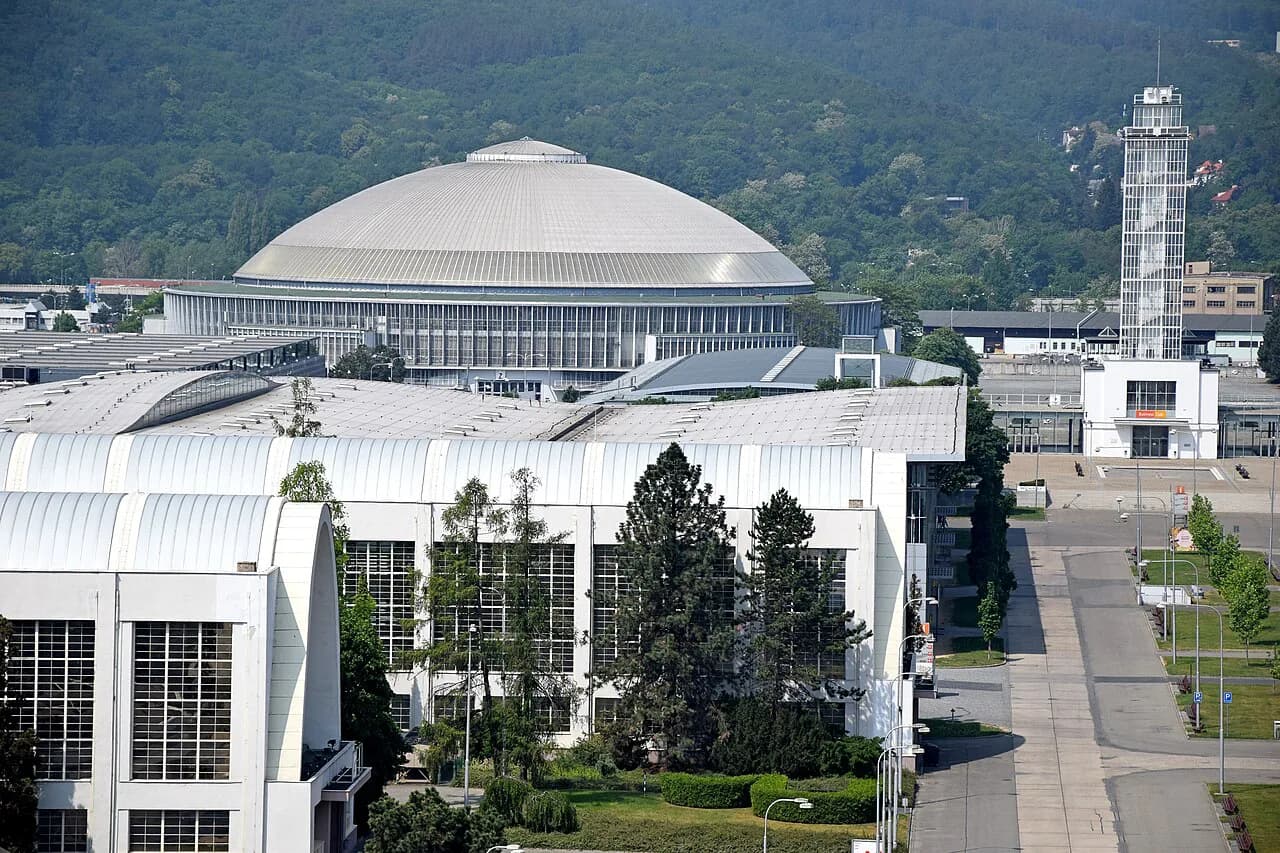
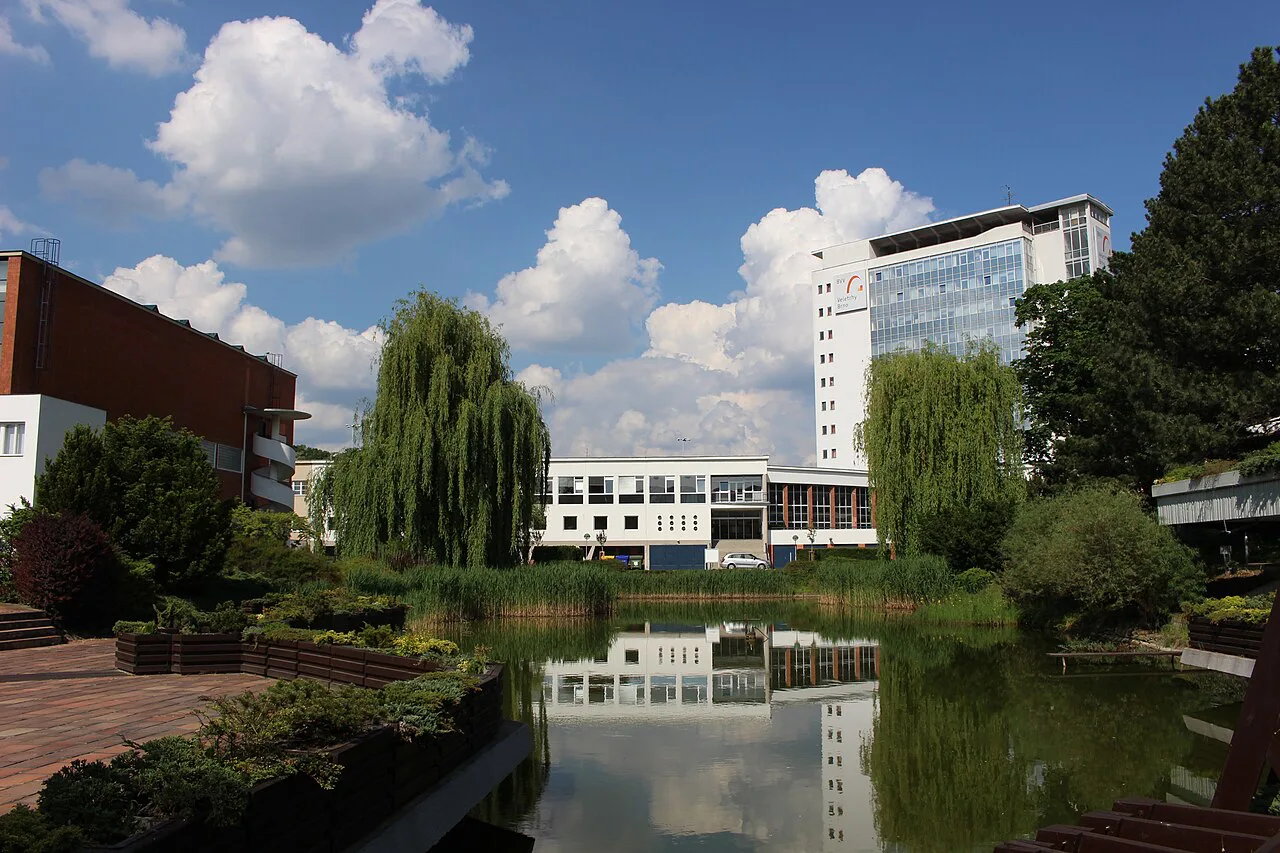
The address is Výstaviště 405/1 in Brno, a compact fairground rather than a scattered campus. Exhibition halls sit along internal fairground lanes, and several of the halls are counted among the true jewels of functionalist architecture. Pavilion P, the newest addition, opened in June 2009 with over 10,000 square meters of net exhibition area.
Treat the halls as a set of named buildings rather than one block. Pavilion Z is dominated by a monumental cupola, and Pavilion G is known for a 45-meter tower, so a circuit of the fairground is partly a lesson in reading these silhouettes. For the wider city beyond the gates, the things to do in Brno guide covers Freedom Square and the rest of the center, while the Brno old town page handles the Astronomical clock and the streets south of the fairground.
The functionalist architecture, from the 1928 halls to Pavilion P
The fairground's appeal for a visitor without a trade badge is architectural. The site opened in 1928, and the exhibition halls that followed are described as jewels of functionalist style, with a steel-and-glass vocabulary that still reads as modern. Walk the lanes between halls and you are looking at a state-building project of the First Republic as much as at an events venue.
Pavilion P is where that story reaches its largest scale. The hall measures 214 meters in length and 90 meters in width, with more than 15,000 square meters of exhibition space and capacity for 10,000 visitors. Its architect was Jaroslav Dokoupil, and the building was completed in 2009 at a cost of almost one billion Czech crowns.
Pavilion P: size, structure and acoustics
Inside, Pavilion P is built as a steel support structure with as few floor columns as possible, so the exhibition floor stays open. The shell is steel and glass, with blinds fitted into the glass sections to block daylight when an event needs it, and a separate entrance hall holds ticket offices, cloakrooms and three permanent lecture halls.
Special panelling gives the hall acoustics good enough to use it as a concert venue, which is why the fairground sometimes appears on the city's cultural calendar rather than only on trade-fair schedules. If your interest is Brno's broader museum and gallery scene, the museums in Brno guide points to collections such as the Open Depository of the Moravian Gallery.
The fair calendar: why roughly 50 events shape your visit
Access to the halls is driven by events. Because around 50 fairs and exhibitions run across the year, the sensible move is to check the organizer's current calendar before crossing town, then plan the visit around a specific fair rather than assuming a walk-in trade show. Fair dates in public listings are scheduled information and do shift, so confirm on the BVV site before booking travel.
A dated listing of events at the Brno Exhibition Centre shows how the year is structured. In October 2026 it places the MSV International Engineering Fair, the IMT machine tools show, FOND-EX and PLASTEX together at the start of the month, with Maker Faire Czech Republic later in October alongside the Gaudeamus education exhibition.
The MSV International Engineering Fair
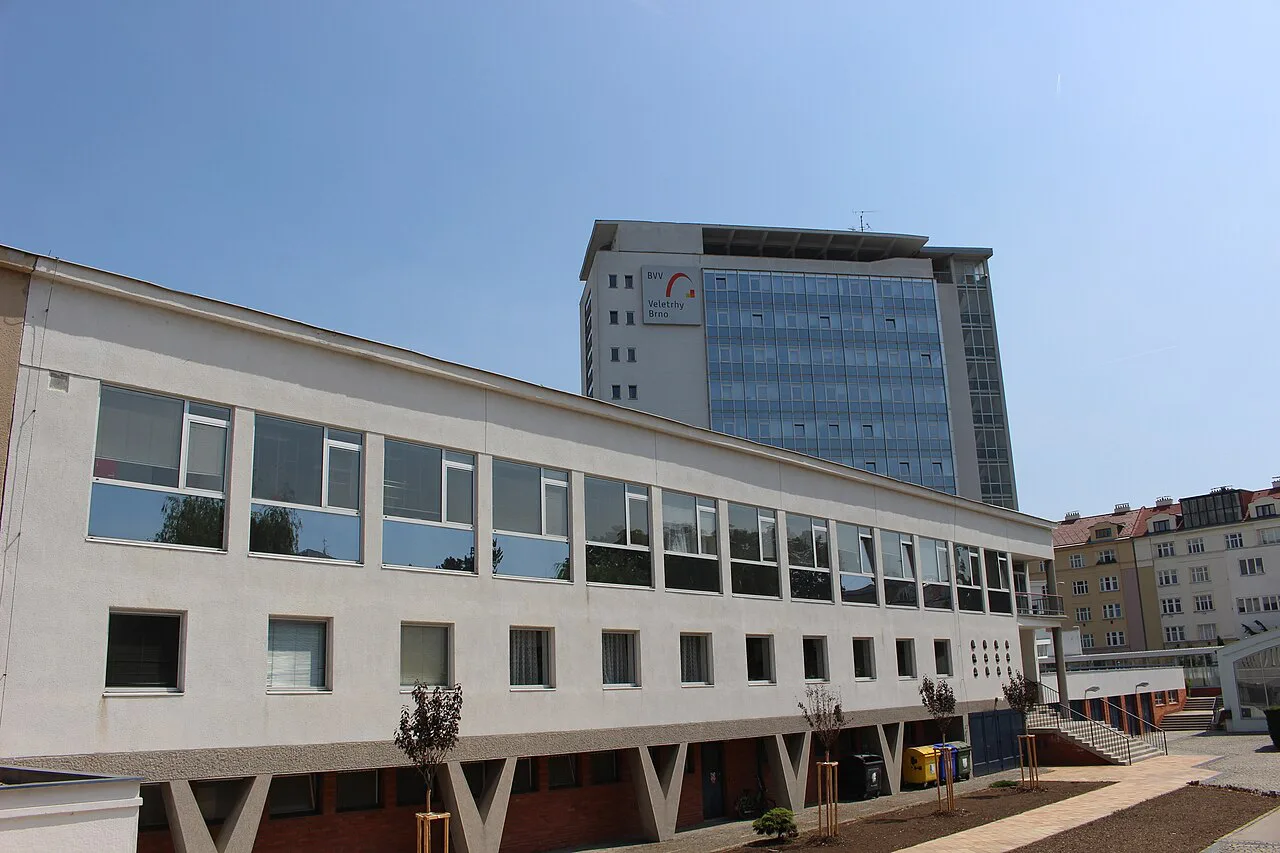
The largest and most important event of the year is the MSV International Engineering Fair, described as one of the most prestigious engineering fairs in Europe and the most important industrial fair in Central Europe. It is an annual show. Unless you work in engineering, treat MSV as the week when the fairground is busiest and hotels fill, not as your own reason to visit.
Fairs with broad appeal: Gaudeamus, Caravaning, Minerals Brno, Maker Faire
Several events are aimed at general visitors rather than trade buyers. Gaudeamus covers European higher education and lifelong learning as the Czech Republic's biggest education exhibition, while Caravaning Brno is an international caravanning show of a scale matched elsewhere in Central Europe. Minerals Brno sells minerals, fossils, jewels and natural products and runs twice a year, and Maker Faire Czech Republic is the two-day gathering of engineers, artists and hobbyists.
In the October 2026 listing, Gaudeamus runs for four days from October 20 and Maker Faire Czech Republic for two days from October 17, while Caravaning Brno falls in early November and Minerals Brno in mid-November. Those are scheduled dates from an events listing, so check the organizer's calendar before arranging a trip around them. A school-age or hobby audience will find these easier to enjoy than a closed industrial fair.
Getting to Výstaviště 1 and orienting on arrival
The fairground's location between Prague and Bratislava was a deliberate choice for exhibitors arriving from both capitals, and Brno's main rail station puts the site within a short tram ride of the center. Brno is compact, so arriving by train and continuing on public transport is simpler and cheaper than driving into a fair-day traffic jam. If your day extends beyond the gates, the Brno walking tour sketches a route through the center and up to the Cathedral of St Peter and Paul.
On arrival at Výstaviště 405/1, Pavilion P's separate entrance hall with ticket offices and cloakrooms gives you a clear starting point for orientation. The grounds are large enough that comfortable shoes matter more than a map, and the numbered halls make it easy to work from P outward. The broader Brno Attractions: 9 Visitor Guides collection helps you slot the fairground into a day that also covers Špilberk Castle and the cathedral.
What to plan around on a non-fair day
On a day without an event, the realistic plan is to see the fairground from outside as an architecture stop rather than expect to walk through the halls. The 1928 origin, the functionalist halls and the scale of Pavilion P are the reason to come even without a fair ticket. Pair the detour with the city center, where Brno history at Špilberk Castle and the Cathedral of St. Peter and St. Paul fill the rest of the day.
Meals are best planned for the center after your fairground visit, where the best restaurants in Brno guide covers the city's restaurant scene. A fair-day lunch on the grounds is a different, canteen-style experience, so decide in advance which you want.
Prices and tickets for the fairground
Admission is priced per event, and the organizer publishes ticket details for each fair rather than a single gate price. Pavilion P has its own ticket offices and cloakrooms inside the entrance hall, so buying on arrival is built into the layout.
Because the grounds host around 50 different events a year, expect each to set its own terms, including opening days and any reduced rates. Check the BVV Trade Fairs Brno website for the fair you intend to attend before you commit to travel.
Should you build your Brno day around the Výstaviště?
Build the day around the Výstaviště if an event on the calendar appeals to you, or if functionalist architecture is your reason for visiting Brno; otherwise see the halls from outside and spend the day in the center. Choose a specific fair first, confirm its date with the organizer, then arrange transport and meals around it.
Explore more Brno guides
Frequently Asked Questions
Can you visit the Brno Exhibition Centre when no fair is running?
The halls are used for fairs and exhibitions, so what you can enter depends on the event calendar. The grounds and their functionalist pavilions can still be seen from outside, but plan the interior around a scheduled fair rather than assuming open access.
How long does it take to get around the fairground?
Pavilion P alone covers more than 15,000 square meters of exhibition space, and the grounds hold over 130,000 square meters in total, so a single hall can absorb an hour or more. Allow half a day for a large fair and pick the halls you most want to see.
Which fair is best for a general visitor?
Gaudeamus, Caravaning Brno, Minerals Brno and Maker Faire Czech Republic all draw a broad public. The MSV International Engineering Fair is the biggest event of the year but is aimed at the engineering industry, so it matters most as the week when the city is busiest.
Sources
Notes for your Czech trip
Optional updates to our Czech town guides.
You might also like
Continue reading
More guides you'll find useful