Brno Functionalist Architecture: What to See and How to Visit
Brno's functionalist architecture centers on Villa Tugendhat, the UNESCO-listed Mies van der Rohe house toured by timed ticket bought in advance.
On this page
Brno's functionalist architecture is best understood through Villa Tugendhat, the house Ludwig Mies van der Rohe designed for Greta and Fritz Tugendhat in 1929–1930 and that was inscribed on the UNESCO World Heritage List in 2001. The villa is a timed-ticket interior visit, so the practical decision is which guided circuit to book before you arrive. This guide compares the three tours, covers the free garden and technical-floor exhibitions, and places Villa Stiassni alongside the rest of the city's interwar modernism.
The villa sits at Černopolní 45 in the Lužánky park neighborhood, north of the center. That location makes it a natural first stop on a modernist day in the city, with the old town and its Plague Column a manageable continuation. For the wider context of what else fills a Brno itinerary, the city's core sights are gathered in things to do in Brno.
What functionalist architecture in Brno is and why the city has so much of it
Functionalism is the interwar strand of modern architecture that treats a building's use as the starting point for its plan, its structure, and its facade. In Brno the style is not a single monument but a layer across the city, from private villas to exhibition halls and commercial buildings. The city became one of Europe's significant centers for the movement between the wars, which is why so much of it survives within a short radius.
Brno's functionalist legacy is usually presented through two villas in particular, Villa Tugendhat and Villa Stiassni, which stand as the clearest visiting experiences of the style. That pairing is a useful frame: one house is a UNESCO-listed icon, the other shows how the same architectural language produced a different domestic program. Seeing both sharpens what you notice in the buildings you can only admire from the street.
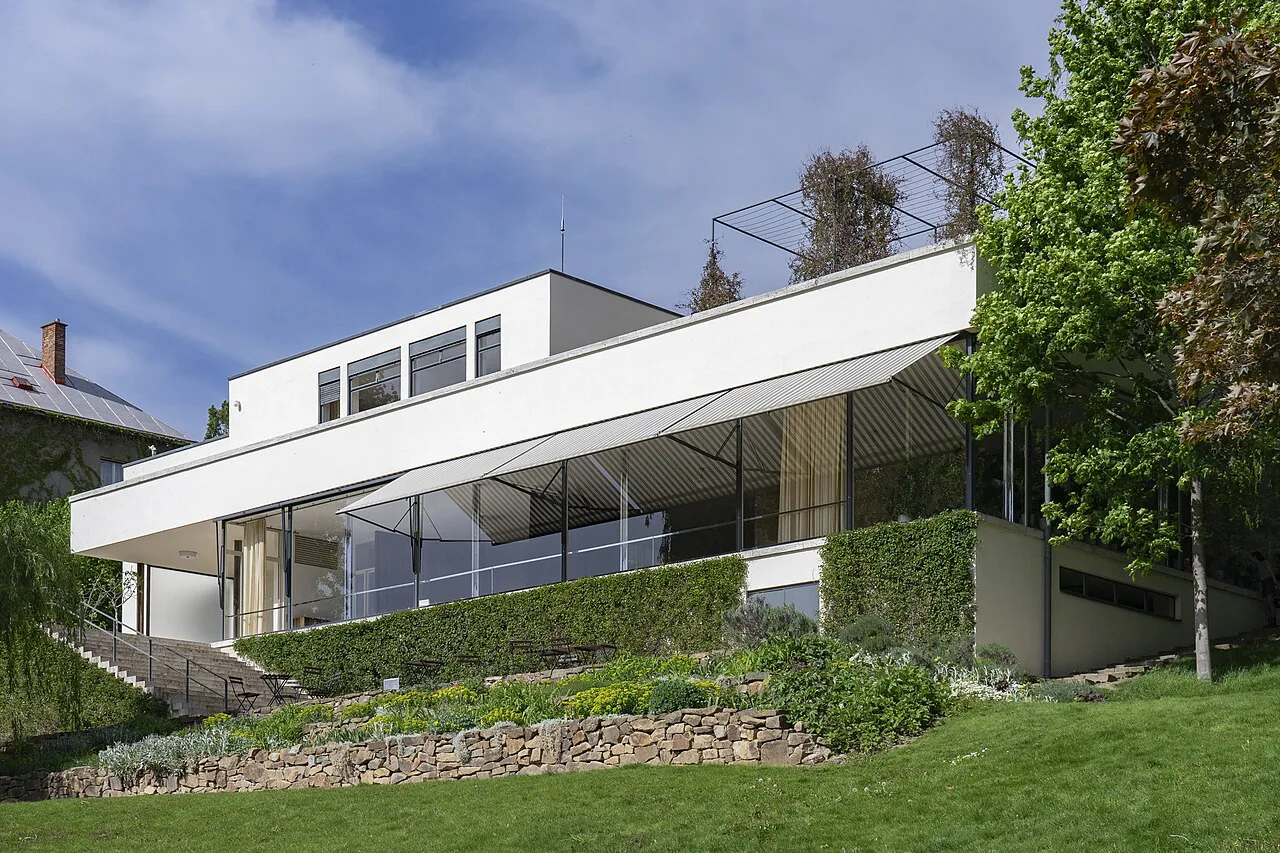
Villa Tugendhat: the house Mies van der Rohe built for the Tugendhats
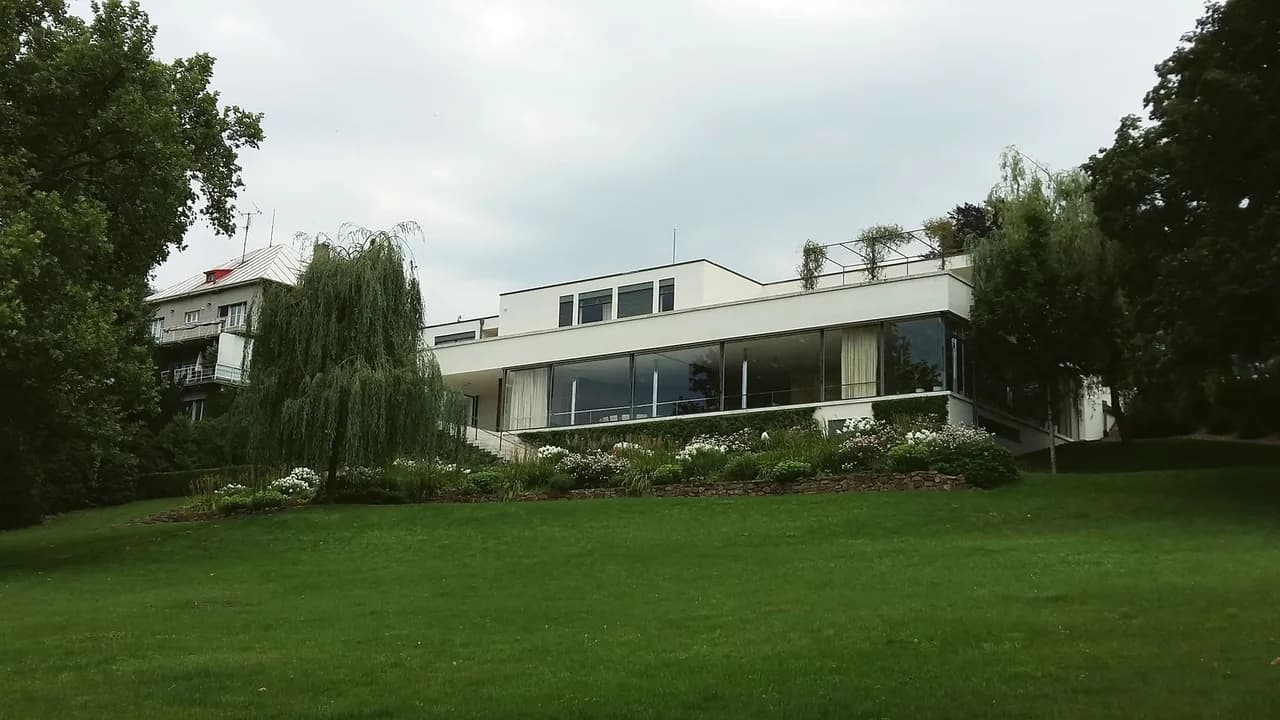
Villa Tugendhat was built for Greta and Fritz Tugendhat to a design by the German architect Ludwig Mies van der Rohe. The villa's own account emphasizes the purity of the architecture, the interpenetration of interior and exterior space, the forward-looking technical equipment, and the use of noble and exotic materials. It also stresses the high degree of preservation, which is the reason the house reads today as a coherent work rather than a reconstruction.
Those qualities earned the villa its place on the UNESCO World Heritage List in 2001, and the house was built in 1929–1930. The historical story of the family and the house is treated by the museum as at least as compelling as the cultural significance, which is why the guided tours spend time on context and on the building's history through to the present. If you want that story framed before you go, Brno history gives the city's wider background.
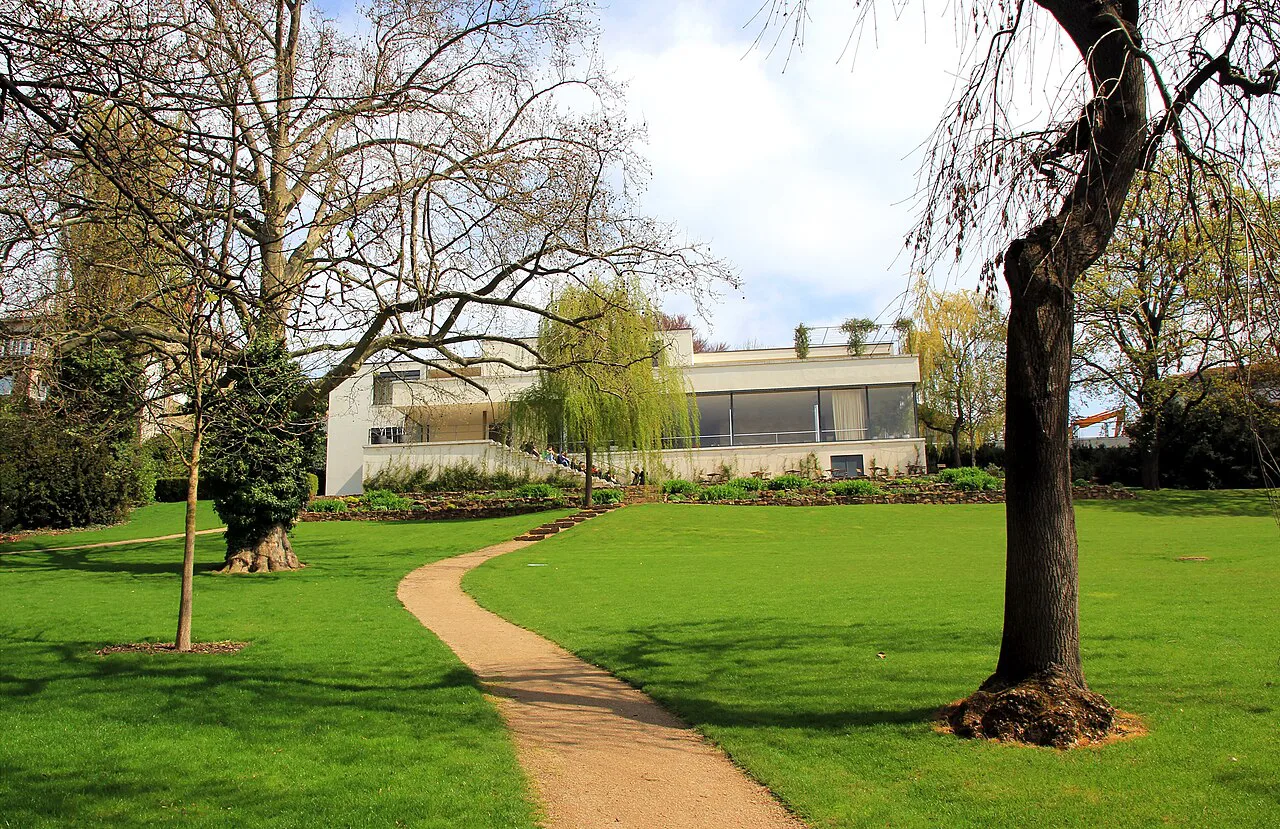
The three guided tour circuits at Villa Tugendhat and what each covers
The extended circuit is a 90-minute guided tour of the whole villa, including the technical areas, with the context of the house's creation and its history covered along the way. It is the fullest interior option and the right choice if the building's engineering and service spaces interest you as much as the living floor. The ticket also includes entry to the garden and the exhibition spaces.
The basic circuit is a 60-minute guided tour that takes in the third floor and the famous main living space, plus the story of the villa's origins and its history. It fits a tighter schedule and still delivers the room most visitors come for, with garden and exhibition access included. Choose it when you want the essential house without the technical backdrop.
The exterior tour, billed as seeing the villa from the garden, is a 40-minute guided walk onto the terraces. It explains the villa colony above Lužánky park, the house's history, and how the building connects to its garden and immediate surroundings. The listed price for this circuit is 200 Kč per person, and it is the option for travelers who want the architecture without an interior slot.
Tickets, opening days, and why you buy before you arrive
Villa Tugendhat opens daily except Monday, from 10:00 to 18:00. Interior entry is possible only with a ticket bought in advance, which makes a walk-up visit to the rooms unreliable no matter how early you arrive. Plan the tour as a fixed appointment in your day rather than an errand you slot in between other sights.
The villa's website points readers to its tours and tickets section for the complete information on the circuits and for exceptional closures. Because tour capacity, language, and availability are managed through that booking system, the practical step is to pick a circuit and a time before you build the rest of the day around it. Monday is the day to keep clear of the interior entirely.
How to reach Černopolní 45 in the Lužánky park neighborhood
The villa's address is Černopolní 45, 613 00 Brno, on the slope above Lužánky park. Use that street address for navigation rather than the house name alone, since the garden and the house are approached from the residential street. The location is north of the old town, which makes it easy to pair with the center on foot or by public transport.
Once in the center, the Brno old town and its Astronomical clock are a natural companion to the villa visit, since the interwar layer sits alongside a much older street plan. Walking between them gives you the contrast that makes Brno's architecture legible: medieval lanes, then a modernist house on a garden slope. A Brno walking tour is useful if you want the center's fabric explained before or after the villa.
The free garden and technical-floor exhibitions, and when the garden closes
During opening hours, the garden and the exhibitions in the villa's technical floor are accessible free of charge. That part of the visit is self-guided, so you can see the outdoor setting and the displays without holding a timed interior slot. It also gives a reason to come even if the tours are sold out for your dates.
The garden closes in unfavorable weather, specifically snow, ice, or wind, so a winter or stormy-day plan should not depend on it. Treat the free garden as a bonus on a mild day rather than the reason for the trip. The guided tours run indoors and remain the core of the visit regardless of the weather.
Villa Stiassni and the wider map of Brno functionalism
Villa Stiassni is the second functionalist house usually paired with Villa Tugendhat when the city's modern architecture is presented. Seeing both shows how the same interwar vocabulary adapted to different clients and sites, and it makes the street-level buildings easier to read. If you have a taste for the period's interiors and design, the museums in Brno add further indoor options for a mixed day.
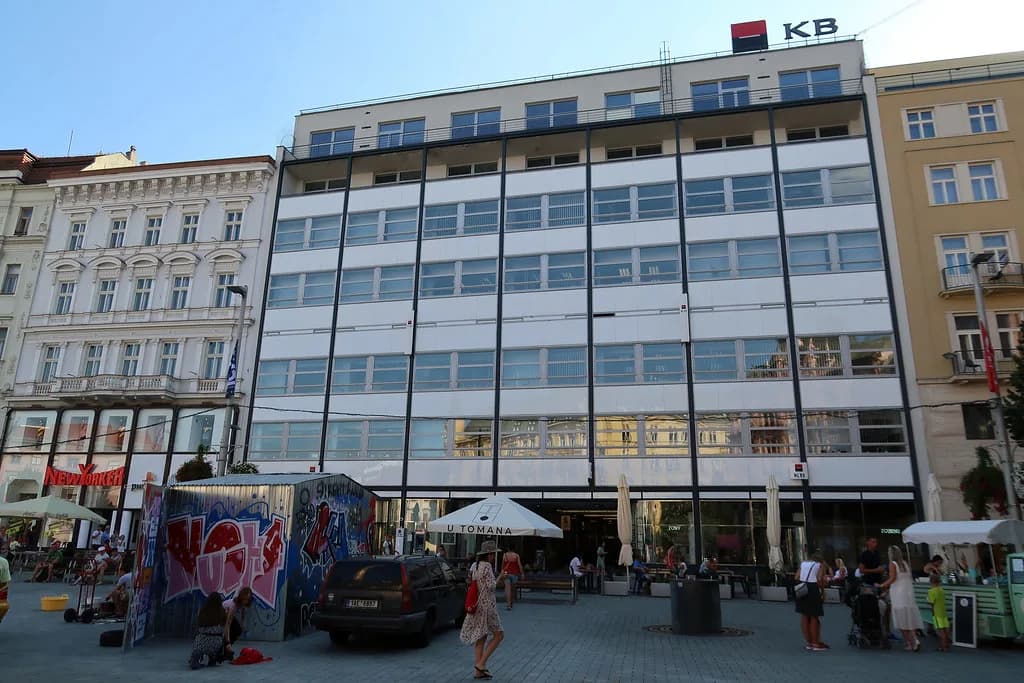
Beyond the villas, functionalism in Brno is a street-level experience: office buildings, apartment blocks, and public structures from the interwar years that you can study from the pavement without a ticket. Allow time simply to look up as you move between the center and the villa district. Brno Attractions: 9 Visitor Guides is a helpful index if you want to line up several stops in one route.
How much time to give the villas and how they fit a Brno route
At Villa Tugendhat the minimum is the 60-minute basic circuit, while the 90-minute extended tour and the 40-minute exterior walk bracket the choices by depth. Add time for the free garden and technical-floor exhibitions if the weather allows, and add travel time between the villa and the center. A realistic modernism half-day is one booked Tugendhat tour plus the garden, with the old town in the remaining hours.
If you add Villa Stiassni, treat it as a second fixed stop rather than something you squeeze in after the first, since each house is a separate visit. The result is a day built around two set times with the city's streets and squares filling the gaps. That structure suits Brno, where the interwar architecture is spread out rather than concentrated in one quarter.
What to expect from a guided tour: language, group size, and pacing
All three Villa Tugendhat circuits are guided, and the tours cover the context of the house and its history through to the present rather than only the furniture and finishes. The extended circuit reaches the technical background, the basic circuit concentrates on the main living floor, and the exterior tour stays on the terraces and in the garden. Pacing follows the circuit length, so the 90-minute tour is the one that lets the building's systems and story breathe.
Interior entry depends on the advance ticket, so arrive for your booked slot rather than relying on a walk-up. Reserve the circuit and time on the villa's website before you commit the day, and confirm the details of that booking directly with the villa. Because the interior is sold by timed ticket, the tour is the fixed anchor around which the rest of the day is planned.
Which Tugendhat tour should you book?
Book the 90-minute extended circuit if the house itself is the reason for your trip, the 60-minute basic circuit if the main living space and the family story are enough, and the 40-minute exterior tour at 200 Kč per person if you want the terraces and garden without an interior slot. All interior visits require a ticket bought in advance, and Monday is closed. Fit the booking around the free garden and technical-floor exhibitions, then let the old town fill the rest of the day.
If you are building a fuller Brno itinerary around the villas, the city's other sights are collected in Things to Do in Brno, and the center's older architecture is covered in Brno Old Town. Reserve the tour first, then plan the walking and the rest of the day around that fixed time.
Explore more Brno guides
Frequently Asked Questions
Why is Villa Tugendhat famous?
It is a Mies van der Rohe house built in 1929–1930 for Greta and Fritz Tugendhat, praised for the way interior and exterior spaces interlock, for its technical equipment, and for its surviving materials and high level of preservation. Those qualities led to its inscription on the UNESCO World Heritage List in 2001.
Can you visit Villa Tugendhat without a tour?
The interior is entered only with a guided tour and a ticket bought in advance. The garden and the exhibitions in the technical floor are accessible free of charge during opening hours, and the garden closes in snow, ice, or wind.
When is Villa Tugendhat open, and how long are the tours?
The villa is open daily except Monday, from 10:00 to 18:00, and interior entry requires a ticket bought in advance. The guided circuits run 90 minutes (extended), 60 minutes (basic) and 40 minutes (the exterior tour of the terraces and garden).
Sources
Notes for your Czech trip
Optional updates to our Czech town guides.
You might also like
Continue reading
More guides you'll find useful