Boskovice: Castle Ruin, Chateau and Jewish Quarter
Boskovice packs a Gothic castle ruin, an Empire chateau and one of Moravia's best-preserved Jewish quarters into a small town north of Brno.
On this page
Boskovice rewards a half day: a Gothic castle ruin on a forested spur, an Empire chateau in a landscaped park and one of Moravia's best-preserved Jewish quarters all sit within a few minutes of each other above a town of roughly 12,000 people. The trick is the topography, because the sights stack up a slope rather than spread across a flat square, so the order you walk them in decides how much climbing you do. This guide covers each sight in turn, then the layout, the Brno connection and a realistic time budget.
What Boskovice is and where it sits
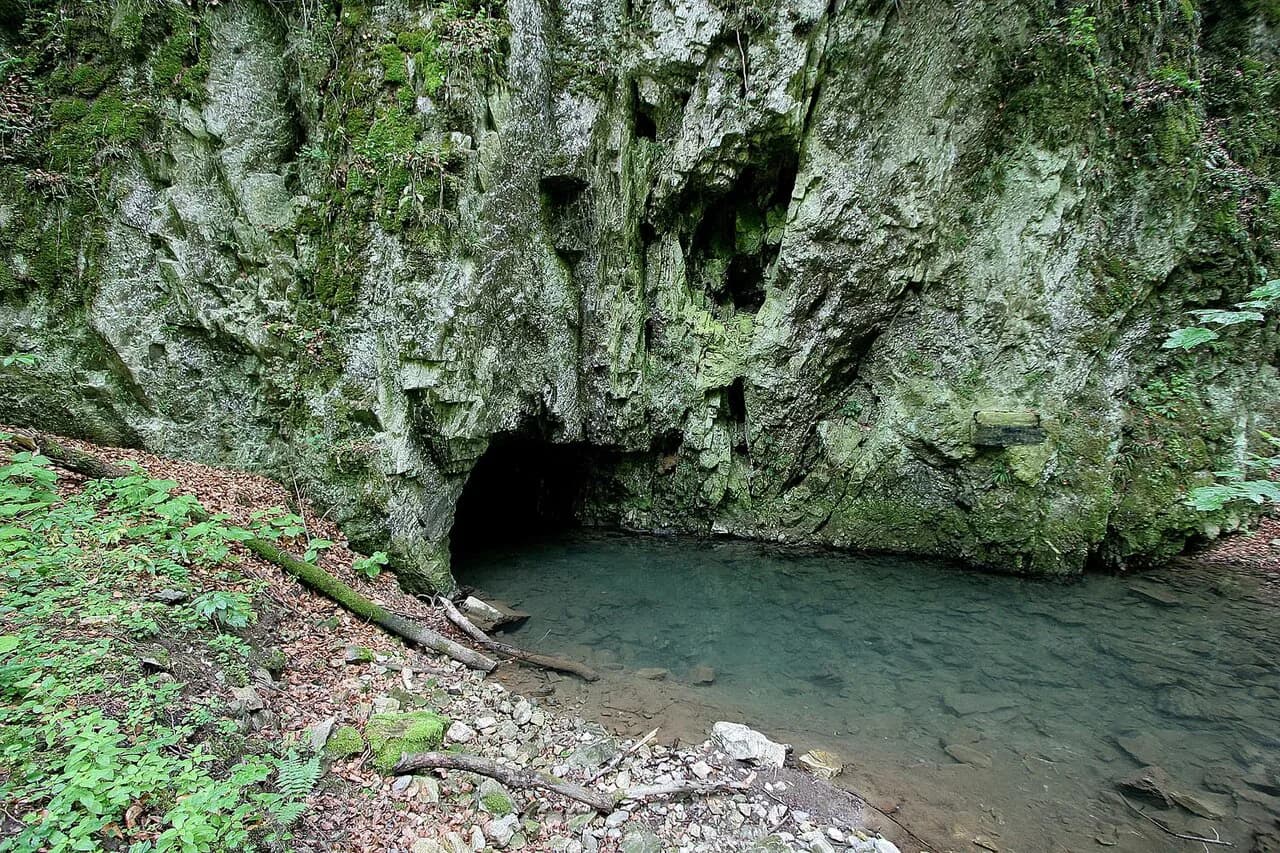
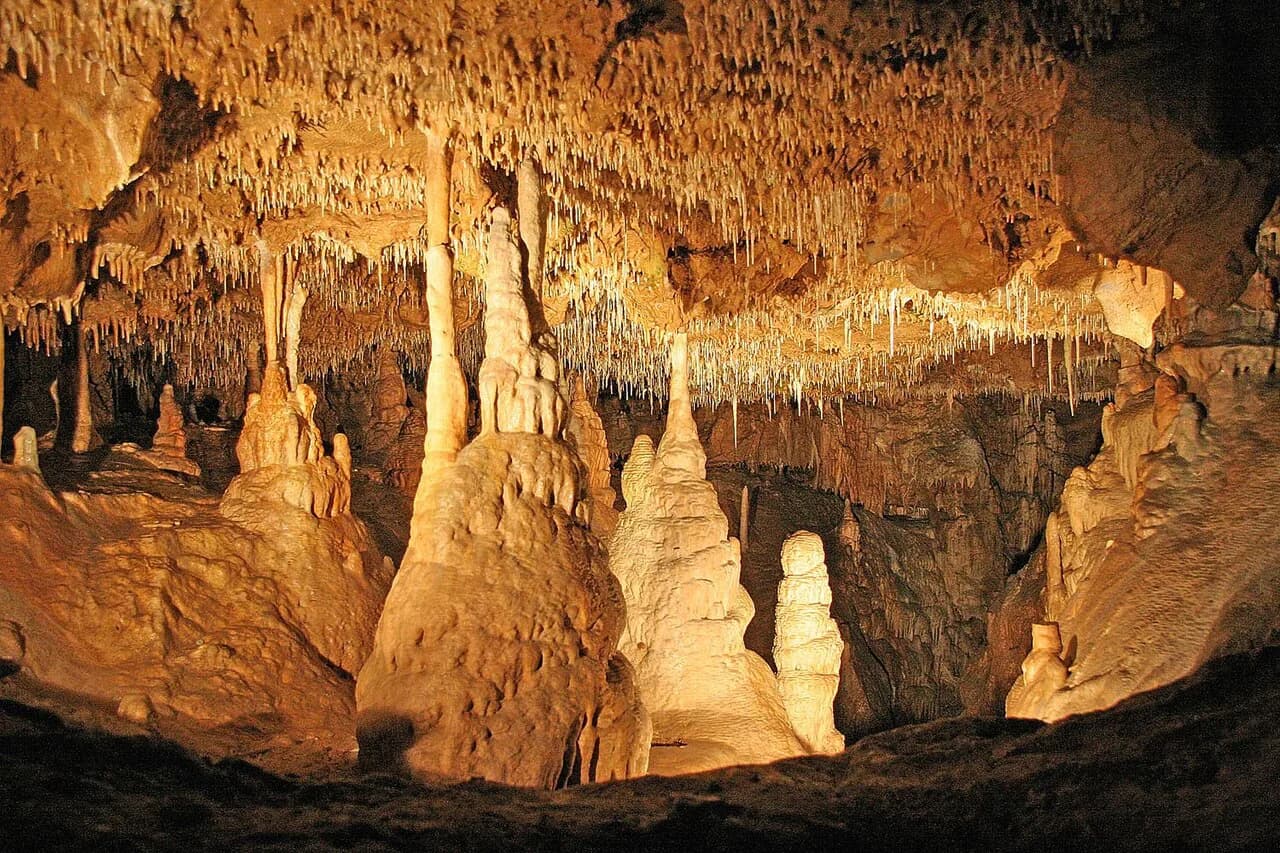
Boskovice lies in the South Moravian Region on the slopes of the Drahany Highlands, a short journey north of Brno, the regional capital. That position makes Brno the practical gateway rather than Prague, and it places the town in the same broader south Moravian arc as the [Moravian Karst], the limestone country north of Brno known for its show caves. Travelers routing between Brno and the karst can slot Boskovice in as a stop rather than a separate expedition.
The town center is modest and walkable, with Masarykovo Náměstí as its main square and the chateau, the castle ruin and the Jewish quarter all within reach of it. Tomáš Garrigue Masaryk, the founding president of Czechoslovakia, is one of the figures associated with the town in local monuments and naming. Plan on arriving by train or car and doing everything on foot once you are there.
The three things to see, and how they stack up a hill
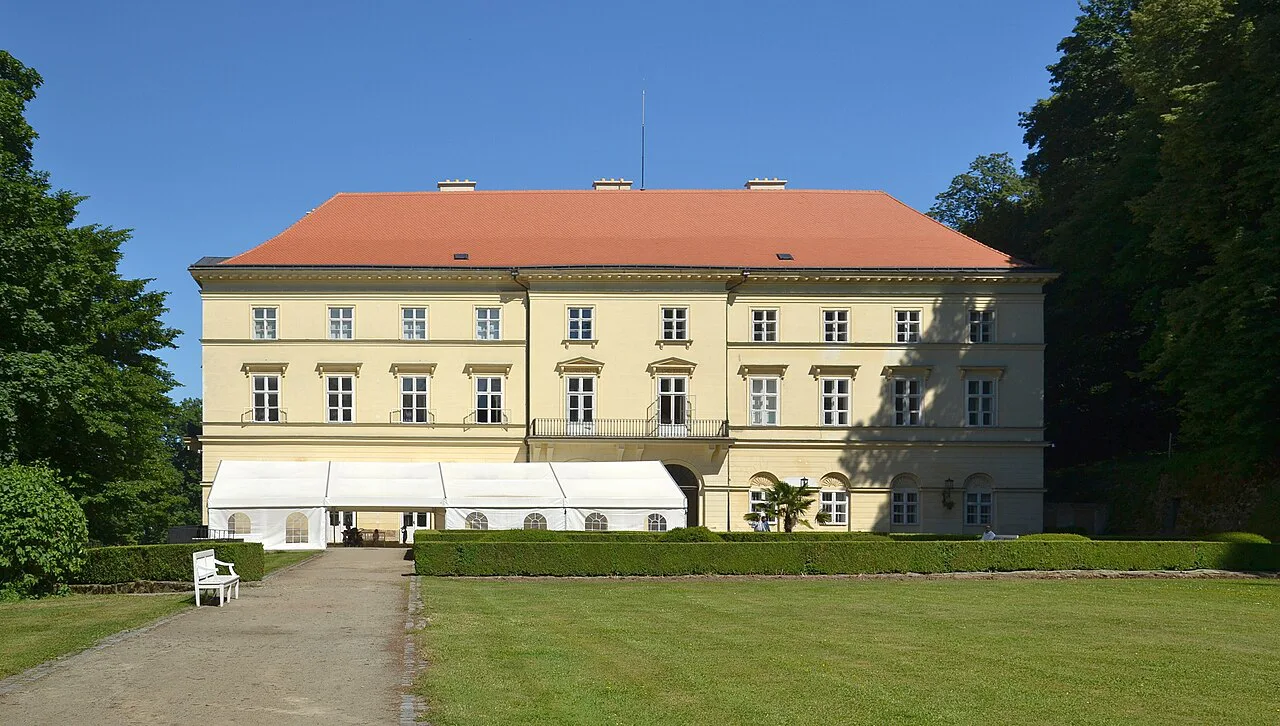
Think of Boskovice as three separate visits layered on one slope. At the top sits Hrad Boskovice, the romantic Gothic castle ruin on a high forested spur overlooking the valley; below it, closer to the square, is Zámek Boskovice, the Empire-style chateau set in landscaped grounds; and dropping down from the center is Židovské Město, the Jewish quarter with its synagogue, mikveh and cemetery. Guides often blur the castle and the chateau together, but they are different buildings from different centuries with different things to see.
The consequence for planning is simple: the castle ruin is the climb, the chateau and park are the easy walk, and the Jewish quarter is the descent. Doing the ruin first while your legs are fresh and finishing in the quarter makes more sense than the reverse. Budget your energy for the spur and treat the park as the breather between the two halves.
Hrad Boskovice: the Gothic castle ruin on its forested spur
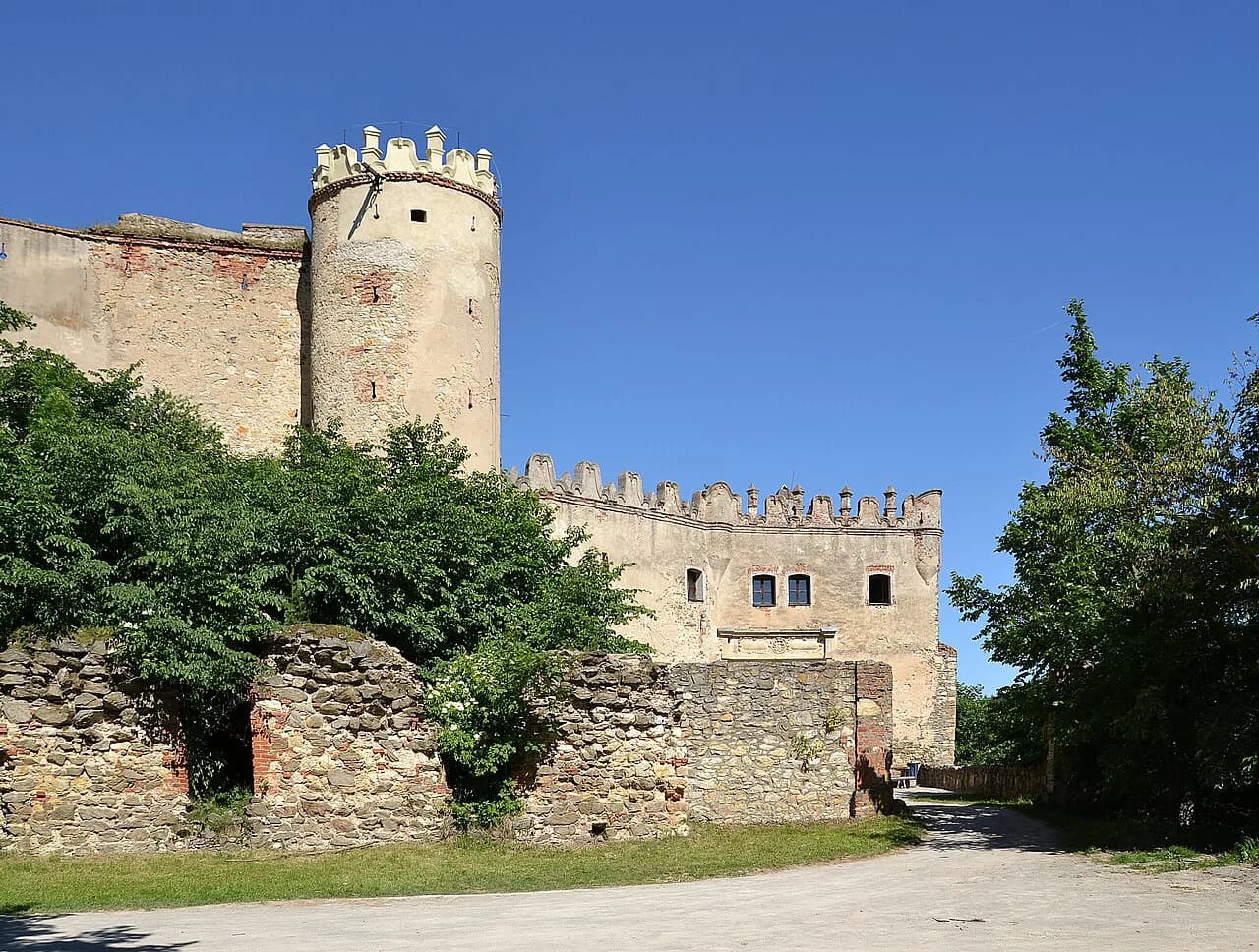
Hrad Boskovice is the romantic Gothic ruin perched on a high forested spur above the valley, the town's most dramatic viewpoint and its most physical sight. It is a ruin rather than a furnished palace, so come for the walls, the position and the outlook rather than interiors and displays. The walk up through the trees is part of the experience, and sturdy shoes matter more here than anywhere else in town.
Allow time for the climb and for lingering at the top, and check access before you commit to it, since ruin sites can close for the season or for works. Local guides give the castle a 13th-century origin, but treat the ruin itself as the attraction and the date as background. If steep ground is a problem for anyone in your party, this is the sight to skip in favor of the chateau and quarter.
Zámek Boskovice: the Empire chateau and its landscaped park
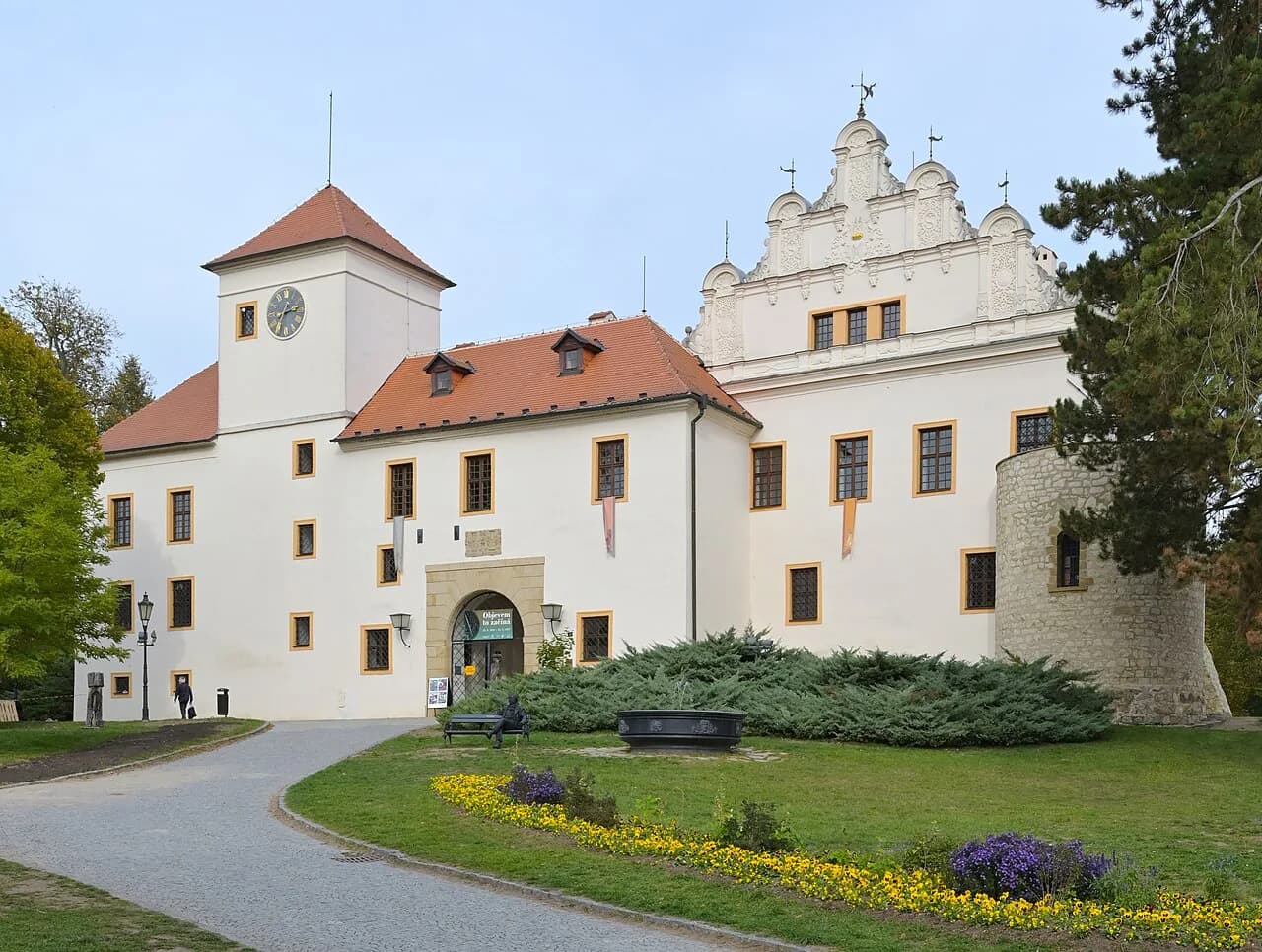
Zámek Boskovice is the Empire-style chateau built between 1819 and 1826 on the site of a former Dominican monastery, and it ranks among the country's finer Empire buildings. That combination of date and site explains why the chateau reads as a composed palace in a park rather than a fortified seat: it replaced a monastic predecessor and was designed as a residence. Visitors come for the architecture and the setting, and the English-style landscaped gardens around it with their pavilions are part of the visit.
The park is the forgiving part of a Boskovice day: level ground, shade and a direct connection to the town center, which makes it a good place to slow down between the castle climb and the Jewish quarter. Note the chateau's own visiting arrangements at the entrance, because interior access and guided formats are not the same as park access. The gardens and exterior need no ticket decision, so they work even on a short stop.
Židovské Město: the Jewish quarter, synagogue and cemetery
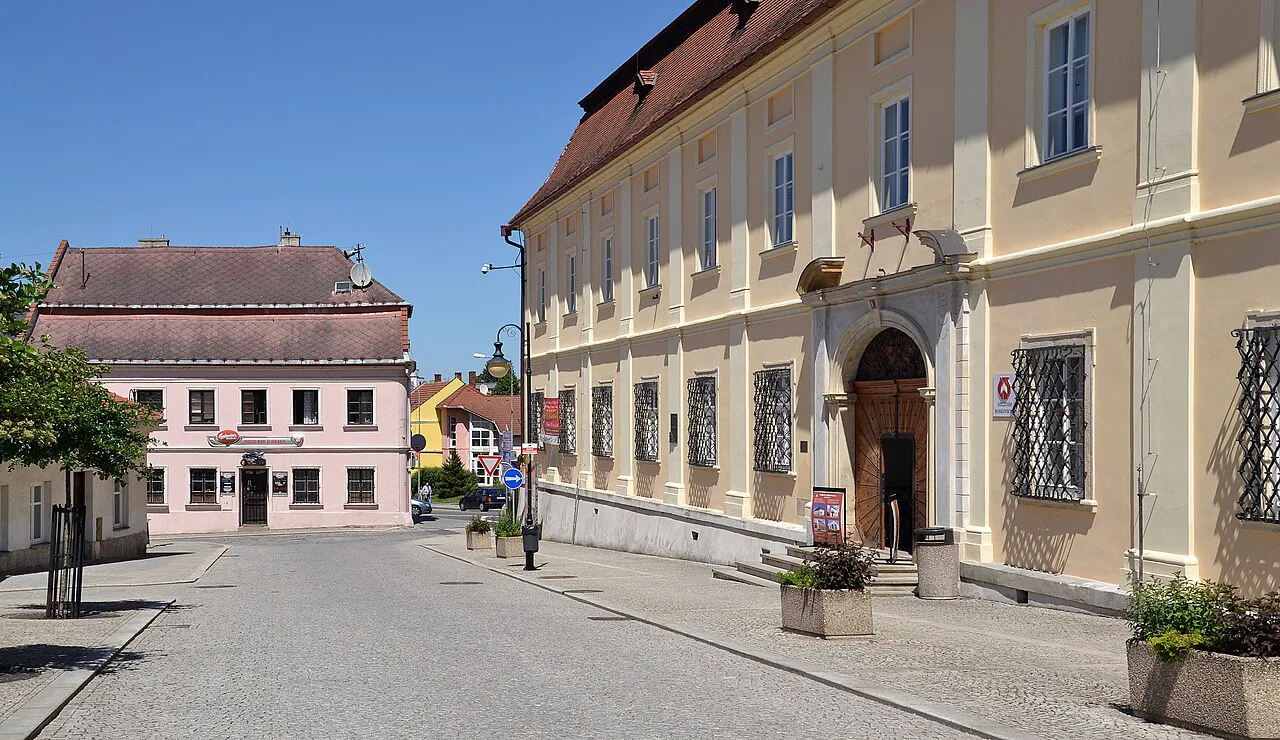
Židovské Město is the strongest reason to come to Boskovice rather than pass through: one of Moravia's best-preserved Jewish quarters, with a synagogue, a mikveh and a cemetery, and lanes of historic houses. The quarter is a real neighborhood of surviving buildings rather than a reconstructed exhibit, and one restored 18th-century Jewish town house now operates as an inn, which tells you how continuous the fabric is. Give it unhurried time and read the memorial and heritage material on site rather than rushing the synagogue and cemetery.
Access to the synagogue and cemetery is managed separately from the streets themselves, so the lanes are free to walk while the buildings follow their own visiting arrangements, confirmed at the quarter's entrance points. Local guides date the synagogue to the 17th century, but treat the buildings themselves as what you came to see. This is also where a Jewish-history itinerary across Moravia, including Terezín further afield, gains its local anchor in a small town rather than a museum hall.
Muzeum Regionu Boskovicka and the town's other sights
Muzeum Regionu Boskovicka, based in the historic heart of town, is the regional museum that fills in the history the buildings only hint at, covering the castle, the chateau and the Jewish community in one local collection. Panský Dvůr, a heritage complex in town, and the Mother With Child statue and related monuments round out the smaller sights for anyone with an extra hour. These are secondary stops, so schedule them after the three main sights rather than building the day around them.
The museum and the smaller monuments are best treated as a rainy-hour or spare-time option, with opening arrangements checked at the door. Their value is context: after the ruin, the chateau and the quarter, a museum collection ties the town's layers together in a way that walking alone does not. If you only have half a day, skip them without regret.
How the town is laid out on the slopes, and a walking order
Boskovice is built on the slopes of the Drahany Highlands, and the center, the chateau park and the castle spur sit at different levels, which is why a plan beats wandering. Start at the train station or the square, climb to Hrad Boskovice first for the view and the effort, come down through the chateau park to slow the pace, then finish in Židovské Město on the descent. That sequence uses gravity instead of fighting it, and it puts the quarter last, when you are most willing to read and linger.
The whole circuit is walkable, with Masarykovo Náměstí as the natural orientation point if you lose your bearings. Wear shoes that handle cobbles and forest paths, and carry water for the spur, since the climb is the only real exertion of the day. If you arrive late, reverse the plan and take the quarter first, because the castle walk is the piece you least want to rush.
Getting to Boskovice from Brno and Prague
Brno is the gateway: Boskovice sits a short journey north of the regional capital, reachable by train, with a modest station a walk from the center. The town also appears among the destinations Czech travel sellers list alongside Blansko and other South Moravian places, which confirms its place on regional routes but says nothing about schedules. Check current train and bus times in the official Czech timetables before you set out, especially for the return leg.
From Prague, plan on routing through Brno rather than expecting a direct connection, and treat Boskovice as a stop on a South Moravian loop with the karst country rather than a standalone day out. The Moravian Karst lies in the same region, and if you are already going that way, the Punkva Caves and the Macocha abyss make a logical pairing with a Boskovice morning or afternoon.
How long Boskovice needs
Half a day covers the essentials: the castle climb, the chateau park and a proper walk through Židovské Město. A full day lets you add the regional museum and the smaller monuments without hurrying, and it gives the quarter the time it deserves. Travelers using Brno as a base can treat Boskovice as a morning or afternoon outing rather than an overnight stop, because the sights sit within a compact area.
Build in slack for the return journey to Brno, since a missed connection matters more than a missed monument. If the castle spur is closed or the weather is against you, shift the weight of the day to the chateau park and the quarter and you will still have used the time well. Two hours is enough only for a quick look at the square and the park, not for all three sights.
What to expect on opening seasons and tours
Interior visits to the chateau and the synagogue follow their own arrangements, which vary by season and by building, so treat the outdoor sights, the park and the quarter's lanes as the reliable core of any visit and confirm interiors at the entrance. The chateau is described as one of the finest Empire buildings in the country, which makes the exterior and park worth the trip on their own if interiors are closed. Build your day around what is open rather than betting on one guided tour.
Ticket prices, tour languages and seasonal calendars are best read from the official source for each building on the day rather than from secondhand listings. For the wider region, the show caves of the Moravian Karst run their own timed entry and guided formats under the Cave Administration of the Czech Republic, so a Boskovice-plus-karst day needs two separate checks. Plan your sequence around confirmed openings instead of assuming a uniform season.
Boskovice or the caves for your South Moravian day?
If you want one compact town with a ruin, a palace and a Jewish quarter, Boskovice is the pick, and it pairs naturally with the [Moravian Karst](/moravian-karst) if you have a second day in the region. Start at the castle spur, descend through the chateau park and end in Židovské Město, then check the return train to Brno before you settle in for dinner. The Punkva Caves and the Macocha abyss make the stronger single-day spectacle, so choose Boskovice for texture and the caves for drama.
Explore more Brno guides
Frequently Asked Questions
Do I need a car to see Boskovice?
No. The town is compact and the castle, chateau and Jewish quarter are all walkable from the center and the station. Coming from Brno by train is the simplest approach, with the return timing checked in the official Czech timetables.
Is Boskovice suitable for a stop between Brno and the Moravian Karst?
Yes. It sits north of Brno on the Drahany Highlands and fits a South Moravian loop with the karst country. Treat it as a half-day and confirm the cave entry times separately if you plan to combine the two in one day.
Sources
Notes for your Czech trip
Optional updates to our Czech town guides.
You might also like
Continue reading
More guides you'll find useful