Terezín Memorial: Sites, Tours and How to Visit
The Terezín Memorial covers the Small Fortress, Ghetto Museum, Magdeburg Barracks and crematorium. Learn what each site is and how a visit is organized.
On this page
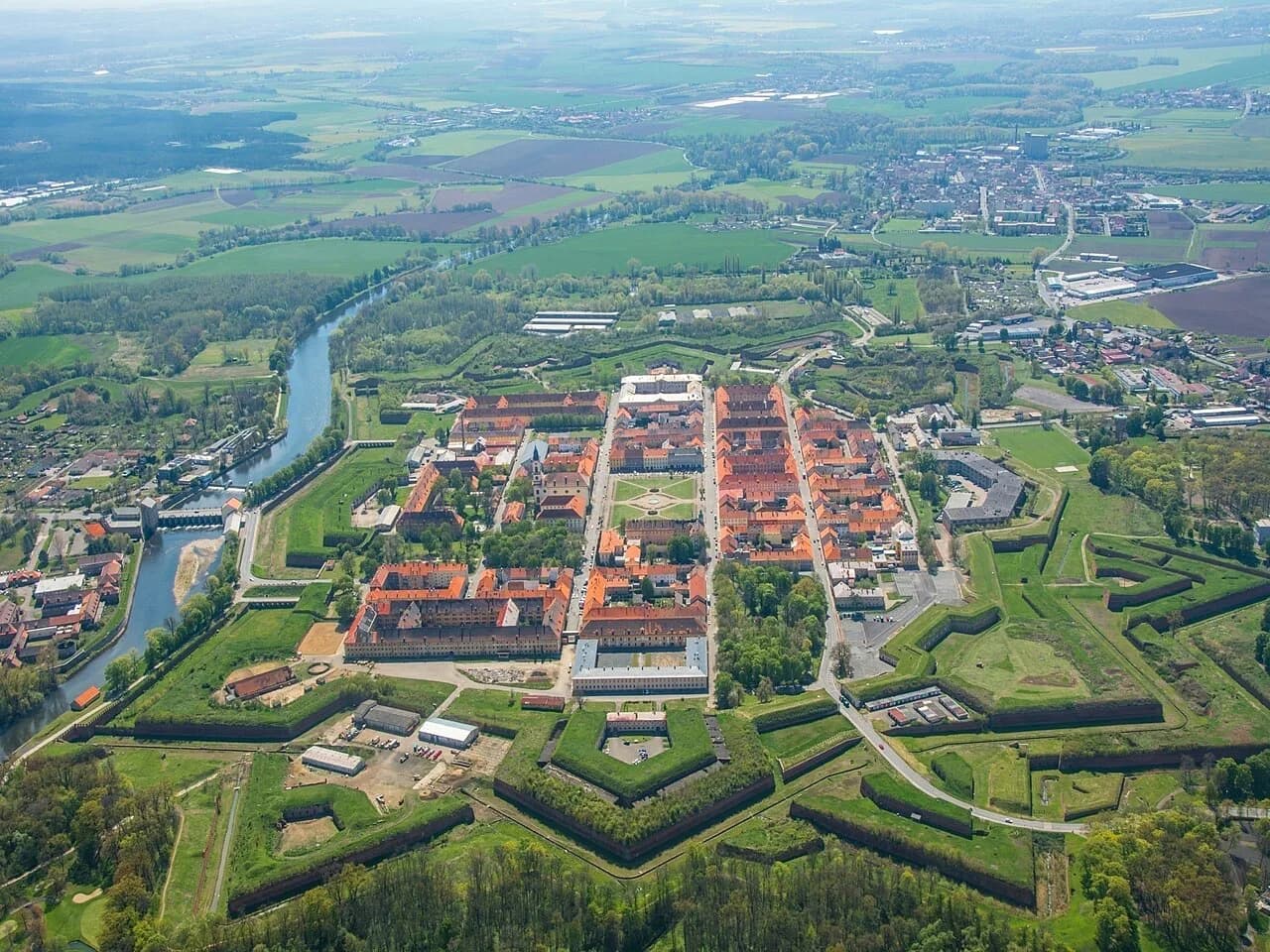
The Terezín Memorial (Památník Terezín) is a memorial institution that administers several separate sites in the fortress town of Terezín, north of Prague. It is not a single museum with one ticket desk: the Small Fortress across from the garrison town holds the former Gestapo police prison, while the Ghetto Museum and the Magdeburg Barracks in the town itself document the Terezín ghetto. This guide explains what each site is, how the visit is structured, and how to arrange tours and group reservations through the memorial.
The distinction between the two halves matters more than any other planning decision. Many visitors arrive expecting a single concentration camp and find instead a police prison on one side and a walled town where the ghetto was confined on the other, with the Ohře running between them. Reading the memorial's historical overview before you arrive makes the geography legible when you get there.
What the Terezín Memorial is and which sites it administers
The memorial is a state institution headquartered at Principova alej 304 in Terezín, and its visitor sites are spread across two locations. The Small Fortress sits across from the garrison town; the Ghetto Museum, the Magdeburg Barracks and the memorial's exhibition spaces sit inside the town. The Jewish Cemetery with its crematorium, columbarium and prayer room, and the National Cemetery, lie outside the town walls.
Because the sites are separate, there is no single entrance where you pay once and walk through everything. The memorial publishes opening hours, admission charges and tour arrangements for each site on its own website. Plan the order of your visit around the two locations rather than around a single building.
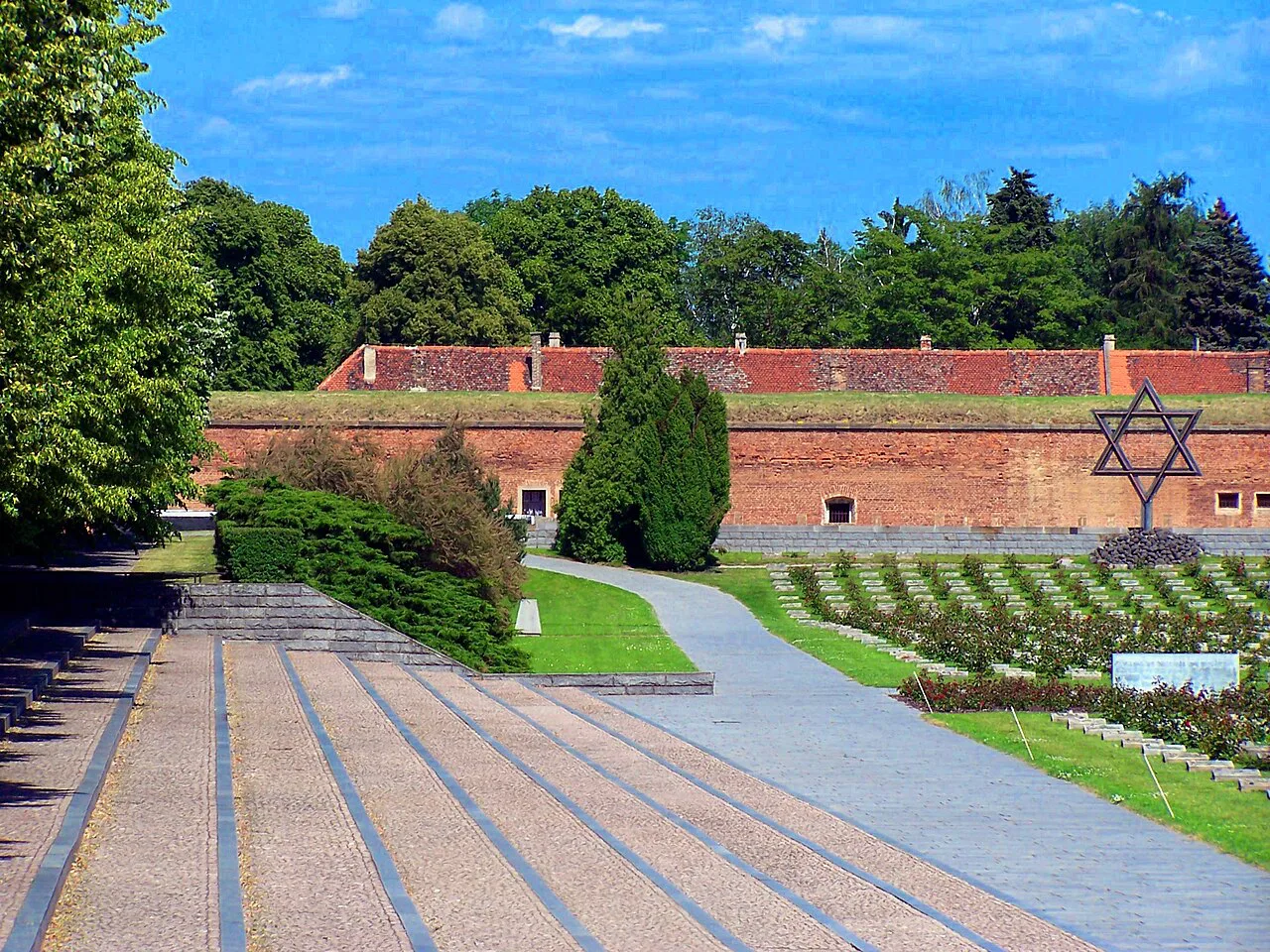
The Small Fortress: the Gestapo police prison
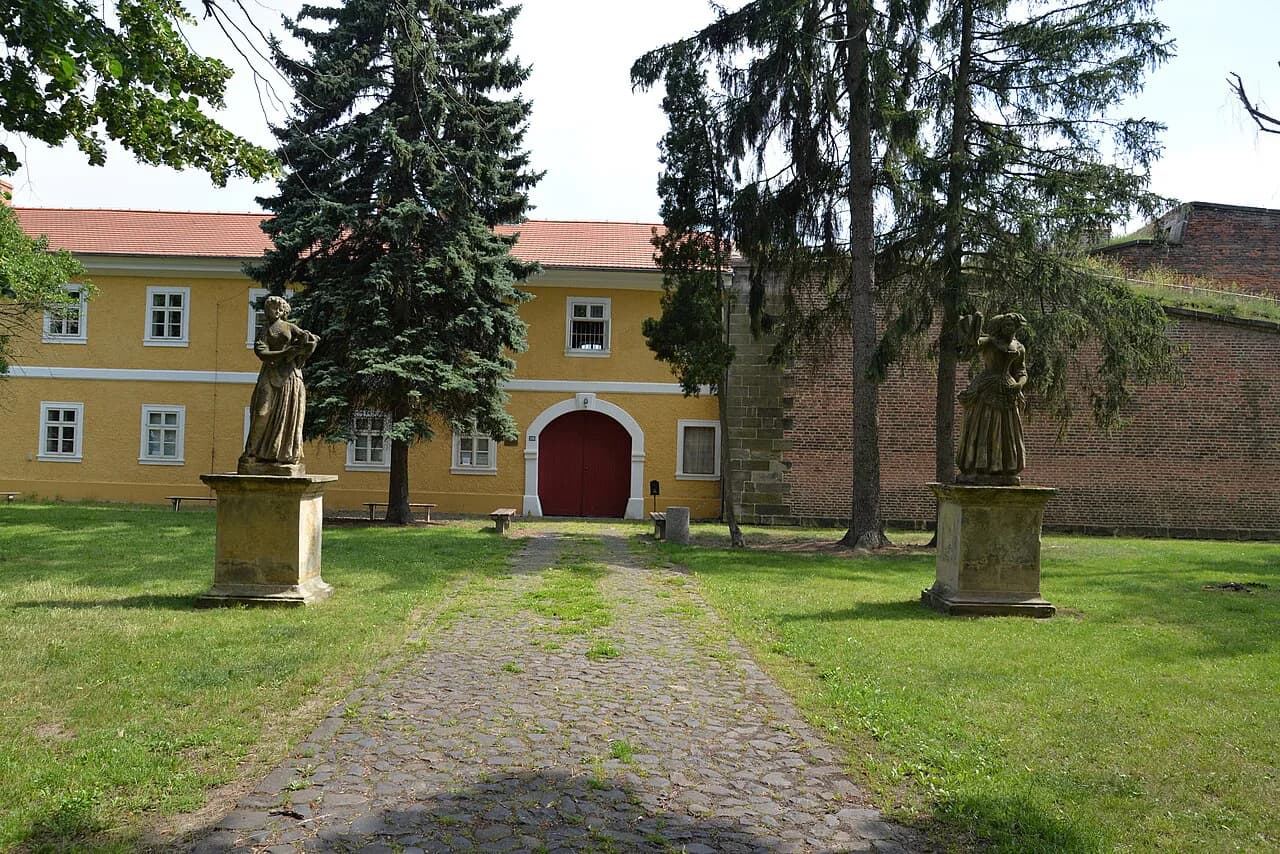
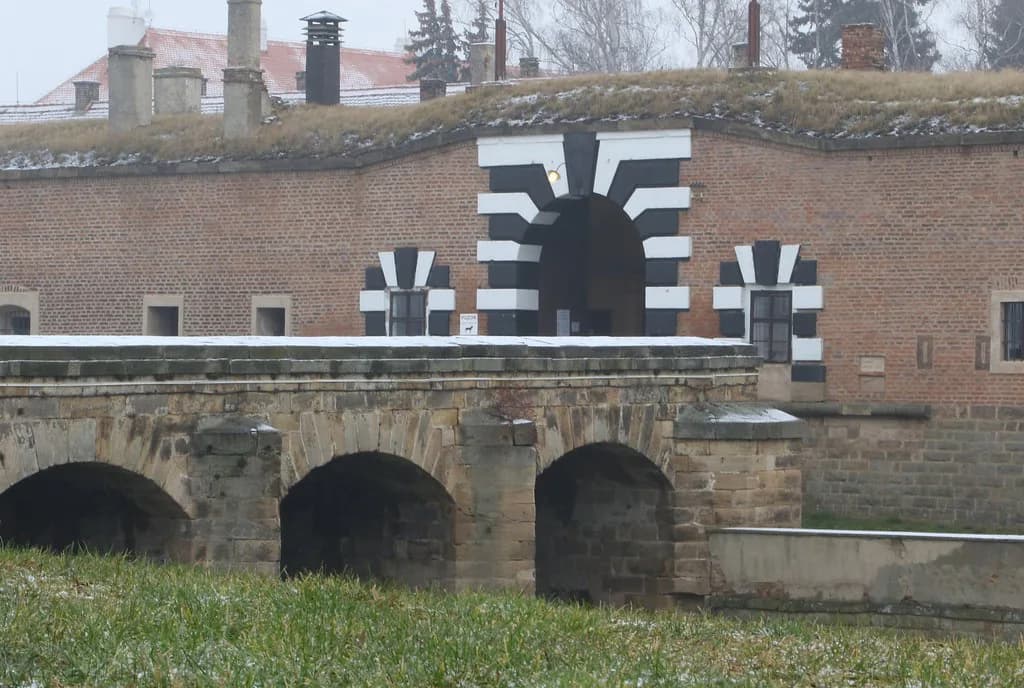
The Small Fortress is the part of Terezín most people picture when they think of a camp: an 18th-century fortification that the Nazi occupation authorities turned into a Gestapo police prison. Prisoners were held, interrogated and executed here, and the memorial treats this as a distinct history from the ghetto in the town. The site today preserves the prison blocks, courtyards and execution ground.
Allow time to walk the fortification itself, not just the interior exhibits. The scale of the ramparts and the emptiness of the courtyards are part of what the site communicates, and rushing from one display to the next flattens the experience. A slow ninety minutes here reads better than a hurried forty.
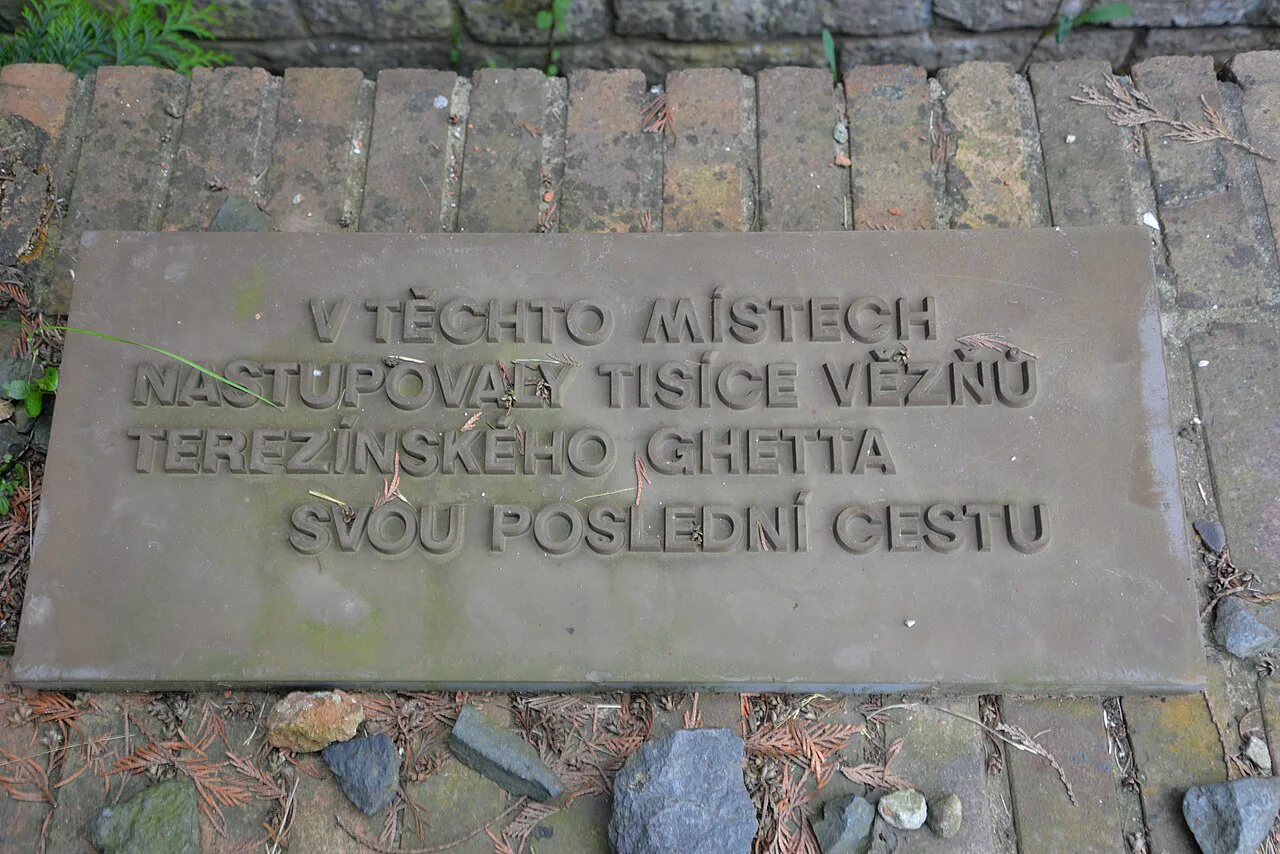
The Ghetto Museum and the Terezín ghetto
The Ghetto Museum documents the Terezín ghetto: the walled town into which the occupation authorities concentrated Jews from the Czech lands and, later, from across occupied Europe. Exhibitions cover daily life, the transports, the prisoners' administration and the deaths caused by hunger, disease and deportation onward to the extermination camps. The memorial's own victim database records Jews from the Czech lands who were deported elsewhere and never passed through the ghetto, so the ghetto and the Holocaust in the Czech lands are not the same story.
The museum anchors the town half of the visit. Its displays repay reading rather than skimming, and the building's position in the middle of the former ghetto makes the walk between exhibits part of the understanding. Set aside at least an hour for the museum alone.
Magdeburg Barracks exhibitions
The Magdeburg Barracks is where the memorial presents the cultural and social life prisoners maintained under confinement, alongside the machinery of the ghetto administration. It also hosts temporary art exhibitions, so a visit can pair the permanent displays with whatever is currently mounted. The building is a short walk from the Ghetto Museum and fits naturally into the same half-day.
The Jewish Cemetery, crematorium, columbarium and prayer room
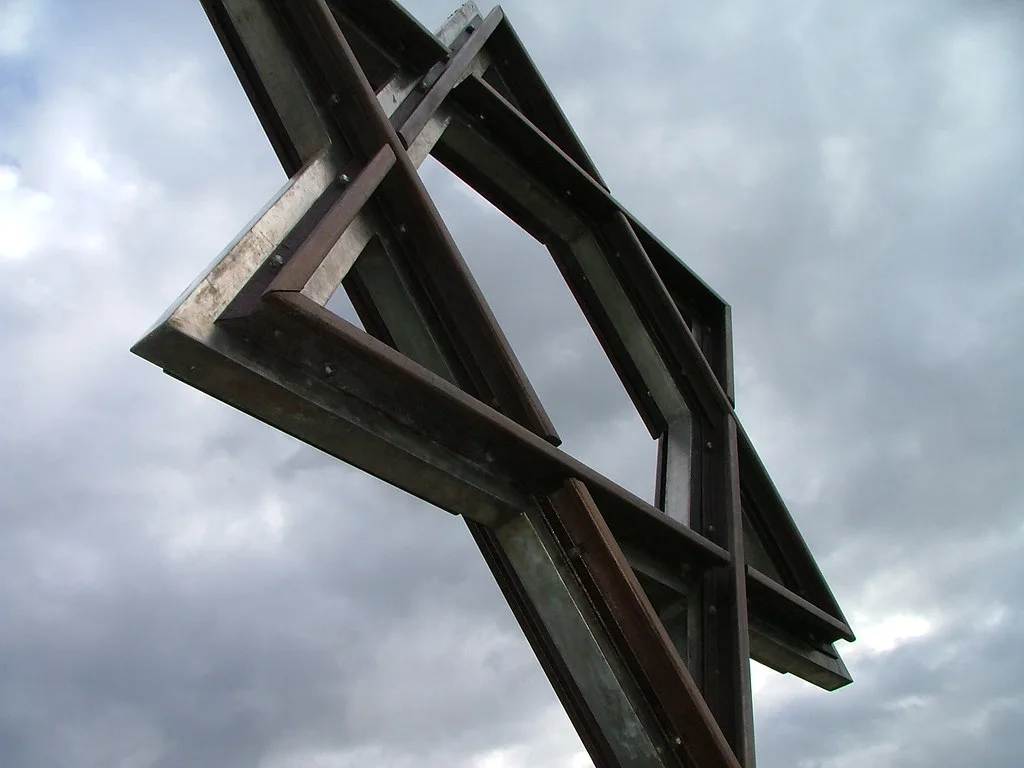
Outside the town walls, the Jewish Cemetery holds the crematorium built during the ghetto period, together with a columbarium and a prayer room. The memorial treats this as one site, and the crematorium is among the most direct pieces of evidence of how the ghetto handled its dead. The cemetery is a place of burial and commemoration rather than an exhibition hall, so keep voices low.
Reaching it requires a walk beyond the historic core, and it is not an exhibition hall staffed like the main museums. Confirm the current opening arrangement on the memorial's visitor pages before you set out.
The National Cemetery
The National Cemetery commemorates Soviet soldiers who died in the area during the liberation of Terezín in 1945, and it stands near the Jewish Cemetery as a separate memorial ground. It is a short stop rather than a museum visit, but it completes the picture of who suffered and died in and around this town between 1940 and 1945. Combine it with the Jewish Cemetery in a single walk out of town.
Small Fortress versus ghetto sites: how to split your time
The practical split is a full day: the Small Fortress in the morning, the town sites in the afternoon, with the cemeteries either before or after. The Small Fortress involves more walking over uneven ground and more time outdoors, so it suits the fresher part of the day. The Ghetto Museum and Magdeburg Barracks are indoor exhibitions where reading takes time and standing takes its toll.
If you have only half a day, choose one half of the story rather than compressing both. The Small Fortress alone is a substantial visit; the Ghetto Museum plus the Magdeburg Barracks fills the same hours. Doing one properly serves the subject better than a hurried circuit of everything.
Guided tours and group reservations
The memorial organizes guided tours and takes bookings directly, by phone or through the reservation form on its website, rather than only through outside operators. Tours of the Small Fortress and of the ghetto sites are separate services, and the memorial lists tour arrangements alongside opening hours and admission charges. For groups, book ahead so the memorial can schedule staffing and entry times.
Tour languages and times change with the season and with staff availability, so confirm what runs for your date when you book. Private operators also sell Terezín day trips from Prague, but those packages wrap the memorial in a transport product; booking with the memorial itself keeps you in control of what you see and how long you stay.
Temporary exhibitions at the memorial
The memorial mounts temporary exhibitions in specific spaces: the exhibition rooms in the fourth courtyard, the foyer of the cinema in the Ghetto Museum, the foyer of the cinema in the Small Fortress, and the former Magdeburg Barracks. Because the venues are scattered, knowing which building holds which show saves wandering. The memorial's events calendar lists what is on and where.
Exhibitions on Holocaust monuments across the Czech Republic and on individual witnesses of the Holocaust have appeared in these spaces, which gives repeat visitors a reason to return beyond the permanent displays. Shows rotate, and some run for months while others last weeks.
Getting to Terezín and moving between the sites
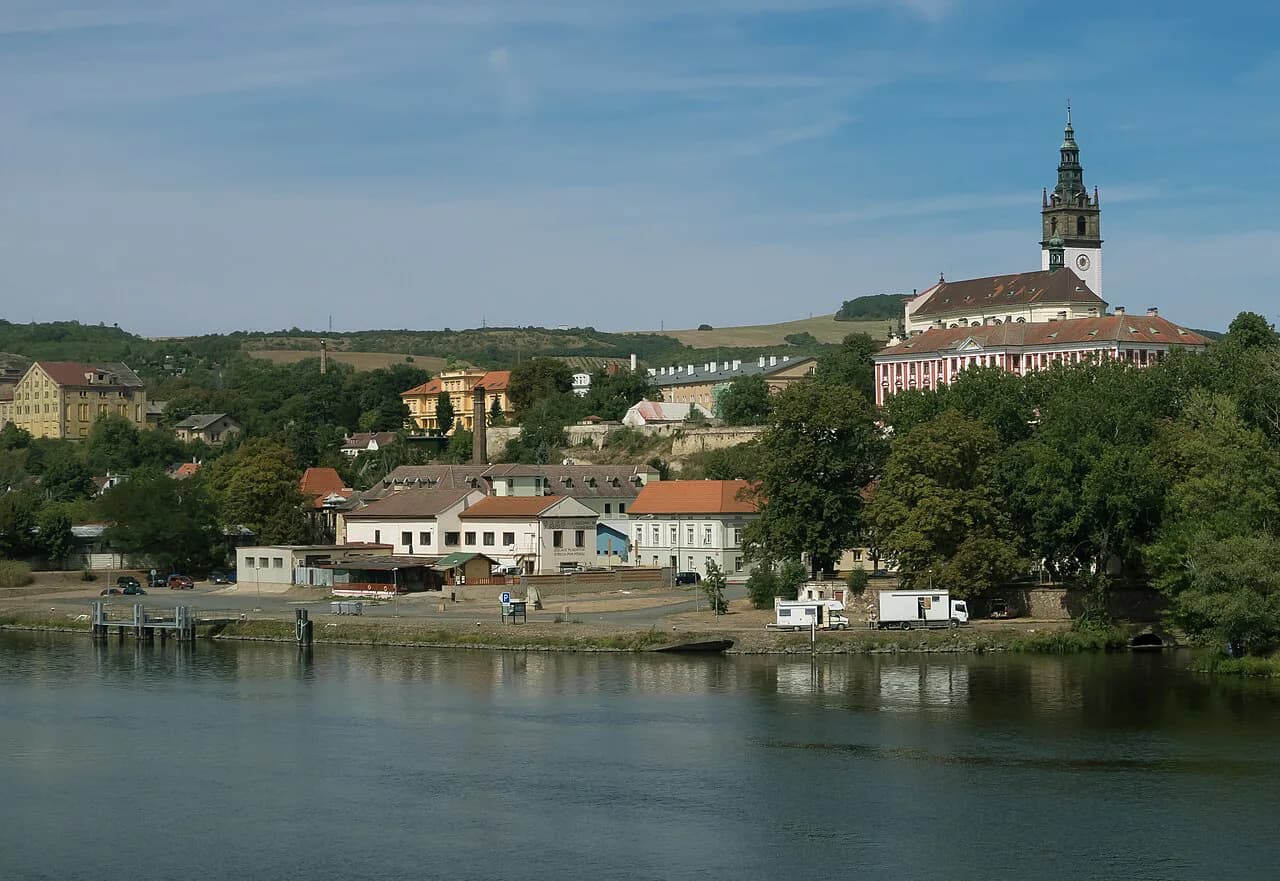
Terezín lies north of Prague toward Ústí nad Labem, and Litoměřice, with its own handsome square and cathedral, is the nearest larger town and a natural second stop on the same trip. Buses and trains serve the area, but schedules vary by season and operator, so check current connections rather than relying on memory.
Inside Terezín, the distance between the Small Fortress and the town center is walkable but not trivial, and the cemeteries add another stretch. Wear shoes suited to cobbles and gravel, and expect to be on your feet for most of the day.
Visiting soberly: what to expect and how to behave
These are burial grounds, execution sites and places of imprisonment, not heritage attractions in the castle-and-chateau sense. Keep voices low, do not climb on monuments, and treat the execution ground and the cemeteries as you would any cemetery. Photography is generally tolerated outdoors but should never intrude on other visitors' grief or on commemorative ceremonies.
The material is heavy: the Small Fortress in particular confronts visitors with the details of interrogation and execution. Build in time afterward, whether a quiet walk along the Ohře or a stop in Litoměřice, rather than driving straight on to another sight. Reading the memorial's historical pages in advance makes the site itself easier to absorb.
Which half of Terezín should you see first?
Start with the Small Fortress if you have a full day and want the chronological and physical weight of the site before the town's exhibitions. Start with the Ghetto Museum if your time is short or the weather is poor, since the town sites are indoor and closer together. Either way, book tours through the memorial rather than assembling the visit from day-trip packages.
Explore more Terezín guides
Frequently Asked Questions
Is the Terezín Memorial the same as the concentration camp?
No. The memorial administers several sites, including the Small Fortress, which was a Gestapo police prison, and the Ghetto Museum and Magdeburg Barracks in the town, which document the Terezín ghetto. The ghetto was a walled town where Jews were concentrated, not a camp of the same kind as the Small Fortress prison.
How long does a visit to the Terezín Memorial take?
Plan a full day to see the Small Fortress, the Ghetto Museum, the Magdeburg Barracks and the cemeteries at a reasonable pace. With half a day, choose either the Small Fortress or the town sites rather than trying to cover both.
Do I need to book a guided tour in advance?
The memorial arranges guided tours and group reservations directly by phone or through its reservation form, and advance booking is advisable for groups. Tour times and languages vary by season, so confirm what runs on your date when you book.
Sources
Notes for your Czech trip
Optional updates to our Czech town guides.
You might also like
Continue reading
More guides you'll find useful