Terezín History: The Fortress Town, the Ghetto and the Small Fortress
Terezín history spans a Habsburg fortress town, the Nazi ghetto and transit camp, the Small Fortress prison and the memorial that interprets them today.
On this page
Terezín is three distinct places sharing one set of walls: an 18th-century Habsburg fortress town, the Nazi ghetto and transit camp known as Theresienstadt, and a Gestapo police prison in the Small Fortress. Keeping them apart is the key to reading the site, because each has its own chronology, its own victims and its own buildings. This guide follows that sequence from the fortress's founding through the ghetto years and the 1944 propaganda deception to the objects the memorial cares for now.
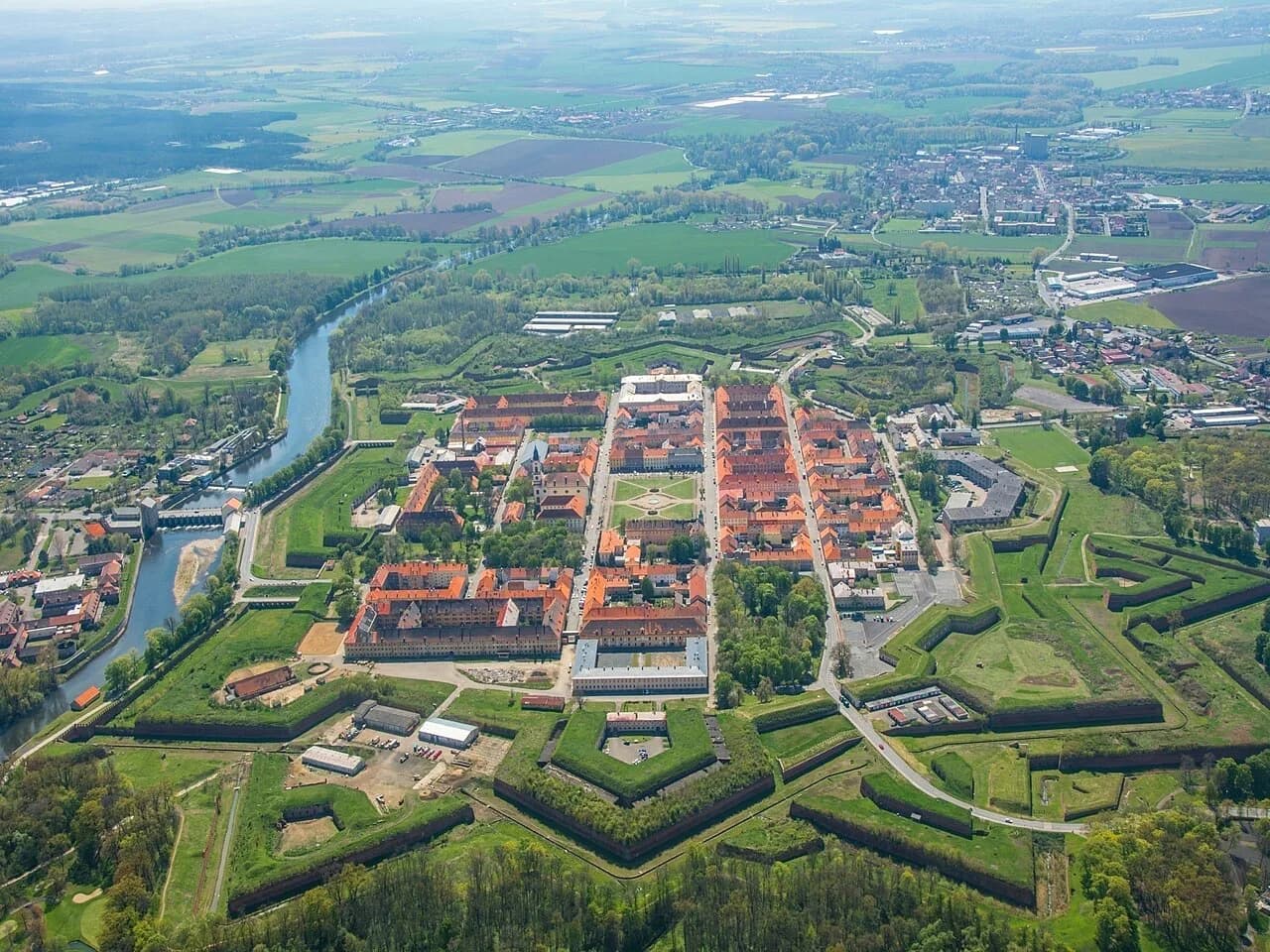
The town sits in north Bohemia, roughly 30 miles north of Prague, within the walls of the fortress Theresienstadt. Emperor Joseph II of Austria created the fortress Theresienstadt in the late 18th century and named it in honor of his mother, Empress Maria Theresa. The Terezín guide covers how the town is laid out and how the memorial objects sit within it.
What Terezín was built for: the Habsburg fortress town named for Empress Maria Theresa
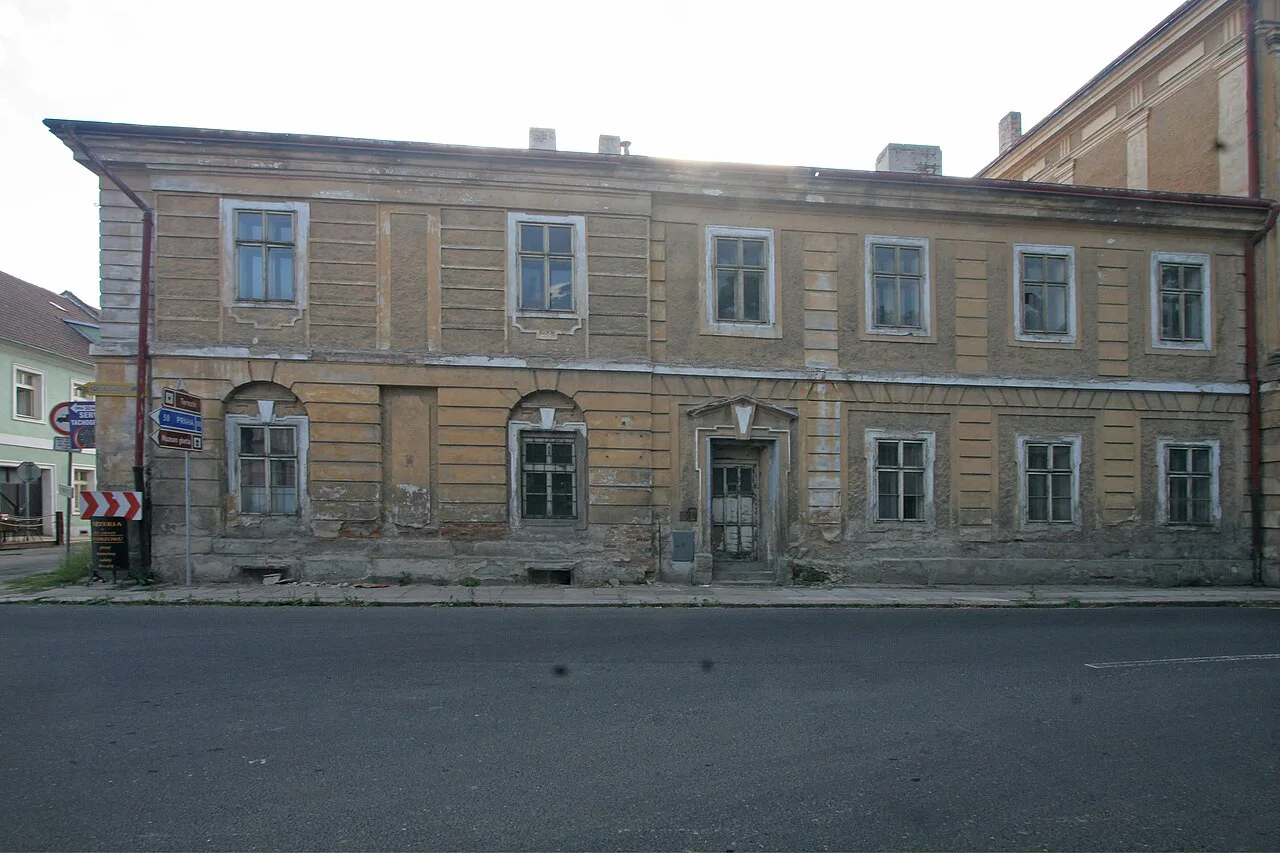
Terezín began as a military foundation, not a camp. Emperor Joseph II of Austria created the fortress Theresienstadt in the late 18th century and named it in honor of his mother, Empress Maria Theresa. The grid of barracks, squares and ramparts that visitors walk through today is that Habsburg construction, which is why the ghetto of the 1940s was crammed into an existing town rather than built for its purpose.
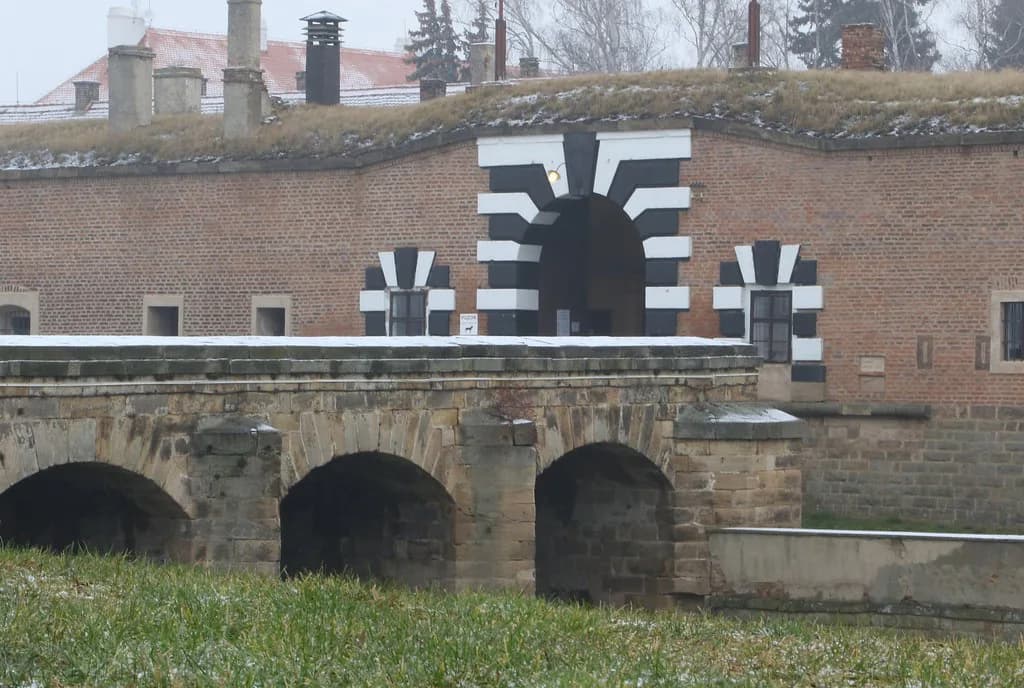
Reading the fortress first makes the later history legible: the same walls that were meant to defend the Habsburg monarchy enclosed the population the Nazis forced into the town. If you want the architecture and town plan treated in their own right, the page on the Terezín fortress covers the ramparts and the layout of the fortified town.
Theresienstadt as a ghetto and transit camp
By 1940 Nazi Germany had assigned the Gestapo to turn Terezín into a Jewish ghetto and concentration camp. It held primarily Jews from Czechoslovakia, along with tens of thousands deported chiefly from Germany and Austria and hundreds from the Netherlands and Denmark. The US Holocaust Memorial Museum describes Theresienstadt as a transit ghetto for Czech Jews being deported by the Nazis from the Protectorate of Bohemia and Moravia onward to other destinations.
More than 150,000 Jews were sent there, including 15,000 children, and were held for months or years before rail transports took them to their deaths at Treblinka and Auschwitz in occupied Poland, as well as to smaller camps elsewhere. Fewer than 150 of the children survived. About 33,000 died in the ghetto itself, mostly from the appalling conditions created by extreme population density, malnutrition and disease, and about 88,000 inhabitants were deported to Auschwitz and other extermination camps.
The ghetto was a stage in the deportations rather than an extermination camp, and both facts belong in the same sentence: people died in Terezín in large numbers, and most of those who survived the ghetto were moved onward to killing centers. Holding that distinction in mind is what makes the memorial's separate objects make sense.
Life and death inside the ghetto
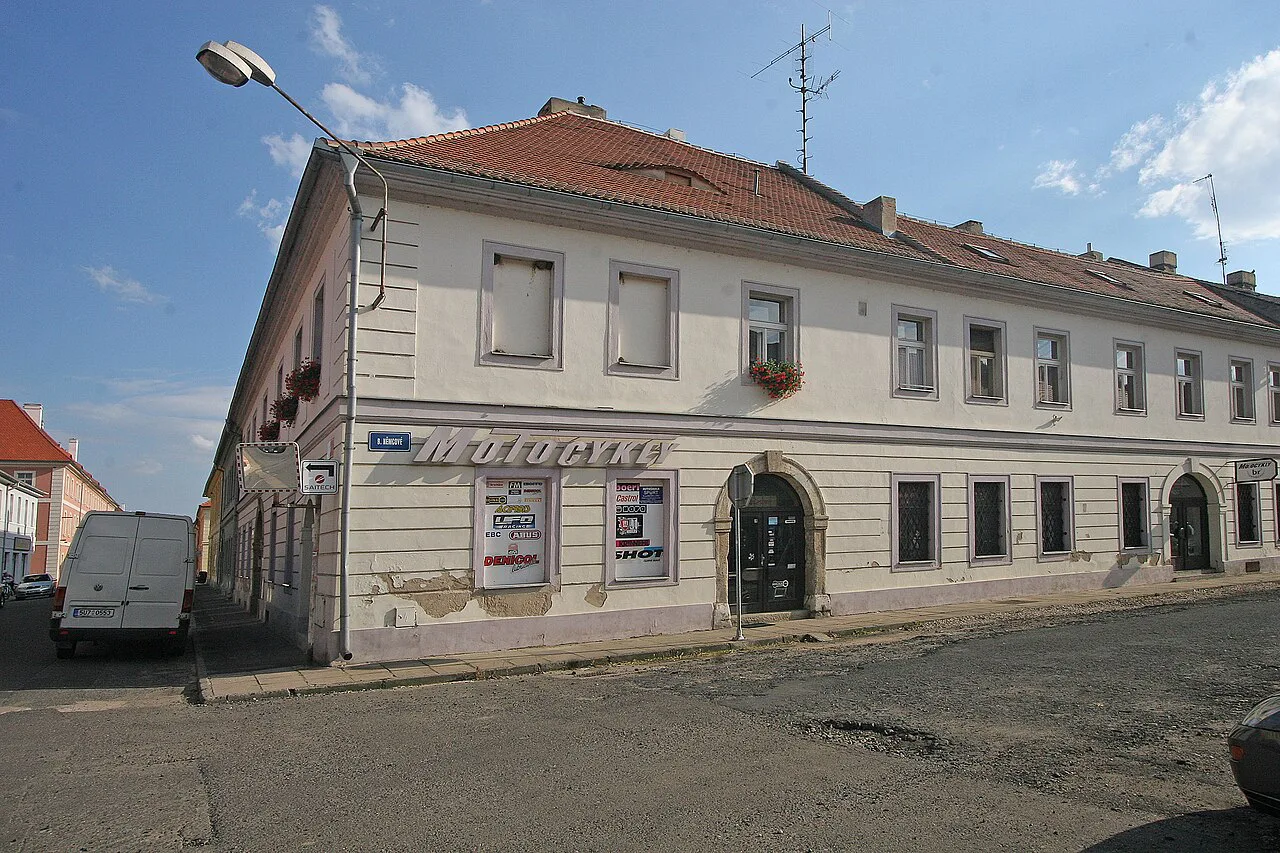
Conditions in the ghetto were defined by density, hunger and disease, and roughly 33,000 people died there from the consequences of those conditions. Unlike other camps, Terezín's detainees included scholars, philosophers, scientists, visual artists and musicians of all types, some of international renown, and many contributed to the camp's cultural life. That cultural production took place inside a regime of malnutrition and overcrowding, not instead of it.
The Czech composer Rafael Schächter was among those held at Terezín. In 1943 he conducted an adult chorus of 150 Jews in 16 performances of Verdi's Requiem, learned by rote from a single vocal score and accompanied by a legless upright piano, before audiences of other prisoners, SS officers and German army staff. The chorus sang to their captors words that could not be spoken, and Schächter was deported to Auschwitz on October 16, 1944 and died the following day in the gas chamber.
The June 1944 Red Cross visit and the propaganda film
In late 1943 Christian X, king of Denmark, demanded an inspection of Terezín to determine the condition of 466 Danish Jews sent there in October of that year. The review panel was to include two Swiss delegates from the International Red Cross and two representatives of the Danish government, and the Nazis permitted the visit to dispel rumors about the extermination camps. Weeks of preparation followed: the area was cleaned up, many Jews were deported to Auschwitz to reduce apparent overcrowding, and the Germans built fake shops and cafés to suggest relative comfort.
The inspection took place on June 23, 1944, with Adolf Eichmann hosting the four officials alongside numerous officers from Nazi headquarters in Prague and the high command in Berlin. The Danish Jews lived in freshly painted rooms holding no more than three people, and the delegation followed a predetermined route; residents were instructed beforehand to ignore direct questions. According to the United States Holocaust Memorial Museum, the Red Cross issued a bland report about the visit, indicating that the representatives were taken in by the elaborate fiction.
After the visit the Nazis made a propaganda film at Terezín, directed by the Jewish prisoner Kurt Gerron, an experienced director and actor; shooting took eleven days starting September 1, 1944. Most of the cast and the director were deported to Auschwitz after it was completed, and Gerron was murdered in the gas chamber on October 28, 1944. The film is often called The Führer Gives a Village to the Jews, though its correct title is Theresienstadt. Ein Dokumentarfilm aus dem jüdischen Siedlungsgebiet.
The Small Fortress: the Gestapo police prison held separately from the ghetto
The Small Fortress is a separate installation from the ghetto, and visitors often blur the two. The Terezín memorial treats the Gestapo police prison in the Small Fortress as its own subject, distinct from the ghetto inside the town walls, and the memorial's site organizes its exhibits accordingly. Plan your route so you visit both, and in that order of understanding: prison first, town second, or the reverse, but not as one undifferentiated stop.
The memorial publishes a free downloadable audio guide covering the Small Fortress and, subsequently, the former ghetto, which lets you move through the prison at your own pace. If you prefer a structured introduction, the overview of Terezín tours explains the formats available before you commit a half day.
Liberation in 1945 and what survivors returned to
At the end of World War II there were 17,247 survivors of Terezín, a figure that includes some who had survived the death camps. Those who came back returned to a fortress town whose Jewish population had been deported, and to a site that would need decades of documentation before it could be interpreted publicly. The memorial's own historical overview traces the liberation, the establishment of the memorial and the gradual opening of the individual objects.
What the Památník Terezín preserves today
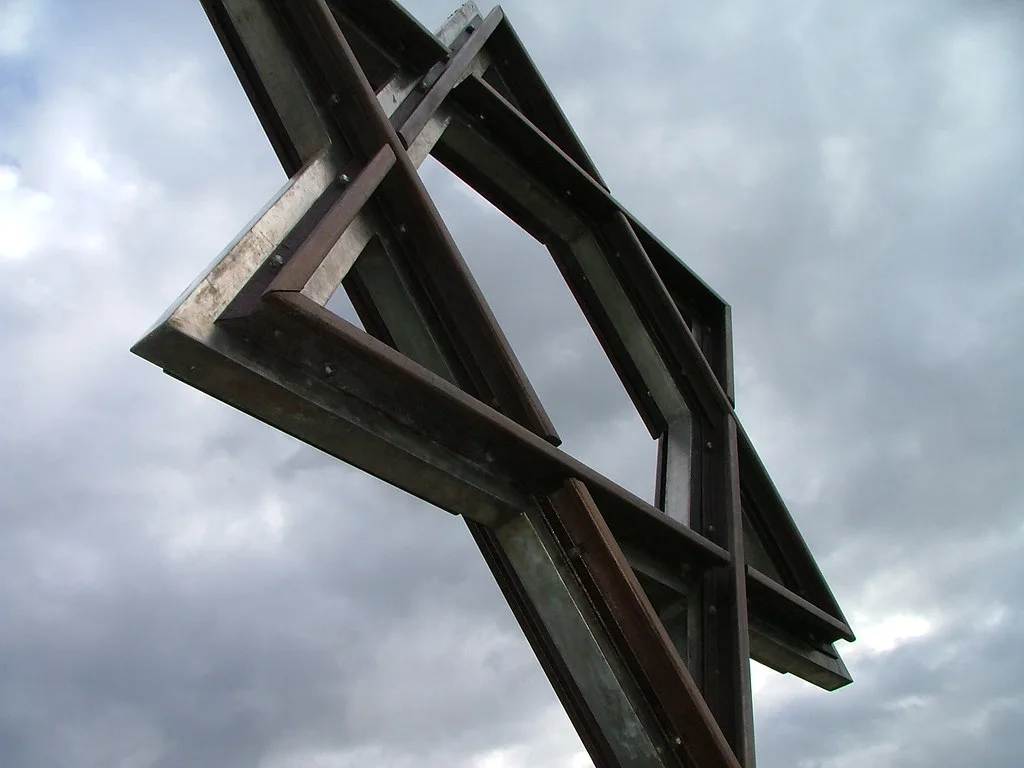
The Terezín Memorial cares for a set of separate objects rather than a single museum: the Ghetto Museum, the Magdeburg Barracks, the Small Fortress, the Jewish cemetery with its crematorium, the National Cemetery and the Columbarium with its ceremonial rooms. Each holds a different part of the history, and the memorial publishes its visitor information for each, so check the site before you set a date. The Ghetto Museum closes from November 2, 2026 for extensive reconstruction and preparation of a new permanent exhibition; during that work a temporary exhibition on the ghetto's history from 1941 to 1945 is shown in the Museum of Art in the former Magdeburg Barracks, where the ticket desk also moves.
The current exhibitions on the memorial's site include the Magdeburg Barracks, the Columbarium and ceremonial rooms, the crematorium, the prayer room and attic, and the Terezín transports. There is also a memorial site by the Ohře river, and the memorial maintains name registers and a collection database for anyone tracing individuals. Those databases are the practical starting point if you are visiting because a family member was deported.
Allow more than a quick stop. The objects are spread across the town and the Small Fortress lies outside the historic core, so a sensible plan groups the town-side exhibits together and treats the fortress as a separate block of time. The Terezín Attractions hub lists the individual visitor guides so you can decide which objects to prioritize.
Reading the site soberly: which object holds which part of the history
Match the object to the history you came for. The Small Fortress holds the Gestapo prison; the Ghetto Museum and the Magdeburská kasárna hold the ghetto years; the Jewish cemetery, crematorium, National Cemetery and Columbarium hold the commemoration of the dead. Visiting them in that order follows the chronology from arrest to ghetto to burial and remembrance.
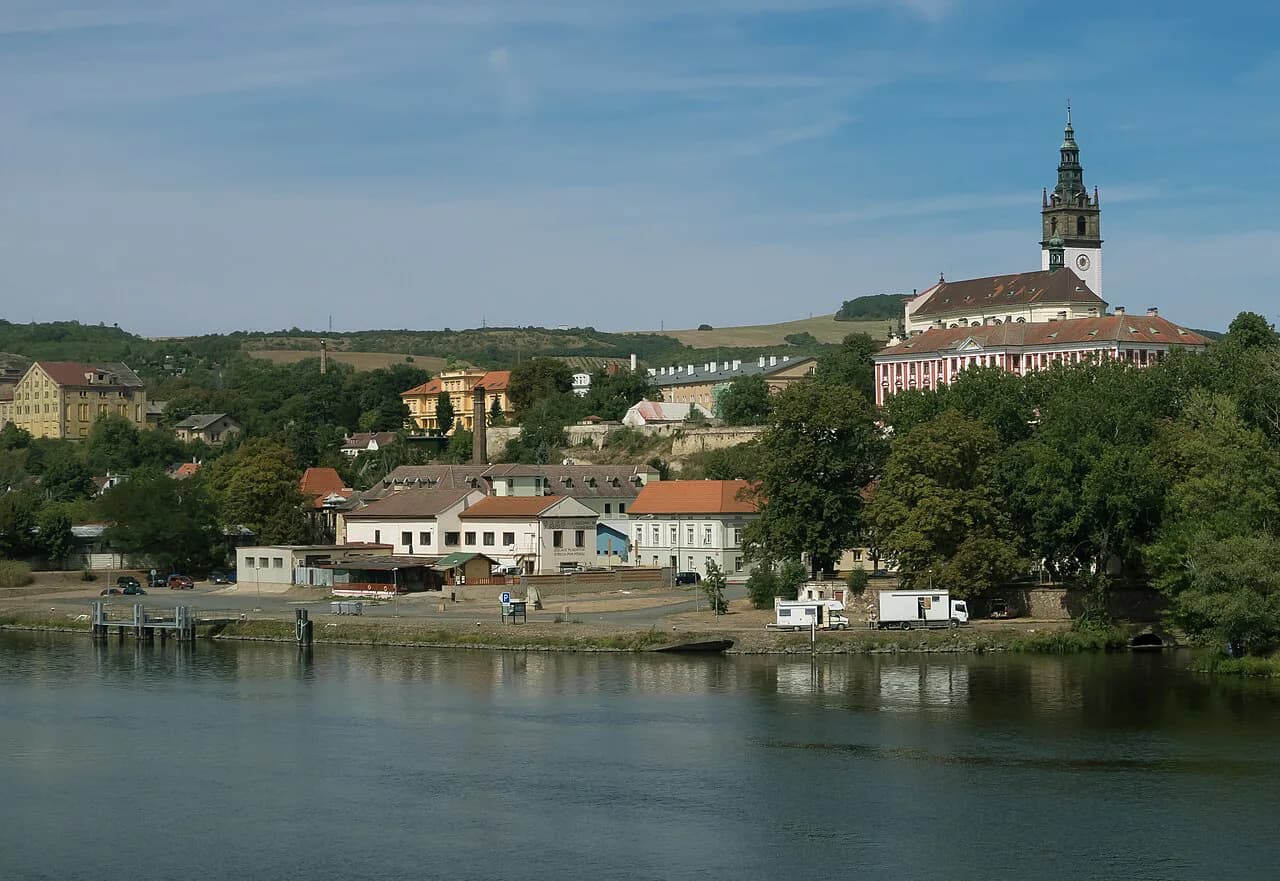
Give the memorial a full day rather than an afternoon. Terezín is a working town as well as a memorial, and moving between the town-side objects and the Small Fortress takes real time on foot, which is the honest way to see how the three histories were physically interlocked. If you are continuing north afterward, Litoměřice and its Mírové náměstí make a calmer contrast and lie in the same direction.
Read about the deportation system before you arrive, because the site assumes some background and the exhibition texts carry a great deal of detail. The US Holocaust Memorial Museum's encyclopedia article on Theresienstadt is a concise scholarly orientation to the ghetto and its place in the deportations.
Which part of Terezín should you see first?
Start with the Small Fortress if you want the prison history clearly separated from the town, then cross into Terezín for the Ghetto Museum and the Magdeburská kasárna. If your interest is the deportation system as a whole, read the US Holocaust Memorial Museum article first so the exhibits slot into a structure you already understand, and plan on a full day across both sites.
The memorial publishes current opening times, admission in Czech koruna and any object closures, so confirm those before you travel, particularly during the Ghetto Museum reconstruction that begins on November 2, 2026. The Litoměřice page is useful if you are routing onward by train or bus from the same area.
Explore more Terezín guides
Sources
Notes for your Czech trip
Optional updates to our Czech town guides.
You might also like
Continue reading
More guides you'll find useful