Lidice Memorial: Visiting the Village Destroyed in 1942
Lidice Memorial explains the 1942 destruction of the village and preserves the site. See the museum, the reverent area, and the Monument of Children.
On this page
The Lidice Memorial preserves the site of a village that German forces destroyed in June 1942, and it combines an indoor museum with an outdoor reverent area where the village stood. Allow about two to three hours: the museum needs an hour, and the walk past the church foundations, the grave of the men, and the Monument of Children takes the rest.
This guide sets out what happened on June 10, 1942, then walks through the site element by element so you know what each part holds before you arrive. It covers the museum and its permanent exhibition, the reverent area, the gallery and one-family house no. 116, admission in Czech koruna, and how the memorial sits in relation to Terezín for travelers following the country's wartime history.
What happened at Lidice on June 10, 1942
After the assassination attempt on Reinhard Heydrich on May 27, 1942, the village of Lidice was razed to the ground on the command of Karl Hermann Frank. On June 10, 1942, 173 men were shot dead, and the women and most of the children were transported to concentration camps.
The intention to erase the village from the map failed: Lidice was rebuilt, and communities around the world took the name in honor of the destroyed village. The memorial, an organization of the Czech Ministry of Culture, also administers the National Heritage Site Ležáky.
Lidice lies about 4 km east of Kladno and roughly 12 km northwest of Prague, in flat agricultural country on the Prague Plateau. That proximity is why the site can be combined with a city day, though the subject matter deserves its own unhurried block of time.
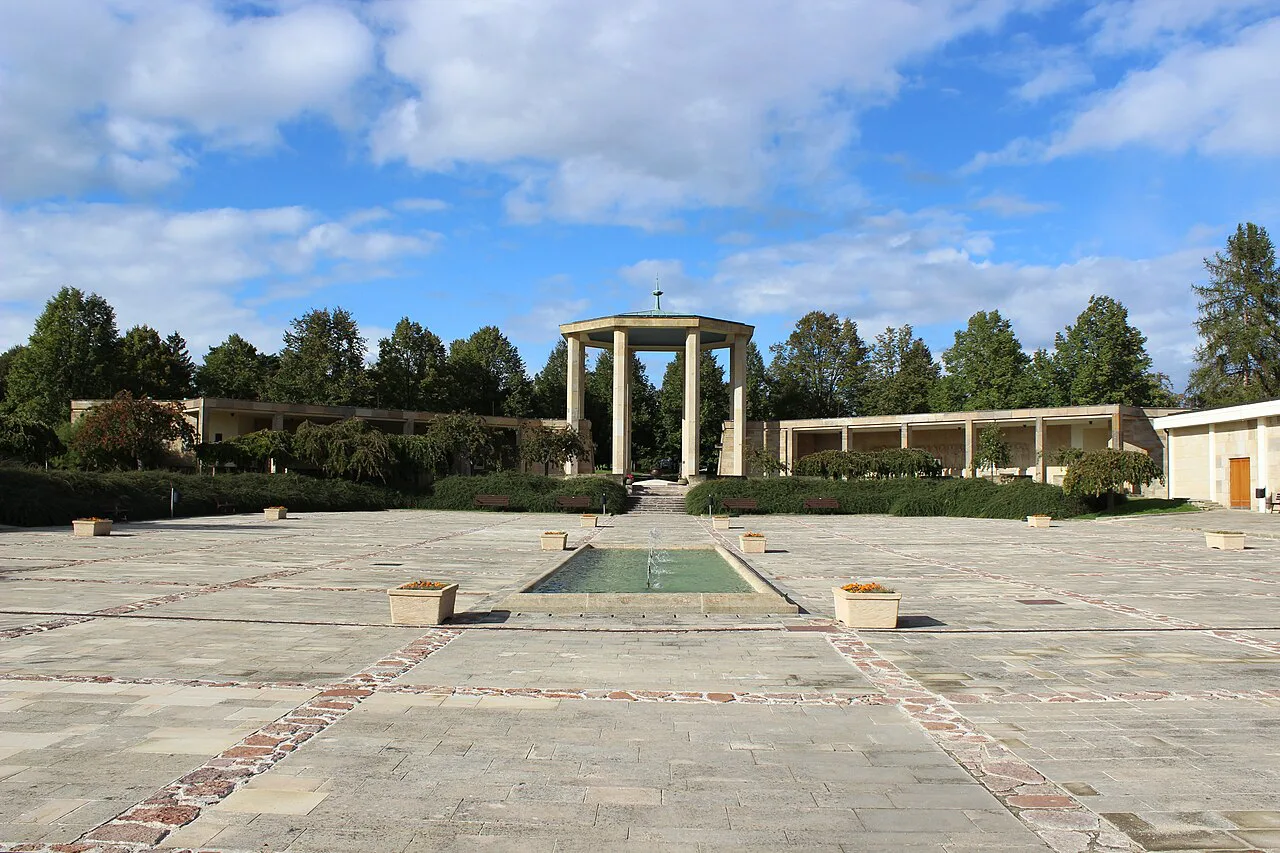
What the Lidice Memorial site is today
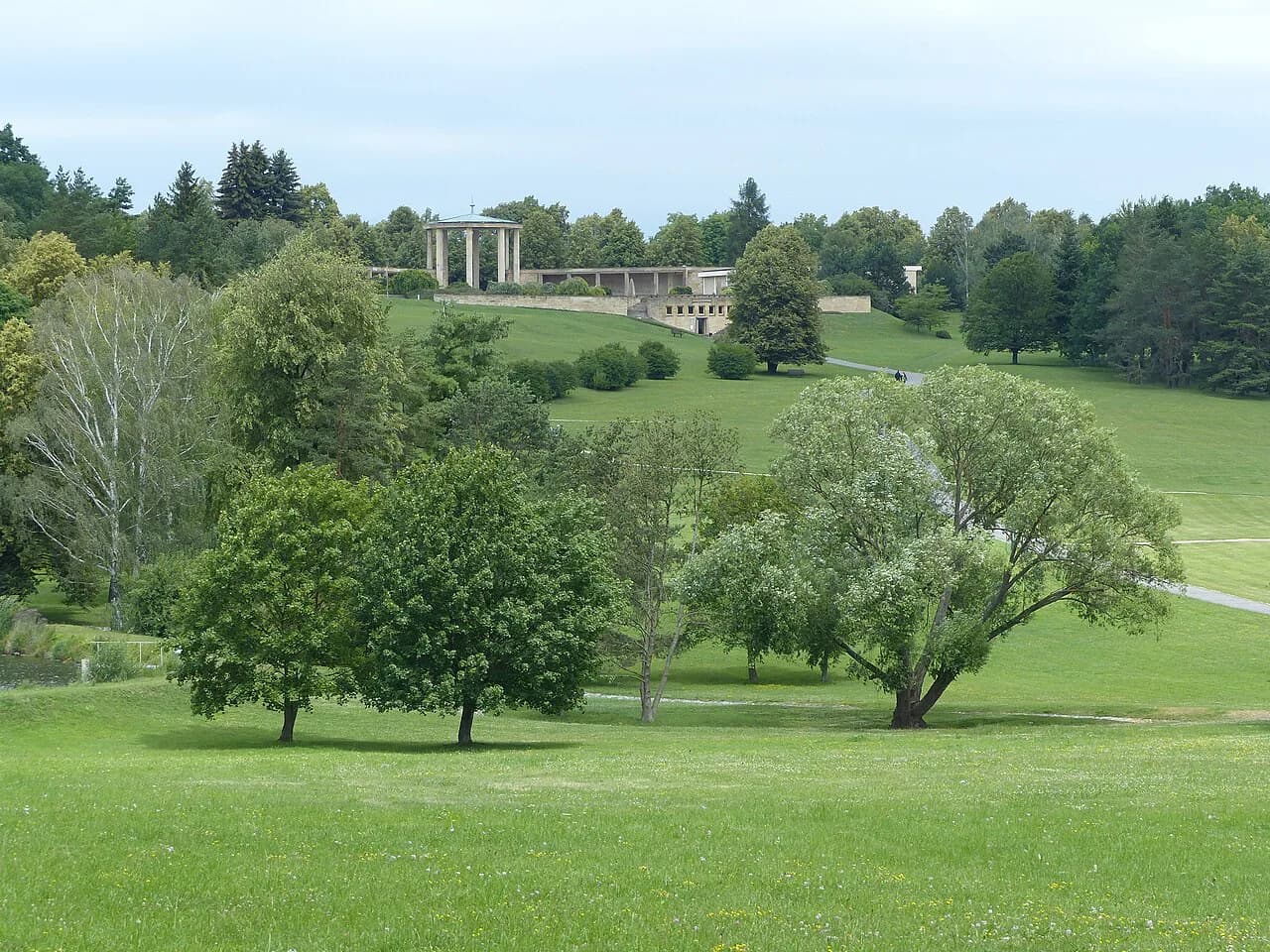
The memorial is organized in two halves. The museum, the gallery, and house no. 116 are buildings with exhibitions; the reverent area is open ground where the village's footprint is marked by foundations, monuments, and the old graveyard. Plan the indoor part first if the weather is uncertain, then walk the outdoor route.
Both parts use the same admission system. The memorial publishes a combined ticket that covers the museum and the other accessible site elements, so you do not buy separately at each stop.
If your trip already includes the fortified town of Terezín, treat the two as separate visits rather than one outing; Terezín: Visiting the Fortress Town and the Theresienstadt Ghetto covers the fortress town and its ghetto history, while Lidice is a rural site of annihilation and remembrance.
The museum and its permanent exhibition
The museum carries the permanent exhibition And Those Innocent Were Guilty, which sets the destruction of the village in the context of the Nazi occupation. It is the place to start, because the outdoor monuments make more sense once you have seen the documents and the sequence of events.
The memorial also maintains a research room and library, useful if you are tracing a family connection to the village or to the children deported in 1942. Ask at the desk about access rather than assuming the collections are open without arrangement.
An audioguide to the Lidice collection accompanies the exhibits, which helps if you read Czech slowly or not at all. Exhibition texts are the core of the visit, so budget reading time instead of treating the museum as a quick preface to the grounds.
The reverent area: church foundations, school foundations, and the grave of the men
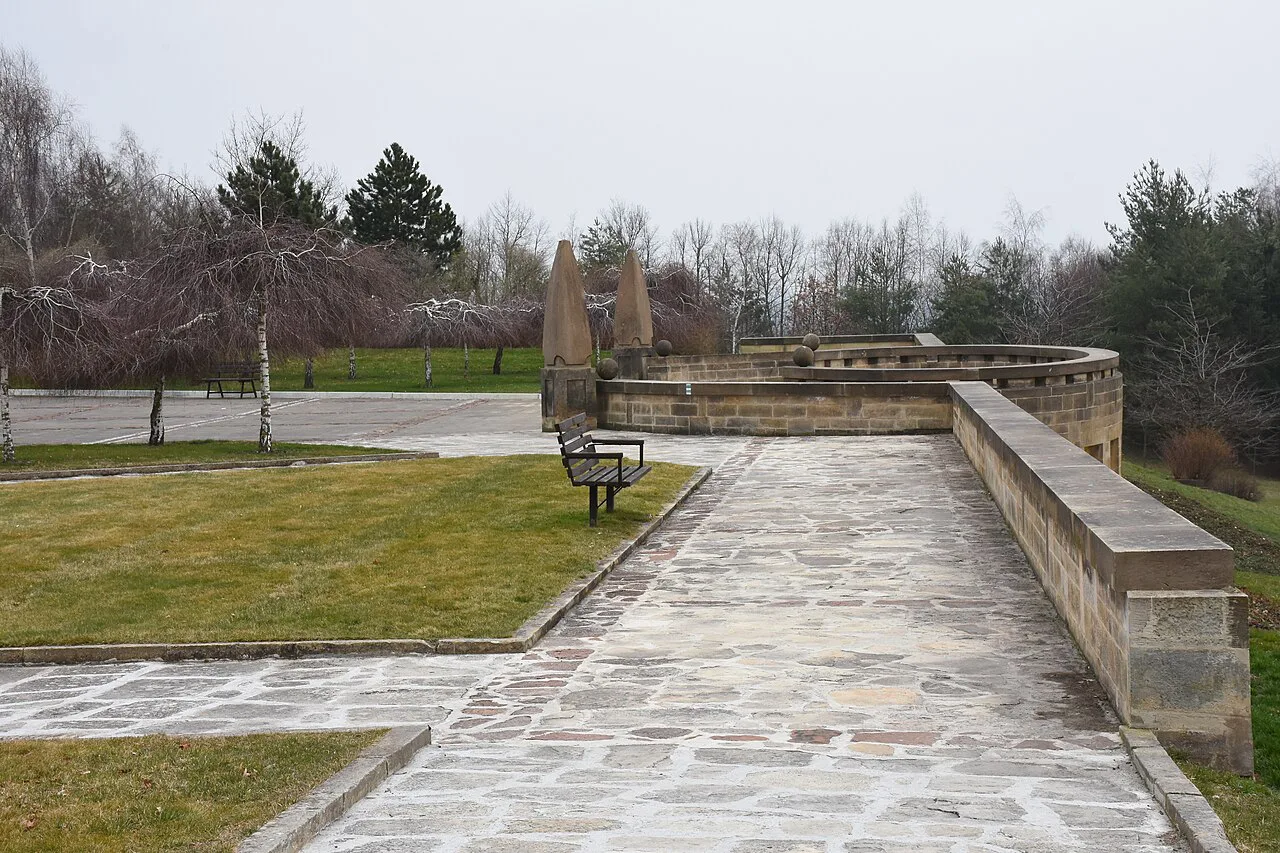
Outside, the village is legible through what remains. The foundations of the church and of the school are marked on the ground, along with the old graveyard, the foundations of the Horák estate, and the grave of the men shot in June 1942.
Walk the route slowly and in order. The foundations read as outlines rather than buildings, so the interpretive markers and the audioguide to the reverent area do the work of showing you what stood on each plot; without them the field looks empty.
The Alley of Dr. Barnett Stross is named for the British physician who led the campaign that kept the name Lidice in public memory abroad. It connects the memorial elements and is part of how the site explains the international response to the destruction.
The Monument of Children and the rose garden
The Monument of Children, a tribute to the sculptor Marie Uchytilová, is the site's most direct emotional register and the element most visitors remember. It stands apart from the museum buildings, so leave it for the point in the walk when you have the context from the exhibition.
The rose garden is a quieter counterweight, planted where the village once stood and linked to the memorial's garden and art collections. It is also the part of the site that changes most with the season, so a visit in growing weather shows the grounds at their fullest.
One-family house no. 116 and the gallery
House no. 116 is a single preserved family house presented as part of the memorial's collection, giving a sense of the ordinary domestic scale of the village that was destroyed. It is a small stop, but it anchors the abstract history in a real interior.
The Lidice Gallery and Garden holds the Lidice Art Collection and mounts temporary exhibitions and public programs alongside the permanent displays. Check what is on when you arrive: the collection rotations mean the gallery is worth a look even on a repeat visit.
Opening hours and admission prices in CZK
The memorial is open daily from 9 a.m. to 5 p.m., and admission is 150 CZK for adults and 70 CZK for children. Those are the memorial's own published figures, so bring koruna or a card rather than expecting a free site.
Because the site combines indoor exhibitions with open ground, the hours govern both. Arriving in the early afternoon leaves enough of the day for the museum and the reverent area without rushing the monuments at closing time.
How to get to Lidice from Prague
Lidice sits about 12 km northwest of Prague and about 4 km east of Kladno, close enough for a short trip out of the city by car, bus, or train plus a local connection. The memorial publishes its own map and transportation page, which is the right place to confirm the last leg of the journey before you set out.
The site has parking, a restaurant, and bike storage listed among its services, which makes a self-driven or cycling visit straightforward. If you are coming by public transport, plan the return connection as carefully as the outbound one, since the village is small and services are not frequent.
How much time the site needs
Two to three hours covers the museum, the reverent area, the Monument of Children, and house no. 116 at a reasonable pace. Add time if you use the audioguide or want to sit with the exhibitions, which reward slower reading than a typical castle interior.
History-focused travelers often pair the visit with other wartime sites in the region. Terezín Memorial is the larger and more heavily visited counterpart, and the two together give a fuller picture of the occupation in Bohemia than either does alone.
What the visit asks of you
This is a place of atrocity, and the register of the site is memorial rather than entertaining. Keep voices low in the reverent area, do not climb on the foundations or monuments, and give the grave of the men and the Monument of Children the quiet they are designed for.
The memorial publishes visitor rules on its own site, and they are worth a glance before you go if you are visiting with a group or plan to take photographs. Photography of the memorial elements is a different matter from photography of the exhibitions, and the rules settle which is which.
Should Lidice be part of your wartime itinerary?
Yes, if you want to understand how the occupation reached ordinary villages, not only garrison towns and camps. Lidice is compact, close to Prague, and its combination of museum and open ground explains the 1942 destruction more concretely than documents alone can.
Build the day around the museum first and the reverent area second, allow two to three hours, and carry koruna for the 150 CZK adult ticket. Travelers going deeper into the region's wartime history can continue to the Terezín Memorial, which the same period of history demands.
Explore more Terezín guides
Frequently Asked Questions
Is the Lidice Memorial free?
No. The memorial publishes adult admission at 150 CZK and children's admission at 70 CZK, with opening daily from 9 a.m. to 5 p.m. Bring koruna or a payment card.
How far is Lidice from Prague?
Lidice lies roughly 12 km northwest of Prague and about 4 km east of Kladno. The memorial's own map and transportation page is the place to confirm how to reach the site.
Are there guided tours at Lidice Memorial?
The memorial's site is set up for self-guided visits, with an audioguide to the collection and one to the reverent area. It publishes the available options under its plan-your-visit information.
Sources
Notes for your Czech trip
Optional updates to our Czech town guides.
You might also like
Continue reading
More guides you'll find useful