
Magdeburg Barracks in Terezín: What to See and How to Visit
The Magdeburg Barracks is one of the Terezín Memorial's sites inside the former Theresienstadt ghetto, and it is a place to look at ghetto life and culture alongside the memorial's other buildings rather than the police prison. It sits in the town of Terezín, separately from the Small Fortress on the far side of the fortifications, so plan it as its own stop. This page covers what the building holds, how the exhibitions are laid out, how much time to give it, and how it fits with the other memorial sites.
What the Magdeburg Barracks are and where they sit in Terezín
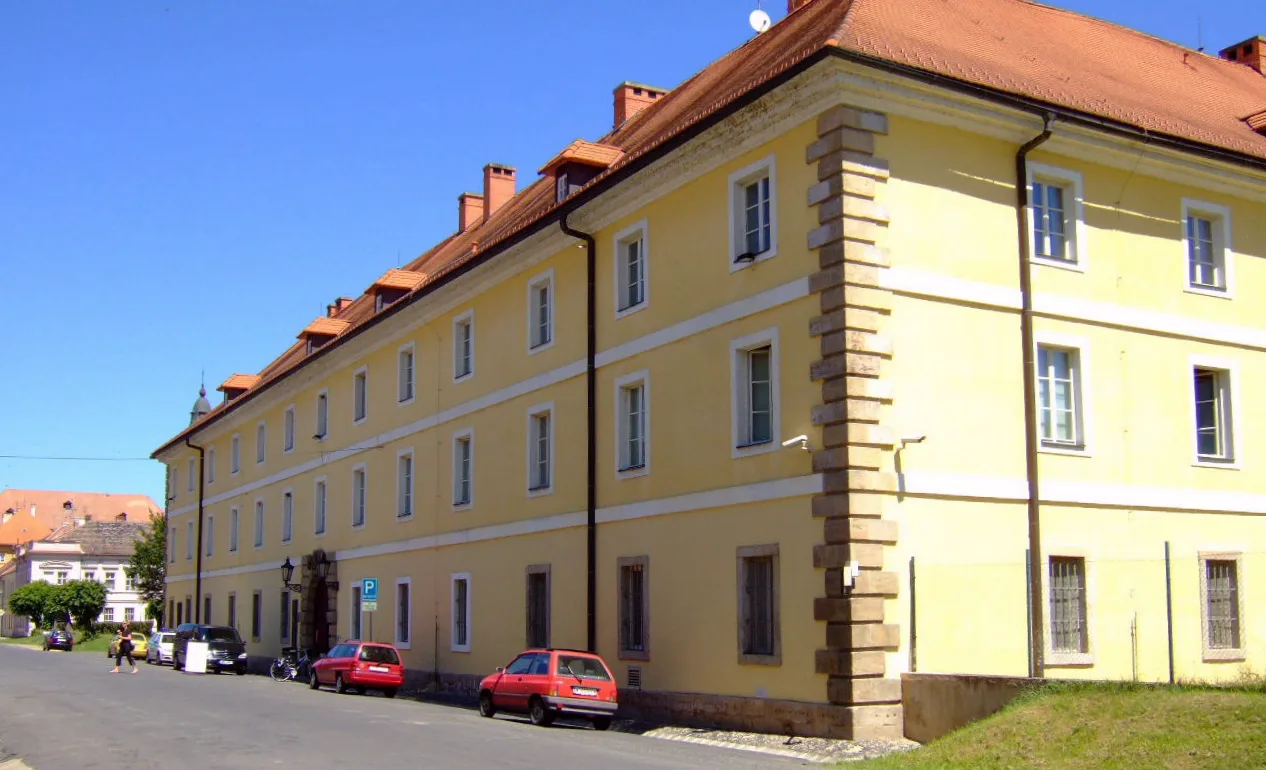
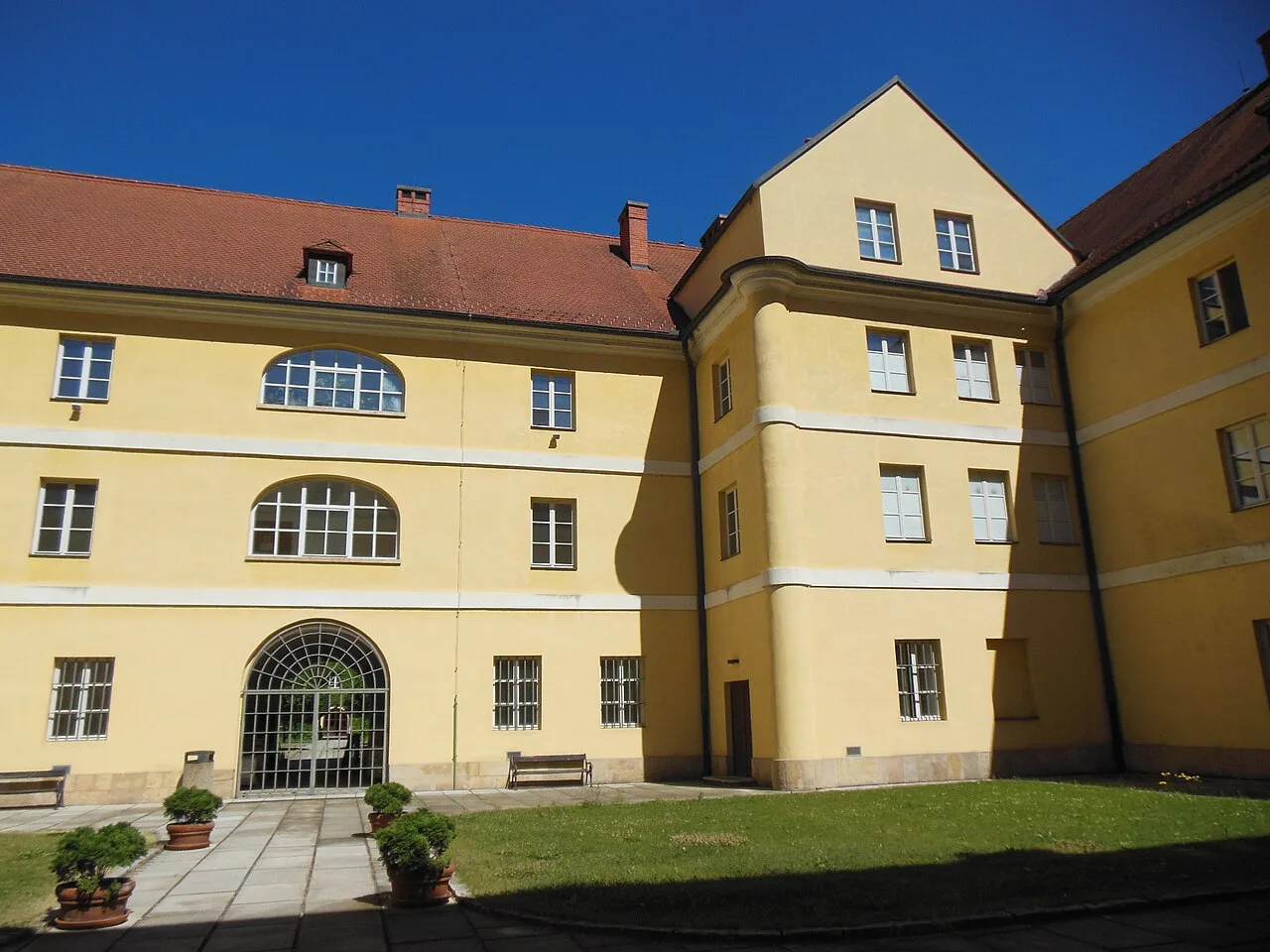
The Magdeburg Barracks are a former military building in the town of Terezín, used during the war years as part of the Theresienstadt ghetto. The Terezín Memorial runs the building as one of its exhibition sites, and its events listings place the former Magdeburg Barracks among the memorial's venues. It is inside the town itself, not out at the Small Fortress, which matters when you plan the order of your day.
The memorial organizes its work around a set of sites: the Small Fortress, the Ghetto Museum, the Magdeburg Barracks, the Crematorium and Columbarium, and a prayer room. Each one carries a different part of the story, and the barracks works best as a companion to the Ghetto Museum rather than a substitute for it. If you only have time for two stops in town, pair those two.
Terezín itself is a planned fortress town, laid out on a grid with a large central square, so finding the memorial buildings on foot is straightforward once you are in the center. The memorial's address is Principova alej 304, 411 55 Terezín, which is the contact point for the institution as a whole. Use the town's central square as your orientation landmark and work outward from there.

How to reach the barracks from Prague and around Terezín
Terezín lies north of Prague in the direction of Litoměřice, and most visitors come by car or by bus from Prague's transport hubs. Buses run to Terezín from the Prague area, and the town is also reachable via Litoměřice, which has rail connections. Confirm current connections and travel times with the national bus and rail timetables before you set out, since schedules change by season.
Within Terezín, the memorial sites are spread across the town: the Ghetto Museum and the Magdeburg Barracks are in the built-up center, while the Small Fortress sits outside the town walls on the road toward Litoměřice. Walking between the town sites is short; the Small Fortress is a longer walk or a short drive. Plan your route so you do not cross town twice.

What the barracks cover: prisoners' records and everyday life in the ghetto
The barracks exhibitions deal with how people lived inside the Theresienstadt ghetto: the housing they were assigned, the crowded conditions, and the cultural activity that prisoners organized under the constraints of the camp. The memorial's subject matter includes everyday life in the ghetto as well as the deportations that moved people onward to camps further east. Read the panels in order and the building's rooms make more sense as a sequence than as isolated displays.
The memorial's prisoner database shows how that deportation record looks for an individual: transport numbers, dates, and stated fate. Max Sonnenschein, born in 1876, was deported from Vienna to Terezín in July 1942 and then from Terezín toward Treblinka that September, and the database entry records his fate as died. Entries like this are the reason the exhibitions are worth reading slowly rather than walking through.
The National Cemetery database follows the same documentary approach for people buried at Terezín, listing grave and section numbers alongside dates. Antonín Bartoníček, born in 1900, died in March 1945 and is recorded in grave 293, section 1. These records sit behind the displays you see in the buildings, and they make the scale of the site concrete.
Art exhibitions and temporary shows in the former barracks
Beyond the permanent displays, the memorial mounts changing exhibitions, and the former Magdeburg Barracks is one of the venues it uses. Petra Terslova's exhibition 12 Witnesses of the Holocaust was scheduled in the former Magdeburg Barracks from 11 November to 17 December 2026. Because these shows rotate, check the memorial's events calendar before you travel if a specific exhibition is your reason for coming.
Other art shows run in different buildings on the site, such as the foyer of the cinema in the Ghetto Museum and the exhibition spaces in the fourth courtyard of the Small Fortress. The program mixes documentary exhibitions with art installations, and the venues are named in each listing. If you want to catch a particular show, match it to the building before you plan your route through town.
How long to allow and how to combine it with the Small Fortress and Ghetto Museum
Give the Magdeburg Barracks about an hour if you read the main displays, and more if a temporary exhibition is running that you want to see properly. The Ghetto Museum nearby deserves a comparable block of time, and the Small Fortress takes longer because of its size and the walking involved. A full day covers the town sites and the fortress without rushing.
A sensible order starts at the Ghetto Museum for context on the ghetto as a whole, moves to the Magdeburg Barracks for daily life and culture, and finishes at the Small Fortress, which is the starkest part of the site. Doing the fortress last keeps the day's weight at the end rather than the beginning. If you arrive by mid-morning, this sequence fits comfortably before closing.
Tickets, opening hours, and booking: where to confirm them
The Terezín Memorial takes reservations and publishes opening hours, admission charges, and tour options through its own visitor pages, and it lists contact numbers for guided tours and for its secretariat. Confirm the current hours and ticket terms on the memorial's site before you go, since they vary through the year.
Group visits and guided tours can be reserved in advance, which is worth doing if you are traveling with a group or want a specific time slot. Individual visitors can generally tour the exhibitions on their own, following the displays and panels. If you plan to see several memorial sites in one day, ask about combined admission when you book.
Should the Magdeburg Barracks be on your Terezín itinerary?
Yes, if you want to understand the ghetto as a place where people lived and worked, not only as a transit point. The barracks exhibitions give that layer of the story, and they pair naturally with the Ghetto Museum a short walk away. Build them into a full day that also takes in the Small Fortress.
Explore more Terezín guides
Frequently Asked Questions
How far is it from Prague to Terezín?
Terezín lies north of Prague toward Litoměřice, and visitors reach it by car or by bus, with Litoměřice providing rail connections nearby. Check current bus and train timetables for travel times before you go, because schedules change with the season.
How long should I spend at the Magdeburg Barracks?
Allow about an hour to read the main exhibition, and more if a temporary art show is running in the building. Add time for the Ghetto Museum and the Small Fortress if you are making a full day of the memorial sites.