
Terezín Crematorium and Columbarium: What the Memorial Lists There
The Terezín crematorium is part of the Terezín Memorial, not a separate attraction, and it stands beside the Jewish cemetery in the town's municipal cemetery. Plan it as one stop of roughly half an hour alongside the Small Fortress and the Ghetto Museum rather than as a destination on its own. This guide covers where the site sits, how it connects to the memorial's other sites, and how the National Cemetery by the Small Fortress differs from it.
What the Terezín crematorium is and how it fits the memorial
The Terezín Memorial (Památník Terezín) is the state institution that preserves and interprets the former Theresienstadt ghetto, the Police Prison in the Small Fortress, and the burial and cremation facilities connected with them. The crematorium appears as a site in the memorial's own navigation, alongside the Small Fortress, Ghetto Museum, Magdeburg Barracks, Columbarium and Prayer room, rather than as an independent museum. The visitor guide to Terezín Attractions: 4 Visitor Guides sets out how these places fit together, and there are separate guides to Ghetto Museum Terezín and Magdeburg Barracks.
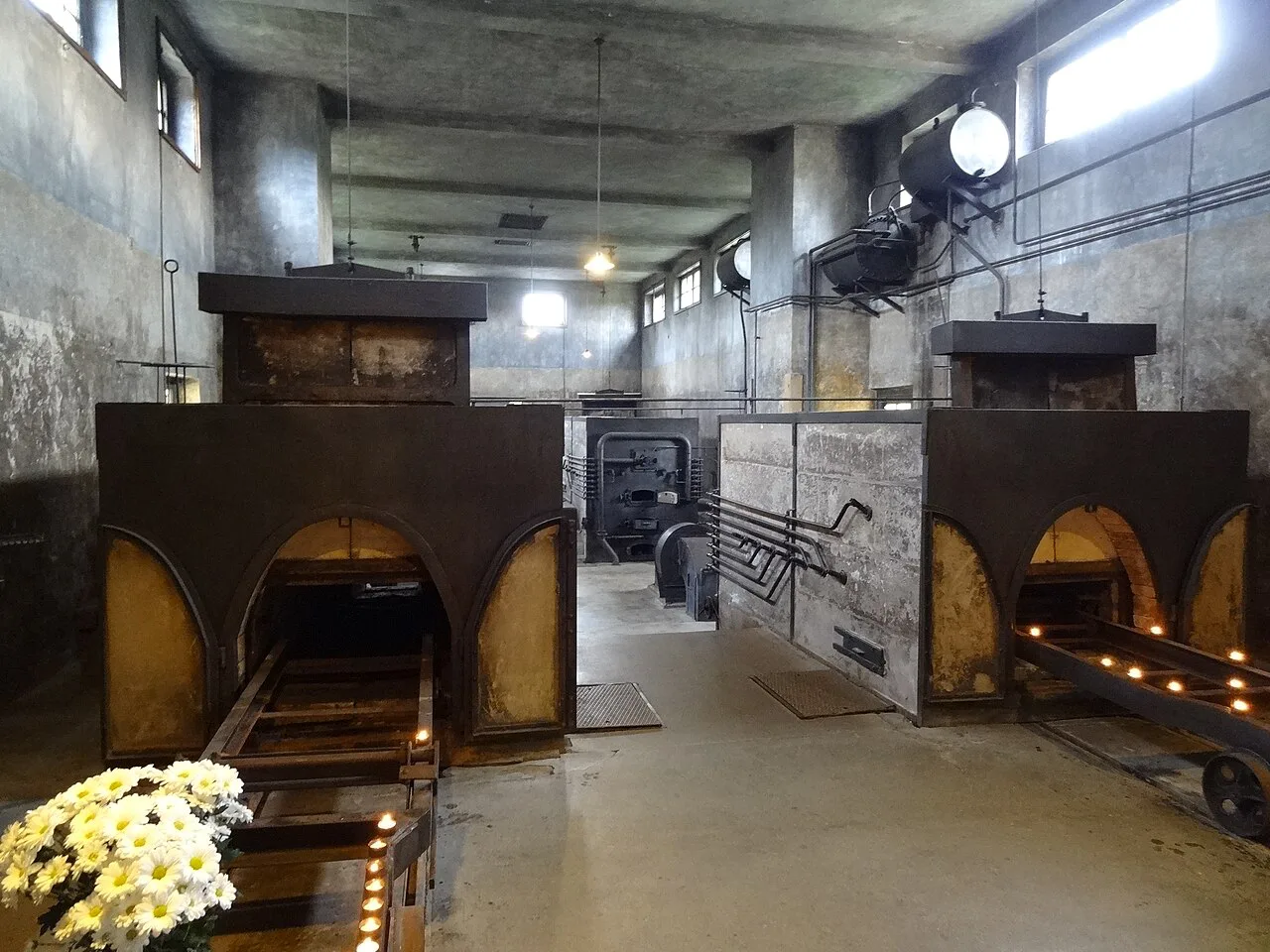
Because it belongs to the memorial, the crematorium is best slotted in on the same day as the Small Fortress Terezín and the Ghetto Museum, which hold the main historical exhibitions. Treat it as a place for reflection and for understanding how the dead of the ghetto were handled rather than as a site with the memorial's main exhibition displays.
The memorial publishes an events listing on its own site, ranging from exhibitions at the Ghetto Museum and the Small Fortress foyers to installations in the 4th courtyard, and the memorial can be reached for reservations and inquiries on (+420) 416 724 535 or 604 241 179 for guided tours and (+420) 416 782 225 at its secretariat switchboard.

Where the crematorium and Jewish cemetery sit in Terezín
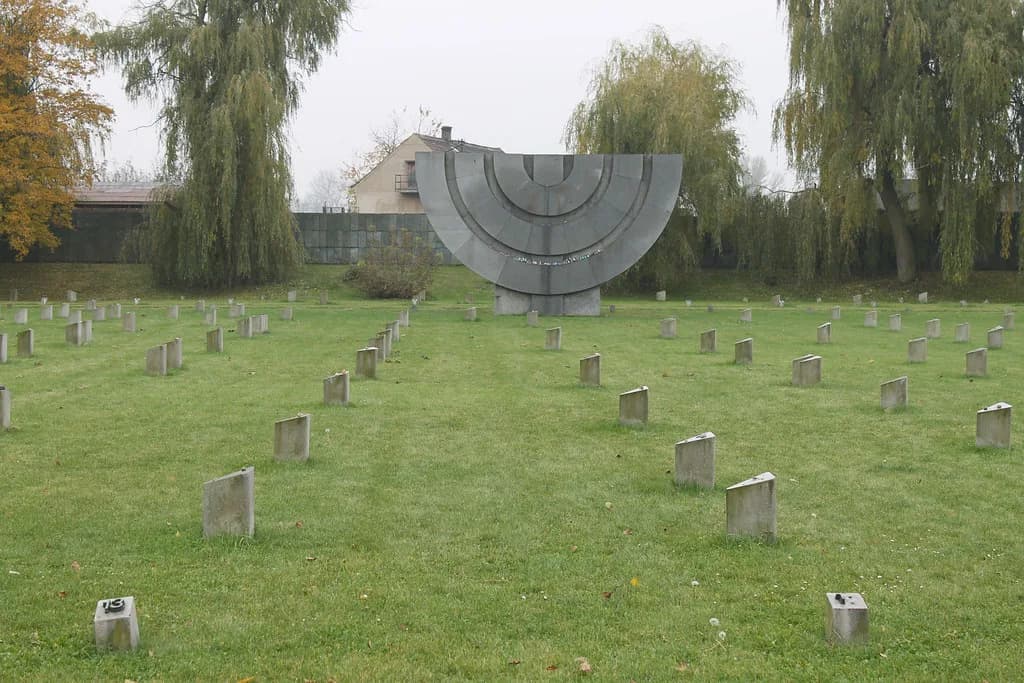
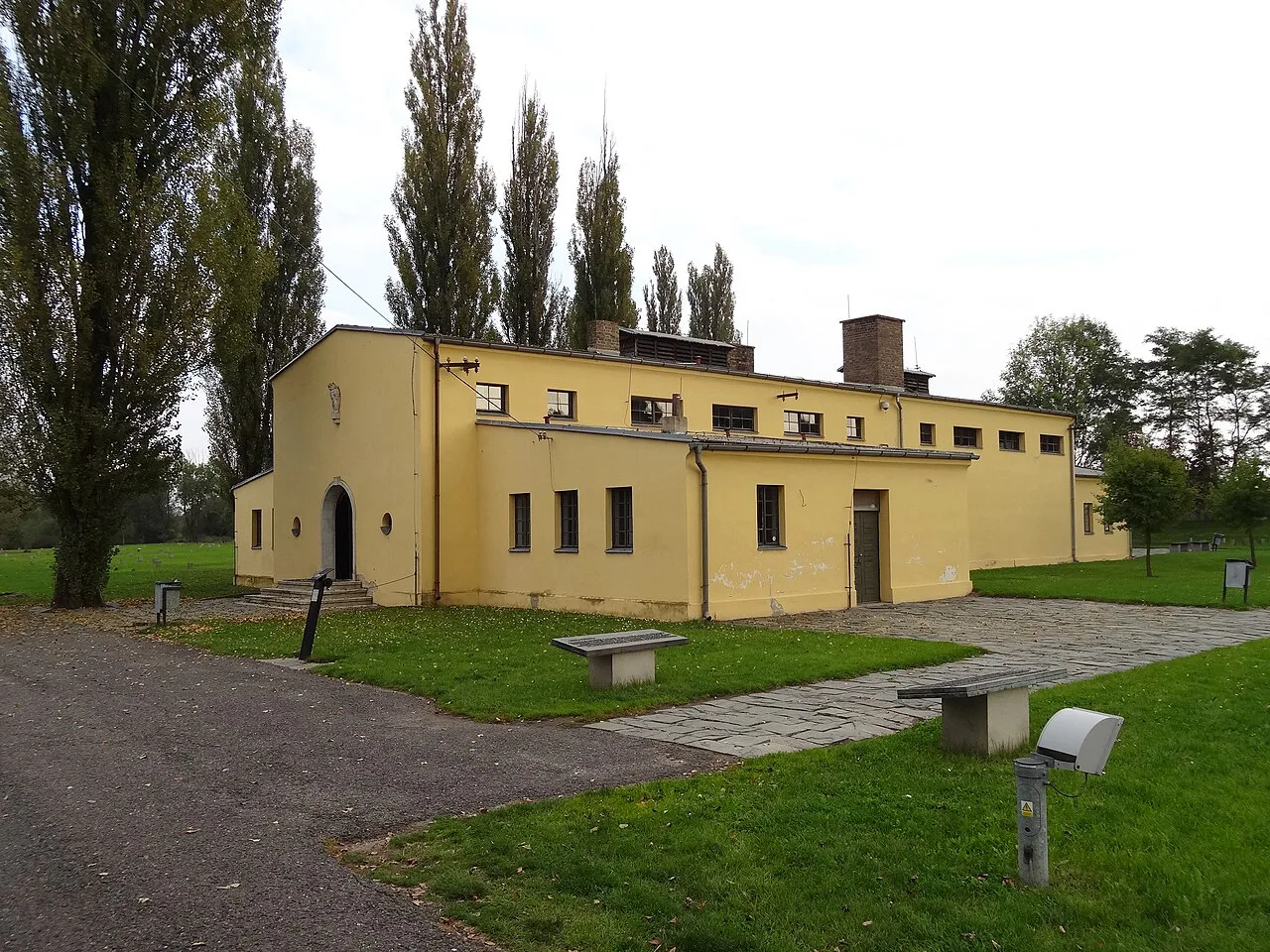
The memorial lists the crematorium and the Jewish cemetery as sites of its own, separate from the Small Fortress in the fortified core of the town. The crematorium and Jewish cemetery are set beside the town's municipal cemetery, while the National Cemetery lies in front of the Small Fortress, so plan on a short move across town between these stops rather than a single continuous walk through one gate.
Travelers often confuse these sites with the National Cemetery, which the memorial describes as lying in front of the Small Fortress. The National Cemetery is a distinct burial place with its own history, and the memorial numbers its graves by section so that visitors can follow its layout. The guide to Terezín history sets the wider context.

How to reach the site from the memorial's main sites and from Prague
Terezín sits north of Prague toward Litoměřice, and most travelers reach it by car or by bus from Prague; the memorial's own site carries a how-to-get-to-us page for each of its sites. Allow time for a move between the town center and the municipal cemetery if you are covering both the fortress and the crematorium in one day. The guide to Terezín Attractions: 4 Visitor Guides helps you order those stops.
If you are relying on public transport, confirm connections and station names against current Czech timetables before you set out, since the town has more than one rail and bus point of arrival. Within Terezín the distances are short, but the walk between the fortress area and the municipal cemetery still needs planning rather than being treated as a doorstep stop.
What the memorial lists at the crematorium, columbarium and Jewish cemetery
The crematorium and its adjoining columbarium sit beside the Jewish cemetery as sites the memorial lists and maintains. Read the place soberly: this is a memorial and burial setting first and a historic monument second, and quiet behavior is expected throughout.
For the historical context that gives the site its meaning, the exhibitions at the Ghetto Museum in the town and at the Magdeburg Barracks set out the ghetto's administration, its prisoners and its mortality. Seeing those displays before or after the crematorium helps you read the burial and cremation facilities in context.
Photography and group behavior here call for restraint, and the memorial asks visitors to follow its visitor code of conduct across all sites, so keep voices low and avoid blocking the grave rows while others are visiting.
The National Cemetery and its sections in front of the Small Fortress
The National Cemetery in front of the Small Fortress is the memorial's other burial site, and its own database records 2,386 graves, with data on 1,133 victims of Nazi persecution among the people buried there. Only about half the graves carry names, because remains recovered from mass graves after the war could not be identified, and some inscriptions are symbolic only.
The cemetery is divided into numbered sections, and the memorial describes what each one holds: Section 1 began with victims exhumed from mass graves on the Small Fortress ramparts, more than 200 of whom could be exactly identified, and reburied at the National Funeral on September 16, 1945, while Section 7 holds 789 graves of inmates from the Litoměřice concentration camp. Section 8 contains 886 urn graves of ghetto inmates who died between January 1 and March 15, 1945, and during the typhus outbreak at the end of the war.
Sections 4 and 5 are marked by pylons: the central pylon in Section 4 covers the ashes of 52 Police Prison inmates shot in the Small Fortress on May 2, 1945, and two pylons in Section 5 mark the ashes of several thousand victims cremated in Terezín. Knowing this numbering helps you read the rows instead of seeing an undifferentiated field of crosses and stones.
How much time to allow and how to order the visit
Give the crematorium and Jewish cemetery around half an hour, longer if you want to read the graves and sit with the site. The National Cemetery by the Small Fortress deserves a separate block of time, since walking its sections with the memorial's numbering in hand takes longer than a quick pass.
A workable order is the Ghetto Museum Terezín and Magdeburg Barracks first for context, then the Small Fortress Terezín with the National Cemetery in front of it, and the crematorium and Jewish cemetery last. If you are short of time, keep the fortress and museum and treat the crematorium as an add-on rather than the core of the day.
The Small Fortress held the Police Prison, whose dead are commemorated at the National Cemetery, while Section 7 of that cemetery holds the graves of inmates from the Litoměřice concentration camp. Seeing the sites in this order links the places where people were held to the places where they were buried.
Practical points: tickets, reservations and guided tours
Admission and reservations are handled by the Terezín Memorial itself, and groups can use the memorial's reservation route rather than arranging visits informally. Check the charge for the combination of sites you plan to see at the time of booking or on arrival.
The memorial keeps a tour line for guided tours at (+420) 416 724 535 or 604 241 179, and an events and exhibitions listing shows what is running when you plan to come. The site is one part of a visit rather than a self-contained exhibition, so pair it with the fortress and museum.
Should the crematorium fit in your Terezín schedule?
Yes, if you are already spending the day at the memorial: the crematorium and Jewish cemetery add a necessary dimension that the fortress and museum exhibitions do not cover on their own. Skip it only if your time in town is very tight, and in that case put the Small Fortress and Ghetto Museum first.
Before you go, confirm the day's arrangements on the memorial's visitor pages, and keep the tour line if you want to ask about a guided visit. Build the site into a route that includes the National Cemetery so the two burial places are seen as the distinct places they are.
Frequently Asked Questions
Where exactly is the Terezín crematorium?
It belongs to the Terezín Memorial and is one of the sites the memorial lists, separate from the Small Fortress area, whose National Cemetery the memorial describes as lying in front of the fortress. Because the sites are spread across town, plan the crematorium and the fortress as different stops rather than one continuous visit.
Is the crematorium a separate museum with its own ticket?
The memorial manages the crematorium, the columbarium and the Jewish cemetery as part of its sites, alongside the Small Fortress, the Ghetto Museum and the Magdeburg Barracks. Admission and reservations are handled by the Terezín Memorial; check the charge for the combination of sites you plan to see at the time of booking or on arrival.
How much time should I allow?
Allow roughly half an hour for the crematorium and columbarium, longer if you want to read the inscriptions and sit with the site. The National Cemetery by the Small Fortress deserves a separate block, since the memorial numbers its graves by section and walking them with that numbering in hand takes time.
How do the crematorium and Jewish cemetery differ from the National Cemetery?
The National Cemetery in front of the Small Fortress is a distinct memorial burial place: its database records 2,386 graves, with data on 1,133 victims of Nazi persecution, and the sections include 789 graves of inmates from the Litoměřice concentration camp and 886 urn graves of ghetto inmates who died in 1945. The crematorium, columbarium and Jewish cemetery are listed separately among the memorial's sites.
Can I ask the memorial about tours and reservations?
Yes. The memorial's contact line for guided tours is (+420) 416 724 535 or 604 241 179, and its secretariat switchboard is (+420) 416 782 225. Its website also lists current events and exhibitions at its sites.