
Olomouc Town Hall: A Visitor's Guide to Horní náměstí

Olomouc Town Hall is the building that gives Horní náměstí its shape and its rhythm, and it is the first thing to orient yourself by in the old town. The town hall stands on Horní náměstí, a square that packs the astronomical clock, the Holy Trinity Column and a run of Baroque fountains into a few minutes of walking. This guide covers how to find the square on foot, what to look at on the town hall and around it, and how long the whole ensemble realistically takes.
What the Olomouc Town Hall is and why it anchors Horní náměstí
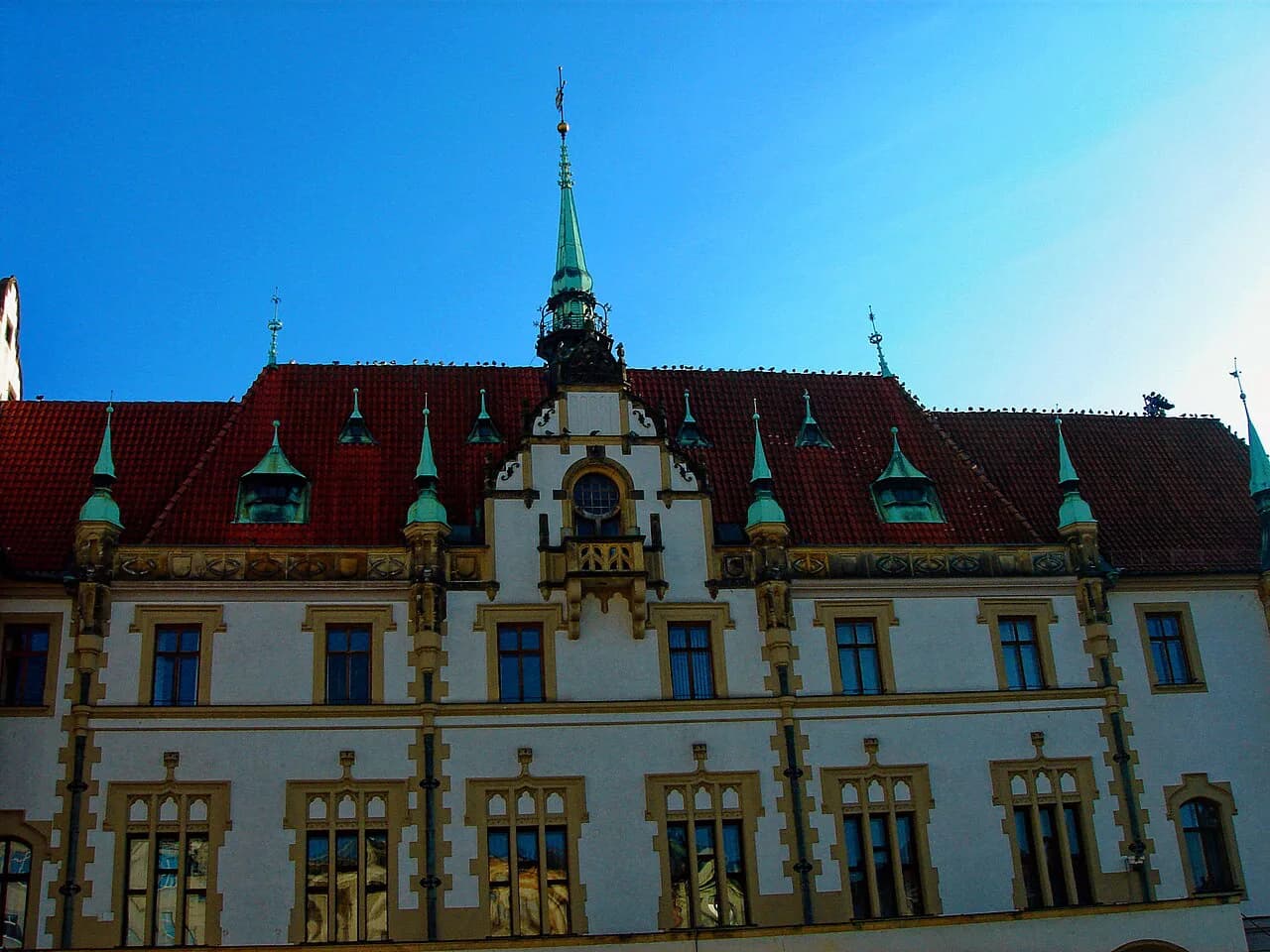
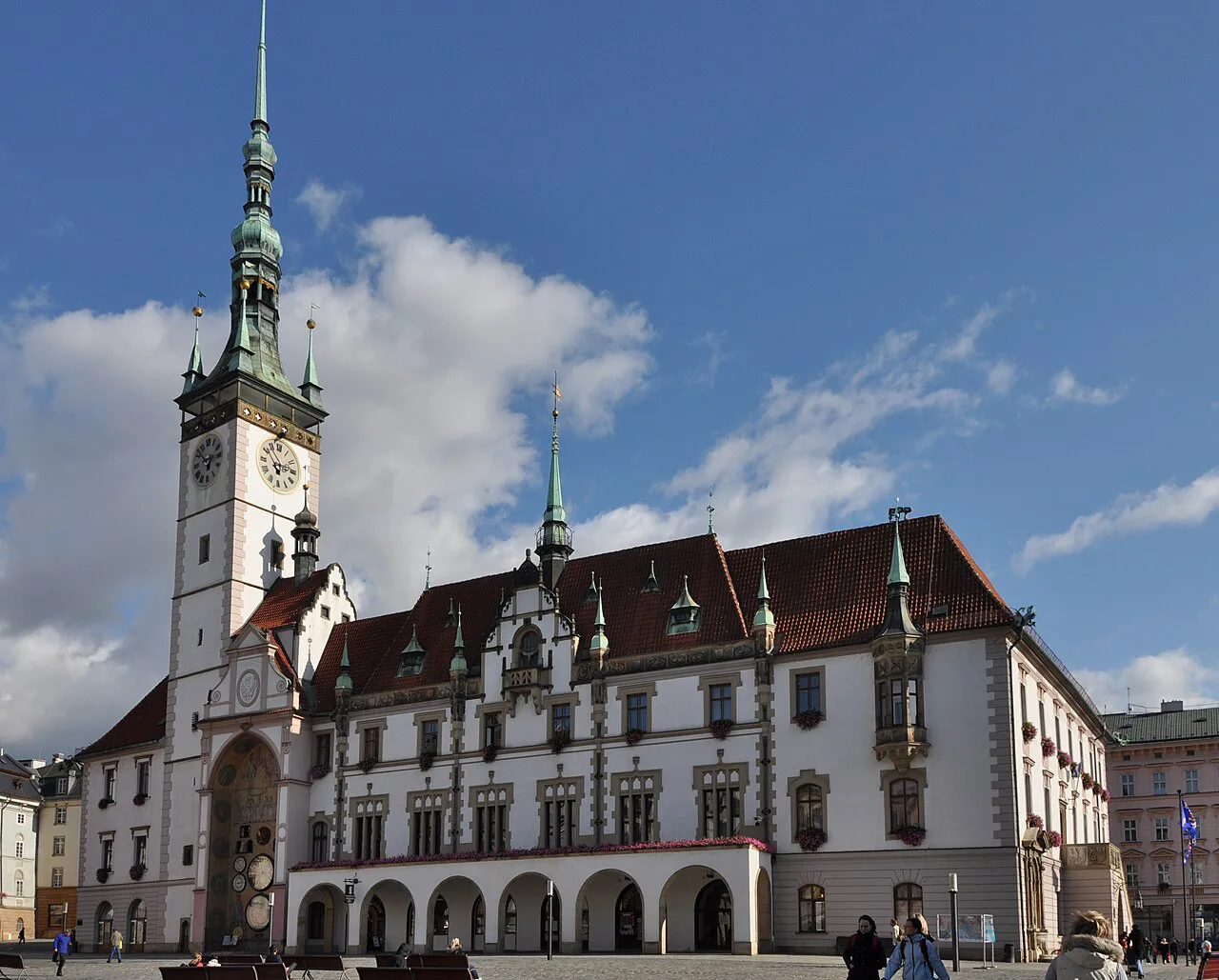
The town hall is a working civic building on the upper square, not a museum you queue for. Its oldest parts go back to the first half of the 15th century, and the building has been rebuilt and extended many times since, which is why the facade mixes older masonry with later flourishes. That long building history is the reason the square reads the way it does: the town hall forms one long wall of Horní náměstí, and everything else visitors come for sits in its forecourt or within a couple of minutes of it.
Treat the square as one ensemble rather than a checklist of separate monuments. The town hall, the clock, the column and the fountains are all within sight of each other, so you can see them in a single loop and then decide what deserves a second pass. For the wider set of sights in the city, from churches to museums, the Olomouc Attractions: 11 Visitor Guides collection is the place to start.

Where it sits and how to find it on foot
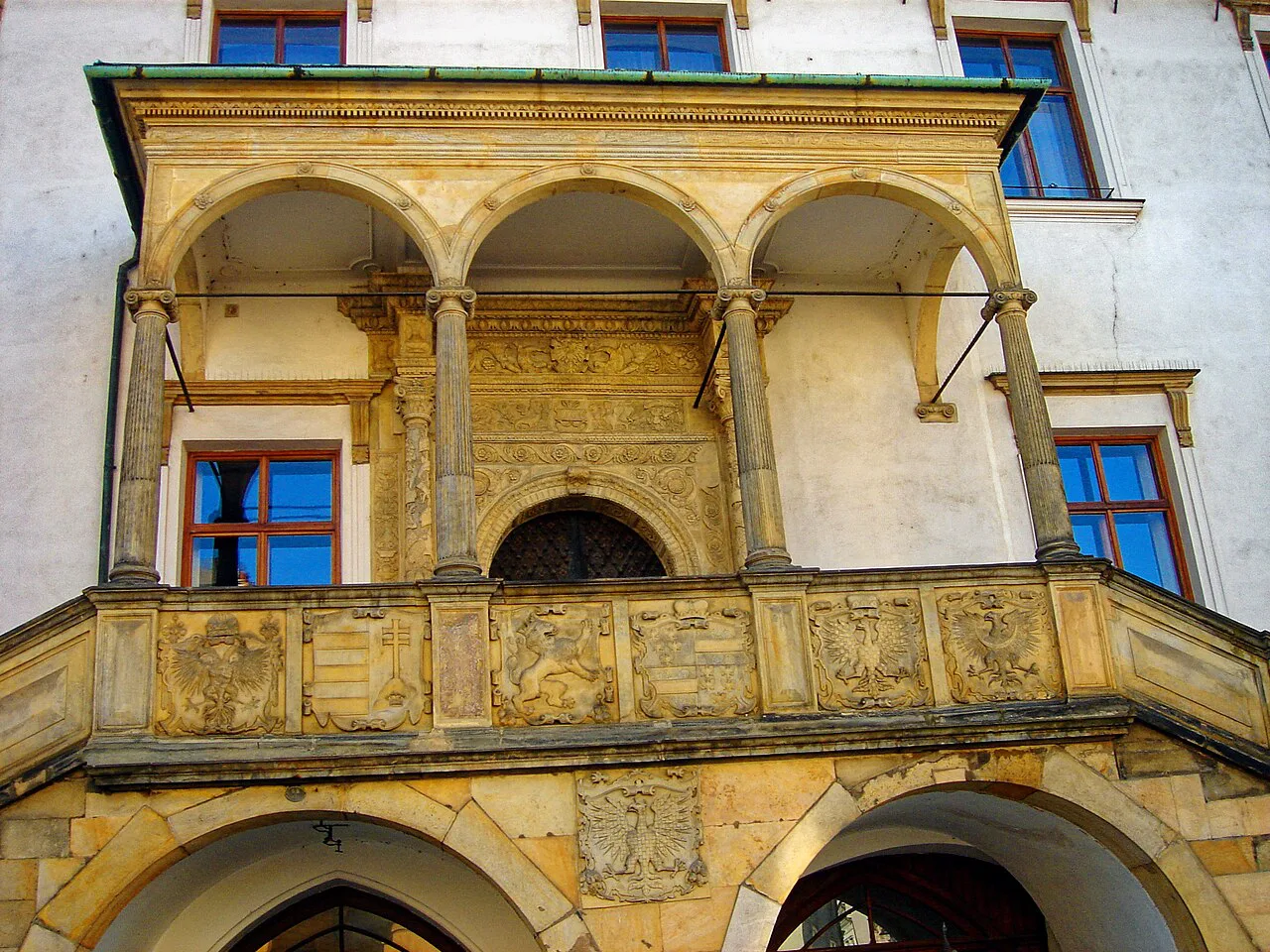
Horní náměstí is in the middle of the old town, a short walk from wherever you arrive on foot, and the town hall is the dominant building on the square's upper side. If you come from the station or from a tram stop, head for the historic center and follow signs or your map to Horní náměstí rather than to the town hall by name; once you reach the square the building is unmissable. Filming-location listings describe the town hall as sitting on Horní náměstí, which matches how you will experience it: you arrive at the square and the building is already in front of you.
Because the old town is compact and mostly pedestrian, the practical approach is to walk in and let the square reveal itself. Approach from the lower streets and the square opens up in stages, with the column and clock appearing before the town hall's full facade does. Give yourself a few minutes of wandering rather than marching straight to a pin on the map.

The astronomical clock on the town hall
The astronomical clock is the reason many travelers put Horní náměstí on their route. It is mounted on the town hall and is one of the features visitors time their arrival around. Plan your visit so you are standing in front of the clock for a few minutes, then carry on around the square.
Set your expectations for what you will actually see. This is a facade-mounted clock on a civic building in an open square, so viewing it from the square is straightforward and takes minutes rather than an hour. The figures and dial reward a little patience, but build the clock into a square visit rather than making it the whole outing. For the dial, the figures and how to read it, the Olomouc astronomical clock guide goes deeper.
The Holy Trinity Column in front of the town hall
The Holy Trinity Column stands on Horní náměstí near the town hall and is the square's other headline monument. Its sheer height makes it the tallest thing on the square and the easiest landmark to navigate by. Walking around it takes a couple of minutes, but the carved detail at eye level is what repays a slower look.
Read the column and the town hall together, because that is how the square was designed to be seen. The column occupies the open space in front of the civic building, so the best photographs and the clearest sense of scale come from standing back near the town hall and looking across. If you want the full history and the sculptural program, the Holy Trinity Column in Olomouc guide covers it in detail.
The building itself: the 15th-century core and later rebuilding
Look at the town hall as a layer cake of periods rather than a single design. The core dates from the first half of the 15th century, and centuries of reconstruction have added and replaced elements, which is why the facade does not read as one clean style. That mixed character is the point of interest: you can pick out the older masonry and the later additions by looking along the front and around the corners.
Do not assume the interior is open to casual visitors. Public information about the building focuses on its exterior and its place on the square, and it functions as a civic building; if you want to know whether any interior space is accessible on your dates, ask at the building or at the city's information office when you arrive. The exterior and the square are the reliable part of the visit.
How long to allow and the best time of day
Budget about an hour for Horní náměstí itself: the town hall facade, the astronomical clock, the Holy Trinity Column and a walk past the Baroque fountains. That is enough to look properly, take photographs and sit for a few minutes without rushing. If you add the cathedral, which is a separate stop a short walk away, allow more time on top of the hour.
Time your arrival for when the clock draws its crowd, then use the rest of the late morning and early afternoon for the old town. The square concentrates people when the clock is the draw, so come a little before to claim a spot in front of it; later in the day it is calmer for the column and the fountains.
Nearby: St. Wenceslas Cathedral and the Baroque fountains
The cathedral is the obvious next stop after the square. It traces its origin to the 12th century, was rebuilt with a neo-Gothic spire in the 19th century, and its tower reaches roughly 100 meters, which makes it the vertical counterpoint to the horizontal town hall. It is a short walk from Horní náměstí and deserves its own slot rather than being squeezed into the square hour; the St. Wenceslas Cathedral in Olomouc guide covers what to see inside.
The fountains are the square's quiet pleasure. Olomouc keeps a set of Baroque fountains that once supplied drinking water, and they are scattered through the old town rather than clustered in one spot, so you meet them as you walk between the square and the cathedral. Look for them on side streets and small squares on the way; they cost nothing and take a minute each.
Practical notes for the visit
Ticket prices and any interior opening hours are not something to guess at. The town hall is primarily a civic building, and public material describes its location and history; if you want to know whether any interior space is accessible on your dates, ask at the building or at the city's information service when you arrive.
Use the square as your base for the rest of the day. Once you have seen the clock chime and walked the town hall front, you are within easy walking distance of the cathedral and the old town streets, and you can branch out from there without backtracking. If your plans run to a longer Olomouc itinerary, the Olomouc Attractions: 11 Visitor Guides selection will help you order the stops.
Should the town hall be your first stop in Olomouc?
Yes. Start at Horní náměstí, use the town hall to get your bearings, and stay through the noon chime; that single hour gives you the clock, the column and the square's layout before you spend energy anywhere else. Then walk to the cathedral with the rest of the day free.
Explore more Olomouc guides
Frequently Asked Questions
In which country is Olomouc located?
Olomouc is in the Czech Republic, in the eastern part of the country in the Moravia region. It is one of the country's larger cities and was historically a regional capital and religious center.
What is the German name for Olomouc?
The German name is Olmütz. You will still see it in older texts, historical maps and some German-language travel material.
What should I prioritize on Horní náměstí?
The town hall facade, the astronomical clock mounted on it, the Holy Trinity Column and the Baroque fountains are all within sight of each other, so you can see them in a single loop and then decide what deserves a second look.