
South Bohemian Museum in České Budějovice: What to See and How Long It Takes

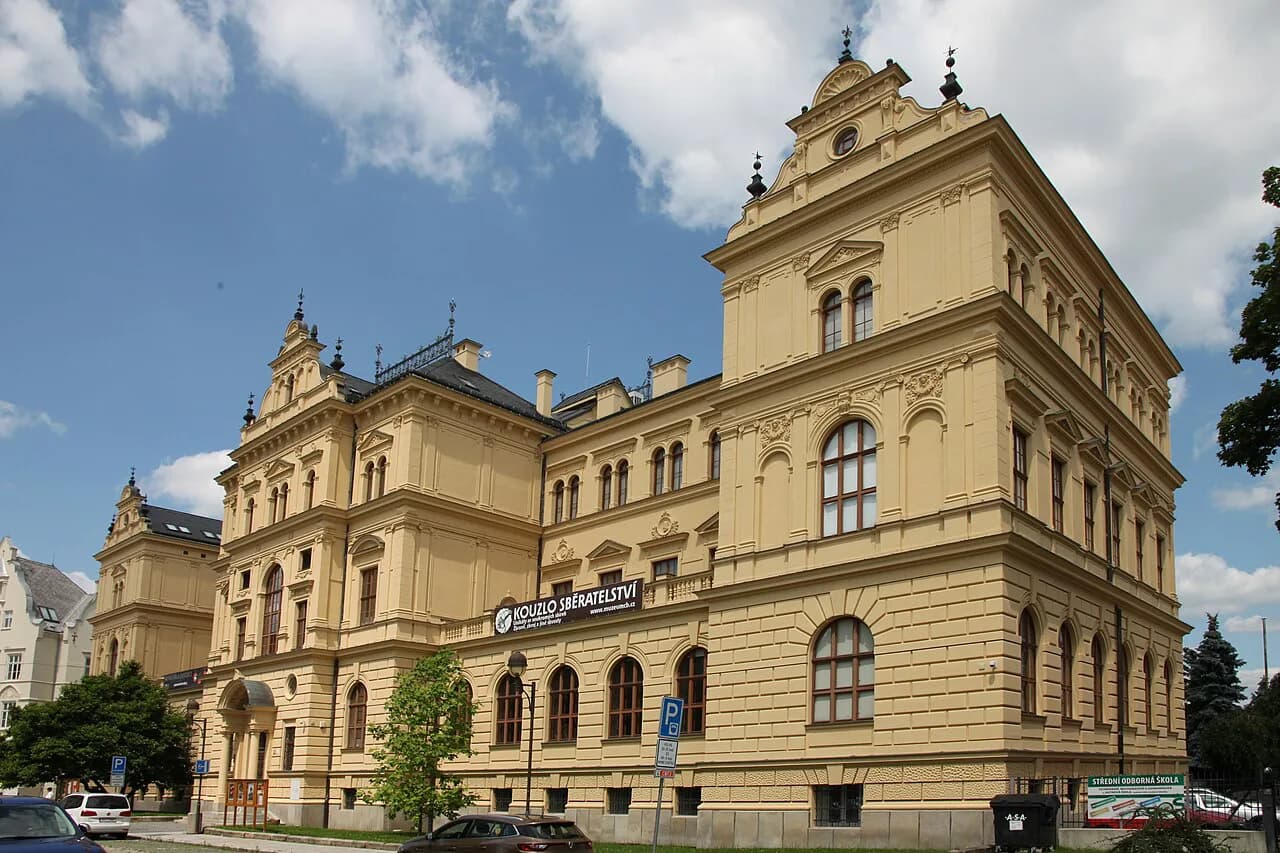
The South Bohemian Museum (Jihočeské muzeum) in České Budějovice is a two-hour indoor stop five minutes on foot from the main square, built around two permanent exhibitions: one on the city's own story and one on the region's nature, archaeology and ethnography. It sits in a monumental neo-Renaissance building at Dukelská 1 and is the main branch of an institution that also runs smaller sites across southern Bohemia. This guide covers where it is, how to walk there, what each exhibition gives you, how to pace the visit and what to confirm before you set out.
What the South Bohemian Museum is and where it sits in České Budějovice
Jihočeské muzeum is one of the most significant cultural institutions in southern Bohemia, focused on the region's history, culture and folk art. The main building is a neo-Renaissance structure at Dukelská 1, set just outside the old center rather than on the square itself. Treat the address as your anchor, since the historic building is the branch you will actually visit.
The institution is larger than the one building. Its branch sites include the Muzeum koněspřežky (the horse-drawn railway museum), the Památník Jana Žižky z Trocnova and Tvrz Žumberk u Nových Hradů, so your admission here covers only the main displays. If your interest runs to the region's railway history or the Hussite commander Jan Žižka, plan those as separate outings rather than expecting them under the Dukelská roof.

Getting there: walking from Přemysla Otakara II Square to Senovážné náměstí
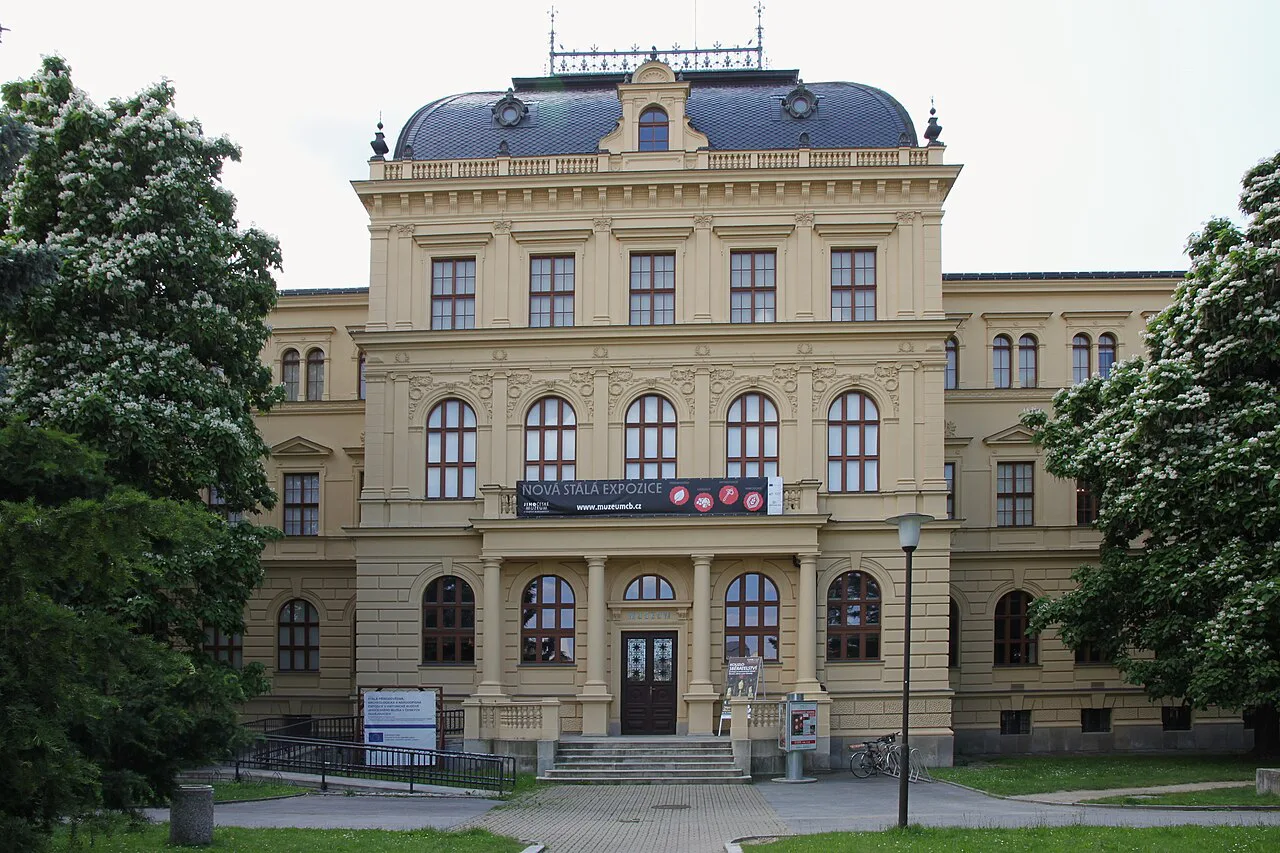
The simplest arrival is on foot from the main square, Náměstí Přemysla Otakara II. The museum is five minutes' walk from that square, which makes it an easy add-on to a morning around the old center of České Budějovice. Walk toward Senovážné náměstí and the museum entrance comes up beside it.
If you are coming by public transport, the Senovážné náměstí stop sits right by the entrance, and the same-named square has parking directly in front of the building. That double access is useful on a wet day when you want to step off a tram and into the exhibitions without a long walk. Parking charges and transit fares are set locally, so read the machines at the stop before you travel.

The historical building and its two permanent exhibitions
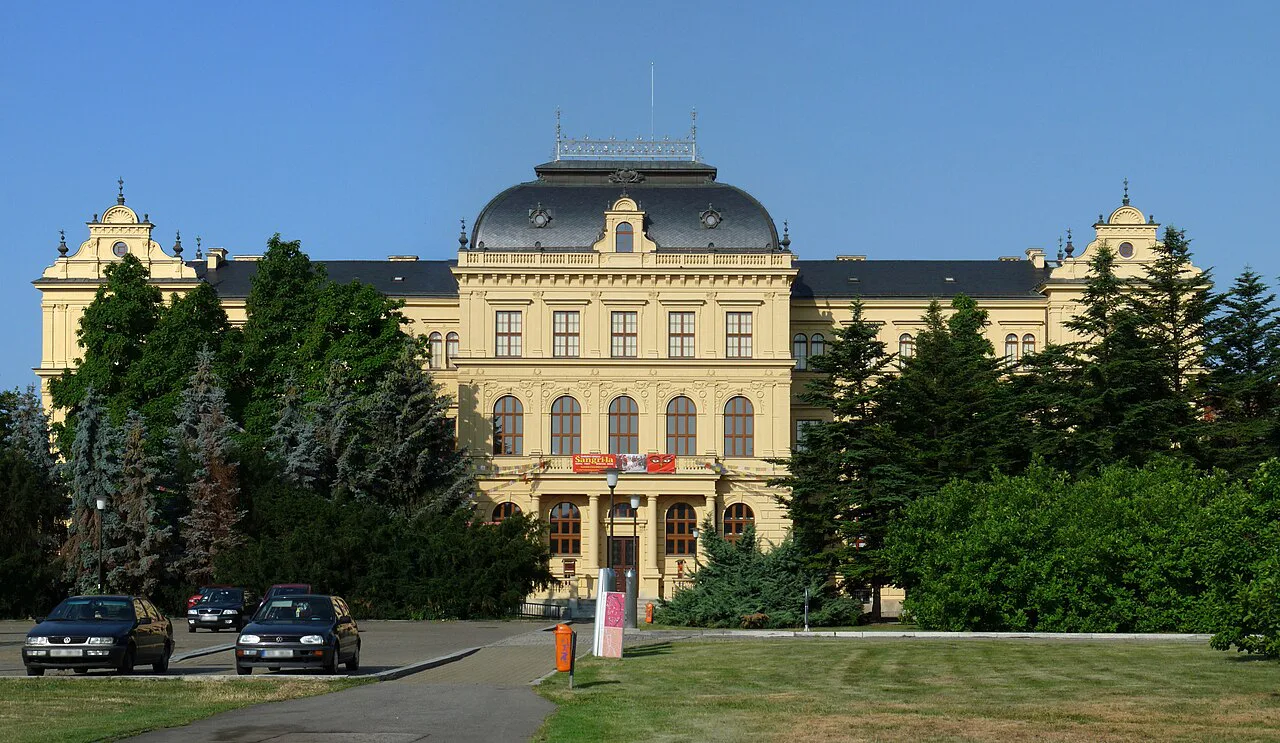
Inside, the museum organizes its permanent displays into two named exhibitions: Příběh města (The Story of the City) and Příroda, archeologie a národopis (Nature, Archaeology and Ethnography), supplemented by shorter temporary shows and events. Knowing this structure tells you what a ticket actually covers, and it helps you decide which half to prioritize if your time is tight. Both are permanent, so neither depends on catching a particular season.
The Příběh města exhibition follows the history of České Budějovice and the stories of its inhabitants through texts, photographs and spoken word. Its companion is the region-wide natural history, archaeology and ethnography display, which draws on collections built up since the museum's early days. The two together explain why the museum sees itself as a regional institution rather than a city cabinet of curiosities.
Příběh města: the city story exhibition and the bilingual mobile app
For a non-Czech speaker, Příběh města is the most accessible part of the museum: it comes with a mobile app in both Czech and English. The app adds narrated content, photos, mini-games, quizzes and augmented reality, so you can follow the city's history without reading every panel in Czech. Download it through the museum's site before you arrive and use it as your personal guide through the rooms.
Use the app to pace yourself: pick three or four themes that interest you, such as the city's medieval founding or its brewing and trading centuries, and let the quizzes fill the gaps for any younger travelers in your group. Without the app, the city exhibition is largely a Czech-language display, so budget more time or bring a translation tool.
Nature, archaeology and ethnography: the second permanent exhibition
The natural history side has real depth. The museum's collections pages describe a bird collection left by the ophthalmologist Jan Pícha in 1930, comprising 233 mounted specimens of 110 species, and later insect, herbarium and geological material gathered by specialists from the 1950s onward. That background explains why the nature display feels like a serious regional survey rather than a handful of taxidermy cases.
The ethnography half covers folk art and rural life in southern Bohemia, which pairs naturally with the museum's lecture themes on folk architecture and regional history. If you have already seen the town's squares and churches, this is where the countryside behind them comes into focus. Allow the larger share of your two hours here if natural history and folk culture are your priority.
Temporary exhibitions and the museum's public program
Beyond the permanent displays, the museum lists temporary exhibitions and seasonal events, and the Historical Club publishes a lecture programme across the autumn. The listings have included shows on retro gaming and on mushrooms of southern Bohemia, alongside concerts. Because the programme changes, the museum's own program pages are the place to look, and the Historical Club states that its programme is subject to change and should be checked on the museum or club noticeboard and website.
The museum's Historical Club hosts a series of afternoon lectures, typically starting at 16:00, on subjects such as České Budějovice in the seventeenth and eighteenth centuries, the Eggenbergs, and royal and imperial visits to the city. These are club events with a published program, and the program itself is marked as subject to change, so treat any date you see as provisional until the museum confirms it. A commented tour of a temporary exhibition has also been listed as open to club members only, meeting at the museum reception.
How long to allow and how to pace a two-hour visit
The recommended length of a visit is about two hours. That is a realistic figure for both permanent exhibitions at an unhurried pace, and it leaves room for one temporary show if you move steadily. If you are short on time, spend the first hour on Příběh města with the app, then choose either the nature collections or the ethnography rooms rather than trying to cover everything.
The museum works well as an indoor anchor on a rainy or shoulder-season afternoon, when the square and the towers are less appealing. Pair it with a short walk back to the center afterward, perhaps to the Black Tower for the view or to the Samson Fountain on the square, so the two hours inside fit into a coherent half-day on foot.
Tickets and opening hours: what to confirm before you go
The museum is accessible year-round in line with its opening hours, and admission is charged according to a current price list. The museum publishes its own Vstupné (admission) and Otevírací doba (opening hours) pages, so read those two before you travel, since hours can shift with the season and exhibitions.
The museum offers online tickets, virtual tours and audio and video material, which lets you preview a show or buy entry ahead of a busy weekend. It also has a museum shop selling its own publications, useful if you want a regional guidebook in print. Accessibility and visitor rules are set out on separate museum pages, so read those if anyone in your party has specific needs.
Nearby: branch sites and other stops in the city
Back outside, the old center is compact enough to combine with the museum in a single walk. The Black Tower and the Samson Fountain are the obvious square-side stops, and the churches around the center, including St. Anne's Church and the Dominican Monastery, add a quieter counterpoint to the museum's collections.
If the museum's regional story leaves you wanting more, its branch sites make a natural second outing: the Muzeum koněspřežky for the horse-drawn railway, the Jan Žižka memorial at Trocnov, and Tvrz Žumberk u Nových Hradů, a small fortress in the countryside. Each is a separate trip from the city, so plan them on another day rather than trying to bundle them into a museum morning.
Should the museum be on your České Budějovice list?
Yes, if you want context for the region rather than another square or church: the two permanent exhibitions give you the city's history and the southern Bohemian landscape in one two-hour stop, five minutes from the main square. It is also the most weather-proof option in town for an afternoon.
Plan the visit around the two exhibitions rather than the temporary program, download the bilingual app for the city story, and confirm the current admission price and opening hours on the museum's Vstupné and Otevírací doba pages before you set out. That is enough preparation for a confident, well-paced visit.
Explore more České Budějovice guides
Frequently Asked Questions
Is the South Bohemian Museum in České Budějovice open on Mondays?
The museum publishes its own opening-hours page rather than a fixed day-by-day rule, so check the Otevírací doba page for the day you plan to visit. Museum hours can change with the season and with exhibition turnovers.
Are the South Bohemian Museum's exhibitions in English?
The Příběh města city exhibition comes with a bilingual mobile app in Czech and English, which carries texts, photos, narration and quizzes. The other displays are largely in Czech, so bring a translation tool if you want to read the panels in depth.