Třebíč: UNESCO Jewish Quarter and St Procopius Basilica
Třebíč pairs a UNESCO Jewish Quarter and cemetery with the Basilica of St Procopius. See how the two sights fit together and how to plan the trip from Telč.
On this page
Třebíč is worth a full day because it holds two separate UNESCO World Heritage components: the former Benedictine monastery with the Basilica of St Procopius, and the Jewish Quarter with its cemetery. They sit in different parts of town, so treat them as two visits rather than one combined ticket. This guide covers what each component contains, how the town is laid out along the Jihlava river, and how to reach Třebíč from Telč and onward through Moravia.
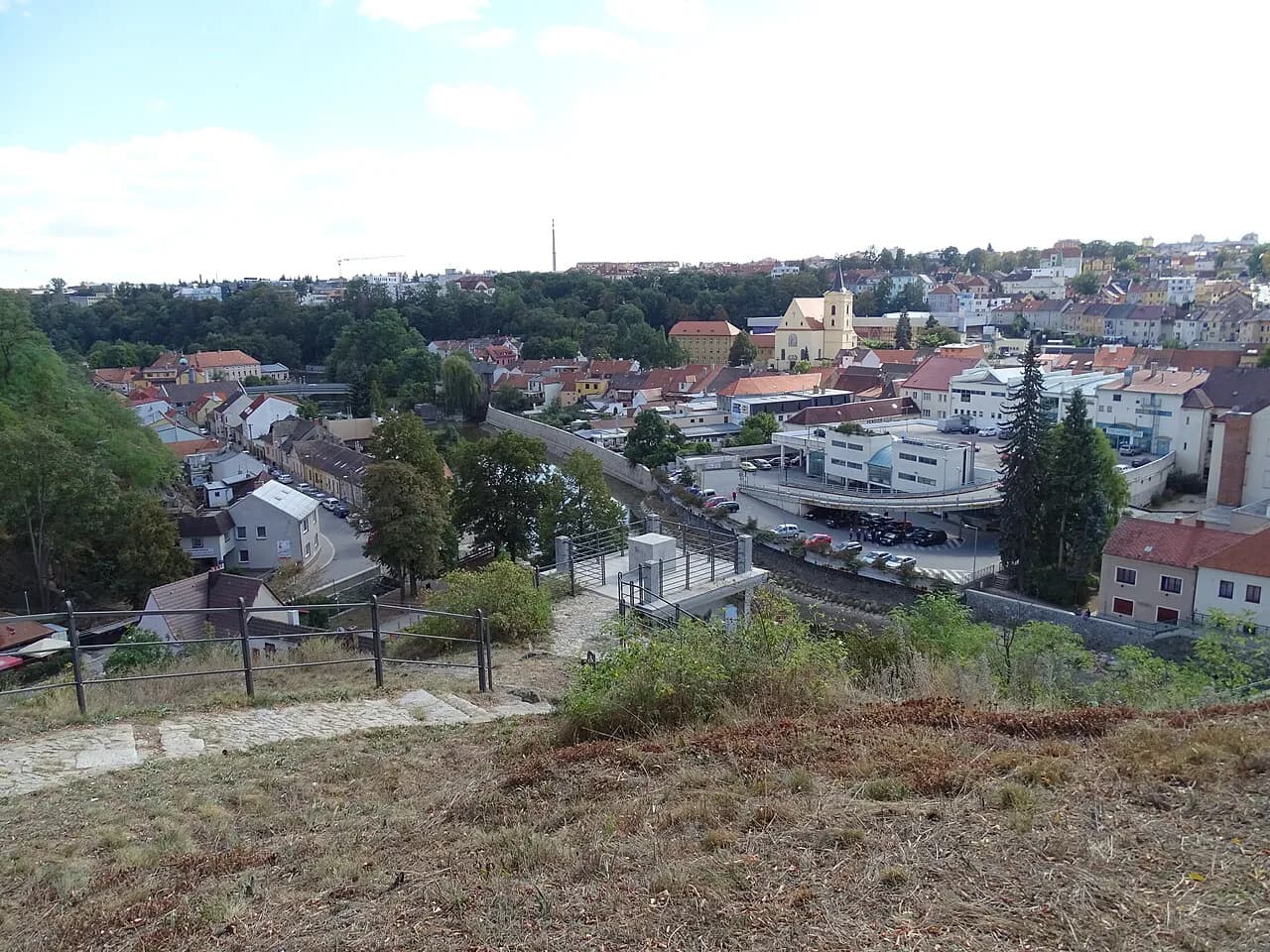
The town lies in western Moravia, in the southeastern corner of the Vysočina region, spread across both banks of the Jihlava river. Its history runs back to a Benedictine monastery founded in 1101, and the same monastery is the reason the basilica stands where it does. Plan on moving between the two UNESCO sites on foot through the town center instead of driving between them.
What Třebíč Is Known For
The town's own tourist portal lists two properties on the UNESCO World Heritage List: the area of the former Benedictine monastery with the Basilica of St Procopius, and the Jewish Quarter together with its cemetery. Having two components in one town shapes the day, because a visit here splits naturally into a Christian monastic site on one side and a Jewish urban ensemble on the other.
Because the two components are distinct, they raise different questions. At the monastery you are looking at architecture and the basilica; in the Jewish Quarter you are reading a neighborhood and a burial ground. Give each one its own time slot rather than rushing from one to the other, and read up on the Jewish Quarter before you arrive so the lanes make sense.
Where Třebíč Sits in the Vysočina Region
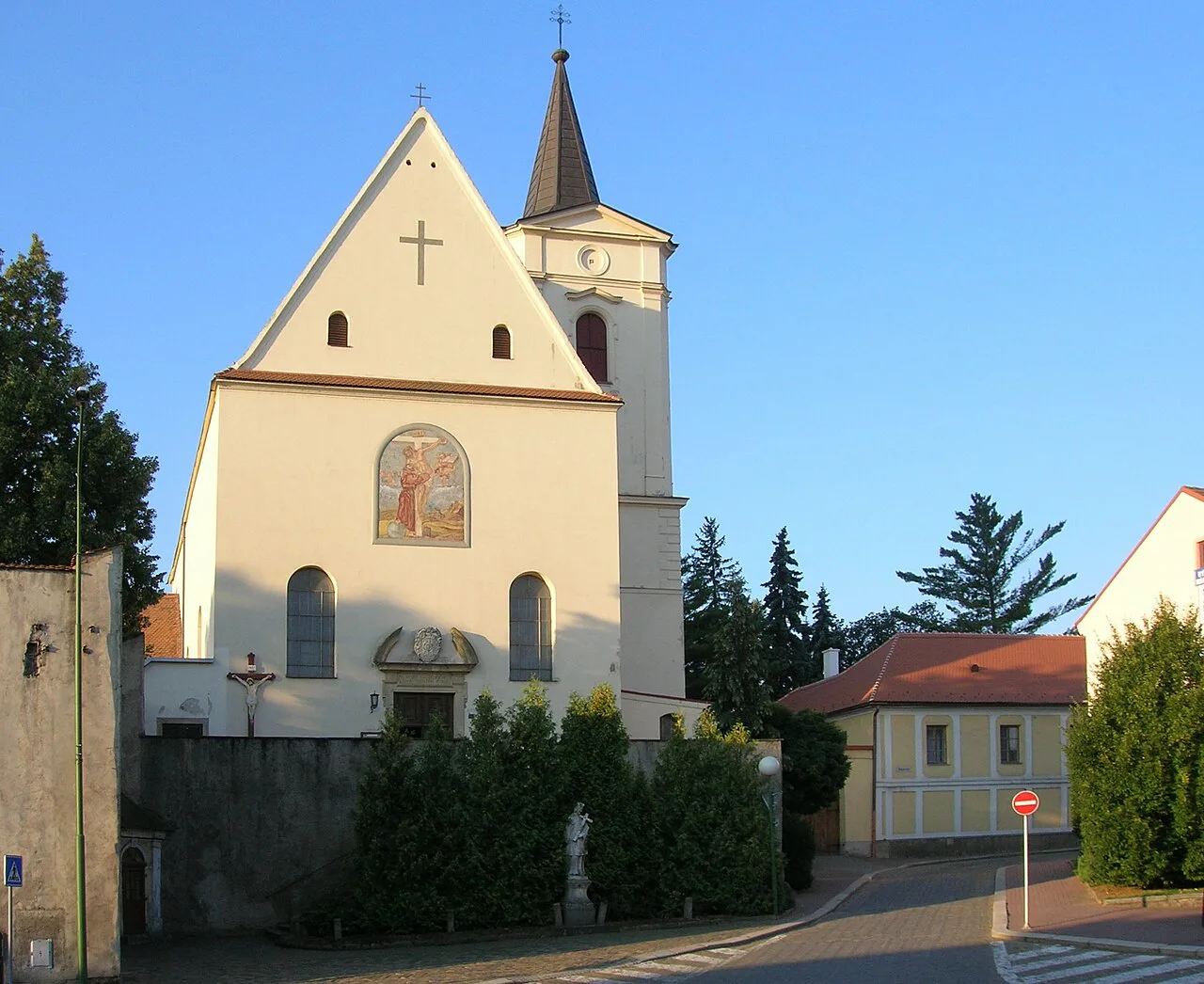
Třebíč occupies both banks of the Jihlava river in the western part of Moravia, in the southeastern corner of the Vysočina region. The tourist portal describes the surrounding area as one of the ecologically cleanest parts of the country, with open country for walking and cycling outside the built-up center. For a traveler based in Telč, that means Třebíč is a Moravian neighbor reached overland, not a Prague-side detour.
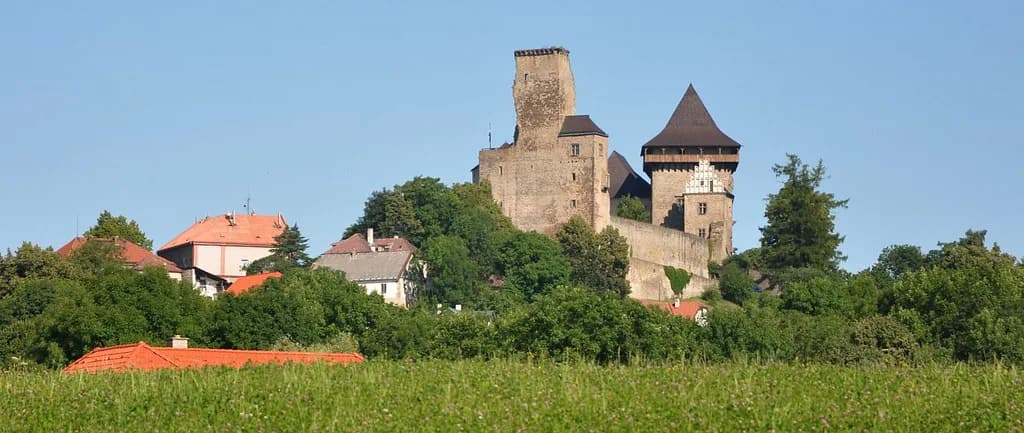
If you are building a loop through the region, Lipnice Castle is the other obvious stop in the same area, and the two make a sensible pair on a map. Beyond that, the Vysočina region rewards slower travel: smaller towns, castle ruins and quiet roads rather than a single headline sight.
The Basilica of St Procopius and the Monastery Complex
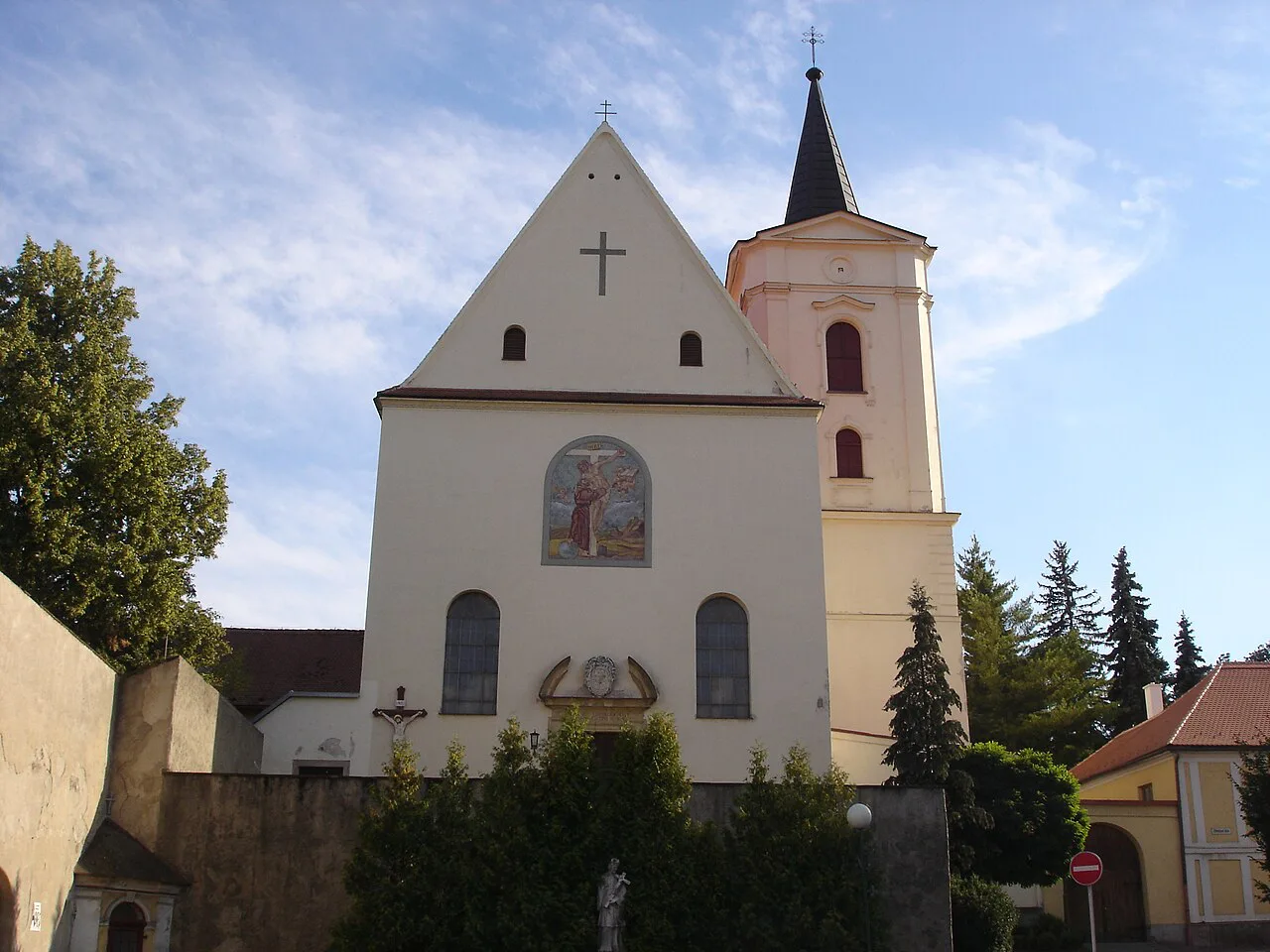
The Basilica of St Procopius is the surviving heart of the former Benedictine monastery founded in 1101 by Moravian princes, as the town's portal records. The monastery area and the basilica together form one of the two UNESCO components, so the church is not a standalone parish sight but the centerpiece of a larger monastic site. Approach it as an architectural visit: the basilica first, then the surrounding complex.
The portal presents the basilica as part of the monastery area rather than as a standalone attraction, so plan your time around the complex as a whole. It also runs a tourist information center at the basilica itself, which is the practical place to ask about access to the church and any guided options on the day you arrive.
The Jewish Quarter, the Rear Synagogue and the Cemetery
The Jewish Quarter is the second UNESCO component, and the town treats it as an ensemble of lanes, the Rear Synagogue and the cemetery rather than a single building. Walking the streets is part of the visit: the value lies in the layout and the surviving fabric of the neighborhood, not only in one interior. The Rear Synagogue is the named interior stop within the quarter, and a tourist information center operates there too.
The cemetery belongs to the same UNESCO listing as the quarter, so give it real time instead of treating it as an afterthought at the end of the walk. Read the site soberly: this is a burial ground and a record of a community, not a scenic backdrop. Keep voices low, stay on the paths, and let the inscriptions and stones carry the visit.
The town's own materials frame the quarter as a set of places to see rather than a single museum, so the most useful preparation is simply knowing which three elements you are there for: the lanes, the Rear Synagogue interior, and the cemetery. That shapes your order on the ground.
How Much Time the Two UNESCO Sights Need
Plan the day around walking order, not a checklist. One workable sequence is the monastery area and the Basilica of St Procopius first, then the Jewish Quarter and the cemetery. Sort out the order when you arrive so you are not retracing the same streets twice.
A comfortable day here means a morning at the monastery-basilica site, a lunch break in the center, and an afternoon in the Jewish Quarter with the cemetery last. If you are pressed for time, the basilica and the cemetery are the two elements that most reward a slower look; the lanes between them can be covered briskly. Either way, leave slack for the walk between the two components.
Getting There from Telč and the Wider Route
Telč is the natural base for this corner of Moravia, and the drive or ride to Třebíč is a straightforward overland hop rather than a major journey. Rail and bus both connect the region's towns, but published departure times, journey lengths and operators change with the season, so check the current timetable for your date before committing to a plan. For everything in Telč itself, from the square to the chateau, start with the guide to Telč and its sights, and see Telč Chateau for the chateau tour.
Budget for a station-to-center walk whichever way you arrive; the UNESCO components sit in the town rather than beside a transport hub, so the last leg is on foot. A car gives you the most flexibility for combining Třebíč with other stops in the region on the same day. By rail or bus, build the day around the timetable you actually find rather than an assumed schedule.
Practical Limits to Plan Around
Two practical questions decide how a Třebíč day runs: which interior spaces you can enter, and whether guided tours are offered in a language you understand. The town's information centers are the places to settle both, and they can tell you what is available for your date rather than a fixed script. Ask on arrival or the day before, and have a plan B if a tour in English is not running that day.
Seasonal opening applies to interior spaces in towns like this, and the safest approach is to treat the outdoor components, the Jewish Quarter lanes and the cemetery, as the flexible part of the day, and the interiors as subject to confirmation. That way a closed door costs you a room rather than the day. The tourist information centers at Národní dům, the Rear Synagogue and the Basilica can confirm what is open and what tours are running, so a single stop covers the whole visit.
Tourist Information on the Ground
The town runs three tourist information centers: at Národní dům, at the Rear Synagogue, and at the Basilica. That spread matches the shape of a visit, because each center sits at one of the places you will already be. Use the Národní dům office for the overall plan and the other two for questions specific to the site you are standing in.
The portal also publishes virtual tours and audio guides, which are worth using before you travel to get the layout straight, particularly for the Jewish Quarter where the streets matter as much as the buildings. Contact details for all three centers are listed on the official tourist portal, along with a calendar of events in town.
How Třebíč Fits a Moravian Route from Telč
A Telč-based route through Moravia can take in Třebíč as a substantial day out rather than a quick stop, because the two UNESCO components deserve separate slots. Pair Třebíč with the Telč chateau on different days rather than cramming both into one, since each rewards a slow visit. The chateau's Renaissance halls and Třebíč's basilica ask for different kinds of attention.
If you are heading north or east afterward, the pilgrimage church at Zelená Hora near Žďár nad Sázavou is the other UNESCO-listed site in the same region, and it slots neatly into a route that already passes through this part of Moravia. Build the sequence around overnight bases rather than trying to chain everything into one day.
Which Třebíč Sight Comes First
Give Třebíč a full day and start with the monastery area and the Basilica of St Procopius, then move on to the Jewish Quarter and finish at the cemetery. That order keeps the walking sensible and puts the most demanding interior work in the morning. Treat the interiors as subject to confirmation and the outdoor lanes and cemetery as the flexible part of the day.
Base yourself in Telč, confirm the current timetable for the hop over, and stop at one of the town's information centers on arrival to settle tours and access. For the rest of the region, the guide to Telč covers the square and chateau that anchor the base.
Explore more Telč guides
Frequently Asked Questions
Is Třebíč worth visiting?
If you care about UNESCO heritage rather than a quick photo stop, Třebíč has a lot to offer. It holds two separate World Heritage components: the former Benedictine monastery with the Basilica of St Procopius, and the Jewish Quarter with its cemetery. They sit in different parts of town, so the town rewards a full day rather than an hour.
How far is Třebíč from Telč?
Both lie in the same corner of western Moravia, but the exact journey time depends on whether you drive, take a bus or take a train, and published schedules change. Check the current timetable for your date before you plan the day. Whichever way you arrive, allow for a walk from the station into the center.
What is Třebíč known for?
Třebíč is known for its UNESCO World Heritage listing, which covers the former Benedictine monastery with the Basilica of St Procopius and the Jewish Quarter with its cemetery. The town sits on both banks of the Jihlava river, in the southeastern corner of the Vysočina region, and its history begins with the monastery founded in 1101.
Sources
Notes for your Czech trip
Optional updates to our Czech town guides.
You might also like
Continue reading
More guides you'll find useful