Jihlava, Czech Republic: A Town Guide to the Square, Walls and Churches
Jihlava is a regional city in the Vysočina Region on the old Bohemian-Moravian border. Here is what to see in the center and how it fits a Czech trip.
On this page
Jihlava is a regional city of about 54,000 people in the Vysočina Region, sitting on the historic border between Bohemia and Moravia. Plan a half day for its square, churches and surviving town walls, or a full day if you want to slow down and use it as the hinge of a Vysočina loop.
The map listing for the statutory city of Jihlava puts the population at 54,624 and places it on the Bohemian-Moravian Highlands. Either figure tells you what to expect: a real working regional capital, not a museum village, which is exactly why its old center feels lived-in rather than staged.
What Jihlava is and where it sits
Jihlava lies on the Jihlava River, in the high country between Prague and Brno that Czechs call the Vysočina. Its position on the old frontier between the two historic lands explains the bilingual, border-town feel of its history, and it remains a regional administrative center today.
This is not a town you come to for one blockbuster monument. You come for the shape of the place: a large central square, a compact street grid, and remnants of fortification that let you walk a loop through the old town in an afternoon.
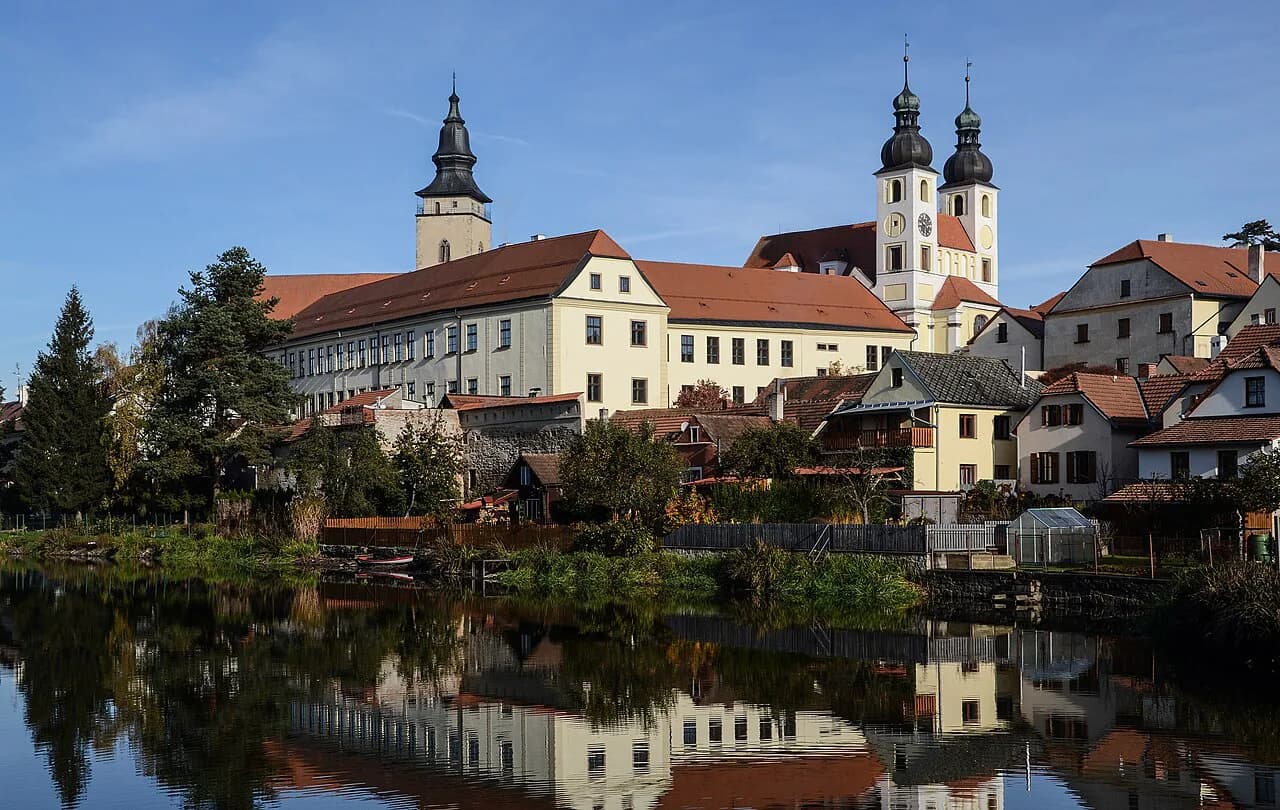
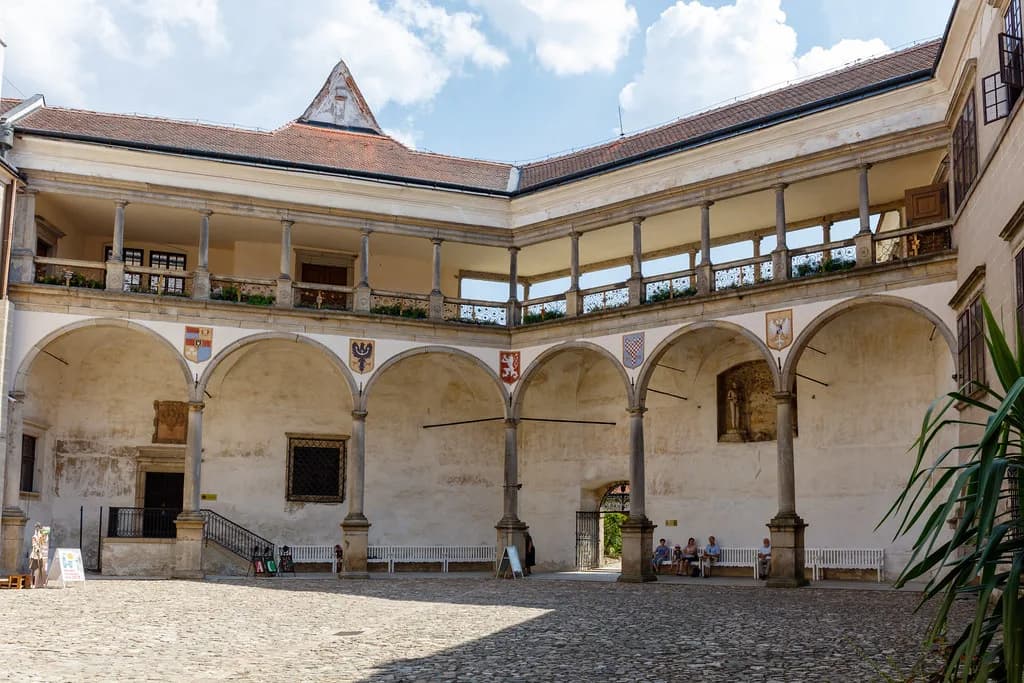
If you are building a Vysočina route, Jihlava pairs well with the smaller UNESCO towns nearby. Telč, with its arcaded square and chateau, is the classic pairing, and you can read the Telč guide before you decide how to split your time between the two.
The center and the main square
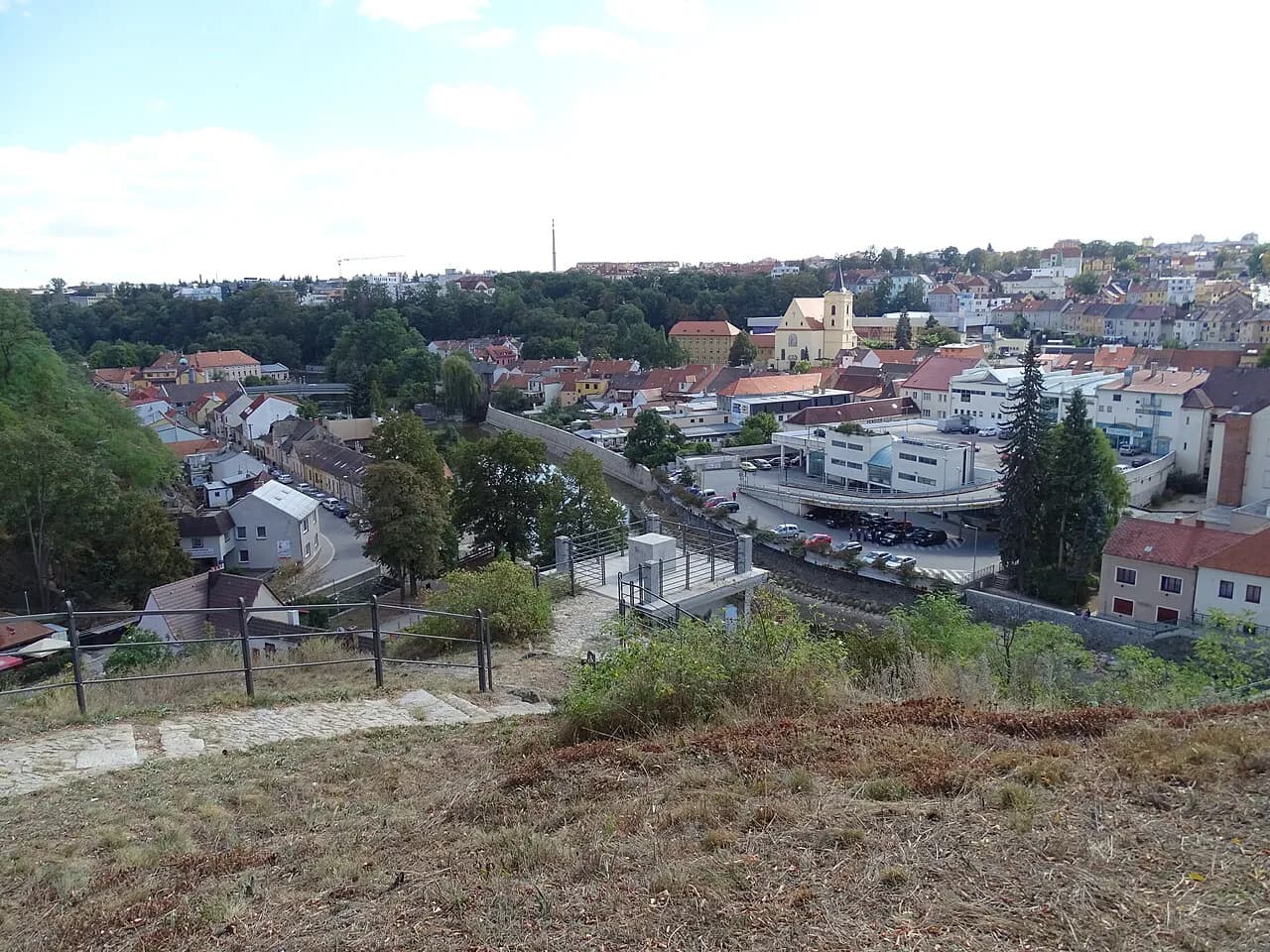
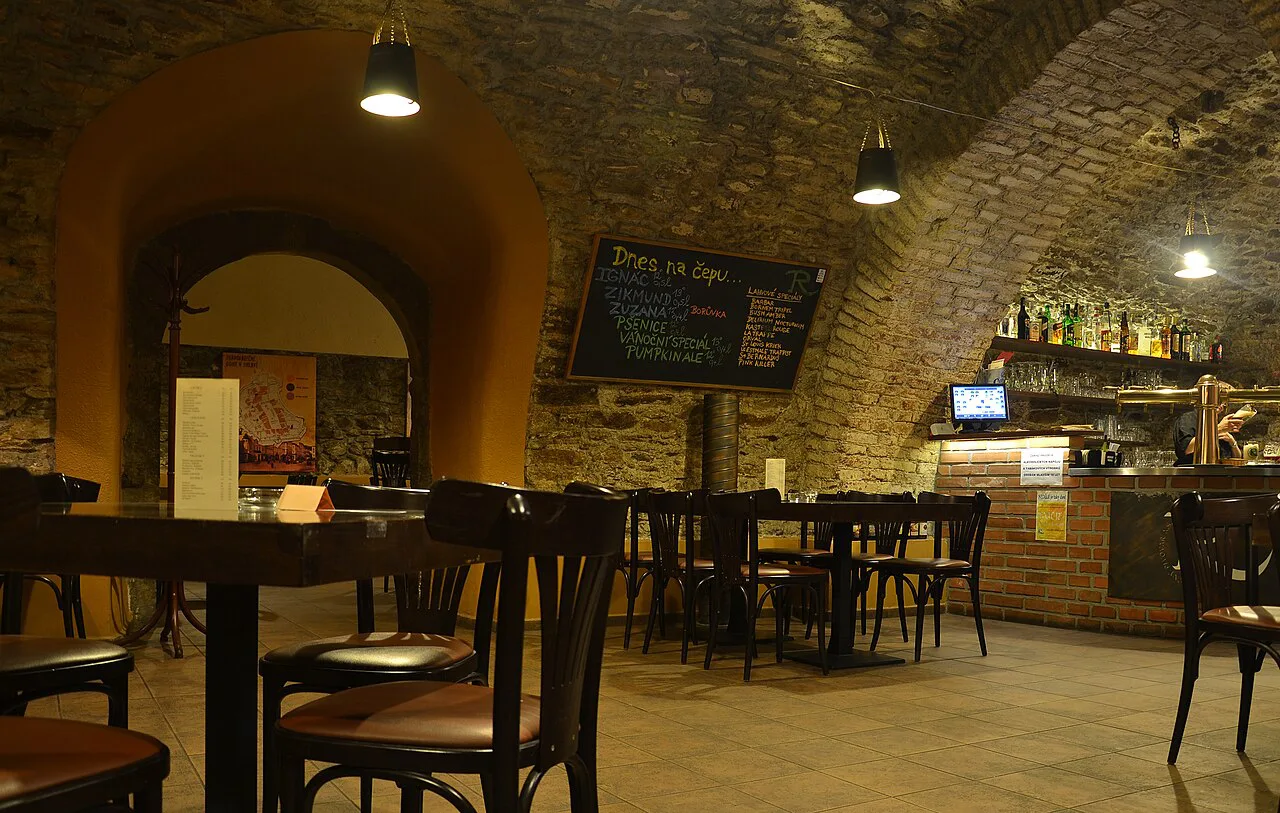
The heart of Jihlava is its main square, a broad open space lined with burgher houses that functions as the city's living room. Streets radiate from it into a compact grid, so you can orient yourself once and then wander without needing a map at every corner.
The center is small enough to walk in an afternoon. Budget roughly two hours for the square and a loop of the surrounding streets, more if you stop for coffee or step into a church.
When you arrive, use the town's main square as your fixed point and orient yourself from there; the compact center makes it easy to branch out on foot. Jihlava's festival organization is based in Prague, so festival logistics are handled from the capital even though the screenings take over Jihlava each fall.
If you continue east toward Telč, the same instinct applies: the historic core is small, and the pleasure is in the arcades, the facades and the pace rather than in ticking off sights. The Telč guide walks through exactly that layout, including the chateau's Renaissance halls.
Town walls and gates
Jihlava grew as a fortified medieval town, and stretches of its walls and at least one gate still frame the old center. These remnants are what turn a square visit into a loop: you can walk out along the line of the fortification and come back through the streets behind it.
Treat the walls as a walking route rather than a single sight. Walk the surviving sections, look for the gate, and let the line of the old defenses tell you where the historic town ended and the modern city began.
Allow about an hour for the wall and gate circuit on top of your square time. That makes a half day comfortable and a full day possible if you add churches and a museum.
Churches worth stepping into
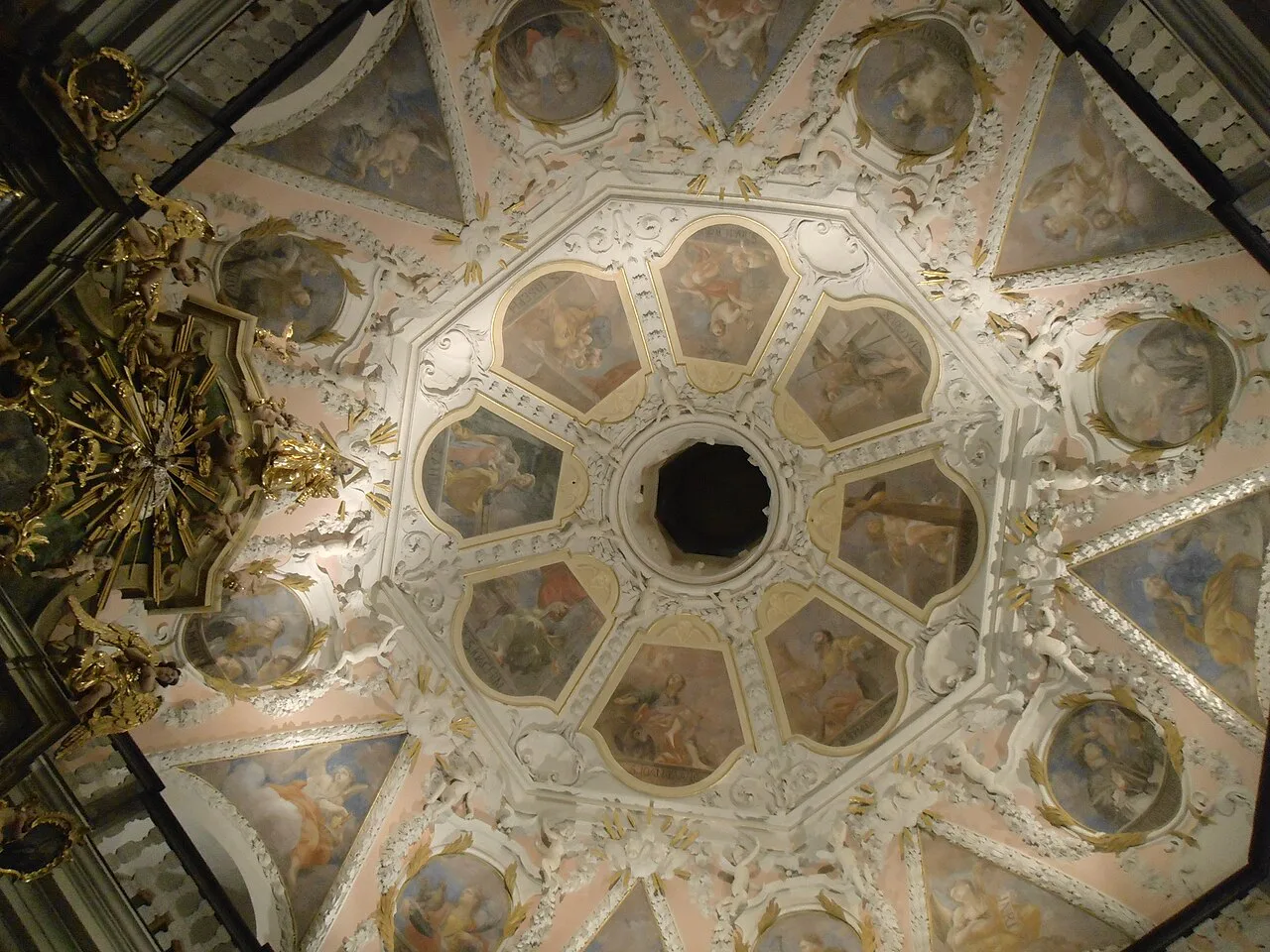
A short visit can reasonably include one or two of Jihlava's historic churches, which sit close to the square and fit naturally into a walking loop. Check opening times at the door or with the local information center, since church interiors in Czech towns often open only around services and set visiting hours.
Beyond the center, the Vysočina has a pilgrim church that is a UNESCO site in its own right. Zelená Hora, the pilgrimage church of St John of Nepomuk near Žďár nad Sázavou, is a Baroque-Gothic original by Jan Blažej Santini and makes a strong half-day addition if you have a car.
Closer to Jihlava's orbit, Třebíč combines a UNESCO Jewish Quarter with the Basilica of St Procopius, another stop that rewards a detour on a Vysočina circuit.
Ji.hlava documentary film festival
Jihlava is known internationally for Ji.hlava, its international documentary film festival, and the 30th edition runs October 23 to November 1, 2026. During those ten days the town fills with filmmakers, programmers and audiences, and the festival program spans competition sections, retrospectives and the Inspiration Forum discussion track.
Tickets work two ways: single tickets for individual screenings, and festival accreditation for people attending across several days. The festival publishes a visitor page with practical information, venues and a first-time guide, so read the single-ticket page before you travel rather than assuming you can walk in.
If you are in Jihlava for the town rather than the festival, avoid late October unless you want the crowds and the buzz, because accommodation and venues are geared to festival visitors then. Outside festival week the square and walls return to their usual regional-capital calm.
How long Jihlava needs
A half day covers the main square, a walk around the old town and the surviving walls and gate. Add churches, a museum or a longer lunch and you have a full day without rushing.
One honest trade-off: Jihlava is a working city, not a postcard town like Telč or Český Krumlov. If your trip is short and you want maximum concentration of historic fabric, use Jihlava as a stop rather than a base, and save the long linger for the smaller towns.
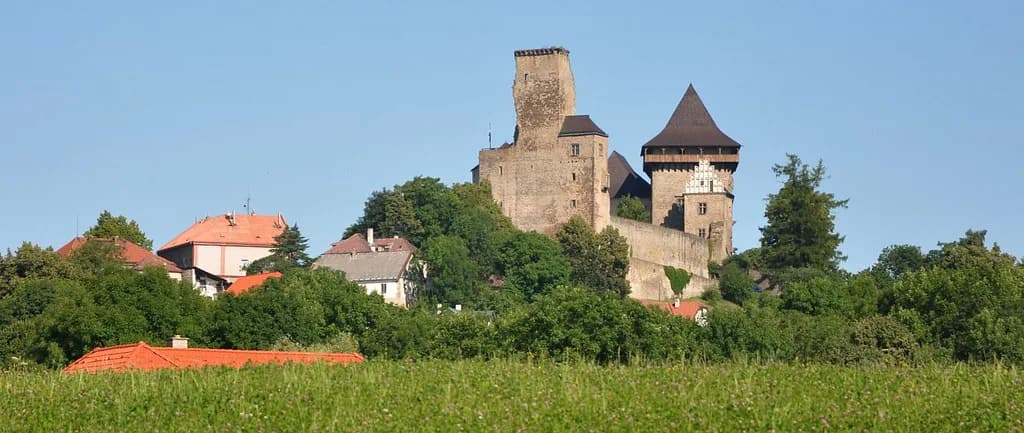
Lipnice nad Sázavou, with its castle ruin above the Sázava valley, is another Vysočina stop that fits a driving loop with Jihlava. It is a different kind of visit, outdoor and ruinous, and pairs well with a half day in town.
Getting there and onward
Jihlava lies between Prague and Brno in the Vysočina highlands, which makes it a natural stop on a regional route rather than a destination you must detour far to reach. Check current train and bus timetables for the day you travel, since schedules change by season and operator.
From Jihlava you can continue east toward Telč or south toward Třebíč and Znojmo, or push on to Brno. The town guide format works best if you plan the drive or train legs around the smaller stops, because the region's sights are spread across the highlands rather than clustered in one place.
Ticket prices, opening seasons and guided tours in the Czech Republic
Many Czech castles and chateaux, including the National Heritage Institute properties, are visited on guided tours, often in Czech unless you book an English tour in advance. Seasons vary: some open only from spring through October, and many close on Mondays. Confirm the circuit, language and season with the specific property before you build a day around it.
For Jihlava's own sights, church interiors and small museums usually post their opening hours at the door, and town information centers can confirm what is open that week. Ticket prices in CZK are set locally and should be checked at the venue or on the official town tourism site rather than assumed.
Should Jihlava be a stop or a base?
Make Jihlava a stop. Its square, walls and churches fill a satisfying half day, and its position between Prague and Brno makes it easy to slot into a Vysočina route without committing a night.
Only plan around the festival if documentary film is the reason for the trip: the 30th edition runs October 23 to November 1, 2026, and single tickets and accreditation are the two ways in. Otherwise, visit outside that window and let Telč, Třebíč or Zelená Hora supply the postcard moments.
Frequently Asked Questions
What country is Jihlava in?
Jihlava is in the Czech Republic, in the Vysočina Region on the historic border between Bohemia and Moravia.
Is Jihlava in Moravia?
Jihlava sits on the old border between Bohemia and Moravia, so it is usually described as a border town rather than belonging cleanly to one historic land. Administratively it is the capital of the Vysočina Region.
How do you pronounce Jihlava?
Czech pronunciation follows the written form closely, with the stress on the first syllable. Ask a local or listen to a Czech pronunciation recording rather than relying on an English approximation.
Sources
Notes for your Czech trip
Optional updates to our Czech town guides.
You might also like
Continue reading
More guides you'll find useful