Museums in Český Krumlov: What to See and How Long Each Takes
Český Krumlov museums run from the Regional Museum's Jesuit pharmacy to the Egon Schiele Art Centrum. Here is what each holds and how long to allow.
On this page
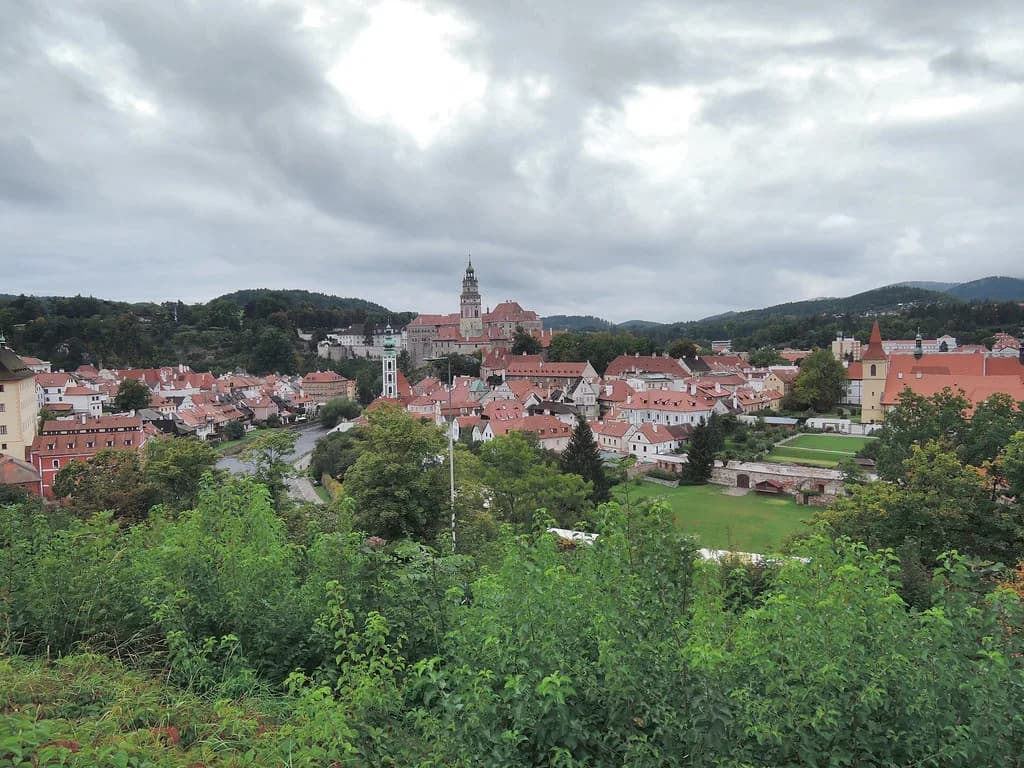
The Regional Museum in Český Krumlov is the one town museum worth building a morning around, and an hour covers its permanent exhibitions comfortably. Everything else in town is smaller: a single-artist gallery, a photo studio, a moldavite collection, and a parish church you can step into for free. This guide sets out what each one holds, how the buildings themselves fit the story, and a realistic order for seeing them on foot in the old town.
Plan the museum stops as part of your broader things to do in Český Krumlov rather than as a separate day, because all of these sit within a few minutes of each other on the same bend of the Vltava River.
Which museums in Český Krumlov are worth a stop
Sort the town's museums by what they explain. The Regional Museum explains the place: its archaeology, folk life, and the region from prehistory to the end of the 19th century. The Egon Schiele Art Centrum explains one artist and his connection to the town, and the smaller collections cover photography, a mineral found in South Bohemia, and parish worship. If you have time for one, take the Regional Museum; if you have an afternoon, add the art centrum and one small collection.
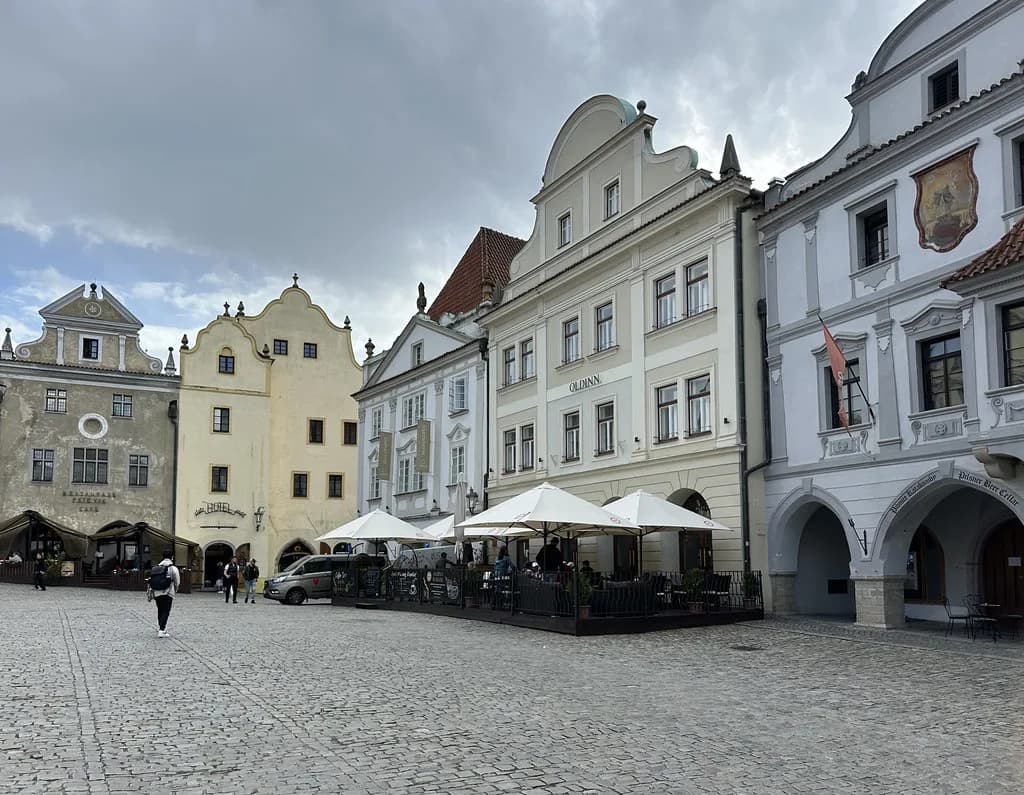
The Church of St. Vitus is not a museum in the ticketed sense, but it belongs on the same walk. It served as the parish church of the townspeople rather than the castle, and it is free to enter, which makes it the cheapest high-value stop in the old town center.
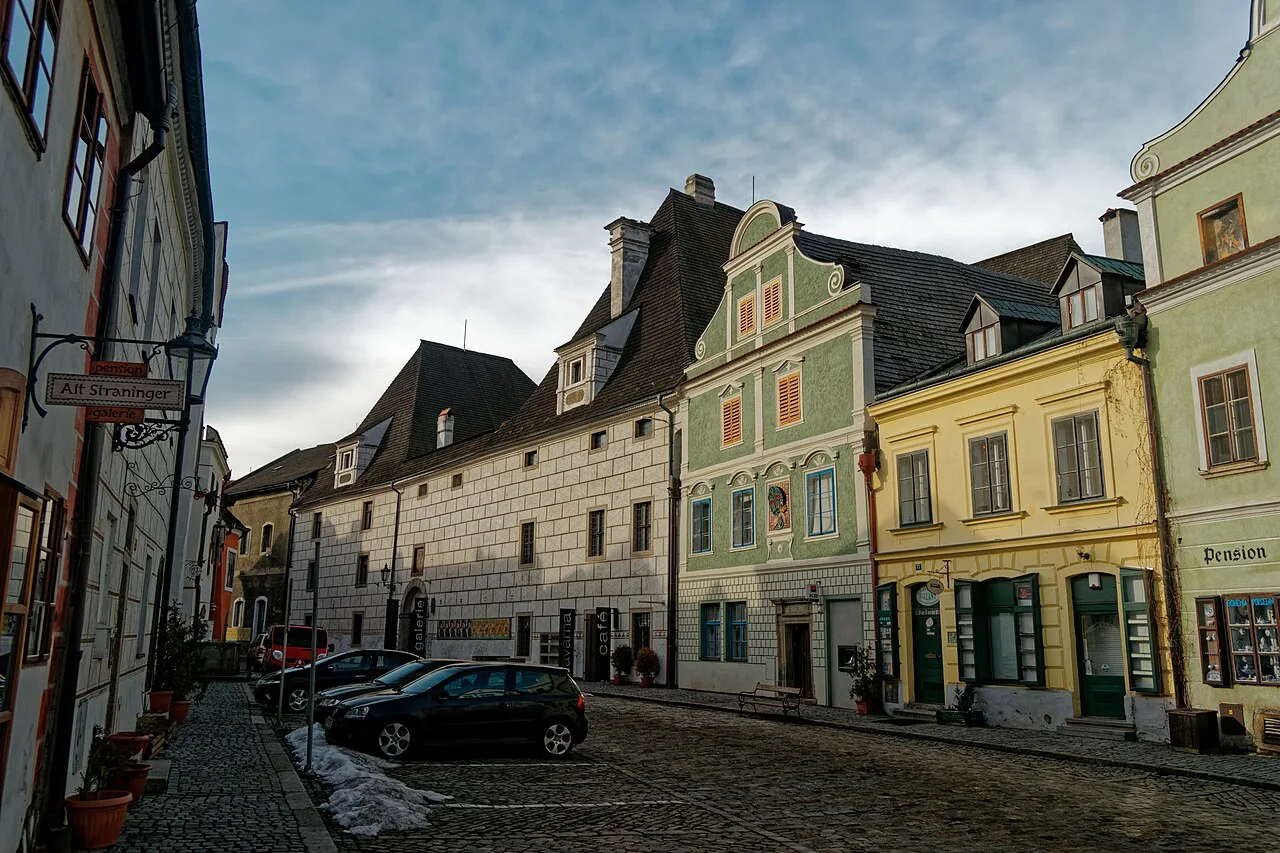
Regional Museum in Český Krumlov: Baroque Jesuit pharmacy and a ceramic town model
The Regional Museum holds more than 34,000 items documenting the town and its surroundings, split between permanent and temporary exhibitions. Its permanent displays include the Baroque Jesuit Pharmacy, a ceramic model of Český Krumlov, and a historical survey of the region from prehistory to the end of the 19th century. The pharmacy is the draw: a monastic apothecary reconstructed as an interior rather than a row of labeled jars, which is why the museum rewards attention rather than speed.
The collection sits in a former Jesuit grammar school built in 1652, at the end of Horní Street. After the Jesuit order was dissolved in 1773 the building served as a German primary school, then a girls' school, then a German town school until 1945, and the first museum exhibition opened in 1952. Knowing that history changes how you read the rooms: you are walking through a seventeenth-century schoolhouse, and the ceramic town model is the quickest way to see how the streets you just crossed fit together.
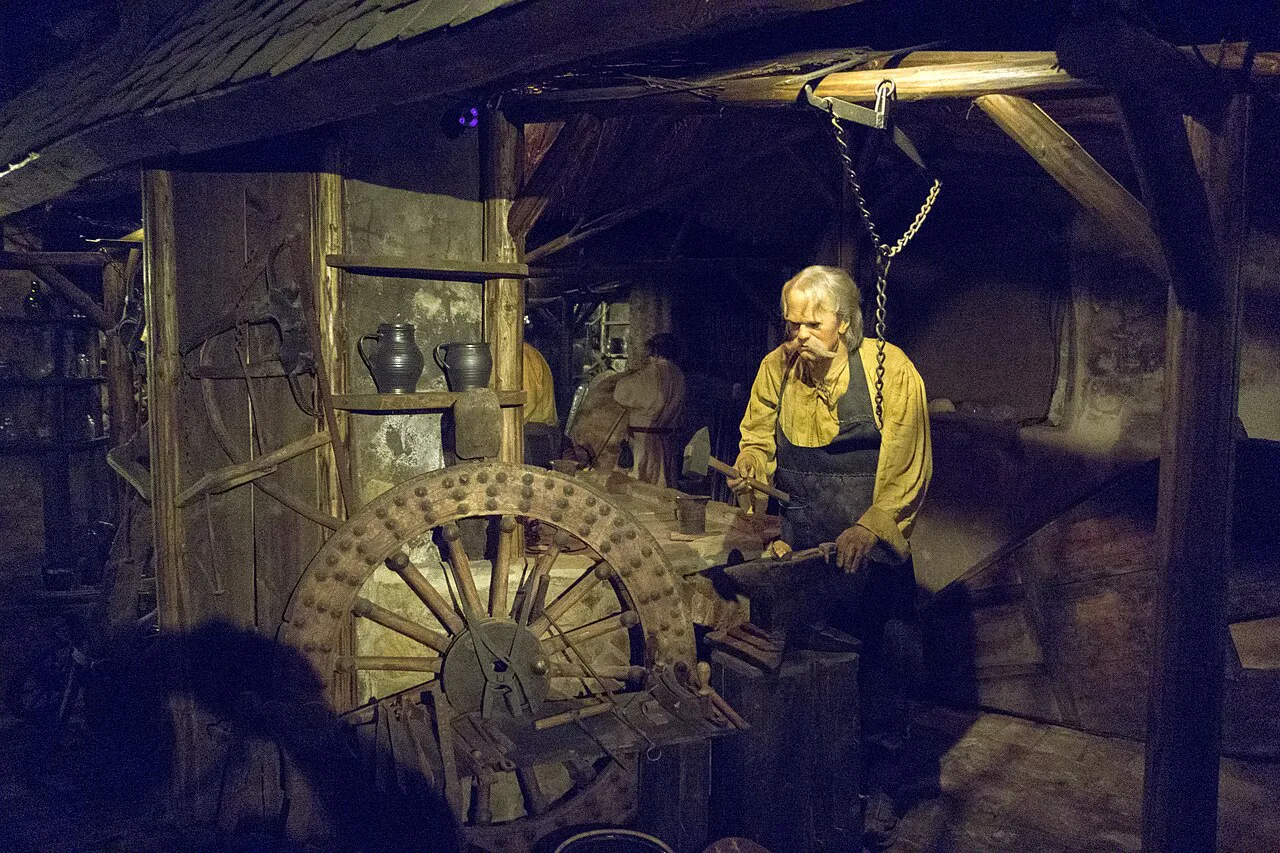
Where the Regional Museum sits and when it is open
The address is Horní 152, at the upper end of Horní Street, which puts it a short walk from the main square and on the way toward the castle. Opening hours are Tuesday through Sunday, 9:00 to 12:00 and 12:30 to 17:00, with the midday break worth planning around, since arriving at noon means waiting half an hour.
That Tuesday-to-Sunday pattern is the one weekday closure to build your morning around, and the museum's site is where to confirm the timetable before a holiday visit. If your stay falls on a Monday, put the Regional Museum aside and use the day for the castle and the old town streets instead. For the rest of the week, start here, because the other stops are close enough that you can leave them for whenever the light and the crowds suit you.
Egon Schiele Art Centrum: an artist in a former brewery
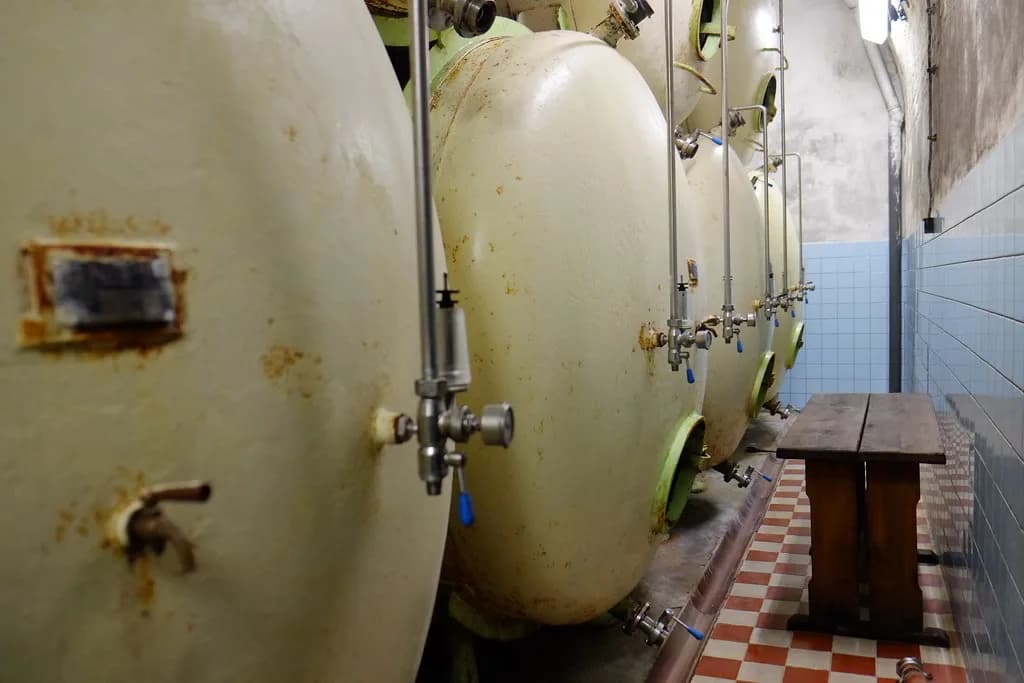
The Egon Schiele Art Centrum occupies a renovated sixteenth-century brewery on Široká 71, which makes the building half the visit. It shows works by the Austrian painter Egon Schiele alongside rotating contemporary art exhibitions, and it keeps a shop and cafe on site. Schiele's connection to Český Krumlov gives the gallery a reason to exist beyond a generic modern-art space, so go if you care about him or about seeing a brewery converted with some care. Allow around an hour, less if the temporary show does not hold you.
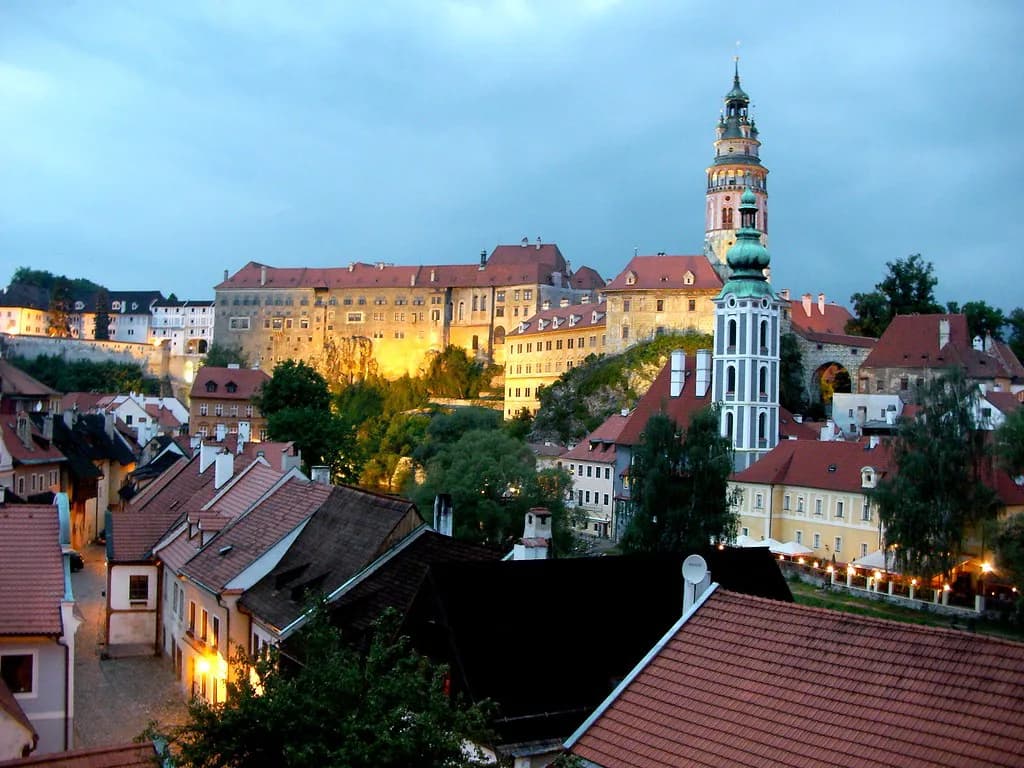
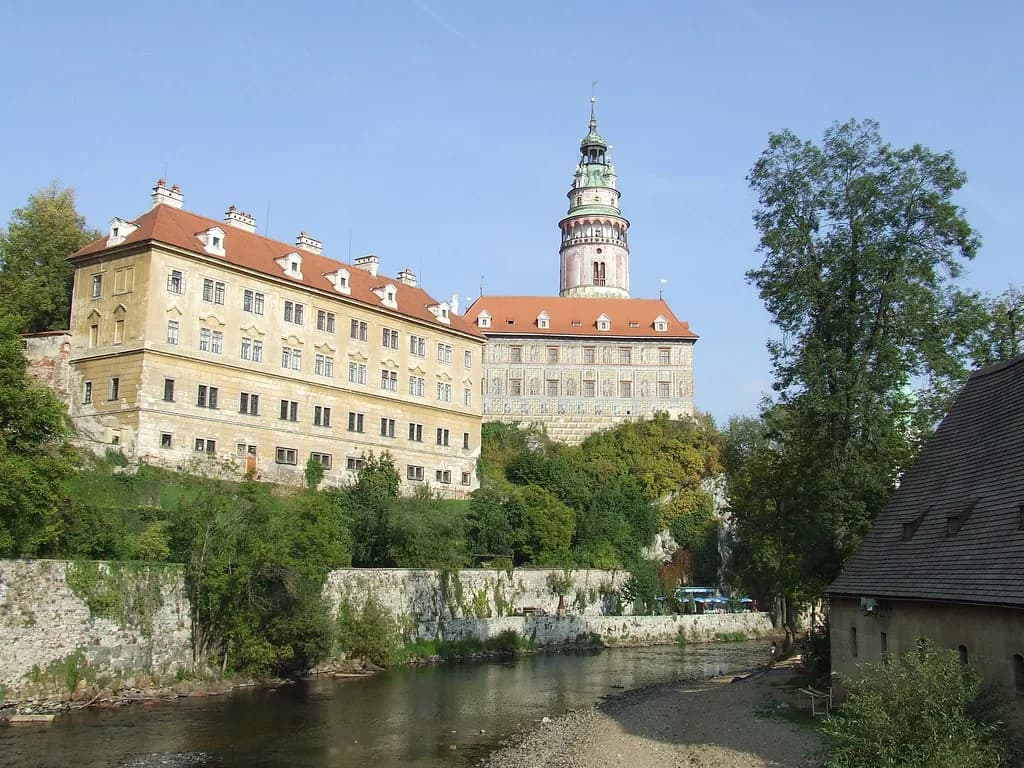
Check the art centrum's own site for which exhibitions are running during your dates, since the rotating program means the experience changes through the year. Pair it with a walk along the Vltava River afterward, because the brewery building sits close to the water and the riverbank gives you the classic view back up at the castle and the Church of St. Vitus.
Church of St. Vitus: the townspeople's church, not the castle's
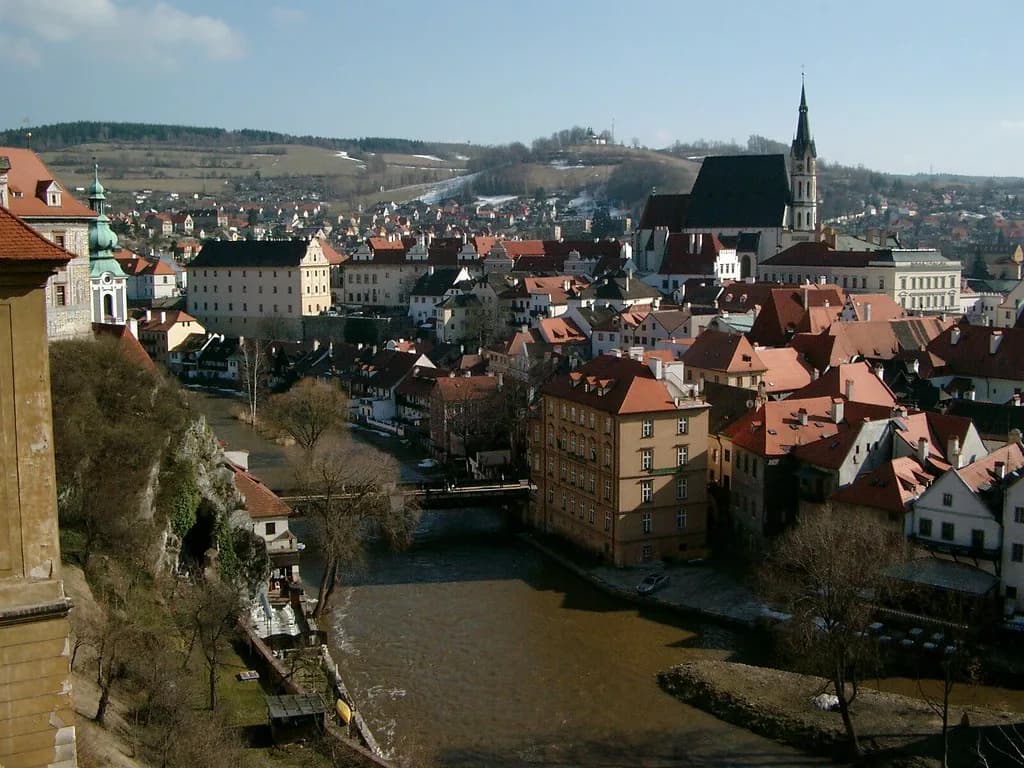
The Church of St. Vitus is Gothic, dates back to the thirteenth century, and was built as the parish church of the townspeople rather than as part of the castle complex. That distinction is the whole point: the castle expressed feudal power, the church expressed civic identity, and the townspeople placed it so it would dominate the old town rather than the nobility's hill. Inside you find frescoes, a seventeenth-century altar, and the burial places of prominent Bohemian families including the Rosenbergs and Schwarzenbergs.
Only a fairly small part of the church is open to visitors, so treat it as a fifteen- to twenty-minute stop rather than a full sight. Step across the river afterward to grasp the building's true scale, which is hard to read from inside. For the town's religious architecture as a whole, the churches guide covers the rest of the walk.
Museum Fotoatelier Seidel and the Moldavite Museum: two small collections
Museum Fotoatelier Seidel preserves the studio of a local photography business, and the Moldavite Museum covers the green South Bohemian stone that collectors travel for. Both are compact, so each takes well under an hour, which means one of them slots into a gap between the Regional Museum and lunch. Choose by interest: photography and social history on one side, geology and a very Czech obsession on the other. They suit a second visit or a rainy hour better than a first, castle-focused morning.
How long to allow and how to order a museum morning
Allow about an hour at the Regional Museum, an hour at the Egon Schiele Art Centrum, twenty minutes at the Church of St. Vitus, and under an hour for one small collection. That totals three hours of museum time, plus walking and a coffee, so a full morning or a long afternoon covers the whole set without rushing. Start at Horní 152 when the Regional Museum opens at 9:00, because the old town fills up later and the museum's morning slot is calmer.
Order the rest by geography rather than by wish list: the Jesuit schoolhouse at the top of Horní Street, then the square and the Church of St. Vitus, then Široká 71 for the art centrum, with the small collections wherever they fall. A Český Krumlov self guided walking tour does the same streets without the interiors, which helps if you want the town's shape before its collections. Either way, bookend the morning with food, since the best restaurants in Český Krumlov fill at midday in season.
Ticket prices, closed days and the castle next door
Ticket prices are set per exhibition rather than as a combined town ticket, so ask at the Regional Museum entrance on Horní Street what the current admission covers before you commit, and expect the small collections to price separately from the castle.
The castle next door runs on its own system, with guided tours and seasonal opening rather than all-day access, and its schedule is separate from the town museums. The castle and chateau grounds are a good complement to a museum morning, and the baroque theatre is a specialist stop for visitors who want the theatrical interior rather than the state rooms. Treat the castle as its own block of time and keep the museums for the hours when the castle is between tours.
Which museum do you start with?
Start with the Regional Museum on Horní Street on any Tuesday-to-Sunday, be there for the 9:00 opening, and give the Baroque Jesuit Pharmacy and the ceramic town model a full hour. Add the Egon Schiele Art Centrum if the artist interests you, then the Church of St. Vitus for Gothic architecture and a view across the river. Save the small collections and the castle for the hours you have left.
Use the Český Krumlov Attractions: 9 Visitor Guides hub to plan the rest of your day around these stops, from the castle grounds to the riverbank.
Explore more Český Krumlov guides
Sources
Notes for your Czech trip
Optional updates to our Czech town guides.
You might also like
Continue reading
More guides you'll find useful