
Patton Memorial Pilsen: What You'll See Inside

The Patton Memorial Pilsen is a compact, single-topic museum about the U.S. Army's liberation of Plzeň in May 1945 and the decades of official silence that followed. It sits at KD Peklo, Pobřežní 10, 301 00 Plzeň 3, inside a cultural house. The exhibition opened in May 2005, on the 60th anniversary of the liberation, and is built from more than a thousand objects drawn from private collections. This page covers what the collection holds, how to reach it, how long to allow, and what to see nearby.
This is a single focused narrative rather than a sprawling history complex, and that is part of its appeal. It makes a good anchor for part of a morning rather than a whole day.
Where the museum is in Plzeň
The address to give a taxi driver or enter into a map is KD Peklo, Pobřežní 10, 301 00 Plzeň 3. The phone number listed for the museum is +420 378 037 956 and the email is info@patton-memorial.cz. Pobřežní runs near the Mže river in Plzeň 3, close to the historic core rather than on its main square.
Because it is inside a cultural house, the entrance may be less obvious than a standalone museum facade, so look for the Peklo building and follow signs for the memorial. If you are orienting yourself around Plzeň first, the city's main sights are mapped in the Plzeň Attractions guide, a sensible starting point before you fix a route to Pobřežní.

How to reach it from the train station and city center
The museum sits in Plzeň 3 near the historic core, so from the main railway station you can walk into the center and continue to Pobřežní, or take a tram toward that district. Pair the visit with the cathedral and the main square rather than treating it as a separate excursion. Allow extra time if you are arriving with luggage.
If you are staying closer to the center, Pobřežní is easy to reach on foot, and the location rewards a combined loop: museum first, then the riverside. Opening hours and ticket prices are set by the museum itself, so confirm them before you commit a morning to it.
The air war over West Bohemia and the Škoda raids
The first section of the exhibition sets the military context with the final air campaigns in West Bohemia and the bombing of the Škoda works. That industrial target made Plzeň strategically important, and the museum treats the raids as the opening chapter of the city's wartime story rather than a footnote. Expect maps, photographs and period film that place the bombing in the wider Allied campaign.
This is where the museum's atmosphere makes itself felt. Sound effects including sirens accompany authentic films and photographs from the period, so the display is staged rather than simply hung on walls. If you prefer to read without a soundtrack, come ready for a little noise and pace your reading around the quieter cases.
Patton, Harmon and the Third Army's advance
The central thread follows the advance of the U.S. Army into Czechoslovakia and the role of George S. Patton, commander of the Third U.S. Army, alongside his old friend General Ernest N. Harmon. Harmon later provided technical and material help for Czechoslovakia's reconstruction, and the museum follows that friendship into the postwar months. Film of the June 15, 1945 troop inspection attended by President Edvard Beneš is among the recorded moments on display.
For the local backstory, the U.S. Army's own account records that Patton's Third Army liberated the city on May 6, 1945. It also places the museum within a tradition of remembrance that Plzeň has kept up with an annual Liberation Festival since 1990, an event rooted in the same events the exhibition documents. Knowing this helps explain why a city of Plzeň's size maintains a museum of this kind at all.
Life after liberation: aid, rations and objects left behind
A large share of the collection is everyday material rather than weaponry: food rations, empty and unopened cans, sacks of flour and corn, and packets of chewing gum. Medical supplies, field rations, sports gear, handmade tools and paper documents fill out the picture of how American economic support helped local people through the difficult postwar period. These cases are the most human part of the museum and often the part visitors remember.
Objects left behind by American soldiers are displayed alongside images of the final days of the conflict and the arrival of U.S. troops. Photographs of relaxed moments and friendly meetings with local residents round out the military narrative, showing the occupation as a social encounter as well as a campaign. Give this section a little time even if the military hardware interests you less, because it carries the museum's argument about what liberation meant day to day.
The communist years and the erasure of the American role
The museum closes its narrative with documents, newspapers and magazines from 1948 to 1989. These materials illustrate the communist regime's effort to hide the facts of the American liberation of Plzeň and to reshape public memory of the war. After the 1948 takeover, that campaign of forgetting was sustained across decades until the fall of communism in 1989.
Read this section as the reason the museum exists. Without the suppression of the record, the collection of American equipment and mementos would be a curiosity; with it, the museum becomes an argument about memory and its recovery.
How much time to allow
Give the exhibition a focused block of time. It is a one-floor narrative that rewards attention but does not sprawl, so it works well as one stop in a morning rather than consuming a whole day. Travelers with a tight schedule can see it thoroughly and still have the afternoon free.
Pace yourself around the audiovisual displays. Because sirens and film form part of the staging, the room can feel busy at peak times; reading the quieter document cases toward the end of your visit usually works better than trying to absorb everything in sequence. If you are combining the museum with Plzeň's other sights, put it first so the rest of the day stays flexible.
Tickets and opening times
Opening hours, admission prices and any booking rules are set by the museum, so confirm them directly before you travel rather than relying on a figure you saw elsewhere. The contact details listed for the memorial are +420 378 037 956 and info@patton-memorial.cz. That is the one check worth making in advance, especially if your Plzeň stop is short.
For group visits or research inquiries, contact the museum directly rather than turning up and hoping for a slot. If you are also planning Plzeň's flagship brewery visit, note that the Pilsner Urquell Brewery Tour in Plzeň runs on its own booking system and timetable, which is separate from the memorial.
What else is close by
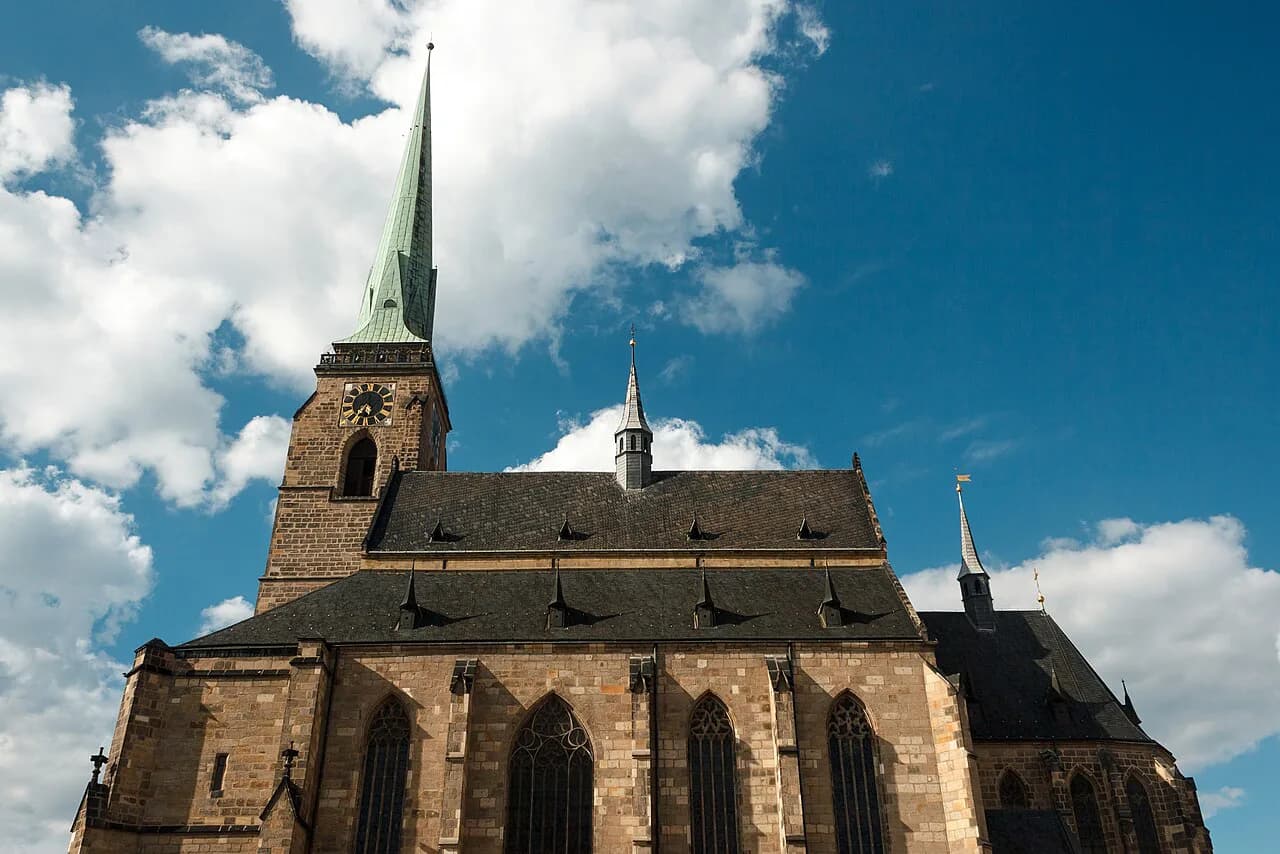
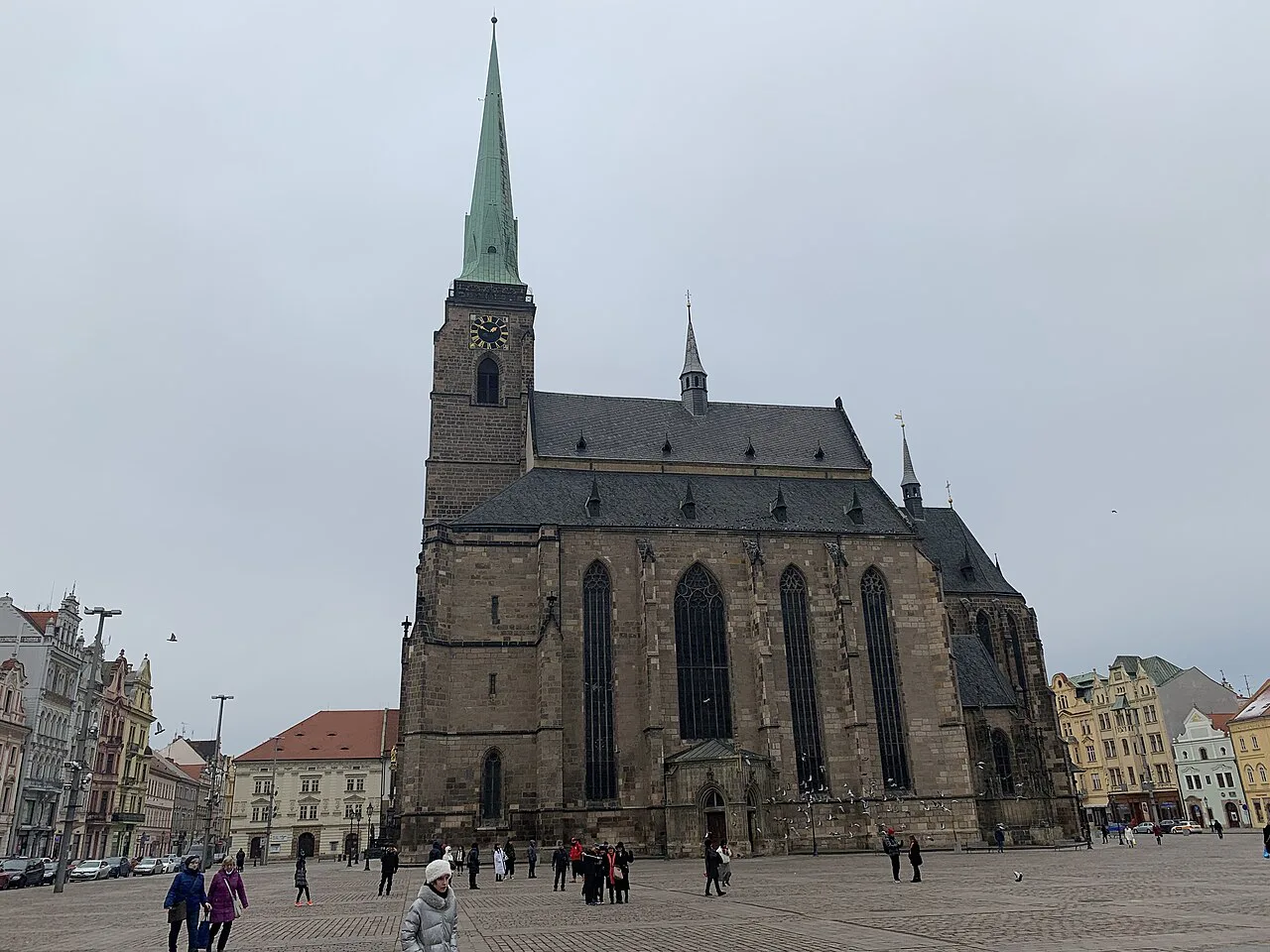
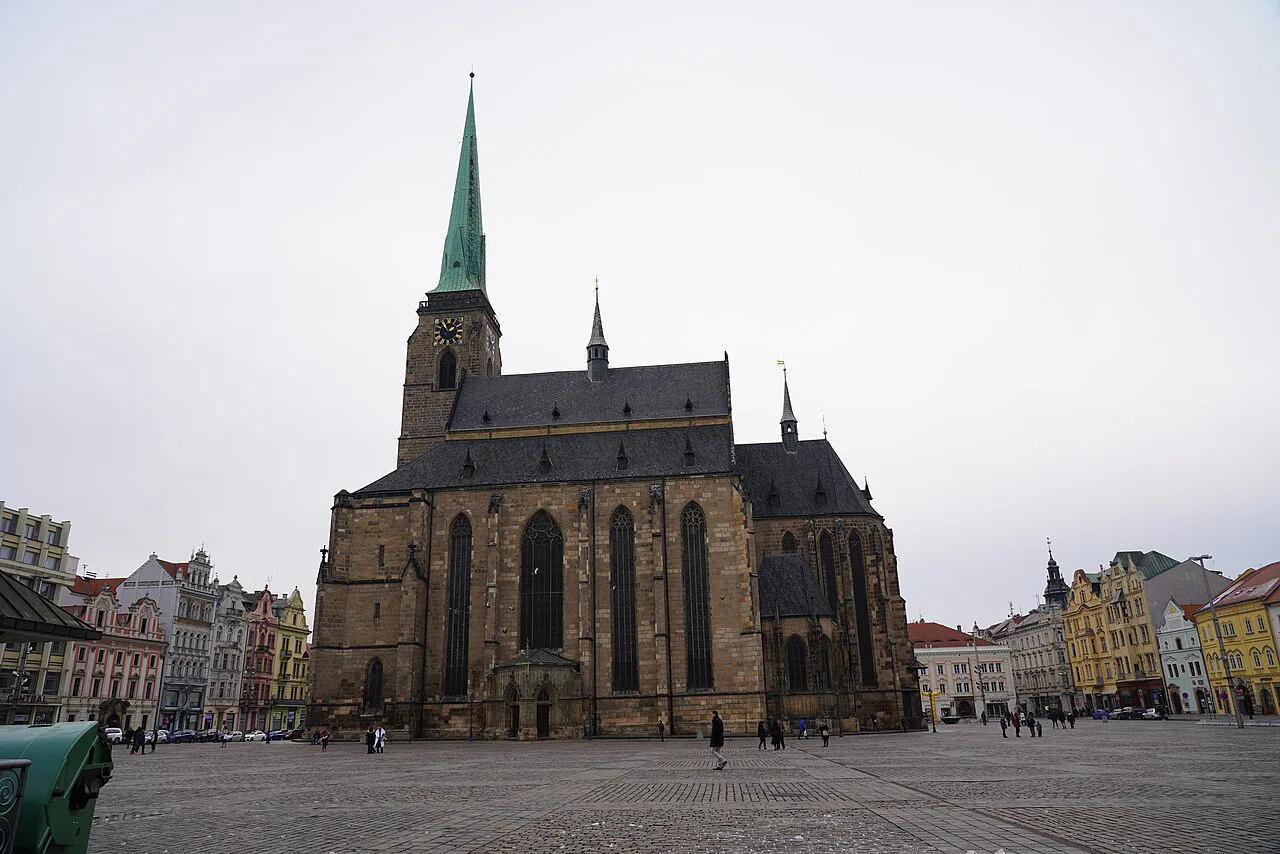
The museum's riverbank location makes it easy to continue into the center. St. Bartholomew Cathedral, Plzeň's tallest landmark, sits on the main square a short walk away and is the obvious next stop for anyone wanting the city's historic core. Pair the two for a morning that moves from wartime memory to medieval townscape without a tram ride.
For a different kind of interior, the Plzeň historical underground tunnels beneath the center offer a guided contrast to the museum's displays, while the brewery museum Plzeň keeps near the center covers the city's beer trade in depth. Families with children may prefer the Techmania Science Center in Plzeň, which trades wartime history for hands-on experiments, or Zoo Plzeň on the city's edge. Anyone with more time can add the great synagogue Plzeň keeps near the center, a short walk from the main square.

Is the Patton Memorial worth an hour in Plzeň?
Yes, if you want to understand why Plzeň remembers the American liberation so insistently and why the memory was suppressed for four decades. The museum is compact, the collection is genuinely personal, and the address at KD Peklo on Pobřežní is easy to fold into a walk through the center.
Skip it only if your Plzeň time is limited to the brewery and the main square, in which case the beer history wins. Otherwise, confirm the current hours and prices, allow a focused block of time, and leave room afterward for the cathedral and the riverside.
Explore more Plzeň guides
Frequently Asked Questions
Is the Patton Memorial Pilsen the same as the George Patton museum?
No. The Patton Memorial Pilsen is a city museum in Plzeň dedicated to the U.S. Army's liberation of the city and the postwar memory of it. Other Patton collections elsewhere focus on the general's life and career more broadly, so do not assume a ticket or membership for one covers the other.
What does the Patton Memorial Pilsen exhibit?
The displays begin with the final air campaigns in West Bohemia and the bombing of the Škoda works, then follow the U.S. Army's advance into Czechoslovakia and the role of George S. Patton and General Ernest N. Harmon. Everyday items such as food rations, cans, flour sacks and chewing gum illustrate American postwar aid, and documents, newspapers and magazines from 1948 to 1989 show the communist regime's effort to hide the American liberation.