
Stone House in Kutná Hora: What to See Inside the Gothic Kamenný dům

The Stone House in Kutná Hora is a late-Gothic patrician house on Václavské náměstí, and today it is a museum building of the Czech Museum of Silver rather than a stand-alone house tour. A ticket buys you the museum's permanent exhibition on town life and crafts, not a walk through empty historic rooms. This guide separates the architecture you can study from the street from the displays inside, so you know what the visit actually covers.
The house stands inside Kutná Hora's UNESCO-listed historic core, a short walk from the town's main squares, which makes it easy to slot into an afternoon alongside the other sights in Kutná Hora. It is a compact stop: the facade rewards a few minutes on its own, and the exhibition inside fills the rest of the visit.
What the Stone House actually is
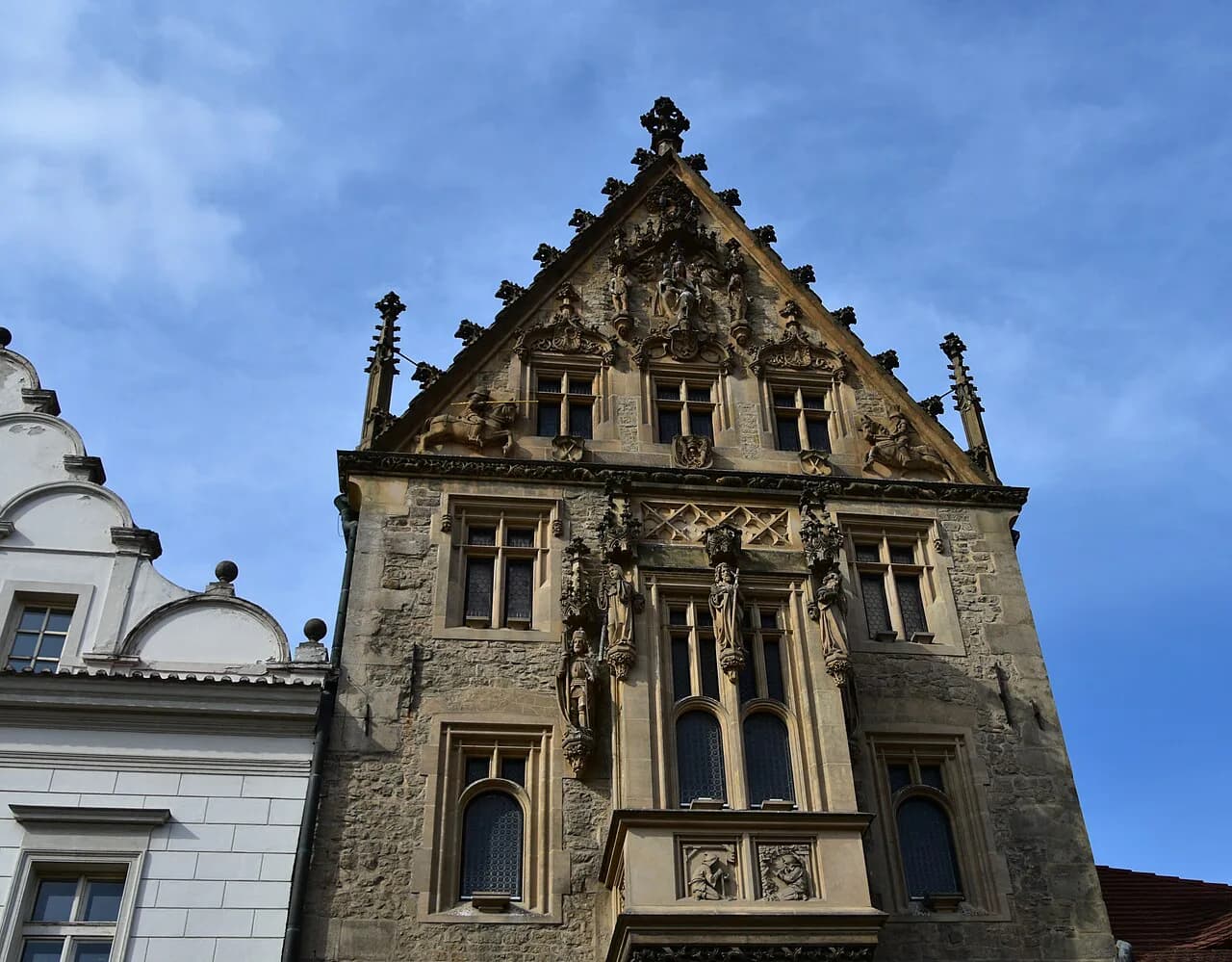
The Stone House, or Kamenný dům, is described by the Czech Museum of Silver as an exceptional example of late-Gothic patrician architecture, unusual for its size relative to a normal town house. The building has been called "stone" since 1660, a name that stuck to the house rather than to any single owner. It has served as a museum seat since the early 20th century, so the interior you see today is a museum interior, not a preserved medieval household.
CzechTourism calls it one of the most valuable Gothic monuments in Bohemia and the most important civic house in Kutná Hora, valued less for age alone than for what it shows about how people lived and thought. Both the museum and CzechTourism treat it as a civic building, the home of a wealthy townsman, rather than a castle or church. That framing matters: you are looking at merchant-town architecture, not aristocratic display.

Where the Stone House sits in Kutná Hora
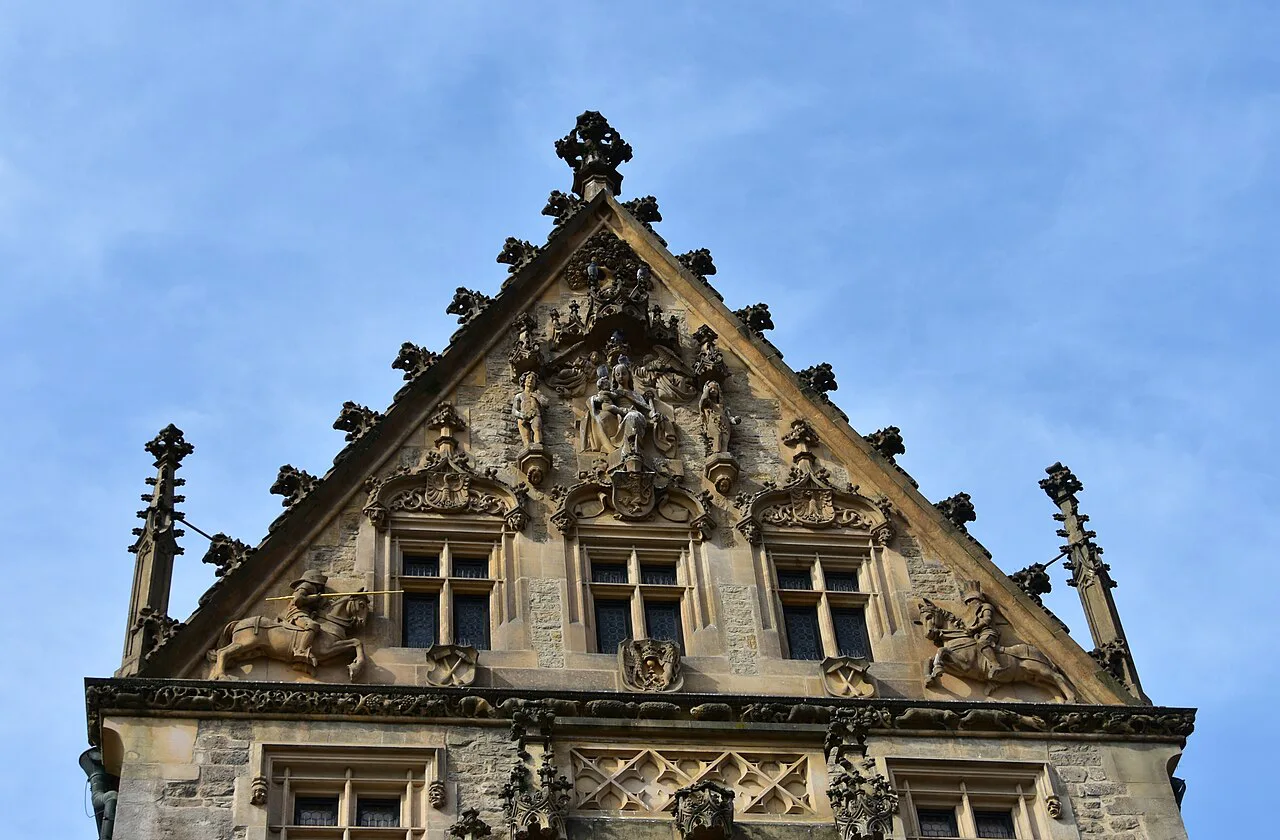
CzechTourism gives the address as Václavské náměstí 26/183 in Kutná Hora, within the historic core listed as a UNESCO World Heritage Site. That puts it on a named square you can find on any town map, a short walk from the center of the old town rather than out in a suburb. If you are arriving by train, plan the walk up into the historic core first and treat the square as your orientation point.
The museum publishes its contact details through the Czech Museum of Silver, with the Stone House listed among its venues alongside Hrádek and the Tyl House, which is the channel to use for questions about access. Approach the square on foot from the surrounding lanes, since the value of the stop is the facade seen in the context of the old town streets.

The facade: gable, windows, pinnacles and the double gate
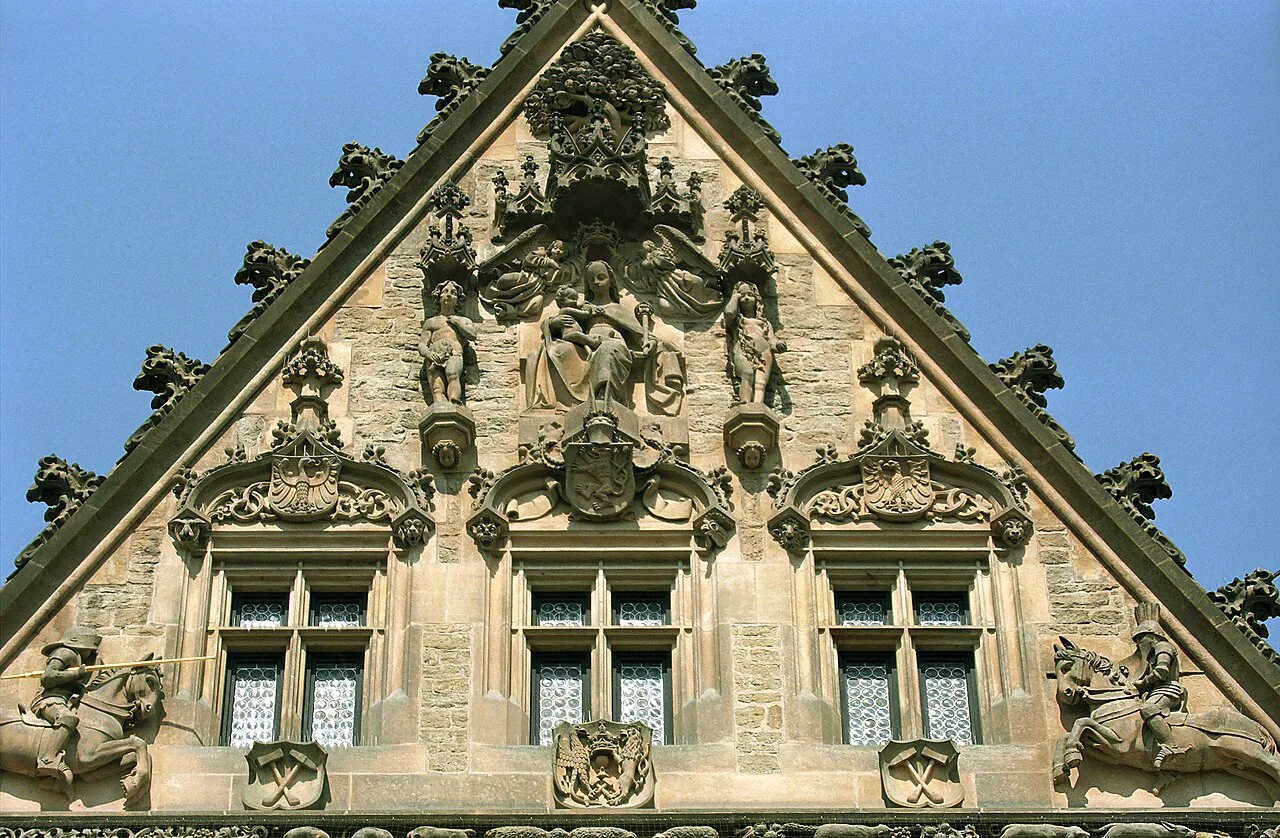
The facade is the part of the Stone House you can study without a ticket. CzechTourism points to a high triangular gable, Gothic windows, richly carved sculpture, Gothic pinnacles and a double gate as the elements that make the house instantly recognizable. Look up first for the gable and pinnacles, then down at the gate and the carved program around the windows.
The gable carries knight figures, which CzechTourism connects to Prokop Kroupa, the townsman who was raised to noble rank in 1499. The museum's history explains the building's development in stages: a pre-Hussite ground plan survives in the cellars and parts of the ground floor, with two more floors and a gable added around 1489 when Prokop Kroupa owned the house, and a cohesive sculptural program created after 1491 probably by Master Brikci. Read the two accounts as complementary rather than identical: the museum traces construction phases, CzechTourism gives the 1485–1499 span and the heraldic reading of the knights.
Much of the medieval sculpture on the facade is now replica work, replaced with replicas by J. Kastner, J. Čapek and J. Uzel. A purist reconstruction under Ludvík Láber around the turn of the 19th and 20th centuries aimed to restore the disposition from before an 1839 alteration, which the museum presents as a strong example of period restoration method. Knowing this changes how you look: you are reading a careful early-20th-century restoration of a late-Gothic facade.
Inside: the museum exhibition
The Stone House belongs to the Czech Museum of Silver, and after a two-stage reconstruction between 1997 and 1999 the museum installed a new permanent exposition in halls across three floors. The exhibition focuses on the earlier history of Kutná Hora and on local handcraft in the 17th to 19th centuries, built mainly from museum collections that had been conserved and restored. That means the ticket buys a social and craft history of the town, not a mining tunnel or a mining-technology display.
The narrative arc is specific: the displays show Kutná Hora shifting from an important royal mining town into a provincial one after its silver mines were exploited. Sections on the town's burghers introduce everyday life, while the guild section covers craft organization up to the middle of the 19th century with guild items, documents and works by local masters. If you want the mining story itself, that belongs to the museum's other venue rather than this house.
Several rooms are staged as interiors rather than object cases, including an arranged bourgeois salon and an equipped kitchen evoking a well-off artisan's or clerk's household. Furnishings of a peasant's farm house represent the agricultural base of the town, and a further part of the exposition uses pictures, carvings and old prints to sketch its spiritual life and the activity of church orders in Kutná Hora.
The final stretch turns to the national revival, introducing figures who influenced the town's social development at the beginning of that movement. Visitors who expect a single silver-mining narrative may find the range wider than anticipated, which is the honest trade-off of a town-life museum housed in a Gothic house.
How much time to allow
Budget roughly three-quarters of an hour to an hour for the Stone House: a few minutes on Václavské náměstí for the gable, carvings and gate, then the three floors of exhibition at an unhurried pace. The house is compact, so it works as one stop in an afternoon rather than a half-day destination.
The facade alone takes only a few minutes and costs nothing, which makes the Stone House a sensible stop even when you are pacing yourself before the bigger sights. Pair it with the town's other historic-core stops rather than crossing town twice; the square-by-square layout of the old center keeps walking distances short.
Tickets, hours and booking
The Stone House is one of the Czech Museum of Silver's venues, so ticket prices, opening hours and any closure days come from the museum rather than from the house itself. The museum publishes its own contact details, including a reservations email for information about tours, and runs an online tour reservation system. Check the museum's own pages for the current CZK admission price before you set out, since the exhibition ticket and any guided options are sold through that channel.
Because the house is a museum venue, do not expect a separate cash desk on the square with its own price list. Ask the reservations contact specifically about the Stone House exhibition rather than about the mine tour, and raise any question about English-language commentary when you book.
Nearby: the Stone Fountain and the Italian Court
Two other historic-core sights sit close enough to combine with the Stone House without turning the day into a March. CzechTourism lists the Stone Fountain in Kutná Hora, a late-15th-century fountain that symbolizes how the town valued water, and the Italian Court among the sights near the Stone House. Both keep you inside the same UNESCO-listed center.
If you are building a fuller day, St. Barbara's Church in Kutná Hora is the other landmark most visitors want, and the Sedlec Ossuary sits out at Sedlec near the Cemetery Church of All Saints on Zámecká Street. GASK in Kutná Hora covers modern and contemporary art if you want a change of register from Gothic stone and guild chests.
The Church of St. James in Kutná Hora is another old-town church within reach of the same streets, useful if you are already circling the historic core on foot. Treat these as options on a single loop through the center rather than as a checklist.
What to see, how long it takes and where to go next
Yes, if you want to read a late-Gothic merchant house closely and see how Kutná Hora lived after the silver years. The facade alone justifies a few minutes on Václavské náměstí, and the Czech Museum of Silver exhibition adds the guild, household and revival context that the stonework cannot tell you.
Confirm the exhibition's opening days and the current admission price through the museum's reservation contact, then slot the visit between the Stone Fountain and the Italian Court. That order keeps you inside the historic core and leaves the outlying Sedlec sights for a separate leg of the day.
Frequently Asked Questions
Can I see the Stone House from outside without a ticket?
Yes. The facade on Václavské náměstí, with its triangular gable, Gothic windows, pinnacles and double gate, is visible from the square and the surrounding lanes at no cost. The exhibition inside is part of the Czech Museum of Silver and requires admission, with the current price published by the museum.
Are the knight figures on the gable original medieval carvings?
Most of the medieval sculpture on the facade is replica work. The museum states that the majority of medieval sculptures were replaced with replicas by J. Kastner, J. Čapek and J. Uzel during restoration around the turn of the 19th and 20th centuries, and CzechTourism links the knights to Prokop Kroupa's noble rank in 1499.